

Most homeowners think roof drainage is just about keeping water away from the house. The truth is more complicated. What seems like a straightforward fix can actually violate local codes, spark insurance disputes, or even lead to lawsuits with neighbors. The stakes are higher than most people realize.
Let’s be real, nobody wakes up thinking about their gutters and downspouts until something goes wrong. Yet the way you manage water flowing off your roof can have serious legal and financial consequences. From thousands of dollars in fines to denied insurance claims, these drainage decisions can spiral into genuine trouble.
Directing Downspouts Onto Neighboring Property
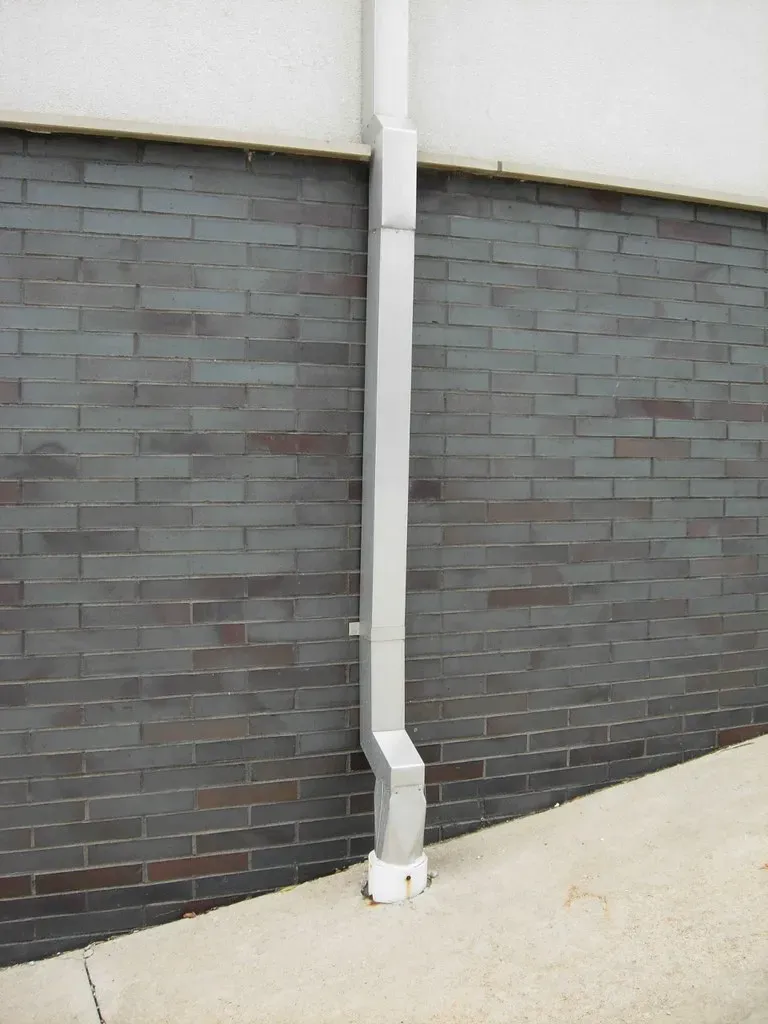
In some cases, courts have found gutters and downspouts that send rainwater onto a neighbor’s property to be “unreasonable.” This might seem obvious, yet it remains one of the most common drainage disputes between homeowners. When you redirect water from your roof directly onto someone else’s land, you’re creating what legal experts call an artificial alteration of natural water flow.
In a majority of U.S. states, when one neighbor alters the land and damage occurs to another, that neighbor is liable for the damage if the alteration was “unreasonable.” The problem intensifies when that redirected water causes foundation damage, erosion, or flooding on the neighboring property. Courts don’t take kindly to homeowners who deliberately channel water across property lines.
The court stated that there can be a cause of action if the flow of water causes substantial damage, and one of two situations applies. If the harm caused is substantial and the person diverting the water made the alterations in a way that is either intentional or reckless, or negligent, reckless, or in the course of an abnormally dangerous activity, then there may be legal remedies available.
Property owners have successfully sued neighbors for drainage alterations that damage their land. Documentation matters tremendously in these cases. If you’re altering your drainage system, make certain the water stays on your property or flows to approved municipal systems.
Connecting Downspouts to Sanitary Sewer Systems
It is mandatory for homeowners to ensure their downspouts (rain gutters) are disconnected from the City’s sanitary sewer system. These connections are not allowed under New York City’s Rules because they can overwhelm the sewer with rainwater and cause sewer back-ups in basements and flooding in neighborhoods. This violation isn’t unique to New York. Many municipalities across the country have similar prohibitions.
The financial penalties can be steep. Residents who are found to be out of compliance can face a penalty of $3,000 for their first offense, $6,000 for a second offense, and $8,000 for a third. These aren’t theoretical fines. Cities are actively enforcing these regulations because improper connections create serious infrastructure problems.
It should be noted that the city’s failure to gain compliance from all property owners with regards to State and Federal environmental laws or ACOs can result in very large fines for both the city and/or property owners. Municipalities face their own penalties from state and federal agencies when residents violate water management regulations. This motivates aggressive code enforcement.
Older homes often have these illegal connections because they were once permitted or simply went unnoticed for decades. The fact that your house has had this setup for thirty years won’t protect you from current enforcement actions.
Failing to Extend Downspouts Proper Distance from Foundation
Drainage water run-off from building roofs shall be piped to a point five feet away from the outside walls of any building. No drainage water run-off shall be allowed on adjacent property. This requirement exists in numerous building codes across different jurisdictions. The specific distance varies, but the principle remains consistent.
When downspouts dump water directly against your foundation, you’re creating conditions for structural damage. Insurance companies are well aware of this issue. Common reasons for denial include the following: Wear and tear. If your insurance company thinks your roof damage resulted from a lack of maintenance, it can deny your claim.
Here’s where things get tricky. Foundation damage from improper drainage often develops slowly over years. By the time you notice cracks or water intrusion, your insurance company can argue the damage stems from neglect rather than a sudden covered event. They’ll point to your failure to properly extend downspouts as evidence of inadequate maintenance.
Gutters and downspouts shall be disconnected and separated from the sanitary sewers, and such downspouts shall be so arranged after disconnection that all water will discharge on the ground surface in such a way as to avoid damage to adjoining property or obstruction of walks. All downspouts must be so constructed and maintained that they cause no damage to adjacent property. The legal obligation extends beyond just protecting your own property. Damage to sidewalks or neighboring land creates additional liability exposure.
Installing Drainage Systems Without Proper Permits
One of the most frequent violations involves construction work completed without proper permits. The consequences of unpermitted work can be severe, including forced removal of the work, fines, and complications when selling your property. Roof drainage modifications often require permits, especially when they involve significant changes to how water is managed on your property.
The permit requirement isn’t just bureaucratic red tape. It ensures your drainage modifications comply with local codes and won’t create problems for municipal infrastructure or neighboring properties. The code official oversees processing these applications and issuing permits to ensure construction or modifications align with code requirements. This process starts with a thorough review of the construction plans to confirm compliance with the building code.
Homeowners frequently skip the permit process because they view gutter and downspout work as minor maintenance. That assumption can backfire spectacularly. When you eventually sell your home, unpermitted modifications can derail the sale or reduce your property value.
Most jurisdictions levy a fine and mandate a court hearing if the homeowner fails to follow the local building code. Municipalities arrange this fine-based system as an effective deterrent. The financial hit can extend well beyond the initial fine. Legal fees add up quickly when code violations result in court appearances.
Using Improper Materials or Installation Methods
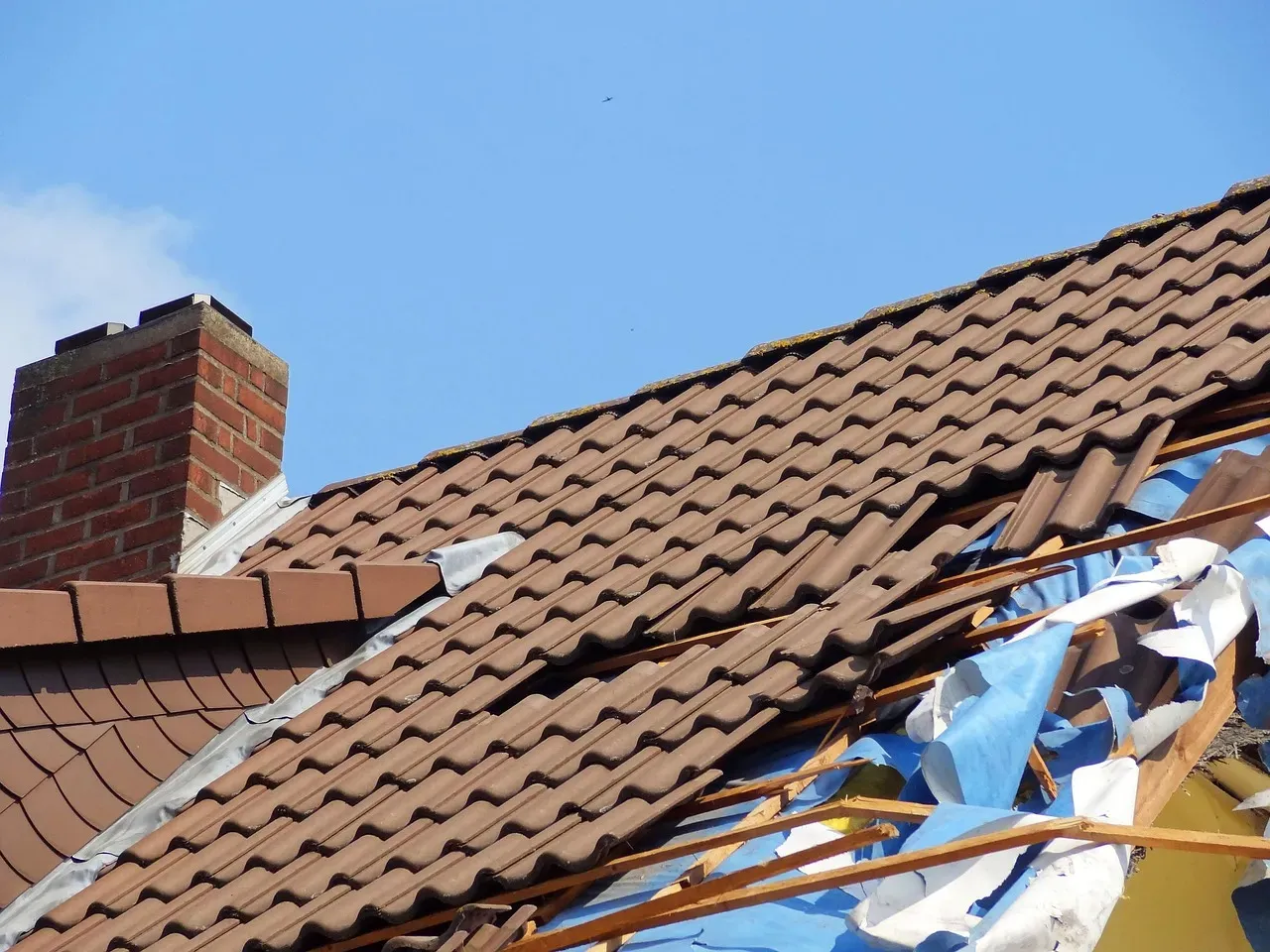
Insurance companies typically do not cover roof damages resulting from poor workmanship, incorrect installation, or the use of substandard materials. If your roof has failed or experienced damage due to installation mistakes, your insurance claim may be denied. This principle applies equally to drainage systems as it does to roofing materials.
When drainage components fail because a homeowner used inappropriate materials or installed them incorrectly, insurance companies have solid grounds to deny claims. Improper Roof Installation or Repairs – If your roof was installed incorrectly or repaired using non-approved materials, your claim could be denied. Many insurance policies require roofs to meet specific building codes and manufacturer guidelines.
The issue becomes particularly problematic when improper drainage installation leads to secondary damage. Water backing up from a poorly installed gutter system can damage fascia, soffits, and eventually penetrate into wall cavities. The cascading damage gets expensive fast, yet insurance won’t cover it if the root cause was improper installation.
Working closely with a knowledgeable roofing professional on a home roof replacement project reduces the likelihood of a code violation. Licensed contractors understand local requirements and typically warrant their work. Cutting corners with DIY installations or unlicensed workers might save money initially, but creates substantial risk down the line.
Allowing Drainage to Flow Over Sidewalks or Public Right-of-Way
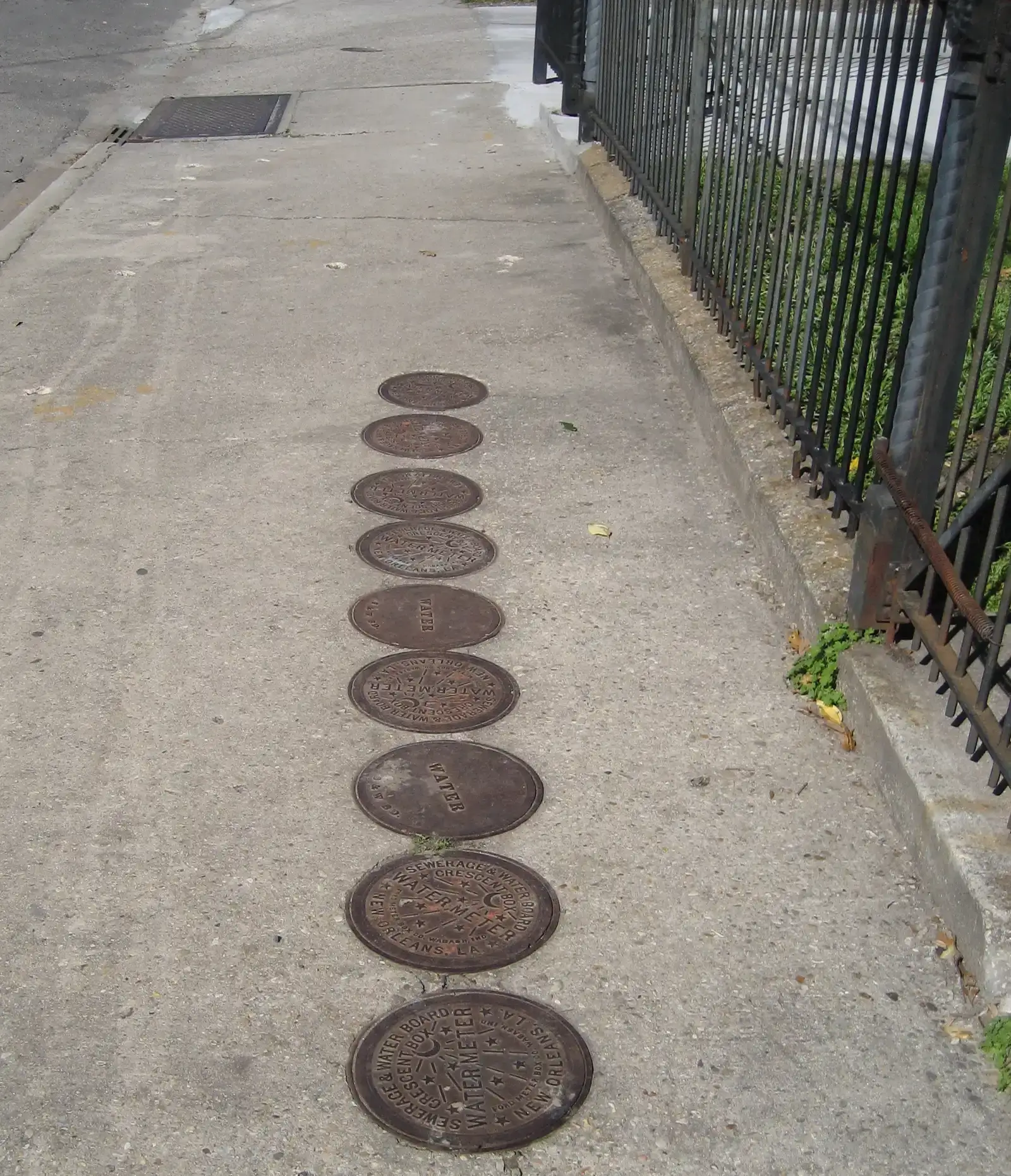
In no case shall water from any roof be allowed to flow upon a sidewalk. This straightforward prohibition appears in municipal codes across the country. Water sheeting across sidewalks creates slip hazards, particularly dangerous during freezing weather when it becomes ice.
It is unlawful for any person to drain water or other liquids or permit water or other liquids to be drained, from lands or premises under such person’s management or control onto any public street by any means which results in damage to the public street, or causes interference with or damage or hazard to public travel. It is unlawful for any person to keep, store or distribute water or other liquids for any purpose so as to permit such water or other liquids to overflow onto, to saturate by seepage, or to obstruct any public street.
The liability exposure here extends beyond just code violations. If someone slips and falls on ice created by your drainage water on a public sidewalk, you could face a personal injury lawsuit. Municipalities sometimes pursue property owners for damage to streets or sidewalks caused by excessive water discharge.
Consider that many homeowners associations have similar restrictions about water flowing onto common areas. HOA violations carry their own penalties, separate from municipal code enforcement. You might find yourself fighting battles on multiple fronts over the same drainage issue.
Neglecting Required Maintenance and Documentation
Most home insurance policies include language that states that a claim must be filed within a reasonable time, and damaged property must be replaced within 365 days from the time damage was incurred. If you fail to do so, or neglect to notify your insurance company in writing prior to the 365 days expiring, along with a valid reason for the delay and an extension request, they are likely to deny your claim.
Insurance companies pay close attention to maintenance history when evaluating roof and drainage claims. One of the most common reasons for roof claim denials is pre-existing damage or normal wear and tear. Insurance policies are designed to give homeowners insurance cover for sudden and accidental damages, not issues arising from neglect or lack of maintenance. If an adjuster determines that the damage was present before the policy was issued or resulted from normal aging, your claim is likely to be denied.
The documentation burden falls on homeowners. Taking photos of your drainage system’s condition before storm season provides crucial evidence if you later need to file a claim. Without this documentation, insurance adjusters can argue that damage existed prior to the covered event.
Here’s how to keep your insurance coverage strong: Schedule Regular Roof Inspections – Annual inspections help identify minor issues before they turn into claim-denying problems. Document Your Roof’s Condition – Take photos of your roof before storm season so you have clear evidence of pre-damage conditions. These preventive steps seem tedious until you’re fighting a denied claim worth thousands of dollars.
Altering Drainage Without Considering HOA Requirements
Most Florida HOAs require approval before roof replacement. The typical process follows these steps: Submit application: File your architectural review request including contractor licenses, material specifications, color samples, and timeline estimates. Many homeowners don’t realize that drainage modifications often fall under HOA architectural review requirements, not just visible aesthetic changes.
Even though you’re responsible for repairs, you still need to follow HOA architectural guidelines when replacing your roof. Under Florida Statute §720.3035, architectural review committees must apply standards reasonably and equitably. This legal framework means HOAs have enforceable authority over drainage modifications that affect common areas or community aesthetics.
Also limits some fines and clarifies architectural review standards. Recent legislative changes in states like Florida have refined HOA powers, but haven’t eliminated their authority over drainage and roofing modifications. You’re still required to get approval before making changes.
Violating HOA requirements creates a different kind of trouble than municipal code violations. The HOA can levy fines, place liens on your property, or even take legal action to force compliance. These disputes with your HOA can drag on for months and create tension that makes living in the community unpleasant. Some insurance companies also refuse to cover modifications done in violation of HOA covenants.
What stands out most about these drainage issues is how easily preventable they are. A quick conversation with your local building department or a licensed contractor can clarify requirements before you start work. The few hundred dollars spent on proper permits and professional installation pales in comparison to the thousands you might pay in fines, legal fees, or insurance deductibles later. What do you think? Are these regulations excessive, or do they protect property values and community infrastructure? Share your thoughts in the comments.
