
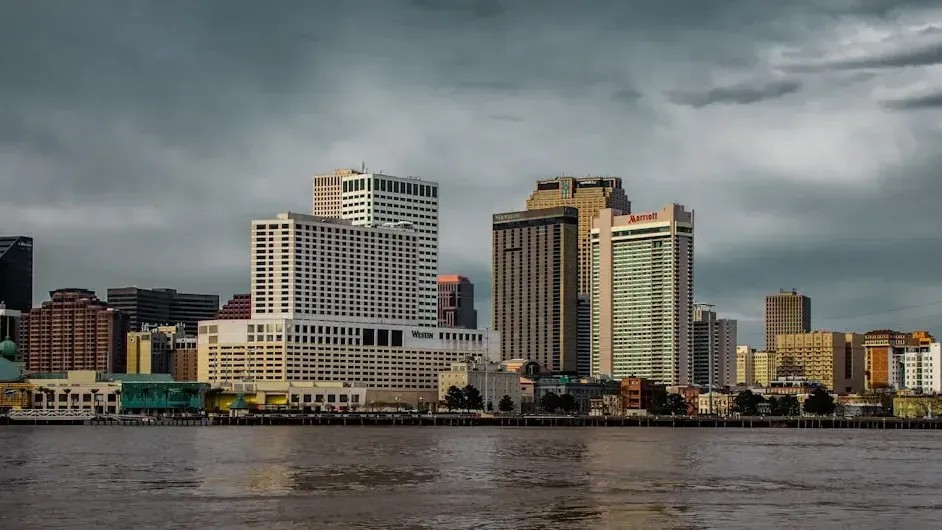

Every year, millions of Americans wake up to a weather forecast that reads less like a daily outlook and more like a disaster briefing. Flooding, wildfires, tornadoes, extreme heat – these aren’t rare one-off events anymore. In 2024 alone, there were 27 individual weather and climate disasters with at least one billion dollars in damages, trailing only the record-setting 28 events analyzed in 2023. That is an almost incomprehensible pace of destruction.
Some cities, by pure geography and bad luck, find themselves standing directly in harm’s way year after year. The risks are compounding, the data is clear, and if you’re thinking about where to live or travel, this is the list you need to read first. Let’s dive in.
1. Miami, Florida – The Sinking City That Won’t Quit
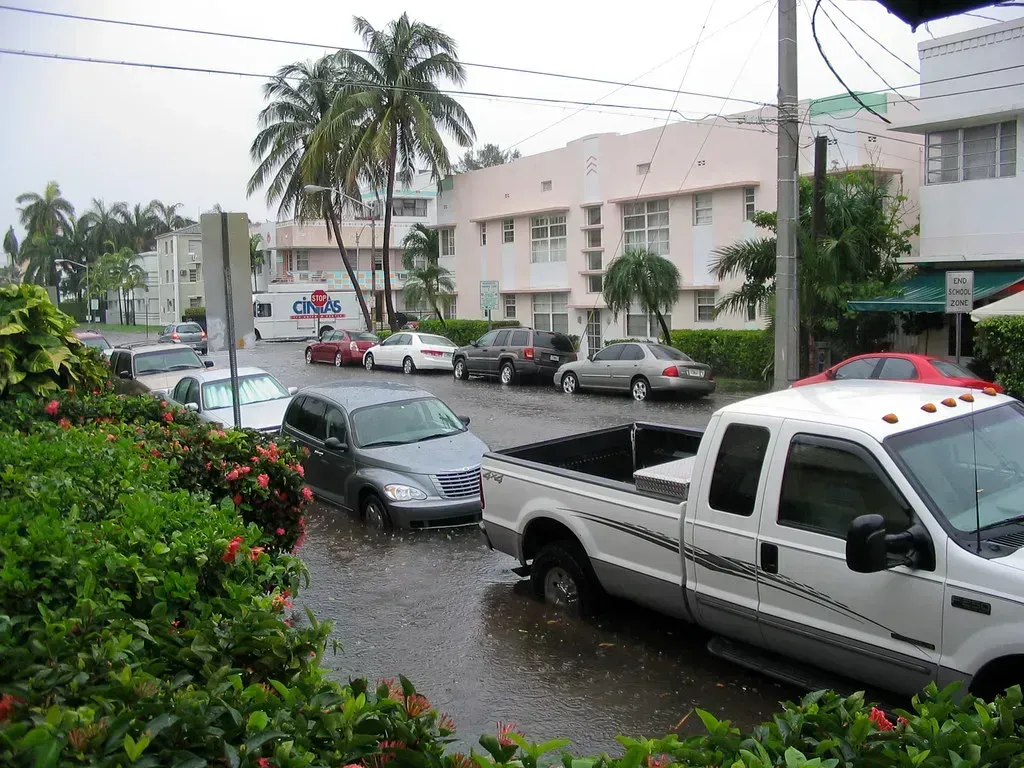
Honestly, where do you even begin with Miami? Floods, storms, and extreme heat hitting Miami in recent years have caused severe threats to the people and infrastructure of the city, and Miami is rated by some as the most vulnerable coastal city in America for natural disasters. That’s not a small claim. That’s a city sitting at essentially sea level, surrounded by warm Atlantic water, waiting for the next big one.
The National Weather Service estimates that from June 11 through June 12, 2024, about 20 inches of rain deluged the hardest-hit spots near Fort Lauderdale and North Miami. Miami Beach, which frequently floods in less powerful storms, got about 13 inches. Think about that – 20 inches in roughly 24 hours. That’s like someone tipping a bathtub over an entire city.
Miami-Dade County alone, where over one third of homes face high flood risk, saw 67,418 more people move out than in in a single year. People are literally fleeing. Miami’s beachfront has been subject to severe hurricane damage and recurring flooding at high tides due to rising sea levels, which has allowed saltwater to intrude into the drinking water and has compromised waste treatment plants in the area.
2. New Orleans, Louisiana – A City Below the Waterline
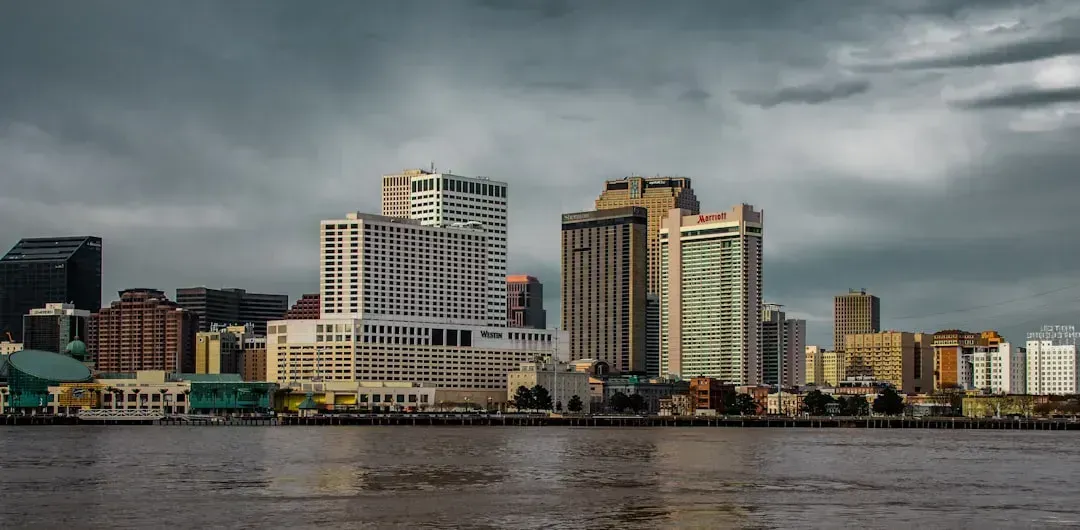
New Orleans is one of those places where the weather risk is almost philosophical. By 2050, 99 percent of homes in New Orleans will be in a 100-year flood plain – a 66 percent increase from how many homes are currently in flood plains today. This is, according to Policygenius calculations, the biggest predicted risk increase for any city in the United States. The biggest. Full stop.
A strong upper level disturbance, surface low, and cold front produced a line of severe thunderstorms that pushed across Southeast Louisiana in April 2024, producing strong straight line winds, a few tornadoes, and extensive flash flooding in the New Orleans metro area. This kind of event isn’t the exception here. It’s practically the calendar.
In fourteen major metros across Louisiana, Florida, South Carolina, and Texas – including New Orleans – every single home is exposed to severe or extreme hurricane wind danger. These wind risks often overlap with flooding, leaving homeowners in coastal regions vulnerable to compounding disasters. Compounding disasters. Two words that perfectly describe living in New Orleans.
3. Houston, Texas – Heat, Floods, and Hurricanes All at Once
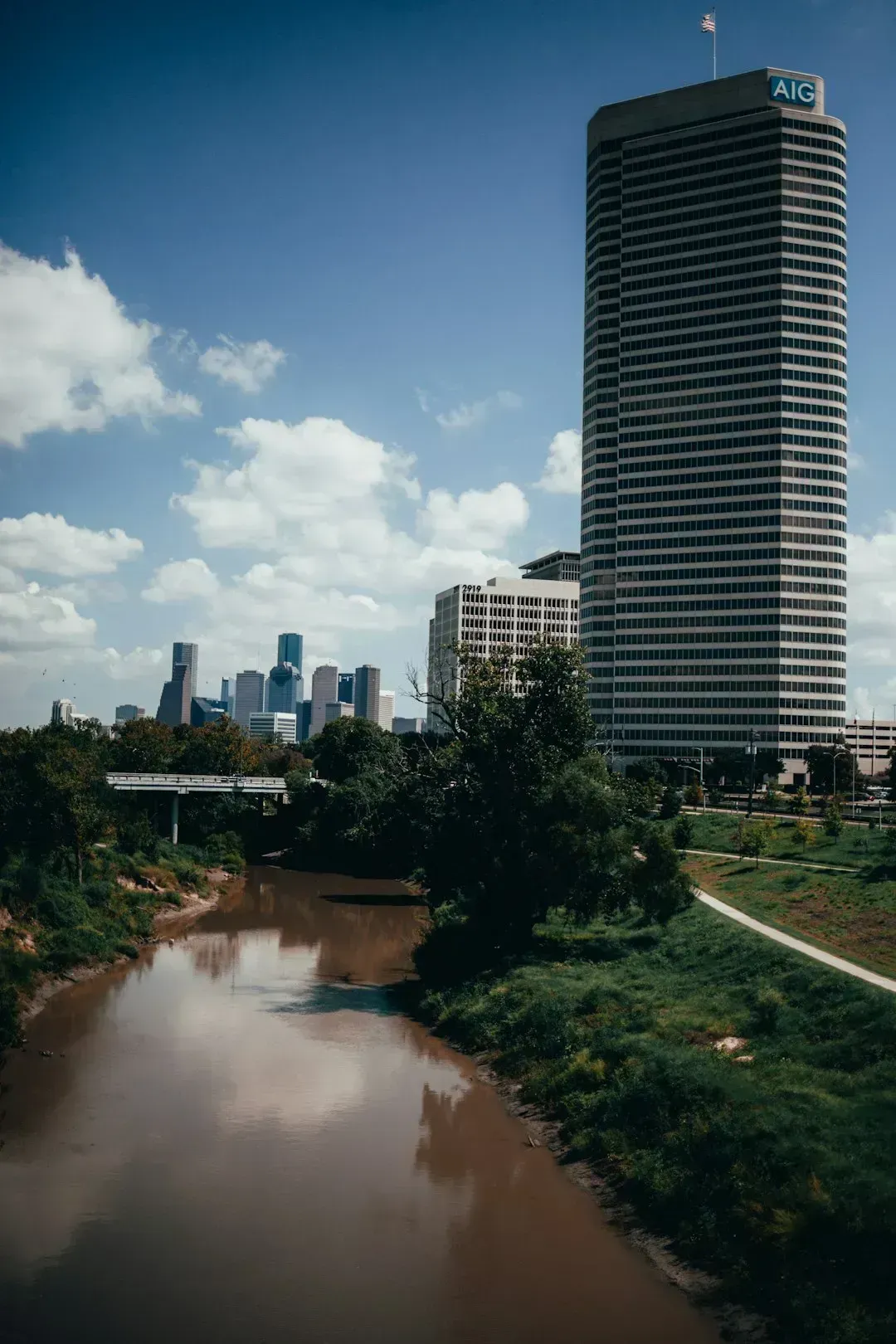
Houston is the city that seemingly can’t catch a break – and the data backs that up completely. On average, Houston experiences around 100 days each year where the temperature is over 90 degrees Fahrenheit. Houston is also known for having extremely high humidity, often around 90%, and is prone to severe flooding thanks to its location near the Gulf of Mexico. Triple-digit heat plus oppressive humidity plus flood risk. That’s a brutal trio.
The area is particularly exposed to dangerously hot temperatures, with 100 percent of homes in Harris County facing high heat risk, according to Redfin. Every single home. Not most of them. All of them. Nearly half of storm surge flood damage in Harris County could go uninsured, meaning residents face enormous financial exposure on top of physical danger.
Houston is one of nine U.S. cities that now experience at least 50 more days above normal temperatures than they did in 1970, according to Climate Central’s analysis of NOAA data. That’s nearly two additional months of excess heat baked into the city’s annual climate. Houston residents aren’t imagining it getting worse – it genuinely is.
4. Los Angeles, California – Fire Season Is Now All Season
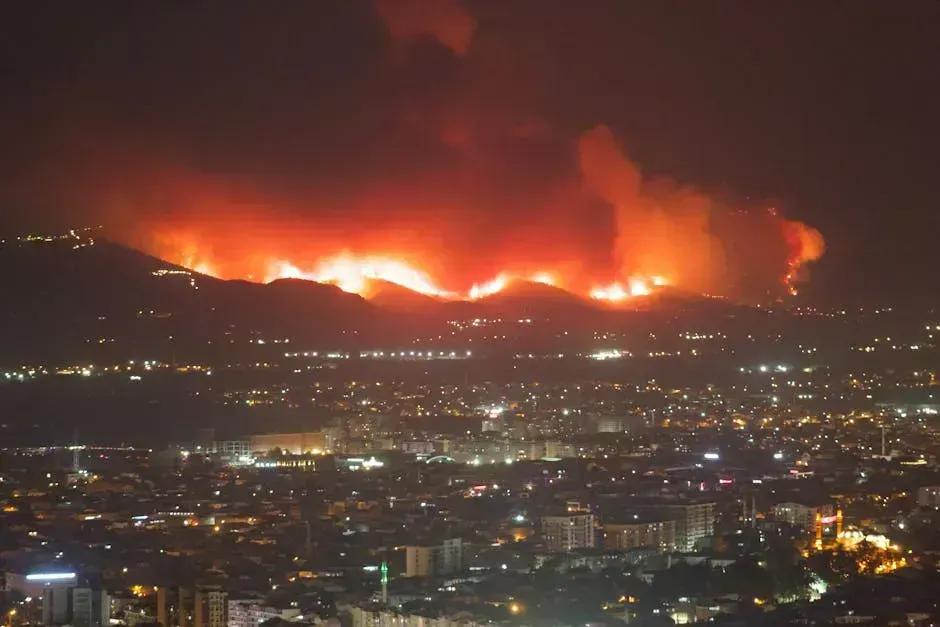
Los Angeles used to have a wildfire season. Now it seems to just have wildfires. The January 2025 Los Angeles wildfires were the costliest event of the year as well as the costliest wildfire on record. With $61.2 billion in damages, this devastating event was about twice as costly as the previous record wildfire. Let that sink in for a moment. Twice the previous record. In January, no less.
A rapid analysis by World Weather Attribution found that human-caused warming made fire weather conditions at the time about six percent more intense and 35 percent more likely. The science is not abstract here. California alone accounts for nearly 40 percent of all U.S. severe wildfire property exposure, with roughly $1.8 trillion in property value at risk. The state’s insurance market is buckling under the pressure – California’s FAIR Plan, a last-resort insurance option, now covers $650 billion in exposure, an increase of 289 percent since 2021.
Scientists predict that “large fire days” in Southern California could increase from 36 days a year, as was seen during 1970–1999, to 70 days a year by 2070–2099. Nearly double. And the insurance industry, clearly aware of what’s coming, is already starting to price people out. If you can’t insure your home, can you really afford to live there?
5. Oklahoma City, Oklahoma – The Heart of Tornado Alley
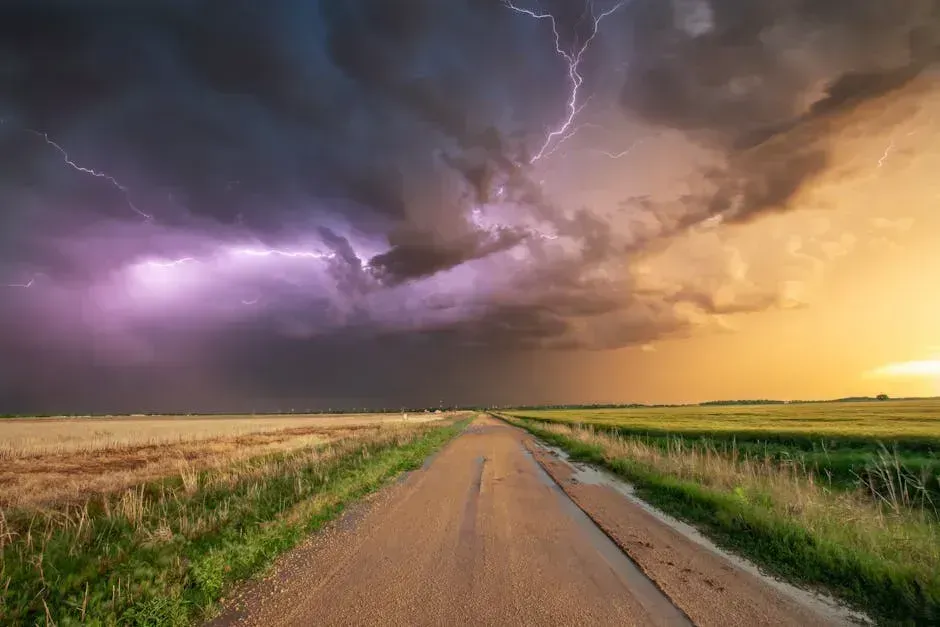
Let’s be real: Oklahoma City isn’t just near Tornado Alley. It IS Tornado Alley. It’s not only temperature extremes that make Oklahoma City a great example of wild weather fluctuations. OKC stands out for its sheer unpredictability – the weather has a mind of its own, and the city is smack in the middle of so-called Tornado Alley, hit by an average of about two tornadoes every year. Two tornadoes a year, on average. That’s enough to keep a meteorologist very busy.
From 1980 to 2024, there were 115 confirmed weather and climate disaster events with losses exceeding one billion dollars each to affect Oklahoma. These events included 18 drought events, 6 flooding events, 76 severe storm events, 6 wildfire events, and 7 winter storm events. That is a staggering breadth of destruction across nearly every weather category imaginable.
Summer highs peak at a sweltering average of 94°F, and the average January low dips below freezing at 30°F – that’s an annual range of 64°F, and those are just the averages. A powerful storm front crossed Oklahoma on April 25, 2024, bringing powerful winds, flooding, and tornadoes. On April 30, 2024, former President Biden declared a major disaster. One storm, a presidential disaster declaration. That is Oklahoma City weather in a nutshell.
6. Tampa, Florida – Hurricane Milton’s Wake-Up Call
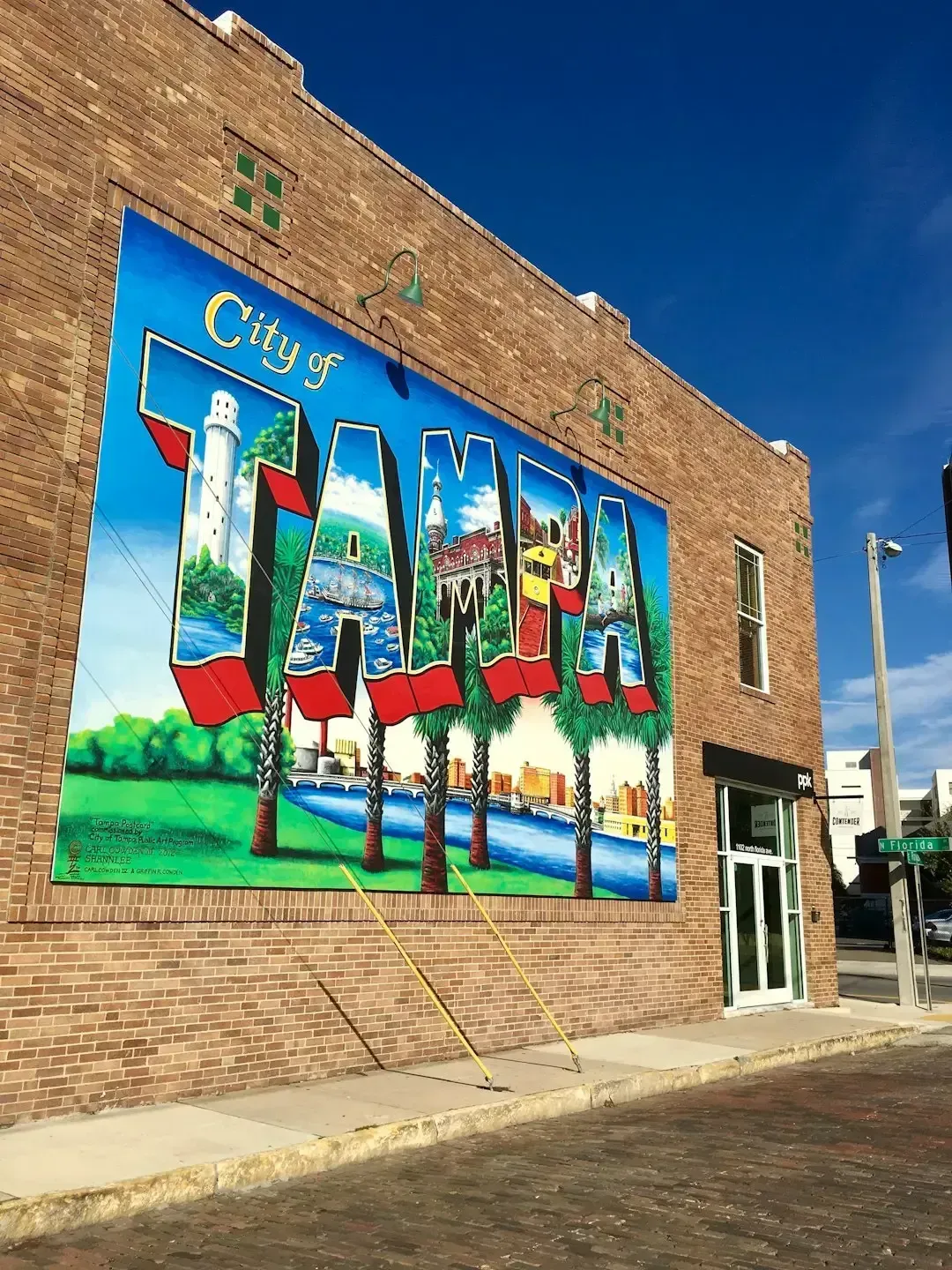
Tampa dodged catastrophic direct hurricane hits for decades, which gave many residents a false sense of security. Then 2024 arrived. 2024 was an impactful year for Florida as several storms made landfall in the state – Hurricane Debby and Major Hurricanes Helene and Milton created significant impacts. For Tampa, Hurricane Milton was essentially the wake-up call the city had been dreading for years.
From 1980 to 2024, there were 94 confirmed weather and climate disaster events with losses exceeding one billion dollars each to affect Florida. These events included 33 severe storm events and 36 tropical cyclone events. The annual average for the most recent five years (2020–2024) is 6.8 events – up significantly from the long-term average of 2.1 events. That acceleration is alarming.
In 2025, roughly 18.3 percent of all U.S. homes – representing nearly $8 trillion in property value – are projected to face severe or extreme hurricane wind risk. In fourteen major metros across Louisiana, Florida, South Carolina, and Texas – including Tampa – every single home is exposed to this level of danger. Tampa sits in an extraordinarily vulnerable position where storm surge, not just wind, is the real killer. Every long-time Floridian knows it.
7. Fargo, North Dakota – Where Winter Never Really Ends
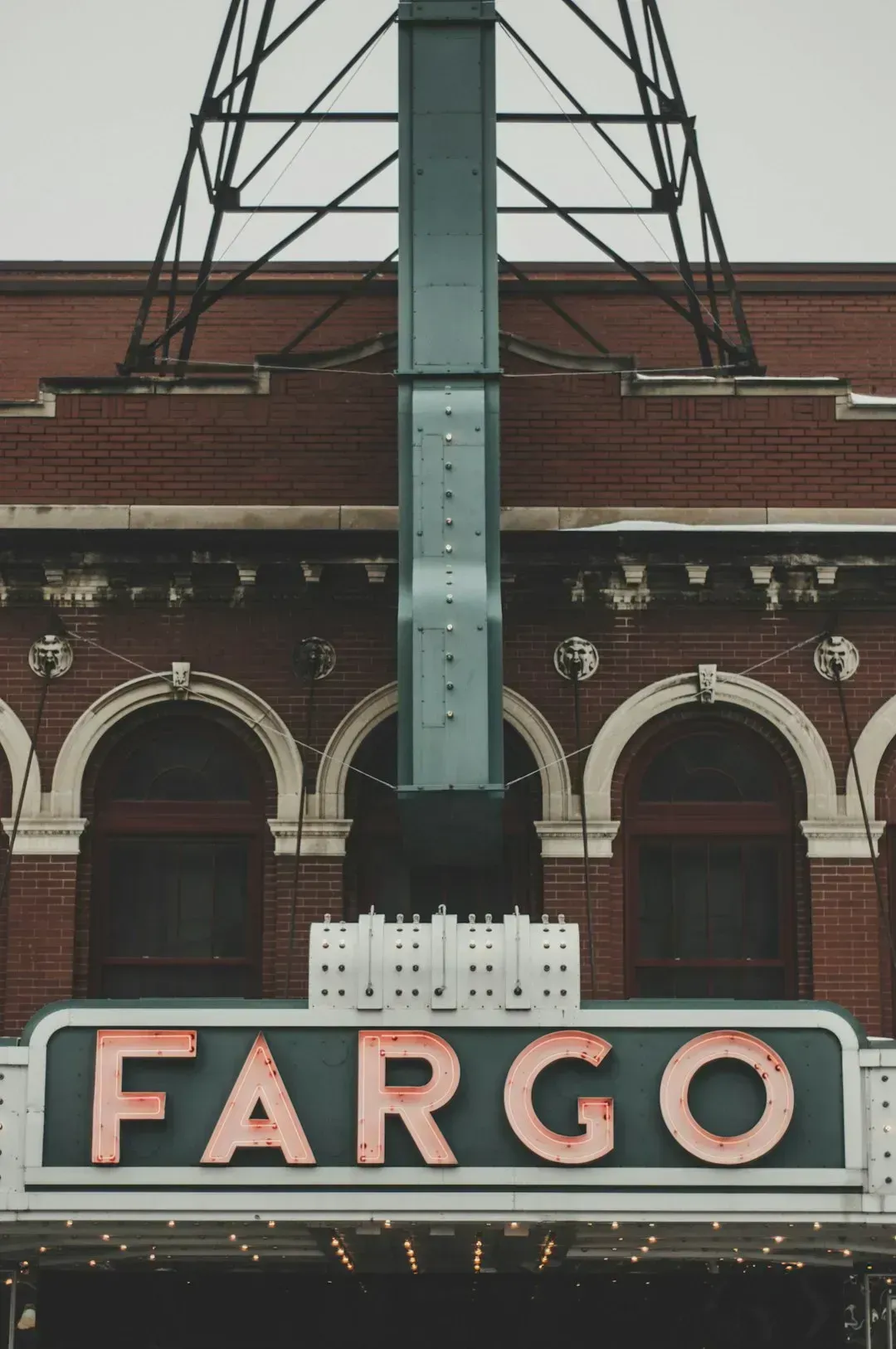
Here’s a city that doesn’t get enough attention on lists like this, probably because the damage it deals is slower and colder rather than cinematic. Yearly, Fargo gets around 49 inches of snow, and once the snow melts, residents have to deal with flooding so bad that national warnings are almost always expected. Snow, then floods. A double punch every single year, like clockwork.
The weather is so famously brutal in Fargo that the city was awarded the title of “America’s Toughest Weather City” by the Weather Channel in 2011. Fargo received almost a million votes in the poll for their famously fickle weather. A million votes. People didn’t nominate this city reluctantly. They enthusiastically agreed it was the toughest.
Fargo is a good example of what climatologists call “compounding seasonal risk.” You’re not just dealing with one weather extreme – you’re dealing with several in sequence, with almost no recovery time in between. The frozen winters are punishing. The spring thaw floods are dangerous. The transition is brutal. It’s hard to say for sure whether climate change will ease or worsen Fargo’s flooding cycles, but based on national trends of increasing precipitation in historically wet regions, the outlook isn’t reassuring.
8. Dallas, Texas – Tornadoes, Heat, and Everything In Between
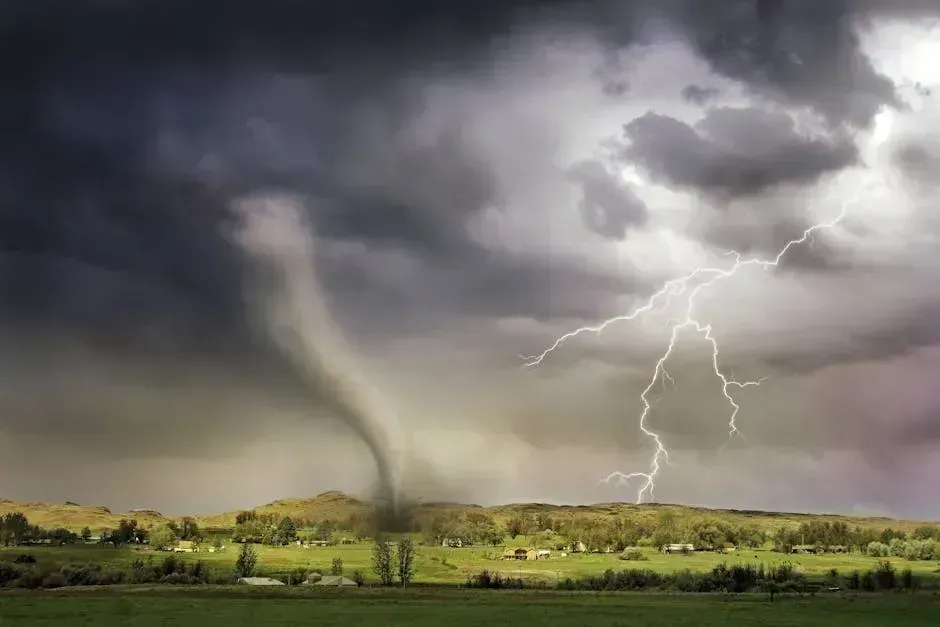
Dallas likes to present itself as a bold, modern city. The weather, however, is anything but polished. The north central Texas region, where Dallas is located, is one of the hottest in the United States during the summer months. In Dallas, severe thunderstorms can spawn tornadoes – ranking third among major metropolitan areas for tornadic activity – as well as large hail, ranking fifth among cities most prone. Third for tornadoes. Fifth for hail. Those are frightening rankings for a major metro area.
During July and August, temperatures will hit 90°F on two out of three days. Such temperatures, combined with average afternoon relative humidity levels between 60 to 70 percent, make for a very oppressive, uncomfortable environment. That’s not just uncomfortable – prolonged exposure to that kind of heat-humidity combination is genuinely dangerous, especially for the elderly and the very young.
I think what makes Dallas particularly tricky is the sheer variety of threats. It’s not a city defined by one dominant risk. It’s heat, then storms, then tornadoes, then ice storms in winter – the range of dangers is almost exhausting to track. Billion-dollar disasters are becoming more frequent due to climate change, according to Climate Central. In 2024, there was less than two weeks between disasters, compared to nearly two months in 1981. Dallas residents live inside that accelerating pace.
9. Omaha, Nebraska – Eleven Tornadoes in One Year
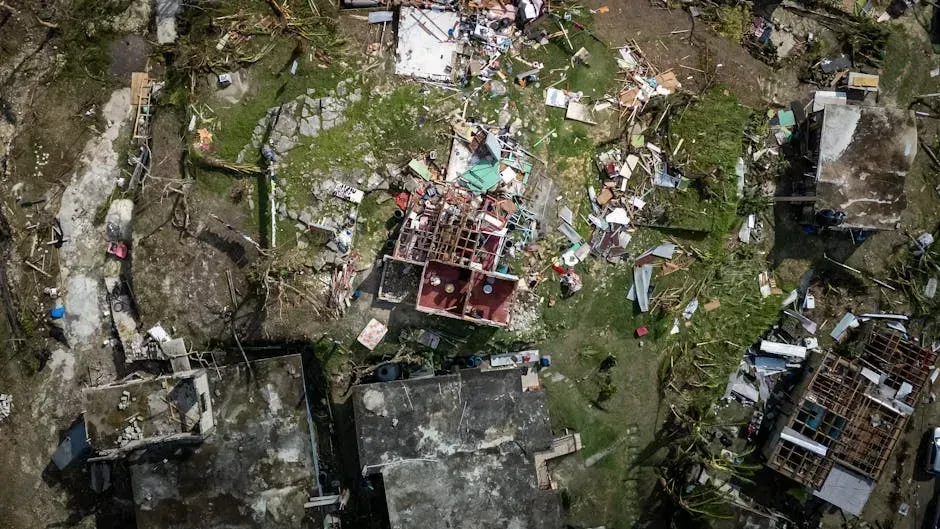
Omaha doesn’t make the dramatic headlines the way coastal cities do, but its weather profile is genuinely alarming. 2024 saw eleven tornadoes hit the greater Omaha area. Though it rarely makes the news for dramatic winter storms or summer floods, Omaha’s extreme temperature variations, windiness, and thunderstorm-prone climate make it one of the most difficult places in the U.S. to predict the weather. Eleven tornadoes in a single year is not a fluke. That’s a pattern.
Omaha’s fairly humid climate and strong winds create the perfect conditions for convection, the process that leads to the formation of thunderstorms – and Omaha is a city known for its frequent run-ins with tornadoes. It sits in that troubling zone where warm, moist Gulf air collides with cold, dry air from the Rockies. Think of it like a weather mixing bowl, and Omaha is right at the bottom.
The winters here are merciless too. Then summer arrives and so do the storms. In July 2024, the world experienced its hottest day ever, with numerous cities across 35 states breaking their daily heat records in the span of only two months. Omaha was among those affected. The extremes on both ends of the thermometer are growing sharper, and this city feels every degree of that change.
10. Mobile, Alabama – America’s Soggiest Large City
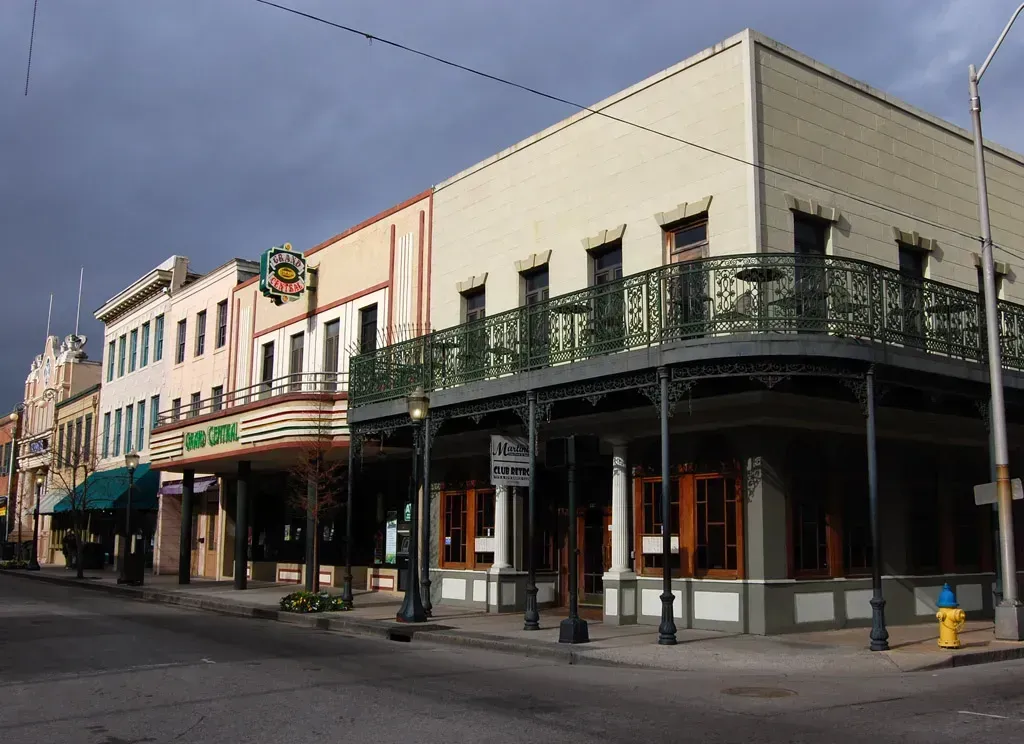
Mobile is a city that rarely makes the top of national “worst weather” lists, which is honestly puzzling once you look at the numbers. Mobile topped a list of the soggiest cities in the contiguous 48 states, with more than five feet of rain annually, with the heaviest rainfalls occurring during mid- and late summer. Five feet of rain per year. That’s more than many tropical destinations receive. Living in Mobile means accepting perpetual dampness as a baseline condition.
Another significant tornado-prone region in the U.S. is known as “Dixie Alley,” which includes the southern United States, particularly Alabama and Mississippi. Recent research suggests that Tornado Alley may be shifting eastward away from the Great Plains, potentially increasing tornado risks in more densely populated areas. This eastward shift has the potential to increase tornado risks in regions that may not be accustomed to frequent tornado occurrences. Mobile sits squarely in that eastward shift zone.
In more recent years, researchers have found the area of greatest danger has shifted east of the classic conception of Tornado Alley. AccuWeather forecasters believe that the highest risk of damaging storms and tornadoes lies in the Mississippi and Tennessee valleys. Mobile is geographically positioned to be hit by Gulf-driven storms, tornado outbreaks, and intense rainfall events – sometimes all within the same week. It’s a city where the weather simply doesn’t take days off.
The Bigger Picture: A Nation Under Pressure
What’s striking about all ten of these cities is that none of them are suffering from occasional bad luck. The risks are structural, persistent, and in most cases, getting measurably worse. As the frequency of billion-dollar disasters rises, the average length of time between them has fallen – from 82 days during the 1980s to 16 days during the last ten years. The average time between billion-dollar disasters in 2025 was just ten days. Ten days. That is the new normal.
Rising premiums and limited coverage are straining homeowners in high-risk areas nationwide. More than one in four U.S. homes – representing $12.7 trillion in real estate value – now face severe or extreme climate risks, according to a Realtor.com report. The financial squeeze is becoming as dangerous as the weather itself for many families.
California, Florida, Georgia, North Carolina, Oregon, Texas and Washington are expected to experience all five major climate change categories over the next few decades, according to SafeHome.org’s December 2025 analysis. Several cities on this list sit inside those states. The overlap is not a coincidence. Weather risk in America is no longer a footnote – it’s a defining factor in where people can afford to live, and in some cases, where they can safely live at all. What would you have guessed about your own city’s place on a list like this?
