
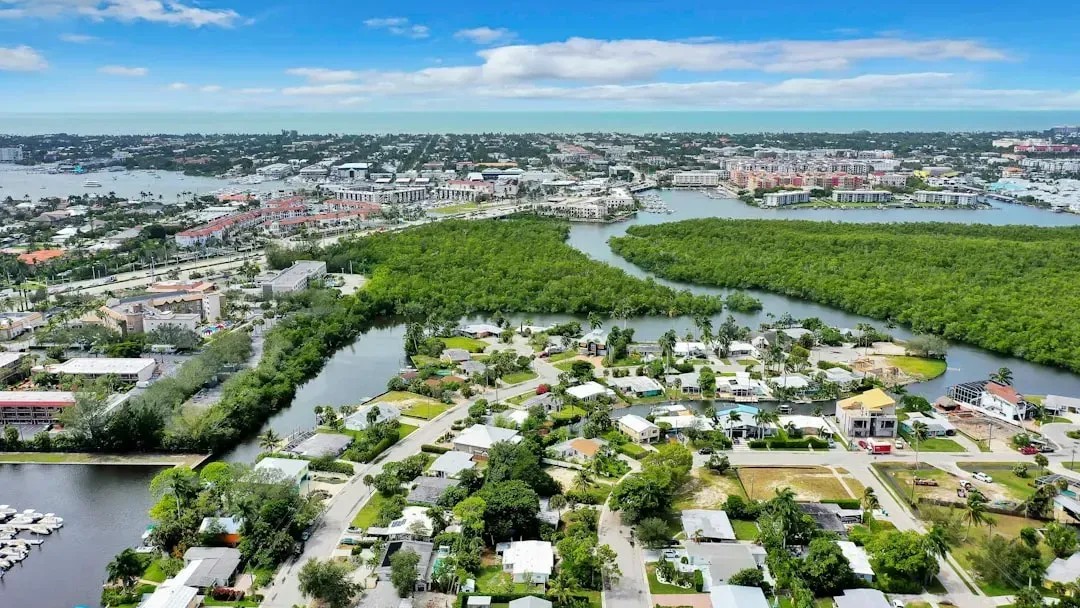
Something is changing in the American housing market, and it goes far beyond interest rates and home prices. Buyers are now openly factoring in something that was once considered a background worry: the very real danger of living in a place that a hurricane, flood, or wildfire could destroy. It’s not a fringe concern anymore.
The numbers are starting to back it up. Experts, real estate analysts, and climate scientists are watching a quiet but historic reshuffling of where Americans want to plant roots. Some states that once seemed irresistible are now being crossed off lists – not because of the economy, but because the earth itself seems to be pushing people out. Let’s dive in.
The Big Picture: A Nation Rethinking Where to Live
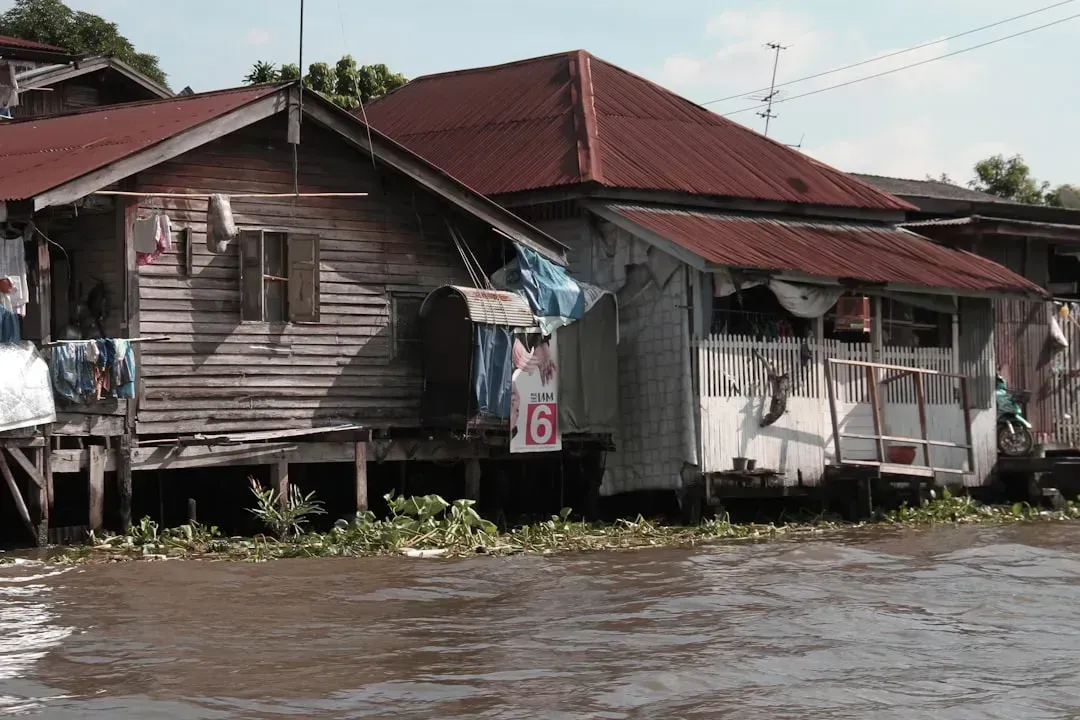
More than two thirds of U.S. residents say living in a place with low risk of natural disaster is non-negotiable, according to a Redfin-commissioned survey of 4,000 respondents conducted by Ipsos in May 2025. That is a staggering figure. Think about it – that means the vast majority of Americans have essentially made climate safety a must-have, right up there with good schools and a decent commute.
In 2022, 3.2 million adults in the U.S. were displaced or evacuated because of such disasters, according to the Urban Institute. As extreme weather continues to intensify, that number is likely to grow – and in a recent national survey, nearly one in three Americans cited climate change as a motivation to move.
From 1980 through 2025, the U.S. suffered 426 separate billion-dollar weather and climate disasters. These catastrophic events took an estimated 17,194 lives and resulted in damages exceeding $3.1 trillion, inflation-adjusted. Those are not abstract statistics. They are the backdrop against which millions of homebuyers are now making the biggest financial decision of their lives.
1. Florida: The State Most Buyers Are Now Avoiding
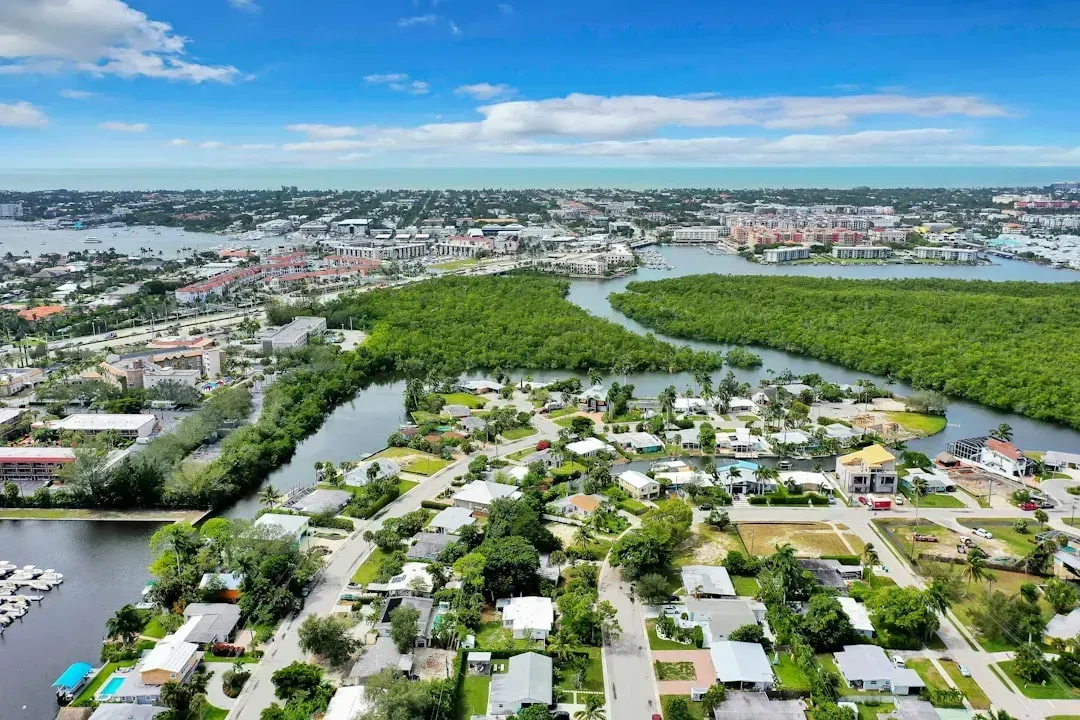
There are certain states that homeowners considering relocating would try to avoid because they are more exposed to climate-related disasters. Florida tops that list, with 58 percent of respondents saying they would avoid it. Honestly, that number is not surprising if you have been paying attention to what has happened there over the past few years.
Miami-Dade County, where over one third of homes face high flood risk, saw 67,418 more people move out than in – the largest net outflow among the 310 high-flood-risk counties analyzed. Most of these counties have been seeing more people move out than in for years, but some experienced an acceleration in this trend. Miami’s net outflow widened to 67,418 in 2024 from 50,637 in 2023 – the largest acceleration of any high-flood-risk county.
Despite some improvement, Florida’s home insurance market is still in crisis. Premiums have skyrocketed, insurers have withdrawn, and policy non-renewals continue to rise. Roughly 70% of Florida homeowners have experienced rising insurance costs or coverage changes, such as their insurer dropping them, a 2024 Redfin survey found. Florida leads the U.S. in total cumulative costs – roughly $450 billion – from billion-dollar disasters since 1980, largely due to hurricanes.
2. California: Wildfires Are Rewriting the Housing Map

California comes in second, with 52 percent of homeowners saying they would avoid moving there due to climate-related disaster exposure. The January 2025 Los Angeles wildfires made that fear visceral and immediate for millions of people watching from across the country.
The January 2025 Los Angeles wildfires were the costliest event of the year as well as the costliest wildfire on record. With $61.2 billion in damages, this devastating event was about twice as costly as the previous record wildfire. That kind of loss rewires how people think about homeownership in fire-prone regions.
Following a series of major wildfires and the withdrawal of private insurers from high-risk markets, California’s FAIR Plan – intended only as a last-resort option – has experienced unprecedented growth. As of June 2025, the FAIR Plan reported $650 billion in total exposure, a 42% increased since September 2024 and a 289% increase since 2021. The number of policies in force rose to 610,179, up 31% over nine months and 154% since 2021.
3. Louisiana: The Insurance Bill Nobody Wants to Pay

Louisiana ranks among the top states homeowners are actively trying to avoid, with 22 percent of survey respondents saying they would skip the state due to climate risk. Let’s be real – when you look at the insurance figures coming out of Louisiana, that caution makes complete sense.
The average annual cost of homeowner’s insurance in Louisiana was $10,964 in 2024 – higher than in every state but Florida and up 38% from the year before. It increased by another 27% to $13,937 by the end of 2025, the biggest increase of any state. By comparison, the national average cost reached $3,520 by the end of 2025.
Louisiana’s total costs are the third highest of any state, at roughly $314 billion, from billion-dollar disasters. Mississippi and Louisiana are the two most vulnerable states according to the Climate Vulnerability Index, a ranking by the Environmental Defense Fund and Texas A&M University. For many buyers, Louisiana’s risk-to-reward ratio is simply no longer adding up.
4. Texas: Flood Records, Tornado Records, and a Housing Market Under Pressure
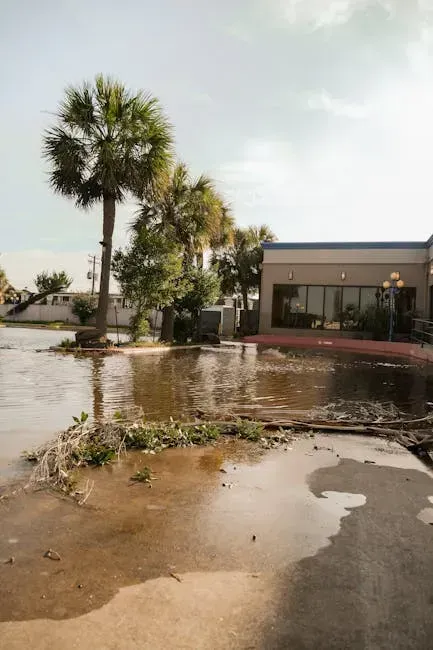
Texas sits at 21 percent among states that homeowners would most try to avoid due to climate exposure. Yet for a long time, people kept moving there anyway. The narrative of cheap land and no income tax has been a powerful draw – until the weather started making headlines year after year.
Texas is the second-leading state in total costs since 1980, at roughly $436 billion, but it has been affected by the highest number of billion-dollar disasters since 1980 of any state. The catastrophic flash flooding in the Texas Hill Country in July 2025 was one of the deadliest inland floods in U.S. history. That event shook the national conversation about the true cost of living in storm-vulnerable regions.
Texas is home to the highest effective property tax rates in the nation, and both Texas and Florida have higher-than-average homeowners insurance premiums. When you stack flood risk on top of tax burdens and insurance costs, the math starts to look very different from the brochure.
5. North Carolina: A Wake-Up Call Named Helene
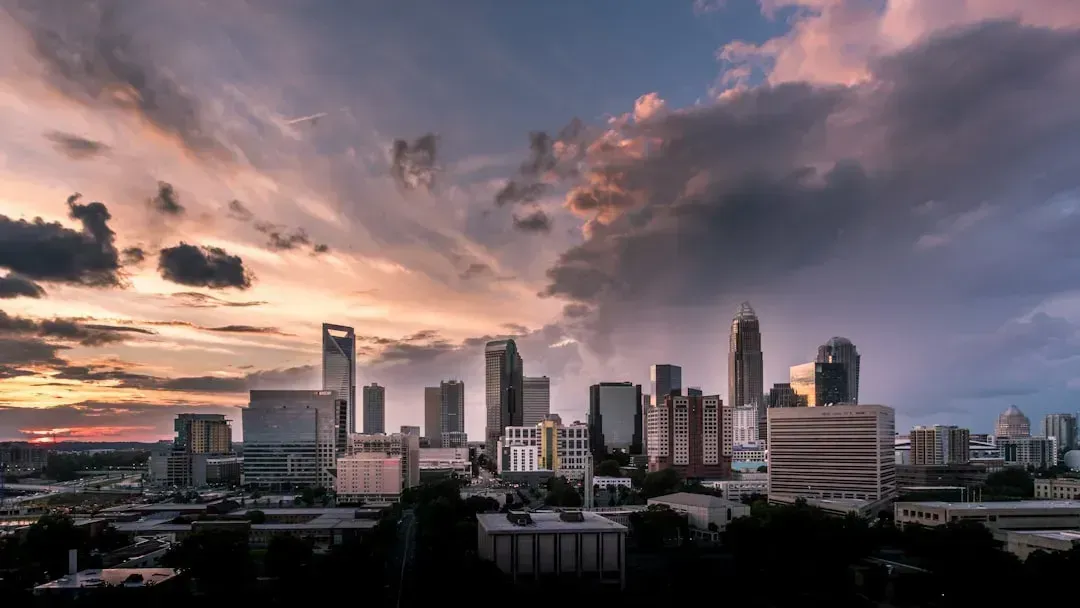
North Carolina used to be considered a relatively safe haven compared to Florida or Texas. That perception changed dramatically in late 2024. Hurricane Helene swept inland in ways that few North Carolinians had ever anticipated, leaving mountain communities underwater – places that had never been called flood zones before.
Helene made landfall as a Category 4 storm in the Big Bend region of Florida on September 26, caused catastrophic flash flooding and power outages impacting millions of people from Florida to North Carolina, and resulted in at least 219 fatalities. It was the deadliest Atlantic hurricane since Maria in 2017 and the deadliest to strike the U.S. mainland since Katrina in 2005. The current estimated total cost of the disaster was $78.7 billion.
Experts say climate-related costs will continue to influence affordability and housing decisions in North Carolina as the state faces heavier rain events, stronger storms, and increasing development pressure. “Climate change is already impacting your premiums, your ability to get coverage and, ultimately, the value of your home,” one expert noted. Young buyers are now questioning the long-term risk, and in North Carolina, those questions are colliding with the realities of rapid urban growth, with cities such as Raleigh and Wilmington rewriting long-term development plans.
6. South Carolina: Wind Risk Covers Every Single Home in Key Markets
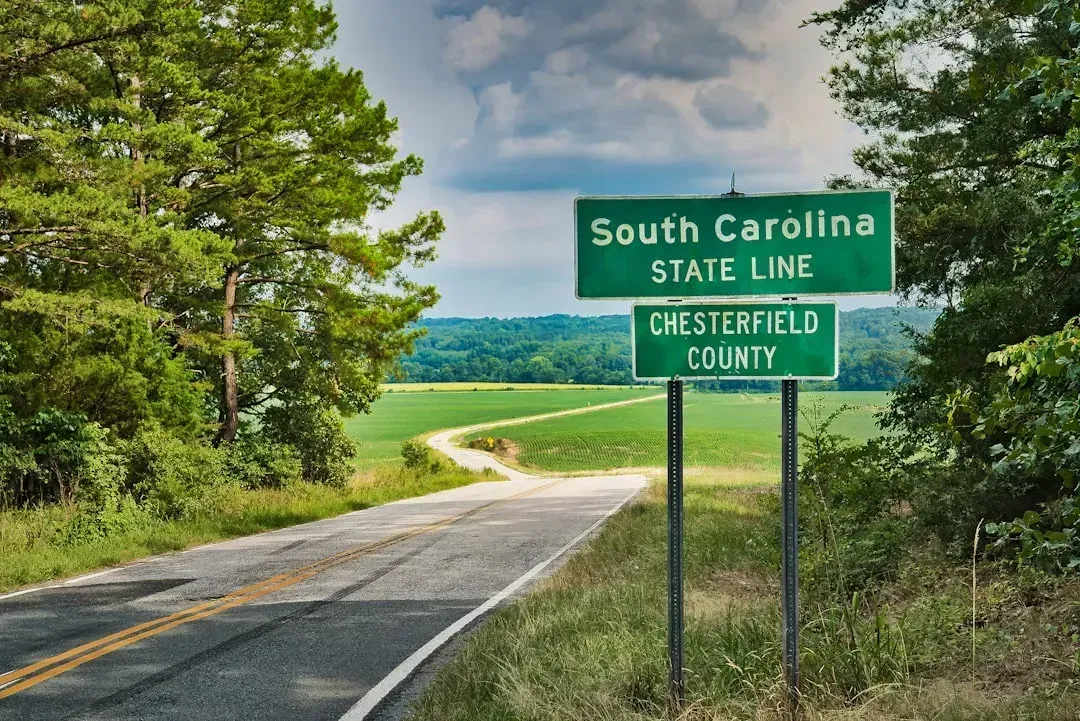
In 2025, approximately 18.3% of homes in the United States, valued at nearly $8 trillion, face severe or extreme risk of wind damage. In fourteen major metros across Louisiana, Florida, South Carolina, and Texas – including Miami, Houston, Tampa, and New Orleans – every home is exposed to severe or extreme risk of wind damage. South Carolina is firmly in that category.
While Florida and Texas dominated in-migration between 2019 and 2023, South Carolina has taken the top spot for net in-migration since 2024. It is a state that finds itself in a strange paradox right now – people are still moving in, even as the climate risk picture grows darker. It is a bit like watching someone rush toward a storm rather than away from it.
In 2024, about 32 percent of U.S. homes faced severe or extreme risk of heat exposure. The most vulnerable regions include Florida, Texas, South Carolina, Louisiana, and Virginia. South Carolina homebuyers who are not asking hard questions about insurance and risk right now may be setting themselves up for a very unpleasant financial surprise down the road.
7. Mississippi: The State Buyers Check Risk Data for Most
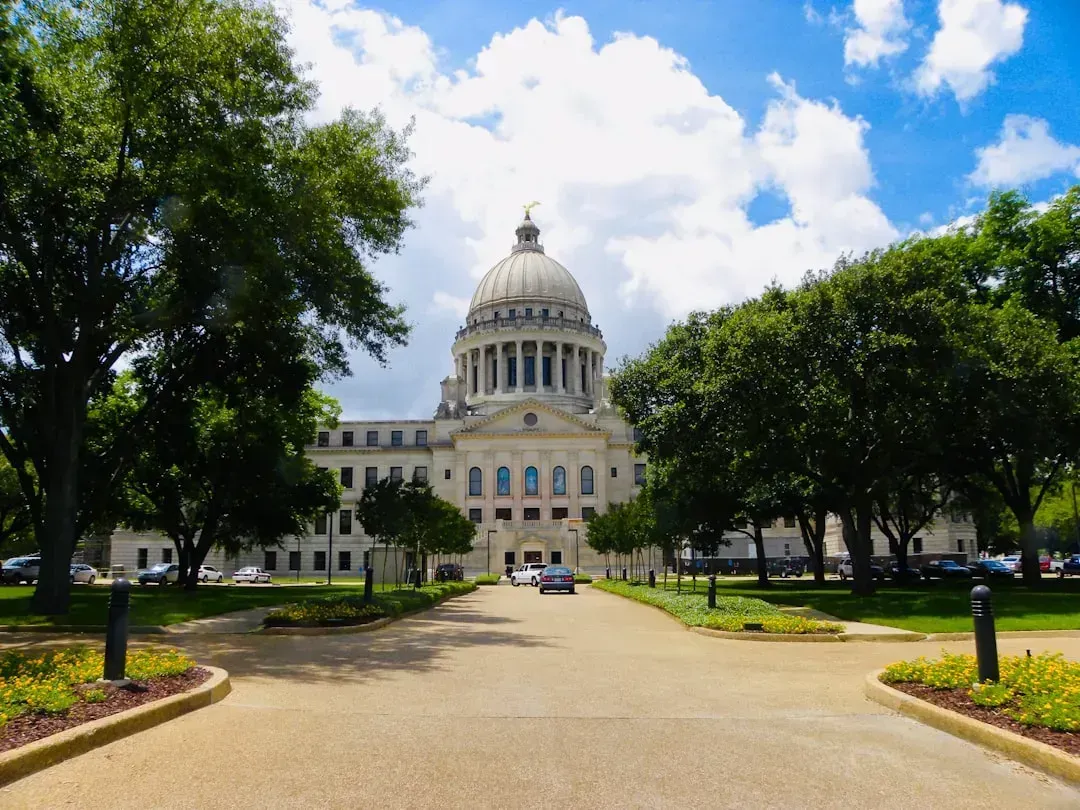
Here is something surprising. Of all the states in the country, Mississippi has the highest rate of homebuyers actively clicking on climate risk data in home listings. It is not Florida, not California – it is Mississippi. That tells you something important about the anxiety in that market.
Redfin users clicked into the climate-risk section of Mississippi home listings 9.6% of the time in the third quarter – the highest clickthrough rate of any state. Next came Louisiana at 9.2%, Vermont at 8.9%, West Virginia at 8.3%, and Florida at 7.2%.
Mississippi and Louisiana are the two most climate-vulnerable states according to the Environmental Defense Fund and Texas A&M University. Both are exposed to higher hurricane and tornado rates, which have weighed on residents through higher insurance costs and per-capita disaster losses. The fact that buyers are doing their homework in Mississippi suggests a growing awareness – though whether that awareness translates into actual relocation decisions remains to be seen.
The Insurance Crisis Is Doing What Disasters Alone Could Not
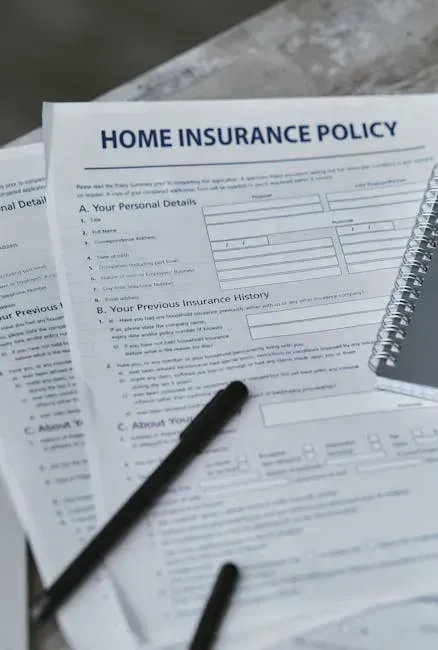
Here’s the thing: natural disasters have been battering these states for decades. What is accelerating the exodus now is not just the storms themselves – it is what those storms have done to the insurance market. That is the real financial straw breaking the camel’s back.
States all along the Gulf Coast and the Mid-Atlantic region have seen the cost of homeowners insurance climb over the last several years. Nationwide, insurance costs have increased 74% in the past fifteen years. In some storm-prone states, insurers are withdrawing altogether, and in those cases where insurance is unavailable, the costs fall entirely to the homeowner.
Forty-nine percent of American homeowners said the cost of home insurance weighs very heavily or seriously on their home purchasing decisions, while another 31 percent said it weighs moderately on their decisions. Somewhere between 17 million and 39 million homes in this country are underinsured for flood and fire risk, according to various estimates, representing the potential loss of more than $1 trillion in property value. That is a slow-motion financial catastrophe unfolding in plain sight.
Where Are Buyers Going Instead – and What Comes Next?

Climate migrants are abandoning areas prone to extreme weather. As wildfires, hurricanes, and floods become more prevalent, homeowners are moving to areas that are less susceptible to these events, like the Midwest. It is a real shift – not dramatic enough yet to call a full exodus, but meaningful enough for data scientists and real estate analysts to notice clear directional trends.
As the frequency of billion-dollar disasters rises, the time between events shrinks – and the country faces more back-to-back disasters. The average length of time between billion-dollar disasters fell from 82 days during the 1980s to just 19 days during the last 10 years, from 2015 to 2024, according to Climate Central analysis. That pace leaves little time for communities to recover before the next blow arrives.
A home buyer in 2025 doesn’t face only the climate conditions of 2037 when they try to sell – but the next buyer’s expectations of the home’s value around 2050. That could dent the values of the 648,000 U.S. properties predicted to be flooded every day during high tide by mid-century, according to a Climate Central study. The decisions buyers make today are financial bets on a future that looks increasingly uncertain.
Conclusion: The Climate Is Now Part of Every Home Purchase
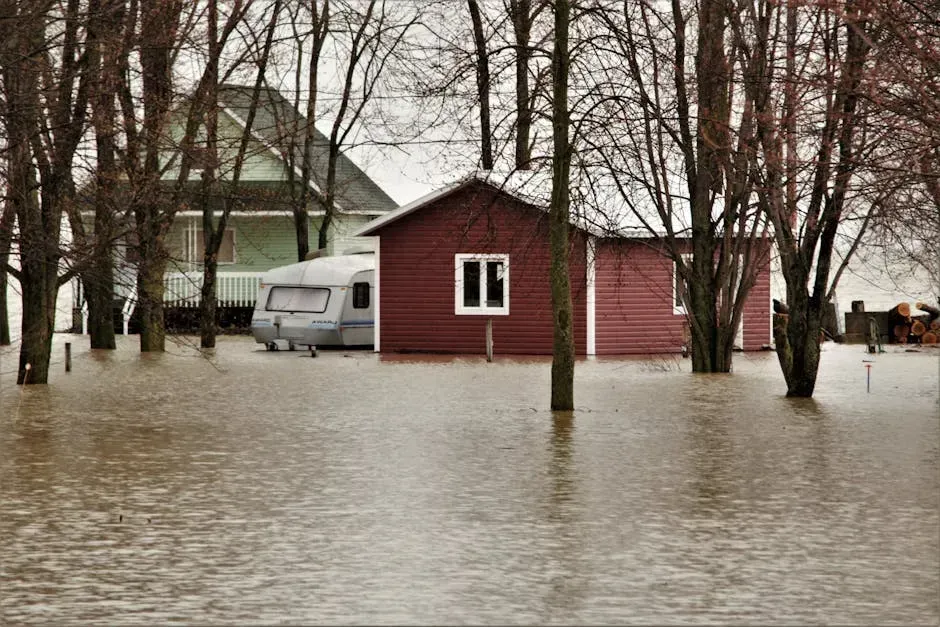
It would be easy to look at all of this and feel overwhelmed. The scale of the challenge – trillions in property value at risk, entire state insurance markets destabilizing, millions of people weighing where they can actually afford to live safely – is genuinely daunting. I think the honest takeaway is this: climate risk is no longer a future concern that gets factored in eventually. It is a present-day pricing reality.
Over one in four U.S. homes, worth $12.7 trillion, face severe climate risks from flooding, wind, and wildfires. FEMA maps underestimate flood exposure, leaving millions of at-risk homes unaccounted for. Rising premiums and limited coverage are straining homeowners in high-risk areas nationwide. The gap between what buyers think they know and the actual exposure is still dangerously wide.
The states on this list are not uninhabitable – people live rich, meaningful lives in Florida, Texas, Louisiana, and the rest. Still, the financial math is shifting underneath them faster than most people realize. The question worth sitting with is not just “Can I afford this house?” but increasingly, “Can I afford this house in twenty years?” What do you think – has climate risk changed how you think about where to buy? Share your thoughts in the comments below.

- Experts Say Homebuyers Are Now Avoiding These 7 Storm-Prone States – A Concerning Climate Shift - March 21, 2026
- How Meteorologists Predict Storms Using Satellite Data - October 3, 2025
- What Causes Rainbows And Why They’re Always Curved - October 1, 2025
