
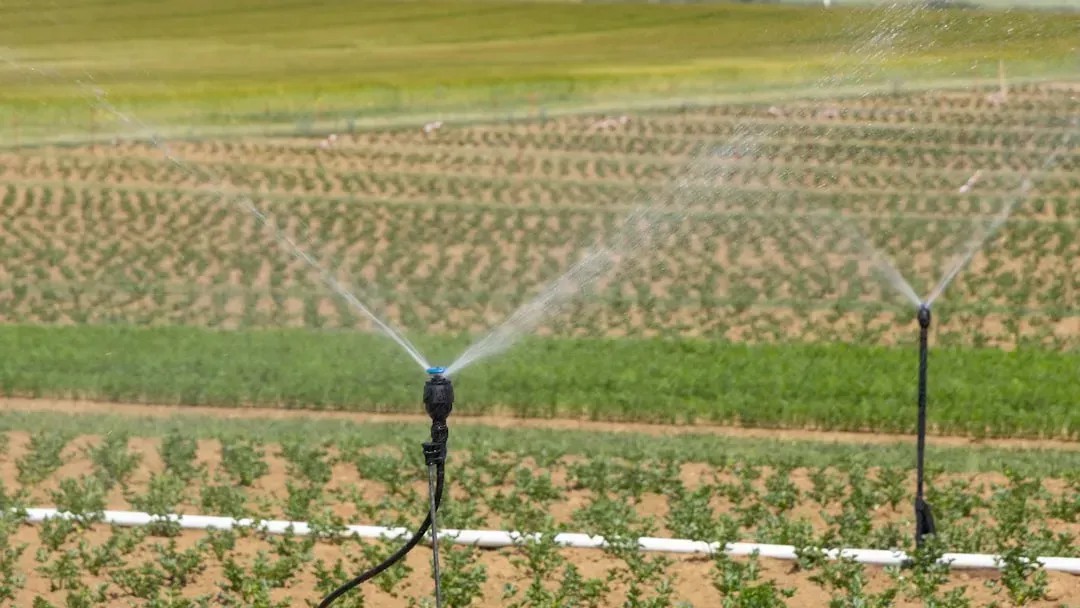

- Why Some Homeowners Are Turning Off Their Irrigation Systems – And What It Means for Water Use - March 22, 2026
- Why Scientists Track Atmospheric Carbon With Giant Towers - October 7, 2025
- The Link Between Melting Ice and Rising Sea Levels Explained - October 6, 2025
Something quiet is happening in American neighborhoods, from sun-baked Phoenix subdivisions to Colorado foothills communities. Sprinkler heads are going dark. Lawns are being replaced with gravel, native flowers, and ornamental grasses. And more homeowners than ever before are asking a simple but profound question: do I actually need all this water just to keep up appearances?
The shift away from automatic irrigation systems isn’t just a niche environmental trend. It’s a response to real financial pressure, tightening local laws, and a growing recognition that the traditional American lawn may have been one of the most water-wasteful ideas of the 20th century. Here is the full story of what is driving this change, and what it really means for the future of water use in this country. Let’s dive in.
The Numbers Are Hard to Ignore
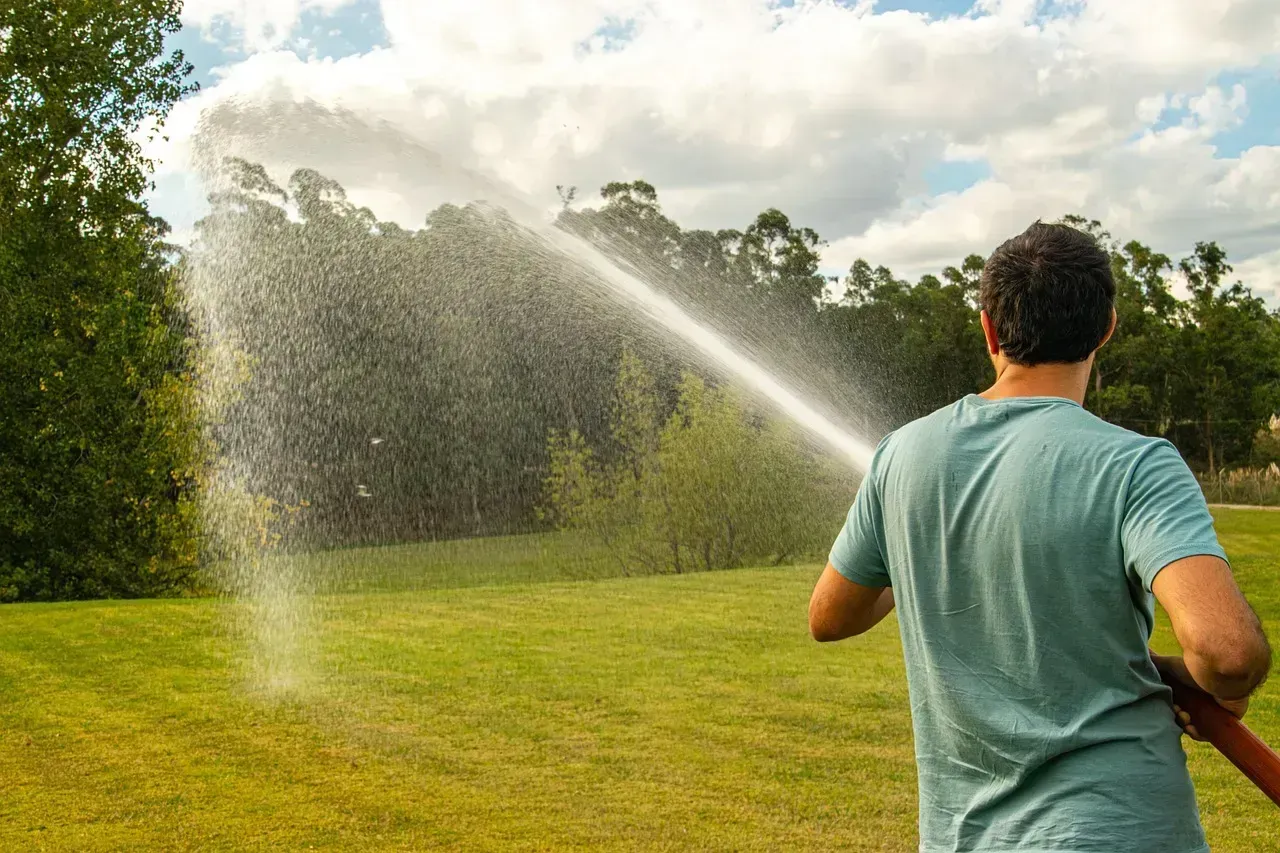
The average American family uses around 320 gallons of water per day, and roughly a third of that goes to outdoor use – with more than half of that outdoor portion devoted to watering lawns and gardens. Think about that for a second. That’s not showers, laundry, or cooking. That’s mostly grass.
As much as half of all the water we use outdoors is lost to wind, evaporation, and runoff from inefficient irrigation methods, and a household with an automatic landscape irrigation system that isn’t properly maintained can waste up to 25,000 gallons of water annually. For comparison, that’s roughly enough water to fill a mid-sized backyard swimming pool, and then some.
In dry regions, outdoor irrigation can account for up to roughly three-fifths of a home’s total water use, which means in the western states, irrigation isn’t a footnote on the water bill. It is the water bill. That reality is starting to hit home for a lot of families.
Restrictions Are Getting Real
Let’s be real: voluntary conservation only goes so far. Across the American West and South, water restrictions have gone from gentle suggestions to enforceable law. Some cities have moved well beyond asking nicely.
San Antonio moved to Stage 4 water restrictions, a serious escalation that came as the Edwards Aquifer reached critical lows, prompting the Edwards Aquifer Authority to ban all outdoor watering including irrigation systems – and this came after years of persistent drought that put growing pressure on the city’s infrastructure. Honestly, Stage 4 restrictions aren’t just inconvenient. For homeowners with elaborate irrigation setups, they represent an entire lifestyle change overnight.
In Dripping Springs, Texas, the water supply board implemented Stage 4 drought restrictions effective May 2025, specifically designed to eliminate outdoor automatic irrigation sprinkler use in a continued effort to stretch limited water supplies. Outdoor watering restrictions limit the water you can use around the yard and are issued in stages during droughts, staying in place until water reserves return to an acceptable level.
The Overwatering Problem Nobody Talks About
Here is a truth that most homeowners don’t want to hear. The majority of residential irrigation systems aren’t just using too much water. They’re not even doing their job well. Overwatering is rampant, and it’s caused at least as much by technology failure as it is by carelessness.
A water department analysis in Phoenix showed that most customers were overwatering their lawns, and more water was also being lost to leaks inside homes. Poorly programmed timers, broken sprinkler heads, and systems that run even during and after rain are some of the most wasteful fixtures in the average American yard.
According to the EPA, nearly nine billion gallons per day are used for landscape irrigation nationally, which is estimated to account for roughly thirty percent of all residential water use. When systems are poorly managed, that number climbs even higher – and much of it simply soaks into pavement, runs down storm drains, or evaporates before it ever touches a root.
The Turf Removal Movement Gains Momentum
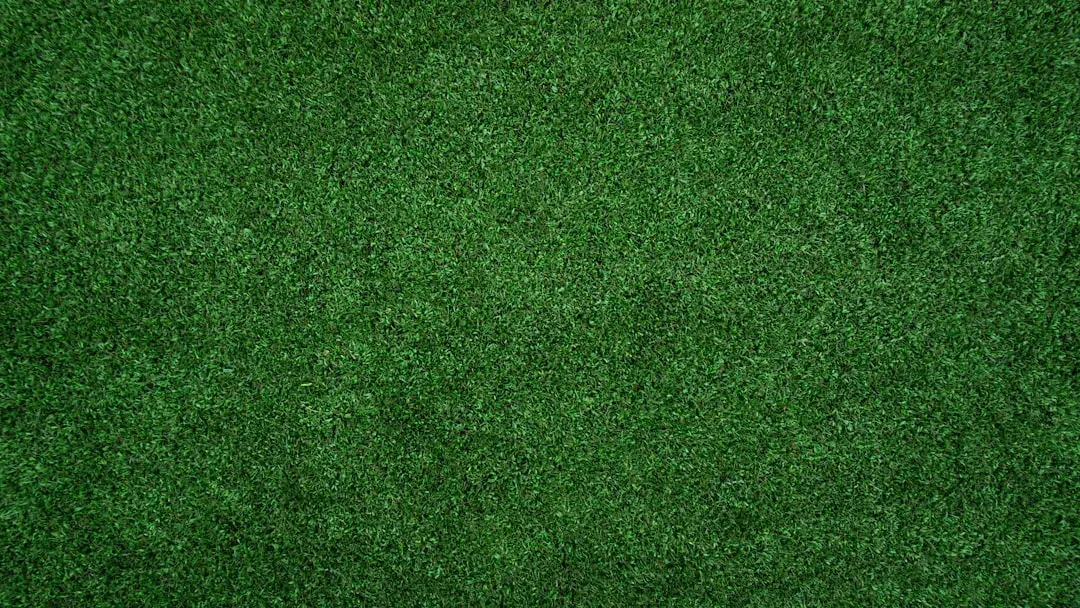
You don’t have to look far to see that a new kind of yard is taking over. Gravel paths, clumping ornamental grasses, low-growing native perennials, and sculptural rock gardens are becoming common sights. The “turf removal” movement has gone from a niche California idea to a nationwide phenomenon.
States and municipalities are increasingly passing ordinances that support water-wise landscaping and limit non-functional turf, especially in the western U.S. where outdoor watering frequently accounts for more than half of all local water use. Non-functional turf bans now exist in California, Colorado, Nevada, and Utah, as well as in multiple municipalities across the West.
According to data from the Albuquerque Bernalillo County Water Utility Authority, converting to a drought-tolerant landscape can reduce outdoor water usage by somewhere between thirty and seventy percent annually. That’s a dramatic range, and for many homeowners in dry climates, even the low end of that savings is a game-changer for the water bill.
Xeriscaping Is No Longer Just a Desert Thing
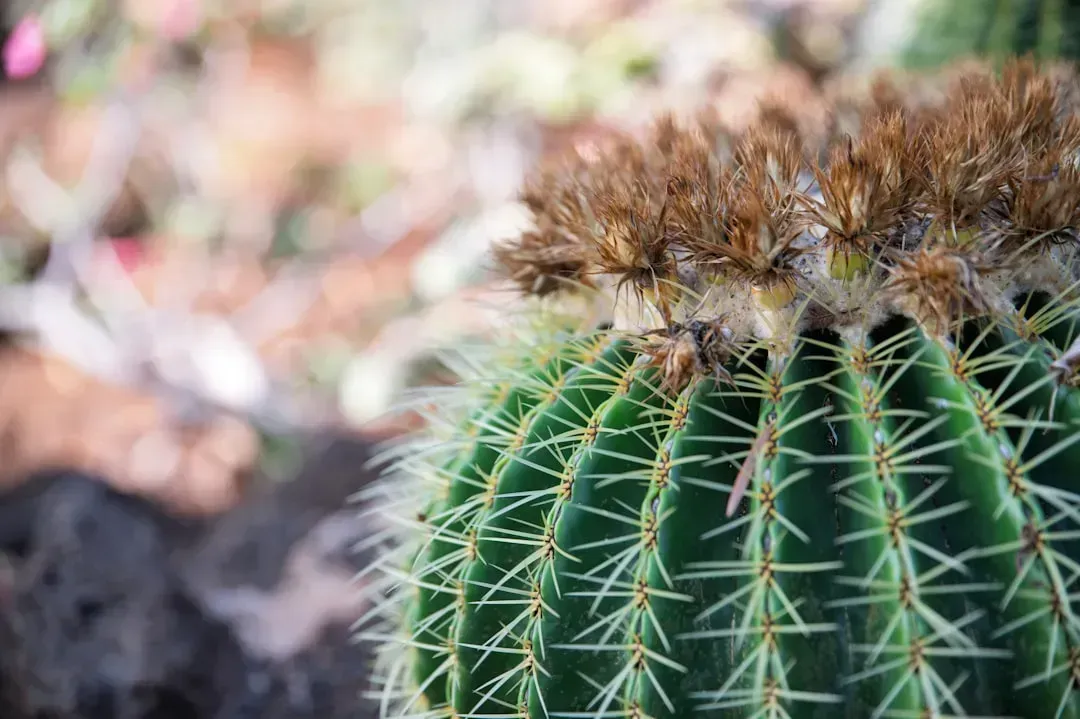
I know it sounds like “zero-scaping” and a lot of people picture a front yard full of rocks and a single sad cactus. That’s not what xeriscaping actually is anymore. The concept has evolved, and it’s attracting homeowners far beyond the Southwest.
Xeriscaping is a landscaping method focused on reducing or eliminating the need for supplemental water from irrigation, using drought-tolerant plants, efficient irrigation systems, and soil-enhancing techniques to conserve water while creating attractive and functional outdoor spaces. In 2025, drought-tolerant ornamental grasses as alternatives to traditional lawns gained traction, paired with hardscaping elements, offering the aesthetic appeal of a green lawn with significantly less water and maintenance.
Although a xeriscape may cost more to install upfront, the reduced water, fertilizer, equipment, and labor costs pay off over time, with homeowners often spending less money and time maintaining a xeriscaped yard than a traditional one. It’s a bit like investing in insulation for your home. The payoff isn’t immediate, but it compounds.
Smart Controllers Offer a Middle Ground
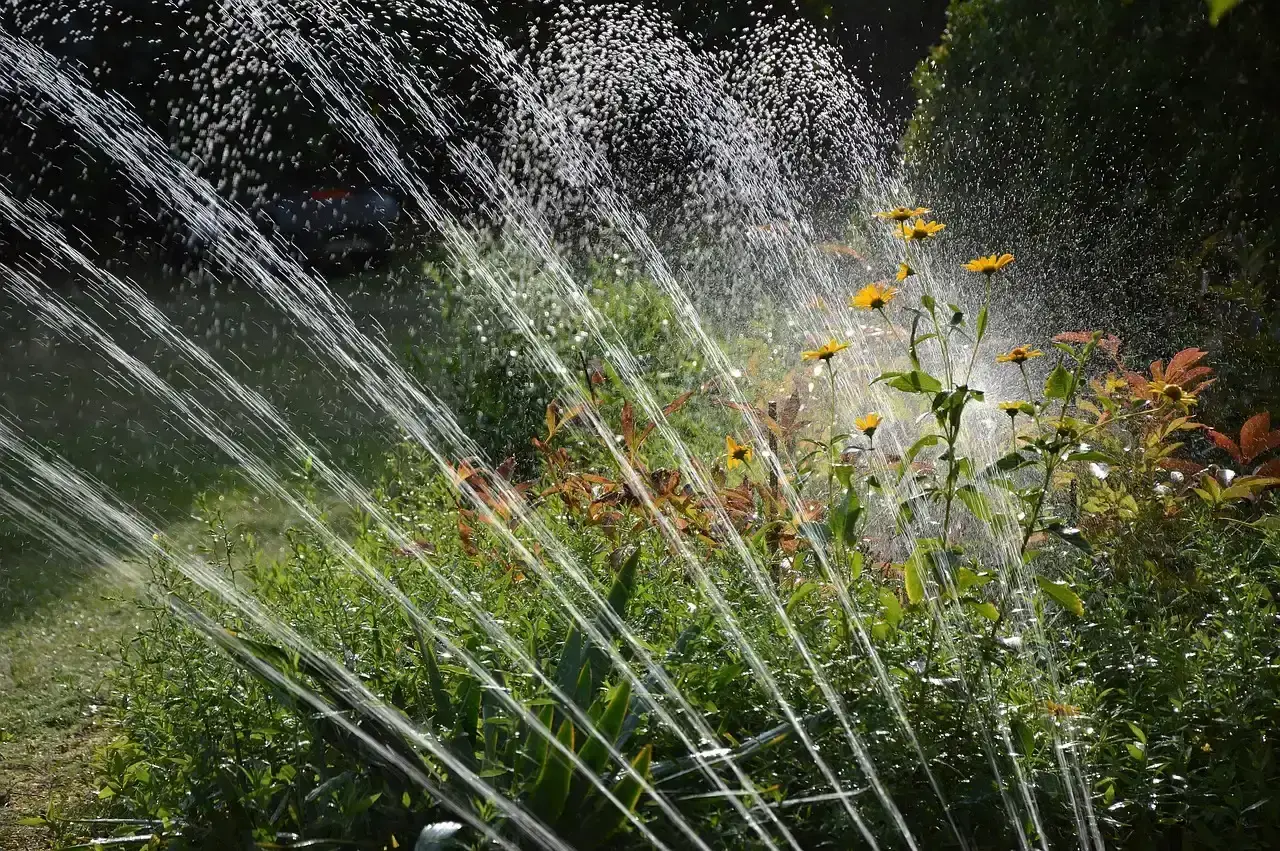
Not everyone is ready to rip out their lawn entirely, and that’s fair. For homeowners who still want green grass but also want to stop wasting water, the technology around irrigation control has become genuinely impressive in recent years.
Replacing a traditional clock-based controller with a WaterSense-labeled smart irrigation controller can reduce an average home’s irrigation water use by up to thirty percent and can save an average home up to 15,000 gallons of water annually. That’s a meaningful number without removing a single blade of grass.
Smart irrigation systems use weather data, soil moisture sensors, and other technology to optimize watering schedules, ensuring that plants receive the right amount of water at the right time, which can lead to significant water savings by preventing overwatering and reducing runoff. Some municipalities like Midvale City in Utah are even offering rebates of up to $75 for purchasing and installing WaterSense-labeled smart controllers.
The Financial Incentive to Switch Is Growing
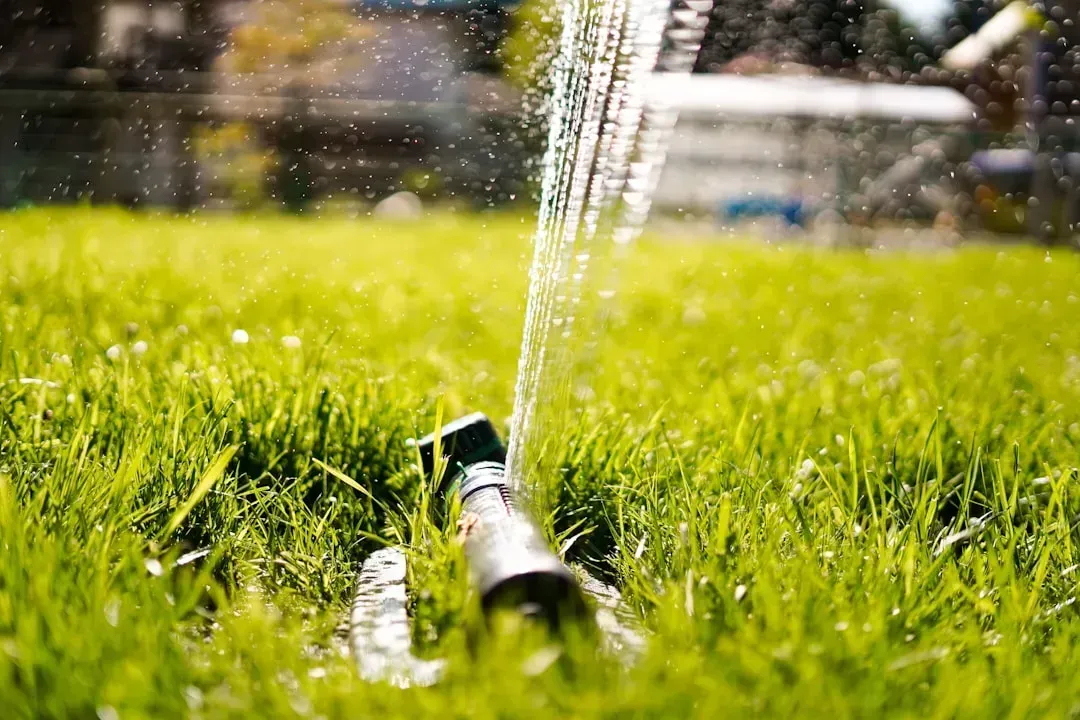
Governments and water utilities are increasingly putting money behind conservation efforts, which makes the economics of switching away from traditional irrigation a lot more attractive. Subsidies and rebate programs have expanded significantly between 2024 and 2026.
Miami-Dade County’s Landscape Irrigation Rebate Program provides financial incentives for homeowners to upgrade irrigation systems and improve water efficiency, with single-family homeowners eligible for up to $500 per year for five years. That’s potentially $2,500 in savings just for making smarter choices about how you water your yard.
Other programs offer something like $0.50 per square foot for homeowners who convert planting beds from spray irrigation to drip irrigation. Denver Water also offers residential rebates for high-efficiency toilets, smart sprinkler controllers, and other water-saving fixtures, noting that lawn watering accounts for approximately half of total household water usage. It’s hard to say for sure exactly how much these programs shift homeowner behavior, but the trend is clearly moving in one direction.
The Bigger Picture: A Nation Under Water Pressure
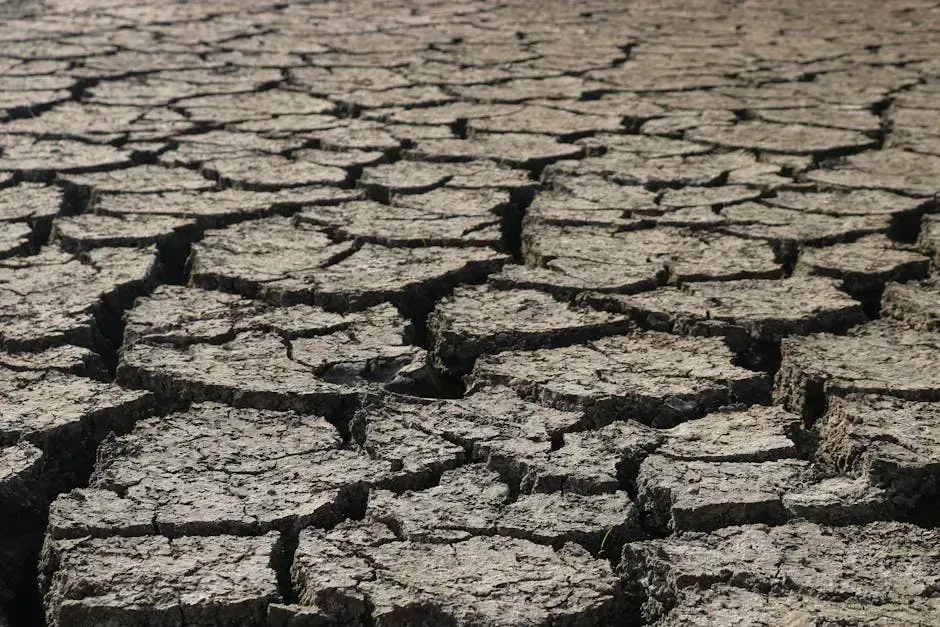
This isn’t just about individual water bills or neighborhood aesthetics. The trend of turning off irrigation systems is happening against a backdrop of growing national water stress. The numbers are sobering.
Many states already warn of future water crises if habits and infrastructure don’t change, with roughly forty states expecting water shortages within the next decade. Across the U.S., the future of real estate development and growth is being challenged by a shortage of fresh water, while the federal government is simultaneously pushing rollbacks in water-efficiency standards, adding strain on states and municipalities as they scramble to meet growing water demands while conserving dwindling supplies.
USDA data from the 2023 Irrigation and Water Management Survey shows that the number of farms irrigating, the amount of land irrigated, and the total water used for irrigation all decreased between 2018 and 2023, signaling a broader shift in water-use consciousness across both agriculture and residential settings. The direction of travel is clear, even if the pace varies wildly by region.
What This All Means for the Future of Residential Water Use
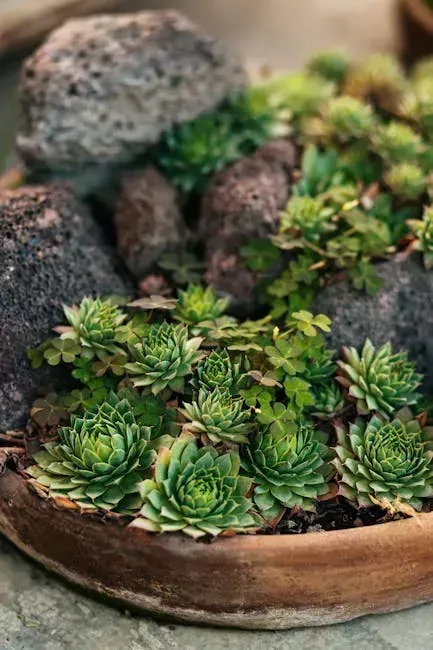
Here is the thing about this movement. It isn’t driven by one factor alone. It’s a combination of financial pressure, legal mandates, environmental awareness, and better technology all converging at once. That’s what makes it feel different from past conservation pushes.
As water scarcity becomes a growing concern in many regions, drought-tolerant plants and xeriscaping with minimal water usage are becoming more prominent in landscape design – and landscaping professionals confirm that demand for these services is rising steadily. Sustainability sits at the forefront of landscaping trends, with homeowners adopting eco-friendly practices to reduce their environmental footprint.
In early 2025, the EPA announced plans to overhaul WaterSense specifications, drawing pushback from conservation advocates who pointed to years of verified success. WaterSense is a voluntary partnership program that promotes water efficiency through a national labeling system, and products and services that earn the WaterSense label are certified to use at least twenty percent less water while performing as well as or better than regular models. The political battle around water efficiency standards will continue to shape how quickly this transition happens at scale.
The homeowners turning off their irrigation systems today are not just saving money or following rules. They are adapting to a new reality. Water is precious, scarce, and increasingly expensive – and the traditional American lawn, hungry for daily soaking, may simply no longer make sense in much of the country.
What do you think: is your yard worth the water it takes to keep it green? Tell us in the comments.
