

- 10 Climate Solutions Everyone Talks About but Few Fully Understand – Are You One of Them? - March 22, 2026
- Meteorologists Warn: These 7 DIY Weather Modifications Are Illegal, Yet Some People Still Try Them - March 22, 2026
- I Asked ChatGPT Which U.S. Cities Could Face the Worst Heat Waves by 2050 – Here’s What It Said - March 22, 2026
Climate conversations have a way of feeling abstract – distant timelines, global degree targets, IPCC reports most people never read. So I decided to try something different. I asked ChatGPT directly: which American cities are looking at the most brutal heat waves by 2050? What came back was not just an AI opinion. It pointed to real, peer-reviewed science, government projections, and some genuinely alarming numbers from places you might be living in right now.
The answers are more specific, and more sobering, than most people realize. We’re not talking about a few extra warm days in July. We’re talking about cities potentially crossing into temperature thresholds that challenge basic human health and economic productivity. Be ready to be surprised.
Phoenix, Arizona: The Ground Zero of American Heat
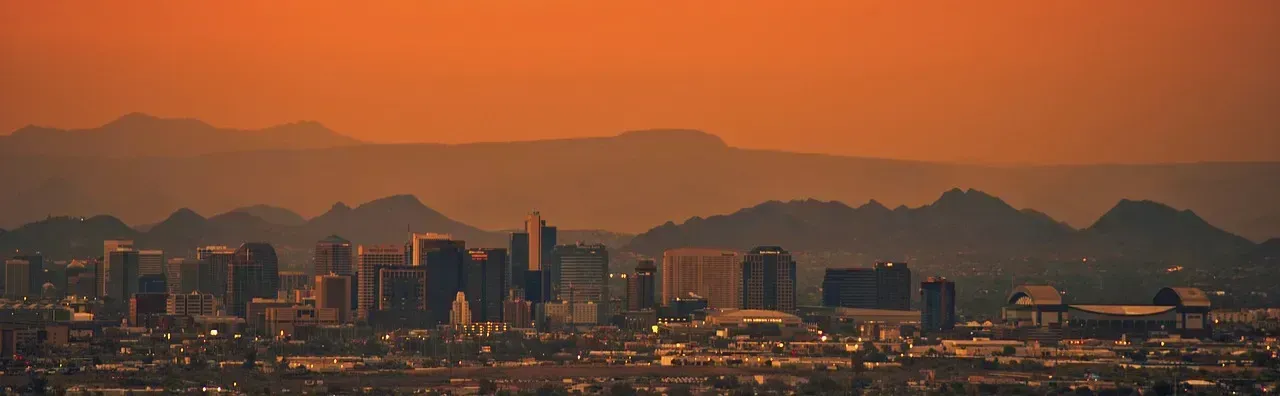
Let’s be real – Phoenix already feels like living inside an air fryer for half the year. But the projections for 2050 make today’s summers look almost mild. Around 1990, people in Phoenix experienced about 7 days above 110°F in a typical year. By 2050, Phoenix residents are projected to experience an average of about 47 days per year above that same threshold.
That is not a rounding error. That is a near sevenfold increase in the most dangerous category of heat. New data shows that if we don’t take more action to limit global warming, by 2100 temperatures in Phoenix will get so high that over 1,297 hours every year will be considered unsafe for outdoor work – that’s 162 eight-hour work days. This would mean nearly half of the working year could be lost to heat for outdoor workers if global warming reaches 3°C.
Extreme heat already impacts people and businesses in the Phoenix metro area significantly, and with a changing climate and a growing, aging population, the magnitude of these impacts is anticipated to only increase in the future. Think of it this way: Phoenix in 2050 may look less like a Sun Belt city and more like a preview of what other American metros will face a generation later.
Miami, Florida: When Humidity Meets the Heat
Miami’s problem is not just the temperature. It is the humidity. The combination of both creates a physiological threat that pure desert heat does not. The number of extremely hot days in Miami is projected to increase fivefold by 2050. High heat, humidity, and direct sunlight, with little respite during the night, have compounding physiological impacts on residents and visitors.
By 2050, over fifty days a year – more than a month and a half every summer – may exceed what is currently a local extreme temperature. In built-up areas, the heat is exacerbated by urban heat island hotspots, where land surface temperature can be as much as 21°F hotter on average in summer compared to rural surroundings – a gap expected to rise to up to 27°F hotter by 2050.
In Miami, high heat combined with humidity reduces labor productivity, leading to losses of over $10 billion under current conditions – more than Miami-Dade County’s entire annual budget. By 2050, without action to reduce emissions or adapt to increased heat, losses could double to more than $20 billion. Honestly, that figure alone should make any city planner or elected official sit up straight.
Houston, Texas: Hurricane Beryl Was Just the Beginning

Houston is a city that already juggles flooding, hurricanes, and brutal summer heat. Climate projections suggest that juggling act is only going to get harder. New projections from ICF’s climate risk analytics platform indicate a significant increase in heat wave days in the Houston region by 2050. Large parts of the Houston metropolitan region could experience 60 to 100 heat wave days per year, a significant increase from the 40 or fewer such days per year in the recent past.
After the Houston metropolitan region experienced a direct hit from Hurricane Beryl, an estimated 2.6 million people lost power. Making the situation worse, a heat wave following the storm contributed to the deaths of at least 12 Houston-area residents due to the heat and loss of power. That catastrophic sequence – storm then heat wave – is becoming a pattern scientists call a “compound climate event.”
The double combination of sequential climate hazards such as significant hurricanes followed by intense, long-duration heat waves often causes outsized and cascading impacts. Hurricane-force winds cause major power outages, and the subsequent loss of air conditioning during long power outages creates direct risks to the elderly, people with medical conditions, and residents in disadvantaged communities. For a city still rebuilding after events like Harvey and Beryl, this trajectory is deeply concerning.
Las Vegas, Nevada: The Desert City Running Out of Time
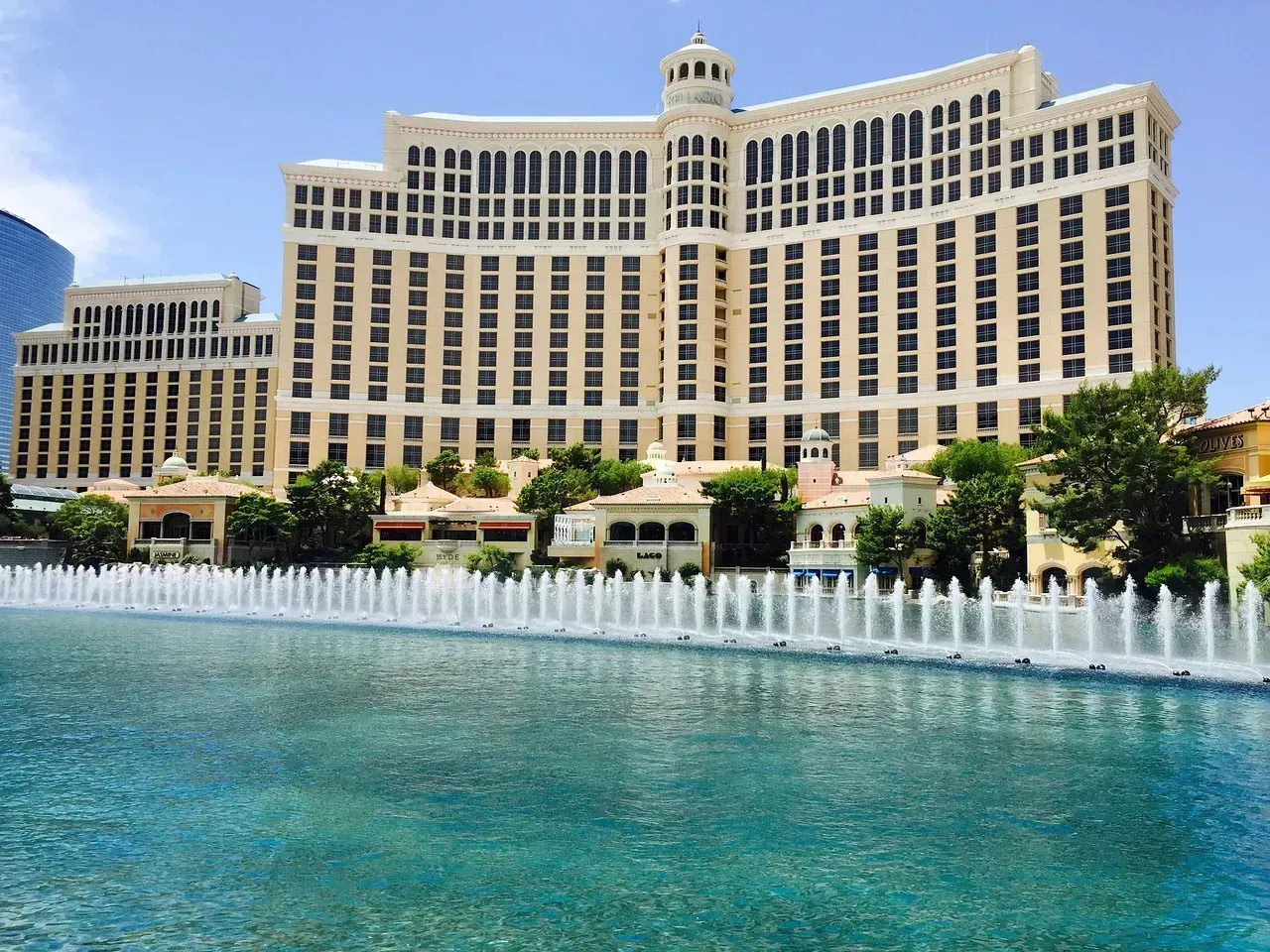
Las Vegas is already a masterclass in building a metropolis in one of the most hostile climates on Earth. The casinos are air conditioned. The streets are not. In a typical year around 1990, people in Las Vegas experienced about 7 days above 108.9°F per year. By 2050, people in Las Vegas are projected to experience an average of about 38 days per year over that threshold.
In addition to extreme heat, drought poses the most direct threat to Las Vegas, which has limited rainfall and water sources. Tourism dominates Las Vegas’s economy, requiring immense amounts of water for accommodations, housing, food, and its famous water features. Intensified droughts not only potentially hurt local people and native ecosystems, but also represent a fundamental threat to Las Vegas’s economy.
Climate models predict that heat waves in Las Vegas will become hotter, more intense, and last longer due to climate change. By 2050, Las Vegas is projected to experience an average of about 38 days per year over 108.9 degrees, compared with just seven days around 1990, according to ClimateCheck. For a city that depends on visitors feeling comfortable enough to stay and spend money, those numbers raise serious questions about long-term economic viability.
Dallas, Texas: The Midwest’s Forgotten Heat Trap
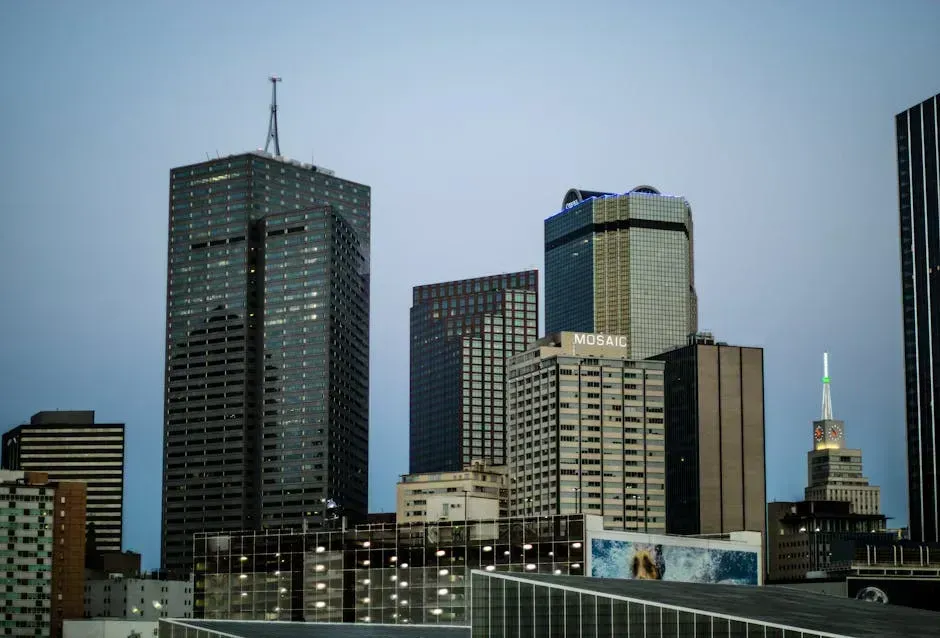
Dallas doesn’t always make the first wave of headlines when people talk about extreme heat. Phoenix and Miami tend to grab the spotlight. That’s a mistake. Heat risk in Dallas, Texas is rated as extreme, and the data behind that rating is striking. In a typical year around 1990, people in Dallas experienced about 7 days above 101.8°F per year. By 2050, people in Dallas are projected to experience an average of about 39 days per year over that same threshold.
Dallas also faces a compounding problem: drought. Average water stress in Dallas is projected to be higher around 2050 than around 2015. The Upper Trinity watershed, which contains Dallas, has experienced drought conditions during about 61 percent of weeks since 2000. A city with rapidly growing population and infrastructure needs, facing both heat and water stress simultaneously, is a pressure cooker scenario in every sense of the phrase.
New York City: A Surprising Entry on the List
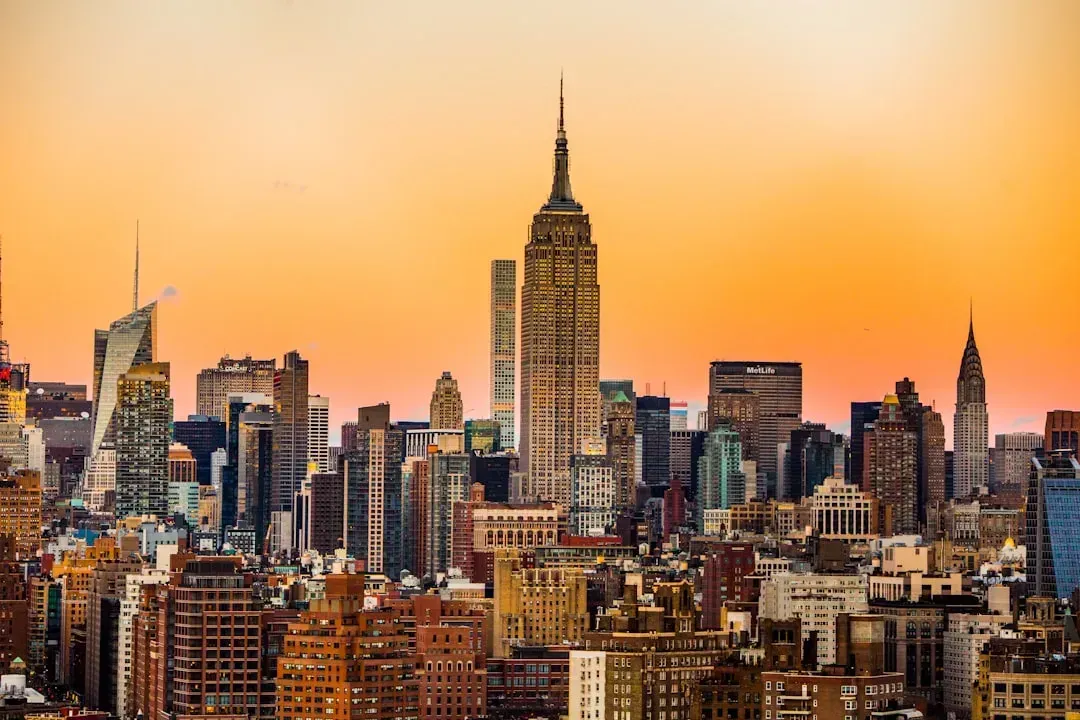
New York City on a list of the worst future heat wave cities might surprise some readers. It’s not the South, after all. Here’s the thing – scale matters enormously. The average urban heat island index per capita is highest in New York City at 9.5°F. That means on top of whatever climate-driven temperature rise occurs, millions of New Yorkers experience nearly 10 degrees of additional heat just from the urban environment itself.
In the New York City metropolitan region, projected increases in heat-related mortality ranged from 47 to 95 percent by the 2050s, with a mean 70 percent increase compared with the 1990s. That is not a small shift. That is a fundamental transformation in what summer means for one of the most densely populated urban areas in the world.
In order to adapt to future increases in temperature, the city promotes green infrastructure, reforestation, and reflective “cool” roofs to moderate the urban heat island effect and reduce the severity and frequency of future projected extreme heat events. The question is whether those initiatives can scale fast enough to meet the pace of warming that projections now suggest.
Chicago, Illinois: A City That Never Forgot 1995
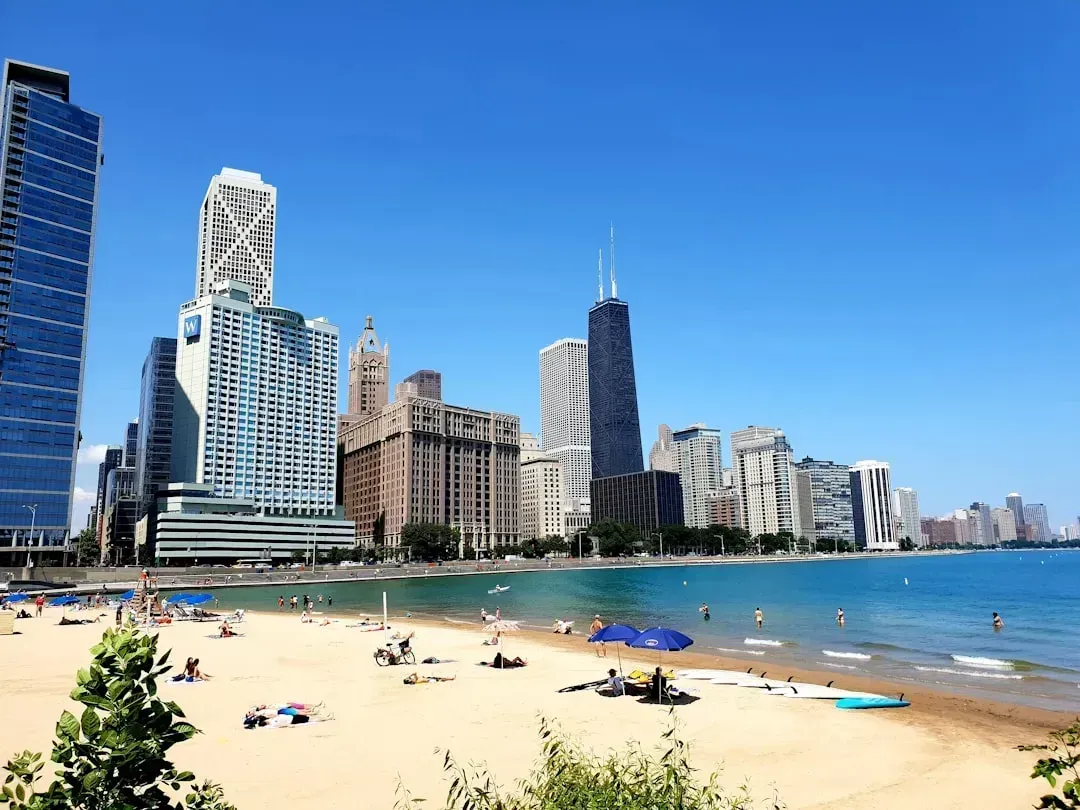
Chicago faced a tragic awakening to the dangers of extreme heat in July 1995, when more than 700 people died during a record-breaking heat wave that stretched for five days. The city has been working to prepare ever since. Unfortunately, what it is preparing for is getting considerably worse. Extreme heat is the leading weather-related killer in the United States, and heat waves can trigger heart attacks and strokes.
Although extreme heat events pose a threat to all people, they are particularly dangerous to older populations and children, as their bodies are less able to adapt to heat or handle the stress of high temperatures. People with preexisting respiratory, cardiovascular, diabetic, and chronic conditions are also particularly vulnerable, along with lower-income communities who often do not have access to well-insulated housing or air conditioning.
According to the National Black Caucus Foundation, there were 50 percent higher mortality rates among non-Hispanic Black people than non-Hispanic white people during the 1995 Chicago heat wave. The racial and economic dimensions of heat vulnerability are not a side issue. They are central to understanding which communities within these cities face the greatest danger by 2050.
Florida’s Inland Cities: A Warning Hidden in Plain Sight
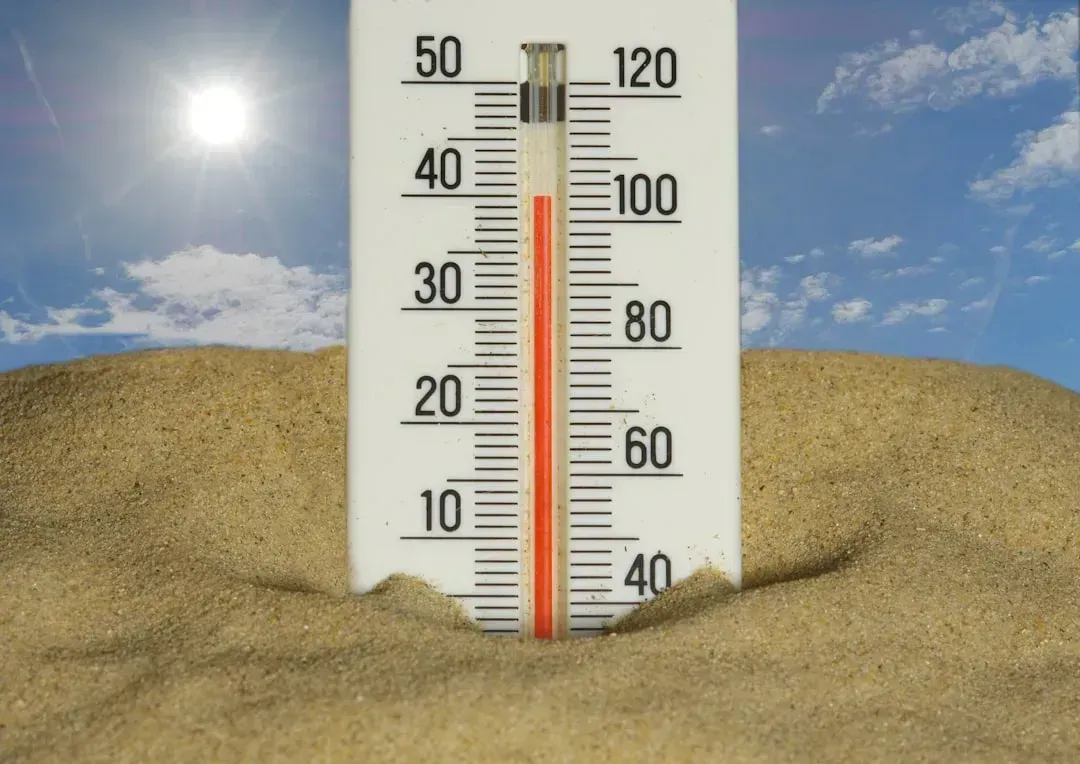
Everyone thinks about coastal Florida when climate change comes up – rising seas, storm surge, flooding. The heat story gets far less attention, and it probably should get more. Highlands County, Florida, will see 68 extreme heat days annually by 2050. It averaged just four such days from 1967 to 2005. That is a staggering increase that has flown under the radar compared to flood narratives.
From California to Florida, counties in the southern United States will see a staggering number of high heat days by 2050. Heat is one of the deadliest climate threats Americans face. The Centers for Disease Control and Prevention reported an average of 702 heat-related deaths per year from 2004 to 2018. Florida’s inland communities – often older, often less affluent, often without robust public health infrastructure – are particularly exposed.
The Urban Heat Island Effect: Cities Are Making It Worse for Themselves
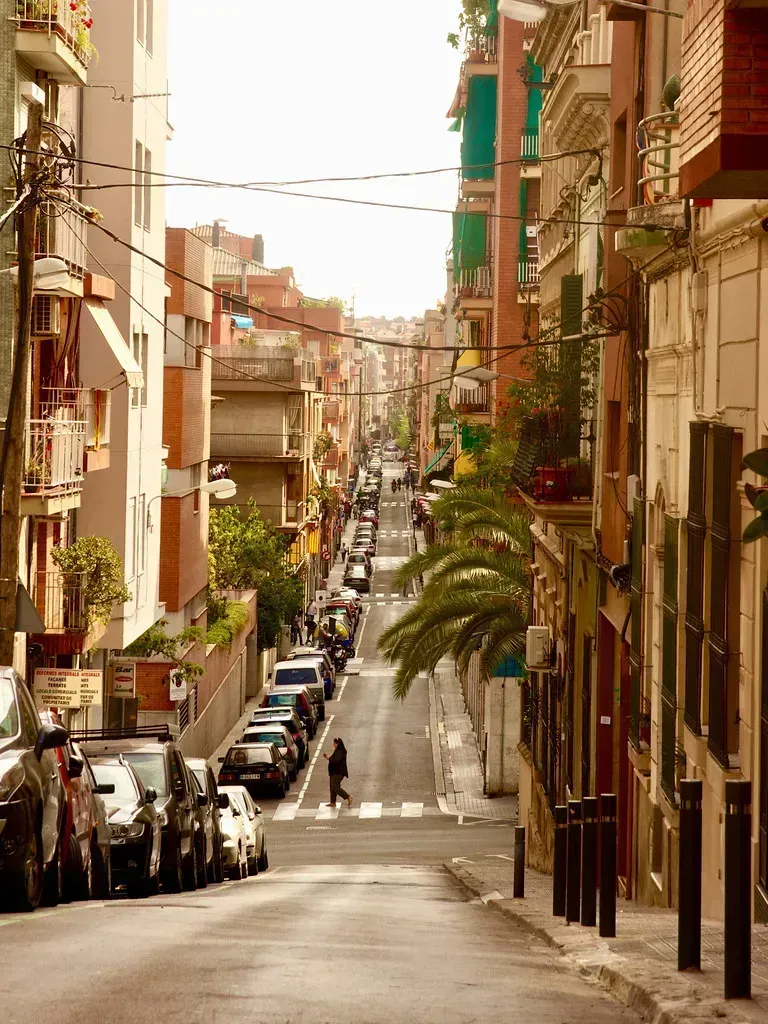
There’s an invisible layer on top of climate change that most people don’t account for when they read temperature projections. It’s called the urban heat island effect, and it is significant. Studies suggest that, on average globally, urban heat island warming will probably be equivalent to about half the warming caused by climate change by 2050. In a city that experiences 2 degrees of warming from climate change, that would mean an extra degree of warming on top of that. In some locations, the effect could be twice as strong as the impact of global warming itself.
In a warming world, cities face an even greater burden of higher temperatures than rural areas. They hold most of the world’s population, and their exposure to high temperatures is amplified by the urban heat island effect, where buildings, concrete, and other infrastructure trap heat. Density, air pollution, poverty, and geography further increase the vulnerability of many people in cities.
During a summer heat wave, air conditioning from urban buildings can add 20 percent more heat to the outside air. Less vegetation means less evaporative cooling. Through a process called evapotranspiration, plants help cool the air. Trees and plants can help reduce peak summer temperatures by 2 to 9°F in urban areas. It sounds almost too simple, but planting trees is genuinely one of the most evidence-backed mitigation tools cities have right now.
The Economic and Health Cost of Doing Nothing
Here is where the conversation about future heat waves stops being a climate science discussion and starts being a hard economic argument. In the United States alone, extreme heat already costs the economy $100 billion annually and is projected to increase to $500 billion by 2050. That is not a worst-case scenario. That is a projection based on current policy trajectories.
Heatwaves are one of the deadliest meteorological hazards, posing a substantial risk to human health, environment, and the economy. The frequency and intensity of heatwaves have substantially escalated throughout the United States, with the average occurrence going from two heatwaves per year during the 1960s to six per year during the 2010s. That trend is still accelerating.
The danger of climate change is often associated with huge disasters – floods, fires, hurricanes. Heat, on the other hand, is a creeping, quieter risk, but one that is already transforming lives around the world. People are dying of heat in fields, on construction sites, and in apartments without air conditioning. Others, forced to labor outside in the hot sun, are struck by kidney disease. Still others face heart attacks, strokes, and even mental illness exacerbated by high temperatures.
The cities on this list are not hypothetical case studies. They are places where tens of millions of people live, work, raise families, and plan their futures. The science is consistent. The projections are alarming. The question that keeps coming back is not whether these heat waves are coming – but whether we are moving fast enough to be ready for them. What do you think cities should be prioritizing right now? Drop your thoughts in the comments.
