

Something has shifted in how Americans shop for homes. The back-to-back devastation of Hurricanes Helene and Milton in 2024, which together caused an estimated combined damage exceeding $110 billion, left a lasting mark on buyer psychology from Florida to the Carolinas. Zillow reported that more than 80% of potential home buyers now consider climate risks when choosing a home, with flooding topping the list of concerns. Realtors across storm-prone markets are seeing that shift in real time – buyers are asking harder questions, walking away from certain features entirely, and applying pressure on sellers to prove their homes can survive the next big storm. Here are six storm-exposed home features that buyers are increasingly avoiding.
1. Ground-Level Construction in Flood Zones

Elevated homes with hurricane-resistant features were often repaired and back on the market within months, selling at strong prices, while ground-level properties in flood zones faced tougher economics: higher insurance premiums, major structural repairs, and in some cases, special assessments for condo owners. Buyers have learned from watching their neighbors, and the lesson is brutal – ground-floor living in a flood zone means perpetual financial exposure.
Buyers increasingly expect discounts for flood zone properties, and a Cotality study found that homes sitting within Miami’s 100-year flood zone saw a reduction in value of between 9% and 18% per square foot. But those discounts are often offset by the increasing cost of insurance – and that’s if insurance is available at all. In high-risk states like Florida and Texas, some insurers have gone bankrupt or exited the market, putting pressure on state-backed insurers. Ground-level homes in flood zones are simply becoming a harder sell at any price point.
2. Standard Windows Without Impact Resistance
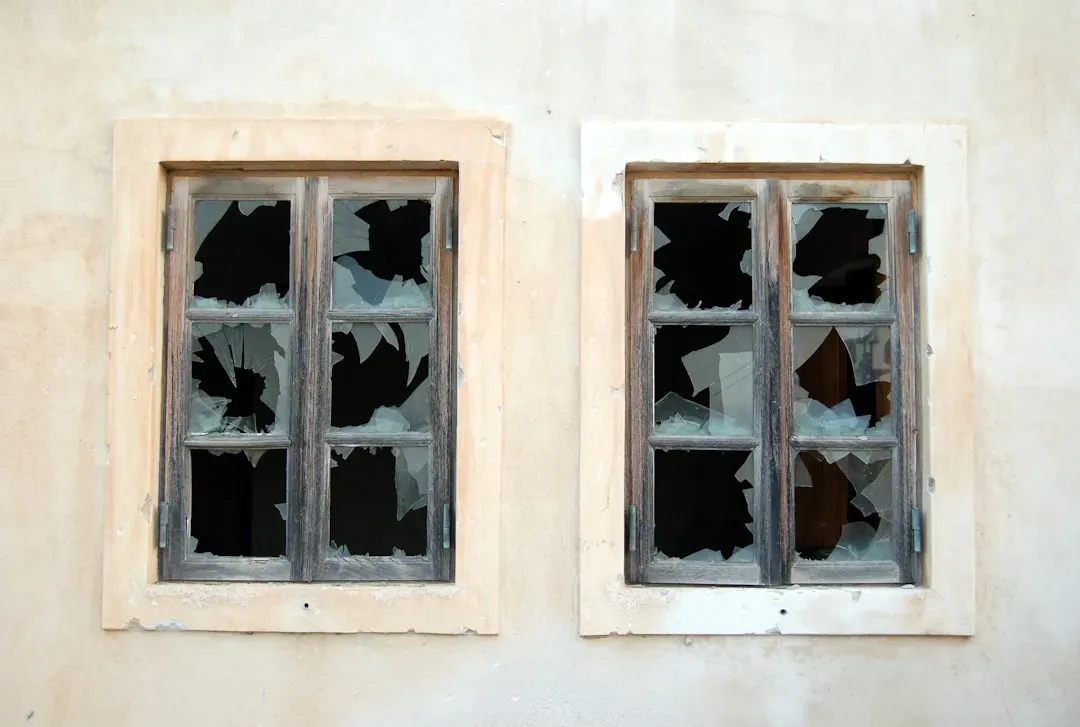
Windows and doors are often the weakest points during a storm, and Florida builders are responding with impact-resistant materials and innovative designs. Buyers who have done any research on storm preparedness quickly discover that standard single-pane or older double-pane windows represent a serious vulnerability. When windows blow out during a hurricane, the pressure change inside a home can cause catastrophic structural damage, turning a survivable storm into a total loss.
Some manufacturers are touting reinforced roofs and wind-rated garage doors, impact-resistant windows, and hardier exteriors that could possibly withstand wind gusts of 135 MPH or more. Homes listed without impact windows in coastal and storm-prone markets are increasingly seen as fixer-uppers, not ready-to-move-in properties. Skipping these upgrades risks denied insurance, expensive repairs, legal trouble, and lower home value. Buyers are doing the math before they even walk through the front door.
3. Flat or Low-Sloped Roofs
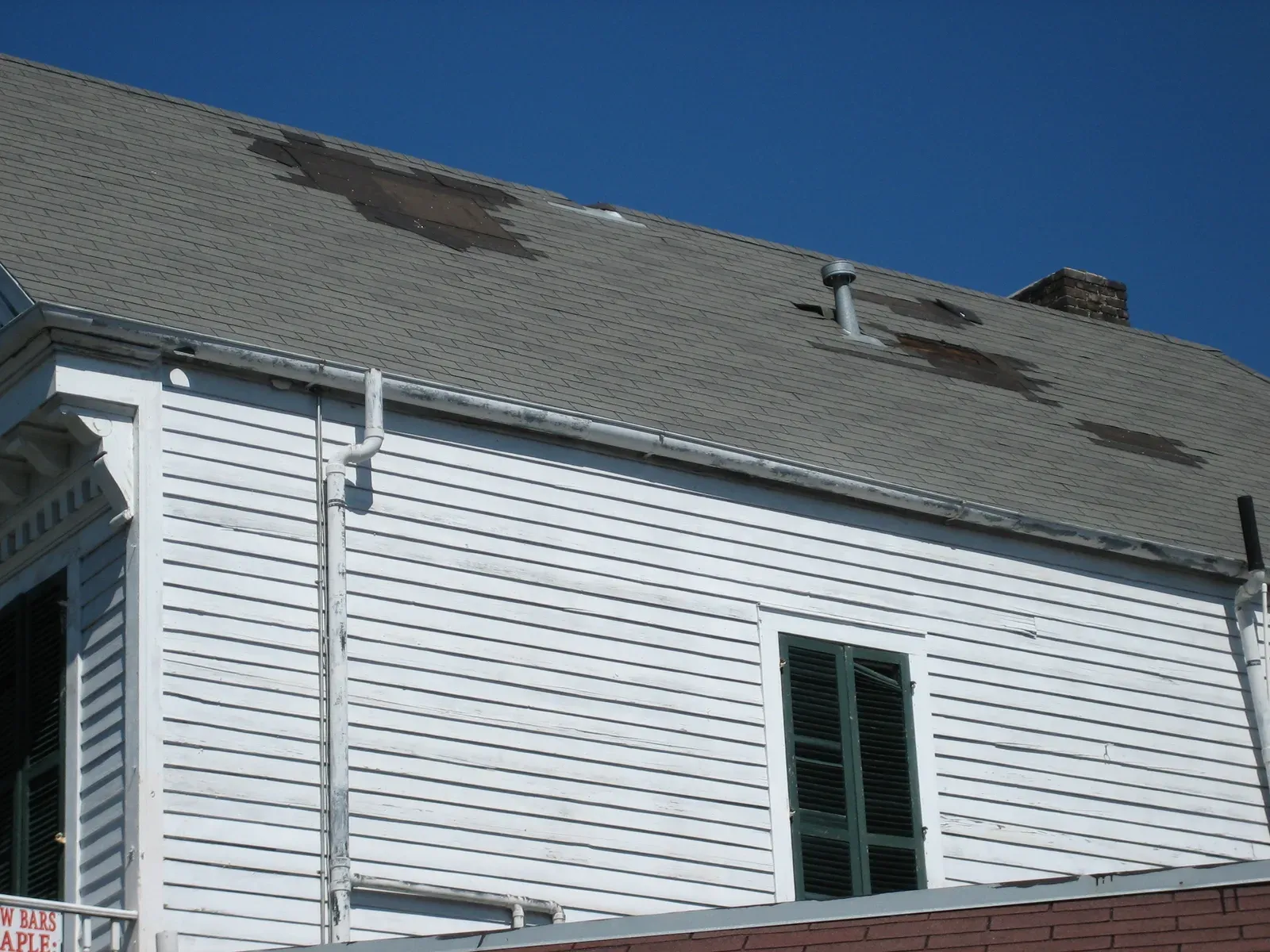
Experts recommend choosing a hip or gable roof design that offers better wind resistance compared to a flat roof. This is no longer just a builder’s preference – it is a buying criterion for storm-aware purchasers. Flat and low-sloped roofs are vulnerable to uplift during high-wind events, to pooling water during heavy rainfall, and to the accumulative weight of debris. Realtors in markets like South Florida report that buyers immediately flag flat roofs as a negotiation point or a dealbreaker.
Preventing roof uplift during strong winds is a known and common cause of major hurricane damage. Stronger structures using ICF walls, reinforced roof-to-wall ties, and clean load paths resist extreme gusts far more effectively. The roofline has become a shorthand for a home’s overall storm readiness, and buyers are using it as a quick screen before deciding whether to dig deeper into a listing.
4. Vinyl Siding and Wood-Frame Exteriors
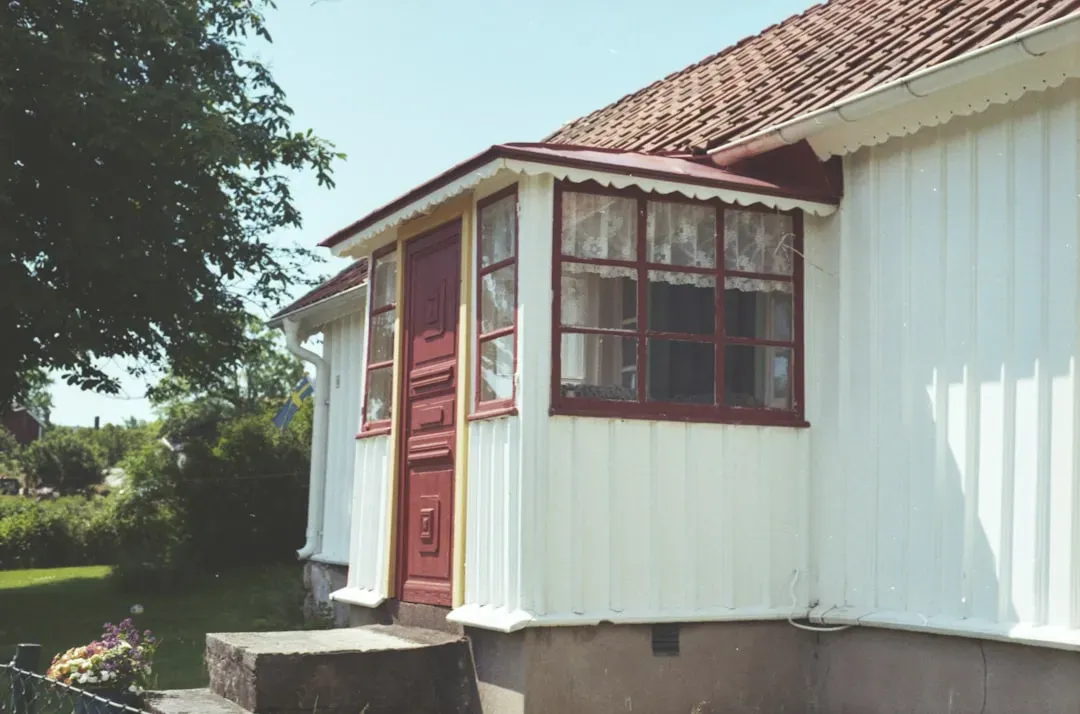
Wood-framed homes and vinyl siding are vulnerable to storm damage, while brick or stone veneer or concrete-fiber board siding tends to be more resilient against heavy winds and hail, according to the Insurance Institute for Business and Home Safety. This is one area where buyer preferences have shifted visibly – listings highlighting masonry construction, reinforced concrete, or fiber cement exteriors are drawing more attention than comparable homes clad in vinyl or traditional wood siding.
Traditional materials like wood and drywall absorb moisture, making them highly susceptible to mold and structural degradation, while modern flood-proof house design incorporates water-resistant materials such as Insulated Concrete Forms (ICFs), reinforced concrete, and composite siding. Sellers are now making improvements to reduce risks, like adding storm shutters, choosing heat-resistant building materials, or upgrading drainage systems to make their properties more appealing. Those who haven’t made those upgrades are finding it harder to compete in markets where storm risk is front of mind.
5. Homes Without Backup Power or Storm Systems
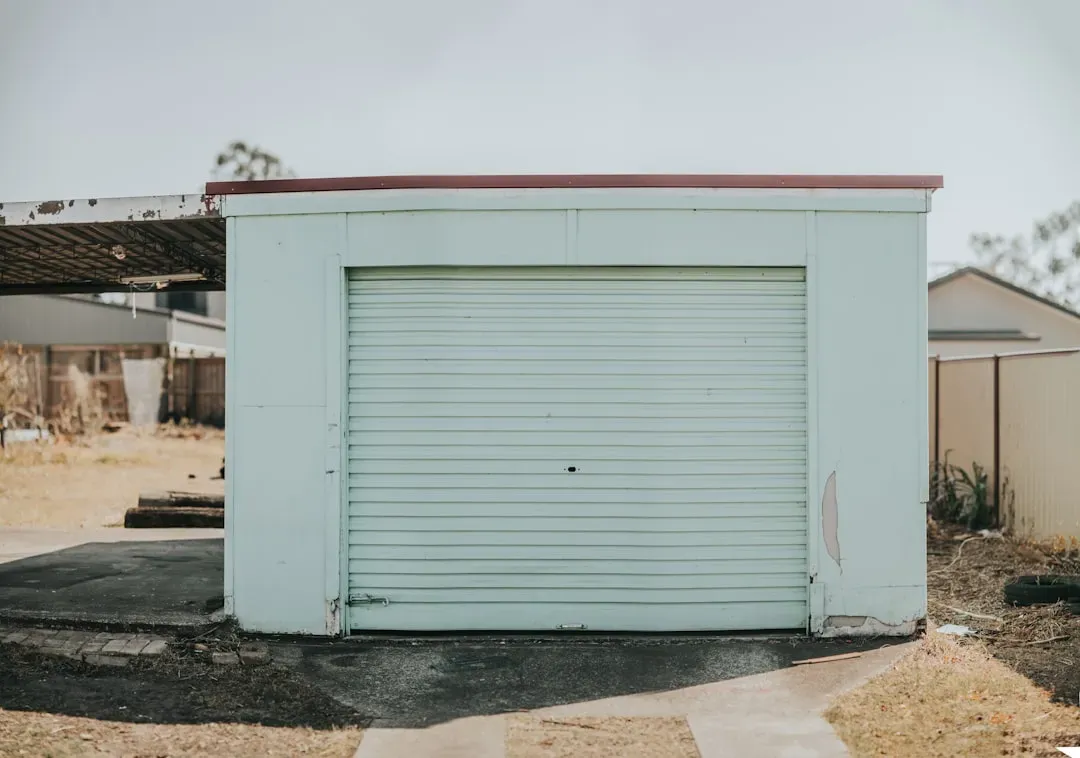
The compounded nature of back-to-back storms amplified “storm fatigue” among both buyers and sellers, a sentiment that can weigh on transaction volume long after physical repairs are complete. In a post-Helene and post-Milton market, buyers are asking directly about generators, whole-home backup power, automated hurricane shutters, and storm drainage systems. Homes that lack these features feel incomplete to a growing segment of today’s purchasers, especially those who watched neighbors go weeks without power after major 2024 storms.
Some modern homes include smart, automated hurricane shutters that homeowners can deploy quickly, even when away. Real estate professionals are seeing homeowners prioritize features that make their properties more efficient, resilient, and self-sustaining. The absence of storm-readiness systems is now viewed similarly to the absence of a modern HVAC system – it’s not a dealbreaker for every buyer, but it does meaningfully affect perceived value and offer price.
6. Properties in Coastal Storm Surge Zones Without Elevation
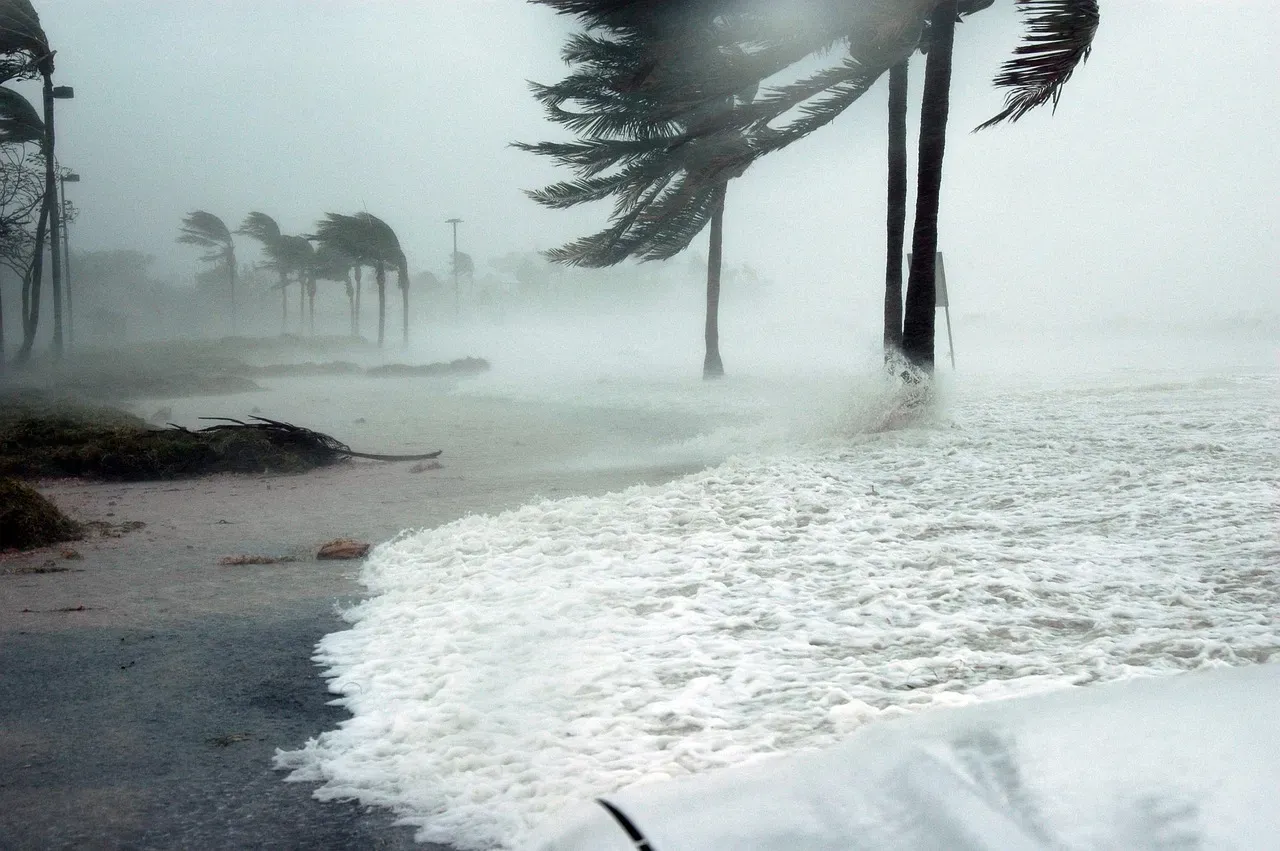
Storm surge is the abnormal rise in seawater level during a hurricane or major storm, driven by intense winds pushing ocean water inland, sometimes flooding neighborhoods miles from the coastline. Even a few feet of storm surge can flood homes, destroy landscaping, compromise septic systems, and sweep away vehicles – and in extreme cases, completely submerge ground-level floors. Cotality identified more than 6.4 million residential properties, ranging from Texas to Maine, with a combined reconstruction cost value of $2.2 trillion at moderate or greater risk of sustaining damage from storm surge flooding.
Cotality Chief Economist Selma Hepp noted that “buyers are factoring environmental risk factors into their decisions in ways we haven’t seen before,” adding that “they’re pricing in insurance premiums, future storms, and the potential for resale challenges” – reshaping demand in coastal markets, even in areas with minimal storm history. Data shows homes in Virginia Beach stayed on the market 32% longer in 2025 than in early 2024, and homes in Wilmington, North Carolina lingered 19% longer during the same period. Non-elevated coastal properties are sitting longer, selling for less, and increasingly struggling to attract buyers who have the means to be selective.
