
Climate anxiety is real, and more Americans than ever are factoring weather stability into their biggest life decisions, including where to live, work, and raise a family. So I did what a lot of curious people do these days: I asked ChatGPT which U.S. states have the most stable climate. Then I went one step further and checked its answers against actual data.
The results were surprisingly nuanced, occasionally counterintuitive, and honestly pretty fascinating. Some states you’d expect to show up here didn’t. Others might genuinely surprise you. Let’s dive in.
1. Vermont – America’s Quiet Climate Champion
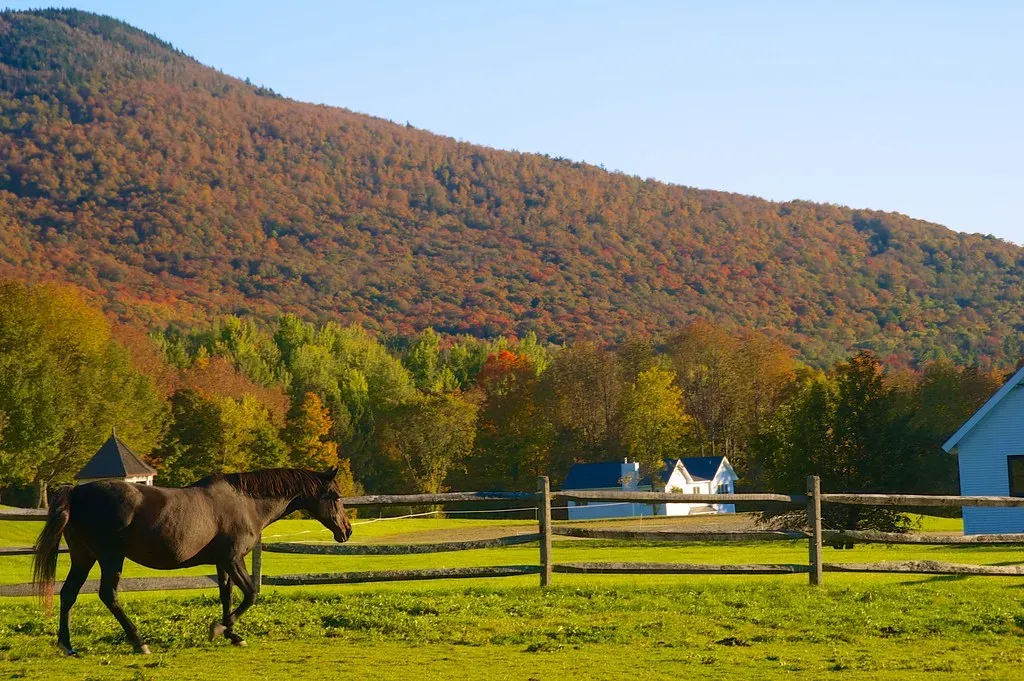
If there’s one state that consistently tops every serious climate stability ranking, it’s Vermont. Vermont is the best state for climate change thanks to its climate profile that, for the most part, avoids extremes – and since 1953, it has only experienced 45 federally declared natural disasters, making it the least vulnerable state for climate risk according to multiple analyses.
Vermont stands alone as the only state where extreme heat is the sole major climate threat, which is remarkable when you consider how many states face wildfires, coastal flooding, tornadoes, and drought simultaneously. That’s a pretty thin list of worries compared to, say, Florida or Texas.
Vermont is known to be a state free of wildfires, extreme heat, or hurricanes, and it’s currently experiencing an unprecedented influx of new residents, with roughly a third of people moving there specifically to be protected from climate change. Honestly, that says a lot on its own.
2. New Hampshire – Vermont’s Overlooked Neighbor
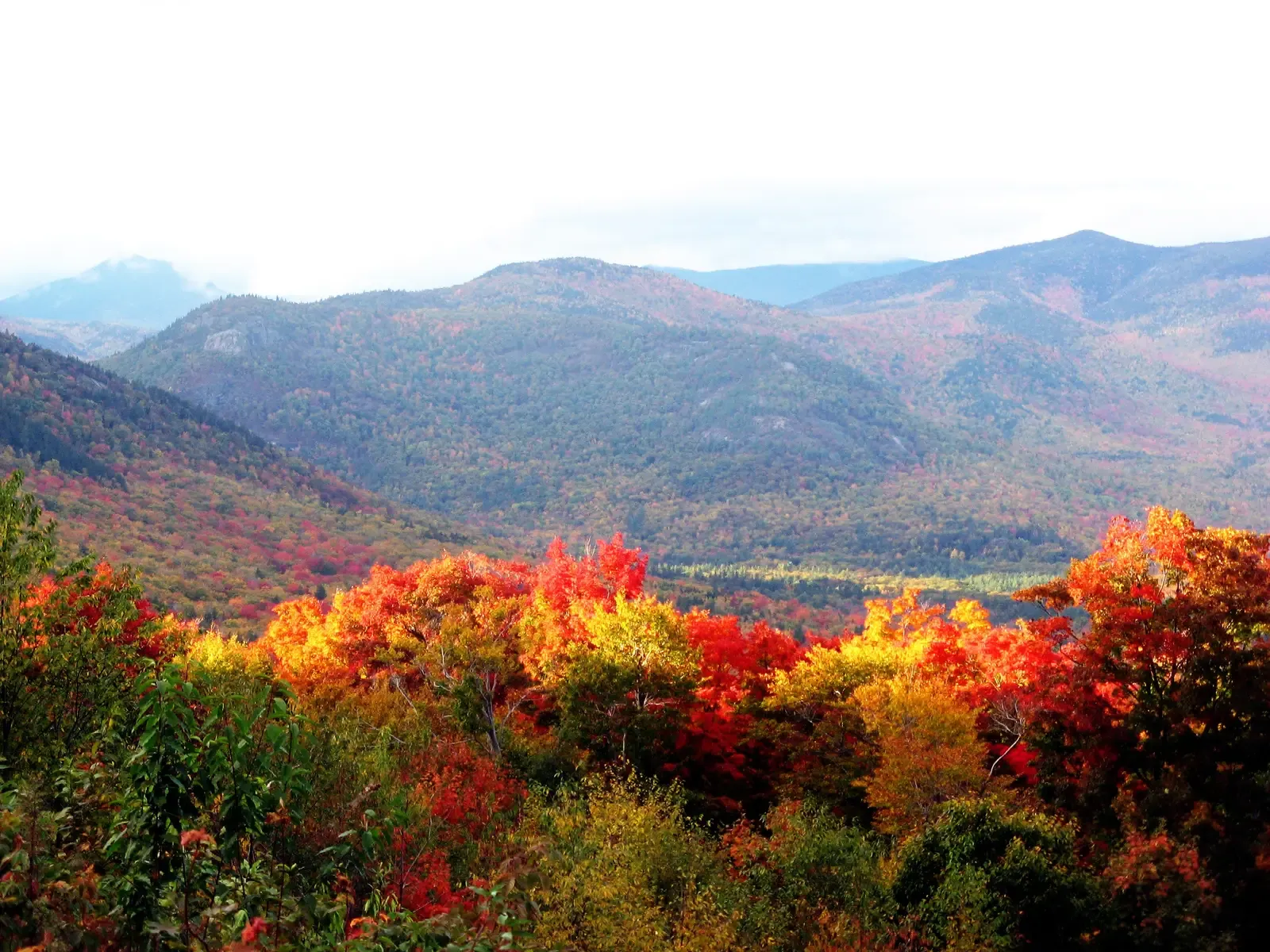
Those hoping to avoid the worst impacts of climate change will find that Vermont, New Hampshire, and Massachusetts are the only three states with Climate Change Risk Index scores lower than 100 – and New Hampshire consistently earns its place in that elite trio. It’s the kind of state that flies under the radar but quietly delivers on stability.
New Hampshire, neighboring Vermont, is also free of several natural disasters and rising sea levels, which is a major deal when you consider that coastal flooding is creeping up threat lists in nearly half the country. The state sits in a geographic sweet spot that keeps it well away from the most destructive weather patterns.
States further north are in a comparatively better position, with New Hampshire and Vermont among those with the lowest vulnerability to climate change. It’s not glamorous, but stability rarely is. Think of it as the tortoise of climate resilience – slow and steady, rarely making headlines for the wrong reasons.
3. Massachusetts – Northeast Reliability in Surprising Form

The Northeast is home to the only three states with Climate Change Risk Index scores lower than 100 – Vermont, New Hampshire, and Massachusetts. Massachusetts earns its spot here for a combination of moderate temperatures, relatively low wildfire risk, and a geographic location that insulates it from the worst of the Southeast’s hurricane corridor.
Let’s be real – Massachusetts does see cold winters and the occasional nor’easter. It’s not paradise. The northeast is seen as the safest zone overall, though nowhere escapes all climate change impacts. Still, when you measure stability against the full spectrum of climate threats, Massachusetts punches above its weight in resilience.
4. Minnesota – The Land of Lakes Holds Steady
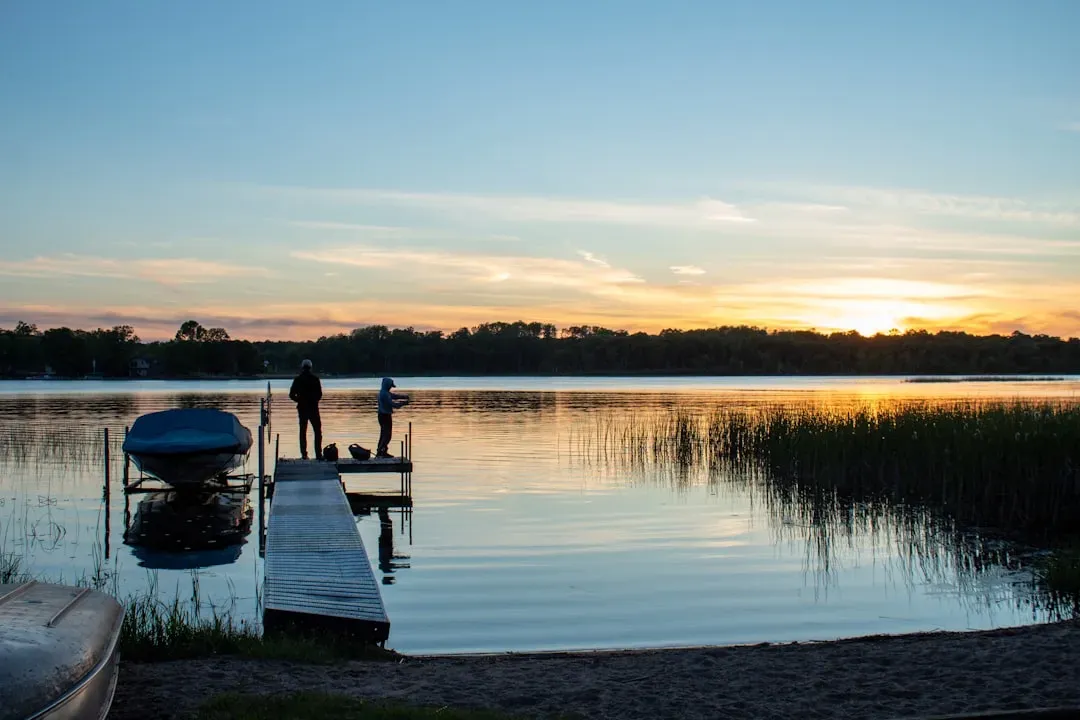
The Land of 10,000 Lakes faces thousands of climate risks, from extreme heat to extreme cold, wildfires, tornadoes, and blizzards – but Minnesota is at relatively little risk of suffering an extreme disaster, according to First Street’s data. That’s a meaningful distinction. Facing risks is one thing. Actually getting hit by catastrophic events is another.
Although Minnesota’s winters are subsiding due to climate change, the state is generally free from other natural disasters such as earthquakes or hurricanes. It’s also worth noting that Minnesota has been proactive about clean energy, having become the first U.S. state to mandate renewable biodiesel fuel back in 2002.
Minnesota earned a 2025 Infrastructure Score of 279 out of 405 points, earning a top-grade “A” rating – the highest infrastructure score among any state evaluated for climate preparedness by CNBC in 2025. That kind of investment in resilience matters for long-term climate stability.
5. Maine – Rugged, But Remarkably Stable
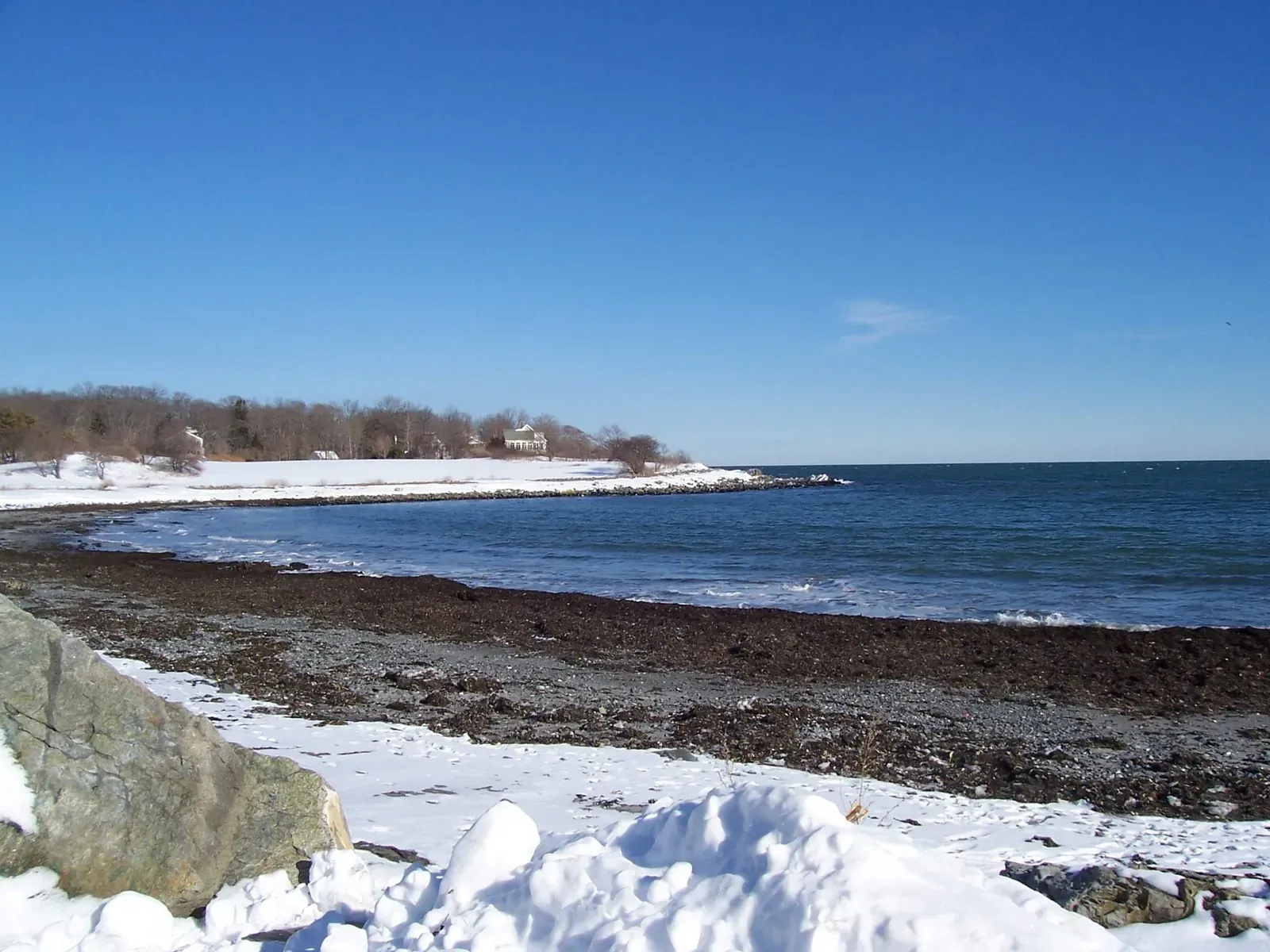
Maine has a stable climate which makes it a safe place to live and operate a business, though it is subject to some coastal inundation – not to the same extent as homes in Florida or other southeastern states. The difference in scale matters enormously here. Maine’s coastal risks are real but manageable compared to its southern counterparts.
While Maine’s rugged and harsh climate has caused problems for its power grid, the state has made great strides in mitigating its many climate risks, including winning a $69 million grant from NOAA under the Bipartisan Infrastructure Law to protect its working waterfronts from the effects of climate change. That’s serious money going toward serious protection.
The Pine Tree State also benefits from being geographically isolated from major tornado corridors, wildfire zones, and the hurricane belt that devastates so much of the Atlantic South. It’s not without challenges – those winters are genuinely harsh – but climate stability isn’t just about warmth. It’s about predictability.
6. Wisconsin – A Midwest Anchor in Uncertain Times
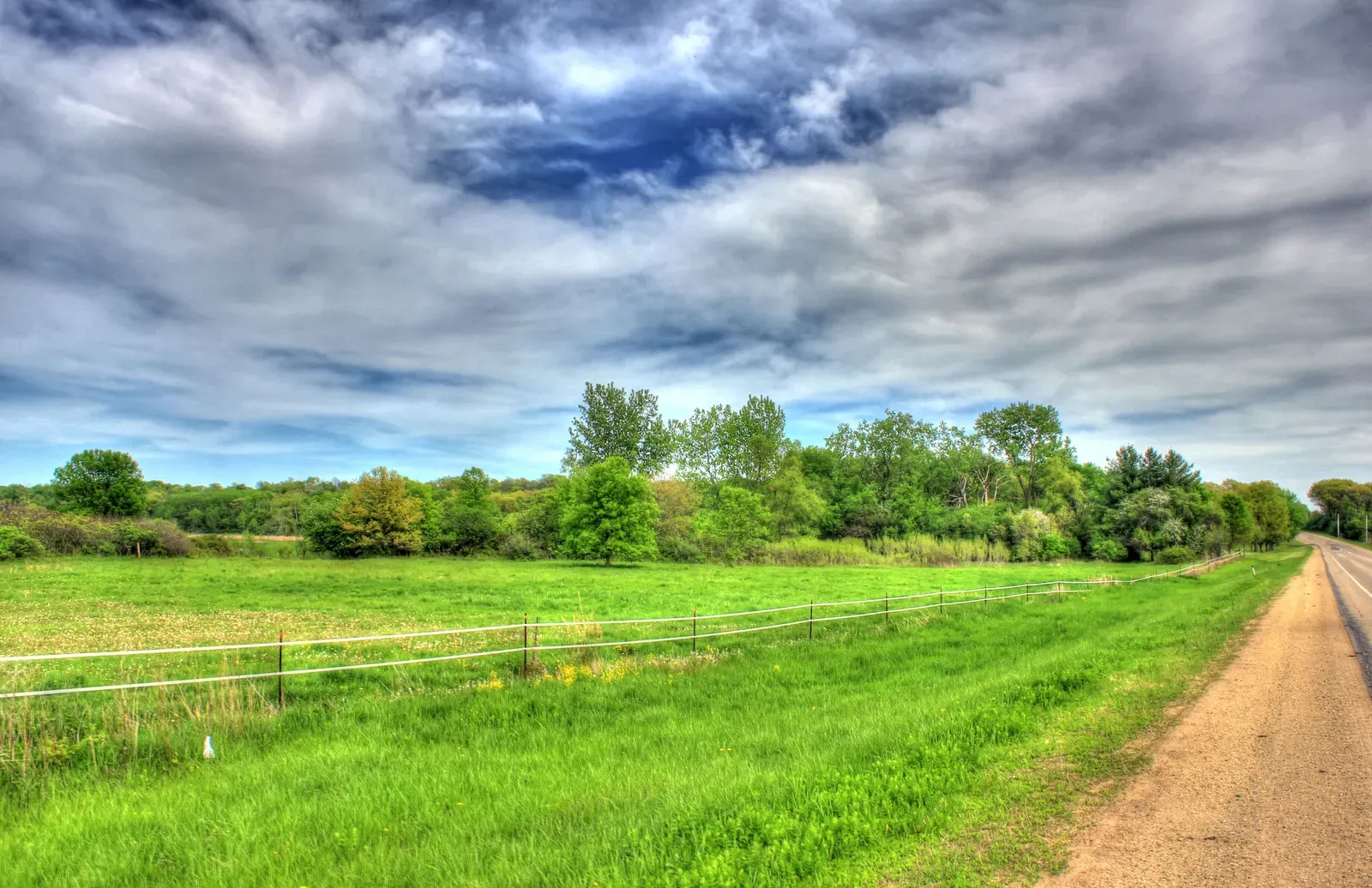
Wisconsin doesn’t get much climate glory, but it earns a real spot on this list. The state sits in the Upper Midwest, well away from hurricane paths, coastal flooding risks, and most serious wildfire zones. Areas in the southern U.S., including Florida, the Gulf Coast, the Desert Southwest, and southern California, often have more stable weather driven by pressure patterns, but the polar jet stream’s limited southern reach also keeps certain northern states protected from the most volatile weather systems.
Here’s the thing: the Great Lakes region, including Wisconsin, benefits from enormous freshwater reserves and a relatively moderate climate compared to states further south or west. The state tends to experience predictable seasonal patterns rather than catastrophic weather extremes, which is exactly what climate stability is all about.
7. Colorado – Elevation as a Climate Buffer
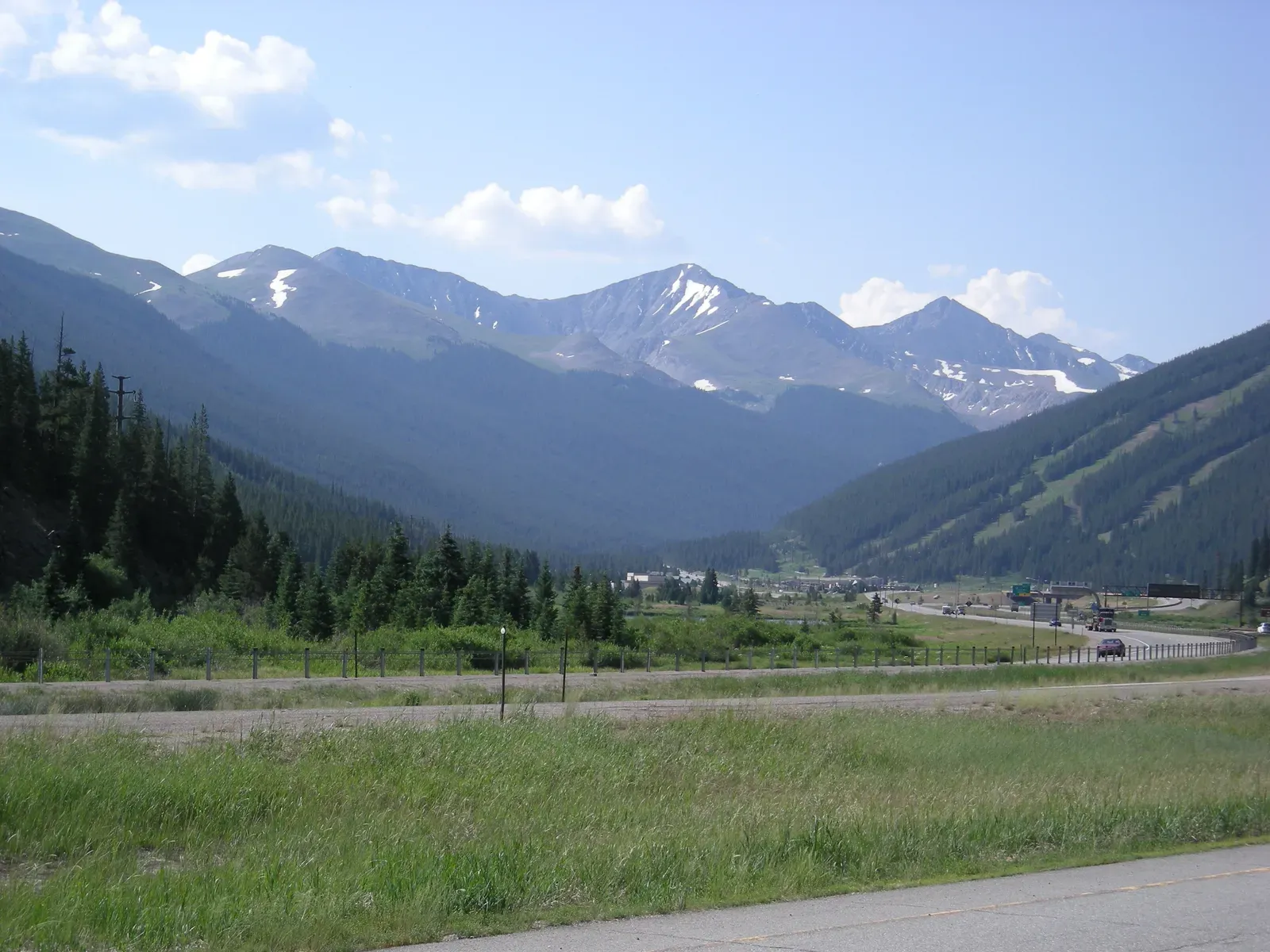
Colorado is a more complex case, and I’ll be honest – it’s a bit of a wildcard on this list. The state does face wildfire risks. California, Oregon, Washington, Idaho, Montana, and Colorado often experience enhanced wildfire risk and related poor air quality for weeks to months. That’s a real and growing concern that can’t be ignored.
However, Colorado’s high elevation and semi-arid continental climate create a kind of natural buffer against the deadliest extremes found elsewhere. Colorado enjoys roughly 136 sunny days per year with remarkably consistent seasonal patterns. Temperatures fluctuate, but catastrophic flooding, major hurricanes, and destructive coastal storms are simply not part of the picture.
For residents of Denver and the Front Range especially, the climate offers a kind of four-season predictability that many Americans genuinely seek. It’s not perfectly stable – no state is – but relative to the national average, Colorado holds up well.
8. Michigan – Great Lakes Resilience
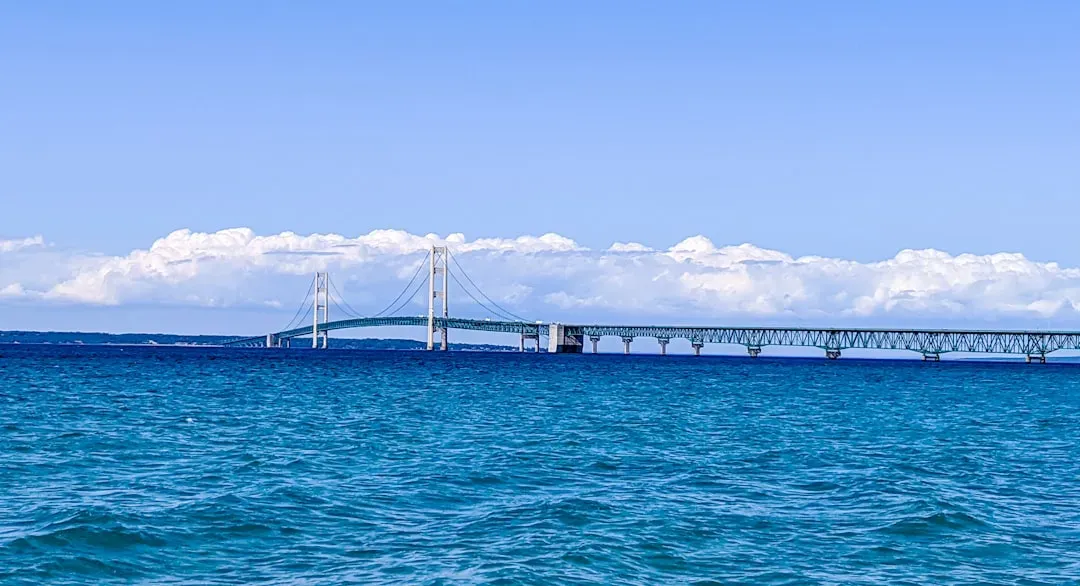
With more than 3,200 miles of shoreline touching four of the five Great Lakes, Michigan knows a thing or two about interacting with Mother Nature, and the state’s varied climate, including hot and stormy summers and often brutal winters, constantly tests its resilience. The key word there is “tests” – not breaks.
Michigan passes those tests with flying colors, according to Cotality, which rates Michigan the third best in the country in hardening properties against climate risks. That’s a hard-earned ranking. The state’s investment in climate infrastructure is real, systematic, and pays dividends in reduced vulnerability.
Michigan also benefits enormously from its proximity to the Great Lakes, which act as a massive thermal buffer, moderating both summer heat and winter cold compared to landlocked midwestern states. It’s a hidden advantage that climate scientists have been pointing to for years.
9. Delaware – Quietly One of the Safest
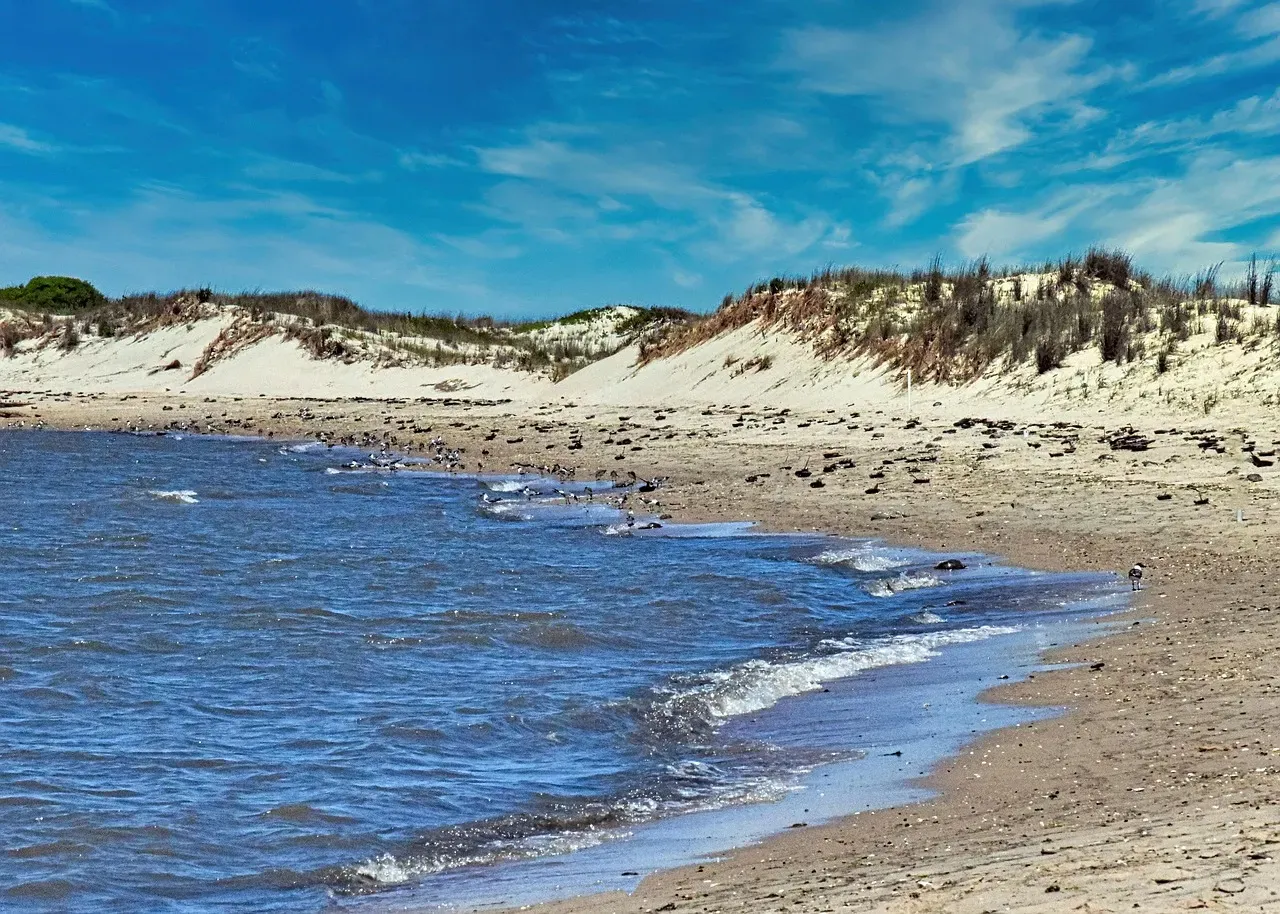
Delaware, on the East Coast, is relatively free from hurricanes, tornadoes, and earthquakes, making it a desirable state for those who want to avoid natural disasters. It’s a small state, but that near-invisibility in disaster statistics is actually a feature, not a bug. Small footprint, low drama.
Delaware also sits in a geographic zone where the most violent weather systems tend to weaken before arrival. The state’s relatively flat terrain and moderate Atlantic influence keep temperature swings manageable year-round. Climate rankings based on temperature, rain, and sun, updated using the latest data for 30-year weather averages from NOAA, consistently place Mid-Atlantic states like Delaware in favorable positions.
10. Oregon – The Nuanced Case for the Pacific Northwest
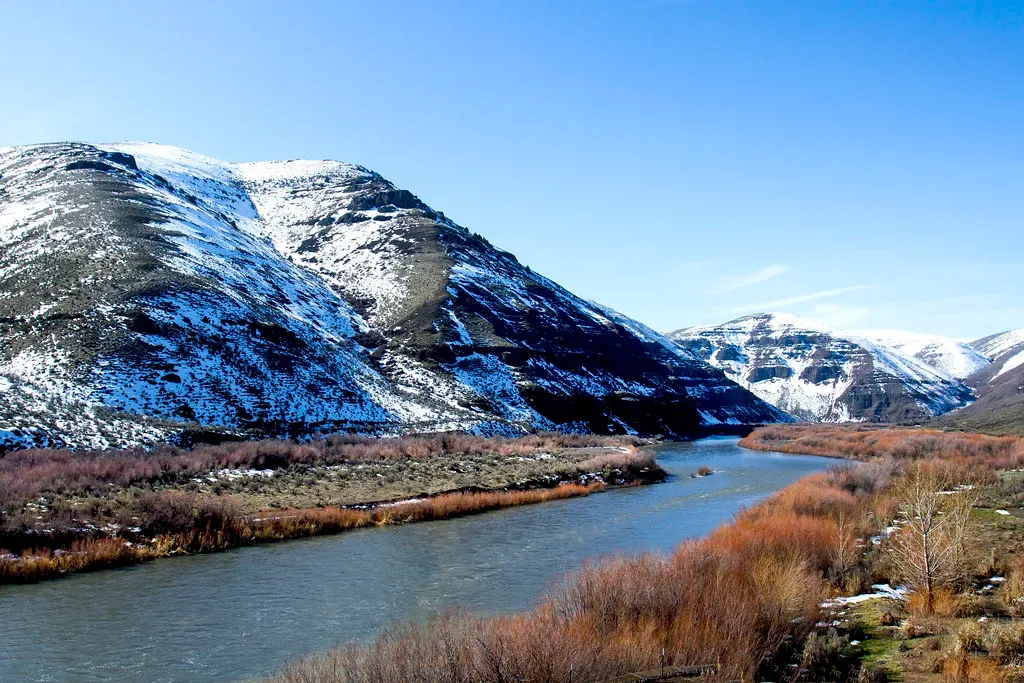
Oregon makes this list with a caveat, and I think that’s important to acknowledge. The Beaver State is no stranger to climate issues, including sometimes intense winter storms, wildfires, and more – but the state is reasonably well equipped to handle them, already being a leader in renewable energy, getting more than two-thirds of its power from renewable sources according to the U.S. Department of Energy.
The Pacific Northwest climate is wet and cool in autumn, winter, and spring, and stable and dry in the summer months, especially July and August. On average, the wettest month is typically November or December, the driest July, and summer average highs in cities like Portland are from 70 to 75°F with lows from 50 to 59°F. That’s a genuinely moderate range by any standard.
Oregon’s coastal and valley regions experience what climate scientists call oceanic climate stability – meaning dramatic temperature swings, bone-dry heat waves, and catastrophic freeze events are rare. In 2024, Oregon’s Climate Extremes Index stood at 16.54% against a national average of 32.92%, meaning it experiences climate extremes at roughly half the national rate. That’s a striking number worth sitting with for a moment.
The Bigger Picture: Why Climate Stability Matters More Than Ever Now
Here’s the broader context that puts all of this into perspective. During 2024, the U.S. experienced 27 weather and climate disasters, each incurring losses exceeding $1 billion – ranking 2024 second highest for the number of billion-dollar disasters in a calendar year. That’s not a distant future warning. That’s last year’s reality.
Over the last 10 years from 2015 to 2024, 190 separate billion-dollar disasters have killed at least 6,300 people and cost approximately $1.4 trillion in damage. It was also a record 14th consecutive year where the U.S. experienced 10 or more billion-dollar disasters. Think about that for a moment. Fourteen years in a row. It’s not a blip. It’s a trend.
In 2024, nearly half of U.S. homes faced at least one type of severe climate risk. That means choosing where to live based on climate stability isn’t just a lifestyle preference anymore. For many Americans, it’s becoming a financial and physical safety decision.
The states on this list aren’t immune to change – while every state will be impacted by rising temperatures, there are a handful of unlucky states that by virtue of their geographic placement will be especially threatened by climate change. The flip side of that, of course, is that some states are simply better positioned by geography, infrastructure, and forward-thinking policy to weather whatever comes next.
It’s hard to say for sure which states will hold their advantages decades from now – climate projections involve real uncertainty. But based on the data available today, from NOAA, Climate Central, First Street Foundation, and independent research, the Northeast and parts of the Upper Midwest consistently emerge as America’s most climate-stable zones. What would you have guessed before reading this? Tell us in the comments.

