
Where you live is no longer just about job opportunities, school districts, or housing prices. Increasingly, it’s about survival. Climate-driven disasters cost Americans billions of dollars every single year, and the gap between states that can weather the storm and those that can’t is widening fast.
The climate is shifting, and homeowners are feeling the impact. According to a 2024 Housepower Report by Hippo, roughly three in ten homeowners ranked extreme weather preparedness as a top concern, up from the year before, reflecting growing anxiety around climate-related risks. In 2024, nearly half of U.S. homes faced at least one type of severe climate risk. So which states actually offer a more stable future? Let’s dive in.
8. Wisconsin: Quiet Resilience in the Heartland
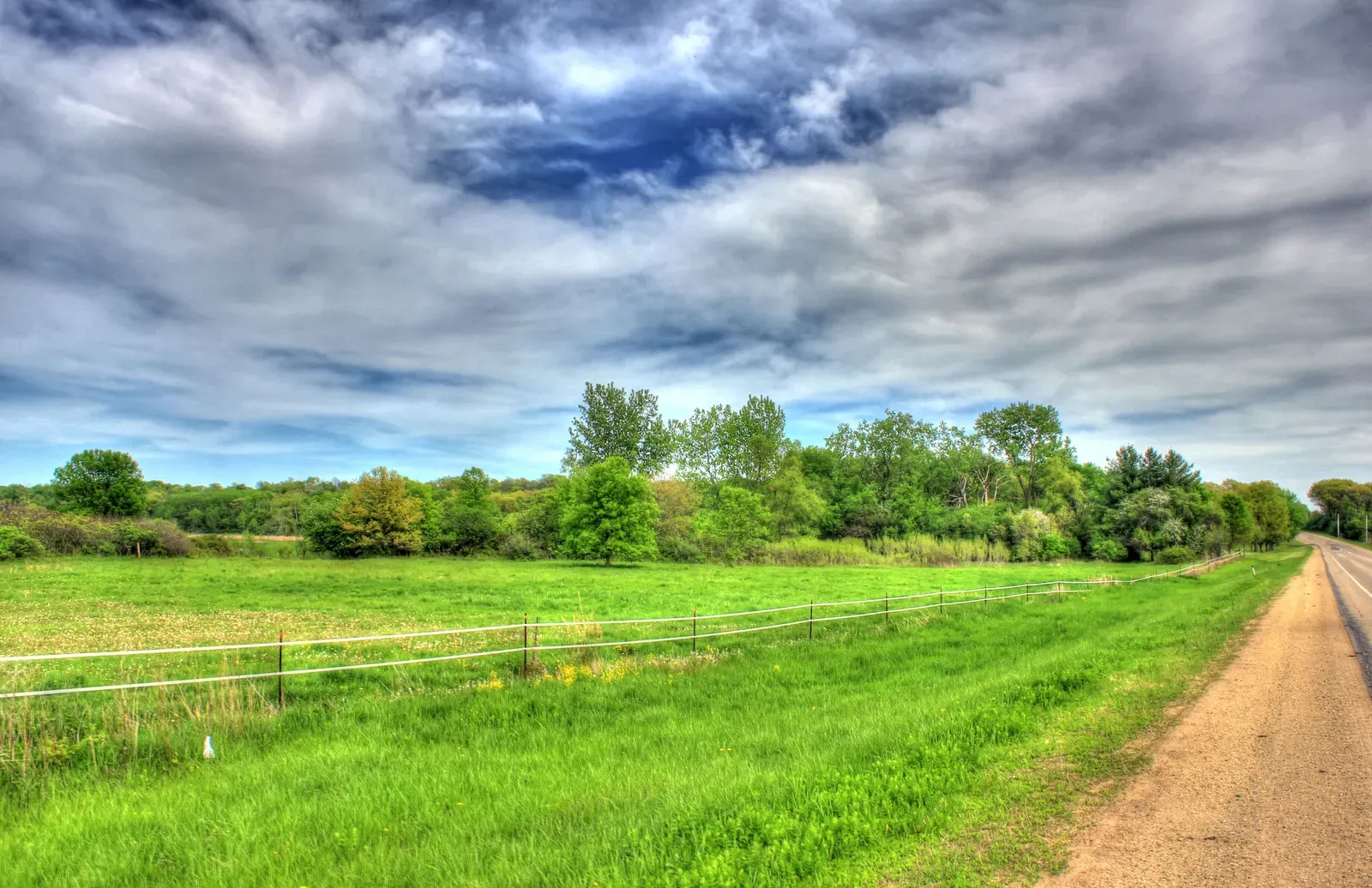
Wisconsin doesn’t grab headlines the way California or Florida do, and honestly, that might be exactly its superpower. It sits comfortably in the Midwest, insulated from coastal flooding, major hurricanes, and the kind of catastrophic wildfire events ravaging the West.
Climate migration experts routinely list the Great Lakes states, including Wisconsin, among the most climate-resilient regions to consider in the United States. According to Hippo’s analysis, Wisconsin homeowners typically enjoy moderate insurance premiums, averaging around $1,662 per year, which is dramatically lower than states like Oklahoma, where premiums soared to nearly triple that amount in 2024.
Wisconsin also renewed support for a Pre-Disaster Flood Resilience Grant program in 2025, adding $2 million in funding to help flood-prone areas identify flood vulnerabilities before disasters strike. That kind of proactive thinking matters. A state that invests in prevention rather than just recovery is one that’s genuinely thinking long-term.
Green Bay adopted a clean energy plan in 2024 that aims for 100% clean energy and carbon neutrality by 2050, with 2030 targets focused on improved building efficiency, clean electricity growth, and lower transportation emissions. The city also runs a Resilience and Sustainability Hub and supports an active Sustainability Commission. For a mid-size Midwestern state, that’s genuinely impressive forward planning.
7. Maine: Rugged, Remote, and Remarkably Safe
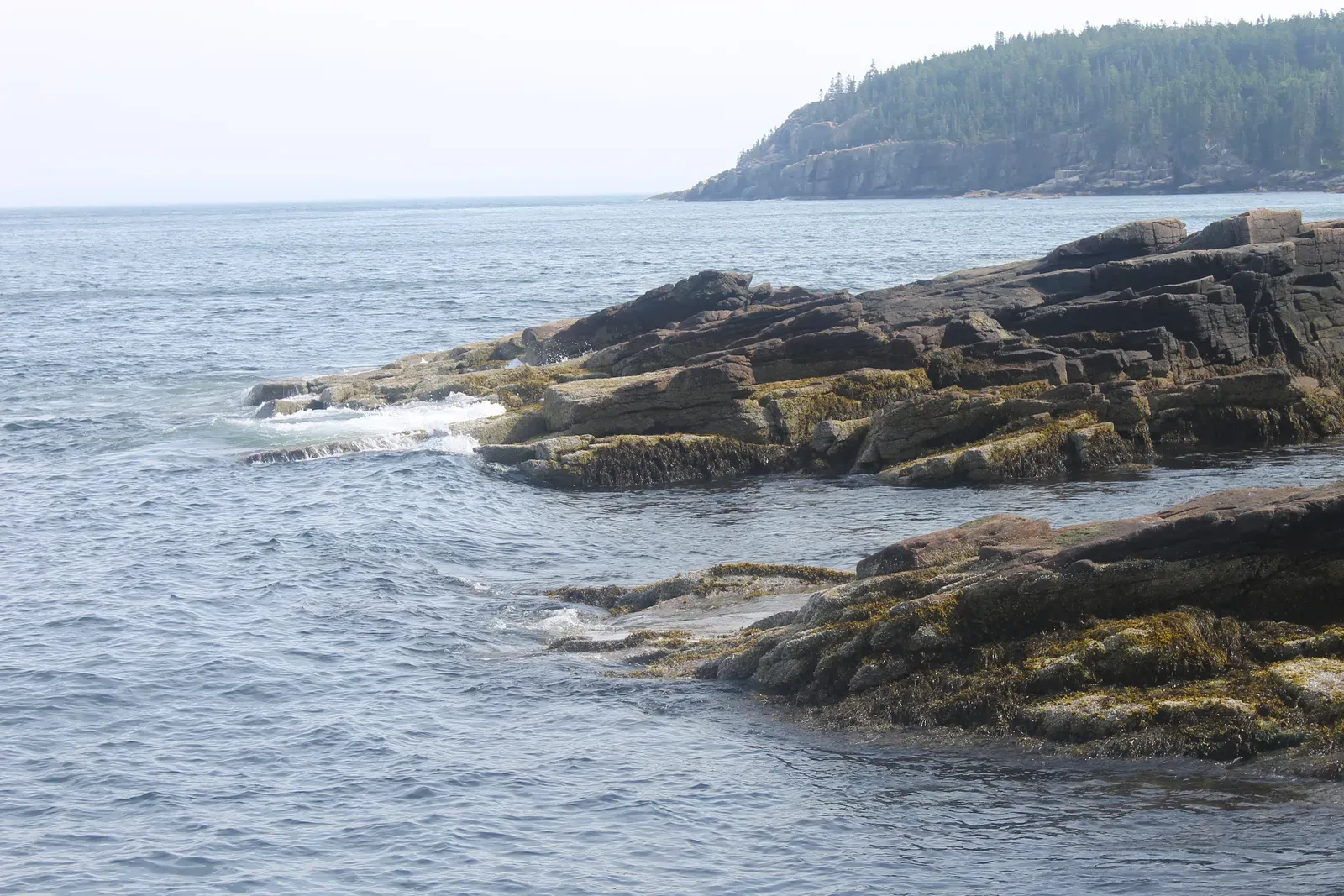
Maine is one of those places that people overlook until they really start thinking about climate risk. It’s cold, sure, but cold is increasingly an asset. Maine is frequently cited as one of the safest states with few billion-dollar disaster events per NOAA and Climate Central, low hurricane exposure mostly from nor’easters, and minimal wildfire or drought activity.
Maine released an updated State Energy Plan outlining pathways to achieving 100% clean energy by 2040, with actions and strategies to advance affordable, reliable, and clean energy. The plan has five clear objectives including delivering affordable energy, ensuring grid reliability and resiliency, and advancing clean energy deployment.
While Maine’s rugged and harsh climate has created challenges for its power grid, the state has made great strides in mitigating its many climate risks. In 2024, the state won a $69 million grant from NOAA under the Bipartisan Infrastructure Law to protect the state’s working waterfronts from the effects of climate change. That’s a big investment in a relatively small state, and it signals seriousness.
Here’s the thing though: Maine isn’t without challenges. Flooding events have intensified in recent years, and the grid remains a weak point. Still, its overall risk profile keeps it well ahead of most of the country, especially compared to Southern coastal states where insurers are pulling out entirely.
6. Minnesota: The Fresh Water Advantage
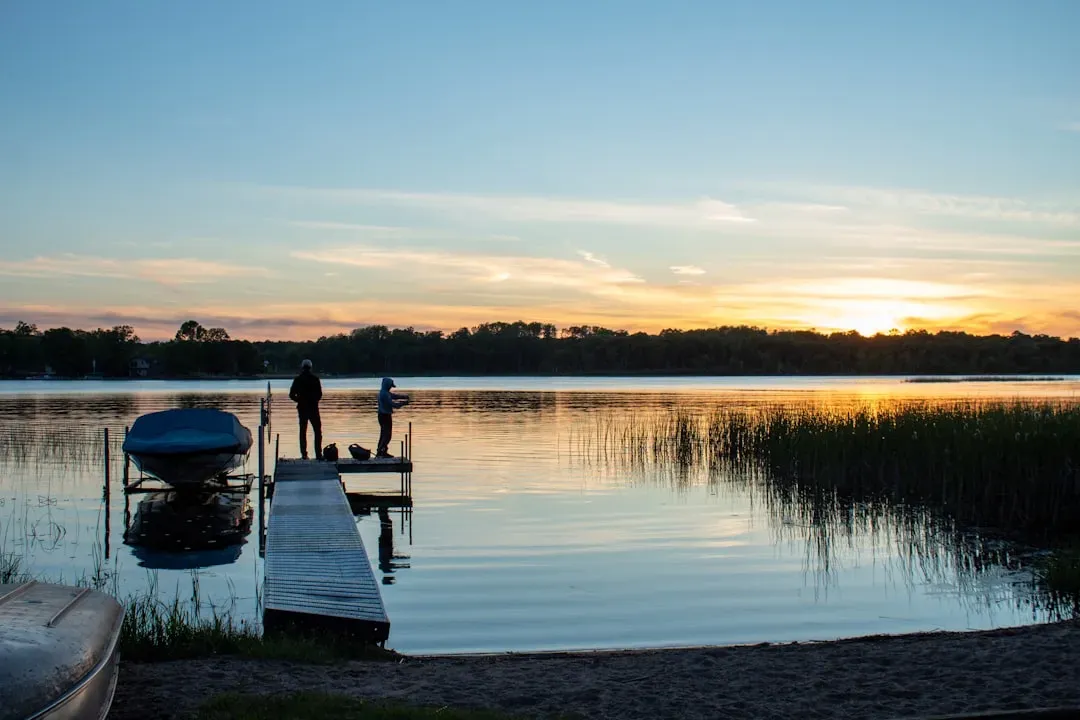
If water is going to be the defining resource of the 21st century, Minnesota is sitting on a gold mine. Literally. As extreme heat, drought, and hurricanes strain coastal regions, Minnesota could serve as a refuge. Known as the Land of 10,000 Lakes, Minnesota’s abundance of freshwater sources offers a critical advantage as water scarcity intensifies elsewhere.
The state also faces fewer climate-related disasters than much of the country. According to Hippo’s custom methodology, Minnesota has one of the lowest climate risk scores and the fewest instances of natural disasters of any state analyzed. That’s not a small thing when you look at the broader national picture.
While severe winter storms still pose a risk, the state is well-equipped to manage them with long-standing infrastructure and response systems. This readiness goes beyond just prepping for harsh winters, extending to prepare communities, businesses, infrastructure, and the natural environment with climate change resilience goals and adaptation planning.
Honestly, Minnesota might be the most underrated climate haven in the entire country. It’s not glamorous, but when coastal states are scrambling for water and insurance becomes unaffordable, Minnesota’s boring stability starts looking pretty attractive.
5. Colorado: Leading on Clean Energy Policy
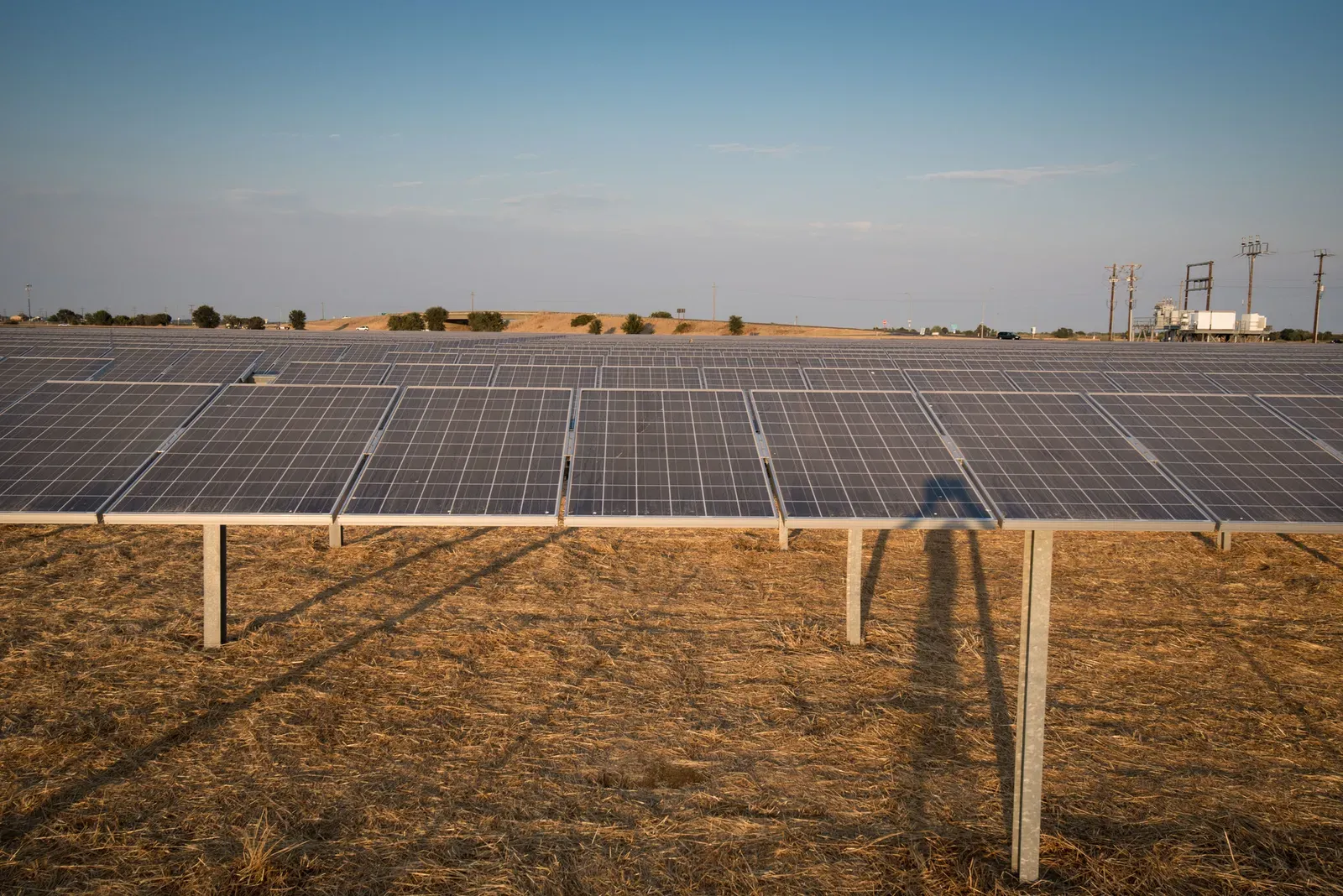
Colorado is a more complex story than the other states on this list. It faces genuine wildfire risks in its western and mountain regions, and drought conditions are a real concern given its position in the semi-arid West. Yet when it comes to climate action and energy policy, Colorado is genuinely setting the pace.
Colorado stays on top of its climate action plan and holds the best climate change extreme index among states analyzed by Quicken Loans, while also sporting very low climate-induced fire risk and precipitation scores in its major population centers like Denver.
Colorado released a multi-agency report highlighting the state’s progress in reducing greenhouse gas emissions, required by a 2024 Executive Order that directs state agencies to communicate annual progress toward meeting greenhouse gas reduction targets. The report projects that Colorado will be the first state to achieve a 50 percent reduction in emissions from its 2005 baseline. That is a landmark target.
In 2019, Colorado signed legislation to reduce greenhouse gas emissions by at least 50% by 2030, and recent progress reports suggest the state is actually on track to hit that goal. The renewable energy buildout across the state has been striking. For climate-conscious movers who want mountains and outdoor culture without sacrificing resilience planning, Colorado is hard to beat.
4. Washington State: Infrastructure Meets Ambition
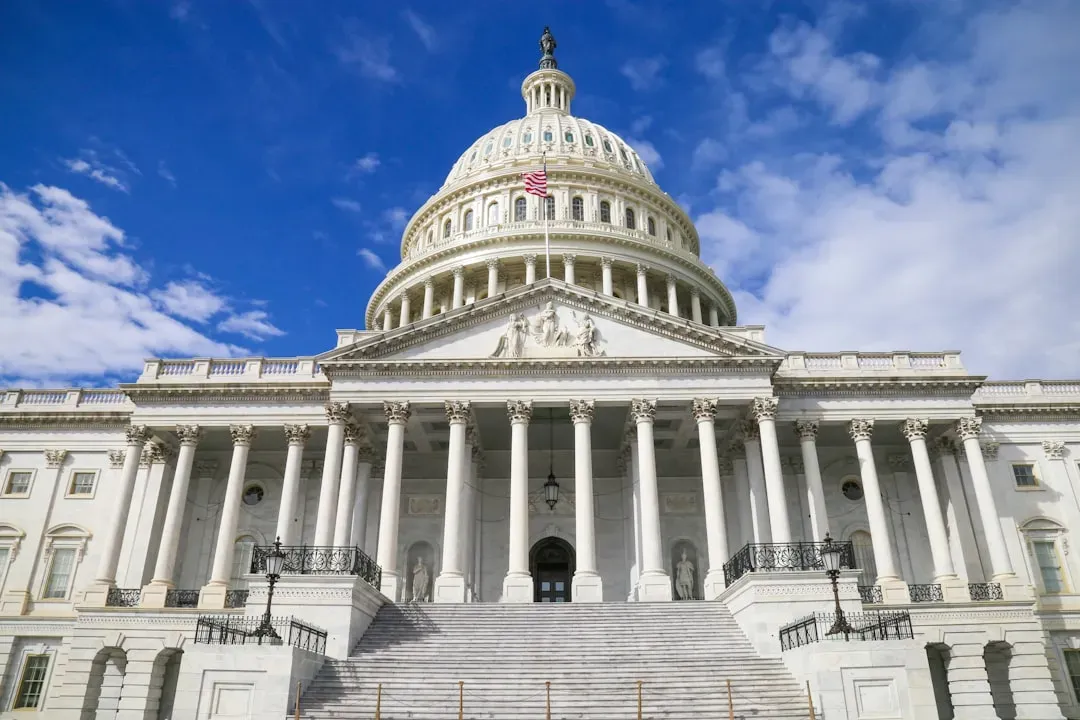
Washington state is arguably the most ambitious state in the country when it comes to combining strong climate policy with real infrastructure investment. It has its risks, wildfire smoke from eastern Washington and beyond is a genuine health hazard in summer months, but the overall framework the state has built is impressive by any measure.
At a time when federal investment in climate change mitigation and resilience has been reduced, Washington state continues to push forward. The $1.5 billion in investments funded by the Climate Commitment Act, most of it deployed in just one fiscal year, shows that the state has created a durable, predictable financial foundation for clean energy infrastructure, local adaptation and resilience projects, and long-term greenhouse gas emissions reduction.
There have been more than 3,000 CCA-funded projects and programs launched around Washington to support families, schools, businesses, Tribes, and local governments. That kind of scale matters when you’re trying to build lasting community resilience rather than just checking political boxes.
Washington state’s bold targets aim to cut emissions by 95% below 1990 levels by 2050, which is among the most aggressive state-level climate commitments anywhere in the nation. The Washington State Climate Resilience Strategy works to prepare for climate change threats and impacts from drought, changing ocean conditions, flooding, extreme heat, and wildfires and smoke, covering essentially the full spectrum of modern climate risks.
3. New Hampshire: Small State, Strong Numbers
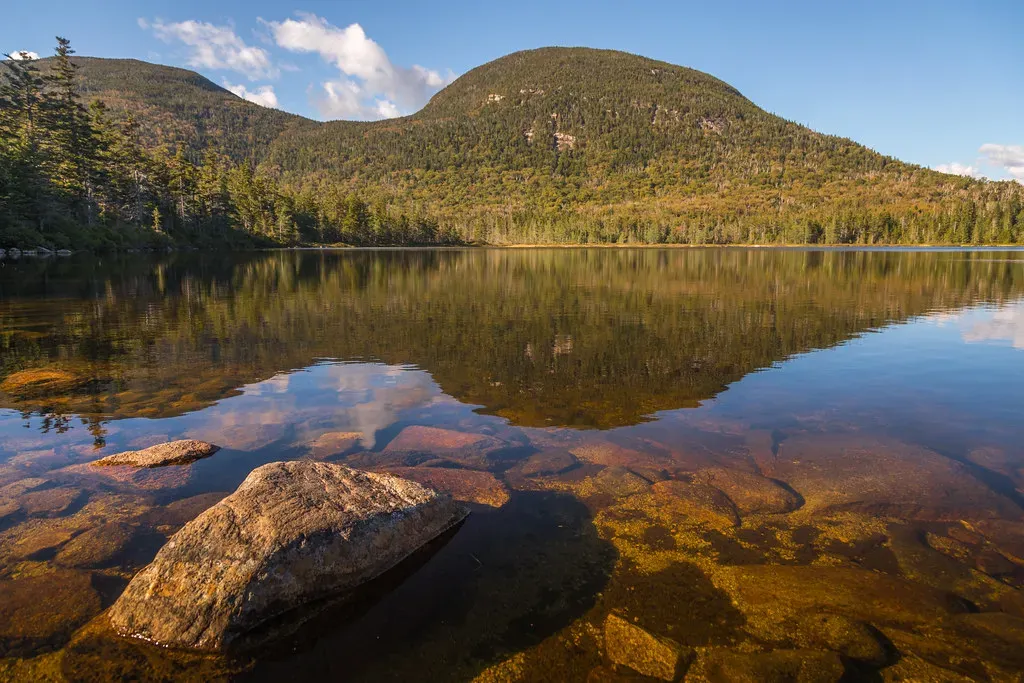
New Hampshire rarely makes national lists for much of anything, which I think is part of its appeal. But when researchers dig into actual climate vulnerability data, the Granite State consistently ranks near the very top. It’s small, inland enough to avoid the worst coastal risks, and historically free of the most catastrophic weather events.
The Northeast offers better prospects for climate resilience, particularly Vermont and New Hampshire, which consistently rank as the two safest states from climate change. New Hampshire is similar to Vermont with low disaster declarations and no hurricanes or major wildfires historically. Its inland location and cooler climate also reduce heat and drought risks.
New Hampshire is an inland, elevated New England state with minimal large-scale hurricane, tornado, and earthquake risk. Its cooler climate limits extreme heat days, while the state benefits from strong community response capacity. That combination of natural geography and civic preparedness makes a real difference.
A report from Trust for America’s Health identified a group of states that have done much more to prepare for climate health impacts than others. That group includes New Hampshire, along with Colorado, Maine, Maryland, Utah, Vermont, Wisconsin, and the District of Columbia. Being on that list is no accident. It reflects sustained political will and policy action over many years.
2. Michigan: The Great Lakes Superpower
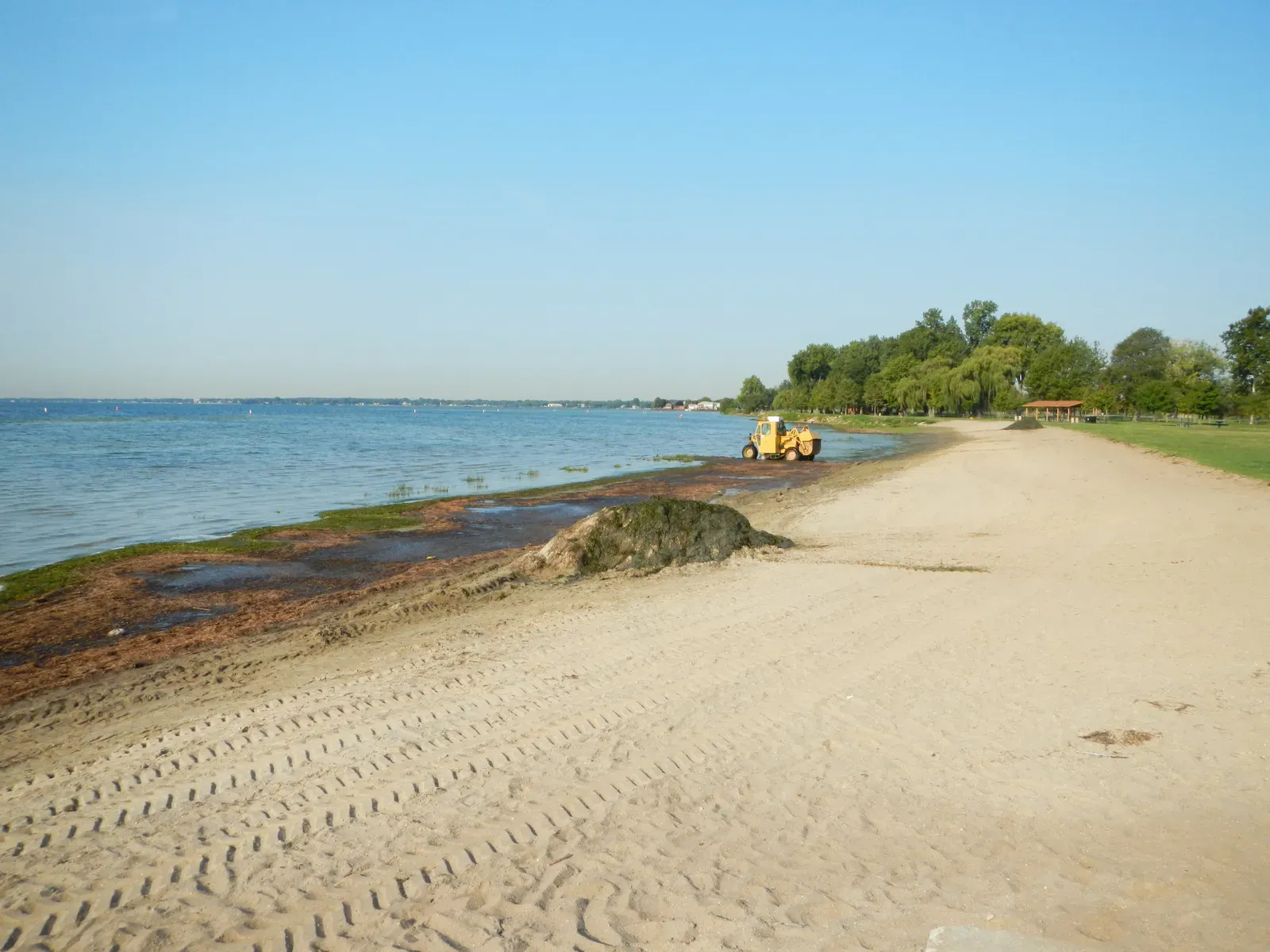
Michigan is the sleeper pick on this list, and I mean that as a compliment. While everyone else debates Florida vs. California, Michigan quietly sits beside the largest freshwater system on Earth, essentially hurricane-free, with no meaningful coastal flooding risk and minimal wildfire exposure. That is a genuinely extraordinary climate position to be in.
With more than 3,200 miles of shoreline touching four of the five Great Lakes, Michigan knows a thing or two about interacting with Mother Nature. The state’s varied climate, including hot and stormy summers and often brutal winters, constantly tests its resilience. It passes those tests with flying colors, according to property data firm Cotality, which rates Michigan the third best in the country in hardening properties against climate risks.
Michigan is among the lowest for total declared disasters in recent decades. The Great Lakes moderate climate extremes, while hurricanes and tornadoes are rare, with no major wildfires or coastal flooding. Think of it like a natural buffer zone. The lakes act as a giant climate moderator, smoothing out temperature extremes in ways that simply don’t exist in landlocked or coastal states.
Buffered by the Great Lakes and far from coasts and fault lines, Michigan faces fewer severe hurricanes and major quakes, wildfires are uncommon, and abundant fresh water supports long-term resilience. The state also backed this natural advantage with a sweeping $5 billion infrastructure plan that included $66 million specifically to make the state transportation system more resilient to flooding. Natural protection plus government investment is a powerful combination.
1. Vermont: The Gold Standard of Climate Resilience
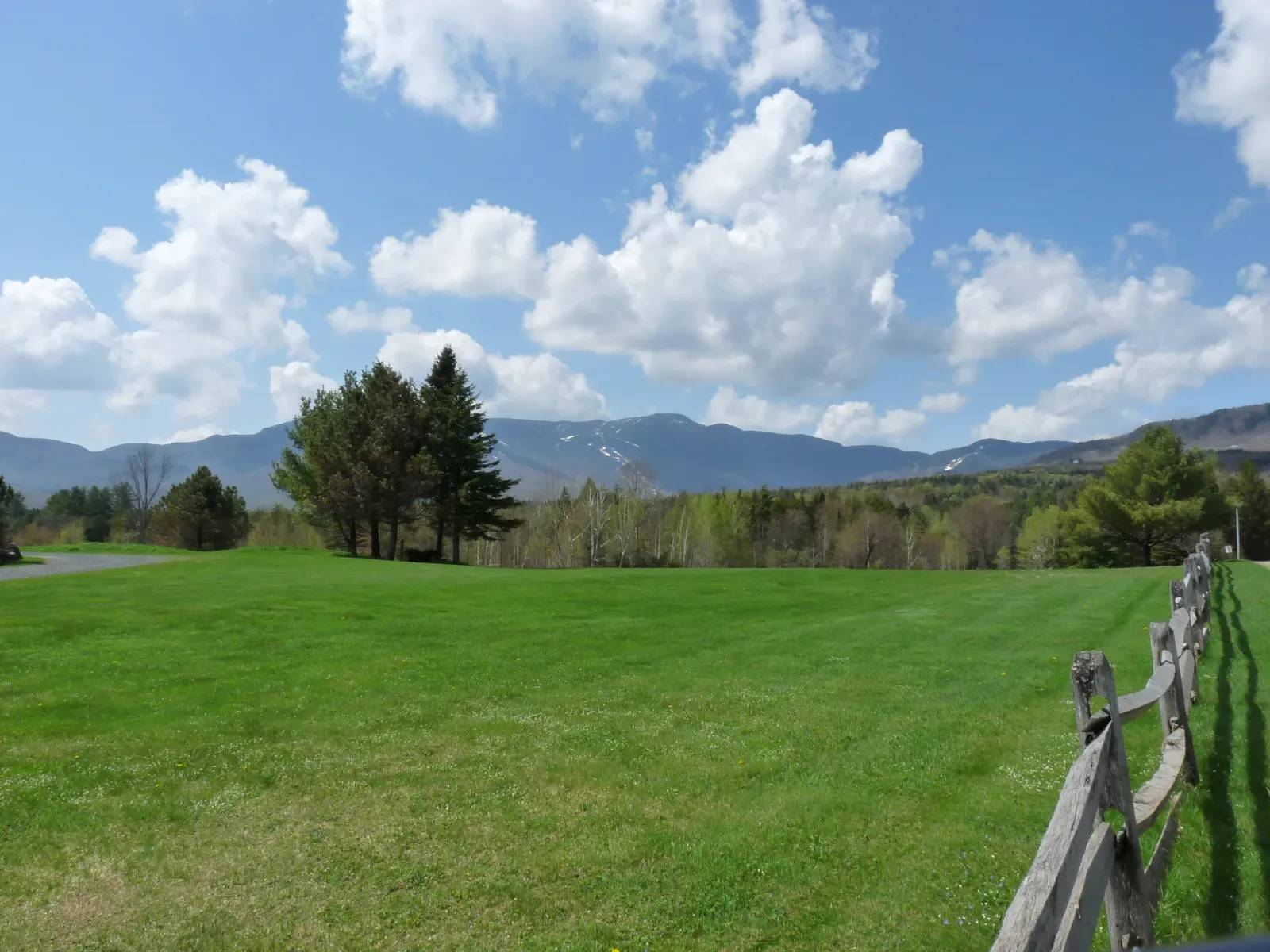
Vermont is the one name that keeps appearing at the top of nearly every serious climate resilience ranking, and the data backs it up completely. It’s not flashy, it’s not warm, and it’s certainly not cheap. But if you’re looking at pure, measurable climate safety, nothing else in the continental United States comes close.
Vermont is the best state for climate change thanks to a climate profile that, for the most part, avoids extremes. Since 1953, it has only experienced 45 federally declared natural disasters and is rated the least vulnerable state for climate risk. To put that in context, some individual counties in Florida or Texas see more damage in a single year than Vermont has accumulated in decades.
Vermont stands out as a haven, essentially free from wildfires, extreme heat, and hurricanes. The state’s appeal is so strong that roughly one third of its new residents moved there specifically to escape the impacts of climate change. That is a remarkable migration signal. When people are voting with their feet, it means something real.
Vermont released its inaugural Resilience Implementation Strategy, a specific, measurable, and prioritized roadmap to resilience, as the culmination of Governor Phil Scott’s 2024 initiative. The strategy catalogs current resilience-related work by state government while identifying near- and long-term actions needed to enhance resilience. Implementing the full strategy would cost about $270 million in one-time funds and $95 million annually. That level of detail and political commitment is rare.
It’s worth noting that Vermont isn’t perfectly invulnerable. Vermont was hit by extreme floods in 2023, which were genuinely devastating for parts of the state. The historic flooding in 2023 was an exception to this pattern, however, rather than the norm. Even the number one state on this list is not a perfect shield. But as a long-term bet on where climate change will hit hardest, Vermont sits at the top of the table for a reason.
A Final Word on Climate Migration

The bigger picture here is hard to ignore. In 2024 alone, we witnessed the hottest year on record globally, with July marking the planet’s warmest month ever recorded. Scientists confirm these extreme temperatures would have been virtually impossible without the influence of climate change. The stakes of choosing where to live have never been higher.
Recent studies show that climate change is driving roughly three in ten Americans to consider relocating. That is an enormous number of people rethinking their most basic assumptions about home and place. From an increased frequency of natural disasters to extreme temperature changes, 34 states have submitted a climate action plan or are in the process of developing one to combat these effects.
Population booms in so-called climate havens could strain local infrastructure, housing, and natural resources. No area is 100% safe, and everywhere will experience some level of change. Moving to a resilient state is a smart hedge, not an escape hatch. The states on this list are genuinely safer bets, backed by data and policy, but they are not immune to a changing world.
The question worth sitting with is this: are you choosing where to live based on where things are good right now, or where they are most likely to stay livable over the next 30 years? Those two answers are increasingly pointing to very different places on the map. What do you think? Tell us in the comments.

