
The numbers don’t lie – and honestly, they’re a little unsettling. Weather is no longer just something we complain about on Monday mornings. It has become a genuine, year-round threat to homes, families, and communities across the country. From hurricanes that flatten coastlines to wildfires that swallow entire neighborhoods overnight, the frequency and ferocity of these events have changed the way a growing number of Americans think about their daily routines.
The question is no longer whether your area might be affected by a climate-related disaster, but when. Experts from federal agencies to local emergency managers are sounding the alarm louder than ever in 2026. Whether you live in a wildfire-prone stretch of California, a hurricane corridor along the Gulf Coast, or a mid-American city that floods every spring, the advice is strikingly consistent: you need to be ready before disaster knocks. Here’s what they say you truly cannot afford to leave out.
1. Emergency Water Storage and Filtration
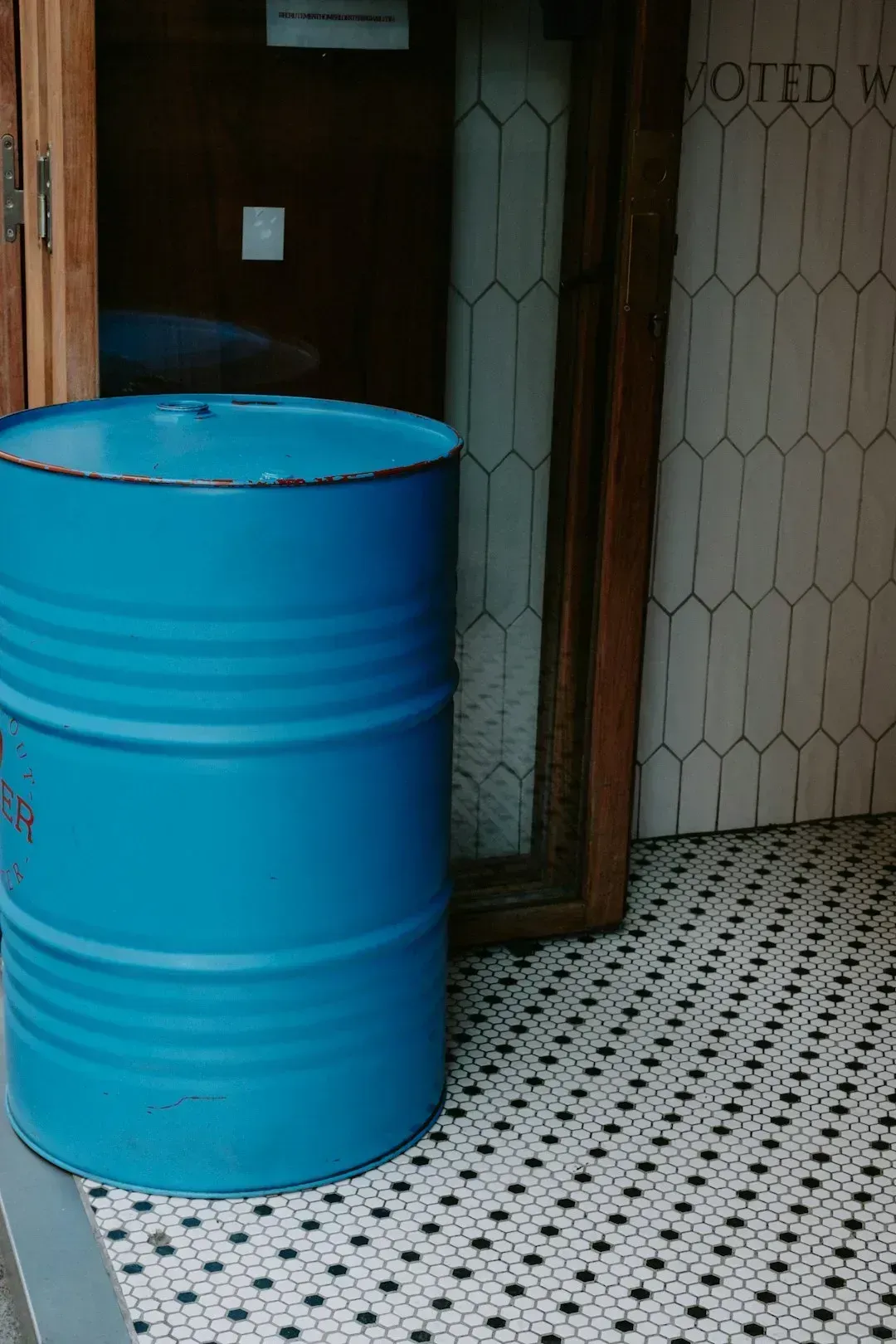
According to CDC emergency preparedness guidance, access to clean drinking water is one of the most critical survival factors during disasters. When a storm surge rolls in or a wildfire burns through municipal infrastructure, tap water can become unsafe or disappear entirely within hours. This is not a hypothetical. It happens every single hurricane season.
FEMA, the CDC, and the American Red Cross all suggest an emergency kit that includes water at one gallon per person per day. That baseline is a starting point, not a ceiling. Barely one in three households have adequate stores of drinking water, which is an alarming gap given how central hydration is to every other survival need. Think of stored water like the foundation of a house – everything else collapses without it.
Portable filters are lightweight and easy to carry when you need to leave home in a hurry, gravity-fed filters handle larger volumes of water making them ideal for families sheltering in place, and UV water purifiers use UV light to kill germs in your water. Having multiple filtration methods is smart. A layered approach keeps your options open even when one method is unavailable.
2. A Three-Day Go-Kit (At Minimum)
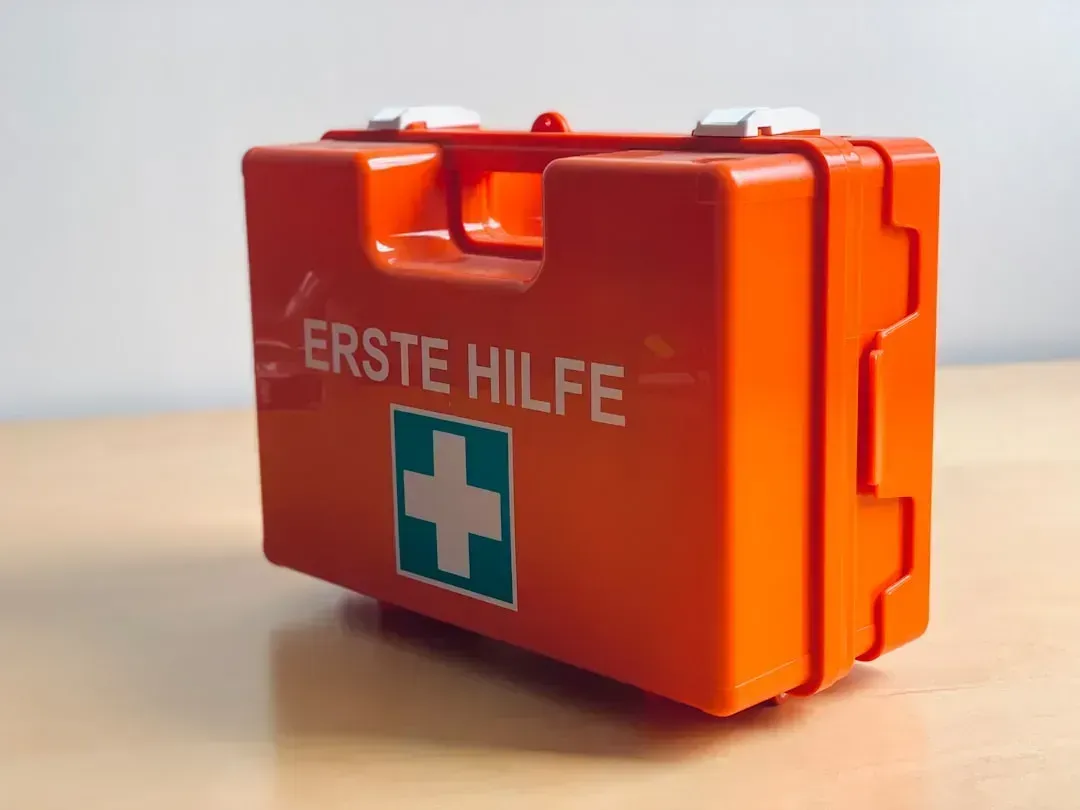
FEMA recommends that families are able to survive at least three days without outside assistance, meaning they should have non-perishable food, purified water, lighting, and medical supplies immediately available. Honestly, in recent disasters like Hurricane Helene, three days was not nearly enough. People were isolated far longer than that.
A go-kit should include three days’ worth of supplies for each family member, such as food, water, medications, and important documents, stored somewhere you can grab it quickly when you need it. Speed matters in evacuations. The kit that takes ten minutes to find is the kit that gets left behind. Customize kits for each family member, including infants, elderly, and pets, so everyone’s needs are met.
3. A Fully Stocked First Aid Kit
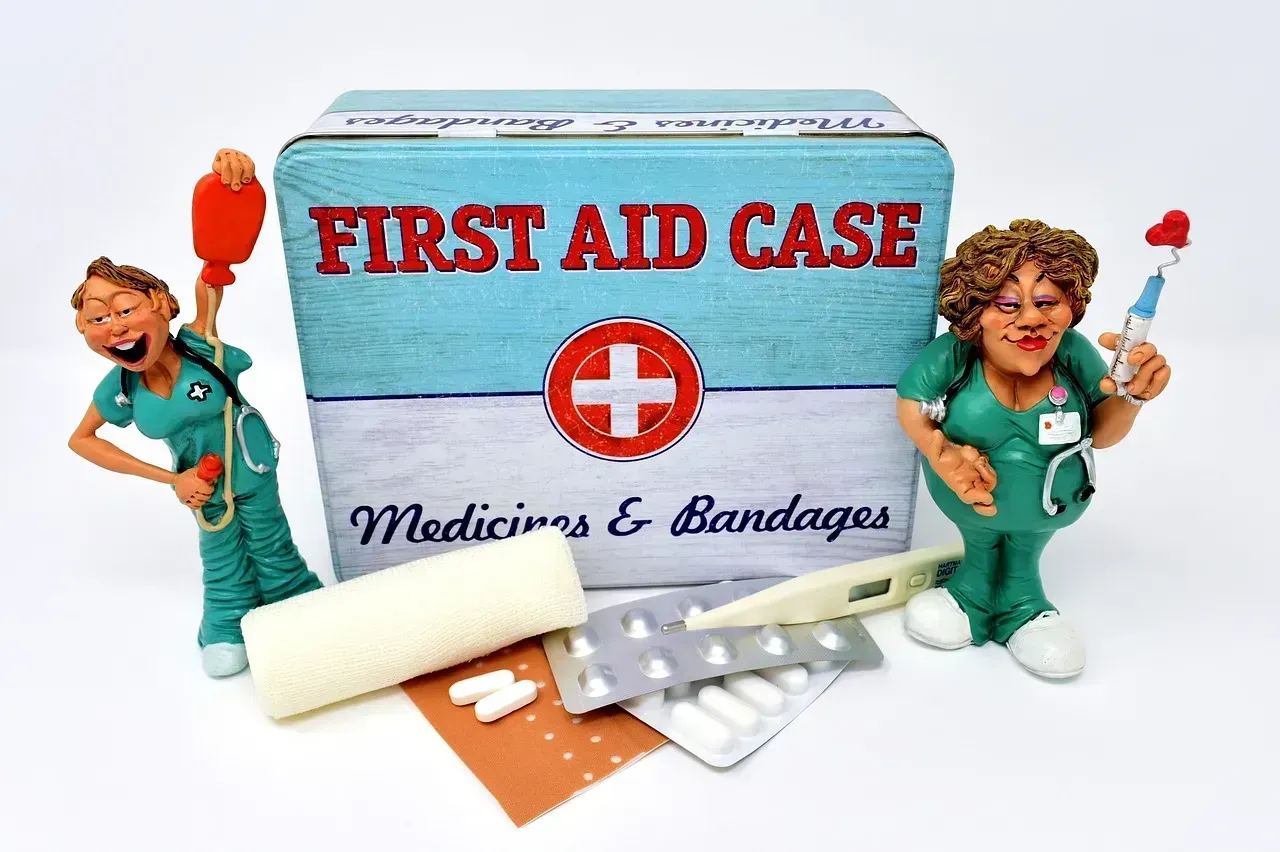
Most American households had flashlights at nearly three-fifths and first-aid kits at just over half, but lacked many other critical necessities. First aid kits are more common than most other preparedness supplies, which is good news. The bad news is that many of those kits are bare minimum products that haven’t been checked or restocked in years.
A well-designed emergency kit should include a hand-crank radio, first-aid kit and multiple water pouches, plus water purification tablets, nylon rope, a sewing kit, a candle and hand warmers. Beyond the basic bandages and antiseptic, your first aid kit in 2026 should reflect your household’s real medical needs. That means prescription medications, allergy supplies, and anything specific to children or elderly family members. Ensure you have a one-month supply of medications in your stay-at-home kit, if possible.
4. Backup Power Source
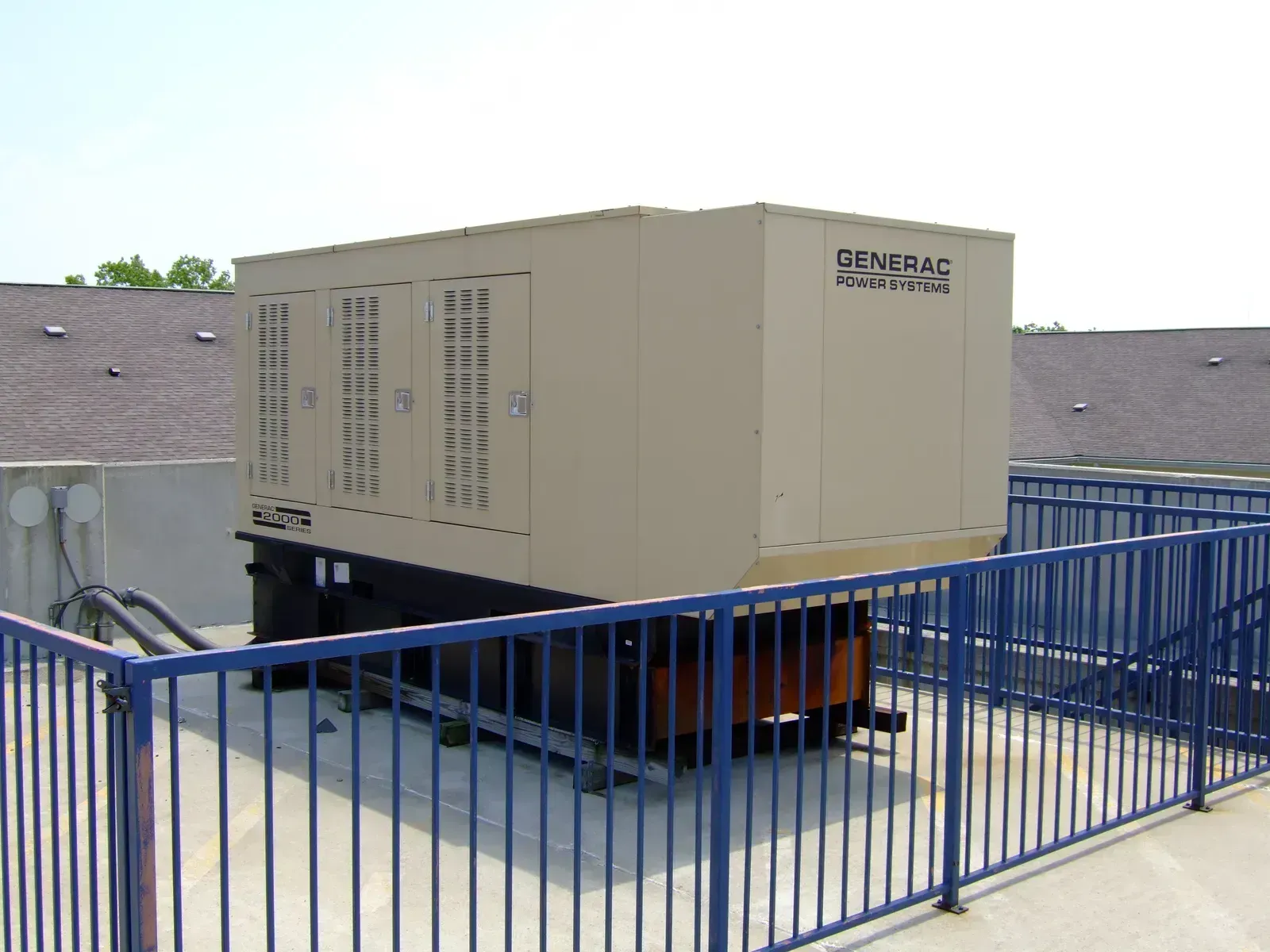
Fewer than one in five homes feature a backup power source, and this amenity may become necessary as increasing demands on outdated grids make blackouts and brownouts more frequent. Let that sink in for a moment. Roughly four out of five households are one downed power line away from complete darkness, no refrigeration, and no way to charge the devices they depend on for emergency alerts.
Food supply disruptions are expected to continue into 2026, driven by climate stress and supply chain delays, while power reliability remains uncertain as grids face higher demand and extreme weather. Solar power banks, gas generators (used safely outdoors only), and even battery-powered stations are all viable options depending on your budget. Carbon monoxide resulting from the improper use of portable generators is one of the most significant threats following a power outage, and at elevated levels, CO can quickly cause significant harm and even death. Never run a gas generator indoors. Full stop.
5. N95 Masks and Indoor Air Quality Supplies

Smoke and other particle pollution generated outdoors during events such as wildfires can infiltrate indoor environments, and when wildfires move through communities, chemicals can be released into the air from burning structures, furnishings, and any other materials in the fire’s path. This is why an N95 mask has earned its place on every expert’s preparedness list. It’s cheap insurance against air that can cause real respiratory damage.
If available, store an N95 mask to protect yourself from smoke inhalation. Ready.gov makes this recommendation directly in the context of wildfires. Beyond masks, a portable HEPA air purifier inside your home adds a second layer of protection when outdoor air quality collapses. Extreme heat events, hurricanes, flooding, wildfires, and dust storms are expected to increase in frequency and severity as a result of climate change, making indoor air management a year-round concern, not just a summer issue.
6. A Hand-Crank or Battery-Powered Weather Radio
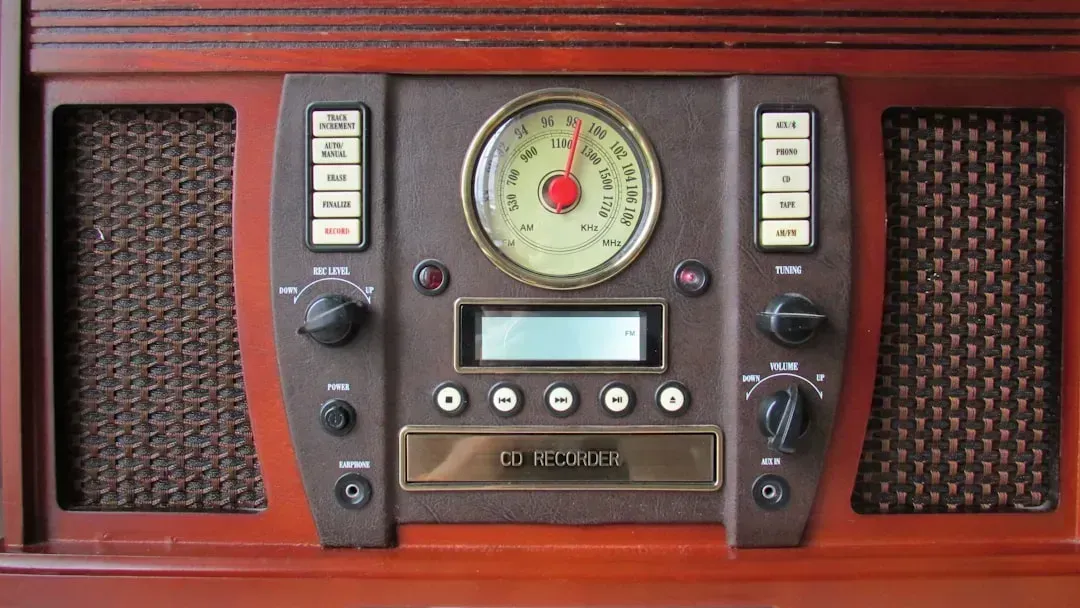
One of the most vital components of an emergency plan is establishing reliable communication methods, because in times of crisis, cell networks can become overloaded or fail, making it essential to designate an out-of-town contact who can relay messages between family members if local lines are down. A weather radio cuts through that dependency entirely. It doesn’t need a cell tower, Wi-Fi, or even electricity from the grid.
Most flashlights and some radios are powered by disposable AA or AAA batteries, and Ready.gov recommends storing a few extras in your emergency kit. Here’s the thing – hand-crank models eliminate the need for batteries altogether, which is worth the small extra investment. There was a large decrease in the percentage of people who signed up for alerts and warnings, dropping from nearly half in 2022 to just over a third in 2023. A physical radio is a backup you control, regardless of what’s happening to the digital infrastructure around you.
7. Non-Perishable Food Supply (Beyond Three Days)
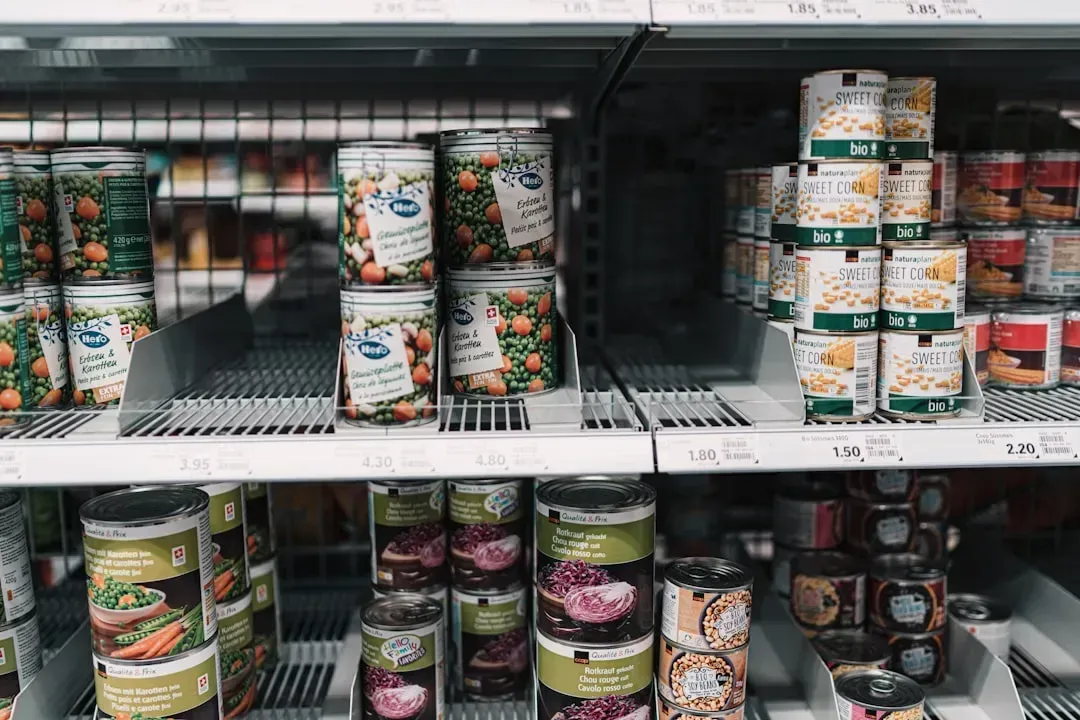
FEMA recommends a three-day supply of nonperishable food and water in any disaster kit. But many preparedness experts and emergency managers are now pushing households to go further than that. Three days assumes help arrives quickly. In major disasters, it often doesn’t. The Red Cross suggests a stay-at-home kit with enough food and water for each family member for two weeks.
Experts continue to warn that global food systems remain vulnerable to climate extremes, transportation delays, and rising production costs, meaning availability and pricing can change quickly. Canned goods, freeze-dried meals, energy bars, and dried legumes are all smart staples. Don’t forget a manual can opener – it sounds obvious until you’re standing in a dark kitchen wishing you had one. Rotate your stock and check expiration dates at least twice a year.
8. Waterproof Document Storage and Cash on Hand

Important items like copies of family documents, cash, and emergency contacts are frequently overlooked in the rush to stock food and water. Yet in the aftermath of a disaster, the ability to prove who you are, access financial resources, and reach loved ones is absolutely critical. ATMs go offline. Banks close. Digital wallets become useless without power.
Even fewer households possess sufficient cash than those who have adequate water, which is striking given how little it costs to set aside a modest emergency fund in small bills. A waterproof container or bag for storing physical copies of your ID, insurance documents, medical records, passports, and a small envelope of cash is one of the lowest-cost, highest-return investments you can make. Think of it as your lifeline when every digital system goes dark.
9. Flashlights, Candles, and Reliable Lighting
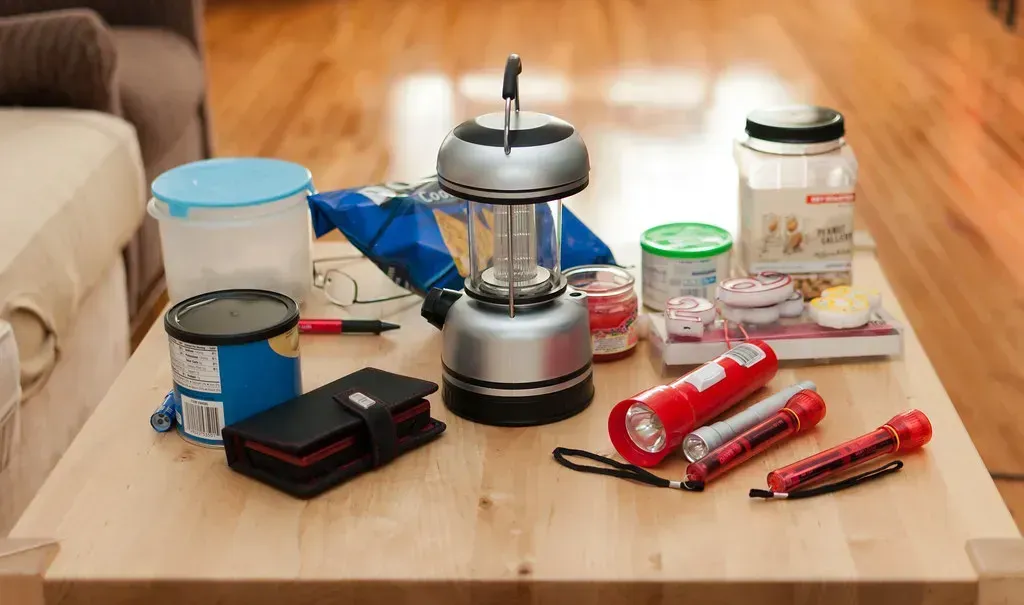
A flashlight is critical if your power is out and you need to get around safely in the dark. It sounds almost too basic to include on this list. Yet power outages are the single most common consequence of nearly every type of weather disaster, from ice storms to tornadoes to hurricanes. Most people had flashlights at close to three-fifths of households surveyed, making this one of the more widely-owned preparedness tools.
Still, a single flashlight stuffed in a junk drawer is not a preparedness strategy. The ideal approach includes multiple light sources distributed around the home, at least one headlamp for hands-free use, and a supply of long-lasting candles for extended outages. LED lanterns are a smart modern option – they run for hours on a single set of batteries and illuminate an entire room rather than just a narrow beam.
10. Thermal Blankets and Weatherproof Shelter Supplies
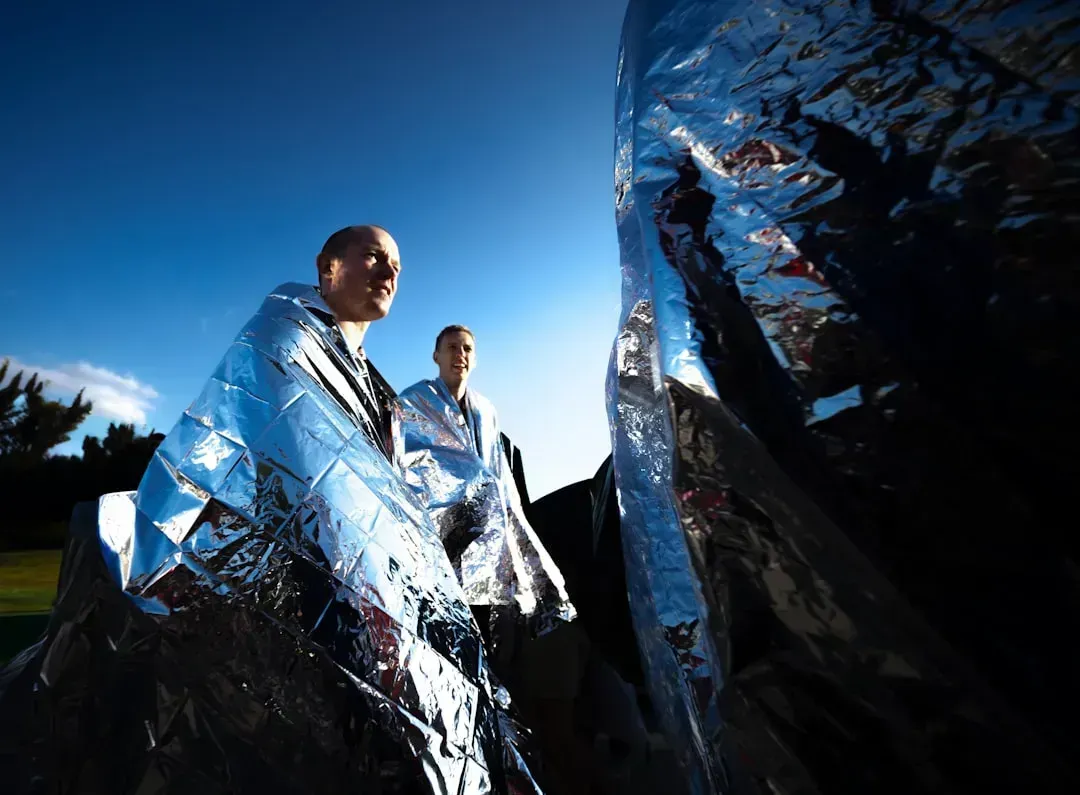
The American Red Cross emphasizes protection from the elements as a core survival priority. When heating systems fail during a winter storm or you are forced to shelter somewhere other than your home, maintaining body temperature becomes an immediate life-safety issue. Hypothermia can set in faster than most people realize, especially in children and elderly adults.
Emergency supplies should include thermal blankets, waterproof ponchos, and fire-starting tools, helping families stay warm and protected in unpredictable environments. Mylar emergency blankets are incredibly compact and inexpensive, capable of retaining a remarkable amount of body heat in a package the size of a deck of cards. Store several in your go-kit, your car, and your stay-at-home supply cache. They weigh almost nothing and take up almost no space – there’s truly no reason not to have them.
11. A Written Family Emergency Plan
Having a plan in place for your household in the event of a climate hazard can reduce real-time panic and ensure that you are as ready as possible to respond to anything that may come your way. Supplies alone are not enough. A family that has never talked through an evacuation scenario will lose precious minutes in a real emergency trying to make decisions that should have been made weeks earlier.
Families should talk about what to do if separated during an emergency, choose a safe place to meet, know how to reach one another, and write down important contacts, medical providers, and insurance information. Put the plan somewhere physical, not just saved in a phone that might be dead or lost. Engage children through simple explanations, role-playing exercises, and involving them in creating parts of the plan, as teaching them safety routines and emergency procedures promotes confidence and readiness.
12. Climate-Appropriate Home Insurance Review

Property, auto, and flood insurance can provide a safety net in the event of a future climate hazard. However, standard home insurance policies often will not cover flooding, earthquakes, or landslides, so it is crucial to investigate your current coverage to find out what may be missing. This is the preparedness essential that most people never think to include in a physical kit, but it may end up being the most financially significant of them all.
As storms and fires have become more frequent and costly, disaster insurance has become prohibitively expensive, and after disbursing more than $110 billion in disaster claims in 2024, American insurers have reduced homeowner payouts, dropped riskier policies, and raised premiums by roughly a quarter. Review your policy annually. Understand precisely what is and is not covered before a disaster, not after. Look into your home or renter’s insurance coverage for disaster-related claims, and while it’s up to insurance companies to improve their offerings, you can still make informed decisions that will help you feel more protected.
—
The stakes have never been more clear. In 2024, there were 27 individual weather and climate disasters with at least one billion dollars in damages, trailing only the record-setting 28 events in 2023. Over the last ten years, 190 separate billion-dollar disasters have killed at least 6,300 people and cost approximately $1.4 trillion in damage. These are not distant statistics. They represent real families, real homes, and real communities that were caught unprepared.
Just 5 percent of homes report having a fully stocked emergency supply kit, and roughly one in five have none of the recommended supplies at all. Disaster preparedness in 2026 is no longer optional – it’s essential, as escalating severe storms, power grid failures, and evacuation delays are becoming more common, requiring families to be ready to operate independently when help isn’t immediately available. The best time to build your kit was last year. The second best time is right now.
What’s on your shelf today – and what’s still missing? That might be the most important question you ask yourself this year.

