


- 6 Things Weather-Savvy Households Always Get Right - May 6, 2026
- 11 Historic Wildfires That Changed Fire Management Data Reveals - October 4, 2025
- The 1883 Krakatoa Event And Its Global Weather Effects Records Show - October 2, 2025
Most people think they’re prepared for bad weather until the moment it actually arrives. The power goes out, the basement floods, or a tornado siren sounds at 2 a.m., and suddenly it’s clear that good intentions don’t count for much without real systems in place.
As billion-dollar storms, floods, and wildfires become a staple of every season, extreme weather is no longer an outlier – it’s a defining challenge of modern homeownership. The households that come through these events with less damage, less panic, and fewer emergency calls aren’t especially lucky. They’ve just been paying attention to a handful of things most people overlook.
They Know Their Local Hazards Before a Storm Season Starts
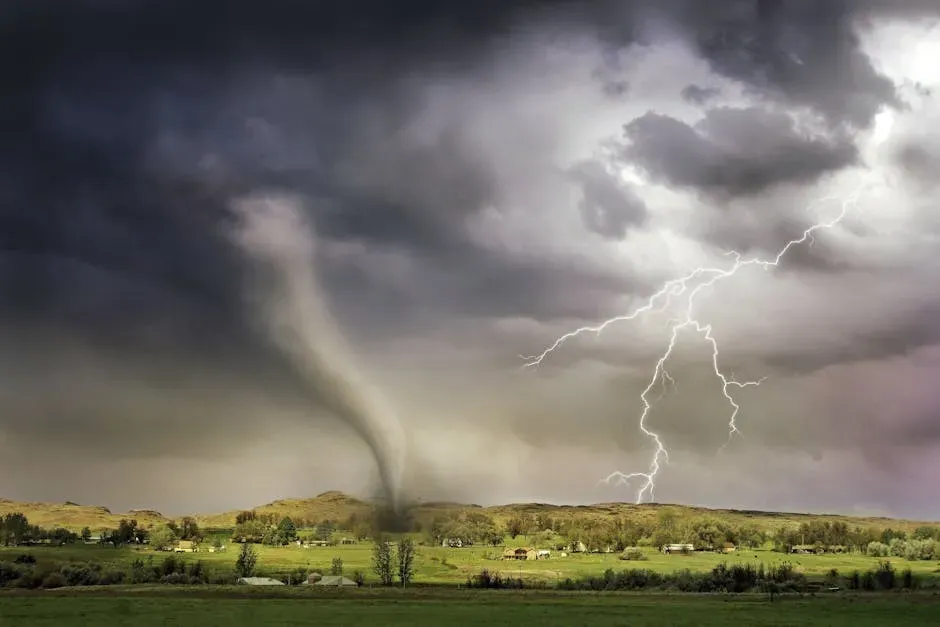
Weather-savvy households don’t wait for a news alert to start thinking about risk. They understand the specific threats tied to their region, whether that’s tornadoes, flash flooding, ice storms, or wildfire smoke, and they shape their preparations around those realities. You don’t need to prepare for every type of weather, just the weather that is typical in your area of the country.
Ensuring that you and your family know about your surroundings and the severe weather risks specific to your area is essential, and having an emergency plan in place before severe weather strikes is part of that picture. Local knowledge also means understanding things like nearby flood plains, evacuation routes, and whether your neighborhood sits in a historically tornado-prone corridor. That kind of situational awareness is the foundation everything else is built on.
They Keep a Proper Emergency Kit Stocked and Ready
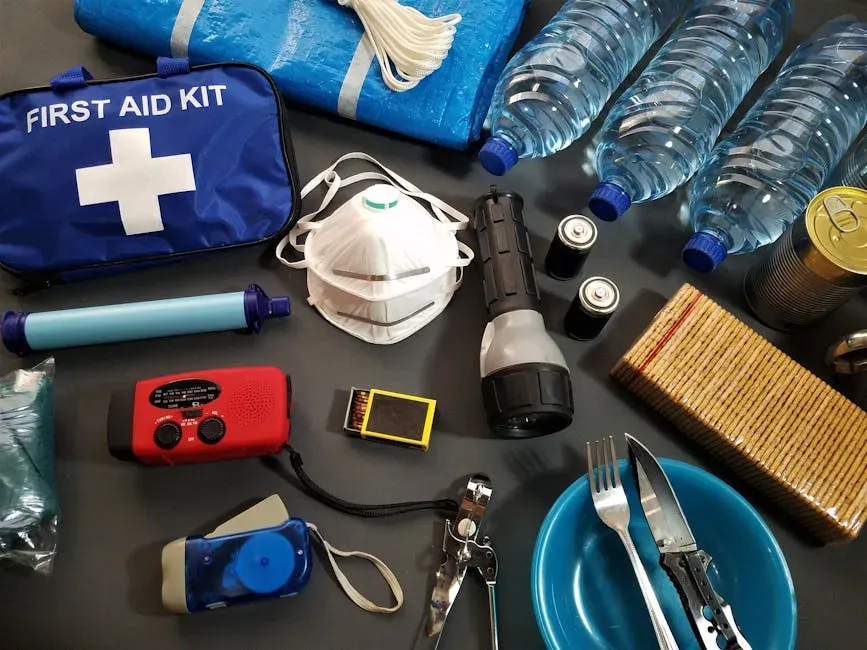
After an emergency, you may need to survive on your own for several days. Being prepared means having your own food, water, and other supplies to last for several days, and a disaster supplies kit is a collection of basic items your household may need in the event of an emergency. Despite this being widely understood, a gap between awareness and action remains stubbornly wide. Roughly half of American adults believe they are prepared for a disaster, according to the 2024 FEMA National Preparedness Report – yet actual kit ownership tells a different story.
A basic emergency supply kit should include water at one gallon per person per day for several days, a several-day supply of non-perishable food, and a battery-powered or hand-crank radio with a NOAA Weather Radio with tone alert. To keep things practical, store items in airtight plastic bags and put your entire disaster supplies kit in one or two easy-to-carry containers such as plastic bins or a duffel bag. Prepared households treat kit maintenance as a routine seasonal task, not a one-time project.
They Have a Dedicated Weather Alert System That Works Without Wi-Fi
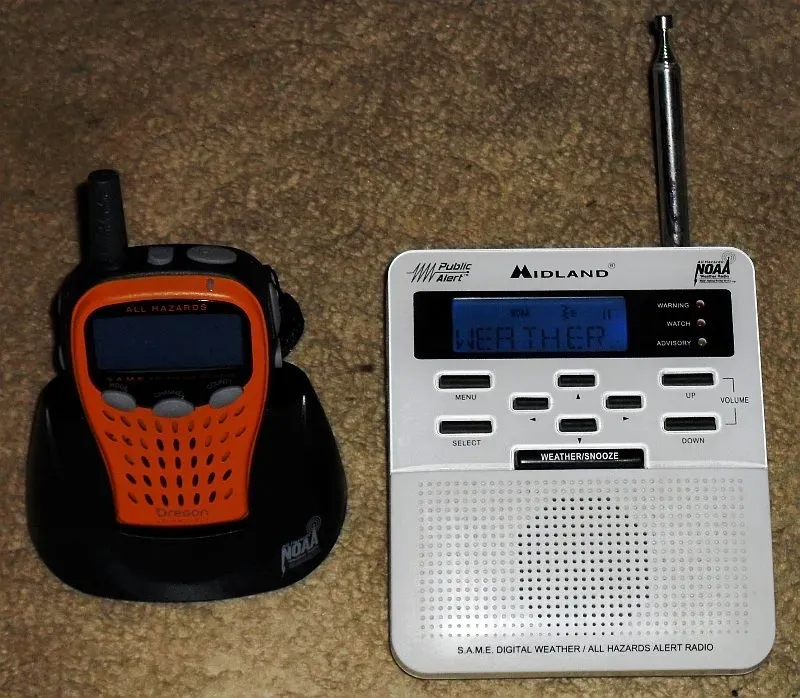
Smartphones are convenient for weather updates on a sunny Tuesday. During a major storm, they’re often the first thing to fail. Your phone can receive Wireless Emergency Alerts, but that system depends on functioning cell towers. In a major disaster, cell towers often fail within hours from damage or overloaded traffic. NOAA broadcasts via dedicated radio transmitters that run on backup power specifically for this purpose.
NOAA Weather Radio is one of the most reliable ways to stay informed in the event of hazardous weather. NOAA Weather Radio broadcasts official warnings, watches, forecasts, and other hazard information 24 hours a day, 7 days a week, even in the event of a power outage. Beyond weather, working with the Federal Communication Commission, the NOAA Weather Radio network serves as an all-hazards single source for comprehensive weather and emergency information, also broadcasting warnings for events like chemical releases, AMBER alerts, and other public safety emergencies.
They Take Their Roof Seriously Before Storm Season

The roof is arguably the single most critical barrier between a household and a severe storm, yet it’s also one of the most neglected parts of a home. Unexpected maintenance issues like roof damage caught the vast majority of homeowners off guard in 2024, according to one major industry report. Roofs are especially vulnerable due to their exposed location and large surface area. Storm winds with powerful uplifts can peel shingles off the roof’s surface, and once the shingles are gone, the wind batters the underlayment. Pounding rain can then lead to water infiltration of the decking, causing extensive damage in a short amount of time.
Routine roof maintenance is vital for keeping a roof storm-ready year-round. Clearing leaves and debris after every storm prevents water buildup that could cause damage, and replacing worn or damaged shingles promptly avoids further deterioration. A regular schedule of inspections, gutter cleaning, and addressing minor repairs can significantly prolong a roof’s lifespan and help identify signs of trouble early. Weather-savvy households treat this as a twice-yearly ritual, not an emergency response.
They Reinforce Windows, Doors, and Exterior Weak Points

Walls are strong. It’s the gaps and edges that let storms win. Sealing up any cracks or gaps around doors and windows prevents drafts and helps keep the heat in, and space heaters should always be placed away from flammable materials and never left unattended. Beyond basic sealing, window and door upgrades can offer meaningful structural protection. Replacing windows can protect a home from windstorms and flying debris while also reducing overall energy consumption throughout the year, and adding storm shutters to windows and doors creates an effective barrier when a storm is approaching.
In 2025, only about one in three homeowners reported taking proactive steps like trimming trees or reinforcing windows to reduce storm damage, down from roughly two in five the year prior. That declining trend is worth noting, especially given that the costs of inaction keep rising. Nearly half of homeowners spent more than $5,000 on surprise fixes in 2024, up from roughly a third in 2023. Reinforcing vulnerable exterior points before a season is almost always cheaper than repairing what a storm breaks through.
They Have a Household Plan That Everyone Actually Knows

A plan that only one person in the household knows isn’t really a plan. Too many people make the mistake of waiting until severe weather catches them off guard instead of planning ahead. Especially with a family, it’s extremely important to discuss what you would do and where you would go in a severe weather situation. Depending on the type of weather and level of threat, evacuation from the home, neighborhood, or city could be necessary, and this often results in families being separated from one another.
Establishing an emergency plan and having a supply kit ready, determining where you will shelter in the event of a tornado warning such as a basement or lowest-level interior room, and learning how your community shares weather warnings while ensuring you have multiple ways to receive alerts are all core elements of genuine household preparedness. When the seasons change, it’s a good time to take stock of your level of preparedness by examining your emergency kit and checking your weather radio’s batteries. Reviewing the plan together, seasonally, is what separates households that feel ready from those that actually are.
Weather preparedness isn’t about fear. It’s about the quiet confidence that comes from knowing your household has thought through the likely scenarios for your area and covered the basics. The six things above aren’t complicated, expensive, or time-consuming. They’re simply the habits that distinguish households who weather storms well from those who don’t.
