

Weather is one of those topics where folk wisdom, old proverbs, and half-remembered school lessons tend to blend together into a kind of unofficial common knowledge. Most people carry at least a handful of beliefs about storms, lightning, and forecasts that feel intuitively correct, even if they’ve never been tested against actual science. The trouble is, some of these beliefs are not just wrong – they’re dangerous.
As AccuWeather senior meteorologist Chad Merrill has noted, many of these myths were passed down through generations when science was still in its infancy, and the mechanisms behind weather events were poorly understood. Modern meteorology has come a long way since then, and several persistent beliefs simply don’t hold up anymore. Here are six of the most stubborn weather myths that experts have thoroughly debunked.
Myth 1: Lightning Never Strikes the Same Place Twice
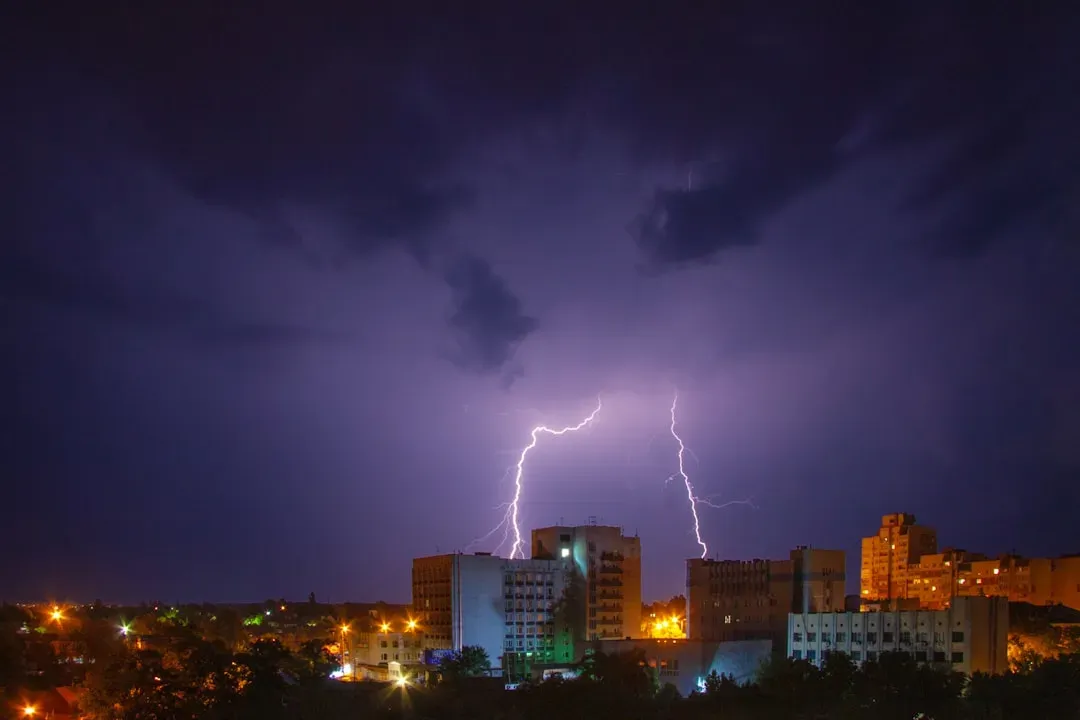
Lightning never strikes the same place twice is one of the most enduring weather myths around. In reality, lightning often strikes the same place repeatedly, especially if it’s a tall, pointy, isolated object – and the Empire State Building is hit an average of 23 times a year. The science behind this is fairly straightforward: electricity follows the path of least resistance, so anything that served as a reliable conductor once will almost certainly do so again.
Lightning is electricity, and it follows the path of least resistance. If a building, tree, or mountain peak offers a direct route to the ground, lightning will strike it again and again. Beyond New York, the Eiffel Tower is struck by lightning about ten times each year. Believing otherwise isn’t just factually wrong – it can lead to real complacency about lightning safety in areas that have already been struck.
Myth 2: You Should Open Windows During a Tornado
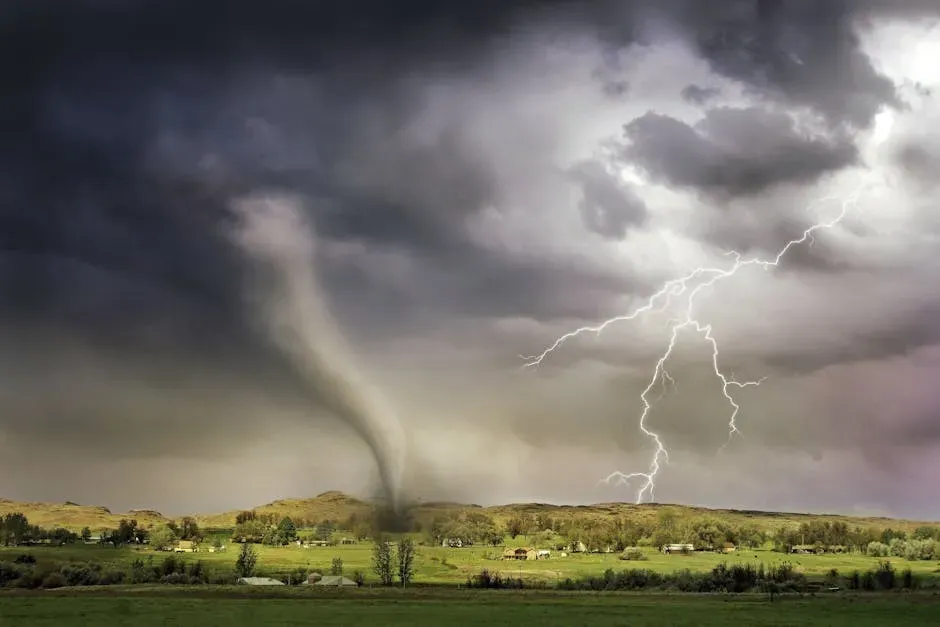
A pervasive and genuinely dangerous myth continues to circulate in the United States: many people still cling to the false belief that opening windows in their homes can somehow equalize wind pressure during a tornado, preventing their structure from “exploding.” This idea sounds logical on the surface, but it has been thoroughly dismantled by research and storm data alike.
Research has debunked the old belief that opening windows during a tornado can help equalize pressure and prevent a house from exploding. Studies have found that opening windows allows the tornado’s force to push up on the roof, potentially causing it to lift off. The practice of opening windows is therefore not only ineffective but can also increase damage to the structure. Your house will not “explode” due to a tornado passing over it, and taking the time to open windows reduces your ability to seek safe shelter. Experts are unanimous: get to an interior room immediately.
Myth 3: Cold Weather Directly Causes Illness

Few myths are as deeply embedded in everyday life as the idea that going outside with wet hair or sitting in a cold draft will make you sick. Parents have repeated this warning for generations, and it feels almost rude to question it. The reality, however, is that cold temperatures on their own do not cause colds or flu. Viruses do.
There is an important distinction between weather and climate. Weather refers to short-term changes in the atmosphere, while climate refers to longer-term changes over extended time periods. Short-term changes in the weather will continue independently of illness. What does increase during winter months is the tendency for people to gather indoors in closer proximity, which is what actually accelerates the spread of respiratory viruses. The cold weather sets the stage, but it isn’t the actor.
Myth 4: A Calm Spell Always Means a Storm Is Coming

The phrase “calm before the storm” is so deeply rooted in common speech that most people treat it as a meteorological law. The idea suggests that an unusually quiet, still period of weather reliably signals that a major storm system is on its way. Storms, in this framing, always announce themselves with a polite pause.
The phrase “calm before the storm” suggests that a period of unusually calm weather often precedes a significant storm. While it’s true that some storm systems can create a temporary lull in wind and precipitation, this is not a universal rule. Storms can develop suddenly or be preceded by other weather patterns entirely, and a period of calm weather does not guarantee that a storm is imminent. Sudden severe weather, including flash flooding and fast-moving thunderstorms, can arrive with virtually no preceding calm at all. Relying on this cue for storm awareness is unreliable at best and risky at worst.
Myth 5: Floods Only Happen in Rural or Low-Lying Areas
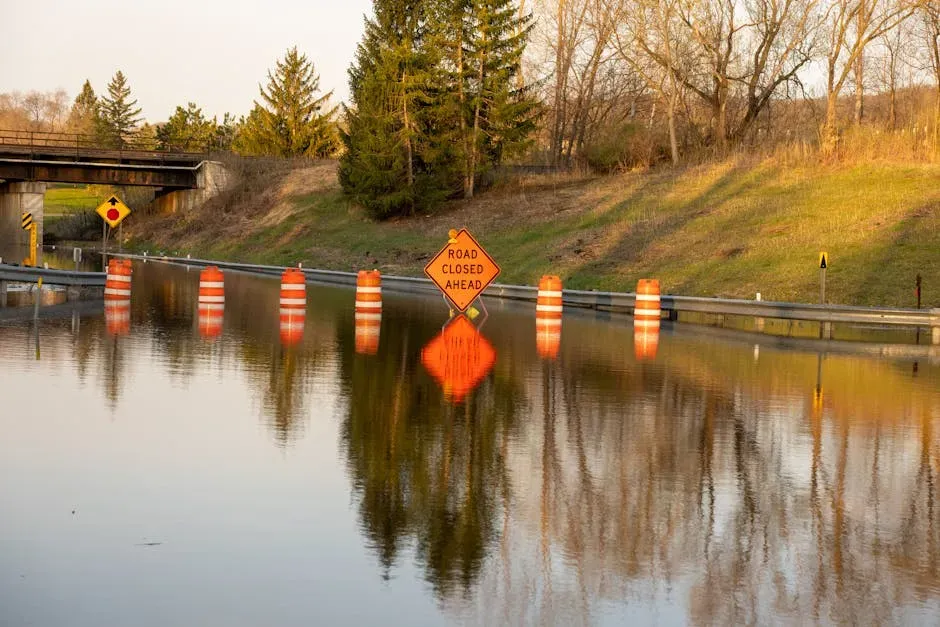
Many people picture flooding as something that happens in river valleys, coastal plains, or rural farmland. Cities, with their drainage systems and paved infrastructure, might seem insulated from the threat. This assumption persists even as evidence to the contrary has become increasingly hard to ignore.
Flash floods can occur anywhere, even in densely populated urban areas. The National Weather Service says cities are prone to flooding in a short amount of time, and sometimes it can be even more severe there, since excessive water can overwhelm urban drainage systems. New York City in July 2025 saw a drenching downpour that caused cars and trucks to become submerged in up to two feet of water, as well as subway and commuter rail platforms to flood. The National Oceanic and Atmospheric Administration reports that in the United States, floods kill more people annually than tornadoes, hurricanes, or lightning.
Myth 6: A Single Cold Winter Disproves Global Warming

Every few years, an unusually harsh winter prompts a wave of social media commentary arguing that the cold snap proves climate change isn’t real. It’s a logical-sounding argument on the surface: if the planet were genuinely warming, how could it be this cold right now? The flaw, as scientists have explained repeatedly, lies in confusing short-term weather with long-term climate trends.
Short-term changes in the weather will continue, which is why we can still experience cold snaps despite the fact that the Earth’s temperature is warming. We will keep experiencing natural seasonal variations as the Earth orbits the sun, so winter will continue to feel cooler than summer, even though the overall temperature is higher than it was a century ago. The world has already warmed by about 1.2°C since the late 1800s, according to NOAA’s 2025 update, making the last ten years the hottest on record. A single cold week in January is no more a refutation of climate science than one warm day in February is proof of it. Weather and climate operate on entirely different timescales.
Most weather myths survive not because people are careless, but because they feel intuitive. They emerged from observation, not from nothing. The problem is that intuition and physics don’t always agree, and in severe weather situations, the gap between the two can matter a great deal. Knowing what the science actually says is, in the most literal sense, a safety issue.

- 7 Sky Signs That Look Harmless (Even When They Aren’t) - May 6, 2026
- 6 Weather Myths Experts Say You Can Finally Stop Believing - May 6, 2026
- How Meteorologists Predict Storms Using Satellite Data - October 3, 2025
