
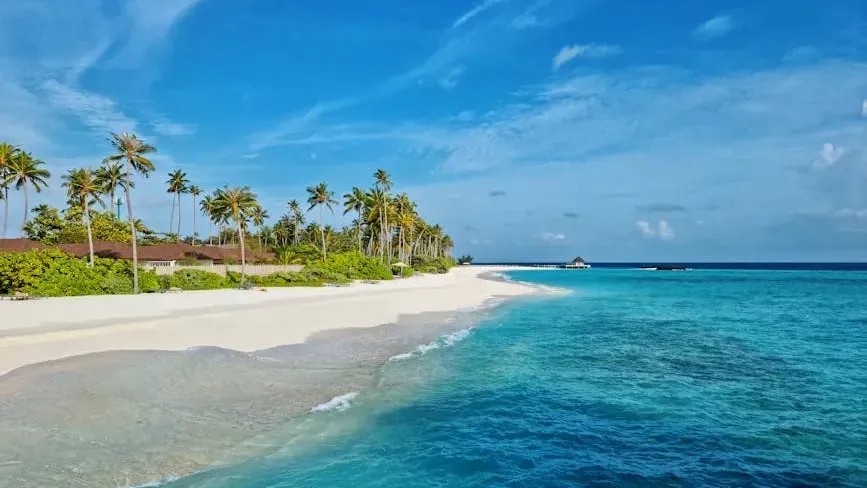

Some of the world’s most breathtaking travel destinations are in serious trouble. Not the kind of trouble you can fix with a few extra recycling bins or a new eco-resort. We’re talking about existential threats rooted in rising seas, dying coral, melting glaciers, and cities buckling under the weight of millions of tourists every single year.
Globally, 2024 was the warmest year on record, following on from the remarkable warmth of 2023, with the last ten years being the warmest decade ever recorded. That isn’t just a statistic. It’s a warning. And for the destinations below, it may already be too late to turn things around completely. Here’s what the science and the experts are actually saying. Let’s dive in.
1. Venice, Italy: The Sinking City That May Run Out of Time
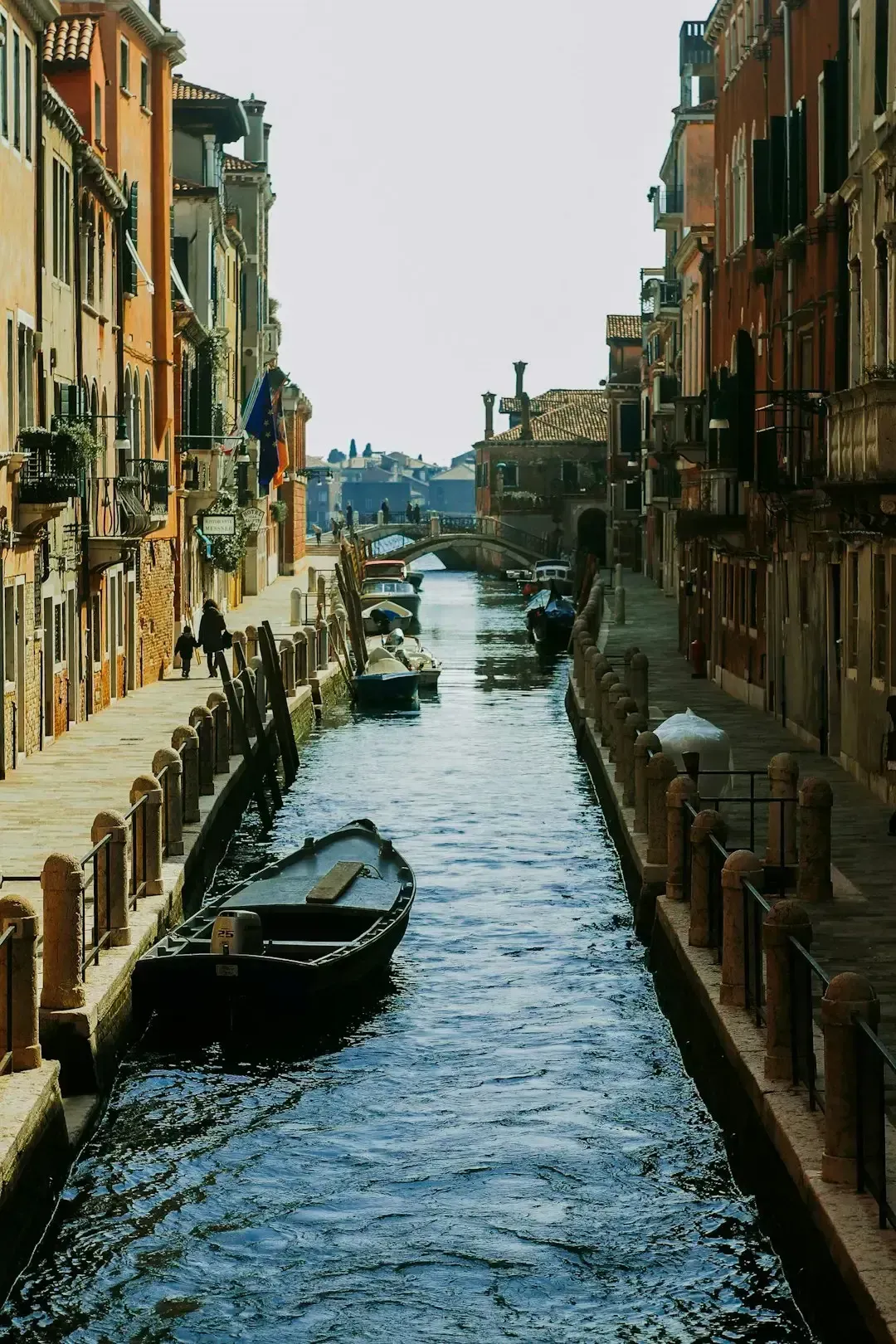
Few places in the world carry Venice’s kind of magic. But beneath the gondolas and gilded architecture, there’s a grim arithmetic playing out in real time. Over the past three decades, the relative mean sea level in Venice has risen by approximately 4.9 mm per year, leading to more frequent and prolonged flooding events. That’s not a distant forecast. That’s already happening.
Of the ten highest tides ever recorded in Venice, half have happened in the last two decades, and the 2019 flood was the second worst in history, submerging Piazza San Marco under nearly two metres of water. The city built flood barriers called MOSE to fight back, but Venice saw the debut of the MOSE flood barriers in 2020, though the barriers were already being used far more frequently than predicted, raised 33 times in just their first 14 months of operation.
The city attracts around 20 million visitors each year, with more than 50,000 people entering the city on peak days, even as the resident population has fallen to just over 49,000. Honestly, that imbalance alone tells you something is deeply broken. Under worst-case scenarios, sea levels could rise by as much as 3.47 meters by 2150 during extreme high tide events, potentially submerging large portions of the lagoon.
UNESCO has warned that the city may be added to its World Heritage “in danger” list due to mass tourism and climate change. The city responded with a daily entry fee for day-trippers beginning in 2024, but many experts consider this a band-aid on a wound that needs surgery.
2. The Maldives: A Paradise Counting Down
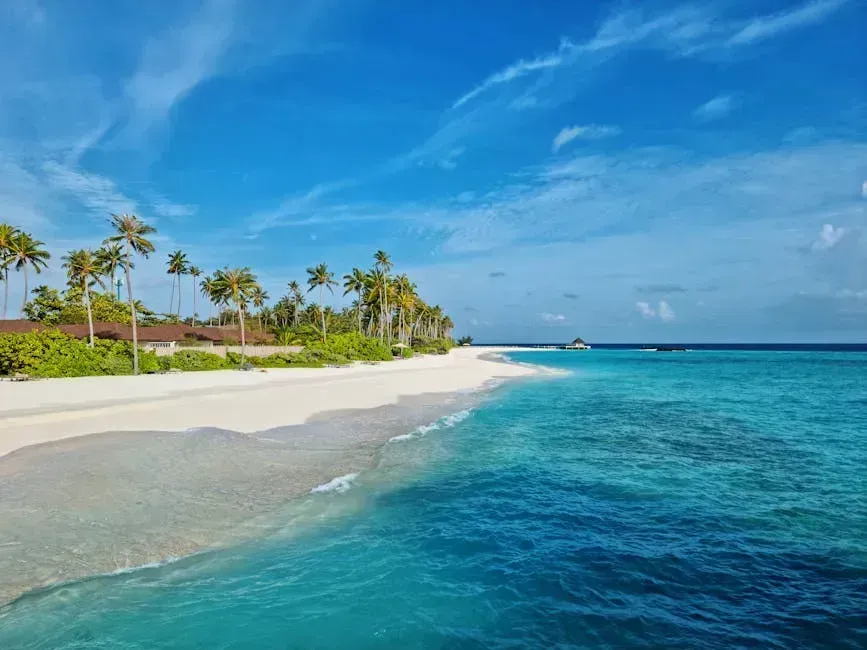
The Maldives is, without question, one of the most stunning places on Earth. Overwater bungalows, crystal lagoons, world-class diving. It’s also one of the most vulnerable nations on the planet. About 80 percent of its islands sit less than one meter above sea level, and the World Bank warns that sea levels could rise by 0.5 to 0.9 meters by 2100, which would cause severe flooding and damage to infrastructure and ecosystems.
The Maldives faces a potentially dystopian future because of the climate emergency, with scientific projections indicating that it could disappear completely beneath the ocean at some point in the future due to sea level rise. The country’s entire economy rests on tourism and fisheries. These two sectors comprise nearly half of the nation’s GDP and employment, yet a 2024 World Bank Group report found significant threats to the country’s natural capital, warning that impacts on coral reefs and fisheries will worsen sharply by mid-century.
By 2021, 90 percent of islands in the Maldives experienced severe erosion, 97 percent of the country no longer had fresh groundwater, and more than half of the national budget was being spent on efforts to adapt to the effects of climate change. I think it’s worth sitting with that number for a moment. More than half a national budget. Just to survive.
3. The Great Barrier Reef, Australia: The World’s Largest Living Graveyard?
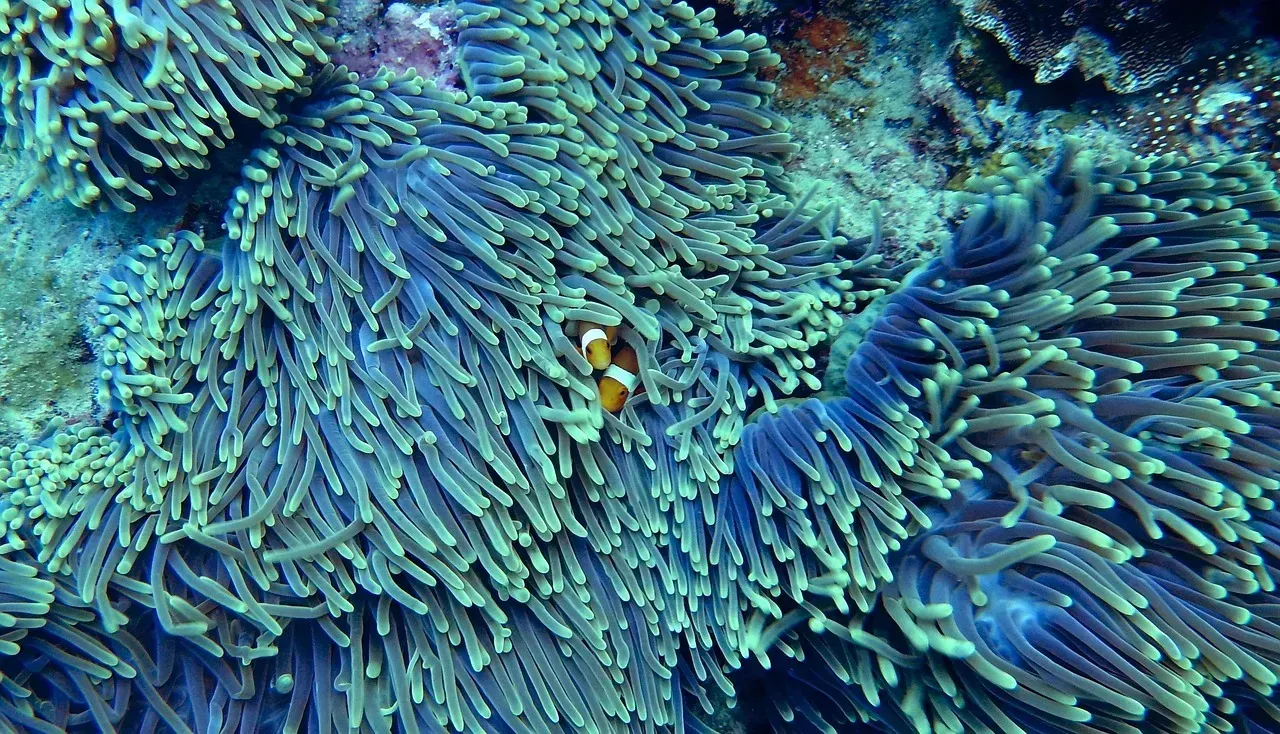
Here’s the thing: the Great Barrier Reef is technically still there. You can still book a dive trip. But what you’ll encounter today is dramatically different from what existed even a decade ago. The Great Barrier Reef has suffered its most widespread coral bleaching on record, with the Australian Institute of Marine Science reporting after surveying reefs between August 2024 and May 2025 that it found the most spatially extensive bleaching since records began in 1986, predominantly driven by climate change-induced heat stress.
The 2024 mass coral bleaching event was the fifth mass bleaching event on the Great Barrier Reef since 2016 and was part of an ongoing fourth global event, with the 2024 event having the largest spatial footprint ever recorded on the GBR, with high to extreme bleaching prevalence observed across all three regions. Then, barely a year later, the GBR experienced its sixth mass coral bleaching event since 2016 in the austral summer of 2025.
Research tracking 462 coral colonies found that 80 percent had bleached by April 2024, and by July, 44 percent of bleached colonies had died, with some coral genera such as Acropora experiencing a staggering 95 percent mortality rate. The average interval between mass bleaching events has been cut in half since 1980, and with events now occurring years or even months apart, recovery windows are closing fast.
4. Barcelona, Spain: A City That’s Had Enough of Tourists

Barcelona is world-famous for its architecture, nightlife, and food. It’s also become a textbook example of a city suffocating under its own popularity. In 2024, mass protests erupted across Barcelona and the Balearics, calling for caps on tourist numbers and legislation to combat overtourism, while the city also announced bans on many illegal Airbnb listings that same year. These weren’t fringe demonstrations. They were tens of thousands of people saying “enough.”
The challenge is systemic. Overreliance on tourism has strained housing, inflamed social inequality, and reshaped neighborhoods into transient shells, making Barcelona’s chronic overload a red flag for travelers hoping to uplift local communities. Think of it like this: when a city becomes more airport terminal than living neighborhood, something has gone fundamentally wrong.
With roughly 80 percent of travelers flocking to just 10 percent of global destinations, experts warn of overtourism’s growing threat to the authenticity and sustainability of travel. Barcelona sits squarely at the epicenter of that problem, and without radical structural change, the city’s social fabric will keep unraveling.
5. Bali, Indonesia: Between Paradise and Ecological Collapse

Bali is perhaps the most romanticized island on Earth. Yoga retreats, rice terraces, temples glowing at sunset. Yet beneath the Instagram filter, the picture is far less serene. Bali is often held up as a tension between paradise and peril, where the destination’s popularity has triggered water scarcity, pollution, and coastal erosion, while luxury resorts often isolate themselves from local communities and cultural commodification rises.
In many parts, groundwater is overdrawn and infrastructure cannot scale fast enough, and while Bali implements sustainability certification for resorts and bans on certain plastics, the volume of mass tourism still overshadows grassroots ecotourism. Let’s be real: a plastic ban doesn’t solve a groundwater crisis. It’s like putting a Post-it note on a crumbling wall.
The disconnect between the luxury tourism machine and the lived reality of ordinary Balinese communities grows wider every year. Without a hard cap on visitor numbers and genuine investment in ecological infrastructure, Bali risks permanently damaging the very environment that makes it desirable in the first place.
6. The Swiss Alps: Ski Resorts Racing Against Time

For generations, the Swiss Alps have been the gold standard of winter tourism. Powder snow, charming chalets, world-class slopes. But the science is stark and unforgiving. Modeling indicates that Alpine ice masses could decrease by between 26 and 41 percent by 2100 depending on the climate scenario, and under the worst case, the ice mass in the European Alps could decrease by as much as 99 percent compared to 2015 levels.
Climate change directly affects mountain tourism and summer glacier skiing, a highly vulnerable activity, with ongoing research exploring the complex dynamics affecting Swiss Alpine destinations under evolving cryosphere conditions. In practical terms, that means shorter seasons, unreliable snowfall, and closures of resorts that simply can’t sustain themselves economically. Some glacier tour activities will no longer be possible, and retreating glaciers in the European Alps are making it difficult to reach high mountain huts while warming permafrost destabilizes parts of the tourist infrastructure.
Heatwaves are becoming more frequent and severe across southern Europe, while glaciers in all European regions continue to melt. It’s hard to say for sure exactly which specific resorts will be the first casualties, but the direction of travel is unmistakable: lower-altitude ski destinations are already on borrowed time.
7. The Canary Islands, Spain: Protests, Heat, and an Overloaded Paradise
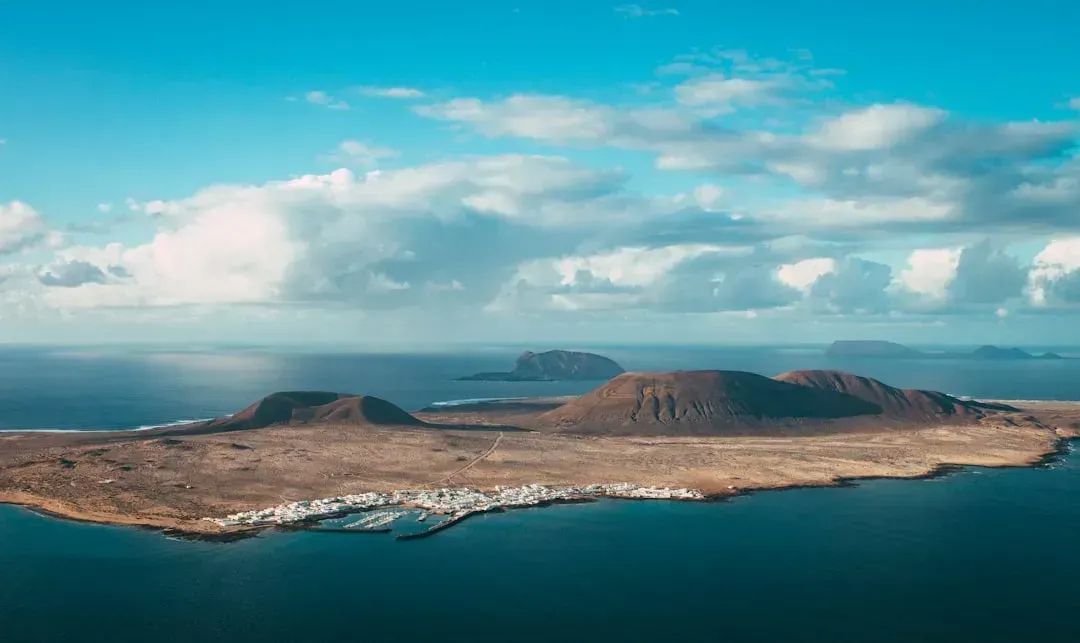
The Canary Islands sit off the northwestern coast of Africa and have long been a favorite escape for European travelers seeking winter sun. But the pressure is now enormous. In 2024, protests spanned Mallorca, Menorca, Ibiza, and the Canary Islands, with residents demanding limits on excess development and tourism. These are not isolated voices. These are communities that feel colonized by the very visitors meant to sustain their economies.
Climate change is accelerating the problem. Heatwaves are becoming more frequent and severe, and southern Europe is seeing widespread droughts. For the Canary Islands, whose ecosystems and water resources are already stretched thin, a sustained increase in both temperatures and tourist volumes represents a compounding crisis that infrastructure simply wasn’t built to handle.
The islands are a microcosm of a broader Mediterranean dilemma: the more popular a destination becomes because of its climate, the more that climate deteriorates under the pressure of the people drawn to it. It’s a feedback loop that experts are finding increasingly difficult to interrupt at any meaningful scale.
8. Iceland: Glaciers Shrinking, Tourism Exploding
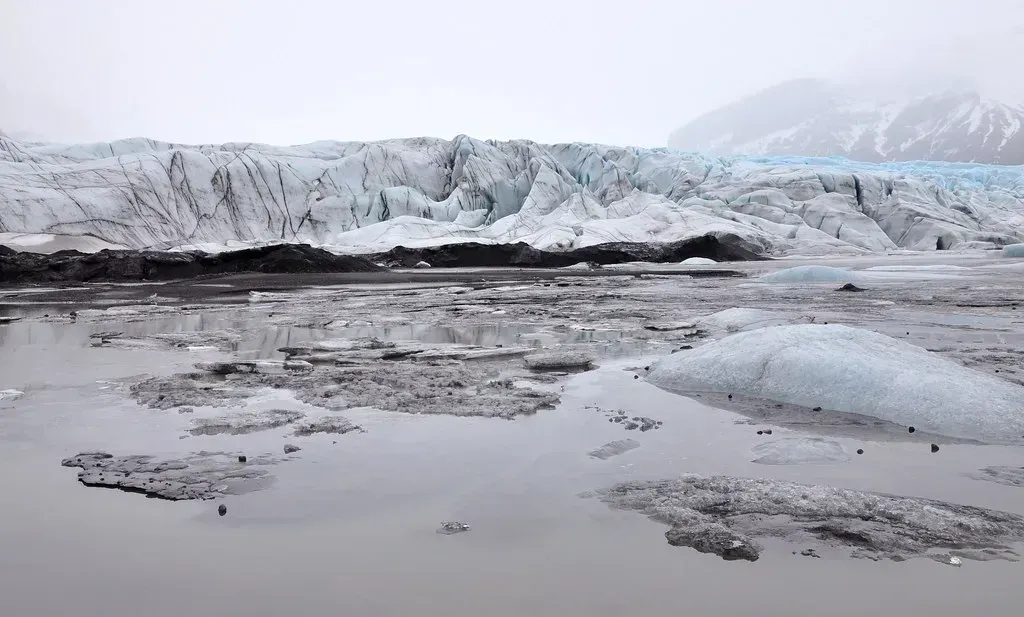
Iceland’s dramatic volcanic landscapes, Northern Lights, and ancient glaciers make it one of the most otherworldly destinations on the planet. But the country’s very selling points are disappearing. Climate change is causing profound changes in high mountain environments including the rapid retreat of glaciers, with the retreat and potential disappearance of Alpine and subpolar glaciers during the twenty-first century raising serious questions about the future of glacier tourism sites. Iceland’s iconic ice caves and glacier walks are directly threatened.
Iceland’s natural wonders, including glaciers, geysers, and waterfalls, deliver stunning experiences, but recent growth in visitor numbers, especially in the southwest and Golden Circle loops, is reshaping the narrative, with hotels in Reykjavik expanding by 42 percent while short-term rentals have inflated housing costs and displaced residents. The locals are paying the price in real, material ways.
In short, the default Iceland itinerary is increasingly unsustainable. When the glacier you came to see is gone, and the town you stayed in is unaffordable to anyone who actually lives there, the experience starts to collapse under its own contradictions.
9. Miami Beach, Florida: Glamour Built on a Sinking Coastline
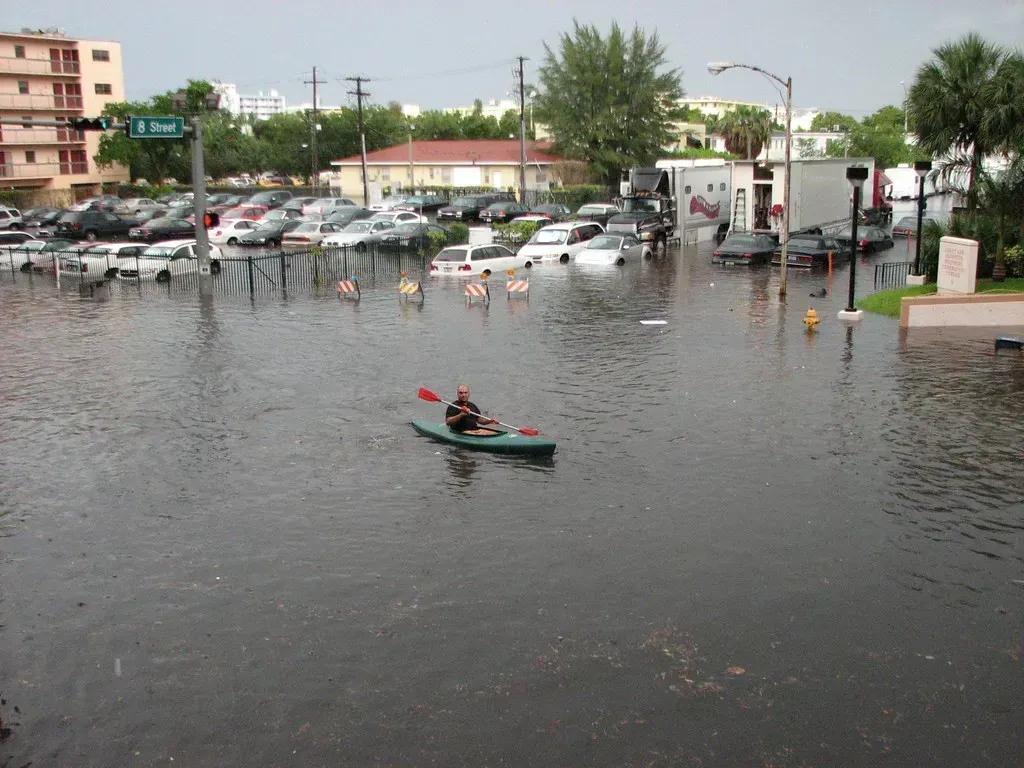
Miami Beach is sun, luxury, and energy. It’s also built on a thin sliver of sand barely a metre or two above sea level. Regions such as Florida experienced complete die-offs in some reefs during the 2024 bleaching event, where water temperatures rose to 38 degrees Celsius. The ocean surrounding Miami Beach isn’t just warming. It’s becoming a heat engine that’s destroying marine life and threatening coastal stability simultaneously.
Florida’s coastline faces compounding risks from sea level rise, stronger hurricanes, and increasingly intense heat. The city has invested heavily in infrastructure like pump systems and raised roads to handle “sunny day flooding,” where streets flood on clear days simply due to tidal pressure. But many climate scientists consider this a holding action rather than a real solution for a city that draws tens of millions of visitors annually.
It’s hard to say exactly when a tipping point comes for Miami Beach, but the warning signs are accumulating. Sea levels are rising and weather patterns are becoming more unpredictable, and for a coastal city with a tourist economy built around beach access and outdoor lifestyle, the long-term arithmetic is deeply uncomfortable.
10. The Balearic Islands, Spain: When Residents Declare War on Tourism
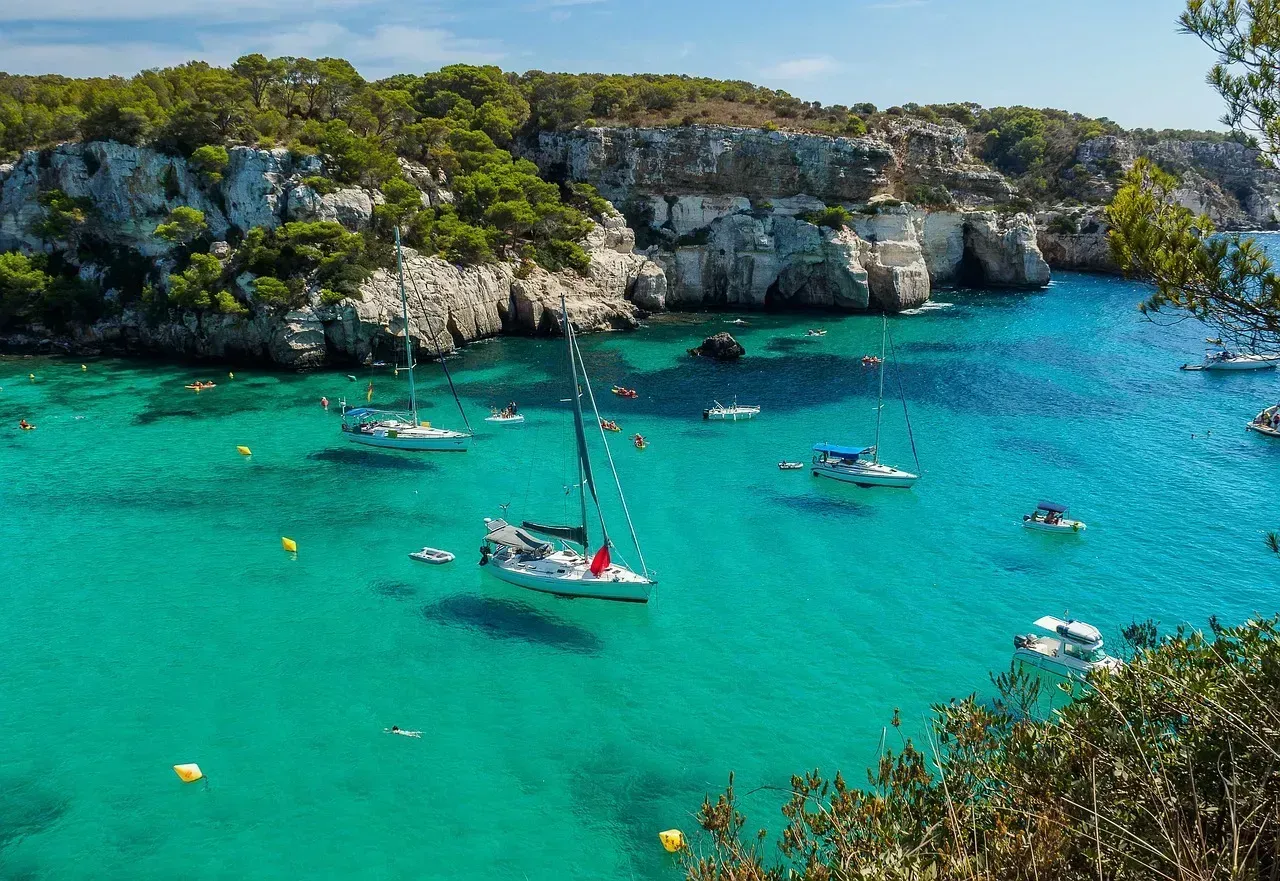
Mallorca, Ibiza, Menorca. These islands have become synonymous with European summer excess. For those who live there year-round, that reputation has become a source of deep frustration and organized resistance. In 2024, protests spanned the Balearic Islands, with residents demanding limits on excess development and tourism. People were carrying signs reading “Tourists go home.” That doesn’t happen unless the situation has become genuinely unbearable.
The ecological footprint of mass tourism on these islands is enormous, straining water reserves, overloading waste systems, and pushing property prices beyond the reach of local families. Meanwhile, rising Mediterranean temperatures are extending wildfire risk seasons and stressing ecosystems that aren’t built for the kind of thermal load now being placed on them year after year.
As climate change continues to reshape landscapes and seasonal predictability, destinations that have traditionally relied on narrow tourism windows are facing the urgent need to diversify, with shortened seasons and more frequent wildfires requiring gateway communities and nature-reliant destinations to reimagine their offerings entirely. The Balearics are very much in that category.
11. Low-Lying Coral Atolls: Kiribati, Tuvalu, and the Pacific Nations
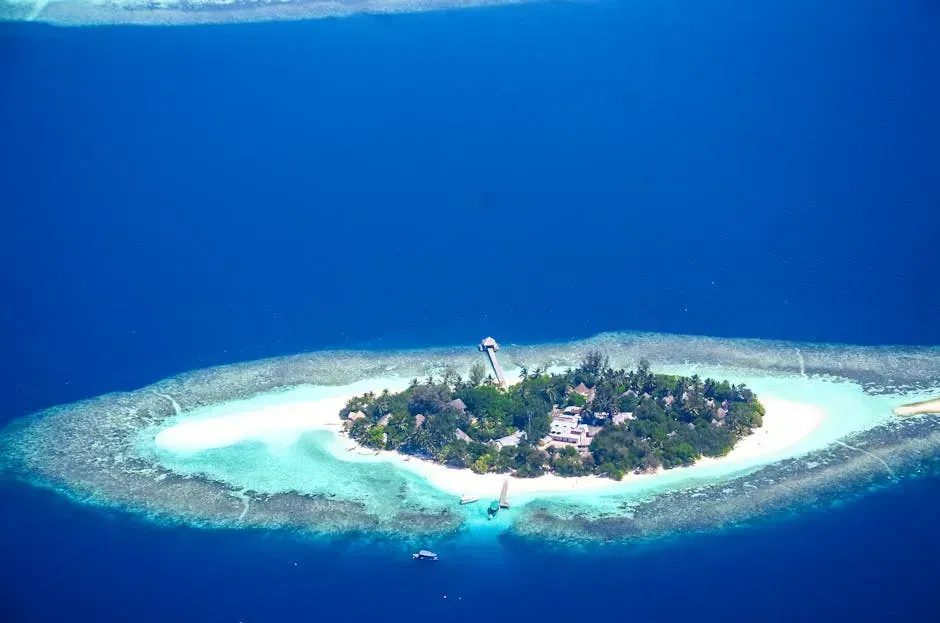
These are perhaps the most acute cases on this entire list. Nations like Kiribati and Tuvalu are not just unsustainable as tourist destinations in the long term. They may not exist as sovereign territories within the lifetimes of people alive today. These island nations, famed for their picturesque atolls and vibrant marine life, face an existential threat from rising sea levels, with an average elevation of just 1 meter above sea level meaning the entire country risks being submerged, making them among the world’s most vulnerable nations to climate change.
In April 2025, the International Coral Reef Initiative announced that 84 percent of ocean reefs were impacted by rising ocean temperatures, compared to approximately 67 percent during the 2014 to 2017 event. For atolls, coral reefs aren’t just scenery: they are the physical foundation that prevents the land itself from eroding into the sea. When the reef dies, the island follows.
Tourism to these destinations contributes to the very aviation emissions accelerating their destruction. Last-chance tourism sites face unsustainable visitor surges, with increasing tourism demand often exceeding carrying capacity and accelerating environmental and cultural degradation. The paradox is almost cruel: the desire to see these places before they disappear actively speeds up their disappearance.
12. Egypt’s Sinai Coast: Red Sea Reefs Under Severe Stress
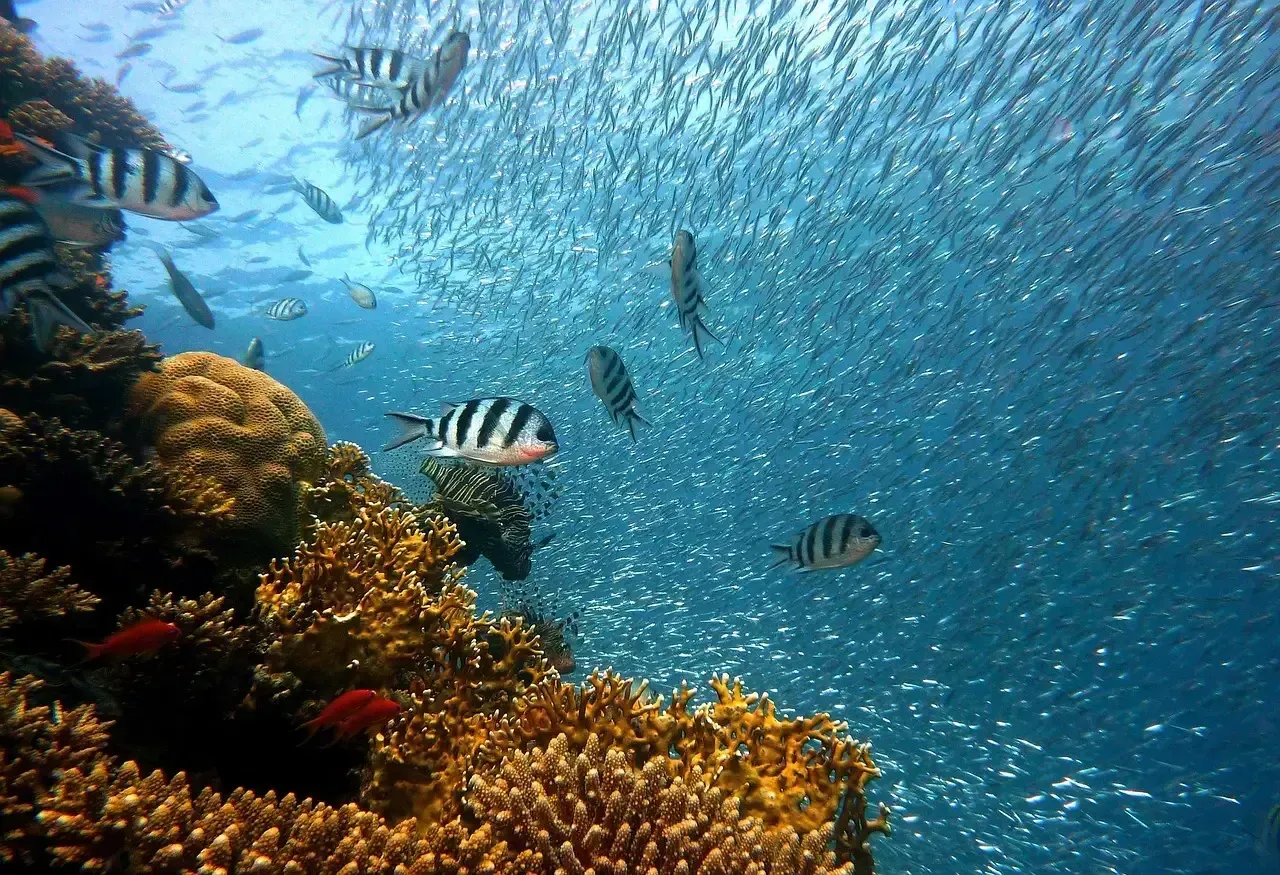
The Sinai Peninsula’s Red Sea coastline, particularly destinations like Sharm el-Sheikh and Dahab, has long been a haven for divers drawn to the remarkable coral ecosystems that thrive in those warm, clear waters. The problem is that those waters are warming too fast. In April 2024, NOAA confirmed an ongoing fourth global coral bleaching event, the second such event in the past ten years, with coral mortalities reaching up to 93 percent in some Pacific areas near Mexico and catastrophic losses confirmed across multiple global reef systems.
Scientists from the International Coral Reef Society expressed concern that ocean temperatures may not drop below bleaching thresholds in the foreseeable future, potentially maintaining a continuous state of bleaching stress on marine ecosystems. While some Red Sea reefs have historically shown more resilience due to their exposure to naturally warm water, that buffer is narrowing fast as global baselines rise.
Combine reef degradation with overtourism, chronic freshwater scarcity, and political instability in the region, and you have a destination that climate experts increasingly struggle to recommend in good conscience for the long term. Last-chance tourism may be driven by good intentions, but in reality it often leaves a damaging footprint, particularly in areas already stretched thin by climate stress, with many of these destinations ill-equipped to handle large numbers of visitors.
A Final Word: The Clock Is Already Running
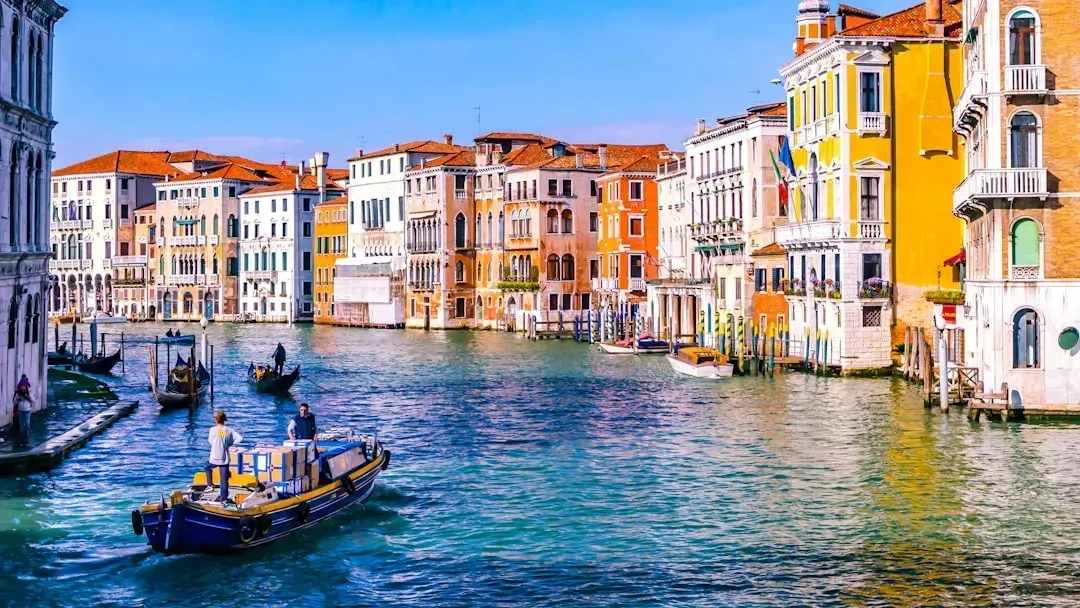
None of these destinations have given up. Venice is building barriers. The Maldives is planting mangroves and engineering artificial reefs. Australia is funding coral restoration programs. The Alps are experimenting with snow-making technology. These are not the actions of places that have accepted defeat. They are the actions of places fighting for survival.
Scientists have described the present moment as being on the brink of an irreversible climate disaster, calling it a global emergency beyond any doubt. That language isn’t hyperbole. It’s the measured conclusion of researchers who have spent their careers studying these systems.
The destinations on this list are not lost causes. They are, however, canaries in the coal mine for a world that still largely treats travel as consequence-free. Every choice a traveler makes sends a signal. The question worth sitting with after reading this isn’t which destination to cross off a bucket list. It’s what kind of planet we actually want to leave behind. What do you think? Drop your thoughts in the comments below.
