

We live in an age where the word “sustainable” is slapped on everything from coffee cups to car brands. It feels good to buy green. Genuinely good. The problem is that feeling good and doing good are not always the same thing, and the gap between those two ideas is wider than most of us would ever expect.
The truth is that some of the most celebrated eco-friendly products on the market carry hidden environmental costs that brands rarely advertise. Despite a manufacturer’s or vendor’s best intentions, not all claims that a product is greener are meaningful or accurate. Through deceptive marketing and false claims of sustainability, greenwashing misleads consumers, investors, and the public, hampering the trust, ambition, and action needed to bring about global change.
So before you congratulate yourself on your next eco purchase, let’s take a closer look at what the science actually says. Some of what follows might genuinely surprise you.
1. Reusable Cotton Tote Bags

Let’s be real. The cotton tote bag is basically the mascot of environmental awareness. It shows up at farmer’s markets, yoga studios, and bookshops alike, quietly signaling its owner’s green credentials. The uncomfortable truth is that cotton totes may be one of the most overhyped sustainable swaps out there.
A study from the United Kingdom found that, regarding bag production, cotton bags have to be reused 131 times before they reduce their impact on climate change to the same extent as plastic bags. That’s a lot of grocery runs. To have a comparable environmental footprint, which encompasses climate change as well as other environmental effects, a cotton bag potentially has to be used thousands of times.
Bags made from organic cotton fare even worse environmentally. Because organic cotton yields are roughly a third less than conventional cotton, they need about a third more water and land to produce the same amount. Organic cotton bags need to be used 20,000 times to equal the environmental impact of plastic bags. Greenpeace reported that, in 2019, the average U.K. household purchased more than one reusable bag a week instead of using the reusable bags they already owned.
2. Electric Vehicles

Few products have been championed more loudly as the future of clean living than electric vehicles. EVs genuinely do offer lower emissions in the long run, but the manufacturing process is far messier than the glossy advertisements suggest. Honestly, the story is more complicated than most people realize.
Studies found that during the first two years of operation, electric vehicles produce roughly a third higher CO₂ emissions than gasoline vehicles when all lifecycle factors are considered. The higher initial emissions stem from energy-intensive lithium mining and battery manufacturing processes. After the second year of on-road use, however, electric vehicles begin reducing cumulative emissions compared to gasoline alternatives.
While electric vehicles offer lower life cycle greenhouse gas emissions in some regions, the concern over the greenhouse gas emissions generated during battery production is often debated. The greenhouse gas emissions of battery production are highly dependent on the regional grid carbon intensity. Batteries produced in China, for example, have higher emissions than those produced in the United States and European Union. Despite environmental costs from obtaining lithium to produce batteries for electric cars, gasoline-powered cars cause at least twice as much environmental damage over their lifetime.
3. Bamboo Products

Bamboo is practically synonymous with eco-friendly living at this point. It grows fast, needs minimal water, and feels delightfully natural. The reality behind most bamboo products, especially clothing and kitchen goods, is a great deal more chemically intensive than the branding implies.
The bamboo plant is often “cooked” in a mix of chemical solvents, like sodium hydroxide, lye, and carbon disulfide. These chemicals have not only proven dangerous to human health, they are also extremely dangerous to marine life when flushed out as wastewater. Despite regulators’ attempts to stop false claims, faux bamboo fabrics still pop up today, in everything from fast fashion to luxury “earth-friendly” textiles. A deep dive by Good Housekeeping found that ten bedding and clothing products claiming to contain bamboo didn’t have a single trace of the plants. Instead, they all contained rayon.
As bamboo has a lucrative market value and higher profitability than wood, farmers, especially in China, have been turning forests and fields into bamboo plantations. A report showed that China cut down a significant share of natural forests for bamboo production. This creates monocultures, which can have a devastating effect on local ecosystems by decreasing biodiversity, soil health, and water quality.
4. “Biodegradable” Packaging

You see it on takeout containers, coffee cups, and produce bags. The word “biodegradable” gives consumers a warm sense of doing right by the planet. Here’s the thing though: that label is almost meaningless without knowing the conditions required for it to actually biodegrade.
Many so-called biodegradable items only break down in industrial composting facilities, which aren’t available in most areas. Others, like oxo-degradable plastics, just fragment into microplastics. Biodegradable plastics, often considered environmentally friendly, may contribute to environmental impacts in natural ecosystems, which are not fully understood due to inadequate assessment methods.
A 2024 study by the European Consumer Organization found that nearly half of environmental claims on packaging were vague, unproven, or outright false. When a so-called biodegradable product ends up in a landfill, it doesn’t decompose because there’s no oxygen to drive that process. Much of what we assume is dissolving into the earth is simply sitting in the dark, unchanged, for decades.
5. Recycled Polyester Clothing
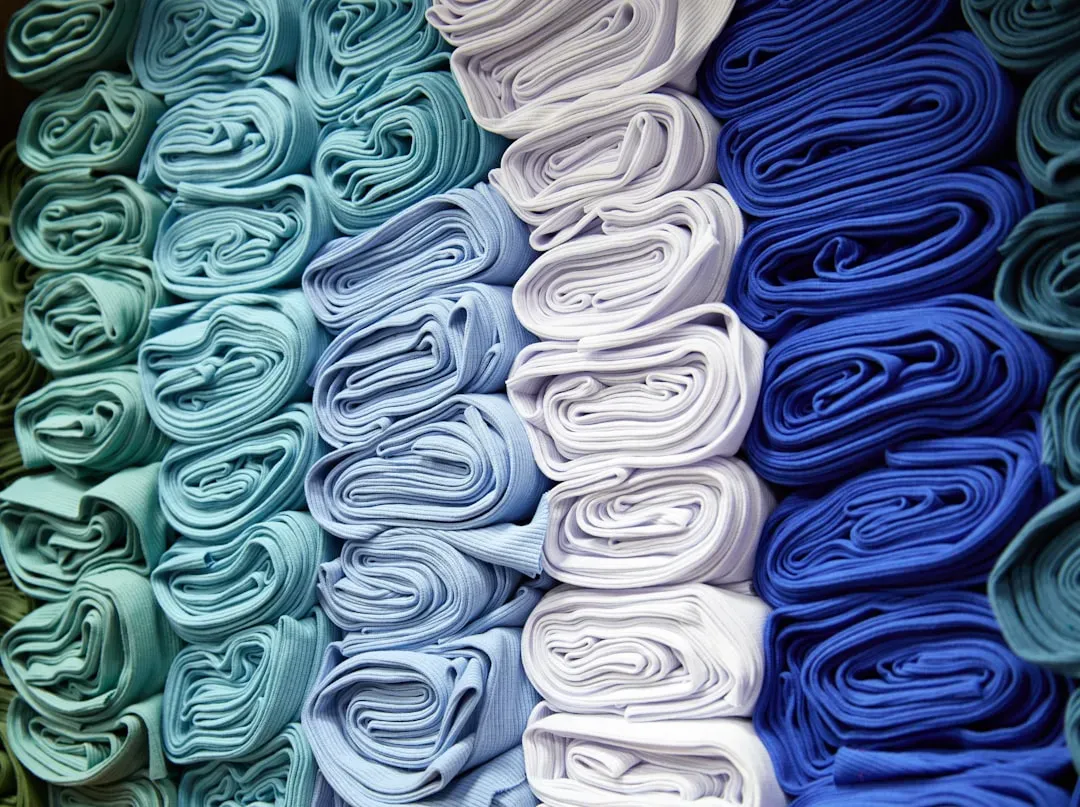
The fashion industry loves to market clothing made from recycled plastic bottles as a sustainability win. Turning ocean waste into a fleece jacket sounds almost heroic. I think it’s one of the cleverest pieces of eco-marketing in recent memory, and it obscures a significant downside.
Synthetic fibres like polyester shed microplastics with every wash. It’s estimated that a single load of laundry can release over 700,000 microplastic fibres into the water system. These microplastics aren’t filtered out by sewage treatment plants and end up in oceans, rivers, and lakes, contributing to global microplastic pollution.
A 2017 report from the International Union for Conservation of Nature estimated that roughly a third of all microplastics found in the ocean come from the laundering of synthetic textiles like polyester. Recycled plastic fibers, while reducing the need for new plastics, still present challenges due to shedding microplastics during washing. The bottle may be recycled, but the pollution problem simply takes a new form.
6. Organic Cotton Clothing
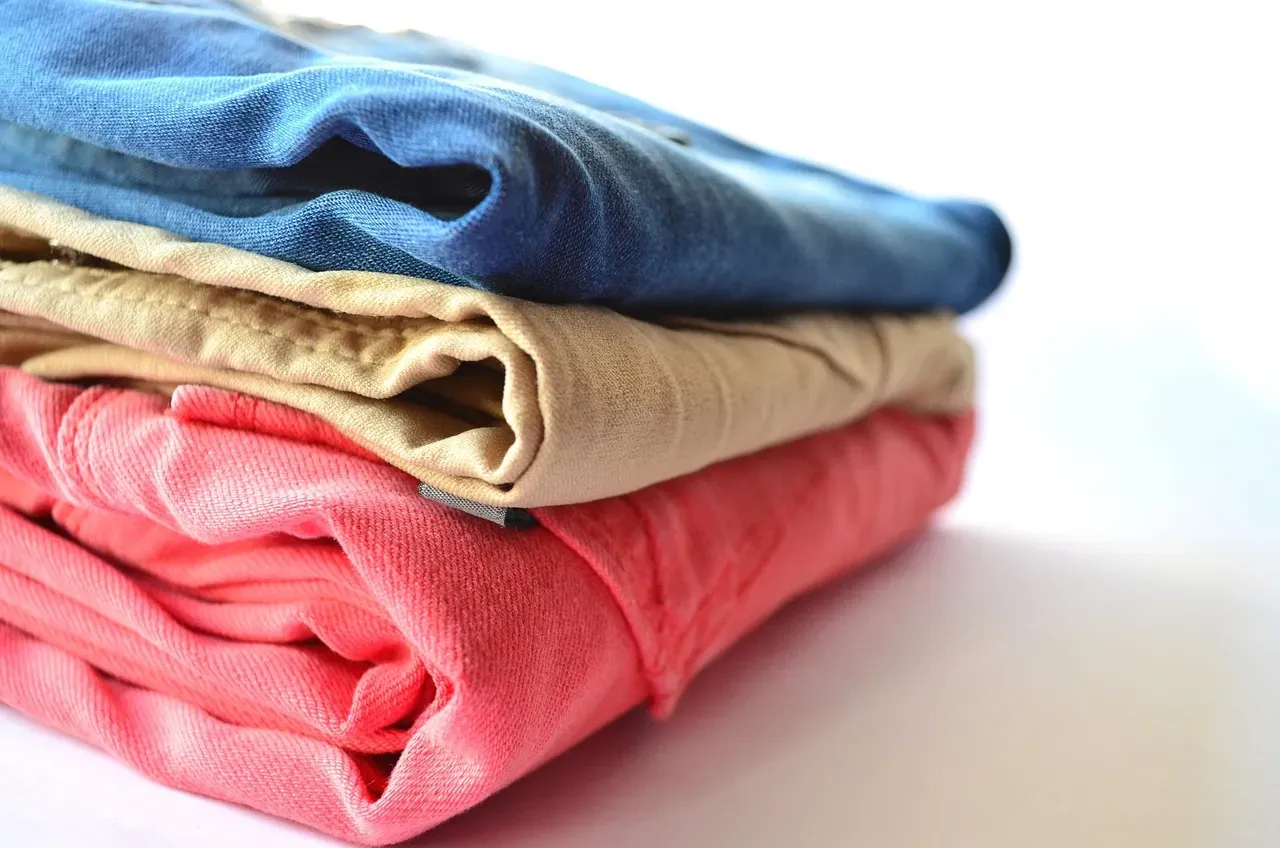
Organic cotton has a premium aura about it. No pesticides, better for the soil, better for the workers. In many ways, these claims have genuine merit. The full picture, however, is a bit more nuanced than most organic fashion brands admit.
Bags and clothing made from organic cotton fare worse environmentally in some key areas. Because organic cotton yields are roughly a third less than conventional cotton, they need proportionally more water and land to produce the same volume of fabric. A 2025 investigation by the Clean Clothes Campaign found that more than two thirds of “sustainable fashion” brands didn’t disclose where their fabrics were processed.
Significant efforts are underway to reduce the fashion industry’s pollution, but greenwashing remains a challenge. A recent report found that roughly six in ten sustainability claims by European fashion giants are “unsubstantiated” and “misleading,” resulting in confusion for consumers and growing mistrust of what is and is not sustainable. Organic certification at the farm level says nothing about the chemical processes used in dyeing, finishing, or shipping that garment to your door.
7. Paper Bags

When plastic bag bans swept through cities around the world, paper bags surged in popularity as the obvious clean alternative. They’re natural, recyclable, and they break down in compost. Seems like a no-brainer, right? Well, not quite.
Manufacturing a paper bag takes about four times as much energy as it takes to produce a plastic bag, plus the chemicals and fertilizers used in producing paper bags create additional harm to the environment. A bag’s impact is more than just its associated carbon emissions. Manufacturing a paper bag requires about four times as much water as a plastic bag. Additionally, the fertilizers and other chemicals used in tree farming and paper manufacturing contribute to acid rain and eutrophication of waterways at higher rates.
In a landfill, a paper bag can release harmful methane emissions while a plastic bag can remain relatively inert. It takes at least three reuses of a paper bag to neutralize its environmental impact, relative to plastic. So the paper bag is not inherently greener. It’s only better if you actually keep using it repeatedly, and most people simply don’t.
8. “Sustainable” Fast Fashion Collections

Major fashion brands have been quick to launch “eco” capsule collections, complete with earthy color palettes and carefully chosen language about responsible sourcing. They have names like “Conscious” or “EcoWear,” and they are everywhere. The trouble is, these lines often represent a tiny fraction of total production while the rest of the business model runs unchanged.
Authorities have found that sustainability and social responsibility messaging from major fashion brands is often vague, generic, overly emphatic, and in some cases misleading or omissive, including false or confusing claims about recyclability and circular system design. Since the adoption of the Paris Agreement in 2015, an increasing number of companies have pledged to reduce their greenhouse gas emissions to net zero, however those claims are often based on questionable plans, including emissions offsetting, rather than actual emission cuts.
A Deloitte survey found that more than half of Canadians show a willingness to pay more for sustainable products, but 57% say they don’t believe in most green or sustainable claims that brands make. That skepticism is well founded. Skepticism towards environmental claims and greenwashing negatively impacts purchase intention, as misleading claims undermine trust. When trust breaks down, genuinely sustainable brands suffer alongside the bad actors.
9. “Natural” and “Organic” Beauty Products
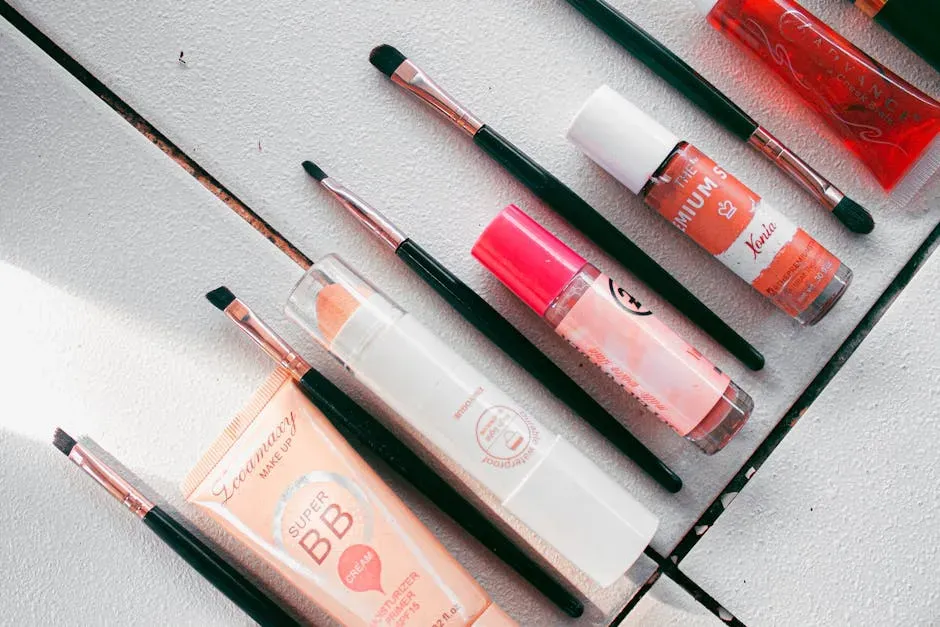
Walk through any beauty aisle and you’ll find shelves lined with products featuring leaves, botanical illustrations, and the words “natural,” “organic,” or “clean.” These terms sound definitive but are largely unregulated in most markets. That’s a problem bigger than most shoppers realize.
Despite a manufacturer’s or vendor’s best intentions, not all claims that a product is greener are meaningful or accurate. What makes a product greener is complex. Communicating the sustainability attributes of a product in isolation of brand activities can be highly misleading, such as a garment or product made from recycled materials that is produced in a high-emitting factory that pollutes the air and nearby waterways.
Given the extraordinary number of companies and products marketed and made available to consumers, a growing degree of skepticism towards environmental claims has developed rapidly. Consumers face difficulties in acknowledging when purchasing a product whether the company is applying all the sustainability norms and regulations. The environmental benefits of green products are not that they somehow fix the environment or have zero impact, but rather that their environmental impacts are less than those of similar products. That’s a very different promise than the marketing typically makes.
Conclusion
None of this means that trying to make sustainable choices is pointless. Far from it. The point is that sustainability is not a label you can passively trust. It requires asking harder questions, looking past the packaging, and sometimes accepting that the most eco-friendly product is the one you already own.
To be clear, the issue is not that recycling and green alternatives are bad for the environment, but that they are almost certainly not as good as you think. That distinction matters enormously. Being a genuinely conscious consumer means being comfortable with complexity, not just reaching for the item with the leaf logo.
The next time a product promises to save the planet, it’s worth pausing and asking one simple question: compared to what, exactly? What would you have assumed without reading this far?
