
Most of us think of environmental destruction as something that happens far away. Smokestacks. Deforestation. Oil spills. But here’s an uncomfortable truth: some of the most powerful drivers of planetary damage are happening quietly, right in our kitchens, closets, and supermarket aisles.
The connection between individual daily habits and large-scale environmental harm is something science has been documenting more rigorously than ever. The numbers are staggering, the mechanisms are real, and many of us are contributing without even knowing it. You might be surprised, even disturbed, by what’s on this list. Let’s dive in.
1. Buying Fast Fashion Without Thinking Twice

Every time you grab a cheap top or order a trend-driven outfit online, you’re plugging into one of the most polluting industries on the planet. Fast fashion is responsible for about 10% of global carbon emissions, which is more than all international flights and maritime shipping combined. That statistic should stop most of us cold.
Global fiber production shot up from 125 million tonnes in 2023 to 132 million tonnes in 2024, having more than doubled since 2000. The industry isn’t slowing down. The fashion industry is responsible for 92 million tonnes of waste annually, a figure projected to rise to 134 million tonnes by 2030.
The fashion industry is the second-largest consumer of water among industries, requiring about 700 gallons to produce one cotton shirt and 2,000 gallons of water to produce a pair of jeans. Think about that the next time a pair of jeans costs less than your lunch. A 2017 report from the International Union for Conservation of Nature estimated that 35% of all microplastics found in the ocean come from the laundering of synthetic textiles like polyester.
Only 12% of materials used for making clothes are recycled, with the rest dumped into landfills, contributing to pollution. Honestly, a wardrobe full of fast fashion items is basically a wardrobe full of future landfill. The math is bleak.
2. Throwing Away Food Without a Second Thought
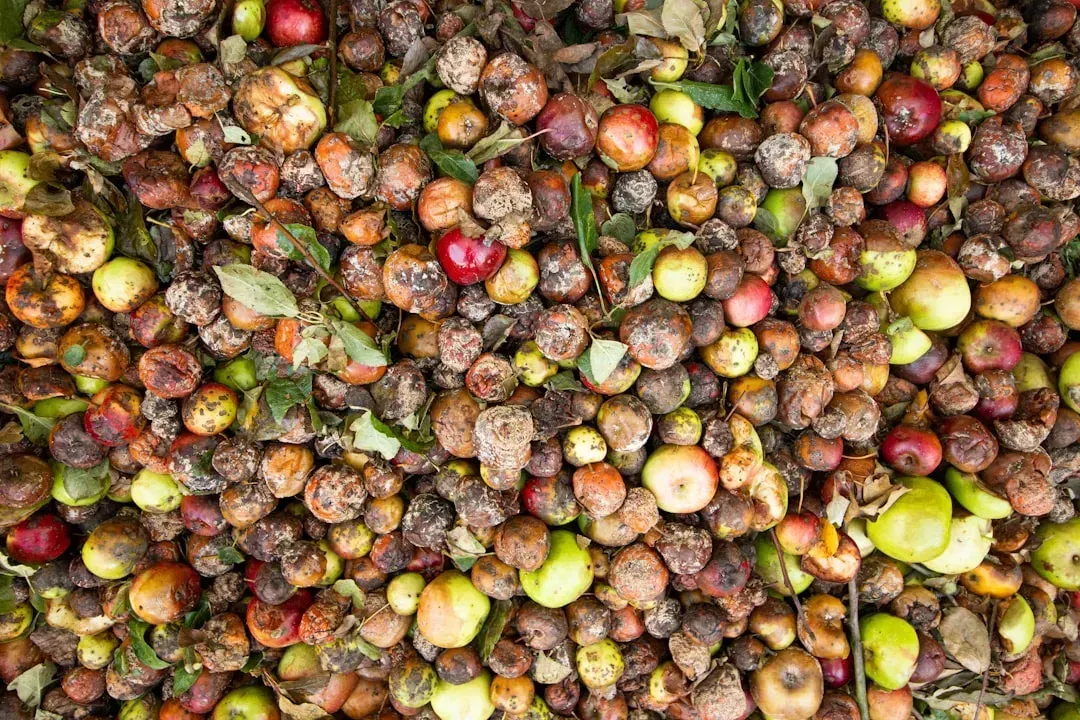
Food waste is probably the most criminally underrated environmental issue of our time. It sounds mundane. Leftovers in the trash, expired yogurt, bread ends nobody wants. But the scale is enormous. Food waste in retail, food service and households reached 1.05 billion metric tons in 2022, representing one fifth of all food available to consumers.
Around 30% of all food goes to waste each year, and food loss and waste contributes 8 to 10% of total greenhouse gas emissions, five times more than aviation. That comparison with aviation should make anyone pause. We spend enormous energy debating flight shame, while food waste silently contributes far more damage.
Rotting food in landfills contributes up to 14% of global methane emissions, a greenhouse gas over 80 times more potent than CO2 over 20 years. Methane moves fast and hits hard in the near term. Households discard enough food daily to provide over a billion meals, even as 1 in 11 people worldwide go hungry. The moral weight of that reality is hard to sit with.
3. Eating Meat at Every Single Meal
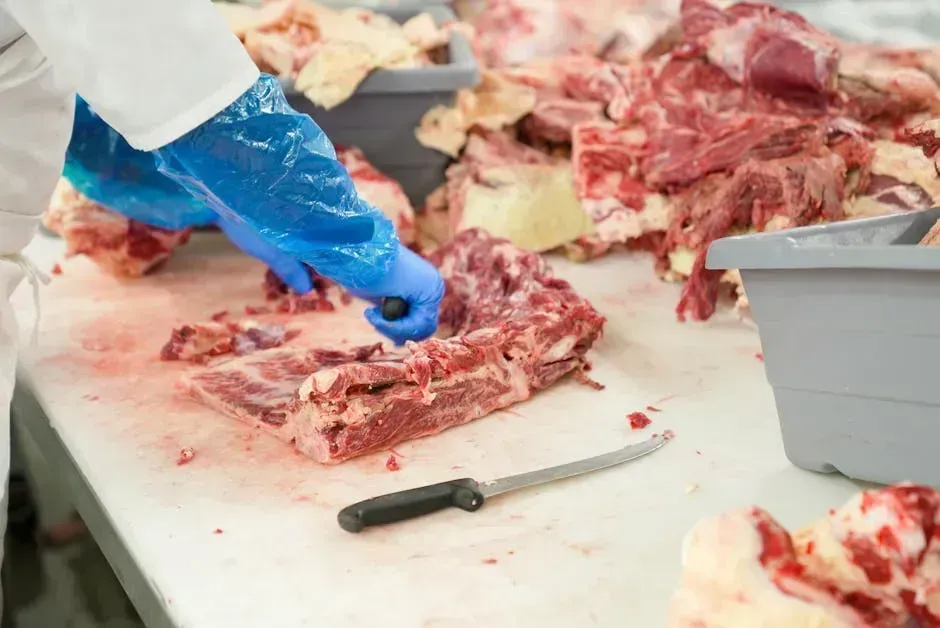
Meat is delicious. I get it. Nobody’s saying every person on earth needs to go vegan tomorrow. But the environmental cost of our collective appetite for meat is something every informed person needs to face. Meat and dairy specifically accounts for around 14.5% of global greenhouse gas emissions, according to the UN’s Food and Agricultural Organization.
Globally, agriculture occupies about half of the world’s habitable land, and nearly 80% of that farmland is devoted to livestock. That’s a breathtaking amount of land used for a single dietary preference. Many acres of rainforest are cleared to grow soy crops and grains to feed cattle, and overgrazing of cattle is a major reason for global soil depletion.
Around 75% of tropical deforestation is caused by agriculture, which includes clearing land to grow crops like soy and corn to feed animals, and also land to raise farm animals. The steak on your plate carries a land-use story that stretches across continents. Research shows that simple swaps, like replacing beef with chicken or plant-based proteins, can deliver big environmental benefits with minimal disruption to dietary habits. You don’t have to give everything up. Small swaps genuinely add up.
4. Ignoring Plastic in Your Daily Shopping
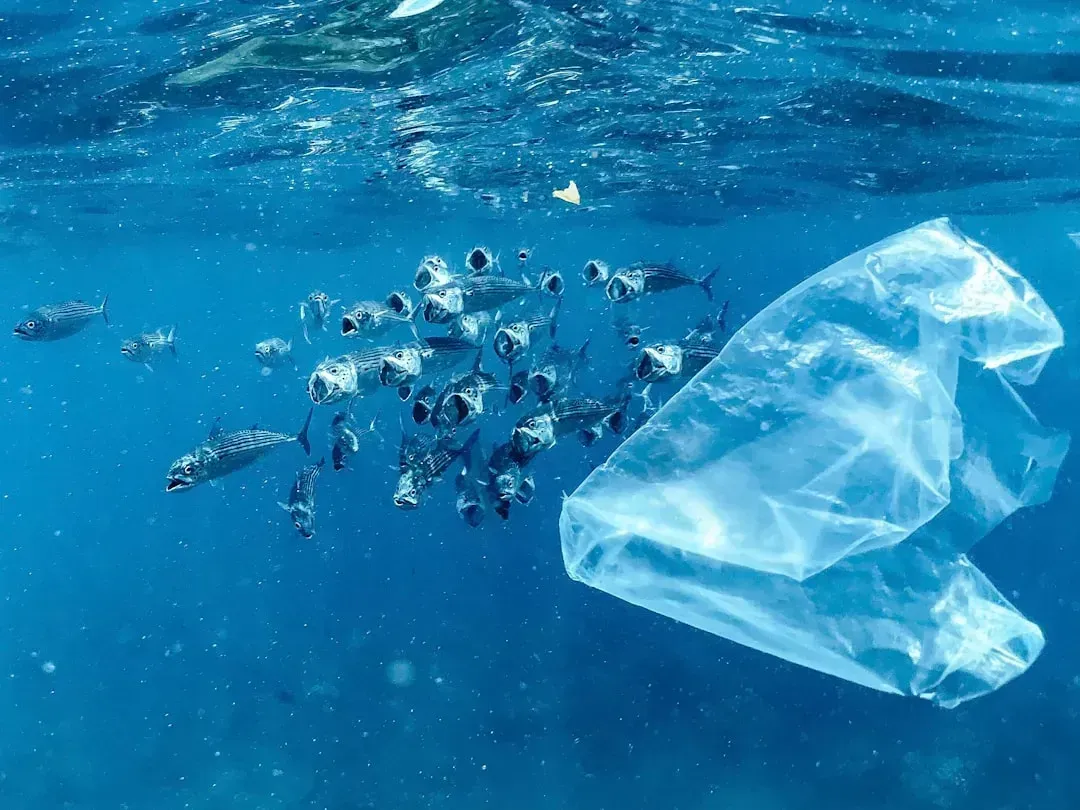
Single-use plastic is everywhere in modern life. Bag for the grocery run. Plastic-wrapped cucumbers. Bottles of water because you forgot your reusable one. These feel like minor decisions, but cumulatively they’re feeding an enormous crisis. Some 91% of all plastic that has ever been made is not recycled, and considering that plastic takes 400 years to decompose, it will be many generations until it ceases to exist.
Without action, by 2040, the amount of plastic polluting the environment will more than double, and plastic-related greenhouse gas emissions will undermine global efforts to stem planetary warming. That’s not a distant, abstract threat. It’s a trajectory already in motion. Plastics are a major polluter of the environment due to their inability to degrade naturally, and as more plastics are dumped in landfills, decomposition does not occur, thereby adding no value to the earth.
Most face washes people use contain plastic exfoliating micro-beads, which researchers have termed a serious environmental problem because they aren’t filtered during sewage treatment, and when released into water bodies they are swallowed by fish and other marine animals. It’s not just your shopping bag. The problem reaches into your bathroom cabinet too.
5. Driving Alone on Short Trips

Here’s the thing: most people know driving is bad for the environment. Yet the habit of jumping in the car for every single errand, especially alone, persists everywhere. The burning of fossil fuels is a major contributor to rising CO2 levels, and fossil-based energy sources like coal, oil, and natural gas are burned to power homes, cars, factories, and cities. Transportation is a massive slice of that overall picture.
The rise in greenhouse gas emissions, which trap the sun’s heat in the atmosphere and raise Earth’s surface temperature, has resulted in another year marked by record-breaking heatwaves and catastrophic extreme weather events, with 2025 set to be among the three warmest on record. Cars are a consistent thread running through that story. In 2024, the world lost 30 million hectares of tree cover, an area roughly the size of Italy. Road expansion linked to car culture plays a direct role in that loss.
Think of every solo two-mile drive to pick up a coffee or drop off a single letter as a small brick in a very large wall of damage. It adds up faster than people realise. The single most far-reaching environmental problem is the warming of Earth’s climate due to greenhouse gas emissions from burning fossil fuels, agriculture, and industrial processes. Your daily commute is part of that equation whether you like it or not.
6. Overconsumption and Impulse Buying

Overconsumption is perhaps the quietest environmental crisis of all, because it’s been engineered to feel completely normal. Buy more, want more, replace more. In 2025, Earth Overshoot Day fell on July 24th, meaning we would need 1.78 Earths to provide enough resources to match our current consumption habits. That’s not a metaphor. It’s a measured deficit.
Worldwide resource extraction quadrupled over the same period that the global population doubled, according to a UN report reviewed by the Guardian, showing that consumption has been rising on a per capita basis as well as in absolute terms. We’re not just consuming more because there are more of us. We’re each consuming dramatically more as individuals. The practice of consumerism raises the demand for consumer goods, causing the market to continuously run production factories, leading to constant energy consumption and the burning of fossil fuels.
Of all the human practices that are gradually destroying the environment, overconsumption is one of the most significant and least discussed, as we use up our planet’s resources faster than they can regenerate. The next time you’re about to click “add to cart” on something you don’t really need, it’s worth pausing for just a second. That item has a supply chain, a carbon footprint, and eventually a landfill destination.
7. Wasting Paper and Ignoring Deforestation Links
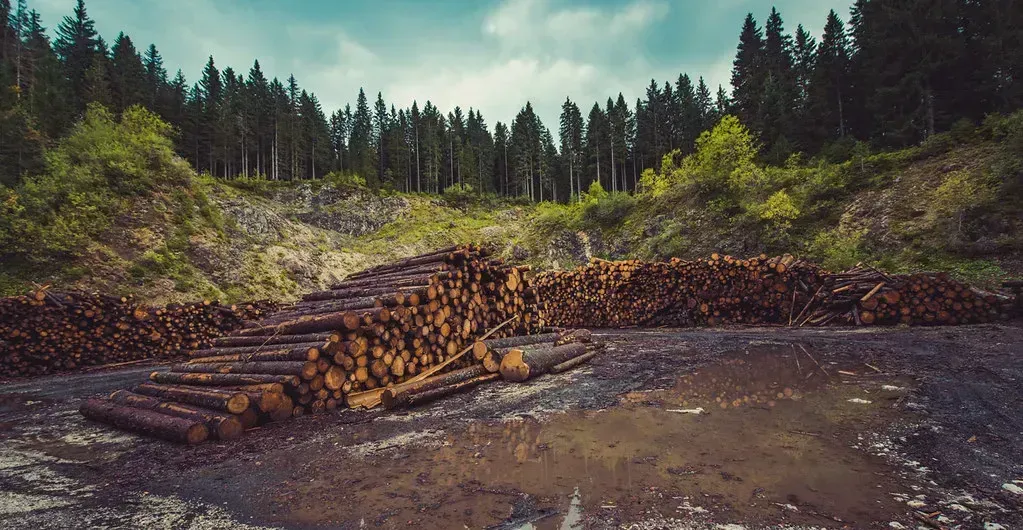
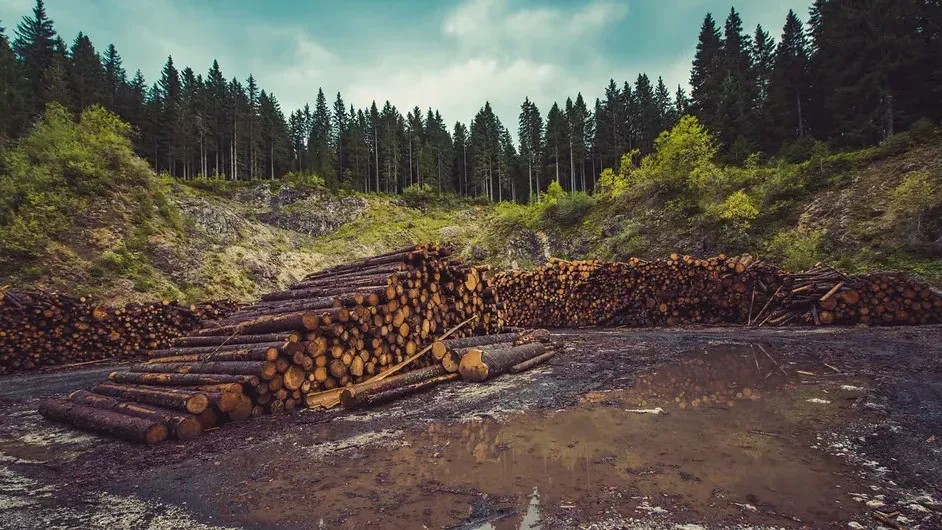
Paper towels, printed documents, packaging. Paper feels harmless because it’s natural. It comes from trees, so surely it breaks down fine, right? The problem is the sheer volume and what it costs to produce. What humans often overlook is that paper is made from trees, and since demand has a steady increase due to our lifestyle, we are constantly cutting down trees to fulfill market demands, which has exacerbated the issue of deforestation and consequently increased desertification.
In 2024, the world lost 16.6 million acres of tropical primary rainforests, equivalent to a rate of 18 soccer fields per minute. That number is almost impossible to visualize. Eighteen soccer fields. Every single minute. Tropical primary forest loss was dramatic, with 6.7 million hectares disappearing in 2024, nearly double the previous year.
In the last three decades alone, around 420 million hectares of forest have been lost as a result of human activity including land clearing for agricultural farming and logging, with massive implications for global climate regulation and biodiversity conservation. Forests don’t just hold trees. They hold carbon, water cycles, biodiversity, and the stability of regional weather. Lose the forests, and everything else starts to unravel too. Deforestation releases stored carbon, worsening climate change, and a warmer climate dries out forests, making wildfires more likely and more severe, which in turn destroys habitat and accelerates biodiversity loss.
8. Not Recycling and Mismanaging Household Waste
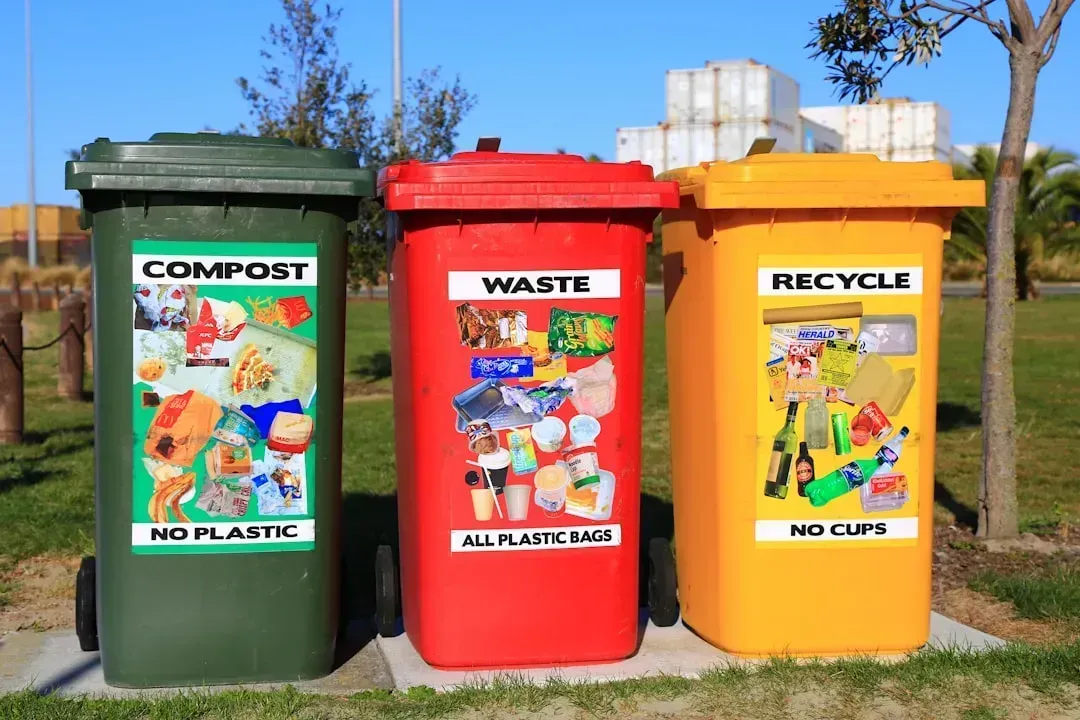
Let’s be real: recycling feels like such a small act that many people can’t be bothered. Wrong bin. No facilities nearby. Too confusing. But not recycling has cascading consequences that stretch far beyond the individual bin. Not recycling means sending too many resources to landfills, such as plastics and glass, while recycling saves energy and resources by reusing previously manufactured goods, meaning the energy that would have been used to create entirely new goods can be repurposed or conserved.
The latest reports indicate that approximately one million plant and animal species are currently threatened with extinction, representing a catastrophic biodiversity crisis that is primarily caused by human impact on the environment. Poor waste management is one of the threads running through that crisis. The decomposition of organic matter in landfills is a large contributor to methane gas, an environmental hazard when considering its potency as a greenhouse gas.
The Circularity Gap Report Textiles 2024 finds that only 0.3% of 3.25 billion tonnes of resources used each year to produce items from the global textile industry comes from recycled resources. That figure illustrates just how far the recycling economy still has to go. Minimising the negative impact of humans on the environment starts with individual choices, such as reducing energy consumption and waste, conserving water, and supporting sustainable products. Those choices, made collectively, do matter.
Conclusion
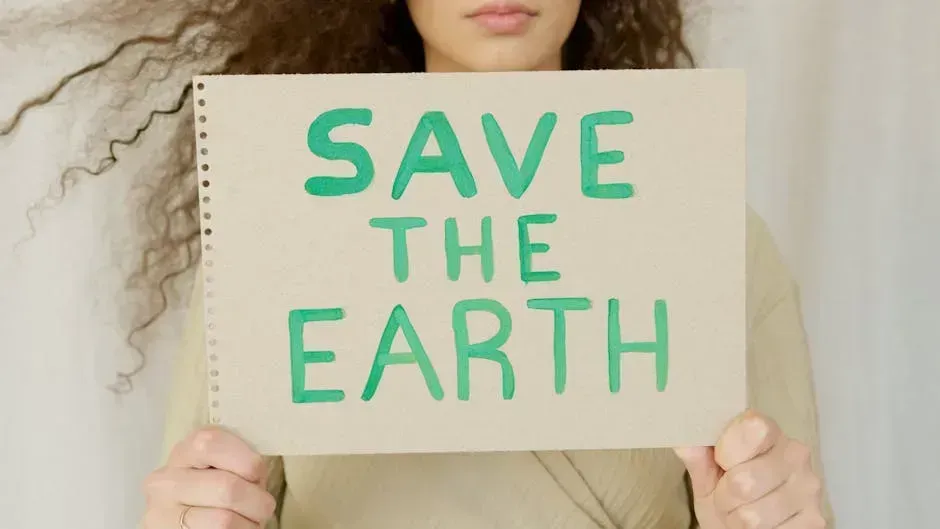
None of these eight habits exist in isolation. They’re woven together in a web of choices, systems, and consequences. The food on your plate, the clothes in your wardrobe, the plastic in your bin, the car in your driveway: each one connects to something much larger than a single person’s daily routine.
The encouraging truth is that habits can change. They have before. But it starts with awareness, and awareness starts with facing the reality of what’s actually happening. Each of the past 11 years from 2015 to 2025 has been one of the ten warmest years on record, wrapping up more than a decade of unprecedented heat globally fuelled by human activities. The timeline is not forgiving.
So here’s the question worth sitting with: which of these habits did you recognise in yourself? Tell us in the comments what surprised you most.
