
Climate change is no longer a distant warning on the horizon. It is already reshaping where Americans live, work, and invest. In 2024 alone, the U.S. recorded 27 individual weather and climate disasters that each caused at least $1 billion in damages. The financial toll was staggering. The total cost reached approximately $182.7 billion, making 2024 the fourth-costliest year on record for climate disasters.
So which cities are genuinely prepared, and which ones are quietly sitting on a time bomb? The answer might surprise you. Some of the fastest-growing urban areas in the country rank among the most exposed to catastrophic climate risk, while smaller, less glamorous cities quietly lead the pack in resilience. Let’s dive in.
#1 Most Resilient: Richmond, Virginia – The Quiet Champion
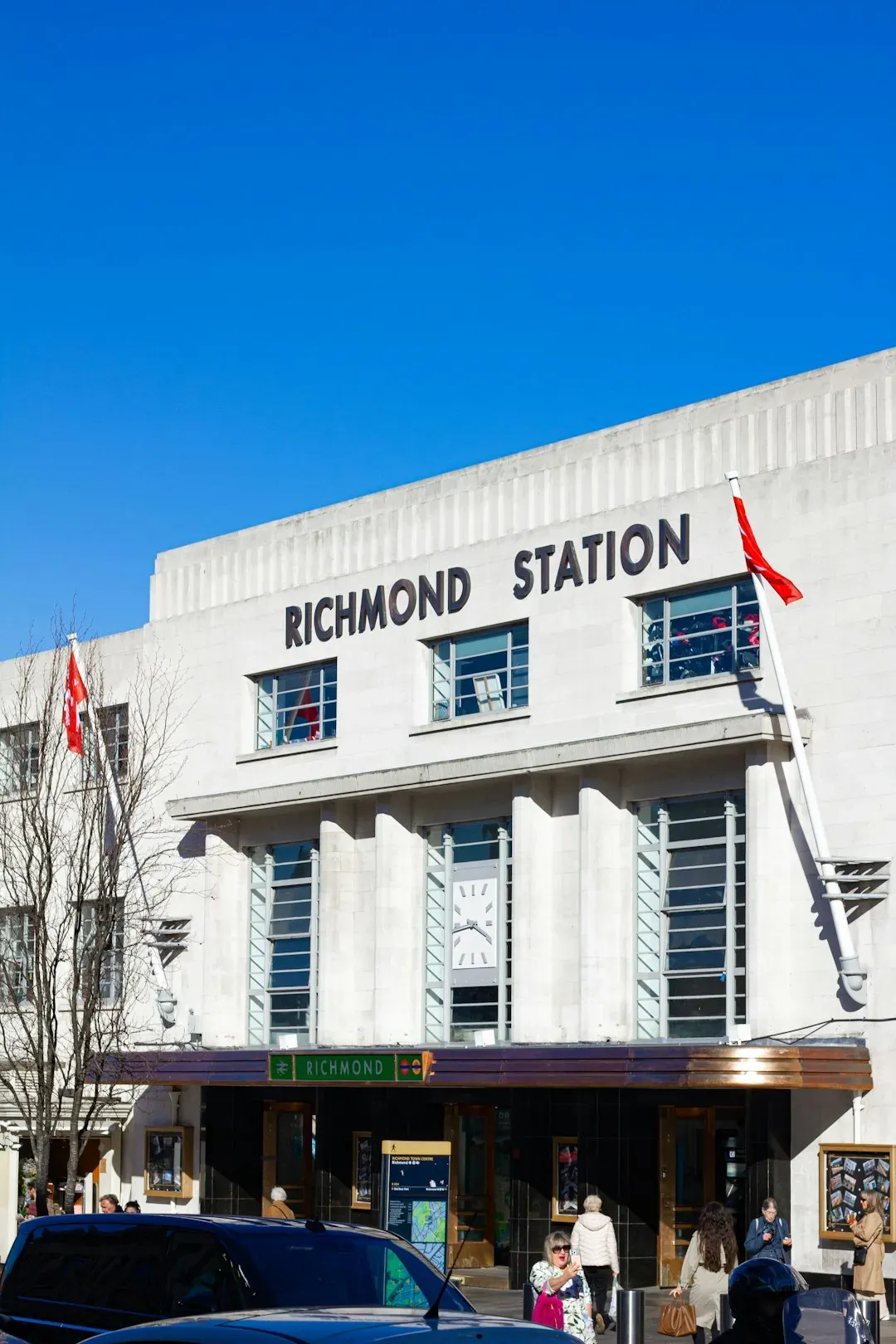
You might not expect a mid-sized Southern city to top the national climate resilience charts, but Richmond, Virginia, earned exactly that distinction. Richmond was ranked the best city for climate resiliency in the United States, according to a 2024 study conducted by USA Today’s research team, which ranked 96 of the 100 most populous U.S. cities using multiple metrics. That is not a small achievement, considering the competition.
Richmond was ranked first for its staggeringly low FEMA Risk Index rating of 43.02, with the next closest city also in Virginia – Arlington, with a rating of 73.91. The gap between Richmond and nearly every other major city is striking. Of the 96 cities analyzed, only 15 had FEMA Risk Index scores below 90.
Greater Richmond’s status as the most climate-resilient city in the U.S. holds substantial benefits for operational stability, and the region’s stable climate and minimal risk for extreme weather events are invaluable. While USA Today found that the James River does pose a flood risk, the city’s infrastructure is comparatively well-equipped to protect lower-lying neighborhoods.
#2 Most Resilient: Buffalo, New York – The Great Lakes Gem
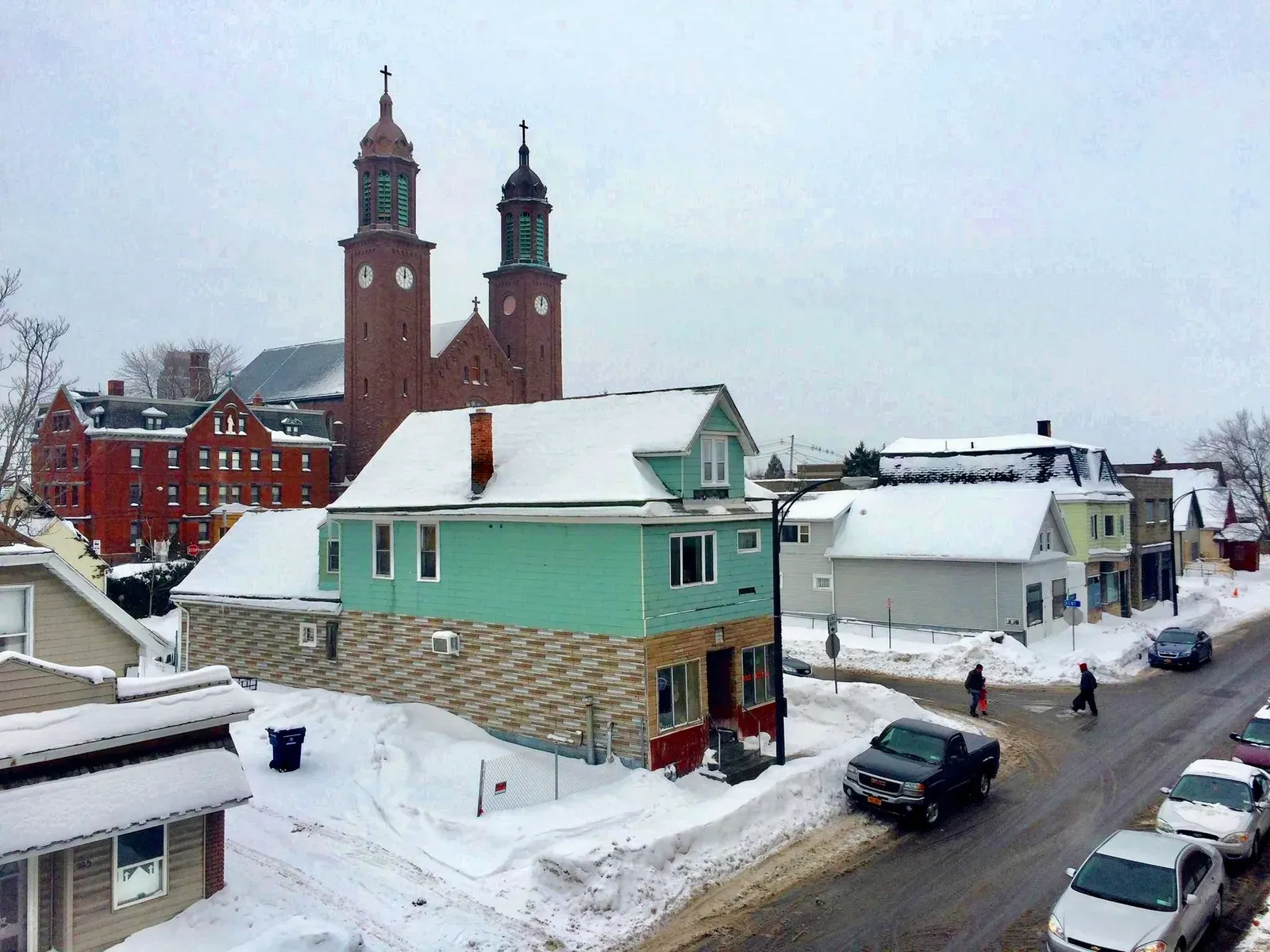
Buffalo tends to get laughs for its brutal winters, but here is the thing: those same geographic realities that produce mountains of snow are also keeping it remarkably safe from many modern climate threats. Buffalo consistently ranks high in climate resilience thanks to its location, situated inland on Lake Erie, which means it avoids the immediate threat of rising sea levels. That alone separates it from dozens of high-risk coastal cities.
Buffalo’s air quality is excellent, with the city averaging just one high ozone day a year and low amounts of particle pollution. The city boasts excellent air quality and a diversified economy, making it less vulnerable to climate-induced economic shocks, and it scores well on the ND-GAIN index for its social and governmental preparedness.
Buffalo is known as a climate haven city and is the U.S.’s fourth safest city in terms of natural disaster vulnerability. While Buffalo can experience extreme cold snaps, its infrastructure is well-adapted for winter weather, and the city is also investing in renewable energy sources like wind and solar power, further bolstering its resilience.
#3 Most Resilient: Madison, Wisconsin – Sustainability Meets Stability
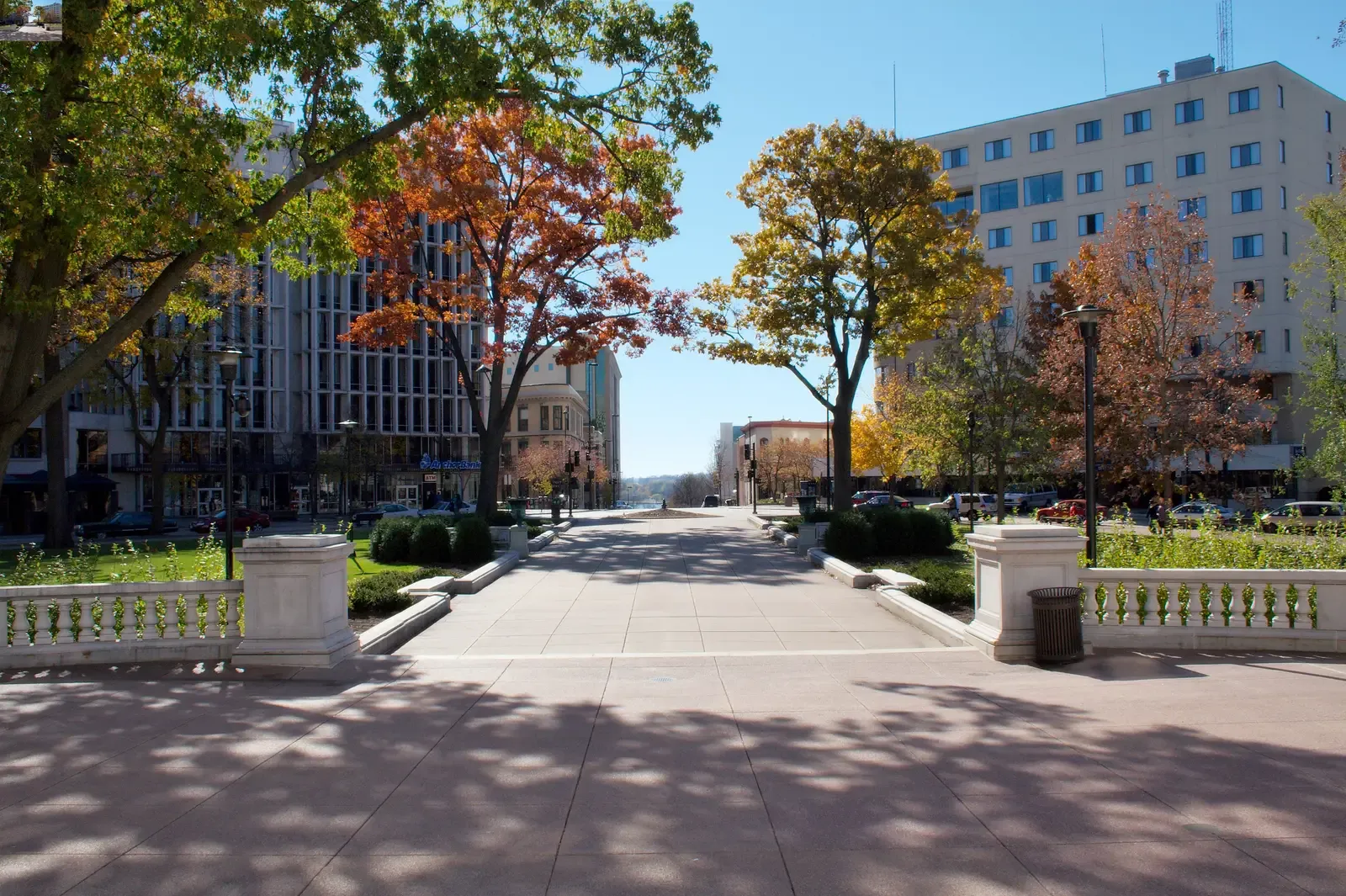
Madison is the kind of city that doesn’t make dramatic headlines, but quietly does everything right. Madison impresses with its commitment to sustainability, boasts a robust public transportation system reducing reliance on personal vehicles, and prioritizes green infrastructure projects with a strong focus on clean energy adoption. It is that rare combination of smart planning and fortunate geography.
Madison’s city council voted unanimously to adopt its 2024 Sustainability Plan, which aims to cut climate pollution and improve residents’ well-being, with 24 goals across eight areas including renewable energy, clean water, and zero waste. Honestly, the commitment there is hard to beat. Community-wide greenhouse gas emissions in Madison dropped by 8.1% from 2018 to 2022.
Geographically, Madison benefits from its inland location and a relatively stable climate compared to other regions, and the city also scores well on the ND-GAIN index for its social and economic preparedness. For families thinking long-term, it is a very compelling option.
#4 Most Resilient: Minneapolis, Minnesota – Inland Strength

Minneapolis is often overlooked in climate conversations, yet it holds up exceptionally well when the data is laid out. The Minneapolis metropolitan area stands out for its diverse and robust economy, which positions the region to absorb climate-related disruptions more effectively, and the Twin Cities also have a well-developed infrastructure network, including efficient public transportation and a reliable power grid.
Minneapolis has good air quality, with just one high ozone day per year on average, and severe weather events were limited in Minnesota, making Minneapolis a great choice for a climate-inspired move. Like Buffalo, Minneapolis is nowhere near the coast, and so is not as affected by rising sea levels. That matters enormously as projections worsen for shoreline cities.
The city’s economic diversity serves as a kind of financial buffer. A diversified economy can weather climate-induced economic downturns more effectively, and Minneapolis demonstrates that principle well. It is not just about surviving storms. It is about bouncing back quickly afterward.
#5 Most Resilient: Seattle, Washington – Low Disaster Costs, High Preparedness
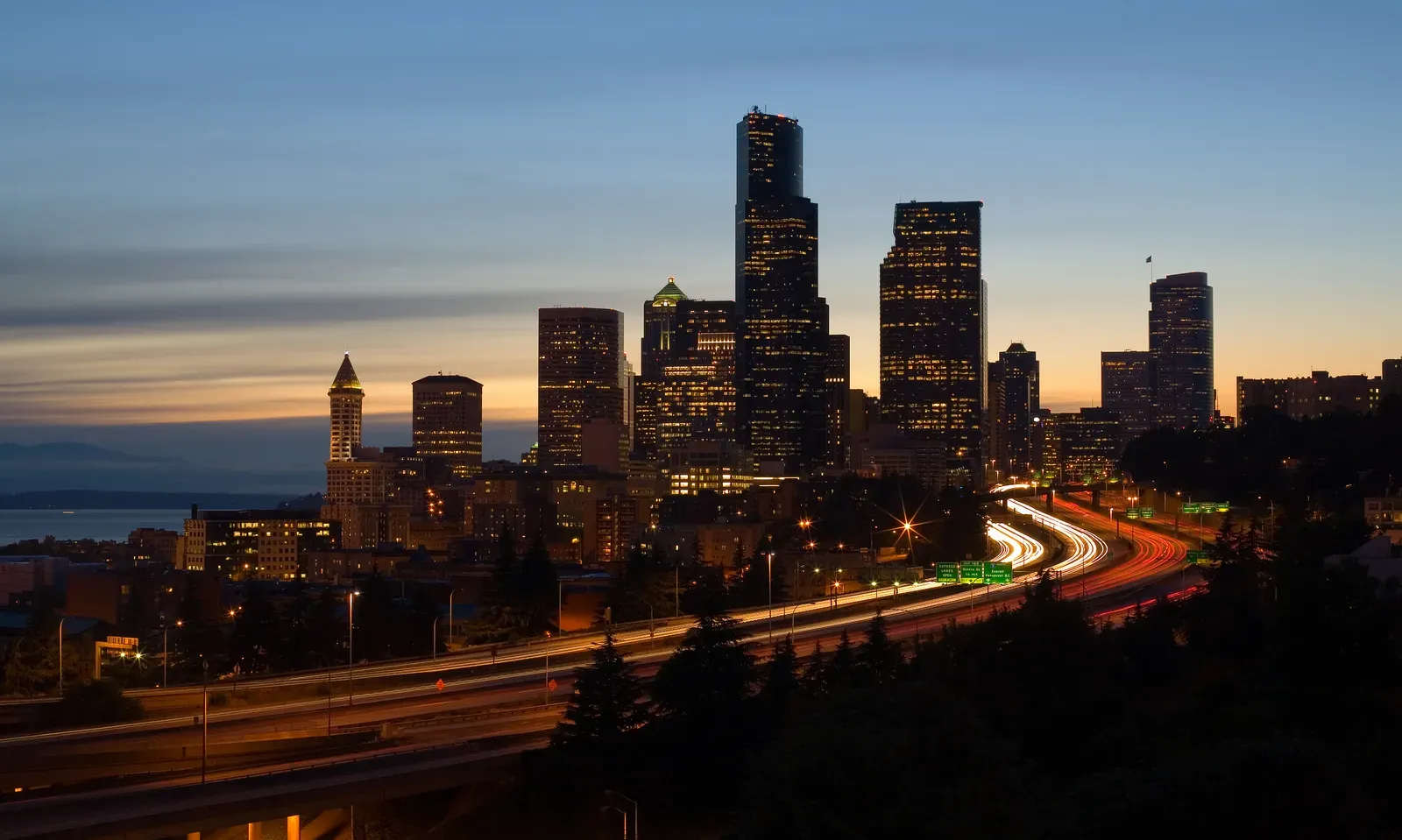
Seattle occupies a fascinating spot on the resilience spectrum. It is a large, major city, yet it posts some of the lowest natural hazard damage figures in the country. Seattle has the lowest disaster damage expectancy of any large U.S. city, with just $5 per capita in annual losses from natural hazards per FEMA’s National Risk Index, meaning very few costly disasters strike Seattle compared to elsewhere.
The city is far north of hurricane range and, unlike California, Western Washington’s rainforests mitigate wildfire spread. Seattle’s biggest natural risk is seismic rather than climate-related, and the city has invested billions in strengthening roads, seawalls, and the electric grid to withstand quakes. That is smart, forward-thinking infrastructure investment.
On climate, Seattle has been proactive: it developed a detailed Disaster Recovery Framework and was an early adopter of green infrastructure, like green roofs and urban forests, to absorb heavy rains. Seattle’s Climate Action Plan promotes community preparedness and environmental justice, and its goals align with Washington state’s bold targets to cut emissions significantly by 2050.
#6 Most Resilient: Raleigh, North Carolina – Leading on Action
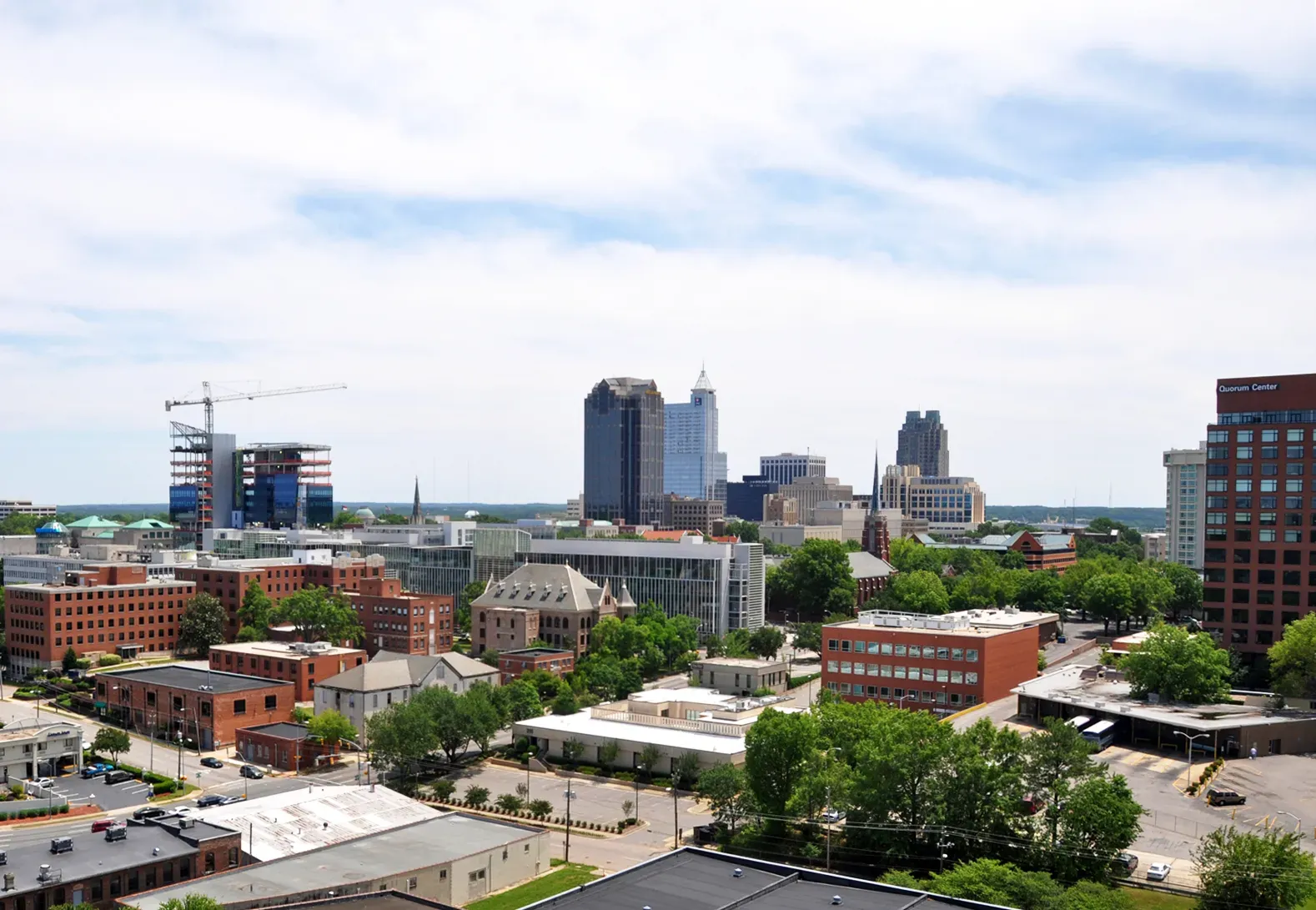
Raleigh sits in a somewhat complicated position. It faces moderate natural disaster exposure in the Southeast, yet it has invested more aggressively in climate action than almost any city its size. In terms of low number of ozone days and particle pollution, Raleigh was the top city in both categories in The Zebra’s analysis. That is a significant win for air quality and long-term public health.
Raleigh is introducing new EV charging capabilities throughout the community, looking to convert its fleet of nearly 5,000 vehicles to all-electric in the coming decade, and is a leader in community engagement with some of the highest buy-in rates among residents for installing solar panels. The city is not just making promises at the top. It is pulling everyone along.
Reducing emissions by 80% ahead of 2050 is part of the picture, and Raleigh’s overall climate action plan won the Sustainable Communities Award in 2024, signaling the importance of these elements in its long-term planning. That kind of recognition is hard to earn and well deserved.
#7 Most at Risk: Phoenix, Arizona – A City Running Out of Water
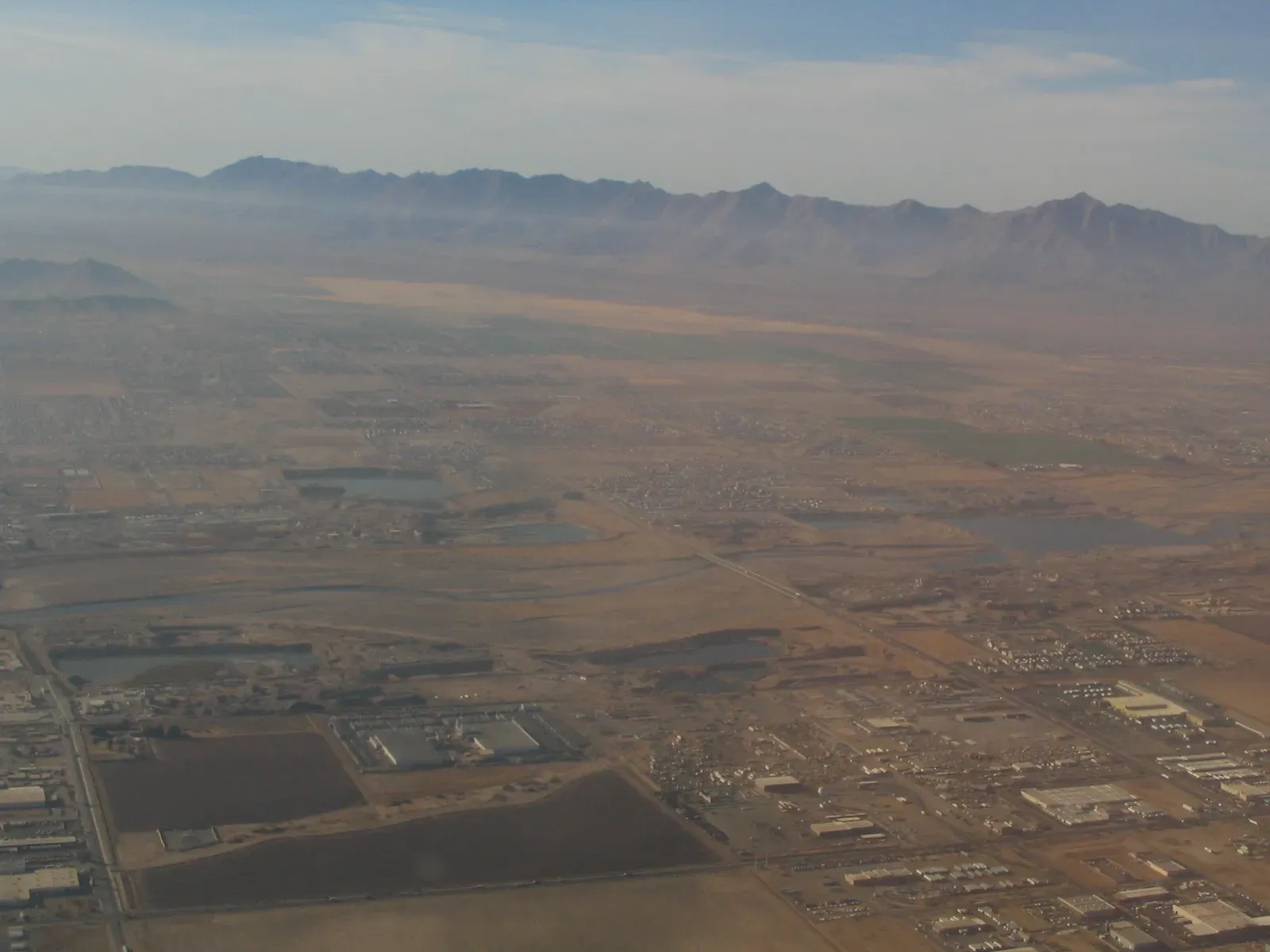
Here is where the list takes a sharp turn. Phoenix is one of the fastest-growing cities in the entire country, yet it faces some of the most severe long-term climate pressures of any major U.S. urban area. The heat alone is extraordinary. Austin, Texas; Baton Rouge, Louisiana; Jacksonville, Florida; Houston, Texas; and Tampa, Florida, along with the Miami-Fort Lauderdale area, all have virtually all homes under severe heat risk, and Phoenix sits in a comparable category.
In Phoenix and Tucson, Arizona, elevated water stress makes them among the most susceptible to chronic climate risk, even though their inland locations make them immune to sea-level rise. Water stress is essentially a slow-motion crisis that does not generate dramatic headlines, but it is just as dangerous. Phoenix’s elevated water stress is among the most significant of any U.S. metro, and other western states like New Mexico and Utah will also endure water stress as drought conditions worsen.
Think of Phoenix like a campfire that has been burning beautifully for decades. Eventually, you run out of wood. Phoenix and other hot cities are now investing in heat mitigation strategies, including more trees, shade structures, reflective surfaces, and protocols for heat emergencies, but many researchers consider the pace of those efforts insufficient compared to the scale of the threat.
#8 Most at Risk: Houston, Texas – Sinking and Flooding
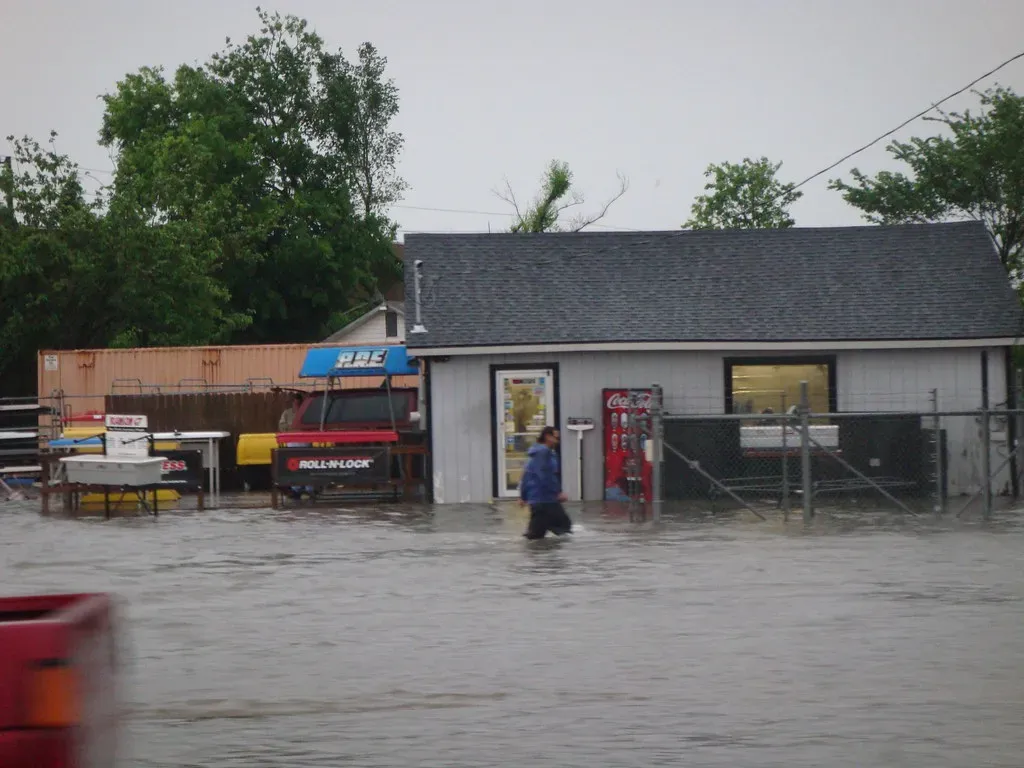
Houston’s climate story is almost too alarming to fully absorb. The city has faced repeated, catastrophic flooding events in recent years, and the underlying geology is actively making things worse. Major cities like Houston have experienced repeated climate-related challenges, and recent reports show Houston is the fastest-sinking city in the U.S. due to water and oil extraction. When a city is simultaneously sinking and flooding, that is a dangerous combination.
When broken down by total property value at wind risk, Miami is first, followed by Houston and New York. Cities where virtually all homes are at extreme risk from wind include Houston, among 15 major metros spanning Florida, Texas, North Carolina, South Carolina, and Louisiana. The financial exposure is enormous and growing.
Houston has redesigned zoning and stormwater policies in some areas and is seeking more resilient building codes, which is at least encouraging. However, the scale of the risk still vastly outpaces the current pace of adaptation. The overwhelming majority of U.S. cities reporting through the CDP-ICLEI Track faced significant climate hazards in 2024, up from 83% in 2023, and over 89% of those hazards are expected to intensify.
#9 Most at Risk: Miami, Florida – Ground Zero for Sea Level Rise
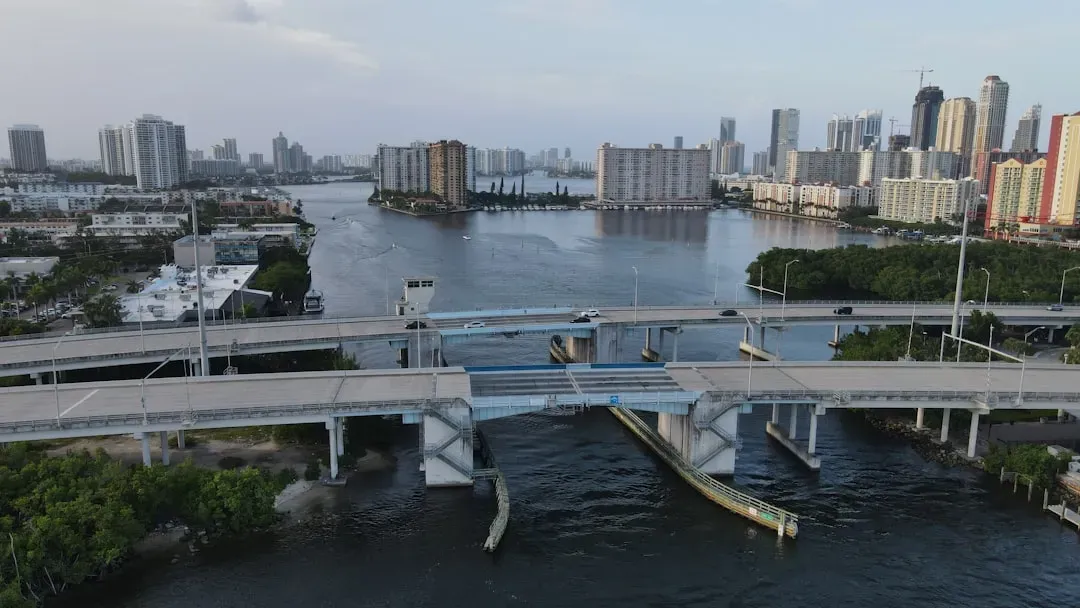
I think most people understand Miami is in trouble, but the data reveals just how extreme the situation really is. Miami’s average elevation is just six feet, which is the same amount of sea-level rise expected in Southeast Florida by the end of the century, and the ocean has already risen by about six inches since 2000, while the city is simultaneously sinking. That is a frightening reality for a city of this size and economic importance.
The frequency of flooding from high tides, known as “sunny day flooding,” is up over 400% in Miami Beach since 2006, and researchers at the Organisation for Economic Co-operation and Development listed Miami as one of the 10 most vulnerable cities worldwide relative to the number of people at risk of coastal inundation. Those are not projections. That is already happening today.
In Miami, the typical single-family homeowner with a standard HO-3 policy now pays annual premiums equal to 3.7% of the home’s market value, the highest ratio among the nation’s 100 largest metros, with New Orleans close behind at 3.6%. Predictions show that roughly 60% of Miami could be underwater by 2060 due to rising seas, hurricanes, and coastal erosion. The clock is ticking.
#10 Most at Risk: New Orleans, Louisiana – Last on the Global Stage
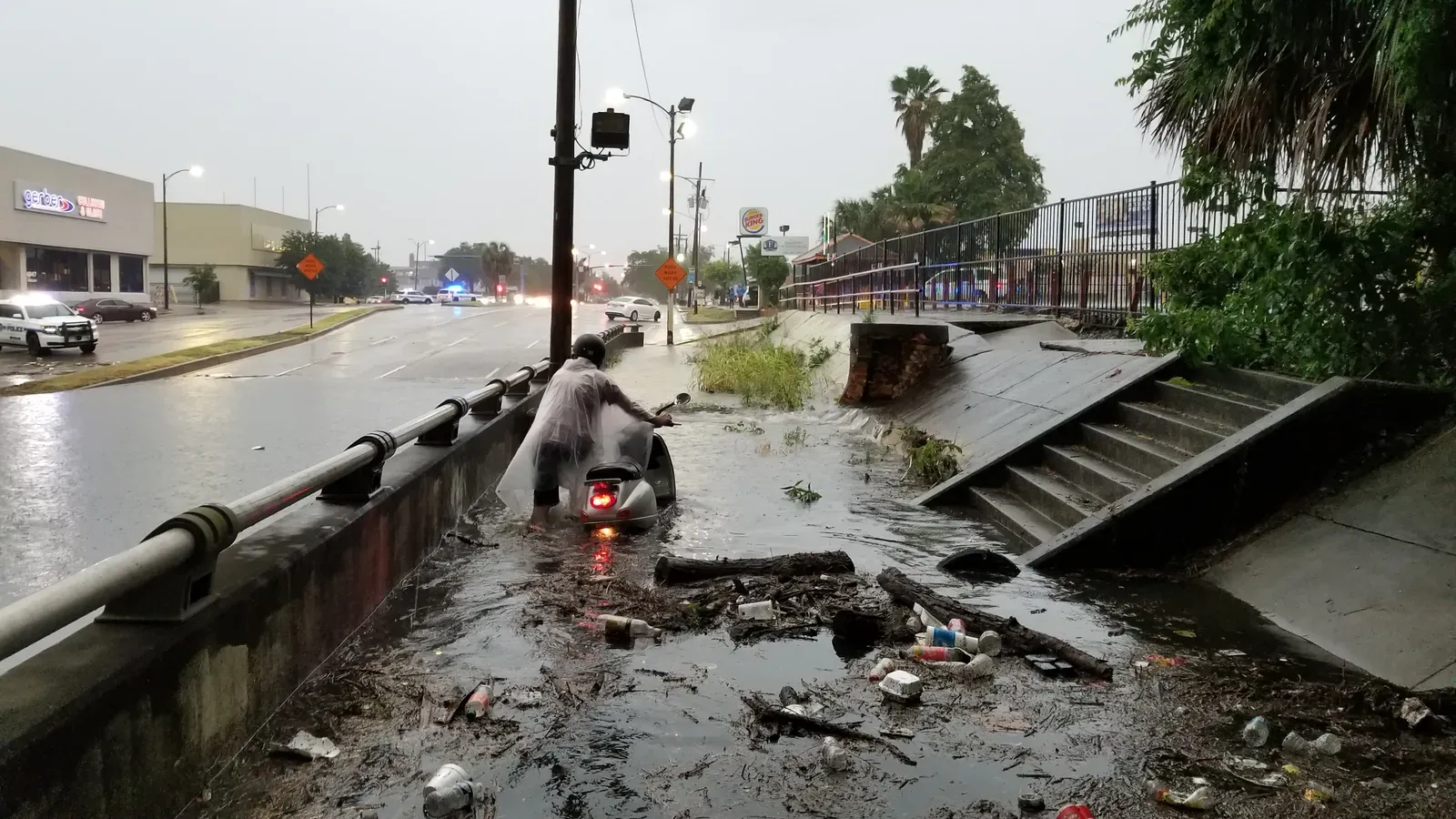
New Orleans does not merely rank among the most at-risk American cities. It arguably ranks last among major global cities when economic resilience and climate threat are measured together. New Orleans might be the city least prepared for future climate and environmental changes – not just in the U.S., but globally – according to a report from First Street, which compared economic resilience with climate threats in 426 cities across the globe, with New Orleans ranking last due to a dwindling population, high insurance costs, and risks from floods, heat, and hurricanes.
The number of the hottest days in New Orleans is projected to keep increasing: in a typical year around 1990, people experienced about 7 days above 95.5 degrees Fahrenheit per year, but by 2050, they are projected to experience an average of roughly 50 such days per year. That is a dramatic and dangerous shift for an already vulnerable population.
New Orleans faces already-extreme risks associated with flooding and hurricanes, which are forecast to intensify as the climate heats, while the city’s population is declining and insurance grows increasingly unaffordable as insurers weigh abandoning the market. Louisiana loses about a football field of land every 100 minutes, leaving low-lying areas even more exposed. That image says it all.
—
The full spectrum of climate resilience and risk across American cities tells a story that goes far beyond weather forecasts. Resilience, the capacity to rebound from adversity, can matter just as much as raw risk exposure, and climate modeling firm AlphaGeo analyzes 28 factors, from life expectancy to infrastructure spending, to assess a location’s true vulnerability. Where you live increasingly shapes your financial future, your safety, and even your access to insurance.
Recent studies show that climate change is driving roughly 30% of Americans to consider relocating, and that number will only climb as extreme weather events become more frequent. Columbia University published research in late 2024 noting that 3.2 million U.S. residents had moved in the previous 20 years as a direct result of flood risks, and as many as 3 million now leave their homes annually to escape other conditions. The migration has already begun.
If these rankings surprised you, you are not alone. What do you think about it? Tell us in the comments.

