

- Southwest Faces Rare March Heatwave as Temperatures Near 110°F - March 24, 2026
- I Asked ChatGPT Which States Might See the Biggest Flood Risks – Here’s the List - March 24, 2026
- 10 Natural Resources Experts Say We’re Using Too Fast - March 24, 2026
There’s a quiet alarm ringing across the scientific world. It doesn’t blare like a siren – it hums steadily in research papers, UN reports, and satellite data. The planet’s natural resources, the very systems that sustain human life, are disappearing faster than they can be replenished. Not in some distant future, but right now, in real time.
According to the Global Footprint Network, humanity is using up natural resources like food, water, and land roughly 1.7 times faster than the planet can regenerate them – the equivalent of consuming the resources of nearly two whole Earths. That’s not a metaphor. That’s math. And it gets more alarming the deeper you look. So let’s dive in.
1. Freshwater: The Crisis Already Underway
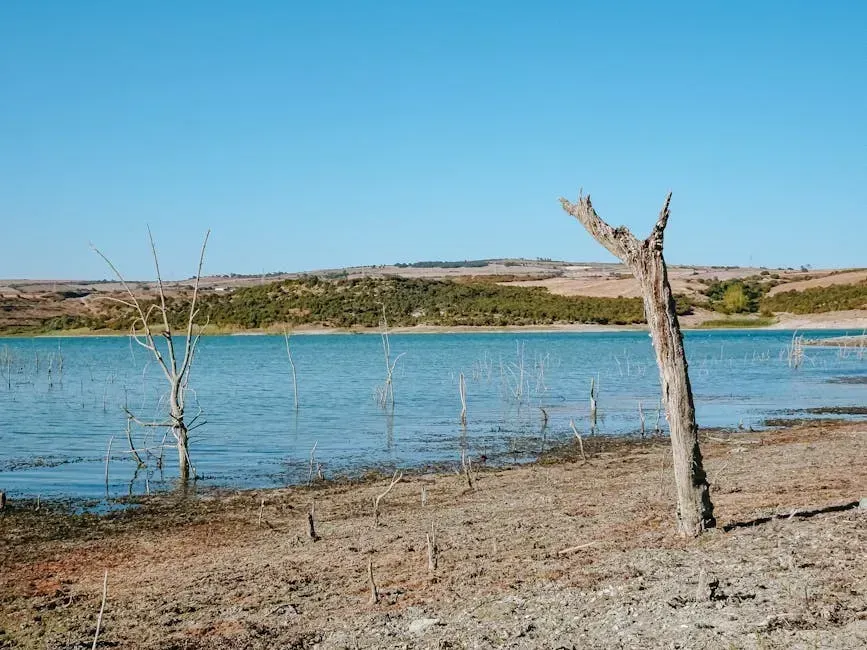
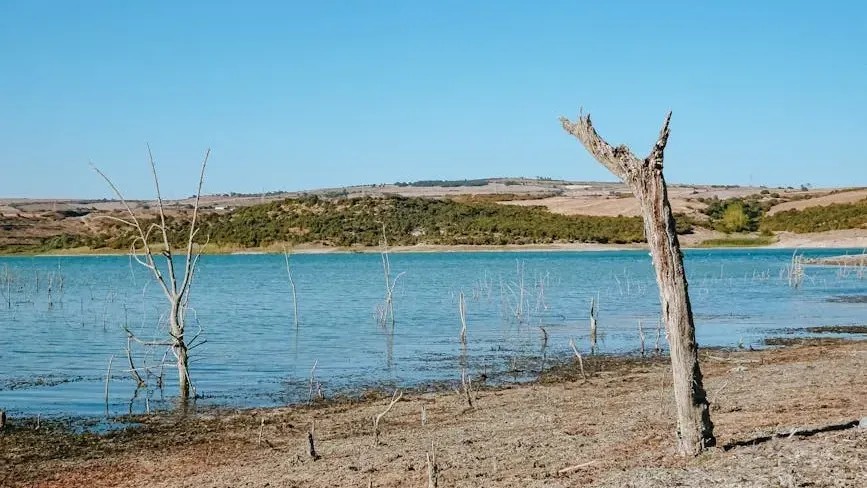
Most people assume water is just… there. Turn the tap, and it flows. But that assumption is crumbling fast. The amount of freshwater stored on land and underground has plummeted in the past decade, and an international team of scientists using observations from NASA-German satellites found evidence that Earth’s total amount of freshwater dropped abruptly starting in May 2014 and has remained low ever since.
From 2015 through 2023, satellite measurements showed that the average amount of freshwater stored on land – including liquid surface water like lakes and rivers, plus water in aquifers underground – was 1,200 cubic kilometers lower than the average levels from 2002 through 2014. That is a staggering volume of water, just gone.
In half the world’s countries, one or more types of freshwater ecosystems are degraded, including rivers, lakes, and aquifers. River flow has significantly decreased, surface water bodies are shrinking or being lost, and ambient water is growing more polluted. As of recent UN data, 3.2 billion people live in agricultural areas with high to very high water shortages or scarcity. Honestly, the scale of that number is hard to process.
2. Forests: Burning at a Record Pace
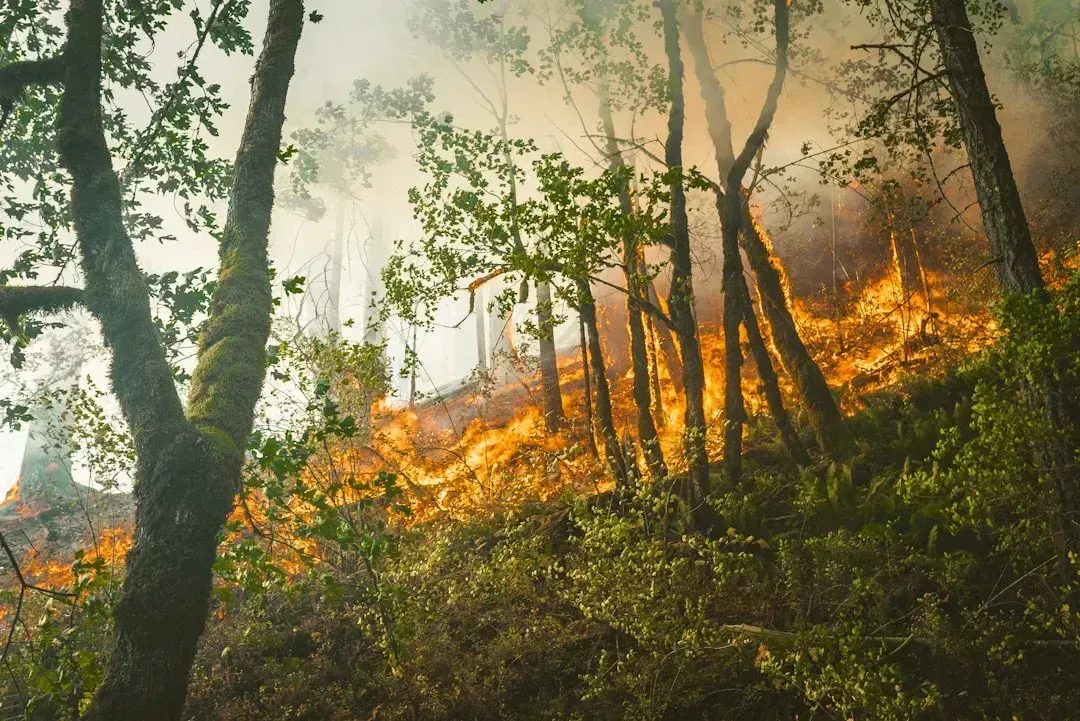
Trees are sometimes called the lungs of the planet. In 2024, those lungs took a catastrophic hit. Global forest loss surged to record highs in 2024, driven by a catastrophic rise in fires. Loss of tropical primary forests alone reached 6.7 million hectares – nearly twice as much as in 2023 and an area nearly the size of Panama.
According to data from the University of Maryland’s GLAD lab, tropical primary forest disappeared at a rate of 18 football fields per minute in 2024 – nearly double that of 2023. Let that sink in. Every single minute. Eighteen football fields of ancient forest, gone.
For the first time on record, fires – not agriculture – were the leading cause of tropical primary forest loss, accounting for nearly half of all destruction. This marks a dramatic shift from recent years, when fires averaged just around one-fifth of losses. The Forest Declaration Assessment 2025 found that 8.1 million hectares of forest were lost in 2024, a level of destruction 63% higher than the trajectory needed to halt deforestation by 2030.
3. Topsoil: Losing the Foundation of Our Food
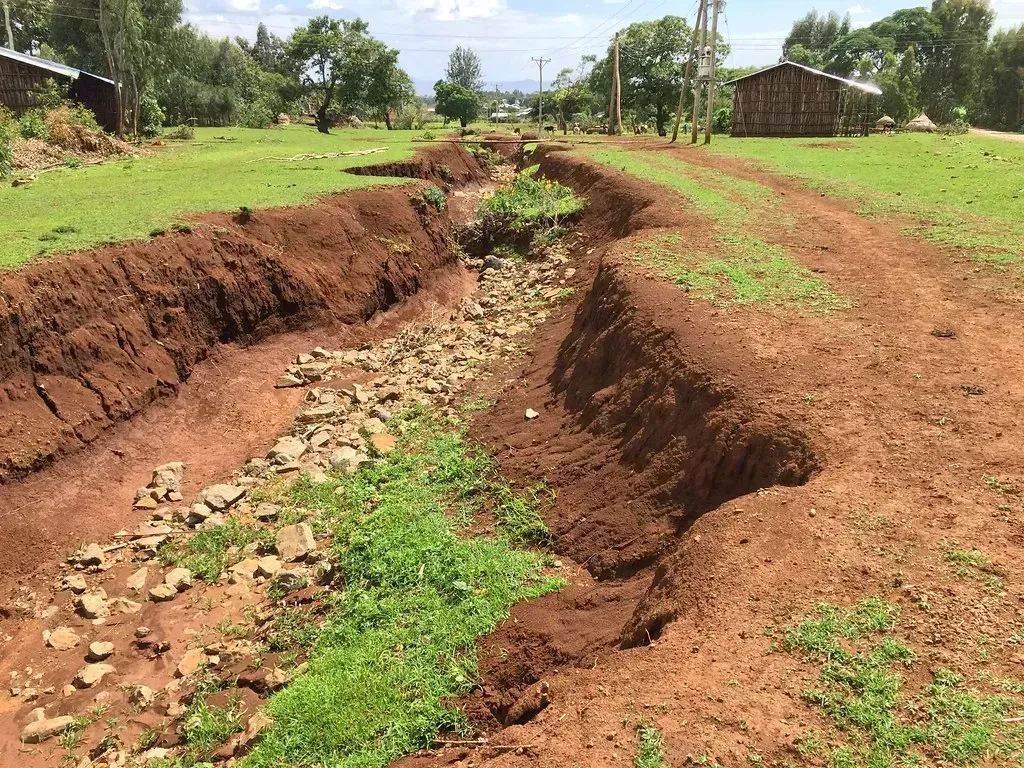
Here’s a fact that should keep farmers and food-lovers awake at night. Scientists warn that 24 billion tons of fertile soil is being lost per year, largely due to unsustainable agriculture practices. Topsoil is not just dirt – it is a living, breathing ecosystem of microorganisms, carbon, and nutrients. Without it, growing food becomes nearly impossible.
Global estimates suggest that topsoil is being lost at rates significantly higher than the natural soil formation rate, with some reports indicating a loss rate up to 10 to 40 times faster than its renewal. Think about that like a bank account: you’re withdrawing 40 dollars for every single dollar you earn. You won’t last long.
A total of roughly one third of all soils are moderately to highly degraded as a result of erosion, loss of organic matter, poor nutrient balance, salinization, contamination, acidification, and loss of biodiversity. Soil erosion alone leads to the loss of an estimated 75 billion tonnes of soil a year, which causes financial losses of around 400 billion US dollars annually. That’s not an environmental issue. That’s an economic emergency.
4. Ocean Fish Stocks: The Real State of the Seas
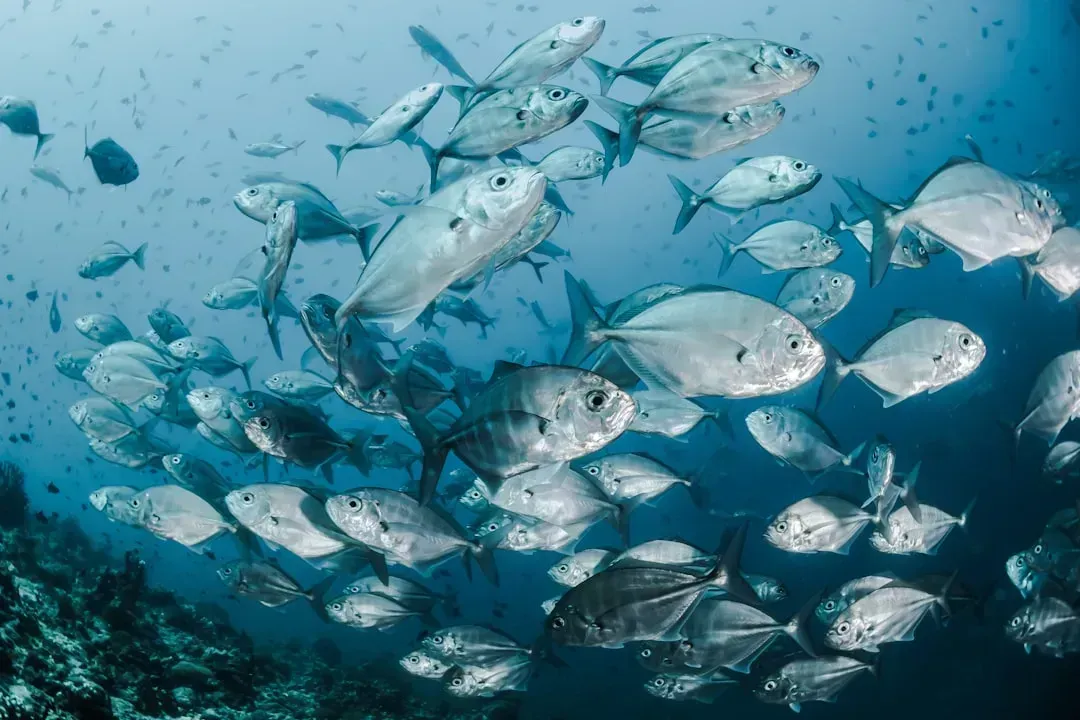
We’ve been told for decades that the oceans are vast and resilient. That narrative is increasingly hard to defend. The level of overfishing has been increasing in recent decades, and the number of overfished stocks is now three times higher than in 1970.
The United Nations Food and Agriculture Organization monitors over 2,000 fish stocks around the globe. Its 2025 report estimates that 35.5% are fished at unsustainable levels. But the real picture may be even darker than that. The state of fish stocks in the world’s oceans is worse than previously thought. While overfishing has long been blamed on fisheries policies that set catch limits higher than scientific recommendations, a new study reveals that even these scientific recommendations were often too optimistic.
Moreover, the number of collapsed stocks – those with less than ten percent of their original biomass – within the overfished category is likely to be 85% higher than previously estimated. More than 3 billion people are dependent on the ocean for protein, with fish representing at least one-fifth of their daily animal protein intake. That’s a supply chain teetering on the edge.
5. Fossil Fuels: The Clock Is Still Ticking
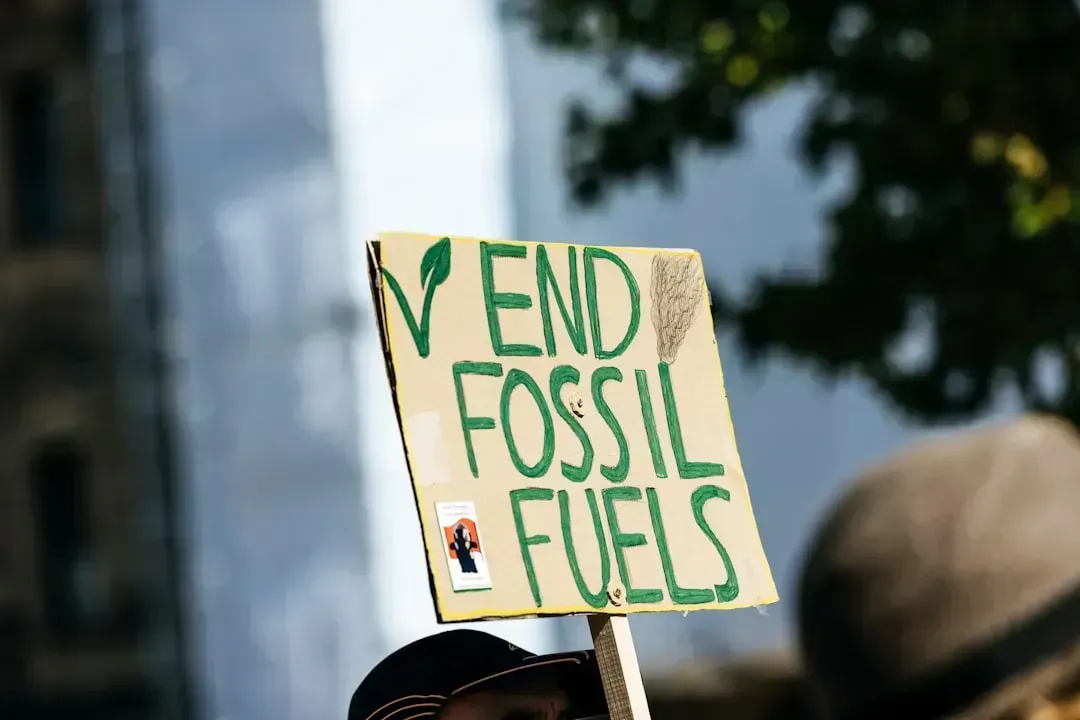
Yes, renewable energy is growing. No, that doesn’t mean we’ve solved the fossil fuel depletion problem. The depletion of fossil fuels is alarmingly fast, with current oil reserves only lasting for around 50 years at the present consumption rate. As demand continues to rise, countries could face severe energy shortages, leading to skyrocketing prices and economic instability.
Global natural resource consumption is predicted to increase by 60% by 2060 compared with 2020 levels, according to the United Nations Environment Programme’s Global Resources Outlook. Fossil fuels remain deeply embedded in that calculation – powering manufacturing, transport, agriculture, and more.
Extraction of the Earth’s natural resources tripled in the past five decades, related to the massive build-up of infrastructure in many parts of the world and the high levels of material consumption, especially in upper-middle and high-income countries. The energy transition is real, but it’s happening far too slowly to offset what’s already been burned through.
6. Groundwater Aquifers: Pumping the Planet Dry
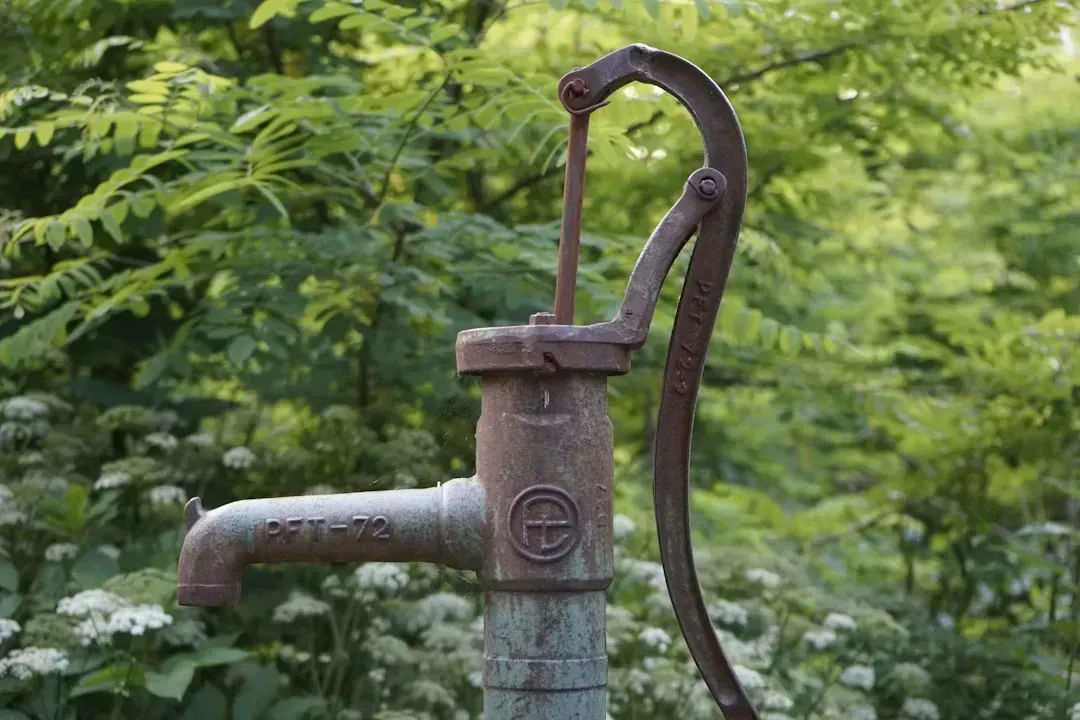
Groundwater is the invisible lifeline for billions of people. It feeds crops, fills taps, and sustains cities. The problem is we’re draining it at a pace nature can’t come close to matching. More than 30% of the world’s largest groundwater systems are now in distress. The largest groundwater basins are being rapidly depleted, and in many places there is no accurate knowledge about how much water remains in these basins.
Groundwater depletion accounts for 68% of terrestrial water storage loss over non-glaciated continental regions. That’s not a secondary issue – groundwater is carrying the heaviest burden of all freshwater losses we’re seeing on the planet right now.
During times of drought, along with the modern expansion of irrigated agriculture, farms and cities must rely more heavily on groundwater, which can lead to a cycle of declining underground water supplies: freshwater supplies become depleted, rain and snow fail to replenish them, and more groundwater is pumped. It’s a vicious spiral, and many regions are already caught inside it with no easy exit.
7. Biodiversity: Losing Species Before We Name Them

It’s hard to grieve something you’ve never seen. Yet species are vanishing at a pace that should shock anyone paying attention. Today, human activity is the greatest driver of accelerating biodiversity loss. We are now losing biodiversity up to one thousand times faster than it was disappearing a century ago.
The world is in the midst of a triple planetary crisis of climate change, biodiversity loss, and pollution and waste. Biodiversity is not a luxury resource. Every species lost is a thread pulled from an ecosystem web that supports food, medicine, clean water, and clean air. Pull enough threads, and the whole web collapses.
The connection to resource depletion is direct and measurable. Deforestation destroys habitat. Overfishing strips marine ecosystems. Soil degradation kills soil biodiversity. Soil is one of the most important warehouses of planet-warming carbon, and according to a recent study in the journal Nature, it is home to nearly 60% of all species. Losing soil, in other words, means losing far more than just the ability to grow crops.
8. Natural Forests and Carbon Storage: The Climate Equation
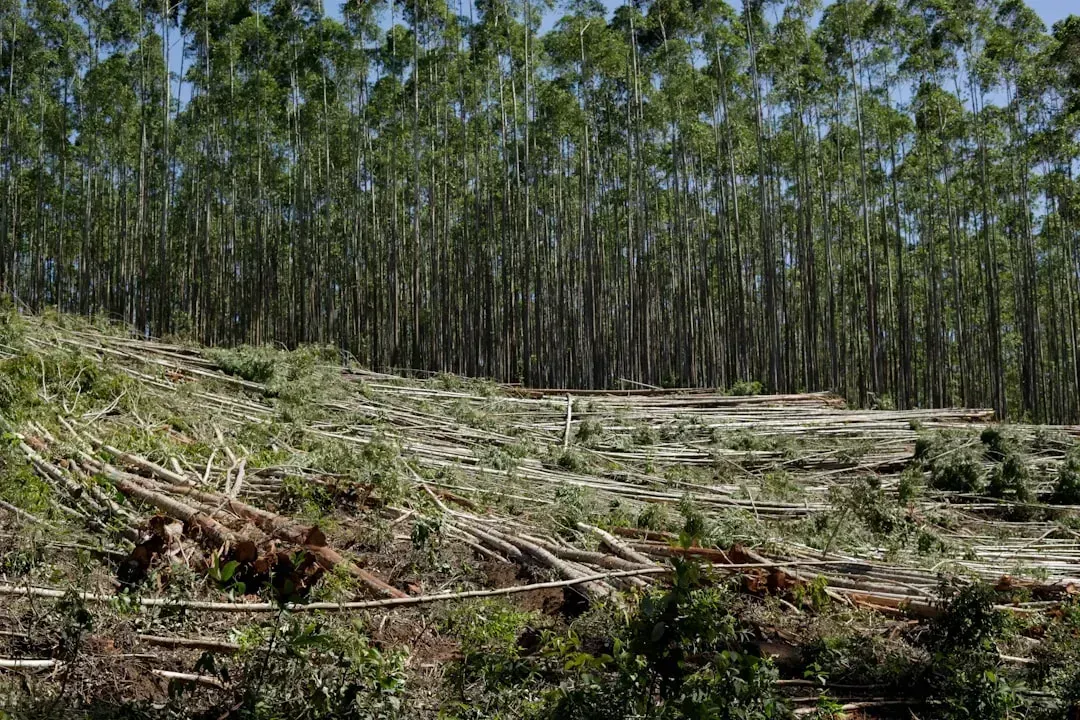
Forests don’t just provide timber and habitat. They’re among our most powerful tools against climate change. And we’re dismantling them. Data reveals that roughly a third of tree cover losses worldwide from 2001 to 2024 were likely the result of permanent land use change, meaning trees won’t grow back naturally.
The Amazon biome experienced the most forest loss since a record high in 2016, jumping 110% from 2023 to 2024, with 60% of it due to fires. Brazil, still the world’s largest holder of tropical primary forest, accounts for 42% of all primary rainforest loss across the tropics.
Leaders of over 140 countries signed the Glasgow Leaders Declaration in 2021, promising to halt and reverse forest loss by 2030. But we are alarmingly off track to meet this commitment: of the 20 countries with the largest area of primary forest, 17 have higher primary forest loss today than when they made that pledge. Promises are easy. Forests are not growing back.
9. Arable Land and Topsoil for Agriculture: Running Out of Room to Grow
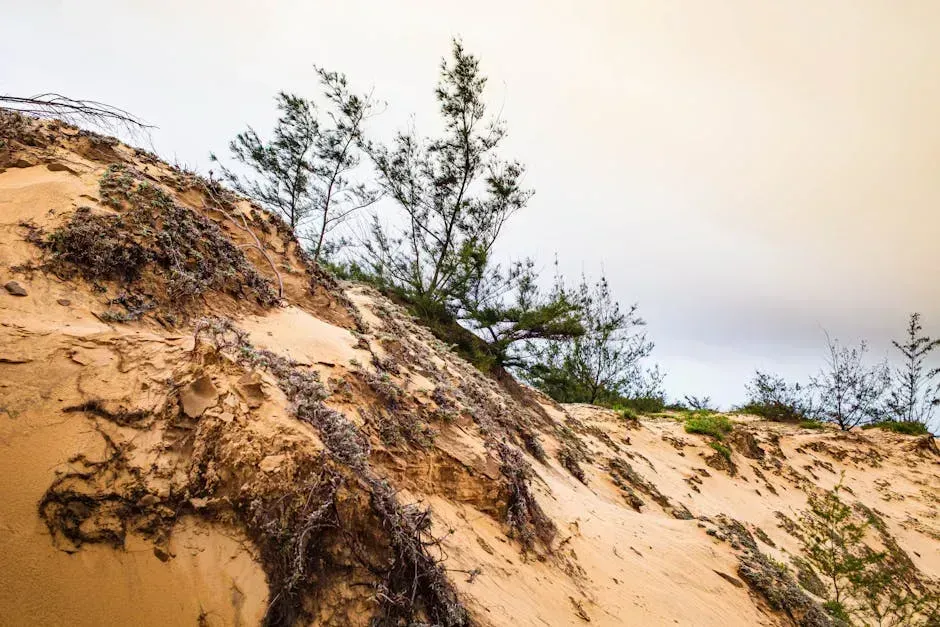
It’s not just the quality of land that’s under threat – it’s the quantity too. The United States currently sees around 4.7 metric tons of topsoil washed from every hectare of cropland per year on average. By 2050, that could increase anywhere from 8% to 21%, depending on the level of greenhouse gas emissions.
While industrial farming produces large volumes of food, it significantly harms soil health. The use of heavy machinery, tilling, monocropping, and excessive pesticide and fertilizer use degrades soil quality, pollutes water sources, and contributes to biodiversity loss. Industrial agriculture also accounts for about 22% of global greenhouse gas emissions.
Some experts suspect that Earth will run out of usable topsoil within 60 years if current trends continue. Generating just over an inch of topsoil takes 1,000 years. That gap between how fast we lose it and how slow it forms is perhaps the most sobering math in this entire conversation.
10. Overall Natural Resource Consumption: A System in Overshoot
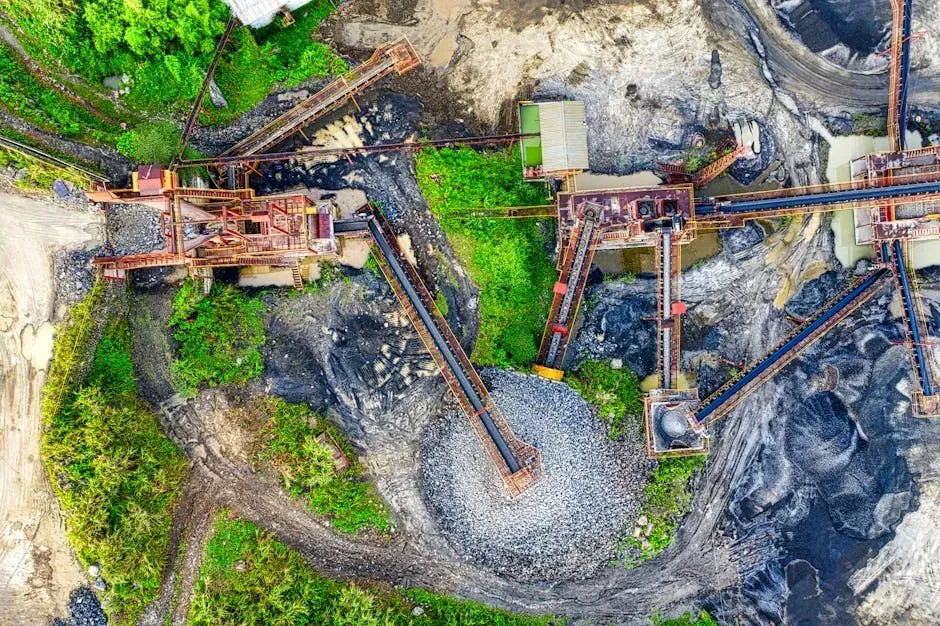
Zoom out far enough and a single, devastating picture emerges. In the last 50 years, resource use has tripled, just as the world’s population has grown from 3.6 billion people in 1970 to over 8 billion today. More people consuming more resources more rapidly – it’s a formula that can only go one direction without major intervention.
To satisfy global demand, each person now uses on average 13.2 tonnes of materials per year, up from an average of 8.4 tonnes per person fifty years ago. According to the United Nations Global Resources Outlook 2024, rising affluence explains 40% of the global increase of material extraction, while population growth contributed to 27%.
Global natural resource consumption is predicted to increase by 60% by 2060 compared with 2020 levels, according to the United Nations Environment Programme’s Global Resources Outlook. That’s after material use grew more than three times over the past 50 years. Despite rhetoric from Silicon Valley, green technology is unlikely to be the miracle solution to reduce the strain of our demand, as the report found technology only mitigated global material extraction by 5%. The math doesn’t lie – and it doesn’t wait.
Conclusion
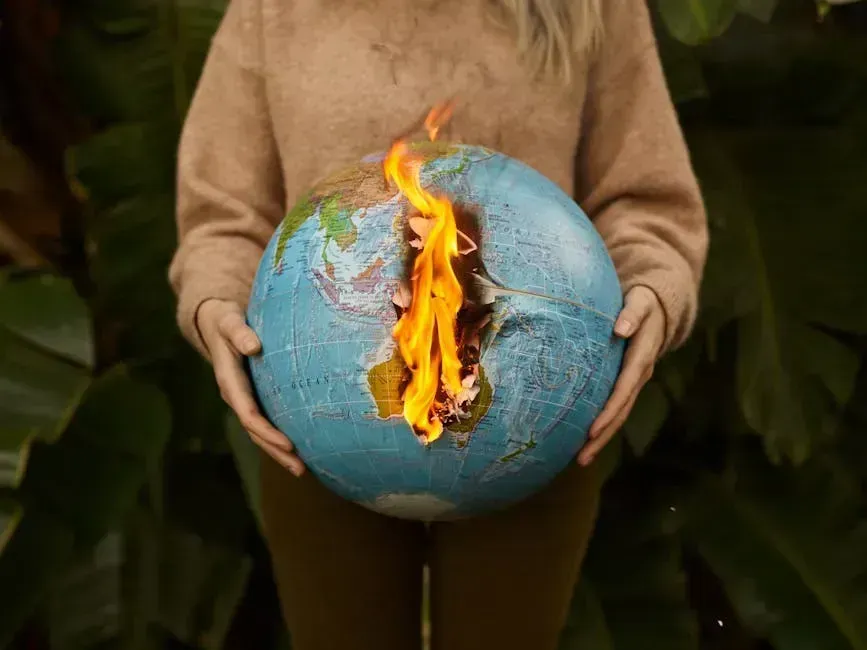
What ties all ten of these resources together is a single uncomfortable truth: we are spending what we haven’t earned. Fresh water, topsoil, fish, forests, fossil fuels – we’re drawing them down faster than any natural process can restore them.
The data here isn’t speculative. It comes from NASA satellites, the United Nations Environment Programme, the FAO, the World Resources Institute, and dozens of peer-reviewed studies published between 2024 and 2026. The evidence is consistent and it points in one direction.
The good news – and there is some – is that human behavior created this problem, which means human behavior can change it. Better land management, smarter fisheries policy, reduced consumption, and a genuine political will to protect what’s left could still bend these curves. The question isn’t whether we know what to do. It’s whether we’ll choose to do it in time. What do you think – have we already passed the point of no return, or is there still time to turn the tide? Tell us in the comments.
