
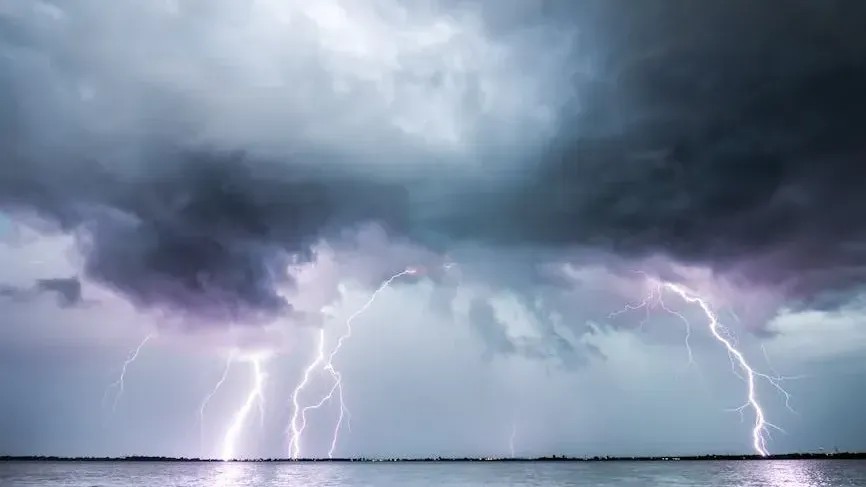

We live in an era of record-smashing temperatures, devastating floods, and wildfires that seem to burn without mercy. Naturally, people are searching for ways to fight back, and many are starting right in their own backyard. DIY weather “hacks” are everywhere online, from painting rooftops white to planting wind-blocking trees to misting your garden in a heatwave.
Here’s the thing, though. What sounds like a brilliant fix in a YouTube comment section doesn’t always hold up under scientific scrutiny. In fact, some of the most widely shared at-home weather hacks can make things measurably worse, sometimes for you, sometimes for your neighbors, and in rare cases, for the wider environment. Let’s dive in.
1. Painting Your Roof White to Reflect Heat – Without Checking Climate Zone First
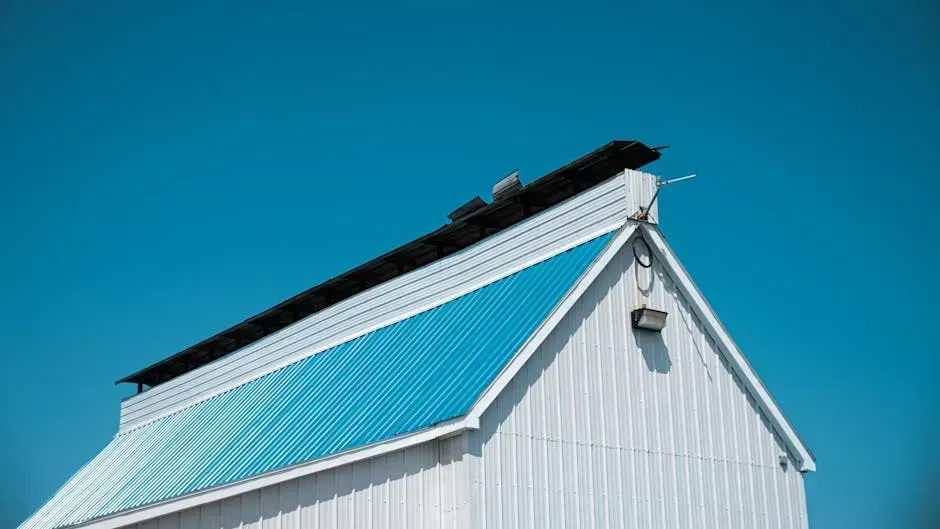
Honestly, this one seems like a no-brainer. One easy way your roof can help combat the heat island effect is to opt for lighter colors, since dark-colored roofs absorb more heat while lighter ones reflect it. And the data supports that logic, at least in hot climates. Switching from a dark roof to a white roof can reduce air conditioning load by as much as roughly a fifth, also reducing costs and stress on the electricity grid.
The problem? Location matters enormously. Cool roofs may reduce some desired heat gain during cold weather, a trade-off that can work against homeowners in colder climates. If you live somewhere that gets genuinely cold winters, a reflective roof can actually increase your heating costs significantly, erasing the summer savings and then some.
Research confirms that cool roofs are the most effective rooftop measure for mitigating urban heat, but the cooling effectiveness is influenced by inherent characteristics like reflectivity and coverage, as well as geographical and climatic features including latitude, humidity levels, and temperature extremes, and urban morphology like building density. Applying a blanket solution without considering your specific geography is where this hack starts to backfire hard.
2. Running Outdoor Misting Systems to Cool Your Property
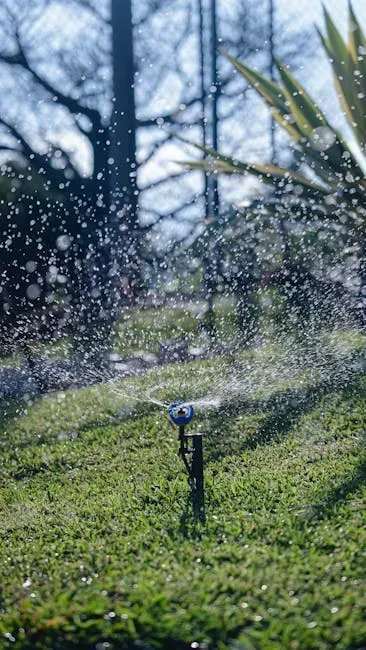
Misting systems are wildly popular right now, especially across the American Southwest where Arizona experienced more than 140 days over 100°F in 2024 and Nevada approached 115 such days. People install garden misters thinking they are cooling the surrounding air down. In reality, they are often just adding humidity to an already stifling atmosphere.
In dry climates, misting can deliver a short-term temperature drop. Yet in humid regions, adding water vapor to the air raises the “feels like” temperature, not lowers it. In 2024, the total amount of water vapor in the atmosphere reached a record high, around 5 per cent higher than the average from 1991 to 2020. Pumping more moisture into already saturated air compounds that exact problem at the micro level.
High global temperatures coupled with record global atmospheric water vapor levels in 2024 meant unprecedented heatwaves and heavy rainfall events, causing misery for millions of people. Adding more localized moisture to a system already overwhelmed by water vapor is, to put it bluntly, pouring fuel on a slow fire you can’t see.
3. Dark Surface Materials in Gardens Absorbing “Good” Warmth
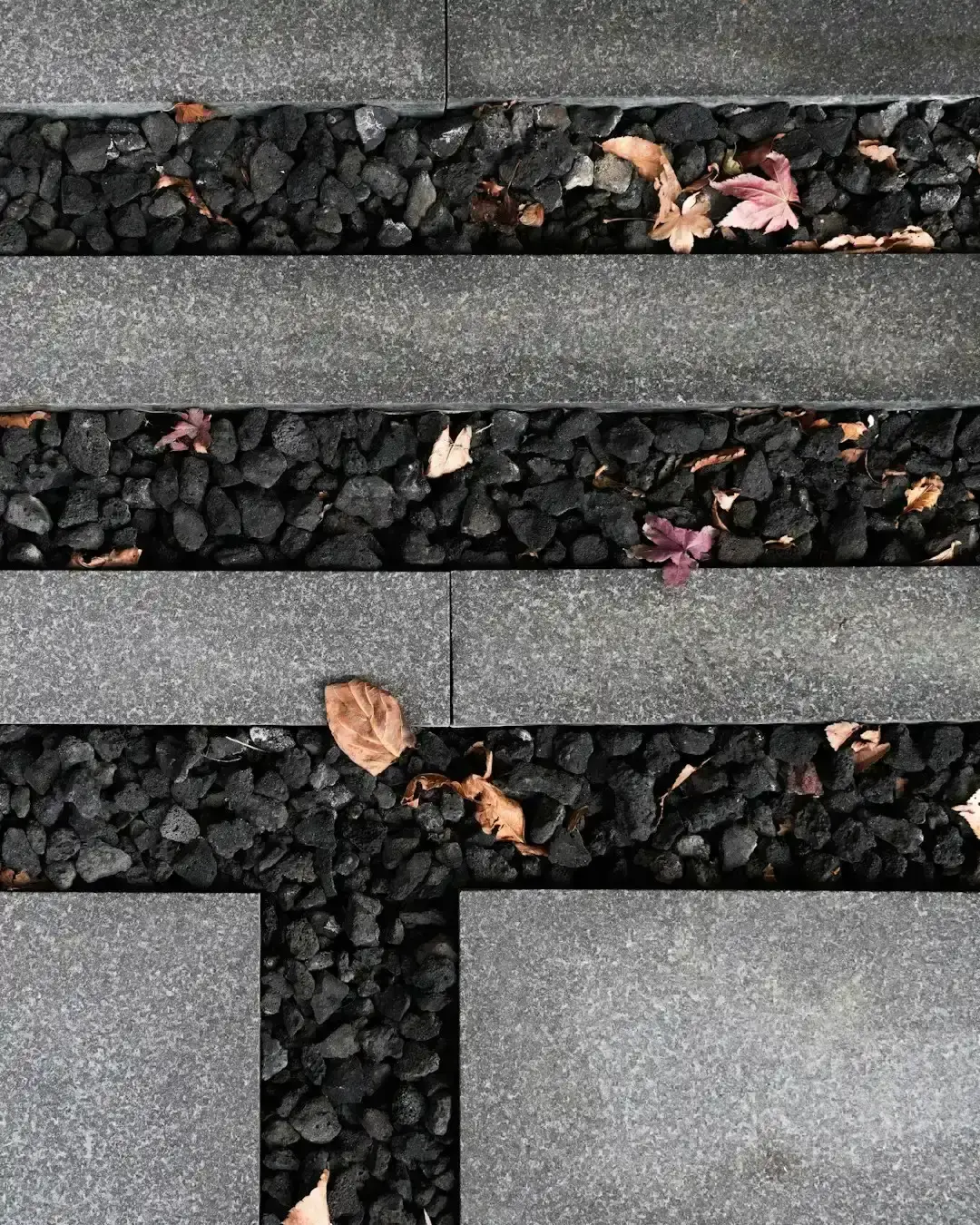
Some gardeners deliberately choose dark mulch, dark stones, and dark pavers to warm their soil faster in spring and extend the growing season. Sounds clever. The reality is far more complicated. Dark asphalt, concrete, and traditional materials can absorb between roughly four-fifths and nearly all of incoming solar radiation rather than reflecting it, with those surfaces reaching temperatures between 50 and 90 degrees Fahrenheit hotter than the surrounding ambient air during mid-day.
That superheated surface doesn’t just stay put. While heat absorbed by dark surfaces isn’t effectively reflected outward, it gets radiated back into the surrounding environment, keeping higher temperatures trapped for hours past sunset, and when it is released at night, it does so slowly, preventing areas from cooling down completely before the sun rises again.
Urban heat islands also impair water quality, as hot pavement and rooftop surfaces transfer excess heat to stormwater, which raises water temperatures as it drains into streams, rivers, ponds, and lakes, ultimately leading to a decrease in biodiversity in the water. That “helpful” dark garden border is not just warming your tomatoes. It is warming your local stream ecosystem too.
4. Planting Non-Native Trees as Windbreaks or “Rain Generators”
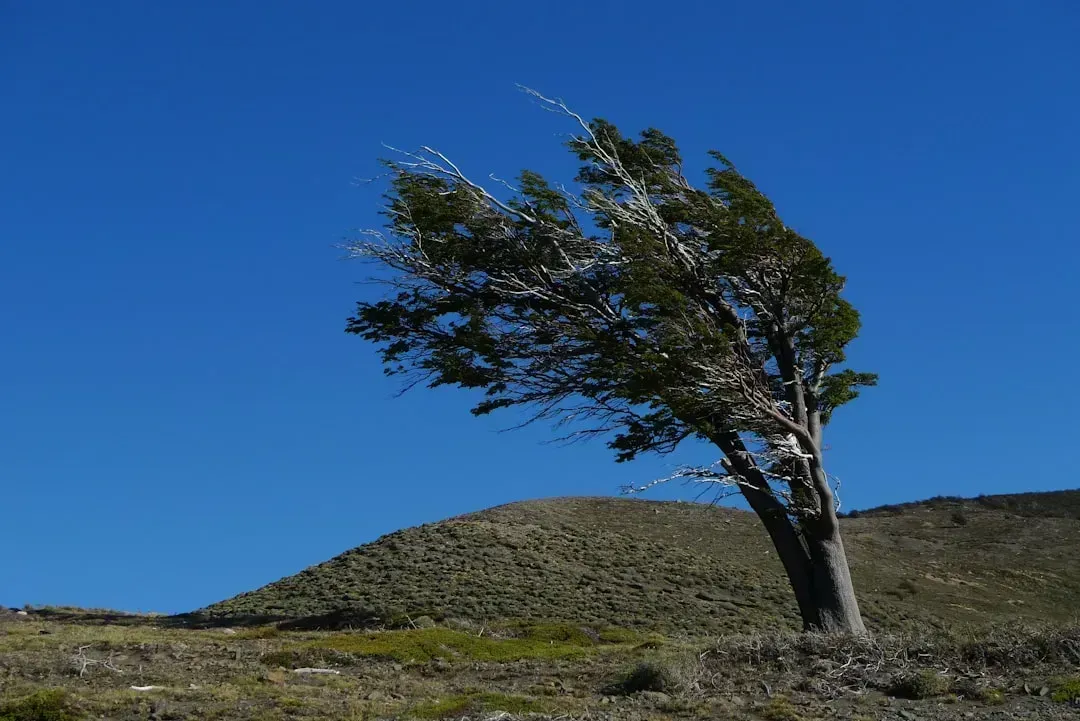
Plants and forests draw water out of the soil and exhale it into the atmosphere, affecting the balance of water and heat at our planet’s surface, which fundamentally controls the weather. This is science, not folklore. Planting trees for shade and cooling is a legitimate and well-supported strategy. The backfire happens when people plant the wrong species entirely.
Trees planted today will face a climate that is changing faster than at any point in history. Some trees may readily tolerate these changes while others may become stressed, unhealthy, and less able to survive after extreme events. Before planting, it is important to assess whether the tree planned for planting today can cope with the climate changes expected over its lifespan. Non-native species planted without this assessment often die within a few years, leaving bare ground that heats faster than before.
According to the Arbor Day Foundation, trees that are isolated in a landscape are at greater risk of falling due to storm winds. A single poorly placed, wrong-species windbreak tree can become a projectile in the next major storm. When it comes to planting for major weather events, native species are best, as they will have adapted to regional weather patterns and will be best-equipped to survive amid extreme weather conditions.
5. Watering the Garden Heavily During Heatwaves to “Cool the Air”
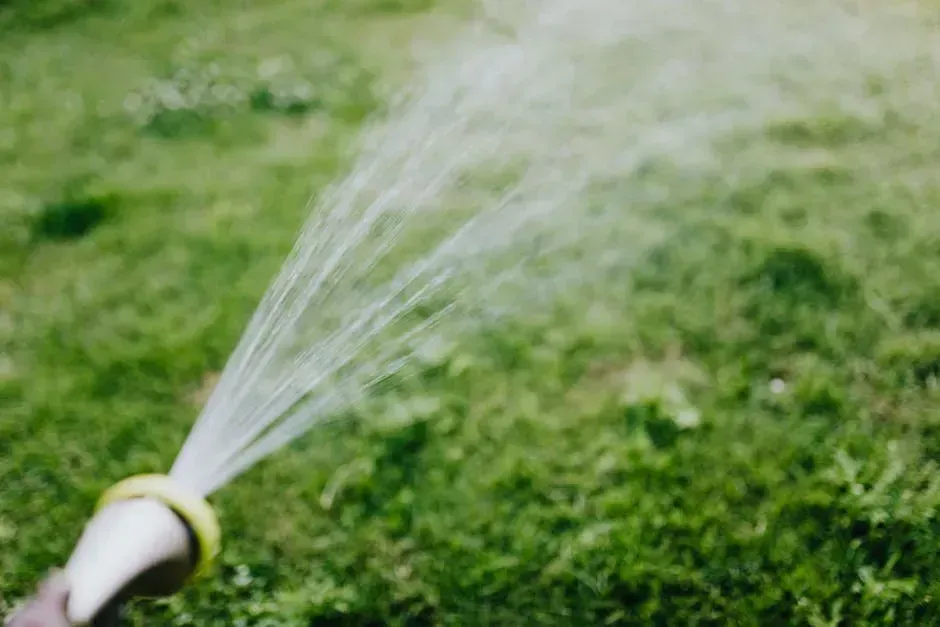
This one is almost universal. When a heatwave rolls in, people instinctively grab the garden hose and soak everything in sight. Natural surfaces such as grass, vegetation, and soil can reflect more sunlight and utilize absorbed energy for evaporation rather than heating, and vegetation also provides natural cooling through evapotranspiration, where plants release water vapor that keeps surrounding air cool. So on the surface, watering sounds right. Sort of.
However, excessive watering during extreme heat rarely cools the air in any meaningful way for your home. Worse, excessive or continued rainfall or overwatering can compact or erode soil, leaching nitrogen and other vital nutrients out of it. When the soil is saturated for extended periods, oxygen becomes depleted, causing the plant’s root system to degrade, meaning plants can no longer take in adequate moisture and nutrients. You end up killing the very vegetation that was doing the actual cooling work.
Think of it like stress-eating during a crisis. The impulse is understandable but the outcome is often worse than doing nothing. Climate change added 41 days of dangerous heat in 2024, harming human health and ecosystems, according to a major report. Over-watering during those extra weeks of blistering heat is one of the fastest ways to destroy your garden’s long-term cooling capacity.
6. Opening All Windows at Night to “Flush Out” Heat
This is one of those pieces of advice that sounds so logical it gets repeated constantly without examination. The idea is simple: open every window at night, let the cool air in, flush out the day’s heat. In rural or suburban settings with genuinely cool nights, it actually works well. In dense urban areas, however, it is a different story entirely.
In condensed cities, opening the windows for airflow and cooler air could introduce air pollution and odor into the home. Warmer temperatures and more frequent wildfires are leading to higher concentrations of ground-level ozone and particulate matter, both of which can exacerbate asthma, respiratory diseases, and heart conditions. That nighttime breeze you are counting on might be carrying a cargo of fine particles from a wildfire burning two states away.
Urban air temperatures can reach up to 7 degrees hotter than neighboring rural areas due to the heat island effect. In cities where that effect dominates, nighttime temperatures barely drop below dangerous thresholds. Opening all windows simply trades stale hot indoor air for polluted hot outdoor air, with negligible benefit and genuine respiratory risk. It’s a hack that was invented for a different climate era.
7. Relying on Social Media “Weather Hacks” During Extreme Events
This might be the most dangerous backfire of all. During major storms and hurricanes in 2024, climate disinformation spiked around extreme weather events, with Hurricane Helene provoking conspiracy theories about government weather manipulation and fake AI-generated content of the disaster going viral. When people believe fabricated weather “hacks” shared on social media, they often take actions that put them in direct danger.
Not only is there zero evidence that anyone attempted to alter the paths of major hurricanes, but it is implausible that someone could modify a hurricane. There is no scientific proof that any weather modification has been successful in hurricanes. Yet people convinced by social media posts delay evacuations, ignore official warnings, or waste time on pseudoscientific preparations instead of proven safety protocols.
Scientists have warned that even strong efforts to prepare for disasters cannot prevent all impacts, as climate change is already pushing millions close to the limits of adaptation. Weather monitoring teams warn that recent temperature increases are a dangerous sign of worsening storms, heat, floods and fires, with the last 11 years being the hottest 11 years on record. In a climate this volatile, trusting a social media post over verified emergency guidance is not a quirky hack. It is a genuine gamble with your life.
Conclusion: Good Intentions Don’t Guarantee Good Outcomes
The instinct to do something, anything, when extreme weather closes in is deeply human. Nobody wants to feel helpless. Yet the gap between wanting to help and actually helping is exactly where these hacks do their damage. Some of them work under very specific conditions. Others fail spectacularly in any condition.
Researchers say that drastically reducing fossil fuel emissions remains the key policy to prevent the worst climate impacts. That is not a satisfying answer for someone sweltering in July, but it is the honest one. Local, small-scale actions absolutely matter but they need to be grounded in verified science, not viral tips. The consequences of human-driven alterations of the climate are no longer future threats but are here now, stemming from failed foresight, political inaction, unsustainable economic systems, and misinformation.
The next time you see a five-second climate hack shared with a million likes, pause before you reach for the spray bottle or the sulfur match. The best at-home weather strategy is still the boring one: reduce energy use, support systemic change, and follow verified guidance when extreme weather hits. What would you have tried before reading this?
