
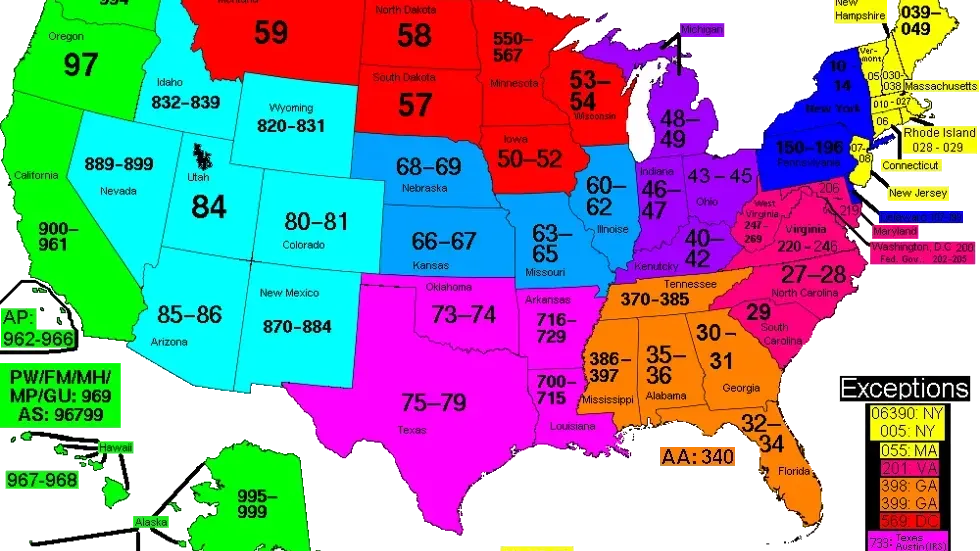

In a market where nearly everyone seems to be bracing for higher premiums, a small but meaningful group of ZIP codes is quietly telling a different story. While S&P Global reported a 10.4% increased in home insurance nationwide in 2024, certain pockets of the country have managed to hold firm or even push rates downward. It sounds almost too good to be true in an era of escalating climate losses, soaring construction costs, and carrier withdrawals from entire states. Yet the data confirms it. The so-called “invincible” ZIP codes exist, and understanding what makes them tick could save homeowners thousands of dollars a year.
1. Winooski, Vermont (ZIP Code 05404) – The Nation’s Single Cheapest ZIP
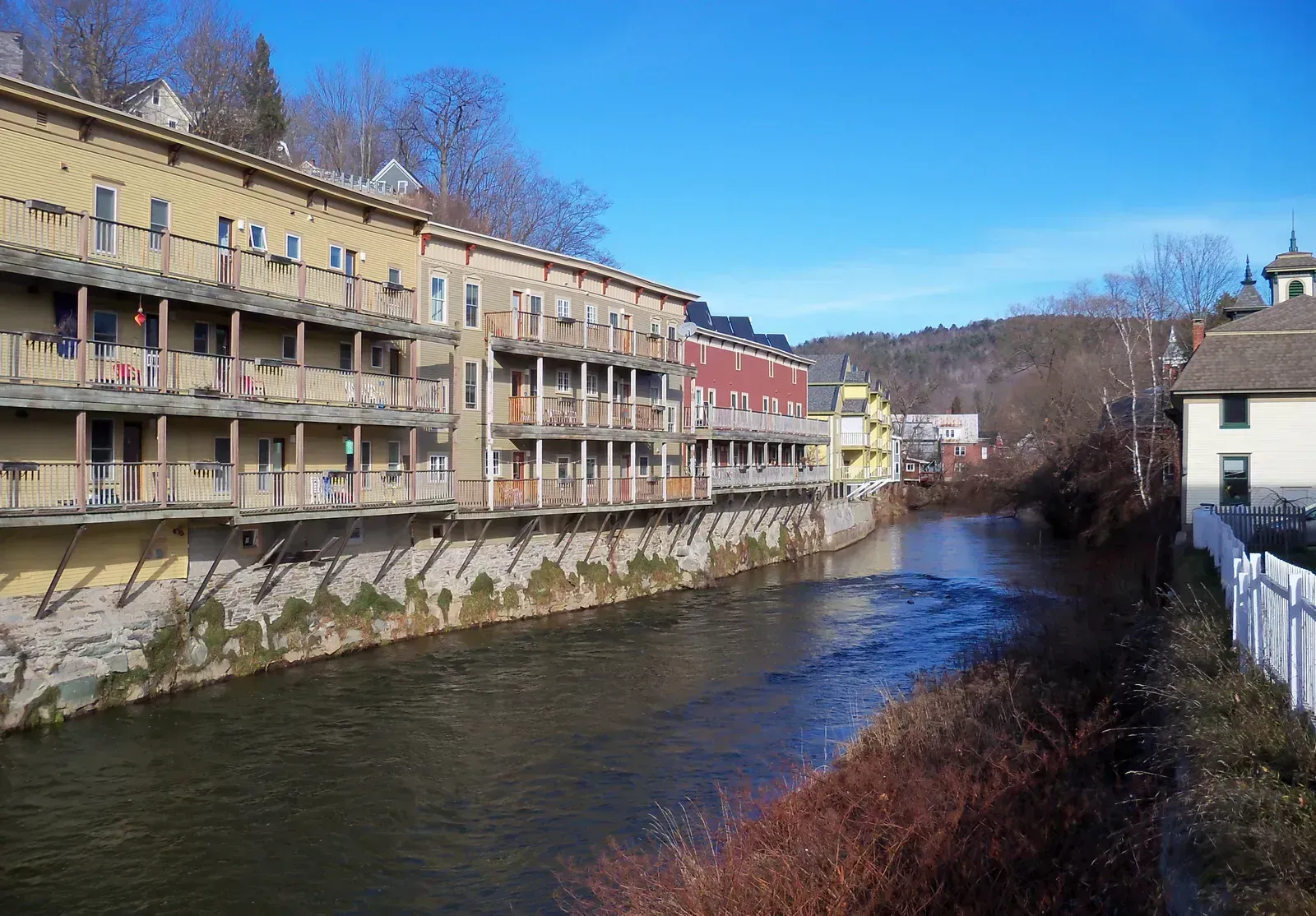
Winooski, Vermont, carrying ZIP code 05404, is the most affordable place in the entire country for home insurance, where homeowners pay just $963 per year on average. That number stands in dramatic contrast to the national average yearly cost of homeowners insurance of $2,543 for dwelling and liability coverage of $300,000. Vermont as a whole earns its reputation for low rates. Vermont tends to have lower premiums overall, thanks to fewer natural disasters and a lower rate of insurance claims.
Hawaii is the least expensive state for homeowners insurance, with an average rate of $659, followed by Vermont at $1,063 and New Hampshire at $1,300. Hawaii’s cheap rates are largely due to the fact that hurricane damage is not covered by a standard policy, while in Vermont and New Hampshire, the risks of a natural disaster are low, as are litigation rates. So while Hawaii technically wins on a statewide average, its policies come with a critical gap in coverage. Vermont’s ZIP codes, including Winooski, offer genuinely comprehensive coverage at bargain prices. Vermont doesn’t face many significant weather risks and has a low population density, which translates to lower rates.
2. Tallahassee Area, Florida (ZIP Code 32306) – An Outlier in the Sunshine State
Florida is, without question, the most expensive state in the country for home insurance. For a homeowner’s insurance policy with $300,000 in dwelling coverage, Florida has the highest rate at $7,136 based on a 2025 analysis by Insurance.com. Yet tucked inside that expensive landscape is a notable outlier. According to data, the 32306 ZIP code has the lowest home insurance rates in Florida, at $2,895 annually. That’s less than half the state average, making it one of the most striking ZIP code anomalies in the country.
The 32306 ZIP covers the area around Florida State University in Tallahassee, well inland from the coastal storm surge zones that punish South Florida homeowners. The broader statewide trend is actually turning a corner too. As of late November 2025, Florida’s Office of Insurance Regulation had received 73 filings for rate decreases and 94 filings for 0% rate increases. Even Florida’s insurer of last resort, Citizens Property Insurance Corporation, plans to lower rates for the first time since 2015. In a state synonymous with insurance pain, Tallahassee’s ZIP code is quietly demonstrating that geography within Florida matters enormously.
3. Interior Alaska ZIP Codes – Structurally Low and Holding Steady

Alaska sits comfortably among the nation’s most affordable states for home insurance, and its interior ZIP codes benefit from a structural advantage that most Americans don’t consider: the near-absence of catastrophic natural disaster exposure. Alaska residents pay an average of $372 less per year for homeowners insurance than homeowners as a whole in the U.S., which may be due in part to the state’s low incidence of natural disasters. Although rebuilding costs can be high in remote locations, Alaska has little risk of major natural disasters that would affect home insurance rates.
More strikingly, Alaska actually saw rates move in the right direction recently. In most states, there were steady increases in premiums. However, there are some exceptions. In a few states, such as Alaska and Vermont, rates actually decreased. Alaska averages just $1,385 a year, or about $115 a month, on average. For homeowners in cities like Fairbanks and the Matanuska-Susitna Valley, this translates to genuine and measurable savings against a national backdrop of relentless rate hikes. The combination of low catastrophe risk, modest population density, and a limited litigation environment keeps Alaskan ZIP codes firmly in “invincible” territory.
4. Central Florida Reform Zone – Seminole and Osceola Counties Feeling the Relief

While coastal Florida suffers, the legislative reforms of 2023 and 2024 produced tangible rate relief in inland Central Florida ZIP codes. Major carriers have filed significant reductions specifically targeting these areas. State Farm filed for a 10% rate reduction statewide, Florida Peninsula Insurance proposes an average reduction of 8.4%, and state regulators approved Heritage Property and Casualty Insurance Company, lowering policyholders’ premiums by 9.6% for Seminole County residents and by 7% for Osceola County policyholders. These are real, approved numbers now hitting homeowner renewal notices.
The market mechanics behind these cuts are straightforward. Florida’s state-backed insurer of last resort, Citizens Property Insurance Corp., has shed more than 1 million policies over the past two years due to depopulation to the vastly improved private market, and Florida’s home insurance industry was forecast to post its second consecutive underwriting profit in 2025, after nearly a decade of significant annual underwriting losses. A spokesperson for the Office of Insurance Regulation noted: “Now, with a quiet hurricane season, continued decreases in reinsurance costs, and an overall increased underwriting appetite among carriers, market momentum is very much in consumers’ favor.” Central Florida homeowners sitting in lower-risk ZIP codes are the direct beneficiaries of this shift.
5. Mountain Interior ZIP Codes in North Carolina – Where Rates Stay Measurably Lower

North Carolina is a state of wildly uneven insurance costs, and understanding which ZIP codes sit at the favorable end of that spectrum is critical. While coastal beach territories are absorbing some of the steepest increases in the entire Southeast, the mountain interior tells a different story. Beach territories from Carteret to Brunswick saw a 16% increase in 2025 and 15.9% in 2026, driven by repeated hurricane losses and soaring coastal reinsurance costs. Mountain counties such as Buncombe and Yancey absorb just 4.4% and 4.5% thanks to lower catastrophe exposure.
The cheapest individual communities in North Carolina reflect this inland premium. Mars Hill residents pay $2,211 annually for homeowners insurance – the lowest premium in North Carolina – while similar policies cost homeowners in Holly Ridge the most, at $7,779 annually. Mars Hill sits in Madison County in the western mountains, squarely in the low-exposure zone that regulators treat very differently from the coast. Among major cities, Concord is the cheapest for home insurance at $2,092 a year. In a state where the Rate Bureau originally requested average increases of over 42%, the commissioner negotiated limiting that increase to 7.5%, and mountain ZIP codes absorbed an even smaller share of that burden.
