
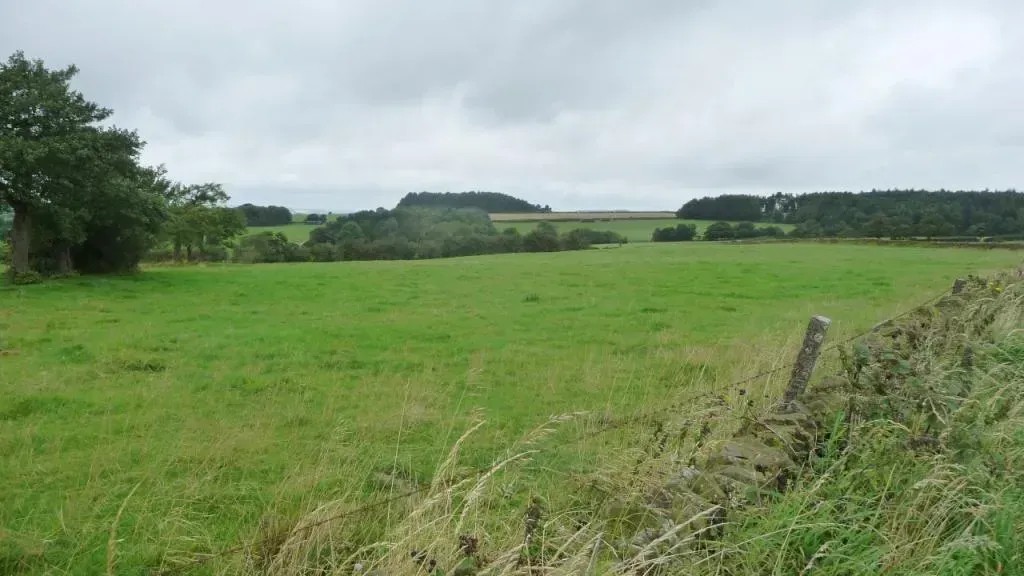

Something unusual is happening in the agriculture world. Conversations that once centered on the American Midwest, the Corn Belt, and the Southern Plains are quietly shifting northward – to a frontier that most farmers never considered seriously just a decade ago. Canada’s Far North, long associated with boreal forest, permafrost, and short summers, is entering the vocabulary of agricultural possibility. The forces pushing this shift are real, measurable, and accelerating fast.
The Crisis Driving Farmers to Look Elsewhere
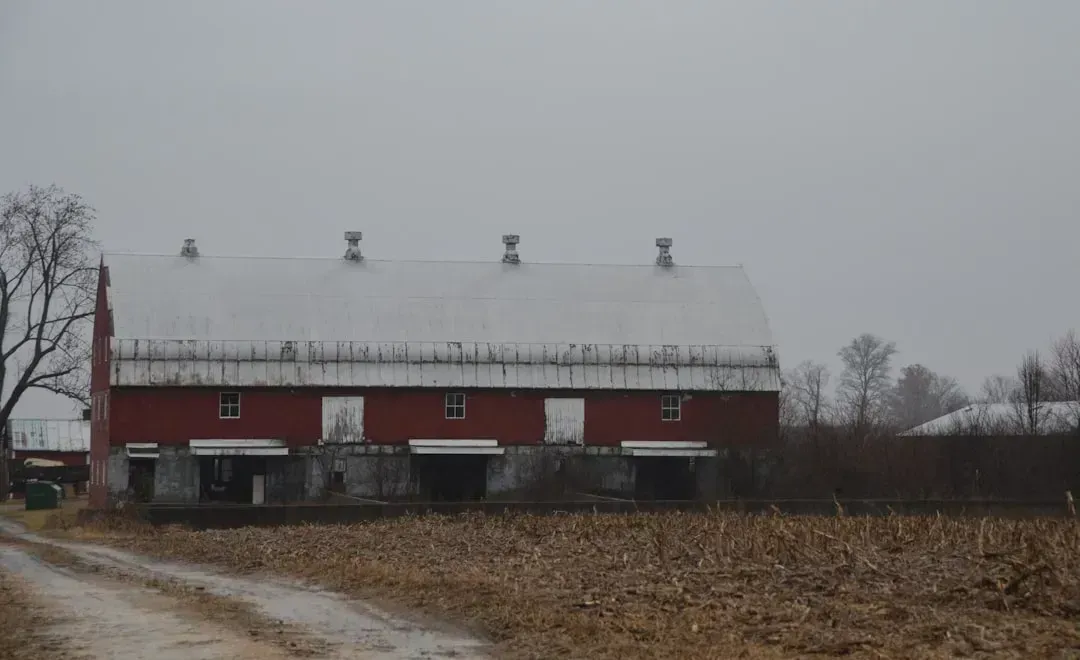
Chapter 12 farm bankruptcies in the United States increased for the second consecutive year, reaching 315 filings in 2025 – a 46 percent jump from 2024. That is not a minor fluctuation. It reflects a systemic breakdown in farm economics that has been building for years. The U.S. has completely lost more than 140,000 farms between 2017 and 2022, with an additional 20,000 disappearing in the two years that followed.
Corn that once topped seven dollars per bushel is now closer to four, a decline of more than half. Soybeans have slipped below ten dollars per bushel after running at fifteen just three years ago. Wheat prices have decreased by roughly half despite ongoing weather concerns. USDA estimates that total farm debt will rise more than five percent to a record $624.7 billion in 2026, driven especially by the need for additional credit lines simply to cover input costs rather than business investment. For many U.S. farm families, the calculation is becoming stark: stay and bleed, or look somewhere new.
Climate Change Is Redrawing the Agricultural Map
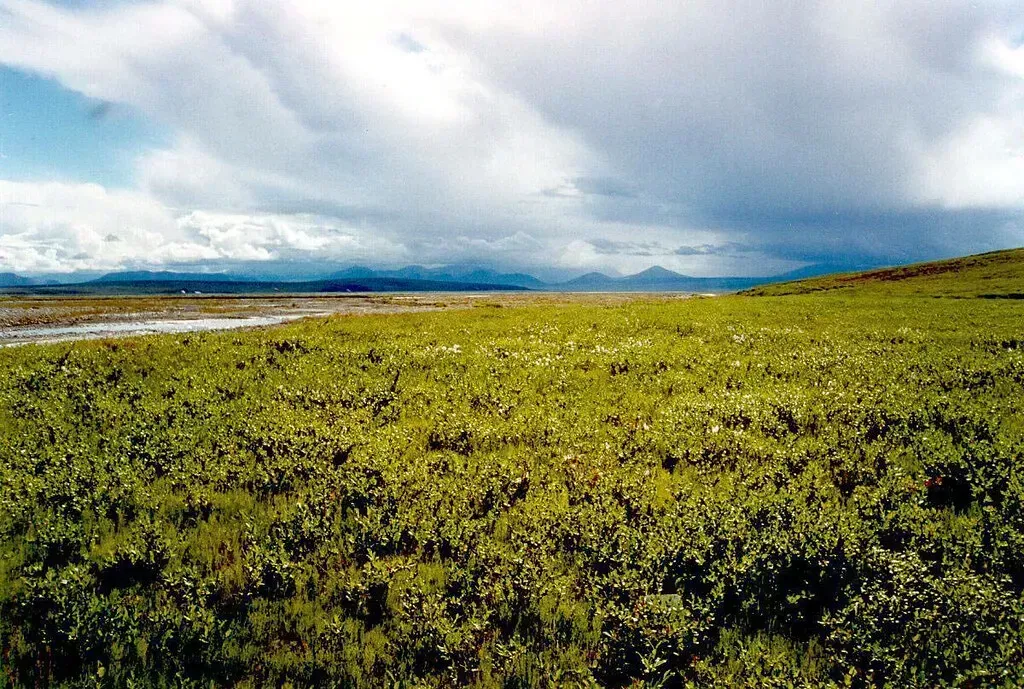
Climate change will create warmer temperatures, greater precipitation, and longer growing seasons in northern latitudes, making agriculture increasingly possible in boreal regions. This is not speculation – it is being modeled, measured, and in some places, already observed. According to Krishna Bahadur KC, adjunct professor and research scientist at the University of Guelph, roughly 30 to 40 percent of the land globally projected to become climatically viable for farming by 2080 falls in Canada’s North, a region he describes as a potential “bread basket for the future.”
Canada currently has 62.2 million hectares of agricultural land. Research projects that Canadian agricultural lands could increase by an extra 7.2 to 13.5 percent of the country’s total land area, expanding total farmland to somewhere between 133.9 and 197.3 million hectares. For northern areas of central Canada specifically, the changes include an increase in frost-free days, a longer growing season, and the opportunity for warmer-weather crops including corn and soybeans, alongside a potential northward expansion of agricultural production where soils permit. That combination is powerful.
The Growing Season Is Already Getting Longer
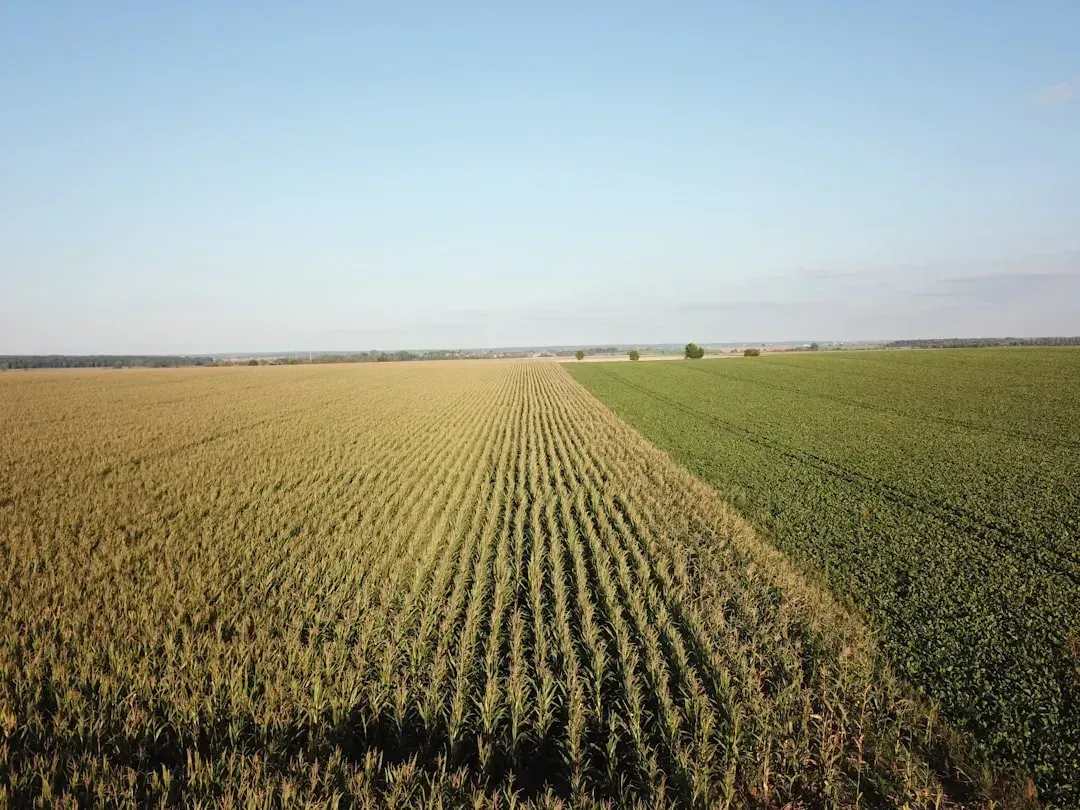
In Northern Ontario’s Kapuskasing area, for example, the acreage of silage corn has increased by 51 percent since 2011, in response to a 26 percent increase in crop heat units. This is a tangible, on-the-ground data point showing that northern expansion is not theoretical – it is already underway. In Ontario, the push for agricultural expansion made possible by climate change is happening from Kenora and Thunder Bay in the northwest to the Great Clay Belt region around Timmins, Cochrane, and Nipissing in the northeast. The Clay Belt itself covers some 180,000 square kilometres, stretching a thousand kilometres from Hearst, Ontario to Senneterre, Quebec.
In the southern parts of the Northwest Territories, there is already a reasonably good growing season. It is not possible to grow everything, but a fairly diverse range of food can be produced – aided by up to 24 hours of sunlight in some locations. Under the exceptionally rapid warming of northern regions, temperate crops and cold-adapted varieties from temperate or tropical climates, such as maize, are projected to shift further north. The crop map is being redrawn whether anyone planned for it or not.
Canadian Farmland Values Keep Climbing
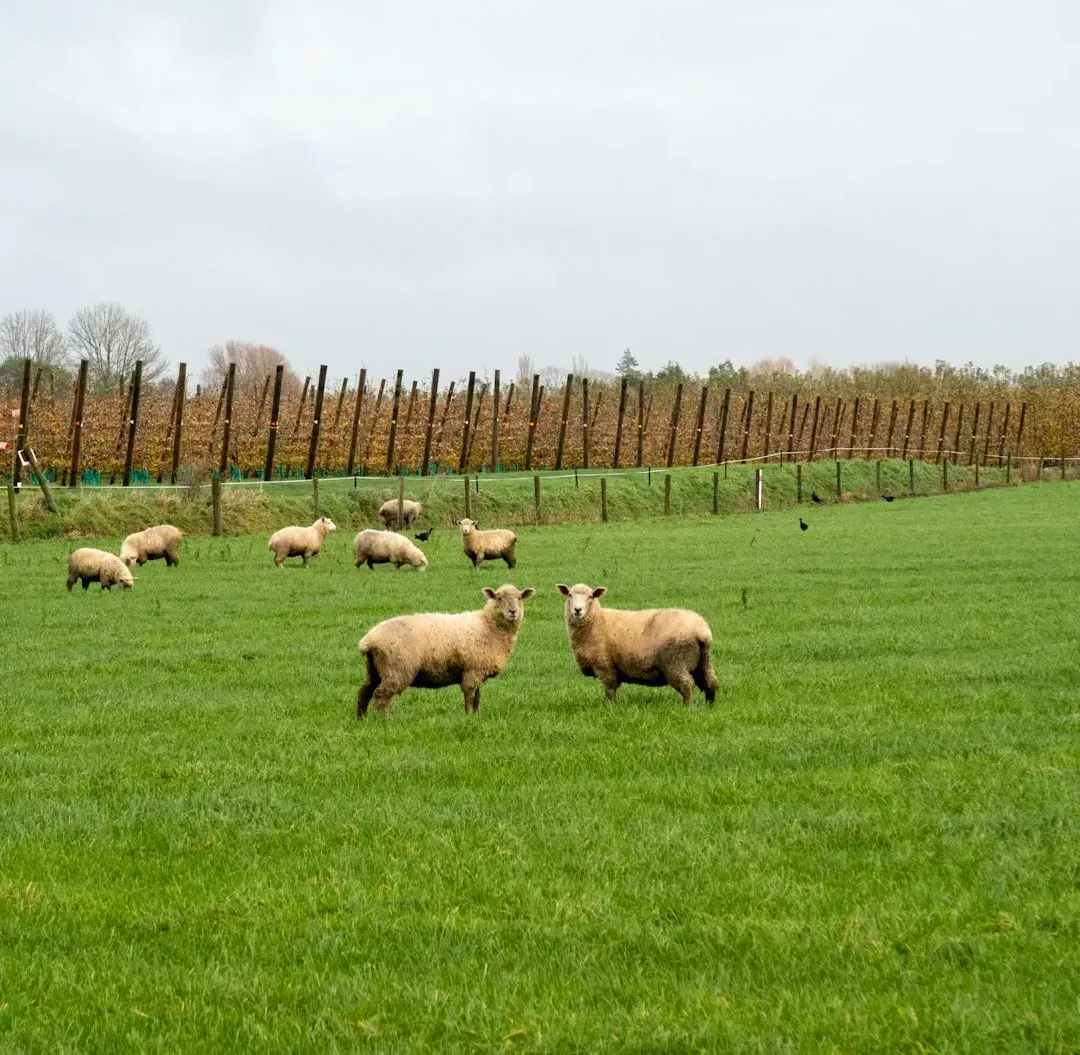
The average value of Canadian farmland continued its steady climb in 2024, increasing by 9.3 percent – slightly less than the 11.5 percent increase reported in 2023, according to the FCC Farmland Values Report. Saskatchewan led all provinces in 2024 with a 13.1 percent gain in average farmland values, while British Columbia recorded growth of 11.3 percent. This is notable because Canadian land is still significantly cheaper per acre than comparable prime U.S. agricultural land, making it an attractive proposition for anyone with capital and adaptability.
Over the 12 months from July 2024 to June 2025, Canadian farmland values rose 10.4 percent – a slight increase compared to the previous 12-month period. FCC’s chief economist noted that demand for farmland remained strong in the first half of 2025 despite lower commodity prices, with buyers continuing to invest driven by long-term confidence in the agriculture sector and limited supply of available land. For U.S. operators scouting stable land investments in a turbulent market, that kind of consistent appreciation does not go unnoticed.
Canada’s Crop Output Is Reaching Historic Levels
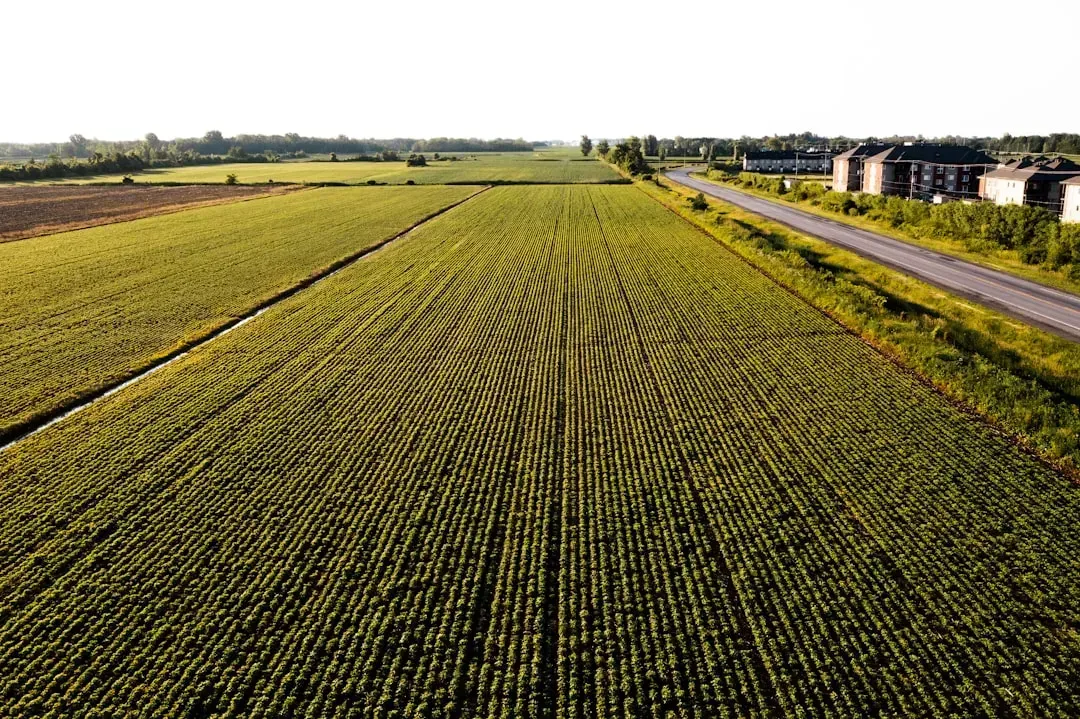
Production of all principal field crops in Canada for 2025–2026 is estimated at 107 million tonnes, an increase of more than ten percent from 2024 and over sixteen percent above the five-year average, marking the largest crop on record and surpassing the previous high set in 2020. Western Canada is projected to lead this growth, with production rising sixteen percent year-over-year to 85.3 million tonnes – some 23 percent above the five-year average. These are not the numbers of a marginal farming nation. Canada is producing at a scale that commands global attention.
Canada’s agricultural exports were valued at over $99 billion in 2023, projected to grow by 3.5 percent annually, driven by global demand for grain and oilseeds. According to a study published in the journal PLOS One, Canada and Russia could be home to the majority of the world’s new farming frontiers, with Canada potentially gaining 4.2 million square kilometres of additional agricultural land. That is a staggering number, and it shapes how serious investors and experienced farmers are starting to view the Canadian North as a long-term agricultural destination.
Real Opportunities, Real Constraints
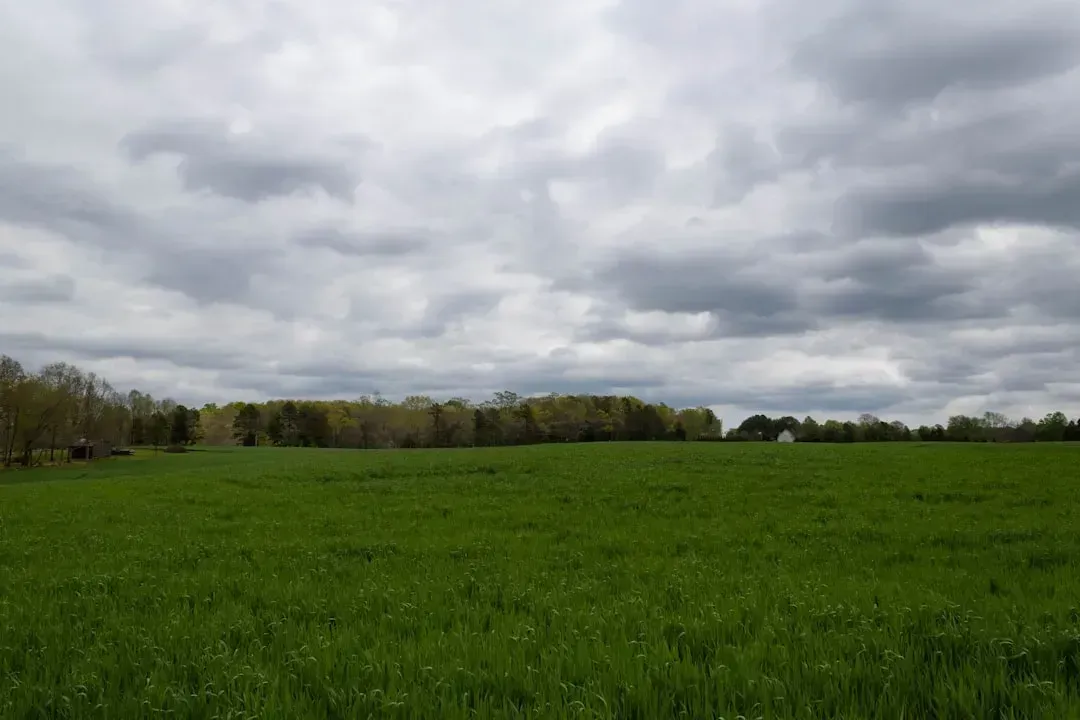
As farming expands northward, different soil types become a central challenge. The Canadian Shield and rockier areas simply do not provide the same fertile ground as southern Ontario’s farmbelt. Pushing agriculture into Northern Canada also means contending with boreal forests and peatlands that store enormous amounts of carbon – a fact that any responsible expansion must reckon with. The opportunity is real, but it is not unlimited or without consequence.
These findings are consistent with more general literature where Canada is often considered a “net winner” due to climate change, particularly in terms of farmland values and agricultural suitability. Yet researchers and Indigenous communities alike have raised important concerns. The prospect of widespread cultivation across much of today’s boreal forest raises questions about whether Indigenous land claims and rights of self-determination will be adequately acknowledged and respected by governments and the private sector. Any serious agricultural move northward must navigate that reality carefully and respectfully. The frontier is opening – but who benefits, and on whose terms, remains very much an open question.
