

There’s a conversation happening in American real estate that doesn’t involve kitchen renovations, school districts, or subway access. It’s about water. Specifically, it’s about which towns have figured out that a reliable, modern, and well-funded water grid is one of the most powerful drivers of property value that most buyers don’t even think to check.
Across the country, towns that have invested heavily in their water and wastewater systems are quietly watching their real estate markets heat up. Buyers are chasing clean water certainty the same way they once chased good freeway access. Let’s dive in.
1. Buckeye, Arizona: Desert Ambition Meets Water Reality
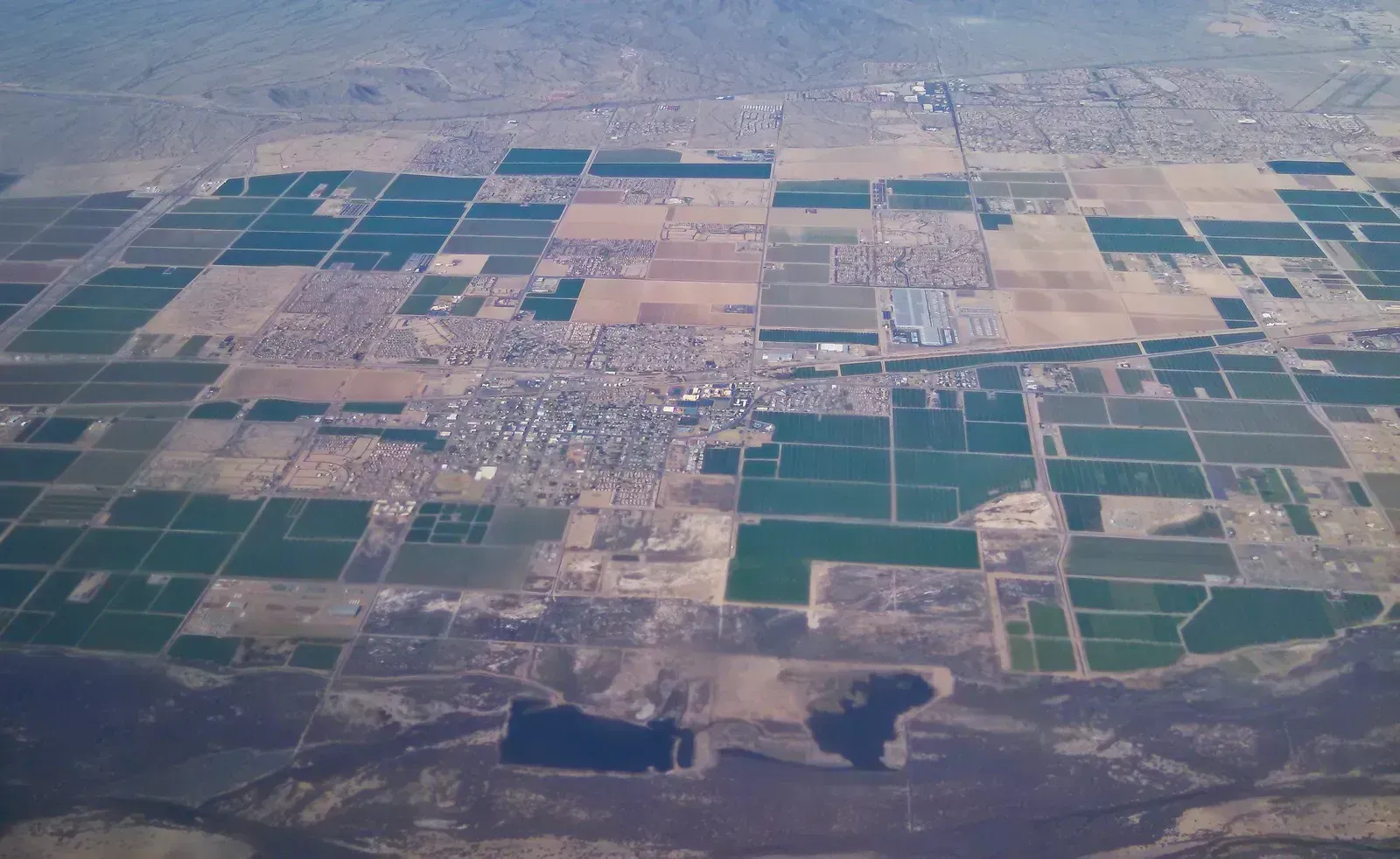
Beneath the exhausting Sonoran sun, an hour’s drive west of Phoenix, Buckeye, Arizona has become the backdrop for one of the most ambitious residential expansion stories in the American Southwest, where a massive development plan envisions as many as 100,000 new homes to shelter 300,000 people. That kind of growth doesn’t happen without a serious water strategy, and Buckeye’s leaders know it. The question of water access here has become the single most important variable in the town’s real estate future.
The Home Builders Association of Central Arizona estimates that 200,000 homes in the greater Phoenix area for which builders thought they had sufficient water are now in limbo, and in January 2025, the association announced a lawsuit against the state over its restrictions on groundwater use. That legal tension only underscores how deeply water infrastructure now shapes real estate decision-making in the Southwest. Towns that solve the water equation first will win the land value lottery.
2. New York State Communities: Billions Behind the Pipes
New York State invested a record $3.8 billion in local water infrastructure projects during State Fiscal Year 2025, delivering $1.1 billion in water quality grants in a single fiscal year, significantly reducing costs for local governments, families, and businesses. That’s not a small number. That’s a generational commitment to the pipes and treatment systems that underpin every home sale, every new apartment lease, and every commercial lease signed across the state.
Governor Hochul’s administration provided unprecedented support to advance drinking water, wastewater and stormwater upgrades that are protecting public health and the environment, building community resiliency, improving quality of life and creating good-paying jobs. Honestly, it’s hard to overstate how much a well-funded water system does for neighborhood confidence. Think of it like a foundation on a house. Nobody brags about it at open houses, but without it, everything else is worthless.
3. Raleigh-Durham, North Carolina: Research Triangle’s Infrastructure Advantage
The Research Triangle continues to attract major employers in technology, healthcare, and education sectors, and with three major universities and a highly educated workforce, Raleigh-Durham offers investors stable growth and strong rental demand. What doesn’t always make the headlines, however, is that this region’s sustained growth has been backed by substantial water and utility infrastructure investment. Communities that attract the talent economy need water systems that can scale, and Raleigh-Durham’s have kept pace.
The federal infrastructure bill continues to drive economic development in cities receiving significant funding, and these investments create jobs, improve quality of life, and enhance property values in the surrounding areas. The Raleigh-Durham corridor has been a consistent beneficiary of federal water funding, allowing developers to plan long-term residential and mixed-use projects with confidence. It’s the kind of invisible advantage that shows up in sustained price appreciation rather than a single dramatic spike.
4. Boise, Idaho: The Growth Town That Prepared Its Grid First
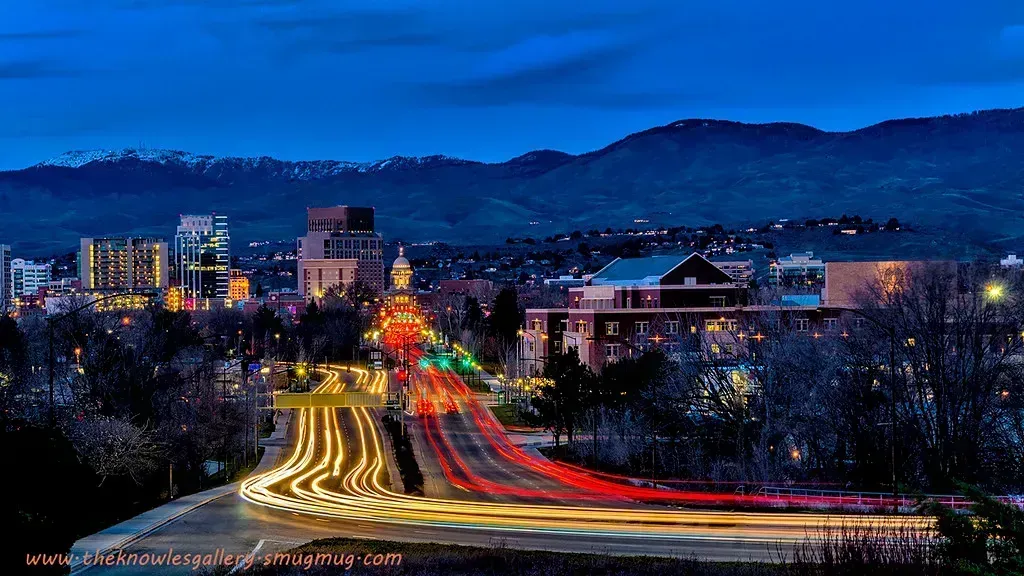
Boise continues an impressive growth trajectory with a projected 7.2% property value appreciation for 2025, and the city’s combination of outdoor lifestyle, growing tech sector, and relative affordability compared to West Coast markets makes it a standout investment opportunity. Here’s the thing though. Cities that grow fast without upgrading their utilities quickly discover they’ve created a problem bigger than the opportunity. Boise has been intentional about keeping its water systems ahead of population pressure.
Strong infrastructure, cultural amenities, and job opportunities also play essential roles in investment decisions. In Boise’s case, the water grid is quietly doing the heavy lifting for a property market that keeps outperforming expectations. Investors who spotted this connection early have seen returns that make their coastal-city peers envious. It’s a lesson in how boring civic infrastructure can translate into genuinely exciting real estate returns.
5. Nashville, Tennessee: Music City’s Utility Backbone

Nashville’s diverse economy, no state income tax, and vibrant cultural scene continue to attract both young professionals and retirees, and the city’s strong job market and relatively affordable housing position it for continued growth. Nashville’s water and sewer utility has kept pace with the city’s explosive population surge, which is no small feat considering Nashville has been one of the fastest-growing metros in the country for the better part of a decade. When a city grows this fast and its water system doesn’t buckle, that reliability becomes a real estate selling point.
The U.S. water sector, encompassing approximately 50,000 community drinking water and 19,000 wastewater systems, faces mounting financial pressures driven by aging infrastructure, urban growth, and water quality regulations. Nashville, by contrast, has managed these pressures more effectively than most comparable metros. That kind of competent municipal management sends a signal to developers, investors, and families alike that the city is a safe long-term bet.
6. Buffalo, New York: Rust Belt Reinvention Through Infrastructure
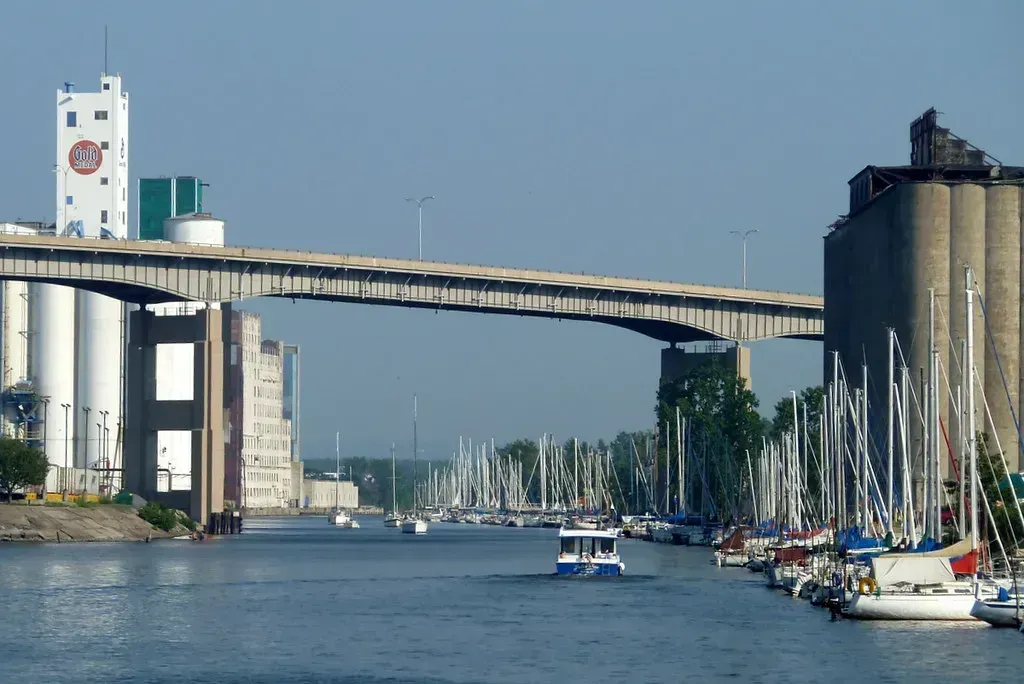
Erie County Sewer District in Buffalo, New York, is upgrading the Southtowns Advanced Wastewater Treatment Facility in a project carrying a cumulative cost estimate of $100 million, with the first phase already underway and a second phase launched in 2024 with a planned completion date of 2028. This is exactly the kind of investment that repositions a city in the eyes of real estate markets. Buffalo has long been dismissed as post-industrial backwater, but infrastructure projects like this signal to the development community that the city means business.
The Northeast is experiencing population growth after years of steady decline, with cities with populations above 50,000 showing an average growth of 1.0% in 2024, five times higher than 2023’s rate. Buffalo is one of the cities quietly benefiting from this reversal. As remote workers seek affordable, livable cities and as infrastructure upgrades restore confidence in older urban systems, towns like Buffalo are turning their water grid investments into genuine real estate gold.
7. San Benito County, California: The Reservoir That Could Change Everything
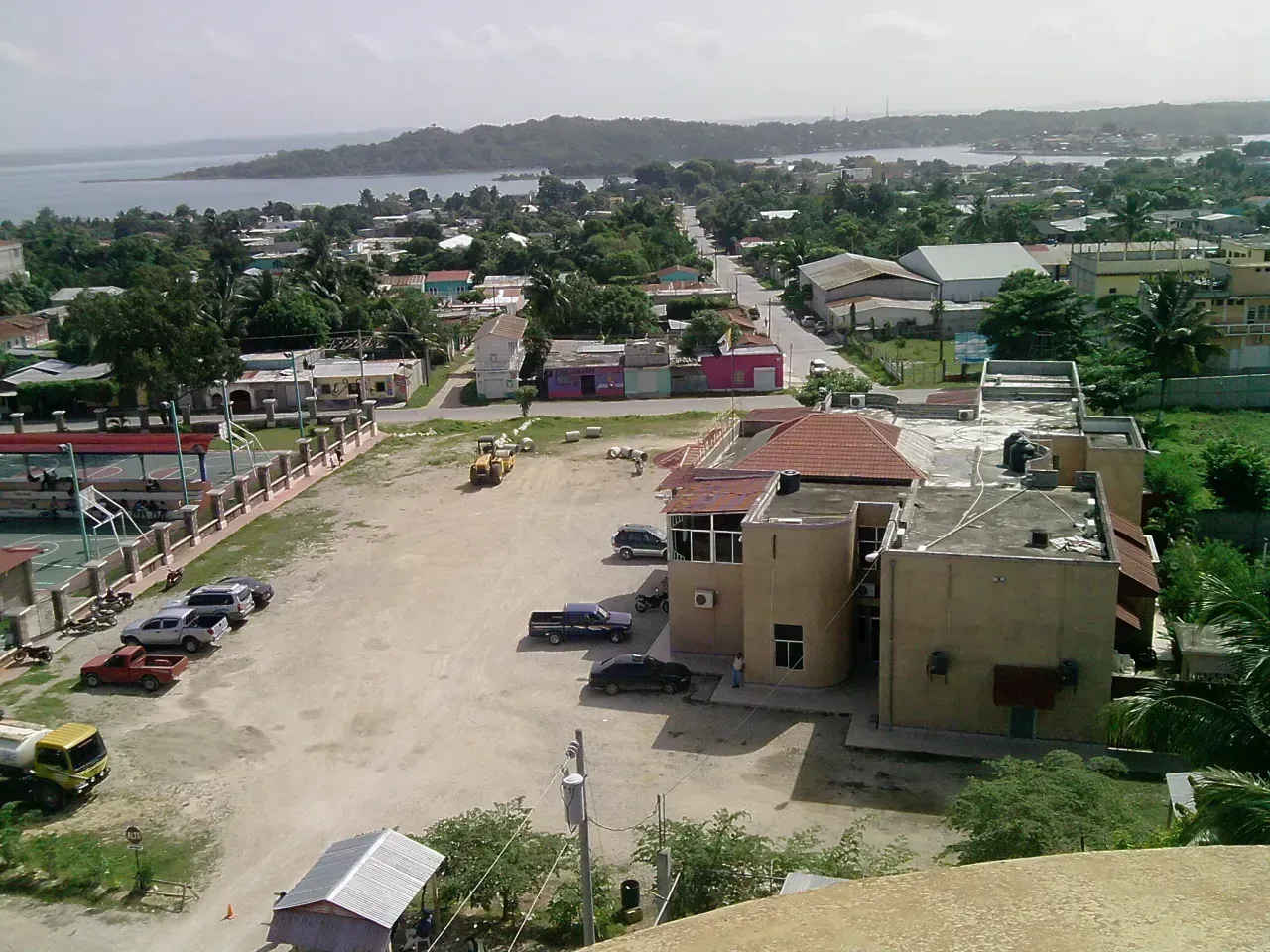
In California, San Benito County, Valley Water, and the Pacheco Pass Water District are collaborating on a $2.78 billion investment to expand the Pacheco Reservoir located in the Diablo Range, just east of Santa Clara County. That is a staggering number for a project that most people outside the region haven’t heard of. Yet water storage expansions of this scale have historically been followed by waves of residential development, as water certainty unlocks land that previously sat idle due to supply uncertainty.
Think of it like this. Water access is the permission slip for growth. Once a region demonstrates it can store and deliver water reliably, developers line up with permits and buyers line up with checkbooks. The total investment need in water infrastructure is greatest in states with the biggest populations, like Texas and California. San Benito County’s proactive approach to reservoir expansion puts it ahead of most of its neighbors in the race to attract housing investment.
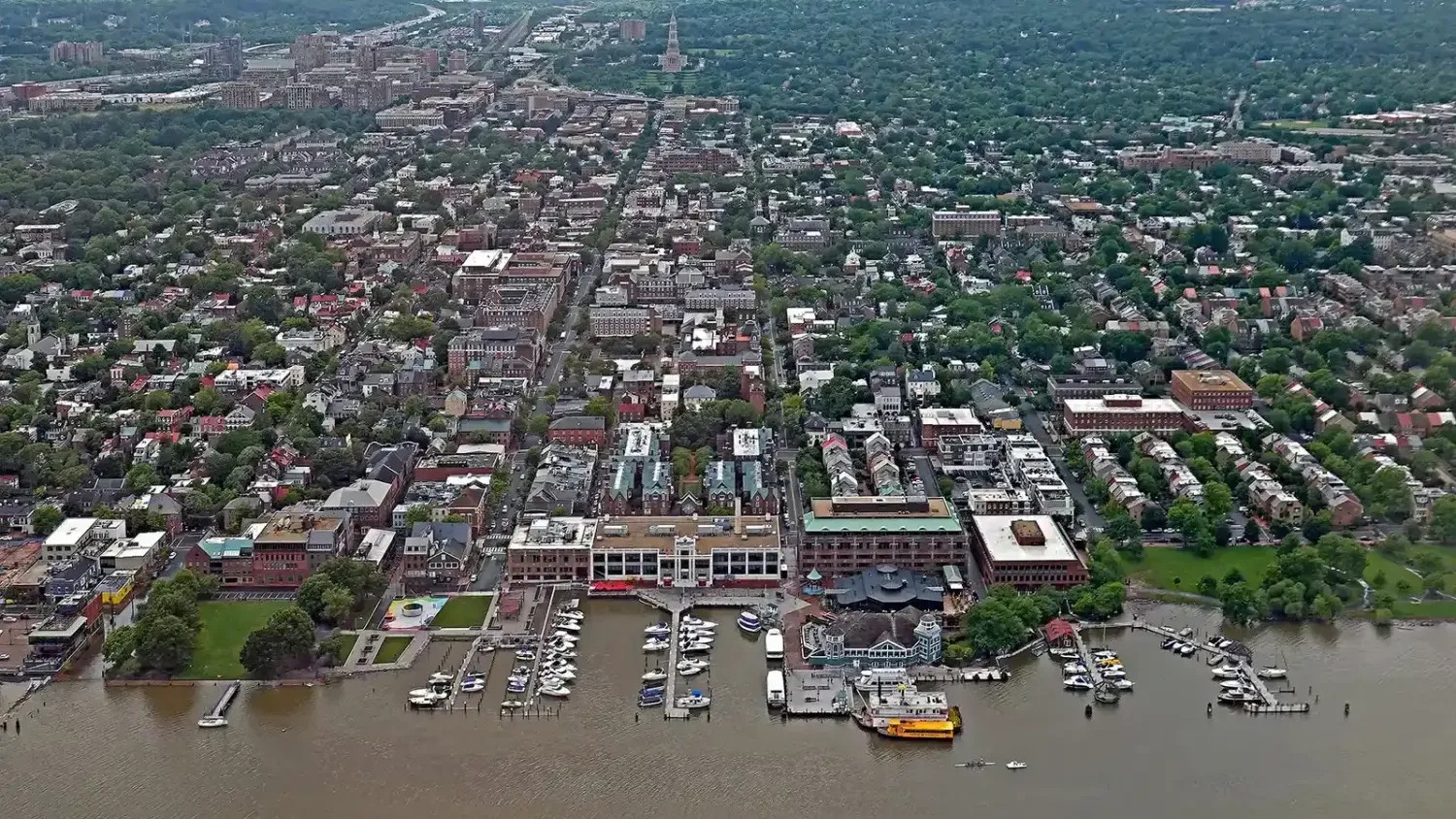
8. Alexandria, Virginia: Flood Resilience as a Luxury Feature
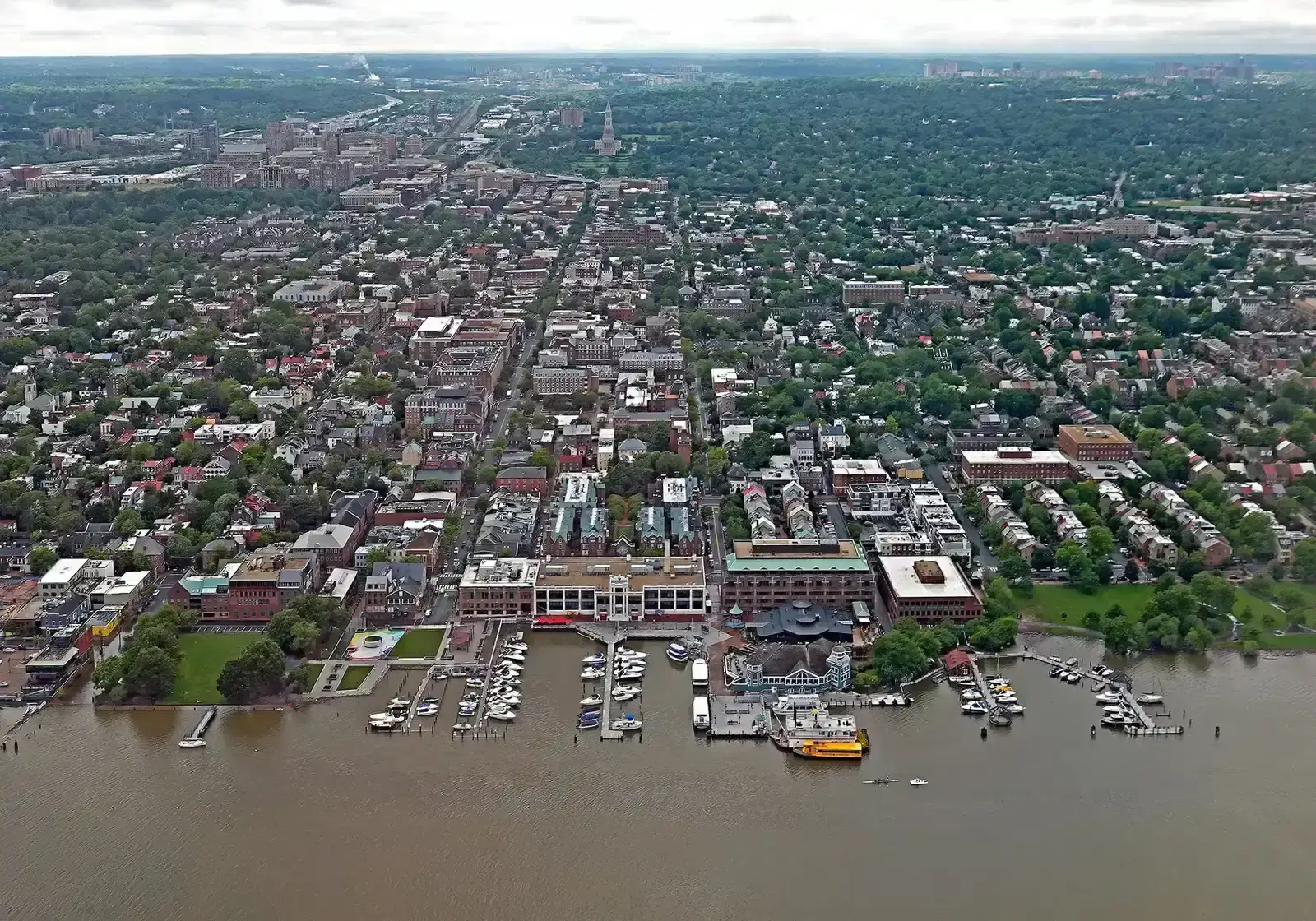
The city of Alexandria, Virginia, plans to provide flood relief to its residents through a flood-mitigation project that has been tagged with an estimated cost of $50 million. Here’s something that doesn’t get discussed enough in real estate circles. As climate risk becomes more visible, flood management infrastructure has become a legitimate premium factor in property valuations. Alexandria, with its proximity to the Potomac River, has understood this connection for years.
Water infrastructure in a place like Alexandria isn’t just about pipes. It’s about stormwater capture, green space design, and retention systems that keep streets dry when the weather turns ugly. Stormwater management systems are the fastest-growing category in the water infrastructure market because of the necessity to replace antiquated systems that fail to manage present-day precipitation patterns, and urban growth creates additional runoff problems requiring advanced stormwater management systems. Towns that solve this problem proactively are already differentiating their real estate markets from those that haven’t.
9. Pittsburgh, Pennsylvania: Legacy Infrastructure Gets a Serious Upgrade
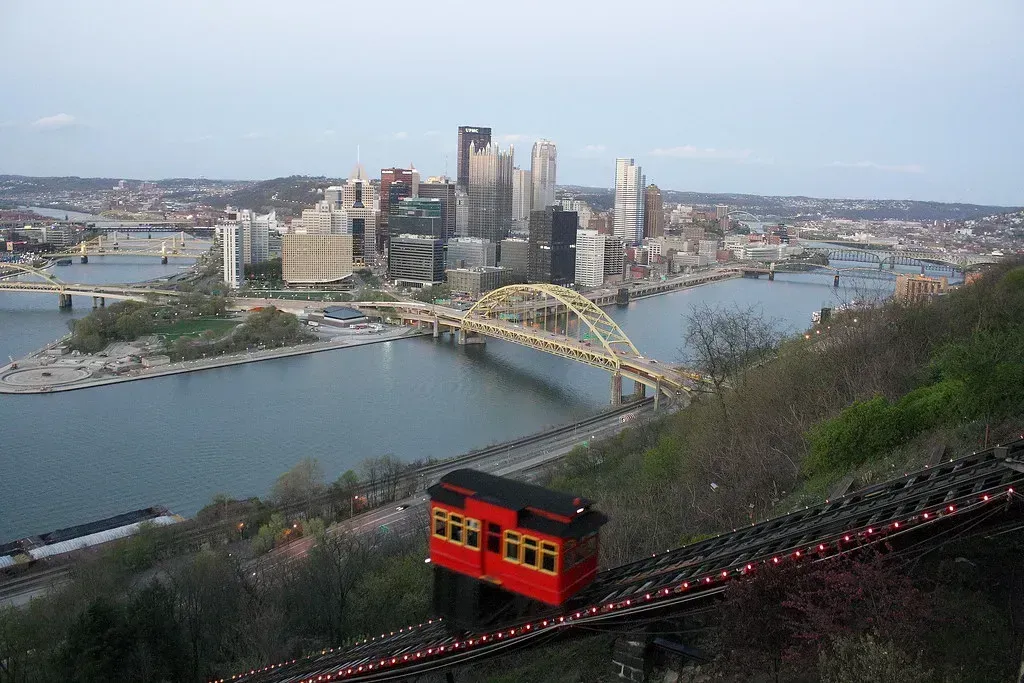
Pittsburgh, Pennsylvania is among cities benefiting from major infrastructure projects, with a transportation hub expansion contributing to its investment appeal. But it doesn’t stop at transportation. Pittsburgh’s water and wastewater systems have been receiving sustained investment, and the downstream effect on property values in surrounding neighborhoods has been measurable. I think Pittsburgh is honestly one of the most underappreciated infrastructure reinvention stories in the country right now.
Much of the water infrastructure across the country is 50 to 100 years old, including purification plants, pumps, miles of underground pipes, and sewage-processing facilities, and with such antiquated systems, breakdowns and outages become more frequent, necessitating additional investments in maintenance, materials, and labor. Pittsburgh has confronted this reality head-on rather than deferring the problem. Cities willing to face their aging pipe problem directly tend to emerge with stronger real estate fundamentals than those that keep kicking the can.
10. Mid-Sized American Towns: The Broad National Shift Worth Watching
The Bipartisan Infrastructure Law represents a five-year, $50 billion investment in water infrastructure, described as the largest investment in water infrastructure in American history. This is the overarching force reshaping water-linked real estate value across hundreds of small and mid-sized American towns. Since 2022, the Bipartisan Infrastructure Law has injected almost $25 billion into water infrastructure projects across the country, protecting public health, preserving water resources, and creating jobs.
Mid-sized cities with populations between 100,000 and 500,000 are outperforming major metros, offering rental yields two to three percent higher while maintaining stable vacancy rates between four and six percent. The connection to water infrastructure is real. Towns that secured federal water investment early are now reaping rewards in the form of new development permits, population inflow, and rising median home prices. Survey data reveals a decisive upward projection for water sector investments, with nearly all respondents planning to maintain or increase their financial commitments compared to their 2024 investment levels. That momentum will keep fueling real estate advantages in towns that positioned themselves well.
Conclusion: The Invisible Force Behind the For-Sale Sign

Water infrastructure is the least glamorous real estate variable and, increasingly, one of the most important. The nation’s drinking water infrastructure received a “C-” grade on the American Society of Civil Engineers 2025 Infrastructure Report Card, and due to aging infrastructure, the U.S. loses nearly twenty percent of its treated water before it even reaches the customer, costing utilities and customers $6.4 billion annually. That’s the baseline reality for most American communities.
The U.S. water infrastructure and management market was valued at $120.2 billion in 2024 and is expected to reach $179.6 billion by 2032. The towns that position themselves in front of this wave, that upgrade their grids, secure their supplies, and manage their stormwater before the crisis hits, are the ones that will keep turning infrastructure investment into real estate gold. The pipes matter. The money follows the pipes.
What would you have guessed was the biggest driver of small-town real estate growth in 2025? Would water have been on your list? Tell us in the comments.
