
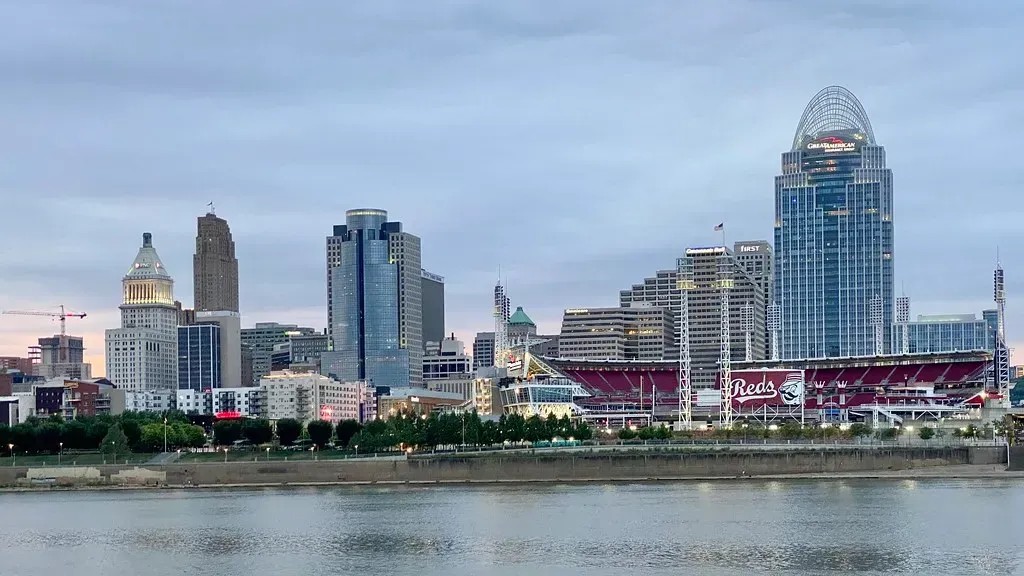

Most people think of underground infrastructure as something that belongs to massive metropolises – the subway tunnels of New York, the utility corridors of Chicago. Yet some of the most remarkable subterranean engineering in American history was built beneath small, quiet towns that barely registered on a map. These places quietly housed bunkers, abandoned rail systems, commercial labyrinths, and operational command centers that were never meant to be discovered. What makes them fascinating isn’t just the engineering – it’s the decades-long secrecy, the enormous scale hidden beneath unremarkable landscapes, and the sheer audacity of building so much for a future that might never arrive.
1. White Sulphur Springs, West Virginia – The Congressional Bunker Beneath a Resort
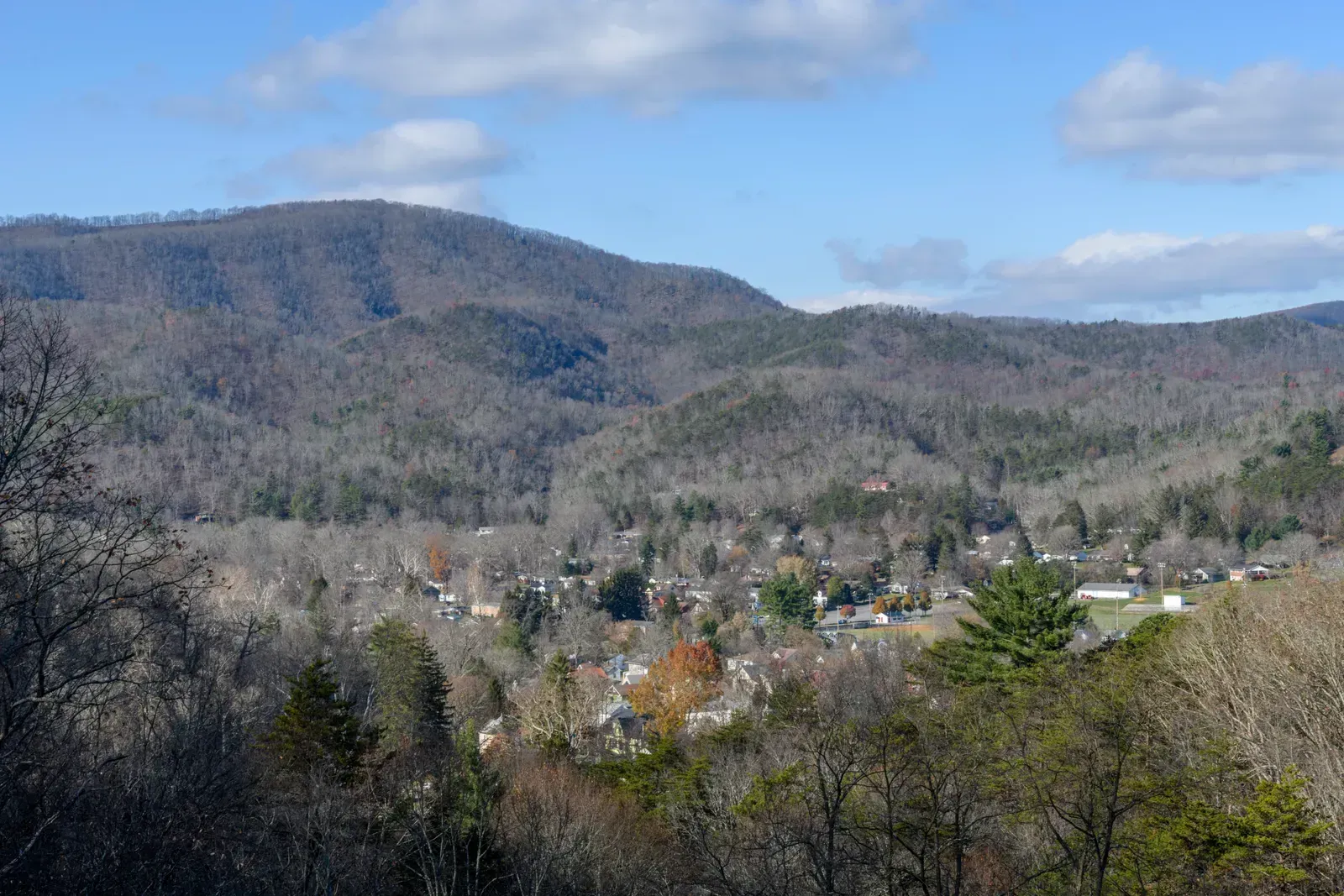
Nestled in the Allegheny Mountain town of White Sulphur Springs, the Greenbrier resort has expanded over the centuries, growing from a series of summer cottages to a palatial hotel surrounded by gardens and golf courses. Nobody expected its most important feature to be buried underground. The people of White Sulphur Springs helped keep the Greenbrier resort’s bunker, designed to hold the entirety of Congress, hidden from 1958 to 1992. For more than three decades, the entire town essentially participated in one of the most disciplined cover-ups in American peacetime history.
Nearly 35 years passed before the rest of the country learned the truth: the Greenbrier’s West Virginia Wing sat atop a nuclear bunker buried 720 feet underground. Inside, behind a 25-ton blast door, stood a living and working space equipped to hold every single member of the United States Congress. The hideout boasted more than 1,000 bunk beds, a 400-seat cafeteria, individual auditoriums for both the Senate and the House of Representatives, vast water tanks, and a trash incinerator that could serve as a crematorium. The two-level facility is 112,544 square feet, roughly the size of two football fields on top of one another. Although the bunker was kept stocked for 30 years, it was never actually used as an emergency location, even during the Cuban Missile Crisis. Today, the Greenbrier has made the bunker available for guided tours, attracting some 50,000 visitors each year.
2. Kansas City, Missouri (North) – The World’s Largest Underground Business Complex
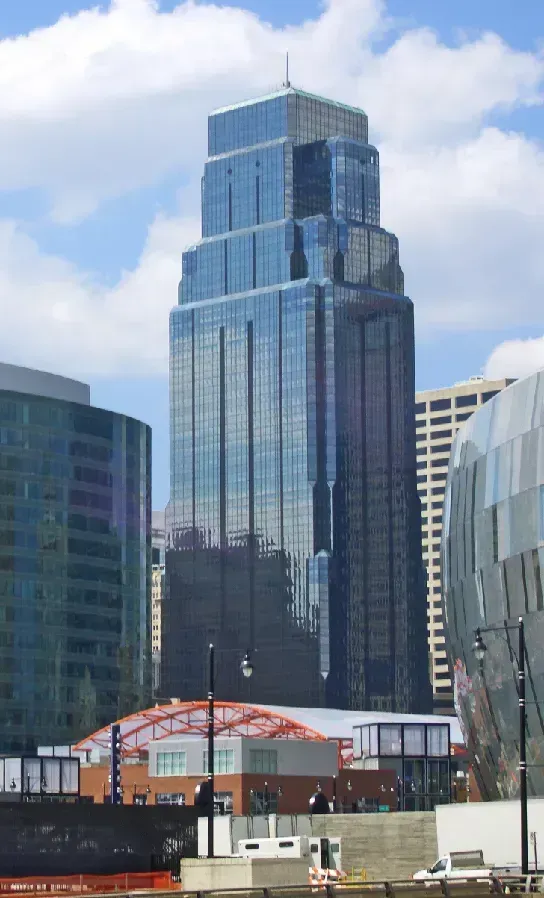
Beneath Kansas City’s streets lies an unexpected wonder: SubTropolis, the world’s largest underground business complex, spanning approximately 9 million square feet in a 270-million-year-old limestone deposit. This is not a relic or a museum piece. It is a functioning, expanding underground city with businesses operating around the clock. It has a grid of 16-foot-high, 40-foot-wide tunnels separated by 25-foot-square limestone pillars created by the room and pillar method of hard rock mining. The complex contains almost 10.5 miles of illuminated, paved roads and several miles of railroad track.
Due to its underground location, SubTropolis is highly energy-efficient. The natural insulation provided by the limestone and the stable underground environment significantly reduces heating and cooling costs. Businesses have noticed: companies report using roughly 75 percent less electricity underground than they would in an above-ground facility. With more than 55 companies and 2,000 employees, SubTropolis businesses span across industries, from animal health and food manufacturing to distribution, automotive, and pharmaceutical. The stable temperature of 65 to 70 degrees Fahrenheit makes it ideal for preserving delicate items, such as original film reels of Hollywood classics like “Gone with the Wind” and “The Wizard of Oz,” stored deep within SubTropolis.
3. Cincinnati, Ohio – The Subway That Never Carried a Single Passenger
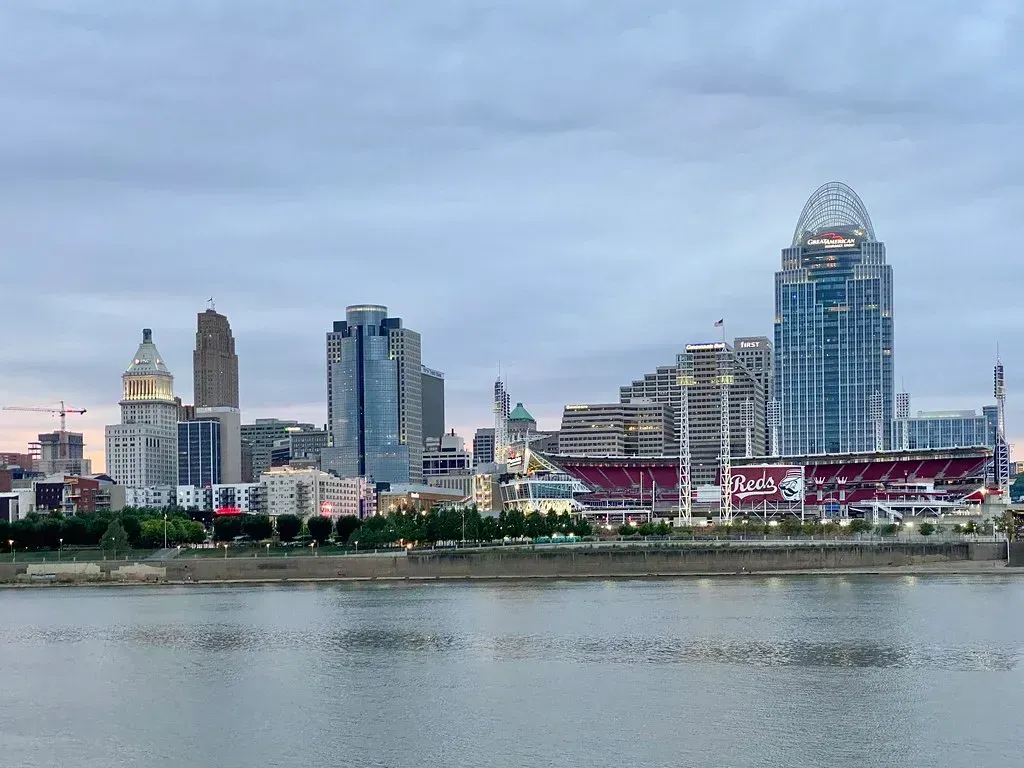
The Cincinnati Subway is a partially completed rapid transit system beneath the streets of Cincinnati, Ohio. Although the system only grew to a little more than 2 miles in length, its derelict tunnels and stations make up the largest abandoned subway tunnel system in the United States. It was conceived in the early 1900s as a bold urban transit solution, built from the bed of the old Miami and Erie Canal. Construction began in the early 1900s as an upgrade to the Cincinnati streetcar system, but was abandoned due to escalating costs, the collapse of funding amidst political bickering, auto industry lobbying against public transit projects, and the Great Depression during the 1920s and 1930s.
The project was conceived in 1916 and would ultimately be stopped short after completing a total of 6 miles of infrastructure and 2.2 miles of underground tunnels. The tunnels were not left entirely idle, though. Someone came up with the idea that the subway tunnels would make a perfect underground fallout shelter. In the early 1960s, the federal government saw fit to renovate a particular station and install toilet facilities, water facilities, and heating facilities so that it could be utilized by federal personnel in the event the need was necessary, and also for both county and city government in the event of a disaster situation involving fallout. The tunnels have been continuously maintained and will likely be usable for the next one hundred years, if not longer.
4. Blue Ridge Summit, Pennsylvania – The Underground Pentagon
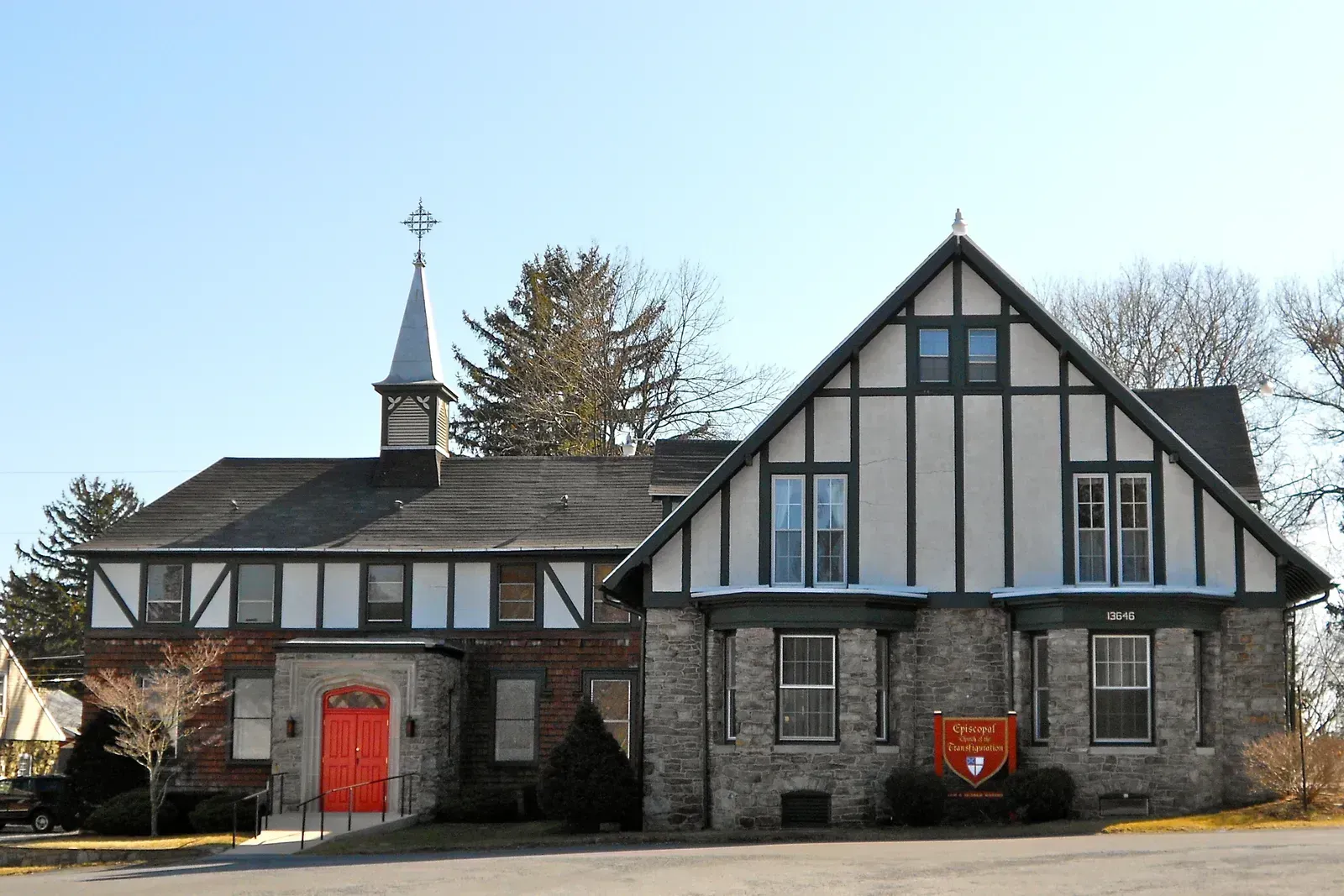
Another critical piece of Cold War secret infrastructure lies beneath the Blue Ridge Mountains along the Pennsylvania-Maryland border. Known as the Raven Rock Mountain Complex, or simply “Site R,” this facility was constructed in the early 1950s to serve as an alternative headquarters for the Pentagon and often referred to as the “Underground Pentagon,” designed to house military leaders, government officials, and essential staff in the event of a national emergency. The town of Blue Ridge Summit sits just above this buried command structure, one of the most significant continuity-of-government installations ever built on American soil.
Raven Rock is not just a bunker; it’s an entire underground city. Equipped with its own power plant, water reservoirs, dining facilities, and even a post office, the facility can support thousands of people for extended periods. Deep within the mountain, enormous caverns connected by hallways and tunnels house communication centers and command posts. Although much about Raven Rock remains classified, reports indicate that the site is still active today, serving as part of the government’s ongoing continuity-of-government strategy. Unlike the Greenbrier, this one never became a tourist attraction – it is still very much operational and very much off-limits to the public.
5. Portland, Oregon – The Underground Network Built Into the Waterfront
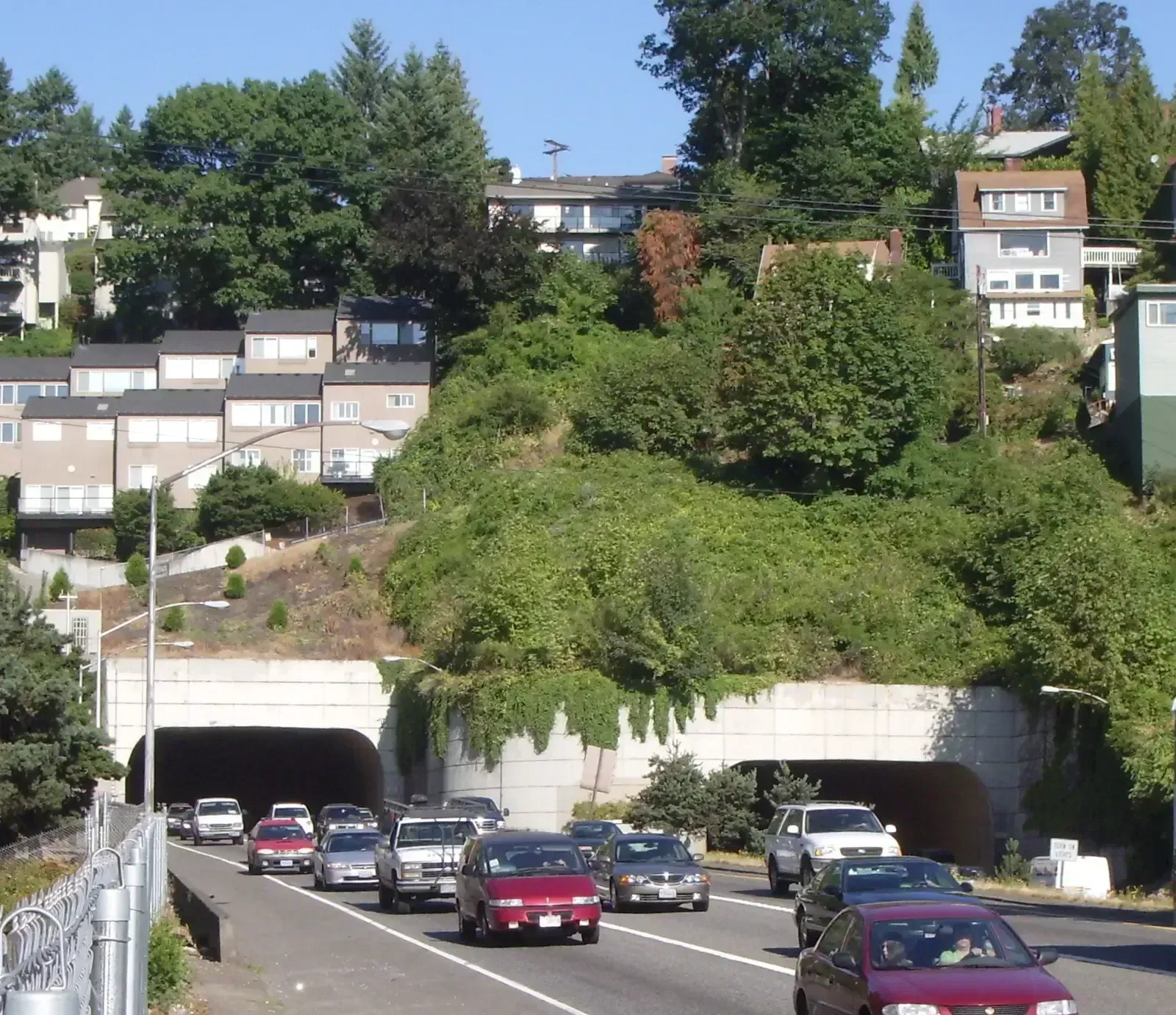
Portland, Oregon, was a river town whose beginnings are often looked upon as a humble Victorian settlement. In reality, it was considered the most dangerous port in the world because of the Shanghaiing Trade. The underground infrastructure of Portland’s Old Town was not planned by a government agency or a visionary urban planner. It grew organically from the basements and cellars of downtown businesses, eventually forming a connected subterranean network. Tunnels had been built for activities such as moving merchandise between building basements and as exits from gambling dens and houses of prostitution that might experience police raids.
The factual history here is genuinely layered. Since the 1970s, a myth has grown up that propounds the existence of a secret network of tunnels beneath the streets and buildings of the Portland waterfront. The tunnels are said to have been constructed to support the illegal practice of forcibly supplying crews to outbound sailing ships in the late nineteenth and early twentieth centuries. The practice was known as shanghaiing, and the alleged tunnels are known today as Shanghai tunnels. While historians have found no evidence to substantiate the existence of a tunnel network, the myth has persisted. What is confirmed is that in the 1970s, articles appeared in Portland newspapers featuring Michael P. Jones, manager of the Transit Bank, a social service agency in the Old Town area, who was identified as the person who discovered the long-hidden tunnels. The documented basement corridors connecting Portland’s old commercial district remain physically intact to this day, whatever their historical purpose was.
6. Bluemont, Virginia – The Mountain That Became a Government Shelter
Mount Weather, located approximately 50 miles west of Washington, D.C., is often described as a “city within a mountain.” Like other continuity-of-government bunkers, it has its own food storage, power generation, water supplies, and ventilation systems. The small surrounding community of Bluemont, Virginia, a rural village in the Blue Ridge foothills, sits within a short distance of what became one of America’s most consequential underground installations. The facility includes dormitories, meeting rooms, communication centers, and medical facilities. There is even an on-site crematorium, reportedly meant for handling mass casualties in the wake of a nuclear attack.
What sets Mount Weather apart is its role as a hub for emergency communication. Mount Weather could transmit secure messages to various military and government sites nationwide during the Cold War. Although rarely mentioned by the government, Mount Weather is believed to remain operational today, serving as a cornerstone of America’s continuity-of-government framework. The broader context for such installations is significant: while the Cold War ended in the early 1990s, the continuity-of-government infrastructure developed in the 1960s remains largely in place. Sites like Raven Rock, Mount Weather, and the underground facilities of Washington, D.C., continue to serve as part of the government’s contingency planning, evolving to meet modern threats. Bluemont itself remains a quiet, unassuming place – which, historically speaking, has always been exactly the point.
