
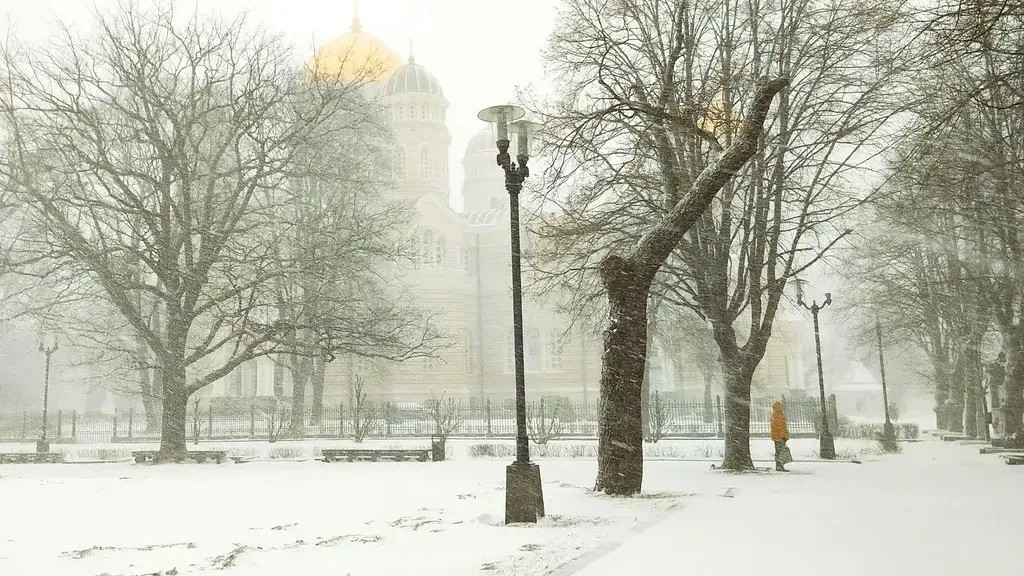

Weather doesn’t always give you fair warning. One moment the sky looks manageable, and the next you’re caught in a situation that meteorologists and emergency managers consider genuinely life-threatening. Every year in the United States, hundreds of people are killed and thousands injured because of weather. The scenarios below represent the conditions where staying inside isn’t just smart advice – it’s the difference between a close call and a tragedy. Each one comes backed by data, and each one is taken seriously by professionals whose entire job is reading the sky.
1. Active Lightning Storms
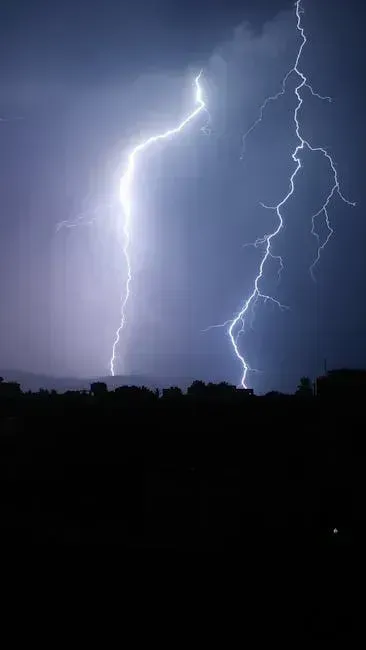
There is no safe place outside when thunderstorms are in the area. If you hear thunder, you are likely within striking distance of the storm. That’s not a metaphor or a precaution – it’s physics. Lightning can strike 10 miles from the rain area in a thunderstorm. Many people wait until the rain starts before reacting, not realizing the bolt can arrive well before a single drop falls.
According to the National Weather Service and the National Lightning Safety Council, there were 12 direct lightning fatalities in 2024, compared to 14 in 2023. On average, based on data from 2015 to 2024, 20 people die each year from lightning strikes in the United States. From 2006 through 2021, leisure activities such as fishing, boating, playing sports, and relaxing at the beach accounted for almost two-thirds of lightning deaths. The National Weather Service’s simple rule is clear: when thunder roars, go indoors.
2. Extreme Heat Events
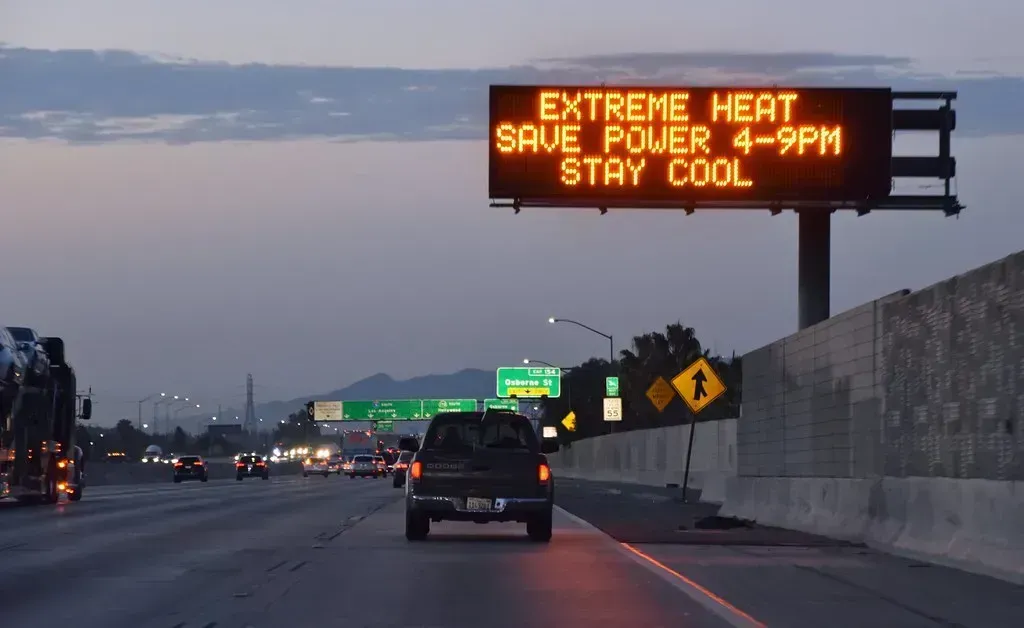
Extreme heat is the deadliest weather-related hazard in the U.S., claiming roughly 2,000 people annually, according to data from the Centers for Disease Control and Prevention. It doesn’t announce itself with dramatic visuals the way a tornado does. Despite its impact, extreme heat is referred to as a “silent killer,” as it lacks the visibility of other extreme weather events. That invisibility is part of what makes it so deadly – people underestimate it, stay outside too long, and by the time symptoms arrive, the situation is already critical.
CDC statistics show that the number of heat-related deaths increased from 1,156 in 2020 to 2,415 in 2023, before slightly declining to 2,394 in 2024. Between January 1, 2023, and December 31, 2023, there were a total of 119,605 emergency room visits across the country for heat-related illnesses, with 92% of those visits occurring between May and September, according to a report published in April 2024 by the CDC. Periods of unusually hot weather are especially dangerous for elderly people and those with chronic conditions, but anyone working or exercising outside, or those without access to cool shelters, can be vulnerable to health effects during heat waves.
3. Tornado Warnings
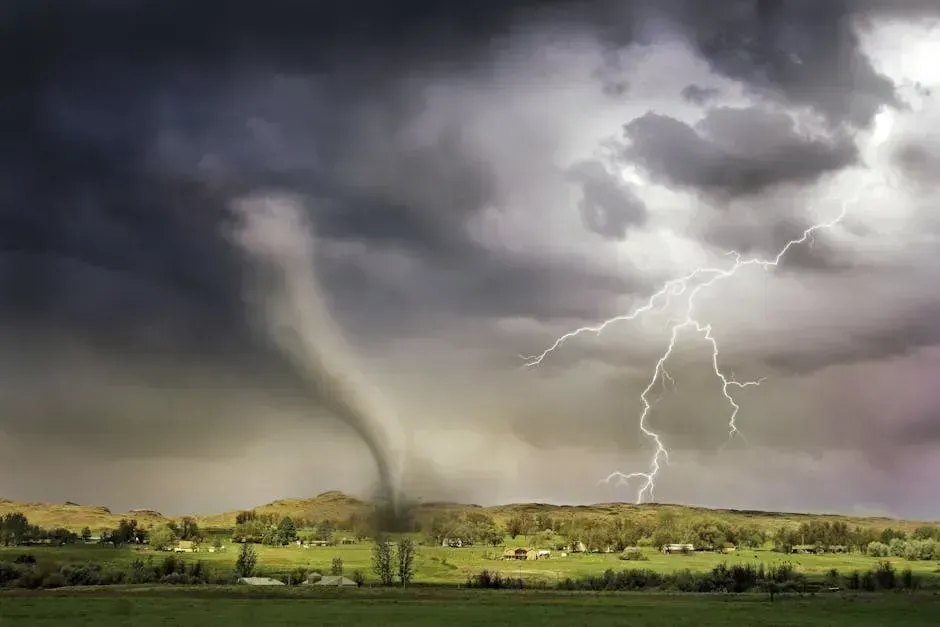
The three groups of people most at risk during a tornado are those who are outdoors, those in mobile or manufactured homes, or those on the road in vehicles. When a tornado warning is issued, there is zero margin for hesitation. Tornadoes are not always visible and can form with little advance warning. Relying on seeing the funnel cloud before you act is a gamble that has cost many lives.
If you are under a tornado warning, get indoors to a pre-designated shelter area such as a basement, storm cellar, or the lowest building level. If there is no basement, go to the center of an interior room on the lowest level, such as a closet or interior hallway, away from corners, windows, doors, and outside walls. All types of vehicles can be blown over, rolled, crushed, lifted, or otherwise destroyed by even a weak tornado. The instruction from meteorologists is consistent: get inside a sturdy structure and get low.
4. Flash Flood Warnings
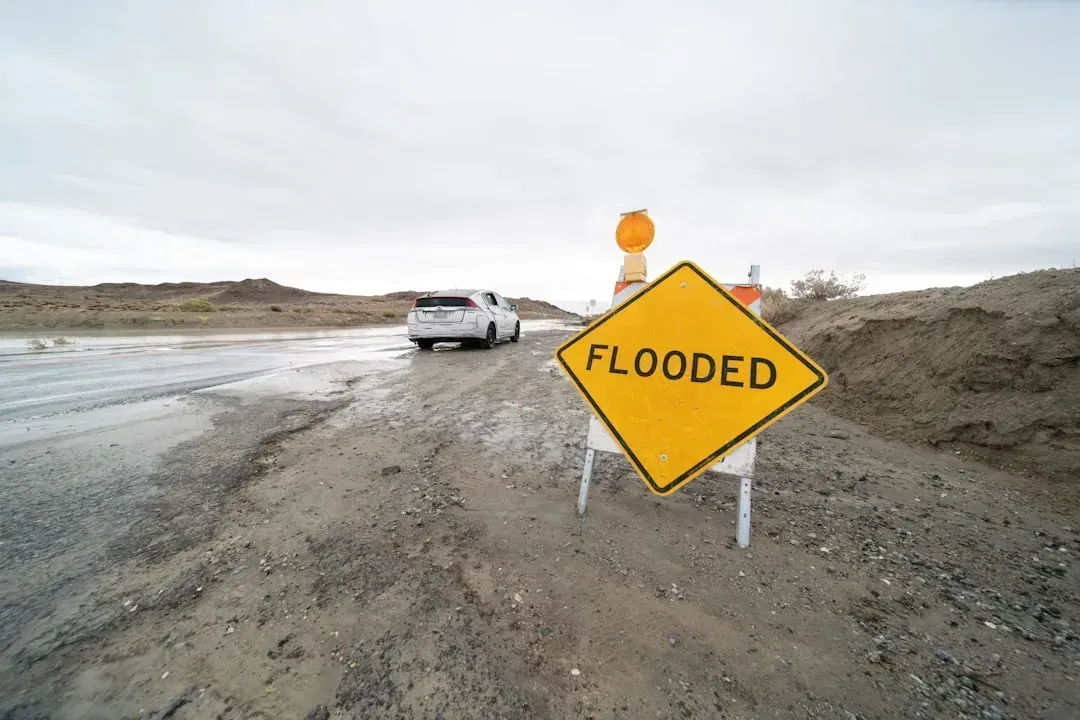
Flash floods are a worldwide hazard and are the number one hazardous weather-related killer in the United States. What makes them so dangerous is how fast they escalate. When dealing with thunderstorms, predicting flash floods can be nearly impossible due to their isolated nature. Flash floods usually occur in low-lying areas where water can collect, or in cities where water runoff from impermeable surfaces can fill roads or storm drains quickly.
If a flash flood warning is issued for your area, or if there is any possibility of a flash flood, move immediately to higher ground. Do not wait for instructions to move. Do not walk through moving water. Six inches of moving water can make you fall. This is especially dangerous at night, when people may not see the flooding and simply drive into it. The National Weather Service’s “Turn Around, Don’t Drown” campaign exists precisely because that instinct – to push through water in a vehicle – is one of the most common and fatal mistakes people make.
5. Blizzards and Whiteout Conditions
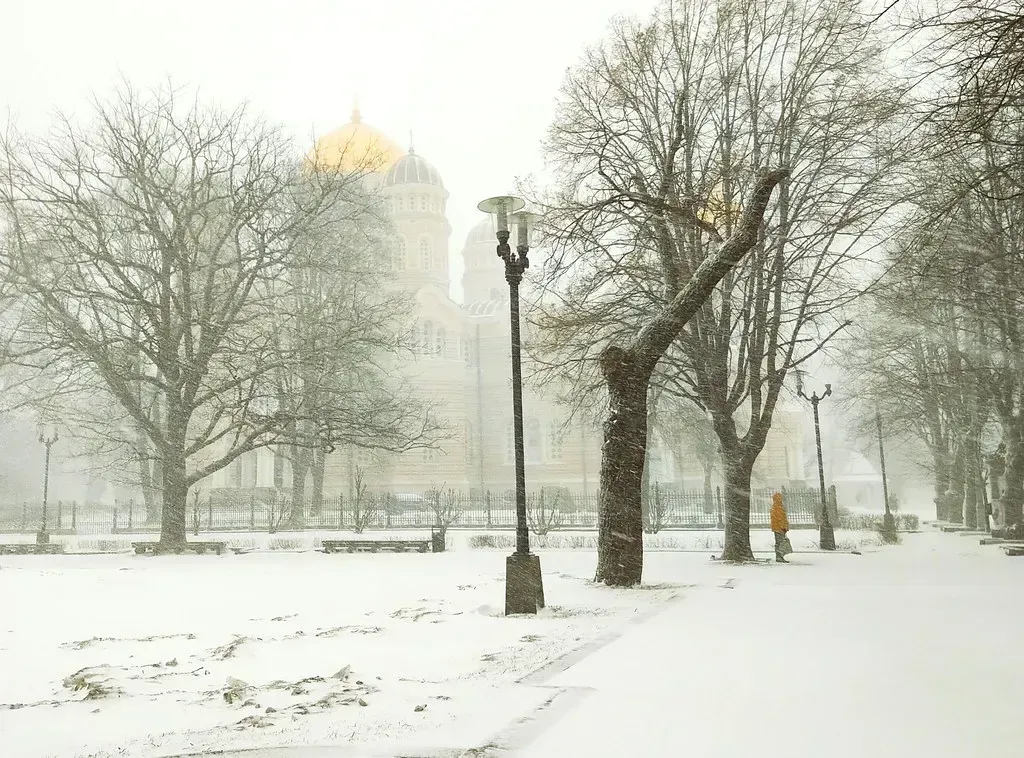
Blizzard warnings are issued for frequent gusts greater than or equal to 35 mph accompanied by falling and/or blowing snow, frequently reducing visibility to less than one-quarter mile for three hours or more. A Blizzard Warning means severe winter weather conditions are expected or occurring. Falling and blowing snow with strong winds and poor visibilities are likely, leading to whiteout conditions making travel extremely difficult. It is not a situation where extra layers and a slower drive will suffice. In a true whiteout, there is no visible horizon. People can become lost in their own front yards when the door is only 10 feet away, and they would have to feel their way back.
During blizzards, with the combination of cold temperatures and strong winds, very low wind chill values can occur. It is not uncommon in the Midwest to have wind chills below -60°F during blizzard conditions. The cold temperatures that follow behind an Arctic front make blizzards especially dangerous. Anyone stranded in their vehicle or forced to walk outside is at risk of frostbite or hypothermia. The National Weather Service’s advice during a declared blizzard is straightforward: “Persons are urged to stay indoors until conditions improve.”
The Bigger Picture: Weather Extremes Are Getting Worse

The area of the U.S. being hit by extreme weather in the past five years has doubled from 20 years ago, according to NOAA’s Climate Extremes Index, which includes various types of wild weather such as heat and cold waves, downpours, and drought. That means situations once considered rare are becoming more routine. “It’s really hard to even keep up with how extreme our extremes are becoming,” said Climate Central Chief Meteorologist Bernadette Woods Placky. “It’s changing our risk, it’s changing our relationship with weather, it’s putting more people in risky situations and at times we’re not used to.”
With climate change, extreme heat events are expected to become more frequent and intense. Meanwhile, the average number of heat waves that major U.S. cities experience each year has doubled since the 1980s, according to the federal government’s Fifth National Climate Assessment. Whether it’s lightning, flood waters, tornadoes, extreme heat, or blizzard winds, while there is nothing we can do to stop dangerous weather from affecting us, there are proactive decisions that can be taken to remain safe when the weather turns nasty. Staying inside, when officials and meteorologists say to, is the most reliable one of them all.
