
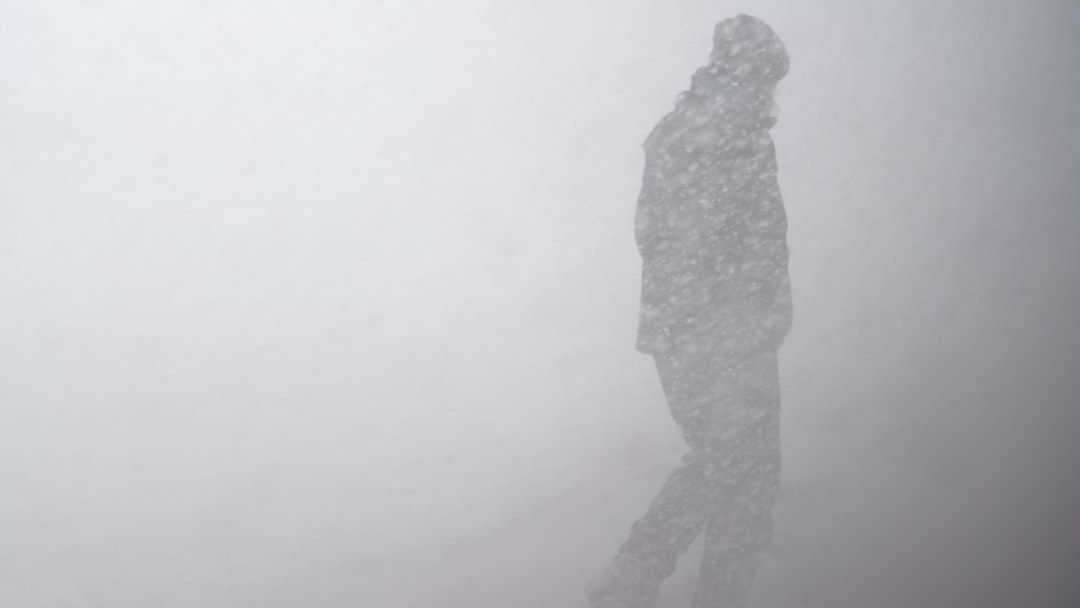

Most people know the feeling – you glance outside, see dark clouds rolling in, and think, “It’ll probably be fine.” Sometimes it is. Sometimes it really, really isn’t. Weather-related deaths are not a relic of the past or a problem reserved for professional climbers or deep-sea sailors. They happen to hikers, beachgoers, campers, commuters, and weekend soccer coaches. From 1995 to 2024, more than 832,000 lives were lost and direct economic losses of nearly USD 4.5 trillion were recorded, driven by more than 9,700 extreme weather events. The gap between a casual outdoor plan and a life-threatening situation can be measured in minutes – sometimes less. These are the five weather conditions that experts consistently flag as not worth the gamble.
1. Active Thunderstorms With Visible Lightning
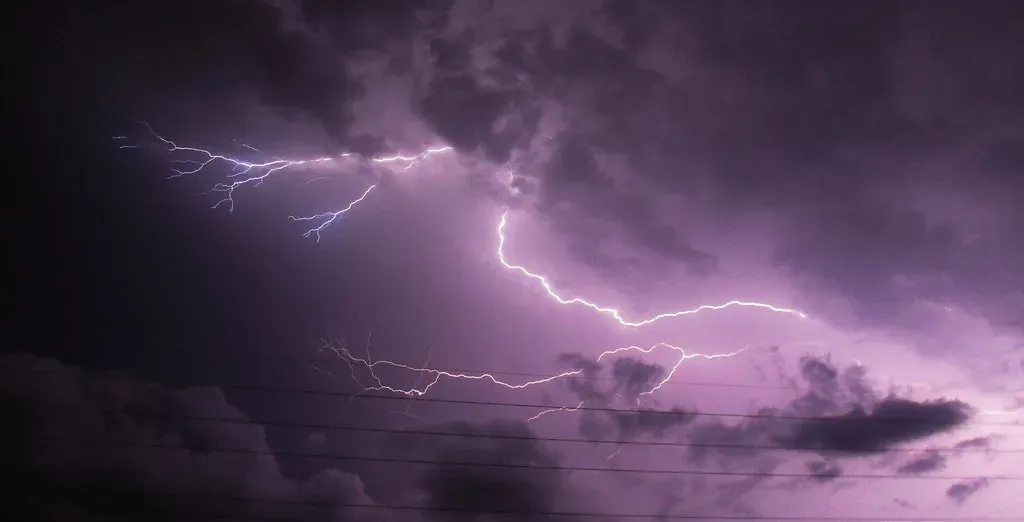
Lightning is one of those hazards people tend to rationalize away. It looks spectacular, the odds of a direct strike seem slim, and halting a fishing trip or a soccer game feels dramatic. The numbers, however, are not dramatic at all – they’re sobering. From 2006 through 2024, 492 people were struck and killed by lightning in the United States, and almost two thirds of the deaths occurred to people who had been enjoying outdoor leisure activities. Water-related pastimes are the most dangerous context: fishermen accounted for three times as many fatalities as golfers, while beach activities, boating, and camping each accounted for about twice as many deaths as golf. From 2006 to 2024, there were 42 fishing deaths, 32 beach deaths, 25 boating deaths, and 23 camping deaths.
One of the most persistent myths is that sheltering under a tree offers meaningful protection. It does the opposite. Chris Vagasky, Meteorologist Lightning Data and Safety Specialist with the National Lightning Safety Council, said sheltering under a tree is a safety misconception. “Trees tend to be tall, isolated and pointy, which is what makes them prone to being struck by lightning,” Vagasky said. The National Weather Service is unambiguous on this point: there is no safe place outside when thunderstorms are in the area. If you hear thunder, you are likely within striking distance of the storm. Experts also note that a bolt can travel 10–12 miles outside of a thunderstorm and can contain 300 million volts of electricity. For any organized outdoor event or team sport, experts recommend all sports teams have a lightning plan – it could be as basic as remembering “when thunder roars, go indoors,” or more complex, having lightning detection, designated weather watchers and designated shelters. “But every outdoor venue, every outdoor event needs to have a lightning safety plan.”
2. Extreme Heat and Heatwaves
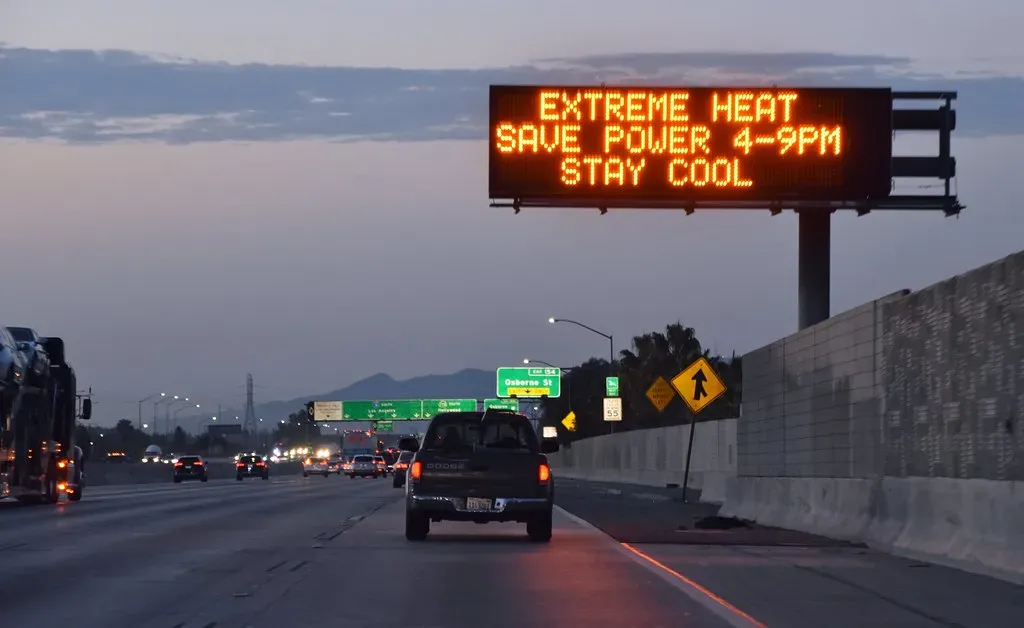
Extreme heat doesn’t announce itself with dramatic visuals. There’s no howling wind or pounding rain – just a slow, silent accumulation of danger that many people continue to underestimate. In the United States, extreme heat is the leading weather-related cause of death, claiming more lives annually than hurricanes, floods, and tornadoes combined. The trend has been worsening steadily. An Associated Press analysis of federal data shows that about 2,300 people in the United States died in the summer of 2023 with their death certificates mentioning the effects of excessive heat – the highest in 45 years of records. Globally, climate change added on average 41 additional days of dangerous heat in 2024 that threatened people’s health.
The physiological mechanism is well understood, and it’s serious. Heat stress affects multiple organ systems simultaneously, with the cardiovascular system bearing much of the burden. When environmental temperatures exceed the body’s capacity to dissipate heat through sweating and vasodilation, core body temperature rises, placing dangerous strain on the heart and other vital organs. Europe saw its deadliest summer in recent history in 2024, with an estimated 62,775 heat-related deaths occurring in Europe between June 1 and September 30, 2024 – a 23.6 per cent spike compared to the previous summer. The summer of 2024 was Europe’s hottest on record, according to the European Union’s Copernicus Climate Service. The World Health Organization notes that between 2000 and 2019, studies show approximately 489,000 heat-related deaths occur each year, with 45% of these in Asia and 36% in Europe. Going outside for strenuous activity during peak heat hours is, experts agree, a risk that simply isn’t worth taking.
3. Active Tornado Warnings
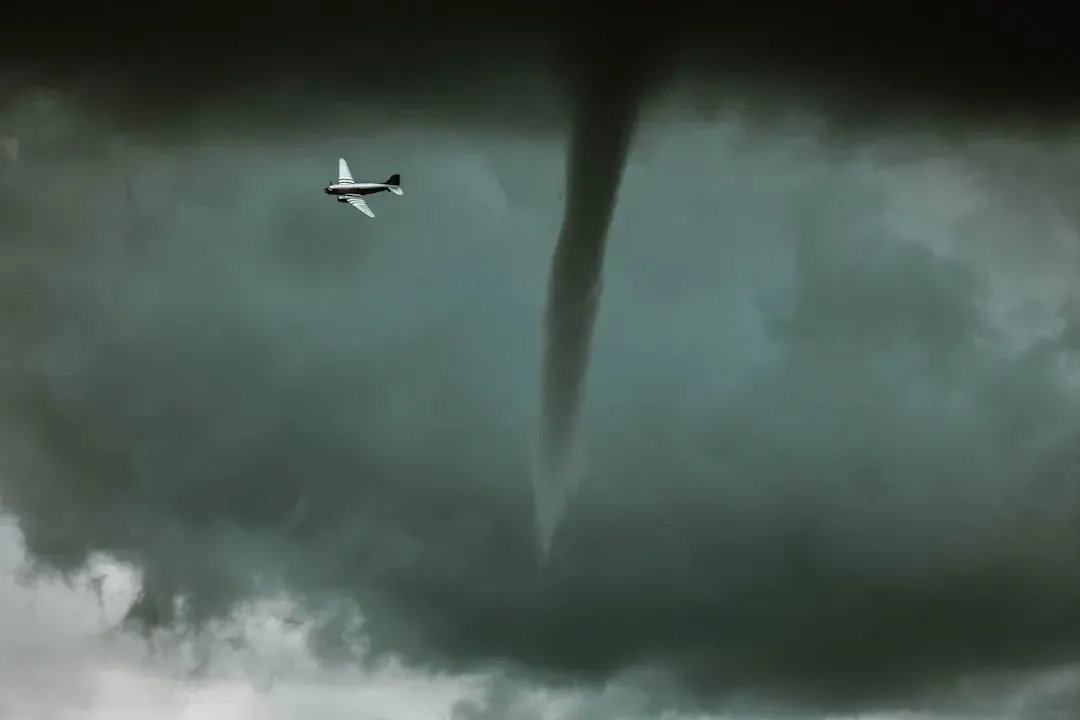
Tornadoes sit in a different category from most weather risks. They are not just dangerous – they are unpredictable in a way that makes outdoor exposure almost impossible to manage safely once one is in motion. Tornadoes are highly unpredictable and can touch down with only a few minutes’ warning. In 2024, the death toll made headlines: of the 27 billion-dollar disasters in 2024, nearly two-thirds included confirmed tornado outbreaks. NOAA confirmed 54 tornado-related deaths in 2024. In 2025, the losses were even sharper – powerful tornadoes swept through several states on May 16, causing 28 deaths and dozens of injuries. In St. Louis, an EF-3 tornado killed five people, injured 38, and damaged or destroyed about 5,000 structures. Tornado sirens had failed to ring and residents did not receive emergency text alerts ahead of time.
One pattern that emergency experts continue to highlight is the outsized danger for anyone caught outside or in lightweight structures. Since 1880, the percentage of fatalities during daytime tornadoes has decreased by 20%, while the percentage of deaths during nighttime tornadoes has increased by the same amount. Nighttime tornadoes kill twice as many people as daytime tornadoes annually. The average year in the United States sees about 1,000 reported tornadoes, according to NOAA – and in an average year, about 1,000 tornadoes are reported nationwide. March 2025 set a record of its own: 118 tornadoes were confirmed in one outbreak, making it the largest tornado outbreak ever recorded in March, and 42 people were killed from this outbreak, including 23 tornadic deaths. During any active tornado warning, remaining outdoors is one of the most dangerous decisions a person can make.
4. Flash Flood Conditions
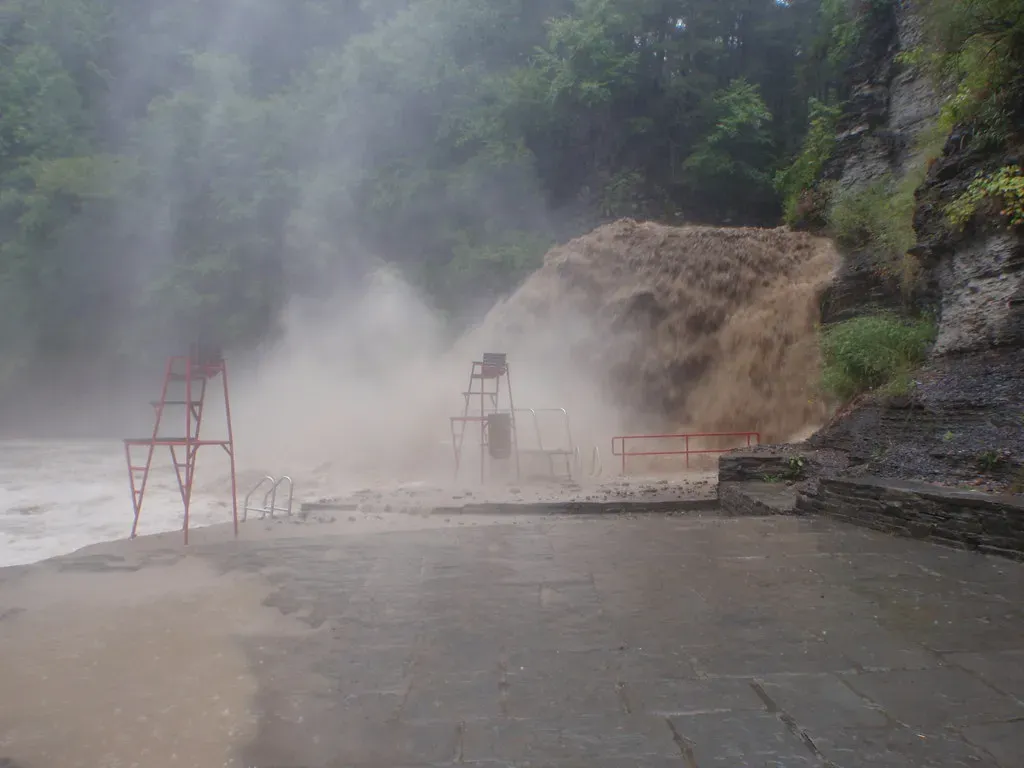
Flash floods kill with a speed and force that catches people off guard more than almost any other weather event. Water that looks ankle-deep can knock an adult off their feet; a road that appeared passable minutes earlier can become a death trap. The next highest percentage of flood-related deaths is due to walking into or near flood waters. People underestimate the force and power of water. Many of the deaths occur in cars swept downstream. The numbers from 2024 are particularly stark: in 2024, there were a total of 145 fatalities reported due to floods in the United States, up from 79 fatalities in the previous year. That near doubling of deaths in a single year underscores how fast conditions can escalate.
Research published in 2025 in the journal Nature Communications found that flood risks extend well beyond the immediate event itself. The researchers found elevated death risk from floods, primarily due to respiratory diseases, external causes, and specific circulatory diseases. The July 2025 Texas floods reinforced every expert warning that had ever been issued about moving water: catastrophic flooding struck central Texas as the Guadalupe River rose 26 feet in just 45 minutes. Kerr County was the hardest hit, including a girl’s summer camp located along the river. As of July 18, at least 135 people had died, including 36 children. The data from UNDRR confirms that floods account for up to 35–40% of weather-related disaster occurrences – making them the single most common deadly weather category on Earth.
5. Extreme Cold, Blizzards, and Wind Chill Events
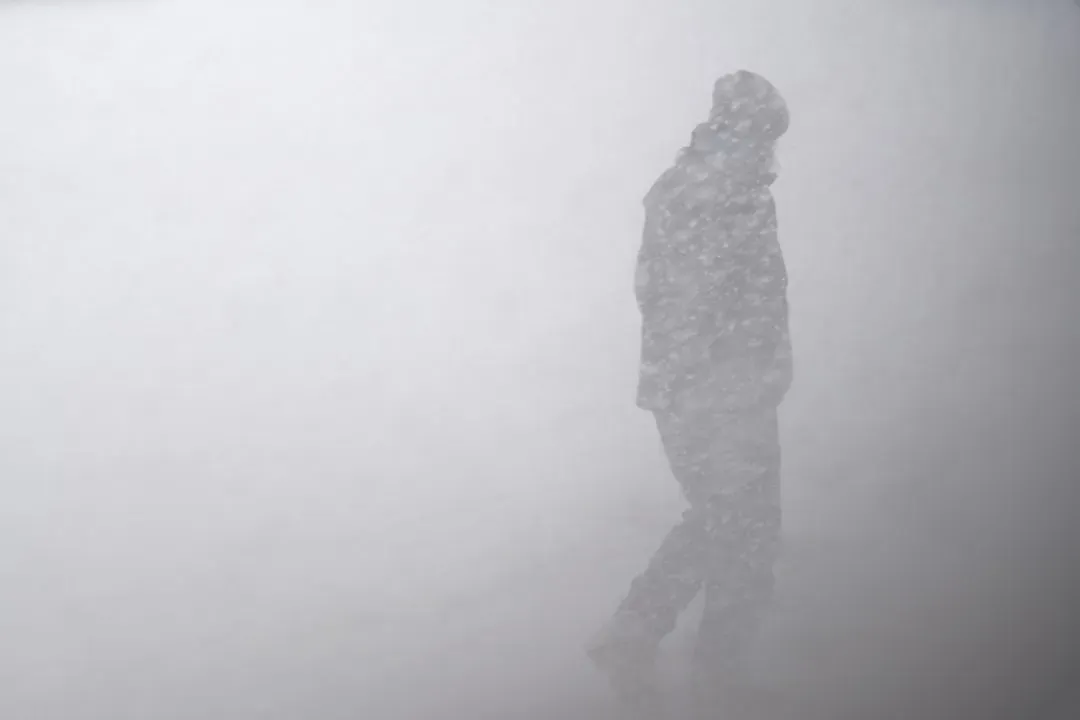
Cold weather risks tend to be underreported compared to heat and storms, but the body’s response to severe cold is just as dangerous and far less forgiving than many people assume. Outdoor winter adventures expose individuals to multiple safety hazards, and extreme cold tops the list. Extreme cold magnifies the risk of cold-related illnesses, including frostbite and hypothermia, a serious condition involving a drop in body temperature and requiring immediate medical attention. Hypothermia doesn’t require a blizzard to set in. Wet or damp clothing due to rain, sweat, or stream crossings can bring it on even in relatively warm air, particularly at high elevation, windy conditions, or at low humidity. Even if hypothermia does not kill the victim directly, it causes confusion, irrationality, and impaired judgment, increasing the risk of other injuries.
The January 2025 cold snap made the scale of the risk very concrete. In January, an unusual cold snap brought extremely cold temperatures to much of the United States, Canada, and Mexico. It was the coldest January in much of North America in at least 10 years, bringing temperatures as much as 20–35°F below average to a majority of the United States. NOAA notes an additional practical danger that many people overlook: wet feet lose heat 25 times faster than dry feet, and frostbite can begin on exposed skin just minutes after exposure to bitterly cold wind chills. The combination of high winds and sub-zero temperatures creates a wind chill that can turn a short walk into a medical emergency with no warning signs visible in the sky. Winter storms can strike quickly, delivering a myriad of dangerous conditions and life-threatening hazards to those outdoors. It’s important to always consult the latest weather forecasts, advisories, and warnings at weather.gov before finalizing outdoor plans.
What the Experts Actually Want You to Take Away
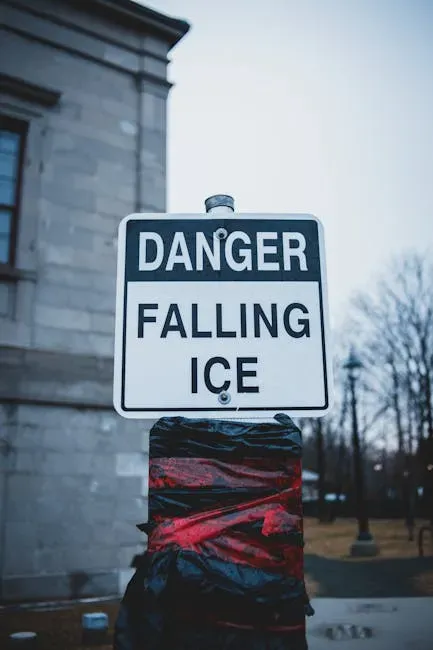
The through-line across all five of these weather conditions is not fear – it’s timing. Every one of these hazards has a window, and the experts who study them professionally agree that most of the deaths and injuries they produce are preventable. Weather disasters have highlighted the importance of early warning systems, which are one of the cheapest and most effective ways to minimize fatalities. Warnings need to be targeted, given days ahead of a dangerous weather event, and outline clear instructions on what people need to do. Most extreme weather is well forecast, even in developing nations. Checking a reliable forecast before heading out isn’t paranoia – it’s the single most effective action available.
A 2024 Pew Research Center survey of more than 8,600 U.S. adults found that about seven-in-ten Americans reported that their local community experienced at least one of five types of extreme weather events in the past 12 months. Extreme weather is no longer a distant threat or a statistical edge case. Extreme weather reached dangerous new heights in 2024. Record-breaking temperatures fueled unrelenting heatwaves, drought, wildfire, storms, and floods that killed thousands of people and forced millions from their homes. Recognizing the five conditions on this list – active lightning storms, extreme heat, tornado warnings, flash flood conditions, and extreme cold events – and treating them as genuine stop signs rather than inconveniences is the clearest, most evidence-backed way to stay off the casualty lists that meteorologists compile every year.
