

- Florida Facing One of Its Driest Periods in Decades as Drought Intensifies - March 30, 2026
- A Meteorologist Reveals 8 Warning Signs of Severe Weather Ahead - March 30, 2026
- 10 Things You’ll Notice About Regions Already Affected by Climate Change - March 30, 2026
Climate change is no longer a distant threat buried in scientific journals. It’s written into the landscape. It’s in the color of rivers. It’s in the ruins of coral. It’s in the smoke that lingers over cities weeks after a wildfire was supposed to be “contained.” If you’ve traveled to regions already on the front lines, you’ve probably noticed that something feels fundamentally, stubbornly different about these places. And if you haven’t noticed, you will after reading this. Let’s dive in.
1. The Temperatures Feel Almost Unreal
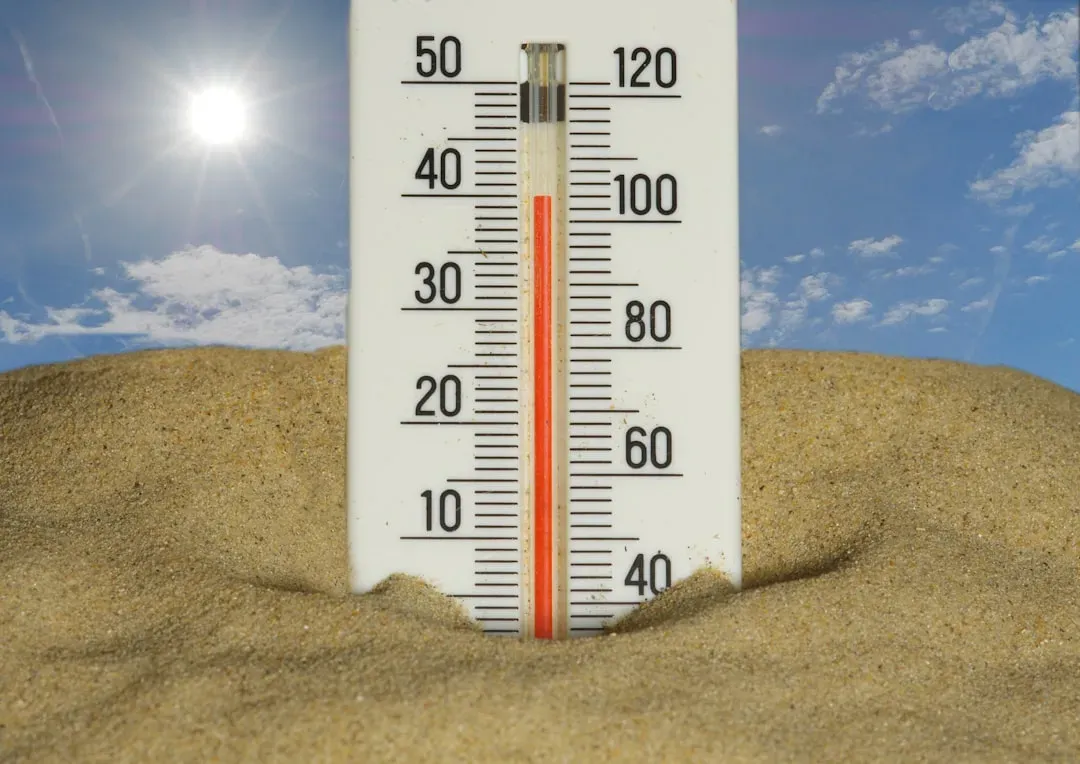
The first thing that hits you in a heavily climate-affected region is the heat. Not just summer-in-the-city heat. We’re talking about something that makes you question if the thermometer is broken. 2024 saw unprecedented global temperatures, and it became the first year with an average temperature clearly exceeding 1.5°C above the pre-industrial level, a threshold set by the Paris Agreement to significantly reduce the risks and impacts of climate change.
In the Arab region, 2024 was the hottest year on record, with temperatures rising at twice the global average. Extreme weather events affected nearly 3.8 million people and resulted in more than 300 deaths, mainly from heatwaves and floods.
On July 10, 2024, the area affected by at least “strong heat stress” reached a new record maximum, when around 44% of the globe was affected by “strong” to “extreme heat stress.” This was 5% more than the average annual maximum. Honestly, standing in the middle of that kind of heat isn’t just uncomfortable. It’s alarming in a primal, instinctive way.
2. Wildfires and Smoke Are a Near-Permanent Presence
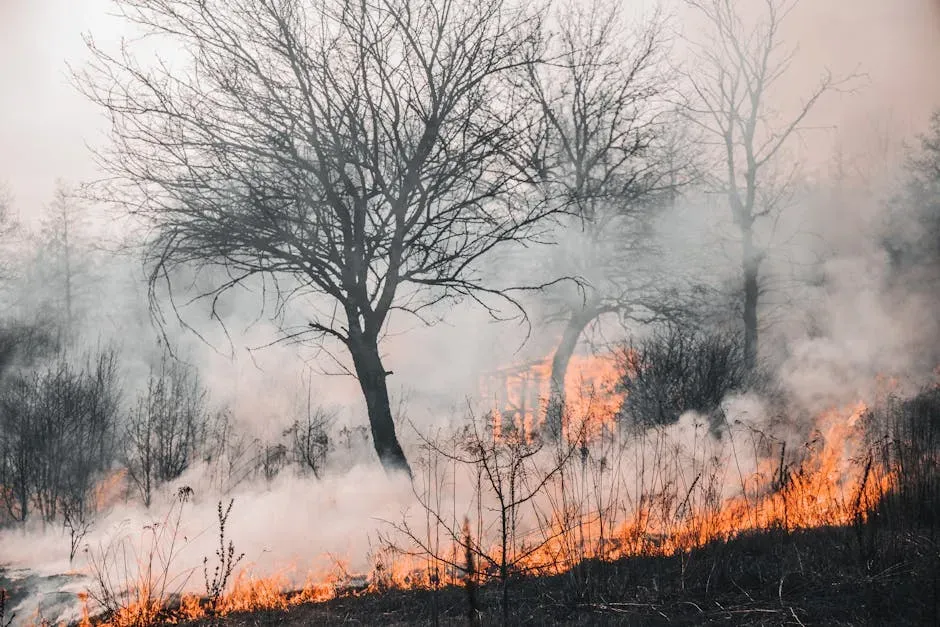
Smoke is the new fog in many climate-hit regions. Where you once expected clear mountain air, you now breathe something faintly acrid. Dry conditions were conducive to wildfires in several regions, with the Americas being the most affected continents. Persistent and large-scale vegetation fires were observed across Canada in July and August, and in South Brazil and Bolivia from August to October.
Fire carbon emissions were the highest on record for Bolivia and Venezuela, and Canada ranked second after 2023. In Alaska, the situation is similarly relentless. Summer 2025 marked the fourth consecutive year with above-median wildfire area across northern North America. Nearly 1,600 square miles burned in Alaska and over 5,000 square miles burned in Canada’s Northwest Territories.
17 of the 20 largest California wildfires by acreage and 18 of the 20 most destructive wildfires by the number of buildings destroyed have occurred since the year 2000, according to Cal-Fire data. That’s not a fluke. That’s a pattern that locals in those regions live with every single fire season.
3. Rivers, Lakes, and Water Sources Are Visibly Changing
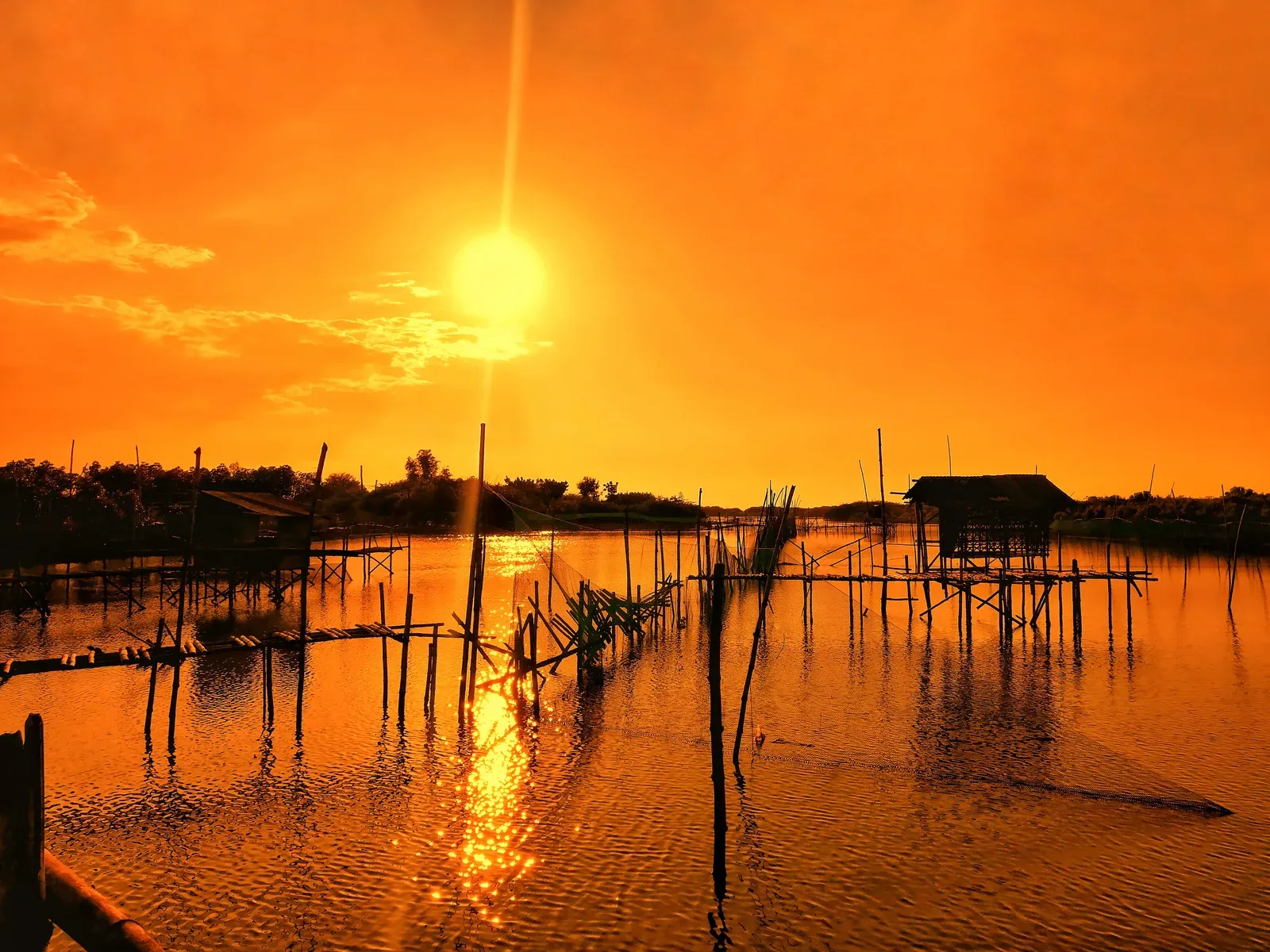
Here’s something I find genuinely shocking. Some rivers in affected regions have literally turned orange. In over 200 Arctic Alaska watersheds, iron and other elements released by thawing permafrost have turned pristine rivers and streams orange over the past decade. In these “rusting rivers,” increased acidity and elevated levels of toxic metals degrade water quality, compromising aquatic habitat and eroding biodiversity.
These waters exhibit higher acidity and elevated levels of toxic metals, which can contaminate fish habitat and drinking water and impact subsistence livelihoods. In Kobuk Valley National Park in Alaska, a tributary to the Akillik River lost all its juvenile Dolly Varden and slimy sculpin fish after an abrupt increase in stream acidity when the stream turned orange.
Think about what that means for the communities living there. Their water. Their food supply. Their entire relationship with the landscape. Arctic permafrost hit record warm temperatures, thawing deeper at a rate of 1°C per decade. Permafrost locks away massive amounts of methane, a gas 80 times more potent than CO2 over 20 years. As it thaws, that methane bubbles out, trapping more heat and speeding global warming.
4. Glaciers Are Shrinking Before Your Eyes
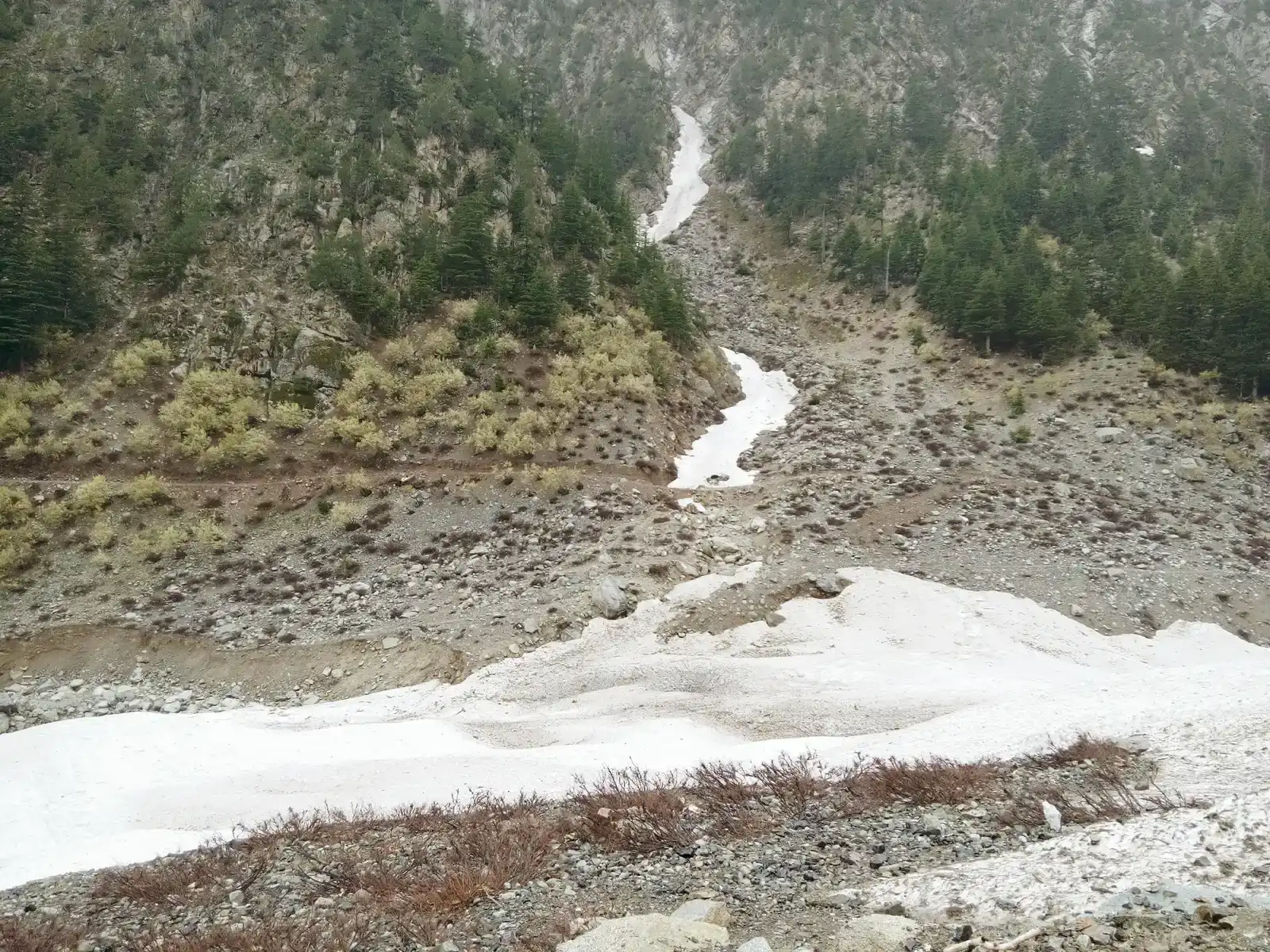
Anyone who has visited glaciated regions over the past decade knows the surreal feeling of standing where a glacier used to be. The photos on the informational signs show a wall of ice. The reality is bare rock and silence. A global analysis published in 2025 highlighted the recent acceleration, noting that about 41% of the total global glacier ice loss since 1976 occurred during the last decade from 2015 to 2024. Five out of the last six years present the strongest global glacier mass loss ever recorded.
Based on preliminary data, 2023/24 was the 37th consecutive year in which the reference glaciers tracked by the World Glacier Monitoring Service lost rather than gained ice. That is nearly four uninterrupted decades of loss. Ongoing glacier loss contributes to steadily rising global sea levels, threatening Arctic communities’ water supplies, driving destructive floods, and increasing landslide and tsunami hazards that endanger people, infrastructure, and coastlines.
Glacier retreat can also contribute to catastrophic landslide impacts. Following the retreat of South Sawyer Glacier, a landslide in southeast Alaska’s Tracy Arm in August 2025 generated a tsunami that swept across the narrow fjord and ran nearly 1,600 feet up the other side. It’s a domino effect that most people never see coming.
5. Coral Reefs Are Pale, Ghostly Shadows of What They Were
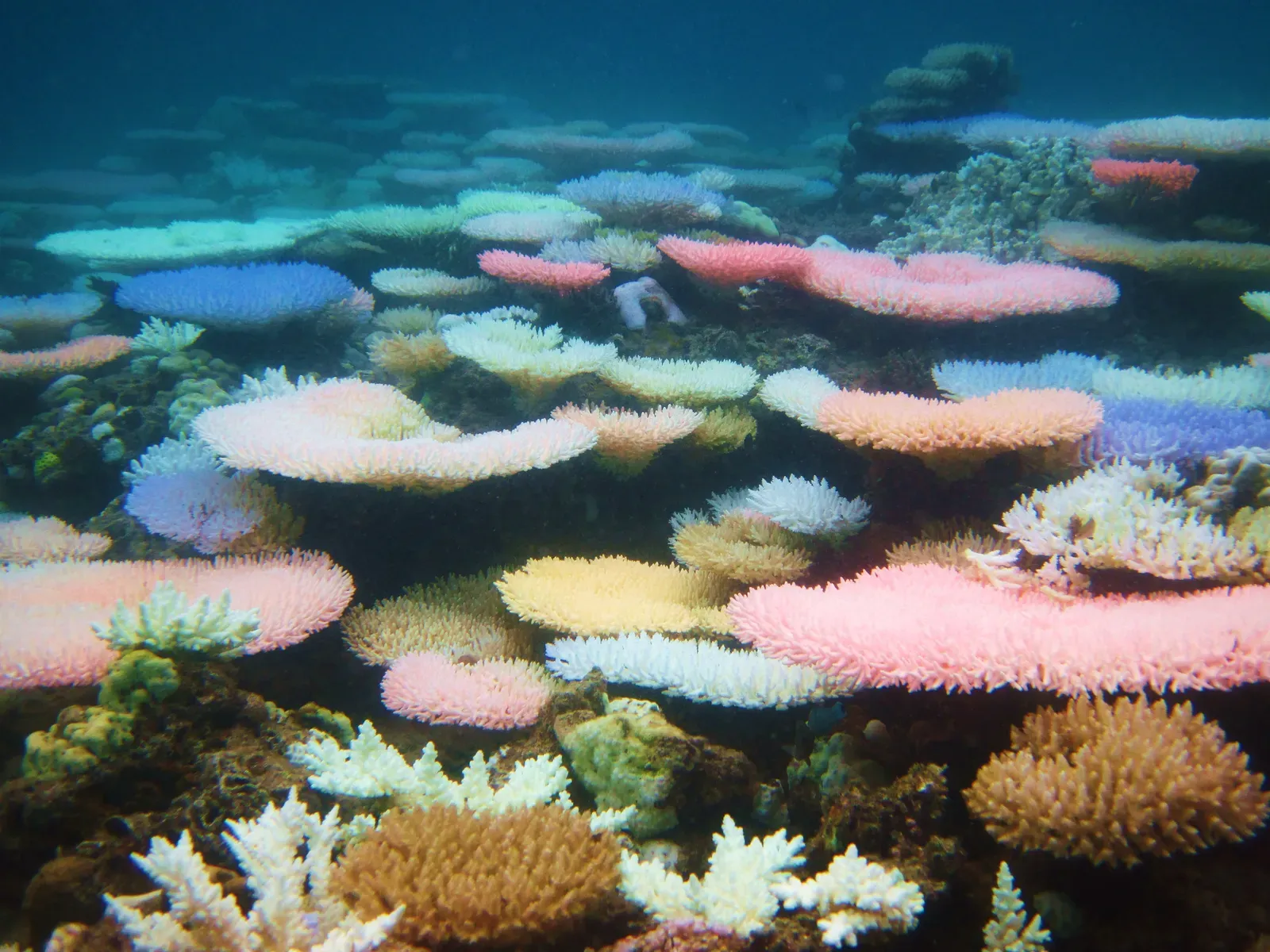
If you’ve ever snorkeled over a healthy reef and then seen a bleached one, the contrast is heartbreaking. Vivid, teeming color replaced by something that resembles a cemetery. Over the past two years, bleaching-level heat stress has impacted a record-high 83.7% of the world’s coral reef area, and mass coral bleaching has been documented in at least 83 countries and territories, according to data from NOAA’s Coral Reef Watch. This marks the most widespread bleaching event ever recorded.
Research at the Great Barrier Reef revealed that 66% of coral colonies were bleached by February 2024 and 80% by April. By July, 44% of the bleached colonies had died, with some coral genera, such as Acropora, experiencing a staggering 95% mortality rate.
Coral reefs support approximately 25% of all marine species while covering less than 1% of the ocean floor. Losing them isn’t just an ecological tragedy. Low-latitude reefs have reached a critical juncture where further deterioration could compromise global food supply, coastline protection, economic revenue, and the livelihoods of up to one billion people. That number is almost impossible to comprehend.
6. Floods Arrive With Terrifying Speed and Scale
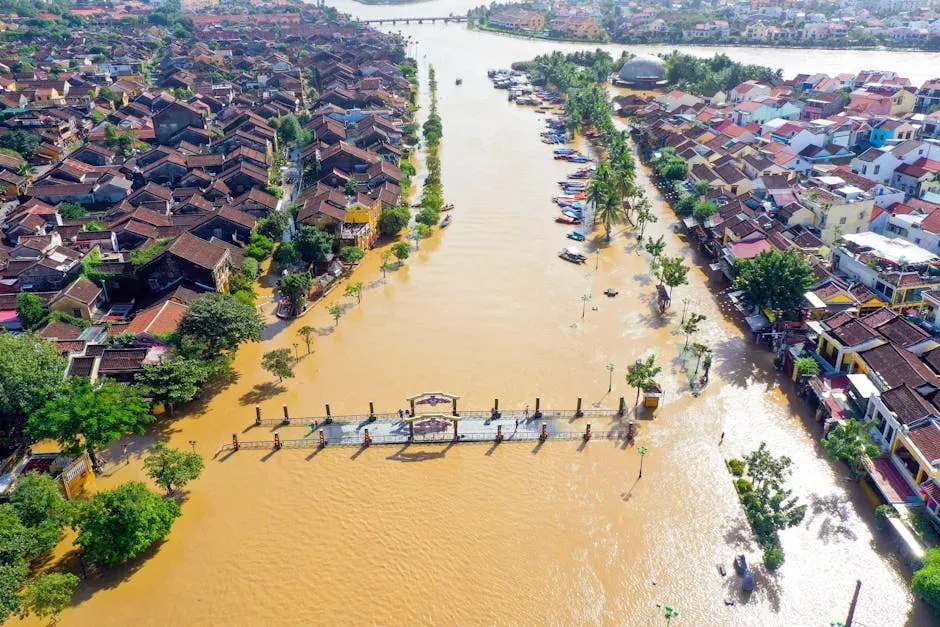
Communities in climate-affected regions describe floods that seem to materialize out of nowhere, far beyond anything local memory or infrastructure ever prepared for. Record-breaking global temperatures in 2024 translated to record-breaking downpours. From Kathmandu to Dubai to Rio Grande do Sul to the Southern Appalachians, the last twelve months were marked by a large number of devastating floods. Of the 16 floods studied, 15 were driven by climate change-amplified rainfall.
China witnessed a record number of significant floods and its hottest July since 1961. Flooding in central Europe was unprecedented, a one-in-300-year event in terms of the extent of damages. The scale of that is almost hard to believe, until you see the imagery.
Heavy downpours across the central and eastern U.S. resulted in a record-setting number of flash flood warnings issued by the National Weather Service in 2025. In the most devastating case, torrential rainfall caused catastrophic flash flooding in the Texas Hill Country in early July, claiming at least 135 lives in one of the deadliest inland floods in U.S. history.
7. The Economic Damage Is Impossible to Hide
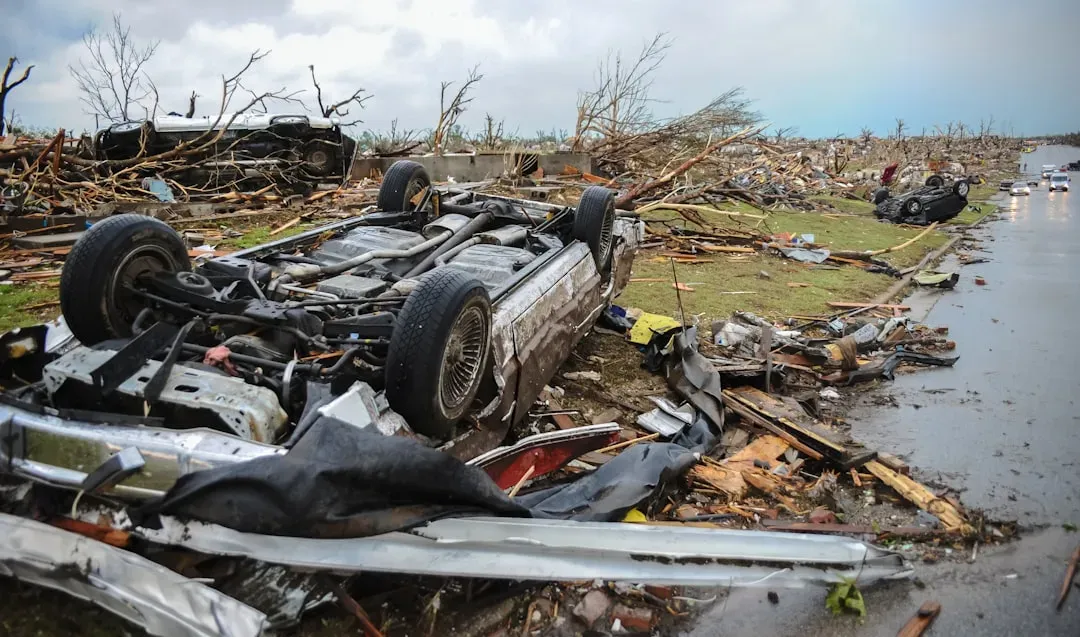
You can see it in the boarded-up windows, the damaged roads, the rebuilt bridges, the higher insurance rates, and the worried conversations among locals. Climate damage is not abstract in these regions. It is measurable. In 2024, total economic losses in the world due to climate-related natural disasters reached USD 328 billion, up from USD 303 billion in 2023.
According to Munich Re, total economic losses from natural disasters in 2024 exceeded $320 billion globally, nearly 40% higher than the decade-long annual average. That gap between what communities expect and what climate change now delivers is growing fast.
Approximately 43% of total economic losses are insured, and global insurance losses will continue to grow at 5 to 7% annually. Beyond the economic losses, disasters cause devastating human costs, with more than 16,000 deaths and more than 167 million people affected by natural disasters in 2024 alone, an affected population greater than that of Japan.
8. Biodiversity Is Quietly Disappearing

It’s hard to notice what’s missing. Species don’t announce their departure. According to the Intergovernmental Panel on Climate Change, roughly half of all species are already moving their habitats or changing behaviors in response to climate pressures, ranging from Arctic species affected by the loss of polar ice to the transformation of drought-ridden fertile grasslands into desert landscapes.
Marine ecosystems have been among the worst affected by climate change through ocean warming, acidification, and habitat loss. Oceans absorb around 93% of the additional heat from greenhouse gas emissions, leading to a tremendous rise in marine water temperatures. Think of the ocean as a sponge that has absorbed decades of our excess energy. It’s now saturated, and the consequences are radiating outward.
In the Arctic, the changes are equally jarring. The 2025 Arctic Report Card highlights major transformations underway, including the northward expansion of boreal species into Arctic ecosystems, and “rivers rusting” as thawing permafrost mobilizes iron and other metals. Ecosystems that evolved over thousands of years are rearranging themselves in the span of a few decades.
9. Extreme Weather Events Feel More Frequent and More Violent
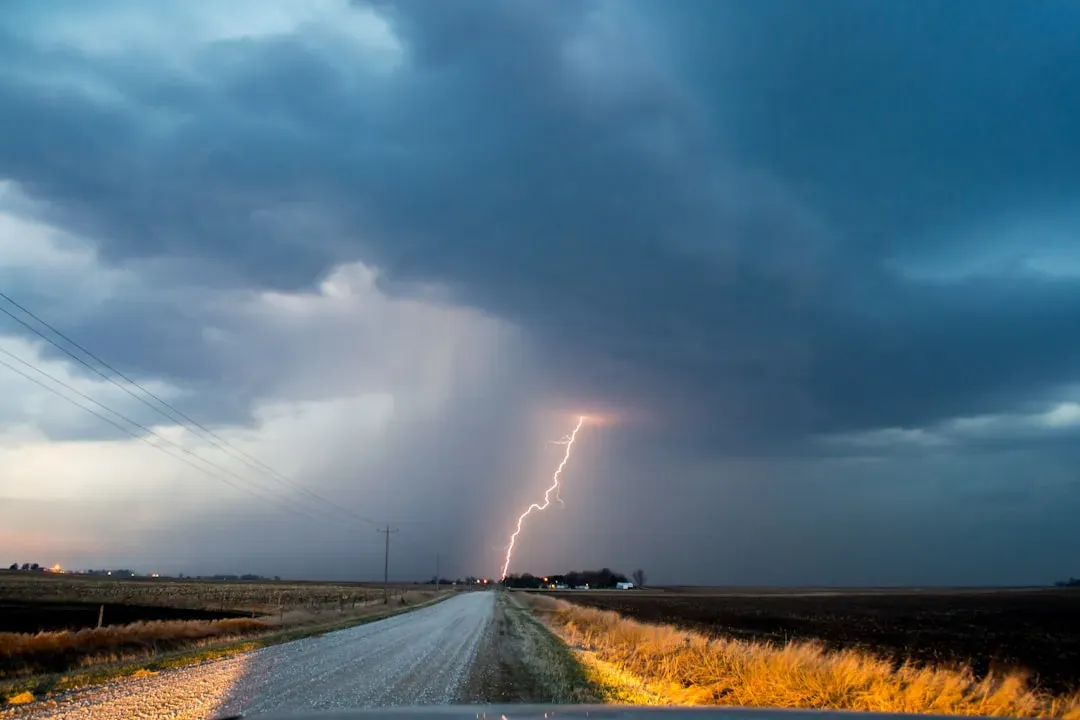
People in climate-affected regions don’t describe individual disasters as much anymore. They describe seasons. “Another wildfire season.” “Another flood season.” The cadence has changed. Climate change contributed to the deaths of at least 3,700 people and the displacement of millions in 26 weather events studied in 2024. These were just a small fraction of the 219 events that met criteria for the most impactful weather events. The total number of people killed in extreme weather events intensified by climate change is likely in the tens, or hundreds of thousands.
Hurricane Melissa, the strongest Atlantic hurricane of 2025, devastated Jamaica after making landfall as a Category 5 storm. Carbon pollution boosted the storm’s peak wind speed, making it even more dangerous. The science of event attribution has advanced dramatically in recent years, and researchers can now identify climate change’s fingerprint on individual storms and floods with growing precision.
The 2024 typhoon season in the Philippines was extraordinary, with six typhoons affecting the country within just 30 days, several of them simultaneously active in the region. This clustering of storms in November, never before witnessed in the basin, affected more than 13 million people, destroying lives and livelihoods. Six typhoons in thirty days. Let that sink in.
10. The Arctic Is Transforming Into a Completely Different Place
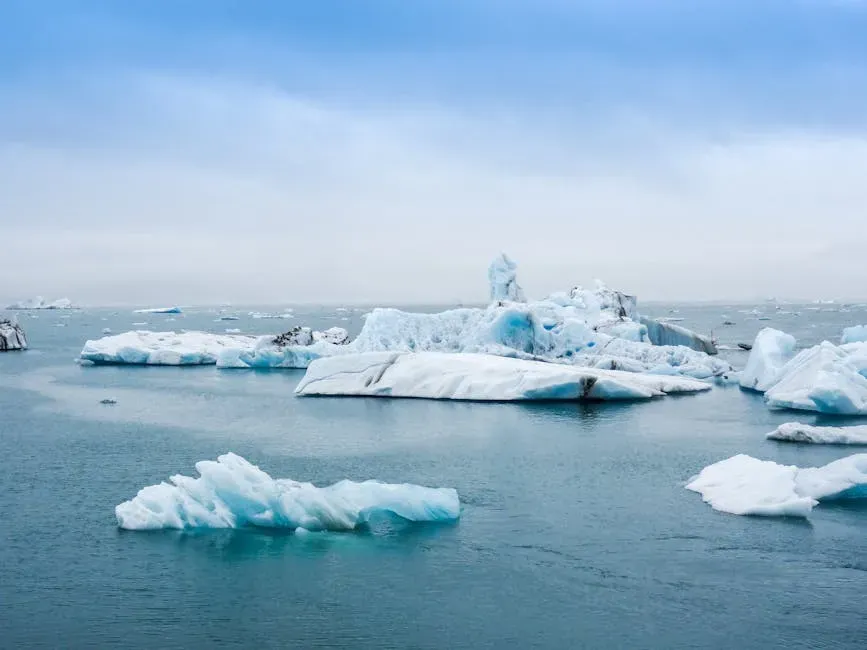
Perhaps the most dramatic visible transformation on Earth is happening in the Arctic, and what happens there doesn’t stay there. The period from October 2024 through September 2025 brought the highest Arctic air temperatures since records began 125 years ago, including the warmest autumn ever measured and a winter and a summer that were among the warmest on record.
Overall, the Arctic is warming more than twice as fast as the Earth as a whole. That staggering rate of change means that the region is now functionally different from what it was even twenty years ago. June snow cover extent over the Arctic today is half of what it was six decades ago.
Both the tendency for land to warm faster than ocean and the higher rate of warming over the Arctic are expected based on the understanding of how increases in greenhouse gas concentrations will impact Earth’s climate. The Arctic isn’t a faraway concern. It is a mirror showing the rest of the world where it is heading. Tipping points, such as the disintegration of ice sheets and the weakening of ocean currents, may already be underway. Meltwater from ice-sheet collapse contributes to a slowdown of ocean currents, which in turn may contribute to impacts in other ecosystems, highlighting the interconnectedness of these major environmental changes.
Conclusion
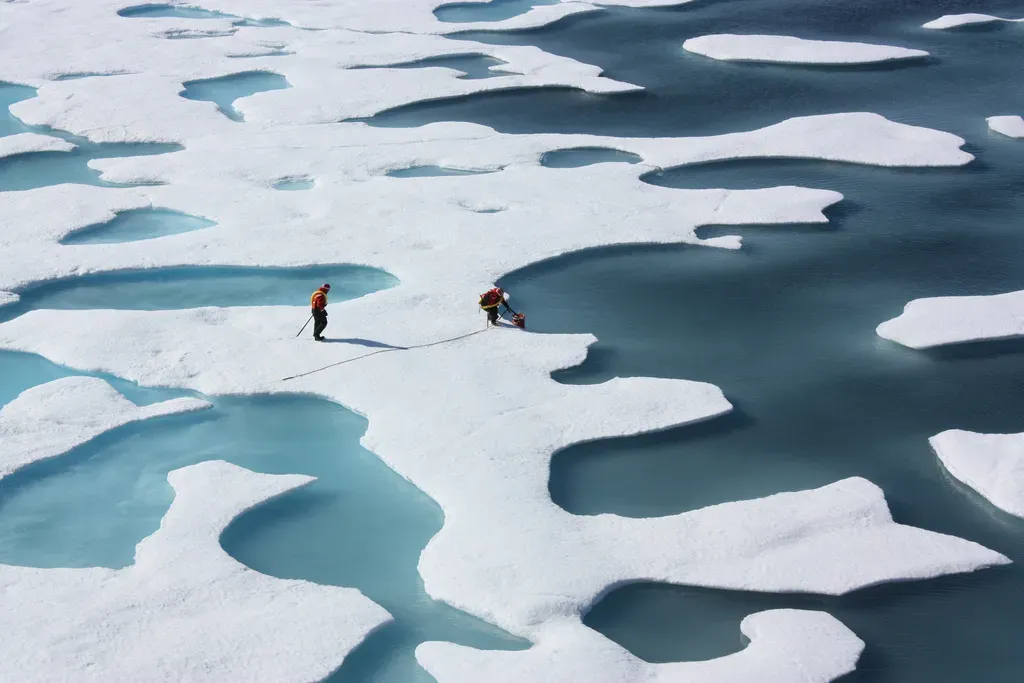
What all ten of these changes share is that they are no longer projections. They are observations. They are things you can see, measure, and feel in the regions where climate change has moved from future risk to present reality. The rivers have already turned orange. The coral has already bleached. The glaciers have already retreated.
Climate-related disasters have displaced over 20 million people annually in the past decade. Vulnerable communities in the Global South are disproportionately affected, with limited resources to rebuild or recover, underscoring the glaring inequities in the climate crisis. The burden is not shared equally, and that is perhaps one of the most uncomfortable truths of all.
The question is no longer whether these changes are real. The question is whether the rest of us are paying close enough attention. What would you have noticed first?
