

There is something deeply unsettling about watching the natural world change faster than science can fully document it. Forests that stood for centuries are gone in a single season. Reefs that took thousands of years to form are bleaching white in a matter of weeks. Something has clearly shifted, and the numbers being published by scientists from around the globe confirm what many already fear. The Earth’s life-support systems are under a kind of pressure that has no modern precedent.
What is most alarming is that many of these changes are not isolated events. They reinforce one another, creating feedback loops that push already stressed ecosystems closer to points of no return. This article looks at nine of the most critical environmental changes experts are tracking right now, and honestly, the picture is more urgent than most mainstream coverage suggests. Let’s dive in.
Record-Breaking Global Temperatures Are Rewriting the Rulebook
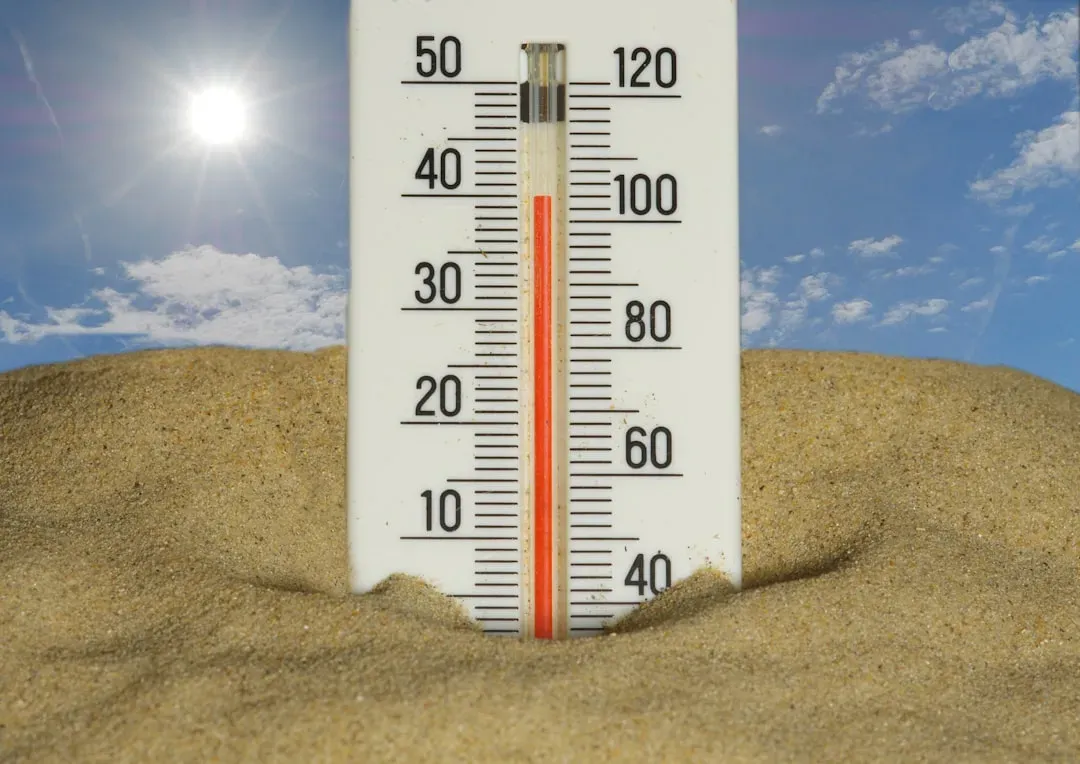
Let’s be real – temperature records used to be broken once in a generation. Now they fall year after year. Annual average mean temperatures in 2024 stood at 1.55 degrees Celsius above pre-industrial levels, surpassing the previous 2023 record by 0.1 degrees Celsius, according to the World Meteorological Organization. That is not a rounding error. That is a planetary alarm going off.
In 2024, global surface temperature was 1.29 degrees Celsius above the 20th-century average, ranking as the highest global temperature in the 1850 to 2024 period and beating the next warmest year, 2023, by 0.10 degrees Celsius. The 10 warmest years since 1850 have all occurred in the past decade. Think about that for a moment. Every single one of the hottest years ever recorded has happened within the last ten years.
Since the Industrial Revolution, human activities – primarily the burning of fossil fuels and land-use changes – have dramatically increased concentrations of heat-trapping greenhouse gases in the atmosphere. Over the last 50 years, global temperatures have increased at a greater rate than at any other time in the last 2,000 years, according to the IPCC. Ecosystems that evolved over millennia simply cannot adapt on a timescale of decades.
The Unprecedented Coral Bleaching Crisis
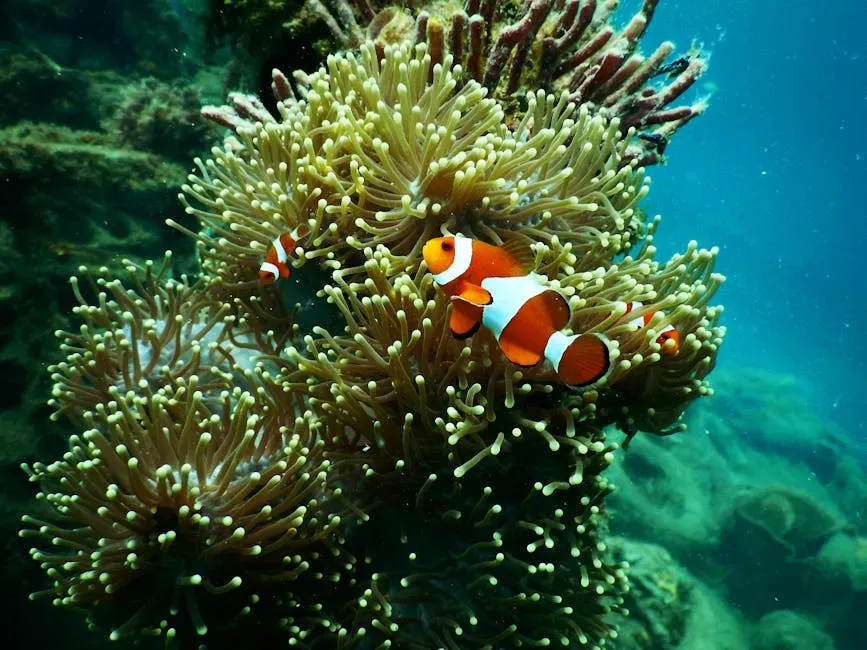
Few environmental stories in recent years match the sheer scale of what is happening to coral reefs. From January 2023 to September 2025, bleaching-level heat stress impacted roughly 84 percent of the world’s coral reef area, with mass coral bleaching documented in at least 83 countries and territories. That number is staggering. To put it into context, during the first global coral bleaching event in 1998, just over one fifth of reefs experienced bleaching-level heat stress, rising to just over a third in 2010 and roughly two thirds during the 2014 to 2017 event.
Scientists called the fourth global coral bleaching event “unprecedented” as early as May 2024, and a widely used bleaching prediction platform had to add three entirely new levels to their Bleaching Alert Scale to indicate the heightened risk of mass coral mortality. In other words, the tools built to measure bleaching risk ran out of numbers. Scientists from the International Coral Reef Society have expressed concern that ocean temperatures may not drop below bleaching thresholds in the foreseeable future, potentially maintaining a continuous state of bleaching stress on marine ecosystems.
Coral reefs exist in more than 100 countries and territories and support at least one quarter of all marine species, providing ecosystem services valued at up to 9.9 trillion dollars annually. Their collapse would be far more than an environmental tragedy. It would be an economic and food security catastrophe for hundreds of millions of people.
Ocean Acidification Crosses a Planetary Boundary for the First Time
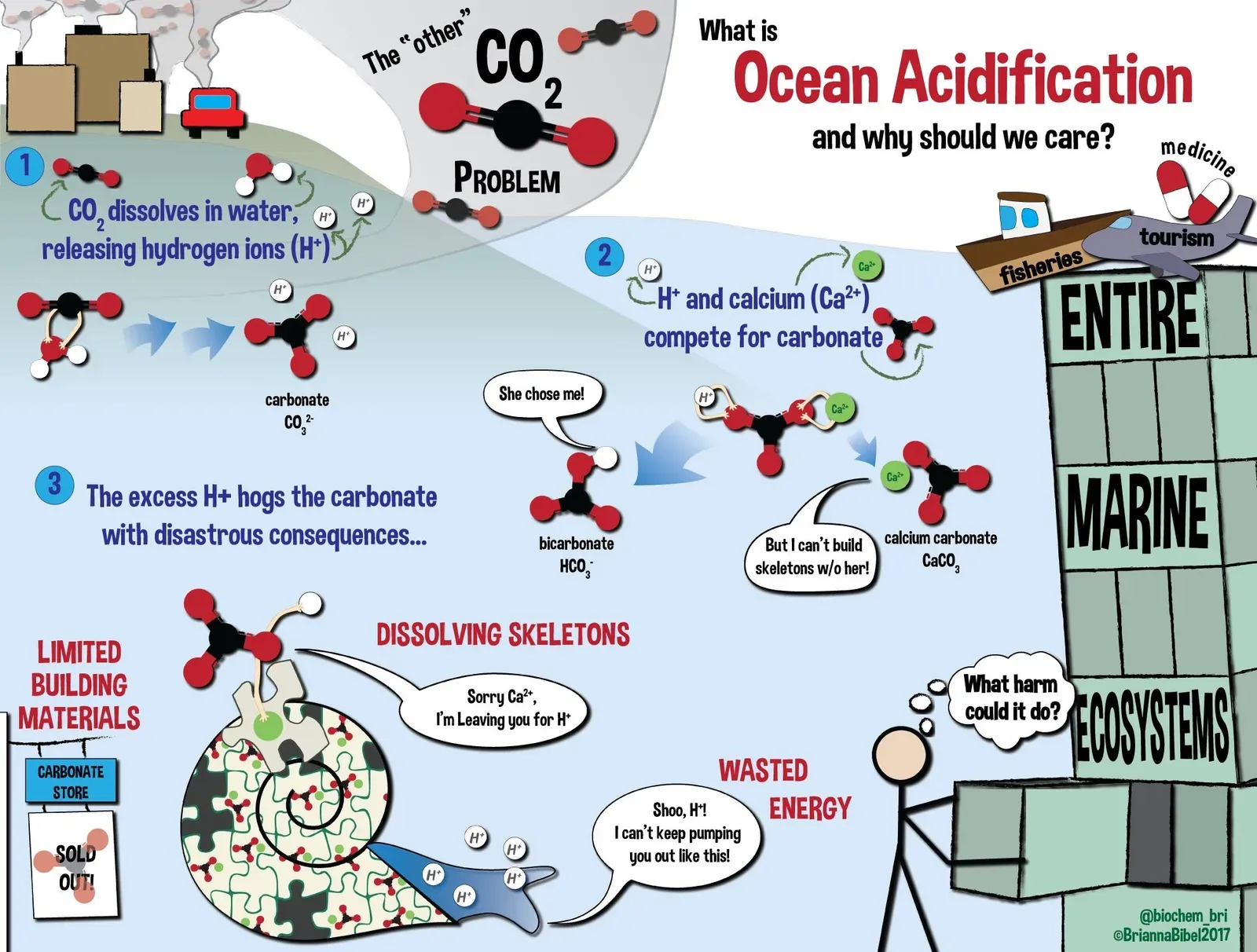
Here is something that barely made headlines when it should have dominated them. A major new scientific review, the Planetary Health Check 2025, showed that seven of nine planetary boundaries have now been exceeded, including, for the first time, the boundary for ocean acidification. This means that several of Earth’s life-supporting systems risk crossing critical thresholds, with severe consequences for both ecosystems and societies.
Since the start of the industrial era, the ocean’s surface pH has fallen by around 0.1 units, a 30 to 40 percent increase in acidity, pushing marine ecosystems beyond safe limits and degrading the oceans’ ability to act as Earth’s stabilizer. That might sound like a small number, but pH is a logarithmic scale. A shift of 0.1 represents an enormous chemical transformation that organisms with shells and skeletons simply cannot keep pace with.
This process makes it increasingly difficult for shell-forming organisms to build and maintain their calcium carbonate structures. Oysters, mussels, sea urchins, and certain types of plankton that form the very base of marine food webs are all at serious risk. Over 10 percent of marine biodiversity hotspots are acidifying faster than the global average, which means the damage is concentrated in exactly the places that matter most for ocean life.
Glaciers and Ice Sheets Are Disappearing at Record Speed
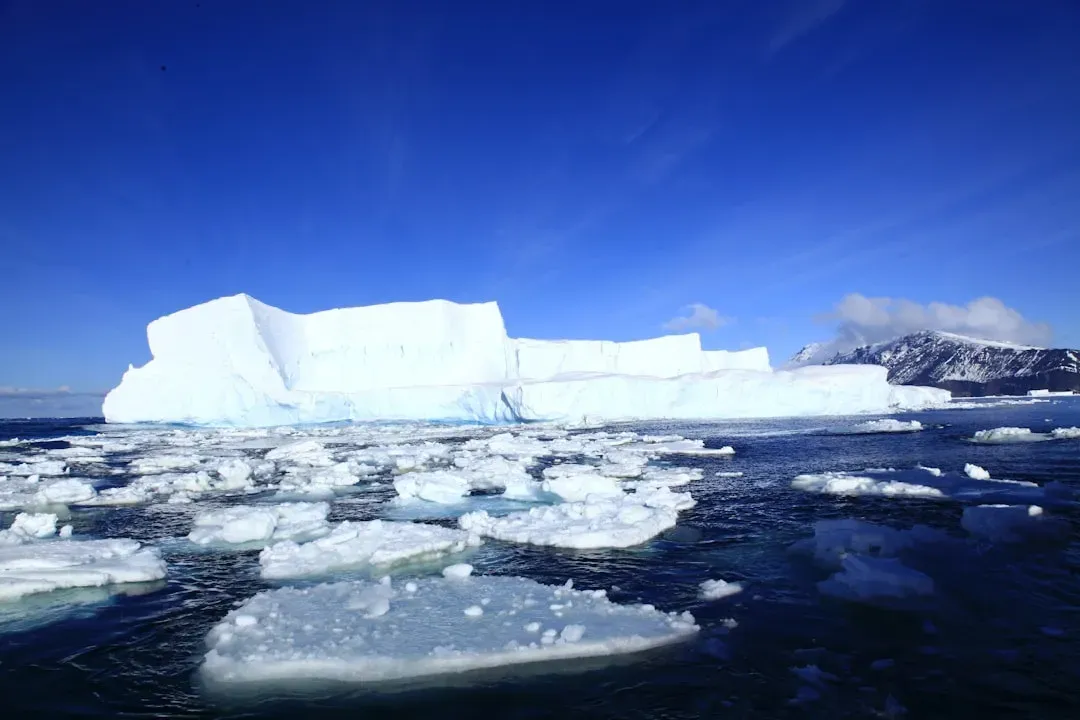
The data on glaciers reads almost like a countdown clock. For the second consecutive year in 2024, all 58 global reference glaciers across five continents lost mass, resulting in the greatest average ice loss in the 55-year record. Every single monitored glacier on every single continent. No exceptions. In South America, Venezuela became the first Andes country to register the loss of all of its glaciers, and in Colombia, the Conejeras Glacier was declared extinct.
About 41 percent of the total global glacier loss since 1976 occurred during just the last decade, from 2015 to 2024, and five of the last six years have seen the strongest global glacier mass loss ever recorded. The acceleration is not subtle. It is dramatic and accelerating further. In 2025, Greenland lost 105 billion tonnes of ice over the 12 months from September 2024 to August 2025, making it the 29th consecutive year that Greenland recorded a net loss of ice.
The long-term rate of sea-level rise has nearly doubled, from 2.1 millimeters per year between 1993 and 2002, to 4.1 millimeters per year between 2016 and 2025. Coastal ecosystems, wetlands, and mangrove forests are drowning under seas that are rising far faster than they can migrate or adapt. It is slow-moving devastation, but no less devastating for its pace.
Deforestation Surges Back Despite Global Pledges
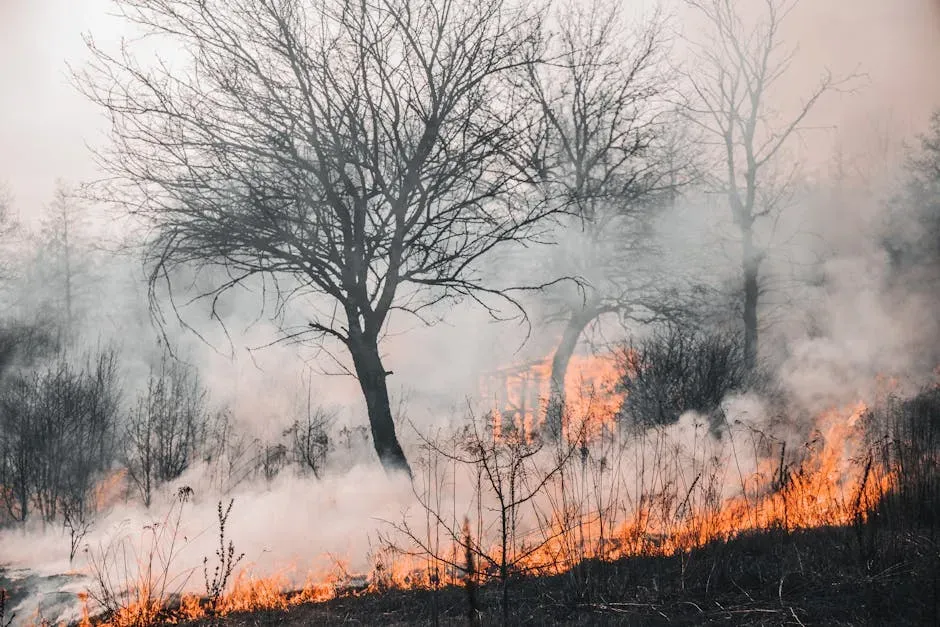
The world made bold promises about forests. The delivery has been far less inspiring. Permanent forest loss dropped from a record high of 10.7 million hectares per year in 2017 to 7.8 million hectares in 2021, but has since ticked back upward to reach 8.1 million hectares in 2024. This is roughly equivalent to losing nearly 22 football fields of forest every single minute, permanently. Twenty-two football fields. Every minute. That number should haunt us.
In 2024, Amazon deforestation surged, with fires responsible for around 60 percent of forest loss. In early 2025, deforestation rose again, with a single month seeing a rise of 92 percent compared to the previous year. Forests are not just trees. They are climate regulators, water systems, and homes to an extraordinary proportion of all land-based species. Research published in August 2024 highlighted that forest degradation from activities like selective logging and fires reduced carbon storage in the southern Brazilian Amazon five times more than outright deforestation.
Getting on track for 2030 deforestation targets will now require the rate of permanent forest loss to decline nine times faster than it currently is. Nine times faster. That is not a policy gap. That is a chasm. And without forests, the land-based carbon sinks that help buffer climate change are quietly breaking down.
Ocean Heat Content Shatters Records Year After Year

Think of the ocean as a giant heat sponge. It has been absorbing the excess energy trapped by greenhouse gases for decades, protecting us from even more severe surface warming. Over the past half-century, the oceans have stored more than 90 percent of the excess energy trapped in Earth’s system by greenhouse gases. Global ocean heat content, measured from the surface to a depth of 2,000 meters, continued to increase and reached new record highs in 2024.
The year 2025 was the warmest on record for the heat content of the world’s oceans, with ocean heat content increasing by around 500 zettajoules since the 1940s. That is an almost incomprehensible quantity of energy. Rapid ocean warming and intensifying marine heatwaves are harming ecosystems and increasing extreme weather risks, reshaping where species can survive and disrupting migration patterns that marine food webs depend on.
Even the ocean is soaking up less carbon dioxide, while more frequent and intense marine heatwaves ravage ecosystems and coastal livelihoods. The very buffer that has been protecting us from the full force of climate change is starting to buckle. I think this is one of the most underreported and underestimated shifts happening right now.
Biodiversity Loss Is Accelerating Toward Mass Extinction

Scientists have been cautious about using the phrase “mass extinction.” That caution is eroding. A biodiversity crisis is currently seeing 1 million species pushed towards extinction, according to a report by the Intergovernmental Platform on Biodiversity and Ecosystem Services. An estimated 28 percent of the world’s animal and plant species are currently under threat of extinction according to the International Union for Conservation of Nature, and this figure has increased steadily each year since the mid-1990s.
Over one-third of marine mammals and nearly one-third of sharks, shark relatives, and reef-forming corals are threatened with extinction, according to global biodiversity assessments. Species that took millions of years to evolve are disappearing within human lifetimes. Nearly half of all migratory species listed in a key UN treaty are in decline, with more than one in five of those species facing extinction, with researchers pinning much of the blame on human-induced habitat loss.
Biodiversity loss and climate change reinforce each other in a destabilising feedback loop, according to the 2025 insights in climate science. This is critical to understand. These are not separate problems. Each makes the other worse, and together they can push whole ecosystems to collapse far faster than either crisis alone would.
Extreme Weather Events Are Disrupting Ecosystems at Scale
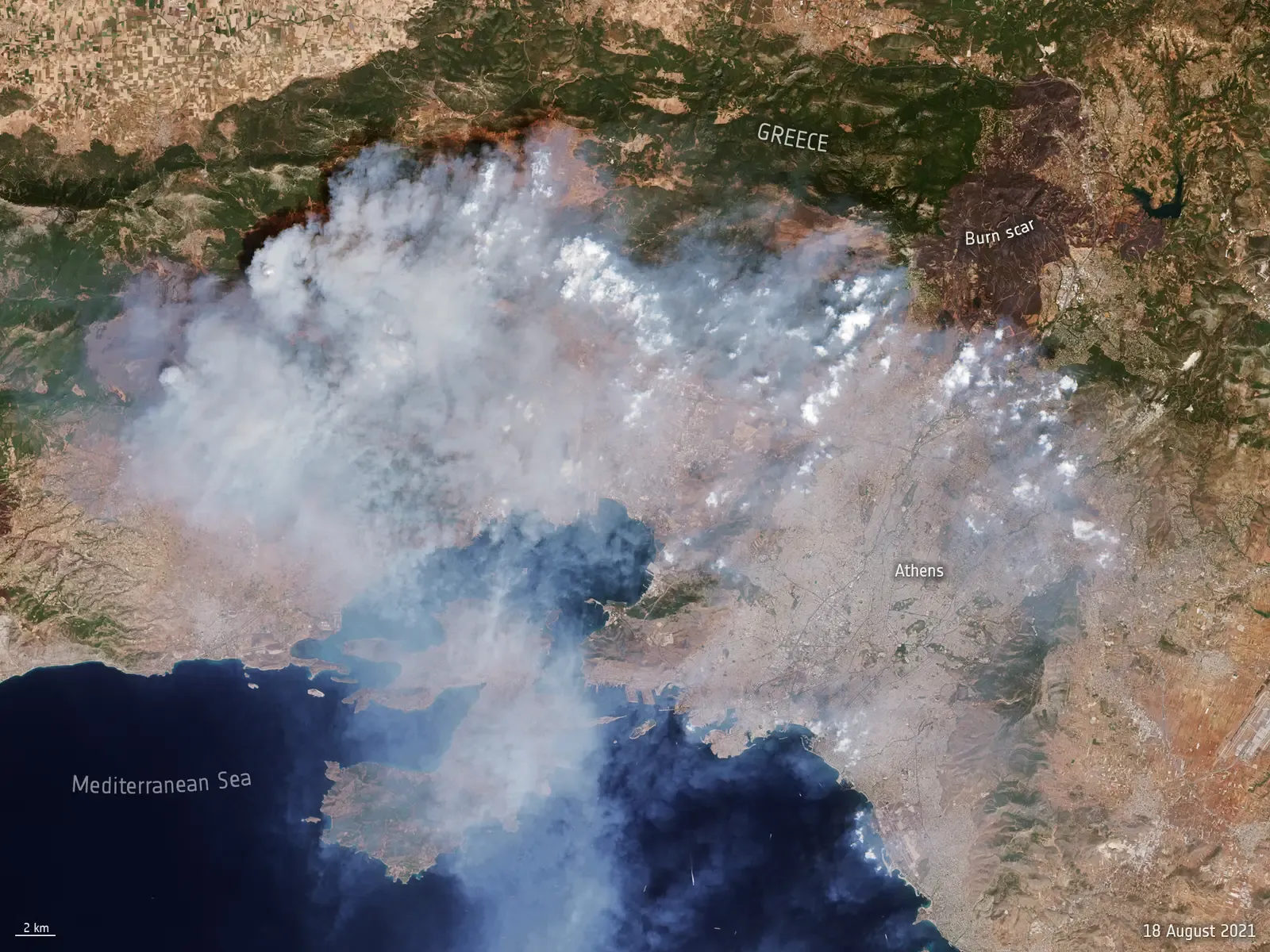
Deadly weather disasters surged in 2024 and 2025, with floods, wildfires, and typhoons killing hundreds in the U.S. alone. This is not just a human tragedy. Wildfires, megafloods, and prolonged droughts destroy habitat at a pace that species simply cannot recover from. Carbon dioxide levels in the atmosphere soared to unprecedented highs in 2024, due to continued emissions from human activities, an upsurge from wildfires, and reduced CO2 absorption by land ecosystems and the ocean.
In 2024, natural hazards triggered 45 million short-term internal displacements across 163 countries, the highest figure since at least 2008. When people flee, agricultural and conservation systems collapse locally too, creating secondary waves of environmental destruction. Disaster costs now exceed 2.3 trillion dollars annually when cascading and ecosystem costs are taken into account, according to the UN Office for Disaster Risk Reduction.
Weather and climate-related extreme events up to August 2025, ranging from devastating rainfall and flooding to brutal heat and wildfires, had cascading impacts on lives, livelihoods, and food systems, contributing to displacement across multiple regions and undermining sustainable development. The word “cascading” is key here. One disaster triggers another, which disrupts another ecosystem, which reduces resilience to the next event. It is a vicious cycle.
Greenhouse Gas Concentrations Hit Record Highs With No Slowdown in Sight
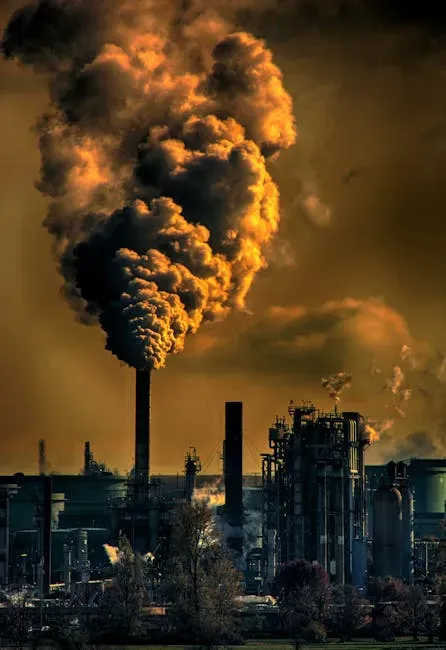
At the root of nearly all of these changes is one brutal, stubborn fact. Concentrations of the three key greenhouse gases in the atmosphere, carbon dioxide, methane, and nitrous oxide, reached record-high observed levels in 2024, the most recent year for which there are global consolidated figures. And measurements from individual locations suggest they will be even higher in 2025. The atmospheric concentration of CO2 has increased from around 278 parts per million in 1750 to 423.9 parts per million in 2024, an increase of 53 percent.
UNEP’s Emissions Gap Report 2024 reveals that the world is on pace for a potentially catastrophic temperature rise of between 2.6 and 3.1 degrees Celsius this century, and that to keep alive the most ambitious goals of the Paris Agreement, greenhouse gas emissions must fall by more than 40 percent by 2030. We are not on that trajectory. Not even close. Coal’s share of global electricity generation fell only slightly from 37 percent in 2019 to 34 percent in 2024, remaining well off track toward the decarbonization targets the world committed to.
We have now crossed seven out of nine planetary boundaries: climate change, biosphere integrity, novel entities, land system change, freshwater use, biogeochemical flow, and ocean acidification. Seven out of nine. The framework was designed to describe the safe operating space for humanity. The fact that we have shattered most of its limits is the most sobering single statistic in this entire story. Every ecosystem on Earth is operating in conditions it was not designed for.
Conclusion
What ties all nine of these changes together is the scale and speed at which they are happening simultaneously. No ecosystem exists in isolation. Forests regulate rainfall that feeds rivers. Rivers sustain wetlands. Wetlands protect coastlines. Coastlines shelter reefs. When one system frays, it tugs at all the others. The experts tracking these changes are not alarmists. They are people staring at data that should alarm all of us.
It is hard to say for sure how close any one ecosystem is to its tipping point. Science is still working that out. But the direction of travel is unmistakable, and the pace is accelerating. The encouraging part, if there is one, is that every fraction of a degree of warming that is prevented matters. Every forest that is protected buys time. Every policy that reduces emissions counts. The question is whether the collective urgency finally matches the scale of what the numbers are telling us.
What do you think? Are we moving fast enough, or is the gap between the science and the global response the most dangerous environmental change of all? Tell us in the comments.

- 10 Surprising Places That Could Benefit from Climate Change - March 30, 2026
- 9 Environmental Changes Experts Say Are Pushing Ecosystems to the Edge - March 30, 2026
- Scientists Reveal the Top 10 Climate Innovations to Watch in 2026 - March 30, 2026
