

Most people think of climate change as a slow-moving problem. Something for future generations to worry about. Honestly, that assumption is now dangerously outdated. The signals are no longer subtle warnings tucked inside science journals. They are showing up in your weather forecast, your grocery bill, and the news headlines every single week.
What’s especially unsettling is just how many of these signals are hitting all at once. The data from 2024 and 2025 is startling, and if you haven’t been paying attention, it might be time to start. Let’s dive in.
1. Record-Shattering Global Temperatures, Year After Year
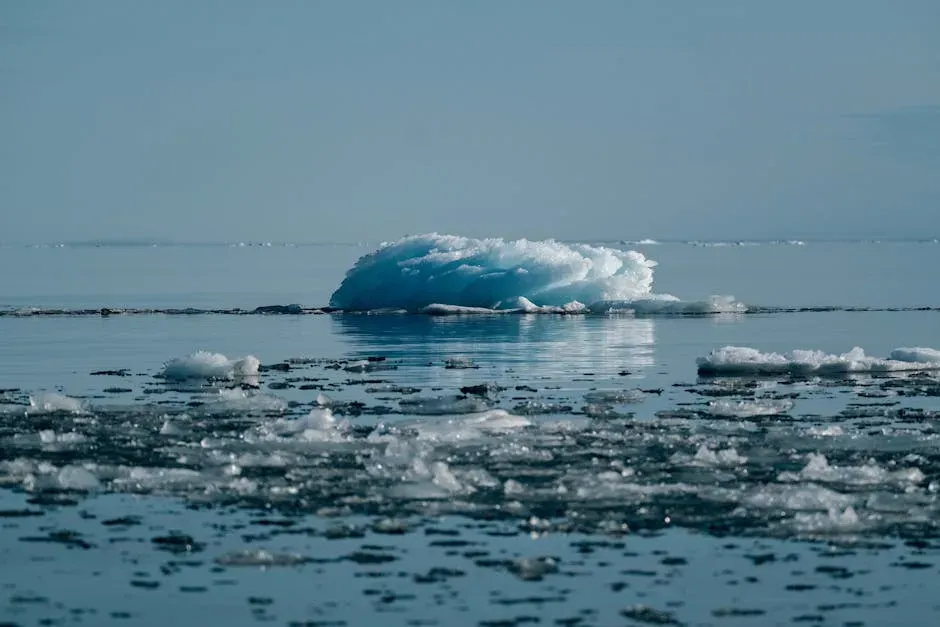
The WMO’s State of the Global Climate report confirmed that 2024 was likely the first calendar year to be more than 1.5°C above the pre-industrial era, with a global mean near-surface temperature of 1.55°C above the 1850-1900 average. That number might sound like a small difference, but in climate science, it is enormous. Think of it like a human body running a persistent fever. Even a one-degree shift changes everything.
The ten warmest years in the 175-year record have all occurred during the last decade, from 2015 through 2024. That is not a coincidence or a blip. Human-induced warming has been increasing at a rate that is unprecedented in the instrumental record, reaching 0.27°C per decade over 2015 to 2024. That acceleration is what scientists lose sleep over.
An estimated 3.3 billion people, roughly 40 percent of Earth’s population, experienced a locally record warm annual average in 2024. None of the Earth’s surface had a record cold annual average in 2024. Not a single patch of ground. Let that sink in.
2. Atmospheric CO2 at Levels Unseen in Millions of Years
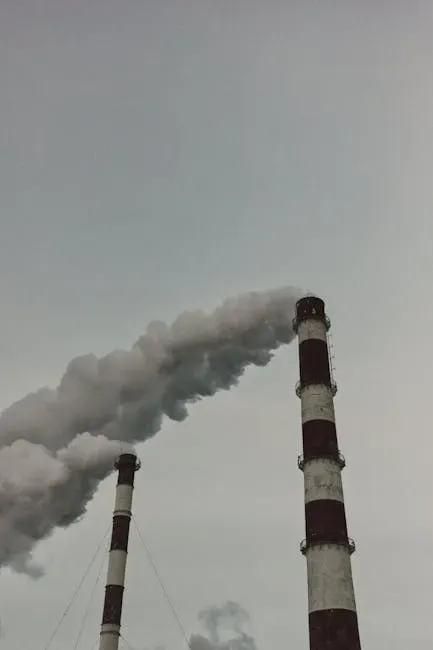
There is now more carbon dioxide in the atmosphere than at any point in at least the last 2 million years. That is not a figure from an alarmist pamphlet. It comes from hard observational data. The sheer scale of that statement is worth sitting with for a moment.
Initial projections for 2024 indicate that CO2 emissions from fossil fuels and industry increased to 38.2 gigatons of CO2, and CO2 emissions from land-use change increased to 4.2 gigatons. In 2025, atmospheric carbon dioxide is at a record level, likely worsened by a sudden drop in land carbon uptake partly due to El Niño and intense forest fires. The planet’s own natural buffers are beginning to buckle.
Atmospheric concentrations of carbon dioxide are at the highest levels in the last 800,000 years. We are not just breaking modern records. We are rewriting the geological history of this planet’s atmosphere.
3. The Arctic Is Warming Twice as Fast as the Rest of the Planet

Here’s the thing about the Arctic. What happens there does not stay there. It affects jet streams, ocean currents, and weather patterns thousands of miles away. Surface air temperatures across the Arctic from October 2024 through September 2025 were the warmest recorded since 1900. Autumn 2024 and winter 2025 were especially warm, ranking first and second warmest, respectively.
Since 2006, Arctic annual temperature has increased at more than double the global rate of temperature changes. In March 2025, Arctic winter sea ice reached the lowest annual maximum extent in the 47-year satellite record. That is the most comprehensive satellite record we have, and the Arctic just set its worst result.
The oldest, thickest Arctic sea ice, older than four years, has declined by more than 95 percent since the 1980s. Imagine a wall of ice that was thousands of years in the making, now almost entirely gone within a single human lifetime. That is what we are watching happen.
4. Glaciers and Ice Sheets in Alarming, Accelerating Retreat
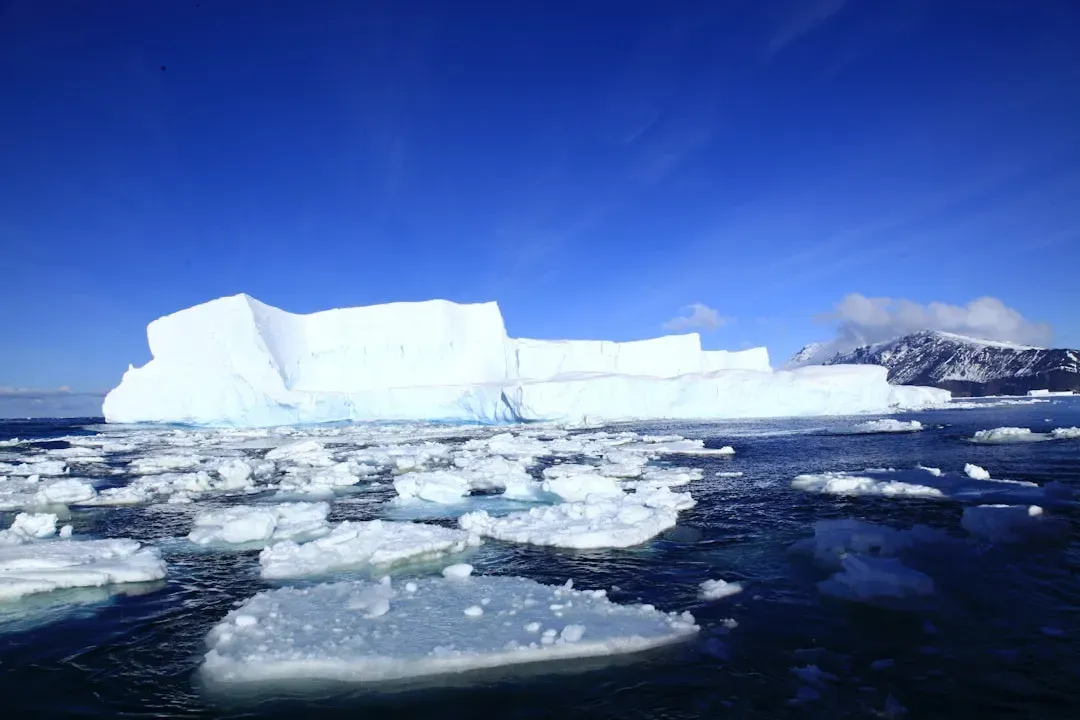
Glaciers in Arctic Scandinavia and Svalbard experienced the largest annual net loss of ice on record between 2023 and 2024. Records that took decades to build are being shattered back to back. Alaskan glaciers have lost an average of 125 vertical feet of ice since the mid-20th century, dramatically lowering ice surfaces statewide.
The Greenland Ice Sheet lost an estimated 129 billion tons of ice in 2025, less than the annual average of 219 billion tons between 2003 and 2024, but continuing the long-term trend of net loss. A slightly reduced loss year does not signal recovery. Greenland continues to be a major contributor to global sea-level rise and a driver of freshwater and nutrient inputs that influence North Atlantic ocean circulation and marine productivity.
The largest three-year loss of glacier mass on record occurred in the past three years. These are not just scenic losses. Ongoing glacier loss contributes to steadily rising global sea levels, threatening Arctic communities’ water supplies, driving destructive floods and increasing landslide and tsunami hazards that endanger people, infrastructure, and coastlines.
5. Rising Sea Levels That Are Now Doubling in Speed

Let’s be real. Sea level rise sounds slow, manageable, far away. The problem is, the speed is changing faster than coastal infrastructure can adapt. The rate of sea level rise has doubled since satellite measurements began. That doubling matters enormously for the hundreds of millions of people living in low-lying coastal zones around the world.
The indicators show that human activities are increasing the Earth’s energy imbalance and driving faster sea-level rise compared to the AR6 assessment. In other words, even the most recent formal scientific reports are already being outpaced by real-world observations. About 90 percent of the excess heat from global warming is stored in the ocean, making ocean heat content a critical indicator of climate change. From 2023 to 2024, the global upper 2000-meter ocean heat content increased by 16 zettajoules, about 140 times the world’s total electricity generation in 2023.
Think of the ocean as a bathtub you’ve been slowly filling while also cranking up the temperature. At some point, it overflows. The difference here is that entire coastal cities are sitting at the edge of that tub.
6. Extreme Weather Disasters Are Becoming the New Normal
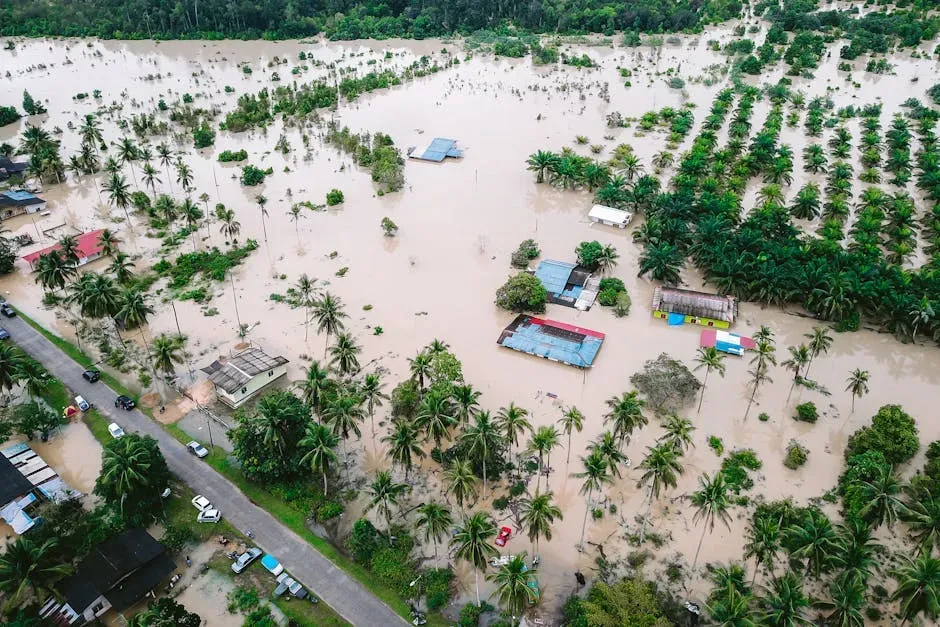
The planet was besieged by 58 billion-dollar weather disasters in 2024, ranking second-highest behind only 2023, which had 73. The total damage wrought by weather disasters in 2024 was $402 billion, 20 percent higher than the 10-year inflation-adjusted average. These are not freak events anymore. They are the new baseline.
Climate change was a significant contributor to nearly all of the 26 extreme weather events evaluated in 2024, and collectively at least 3,700 people were killed and millions more were displaced by these events. The past three years rank highest for the annual number of billion-dollar disasters: 2023 with 28 events, 2024 with 27 events, and 2025 with 23 events. Three years in a row. No equivalent streak has ever existed in recorded history.
The January 2025 Los Angeles wildfires were the costliest event of the year as well as the costliest wildfire on record. With $61.2 billion in damages, this devastating event was about twice as costly as the previous record wildfire. It is hard to fully comprehend numbers like that. They represent entire neighborhoods, livelihoods, and irreplaceable memories wiped out in days.
7. Dangerous Heat Is Directly Killing People Right Now
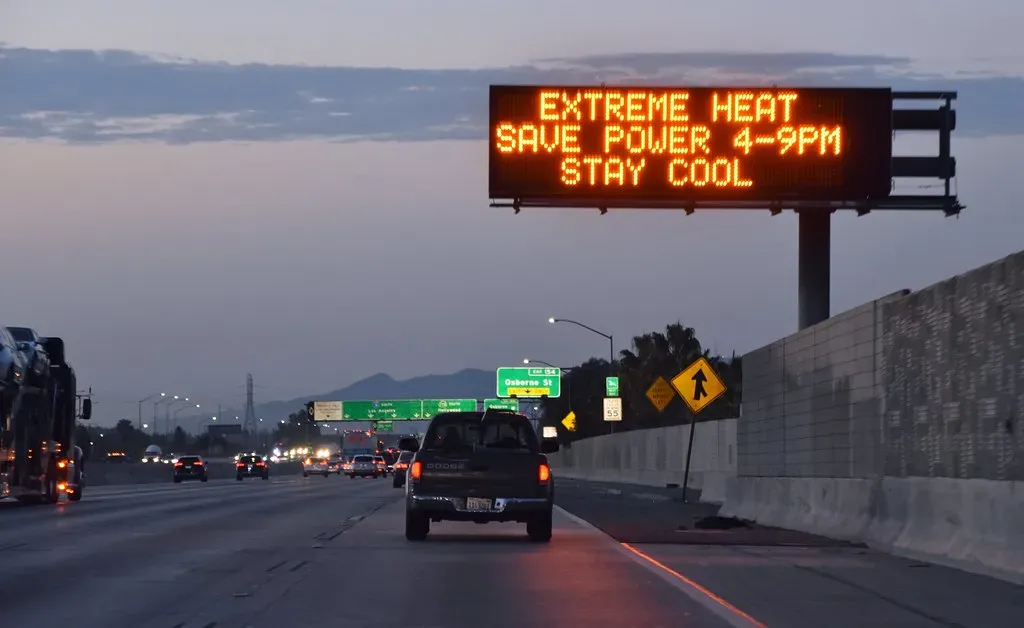
I think this is the signal that people underestimate the most. Heat is invisible, quiet, and relentless. The rate of heat-related mortality has increased 23 percent since the 1990s, pushing total heat-related deaths to an average of 546,000 deaths per year. That is more than half a million people every single year, quietly lost to heat.
The average person was exposed to 16 days of dangerous heat in 2024 that would not have been expected without climate change, with infants and older adults facing a total of over 20 heatwave days per person, a fourfold increase over the last twenty years. That fourfold increase is staggering when you consider what that means for hospitals, care homes, and outdoor workers.
Heat exposure caused 640 billion potential labour hours to be lost in 2024, with productivity losses equivalent to $1.09 trillion. The costs of heat-related deaths among older adults reached $261 billion. The economic toll alone should be shaking policymakers out of their seats. The 2025 report of the Lancet Countdown on Health and Climate Change found that 12 of 20 key indicators tracking health threats have reached record levels.
8. Food Security Is Being Quietly Undermined Worldwide
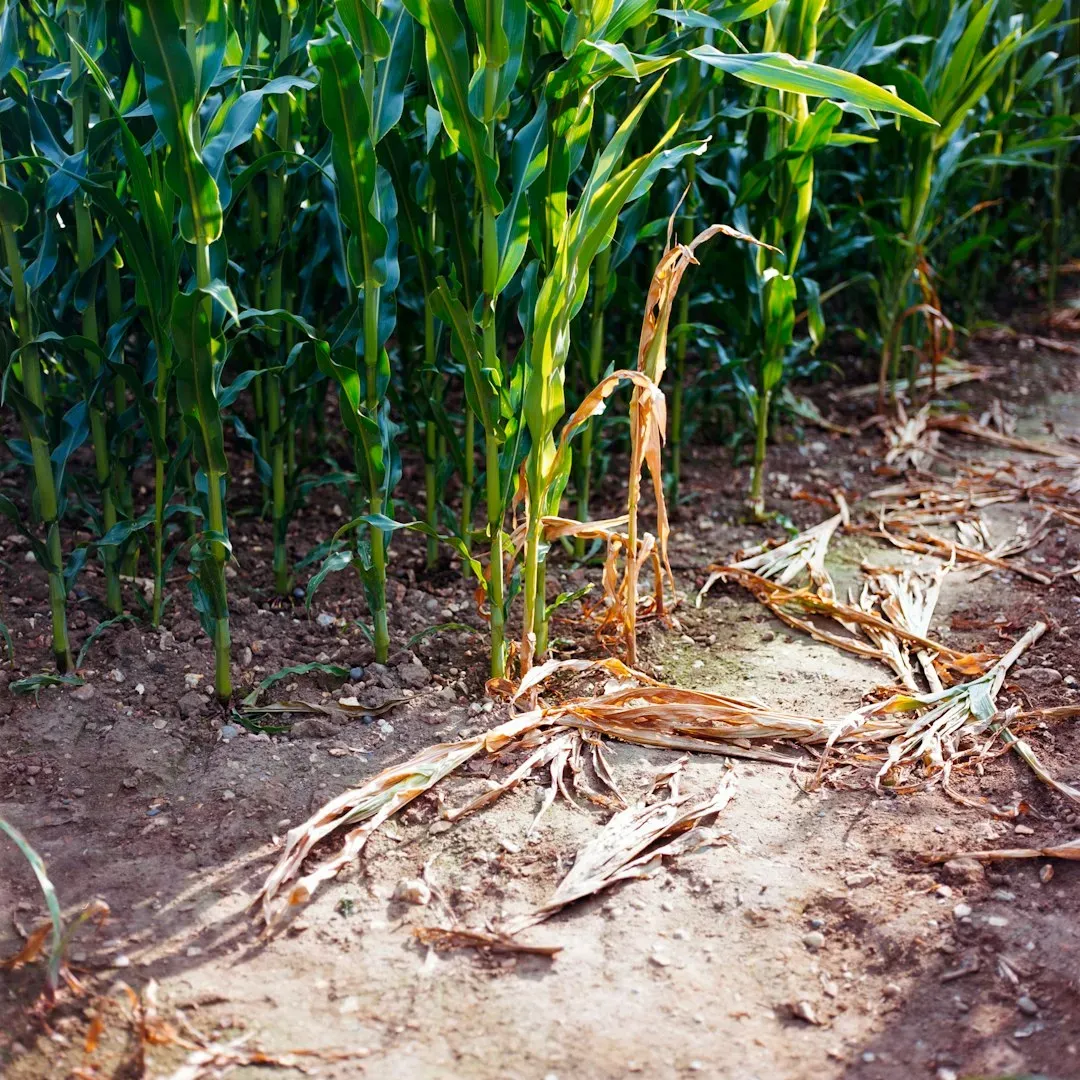
Today, approximately 673 million people suffer from hunger, and in 2024 extreme weather was the primary trigger for food crises in 18 countries, as droughts, floods, and storms wiped out harvests from Africa to Asia. Climate change is not some distant threat to food systems. It is already the primary driver of crisis in dozens of countries.
Droughts and heatwaves were associated with an additional 124 million people facing moderate or severe food insecurity in 2023. The WMO authors say shocks in 2024, including drought, conflict, and high food prices, worsened food crises in 18 countries globally. There were eight countries with at least one million more people facing acute food insecurity by mid-2024 than during 2023. Each of those numbers represents real hunger, real suffering, real children going without meals.
Droughts and extreme heat in Brazil and Vietnam decreased coffee bean yields and sent a ripple effect through the global market, raising coffee prices to an all-time high in early 2025 and causing a 14.5 percent price increase for U.S. consumers. If the price of your morning coffee has gone up lately, climate change may be at least partly to blame. The supply chain connections between a drought in Brazil and your kitchen are shorter than most people realize.
9. Wildfires Are Creating Dangerous Feedback Loops
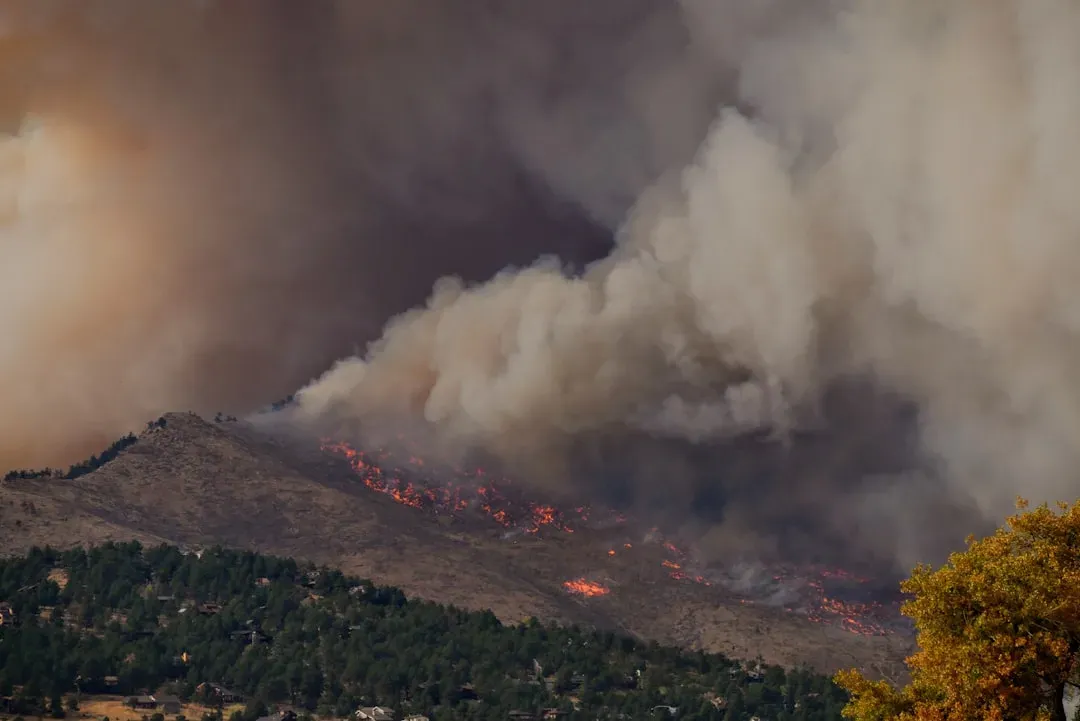
The loss of primary forest in 2024 alone resulted in roughly 3.1 gigatons of CO2-equivalent greenhouse gas emissions, which is approximately 8 percent of total 2024 anthropogenic emissions. Forests that once absorbed carbon are now releasing it. That is a feedback loop that can quickly spiral beyond human control.
This exemplifies a dangerous climate feedback loop as fires release vast carbon emissions that accelerate global warming, which in turn fuels more fire activity. It is a self-reinforcing cycle. Warming causes fires, fires cause warming. Persistent and large-scale vegetation fires were observed across Canada in July and August, and south Brazil and Bolivia from August to October. Fire carbon emissions were the highest on record for Bolivia and Venezuela, and Canada ranked second after 2023.
Five of the top 10 deadliest wildfires globally since 1900 have occurred since 2018. That is an extraordinary concentration of deadly fire events within just a few years. Summer 2025 marked the fourth consecutive year in which northern North America experienced an area burned that was above the median, with over one million acres burned in both Alaska and the Northwest Territories.
10. The 1.5°C Threshold Is Now Within Reach, and Likely to Be Crossed
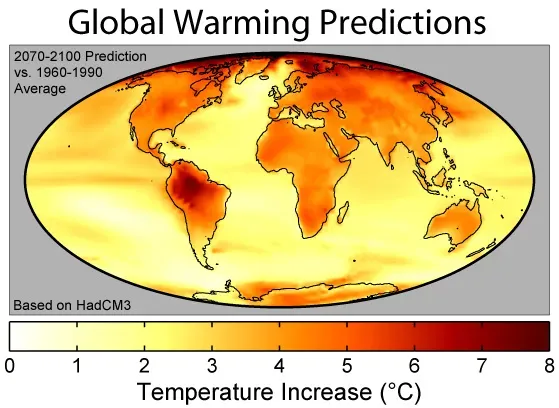
Modeling from UNEP’s Emissions Gap Report 2025 found that within the next decade, global temperatures will likely exceed 1.5°C above pre-industrial levels. This is the guardrail that nearly every government on Earth agreed to try and stay beneath. Even if countries live up to their Nationally Determined Contributions to reduce greenhouse gas emissions, the world will warm by 2.3°C to 2.5°C by the end of the century.
Currently, 22 of 34 planetary vital signs are at record levels. That is nearly two thirds of the key indicators scientists use to gauge the health of the planet. The last few years have seen surface temperature, ocean temperature, and sea ice extent records broken by extraordinary margins. These are not just records being nudged slightly. They are being broken by margins that leave scientists genuinely alarmed.
Since 2015, when the Paris Agreement was signed, global warming has increased by 0.3°C. This seemingly small rise has already made extreme heat significantly more frequent, adding 11 extra hot days per year on average, and is projected to dramatically escalate with further warming. Every fraction of a degree truly matters, and the window to keep warming in check is narrowing faster than most people know.
What These Signals Are Telling Us
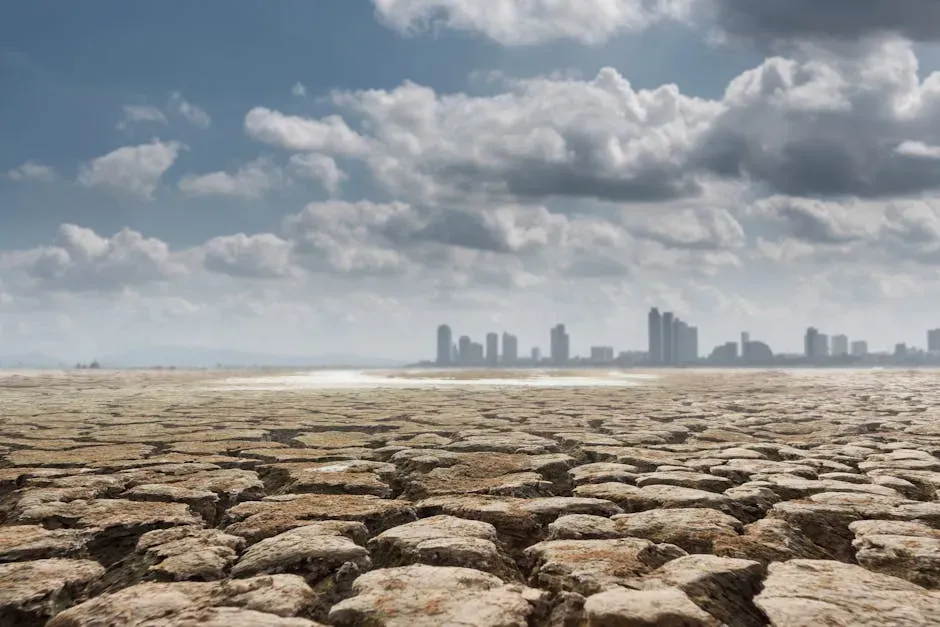
The 10 signals above are not independent data points. They are connected, reinforcing, and accelerating each other. Rising temperatures melt ice, ice melt raises sea levels, warmer oceans fuel stronger storms, stronger storms destroy food crops, and all of it together puts enormous pressure on communities that are least equipped to cope. It is a cascade, not a checklist.
The planet’s vital signs are flashing red. The consequences of human-driven alterations of the climate are no longer future threats but are here now. Preparation, at every level from individual to government, starts with truly understanding what is already unfolding. The data is clear. The trends are undeniable. The only real question left is what we choose to do with that knowledge now.
What do you think it will take for these signals to finally break through? Tell us in the comments.

- If You Ignore These 10 Climate Signals, You Could Be Unprepared For What’s Coming - March 31, 2026
- I Tracked the Habits of “Prepared” Families – They All Do These 6 Things Before Disaster Strikes - March 31, 2026
- Know Before You Relocate: 7 Once-Stable Climate Zones That Are Now At Risk - March 31, 2026
