

- Americans Are Avoiding These 6 Climate Risk Zones – Here’s Why - March 30, 2026
- AccuWeather Predicts 11–16 Named Storms for the 2026 Atlantic Hurricane Season - March 30, 2026
- The Weather “Avoid” List: 5 Situations Meteorologists Say to Stay Inside - March 29, 2026
Something is quietly shifting in how Americans decide where to call home. It’s no longer just about good schools, job markets, or the cost of a backyard. Increasingly, people are looking at the sky, the floodplain maps, and the insurance quotes – and walking away from places they once dreamed of living. The decisions are rarely dramatic. They happen in spreadsheets, in anxious phone calls with insurance agents, in the realization that a beautiful coastal house is simply uninsurable at any reasonable price.
In a recent national survey, nearly one in three Americans cited climate change as a motivation to move. That number would have been unthinkable a decade ago. So which specific zones are people actively steering clear of, and what is actually driving them out? Let’s dive in.
1. Florida’s Gulf and Atlantic Coasts – The Hurricane Hotspot Everyone Is Starting to Rethink
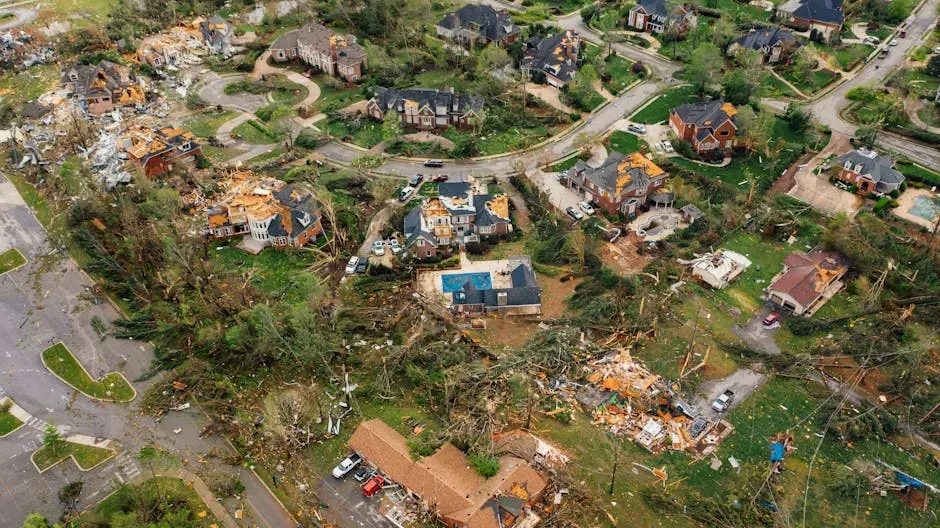
Florida has long been the go-to destination for retirees, sun-seekers, and anyone craving year-round warmth. For decades, the state practically sold itself. But the math is getting harder to ignore. Flood-prone coastal counties in Florida, Texas, New York, and Louisiana experienced net population declines in 2024 for the first time since 2019, with population growth slowing and recovery costs rising nationwide.
There are indications that Floridians are leaving the state. Mortgage applications from both in-state and out-of-state buyers are declining, and more Floridians are applying for loans elsewhere – with nearly half of those applications targeting homes in Georgia, North Carolina, South Carolina, Tennessee, and Texas.
By 2050, flooding events in Florida are expected to occur more than ten times as often as they do today, putting roughly 2.4 million residents living within four feet of the high tide line at risk of displacement and forced migration. That’s not a distant abstract threat. That is a generational financial trap hiding behind ocean views.
Hurricane Milton struck near Siesta Key in October 2024 as a Category 3 storm, causing an estimated $34 billion in damage. Insurers were already processing a high volume of claims from previous storms, and some temporarily paused new policy bindings in the hardest-hit areas. The back-to-back hits created what some analysts call “storm fatigue” – a psychological and financial exhaustion that is quietly reshaping migration patterns one family at a time.
2. California’s Wildfire Corridors – A State Where Fire Season Never Really Ends
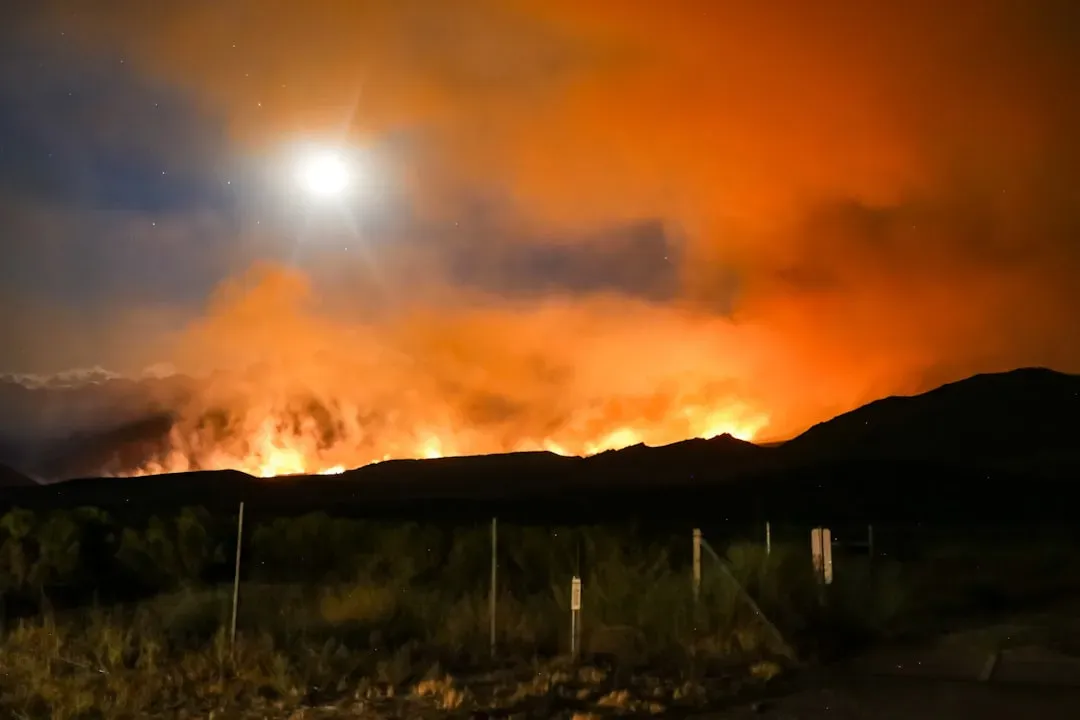
Honestly, if someone told you that nearly the entire Los Angeles County is now classified as a Very High Fire Hazard Severity Zone, you might assume they were exaggerating. They are not. In March 2025, CAL FIRE’s updated maps designated extensive areas in Los Angeles County as “Very High Fire Hazard Severity Zones,” including cities such as Los Angeles, Malibu, Pasadena, Santa Clarita, and Glendale – with those zones expanding from roughly 647,000 acres in 2011 to over 817,000 acres in 2025.
Between 1973 and 2024, the western U.S. saw an average increase of 37 extra “fire weather” days each year. This trend is especially severe in California, where these dangerous conditions now happen more often, turning what was once a seasonal threat into a year-round fire risk.
In 2025 alone, there were more than 7,855 wildfires, over 525,000 acres burned, and more than 16,500 structures destroyed across California. Think about that scale for a moment – it is like erasing entire mid-sized towns in a single fire season. Currently, more than 2.3 million acres of land in California are considered to be “high” or “very high” risk for wildfire.
Households, lenders, and investors are finding that private insurance is becoming more expensive, harder to obtain, or even unavailable in some high-risk areas. For many California residents, the wildfire risk is no longer a question of “if” but a brutal calculation of “how soon and how much.”
3. Gulf Coast Low-Lying Communities – Where the Land Itself Is Disappearing
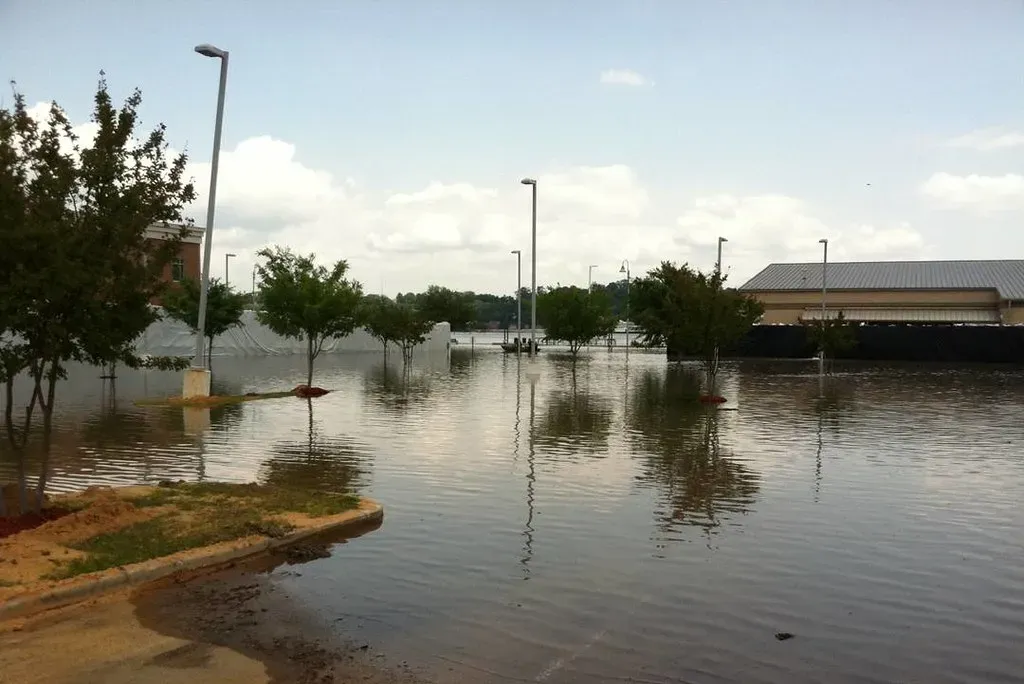
There is something viscerally unsettling about a place where the ground is literally sinking beneath you. Parts of Louisiana, Texas, and the broader Gulf Coast are facing exactly that. On the Louisiana coast, whole communities have essentially been moved. One example is Isle de Jean Charles, an old Native American community where a formal effort was made to relocate hundreds of residents roughly 40 miles north onto dry land and build them new homes, effectively retreating from the rising coastline.
Research by the First Street Foundation found that roughly 3.2 million Americans have already migrated out of flood zones – including low-lying parts of Miami and Galveston, Texas. Over the next 30 years, 7.5 million more are projected to leave those perennially flooded zones.
An estimated 14.6 million properties in the U.S. face a one percent annual likelihood of flooding, leading to projected annual damages of over $32 billion. The Gulf Coast carries a disproportionate share of that burden. Residential properties exposed to flood risk are overvalued by between $121 billion and $237 billion, with highly overvalued properties concentrated in counties along the coast with no flood risk disclosure laws.
4. The Desert Southwest – Too Hot to Handle

For years, cities like Phoenix, Las Vegas, and Tucson were booming Sun Belt success stories. Affordable housing, sunshine, low taxes – what wasn’t to love? The thing is, extreme heat is now pushing back hard. Insurance costs are squeezing homeowners and leading to climate change-driven migration away from high-risk areas in the Sun Belt and the West, with a First Street report identifying Miami, Jacksonville, Tampa, New Orleans, and Sacramento among the metro areas likely to see the biggest spikes in insurance premiums.
It is not just the climate-driven weather that is forcing migration – it is the cost of staying put. In 2024, there were 27 weather and climate disasters that resulted in at least $1 billion in damages, and because of losses like these, the cost of home insurance is skyrocketing in high-risk areas.
Since 2019, average premiums have jumped roughly a third, with even sharper increases in disaster-prone states like Florida and California. The desert Southwest adds an extra layer of long-term risk: water scarcity. As aquifers deplete and drought intensifies, the region’s growth story faces limits that no amount of air conditioning can solve. First Street warns that some metropolitan areas may cross “tipping points” through 2055 in which they begin to see net declines in population.
5. Inland Flood-Prone Zones – Even “Safe” Cities Got a Rude Awakening
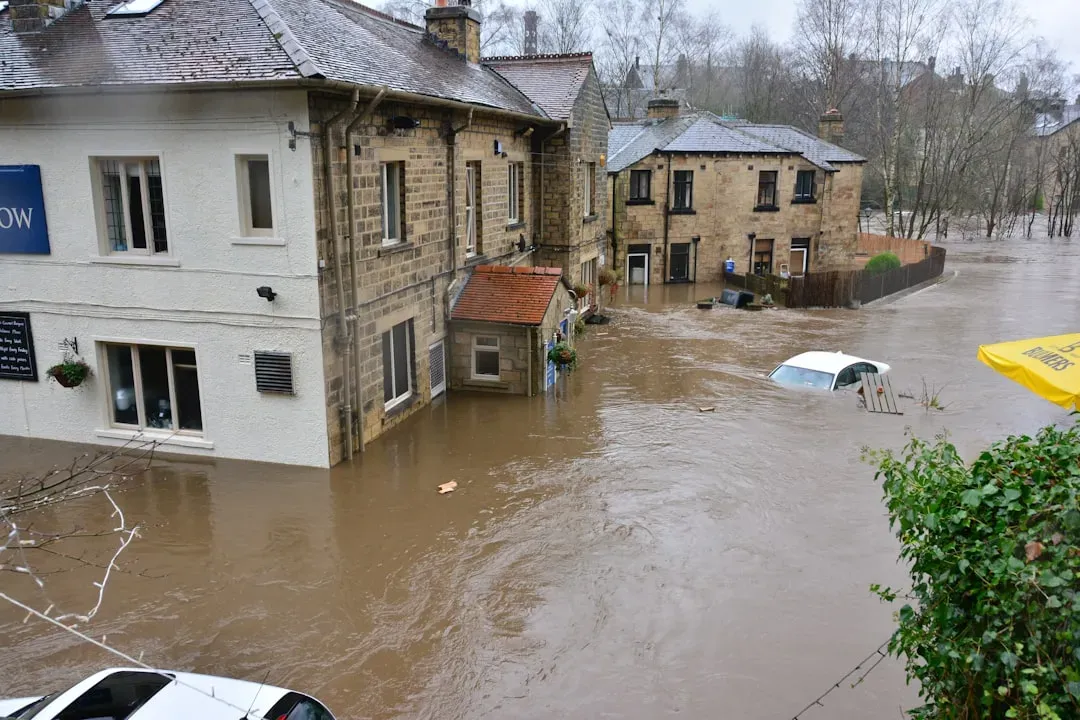
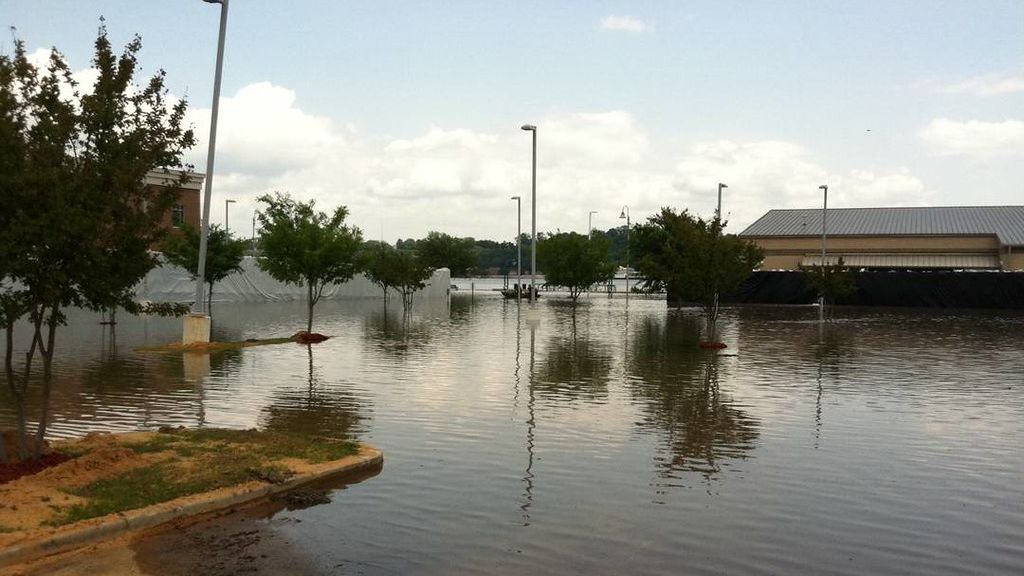
Here is one that catches people off guard. Many Americans moved inland specifically to escape coastal hazards, only to find that flood risk followed them. Asheville, North Carolina, once marketed as a green and temperate “climate haven,” became a stark example of this dangerous assumption. Post-Hurricane Helene images of Asheville showed miles of washed-out roads, vehicles rendered undrivable, and overflowing sanitation systems, with the hurricane catastrophically damaging the city’s municipal water system and raging floodwaters sweeping away buildings and bridges.
The First Street Foundation created one of the first clear pictures of how demographic change is unfolding – identifying hundreds of thousands of so-called “abandonment zones” where out-migration in response to rising risk had already passed a tipping point, with people making small, local moves to higher ground.
About 2.5 million people had to leave their homes in the United States because of weather-related disasters in 2023, according to the latest census data. It is a staggering number – and it includes not just coastal evacuees but inland communities blindsided by flooding. A November 2024 Redfin report found that homes with low natural disaster risks were rising in value faster than homes with high risk for the first time in more than 10 years. That is a market signal people are finally reading correctly.
6. High-Risk Coastal Northeast Corridors – Old Wealth Meeting New Threats
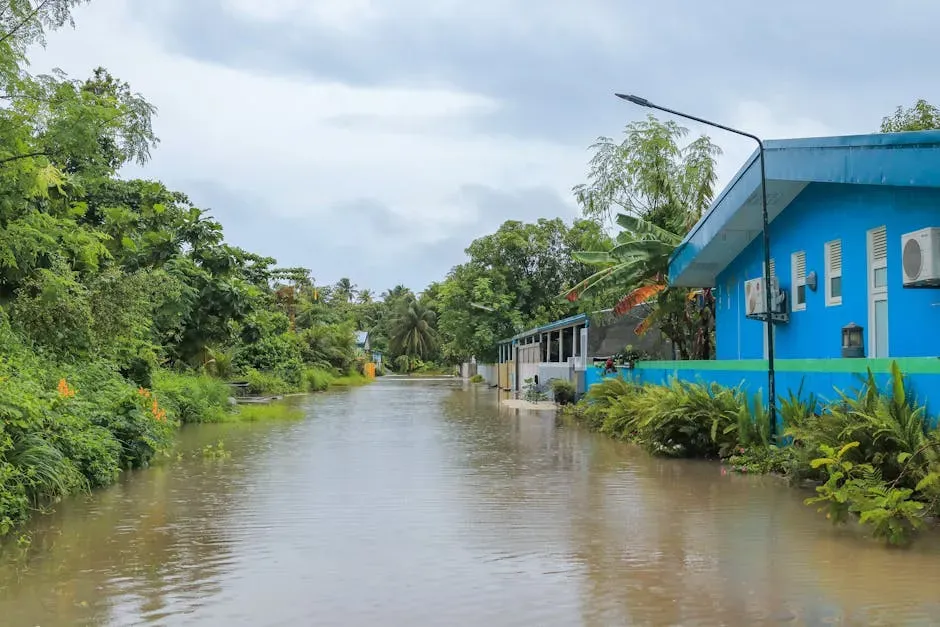
The Northeast has long felt insulated from climate risk – a perception that is eroding fast. Sea-level rise along the Atlantic seaboard is accelerating, and storm surge events that were once rare are becoming regulars. Declines in property values due to climate risk are unlikely to be temporary, particularly for properties affected by sea-level rise, and the typical insulating effect of delays in property assessment may be less relevant in this context.
By 2055, roughly 84 percent of all U.S. homes may see some drop in value, totaling nearly $1.5 trillion in losses, according to an analysis by climate-risk firm First Street. The Northeast is not exempt from that figure – far from it. The abandonment zones identified in First Street’s research include large parts of the inland Northeast and the upper Midwest, as well as low-lying coastal Florida and Texas, which are already seeing population declines.
Rising insurance costs are reshaping who can afford coastal homes, with young and middle-income buyers often priced out due to high insurance premiums that push monthly costs beyond affordability – meaning homes sit longer, prices fall, and neighborhoods change. The Northeast’s coastal character, from New Jersey to Massachusetts, is now caught between cultural identity and actuarial reality. Northern, currently less-populated areas from Montana to Wisconsin and in parts of the East may take in more people because of their greater climate resilience – a trend that is slowly reshaping the entire American map.
The Bigger Picture: A Nation Rethinking Where It Lives

What we are witnessing is not a panic. It is a slow, steady, data-driven reckoning. Across the U.S. and around the world, more people are leaving their homes as a warming climate drives more frequent floods, storms, wildfires and droughts – with disasters forcing more than 26 million people in 148 nations away from their homes in 2023.
For some of those who can move by choice, climate change is playing a growing role in their decisions, with buyers prioritizing climate resilience as much as schools, ocean views, and urban conveniences. It is a real shift in how Americans define a good life. Proximity to the beach means less if flooding destroys it every five years. A mountain view matters little if the hillside burns every summer.
Each year since 2021, the U.S. has averaged 22 natural disasters with damage exceeding $1 billion – a stark contrast from the 1980s, when the average was three per year. The numbers do not lie. For millions of Americans, moving away from a climate risk zone is no longer an abstract, future-oriented decision. It is the most financially sensible thing they can do right now.
What surprises you most – that so many people are already leaving, or that so many are still staying? Tell us what you think in the comments.
