
Let’s be honest – when we hear “climate change,” we think floods, droughts, wildfires, and headlines that make you want to hide under a blanket. The overwhelming story is one of loss and disruption. Yet buried inside that bigger, grimmer picture are a handful of places where the warming world is quietly opening doors that were frozen shut for centuries.
This is not a dismissal of the very real dangers of global warming. It’s a closer look at a more complicated reality – one that includes winners alongside the losers. Some regions, particularly cold and once-unreachable places, are standing at the edge of transformations that could change their economies, their landscapes, and their futures. Curious about which places made the list? Let’s dive in.
1. Siberia, Russia: The Sleeping Giant of Global Agriculture
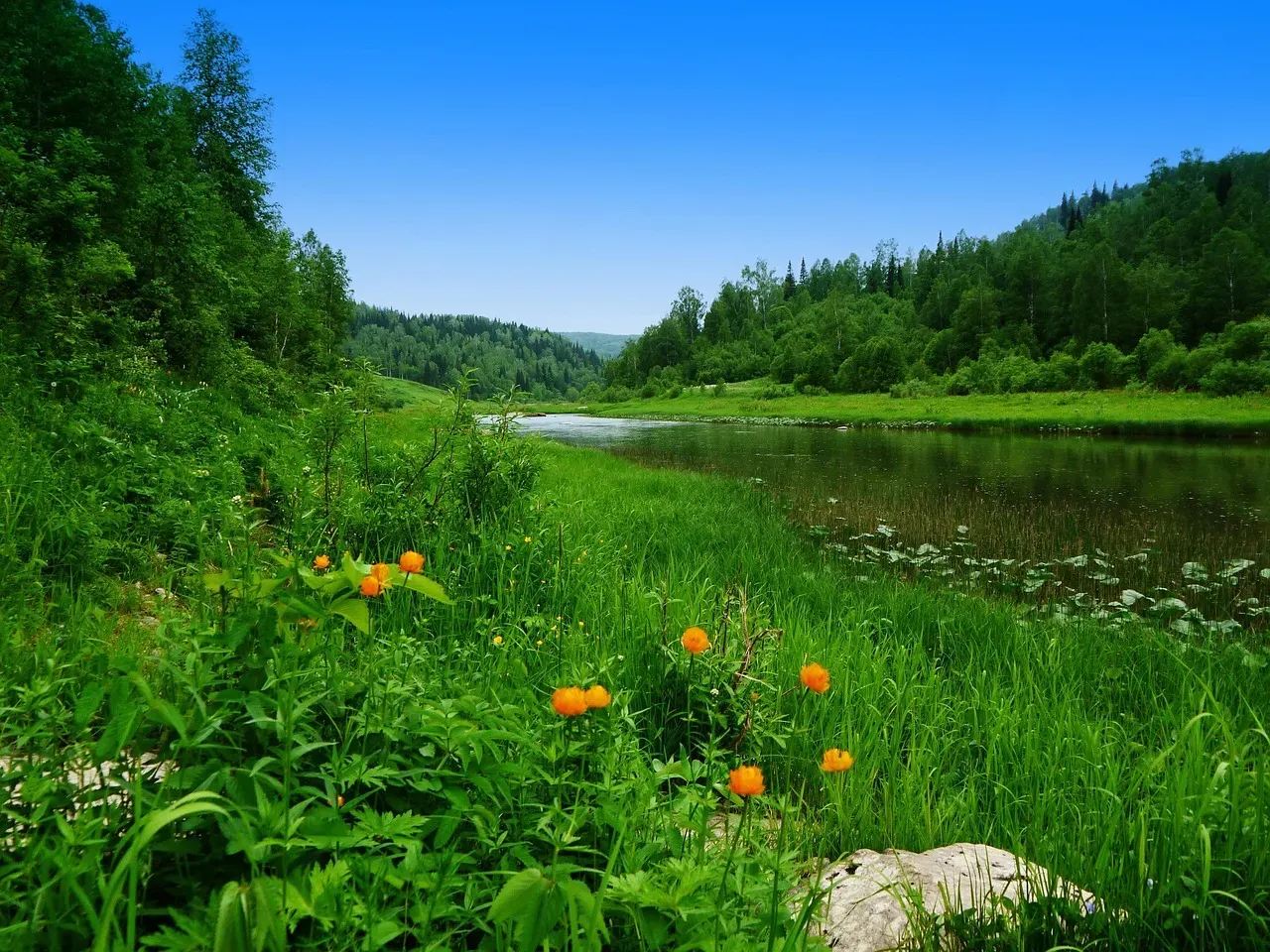
Here’s the thing about Siberia – for most of human history, it’s been a punchline. A place where things are sent to disappear. But researchers are now taking a serious second look, because the data suggests something remarkable is brewing beneath those frozen soils. Scientists at the Institute of Agriculture of the Krasnoyarsk Science Center have determined that an increase in average annual temperature and precipitation will shift natural zones northward and change the soil structure of the area, opening prospects for more active use of Siberian land in agricultural production.
These changes can have a positive effect on the agricultural sector of the region, where there is not enough heat and moisture. In a changing climate, the length of the growing season will increase, opening up prospects for growing heat-loving crops in the north – including early-ripening varieties of corn, lentils, and soybeans. Think of it like a massive greenhouse that’s slowly being switched on after centuries in standby mode.
Central Siberia would likely benefit from the climate warming trend. For regions such as Krasnoyarsk Krai, Republic of Khakassia, and Tyva Republic, agricultural production could double as the climate warms in the 21st century. That’s not a minor uptick – that’s a potential agricultural revolution in one of the world’s most sparsely populated territories.
A study predicted that by the end of the 21st century, roughly half to four-fifths of central Siberia might have a climate suitable for agriculture, with traditional Siberian crops shifting northward by as much as 70 kilometers per decade. Soil conditions would still put limits on farming, but the warmer climate might allow the introduction of crops such as rice, beans, and European grapes. The scale of potential change is genuinely staggering, even if the road there is complex.
2. Canada: A Nation That Could See Its GDP Soar
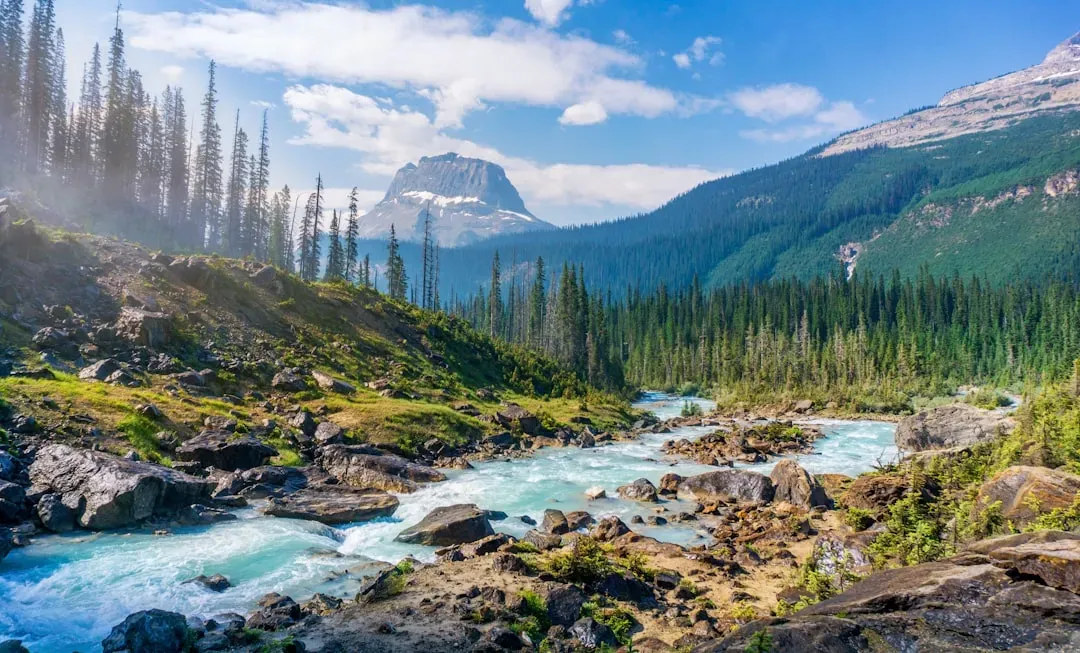
Canada is already one of the largest countries in the world by land mass. It also happens to sit at the northern latitudes where scientists increasingly believe the economic gains from warming could be most significant. Norway has benefited most from climate change, with a GDP higher due to warming, followed closely by Canada at roughly a third higher than it would otherwise have been. That’s a figure from a historical study of climate change impacts on national GDPs – and it’s eye-opening.
Global climate change is expected to positively affect Russian and broader high-latitude agriculture. In high and middle latitudes, global warming would expand the growing season. Acreages of agricultural crops may expand toward the north, although yields would likely be lower due to less fertile soil. Canada fits squarely into this category – enormous tracts of northern land that, today, can barely grow anything commercially.
Climate change is gradually increasing the area that is ice-free during the summer and lengthening the period that it remains so. A representative of Environment Canada notes that the temperature in the Canadian Arctic has risen by roughly twice the global average over the last century, and ice cover in the region has been reduced by nearly a third since the 1960s. More open land, longer seasons, and new shipping corridors – Canada’s northern hand is getting stronger.
3. The Arctic’s Northwest Passage: A New Global Shipping Highway
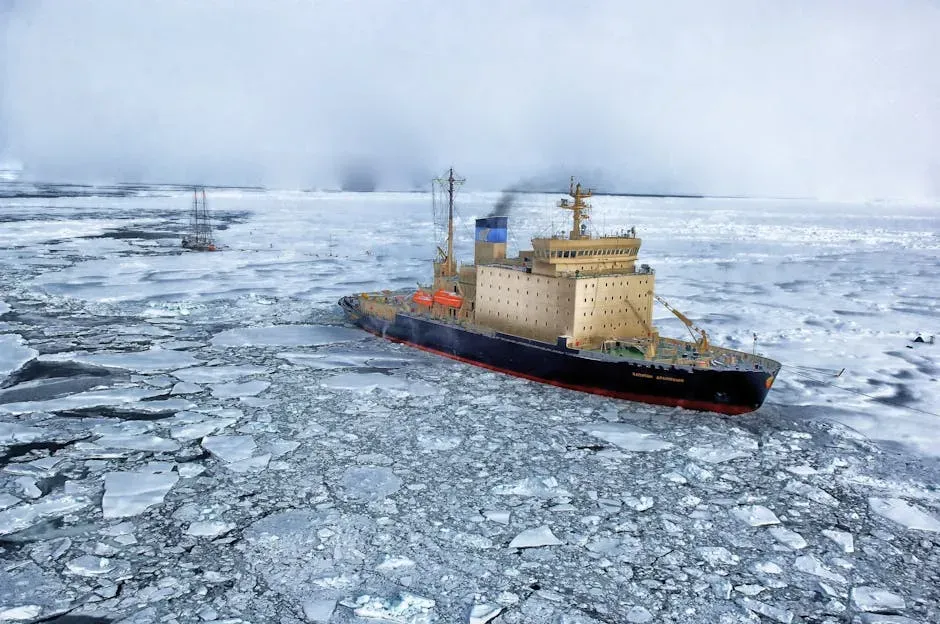
Imagine shaving thousands of kilometres off the world’s longest shipping routes. That’s exactly what’s starting to happen as Arctic ice continues to retreat. The Northwest Passage is often hailed as a potentially valuable shortcut between East Asia and Western Europe, shaving upwards of 7,000 kilometres off the route through the Panama Canal. For shipping companies, that’s not a nice-to-have – that’s a transformative cost advantage.
The Northwest Passage, as the shortest route bridging the Atlantic and Pacific Oceans, affords a substantial reduction in approximately one fifth of voyage length compared to the conventional route linking Northeast Asia and the North American East Coast via the Panama Canal. In recent years, as Arctic temperatures have risen and sea ice has declined, the navigable period for the Northwest Passage has been steadily lengthening.
An Arctic Council report found that the number of unique ships entering the Northwest Passage area increased by nearly half from 2013 to 2019, and the distance sailed by vessels increased by more than double. The growth curve is steep, and it’s real. Records of complete transits by vessels traveling between the Atlantic and Pacific Oceans show a steady increase, with all-time highs reached in 2023 and 2024.
The Arctic passages, compared with traditional shipping routes such as the Suez Canal, could reduce maritime transport distance by roughly two-fifths and transport time by nearly a third between Europe and northwestern Asia. This could not only reduce fuel consumption and carbon emissions from international maritime transport but also enhance the efficiency of the global transportation network. The environmental irony here is hard to miss, honestly.
4. Greenland: A Treasure Chest of Critical Minerals
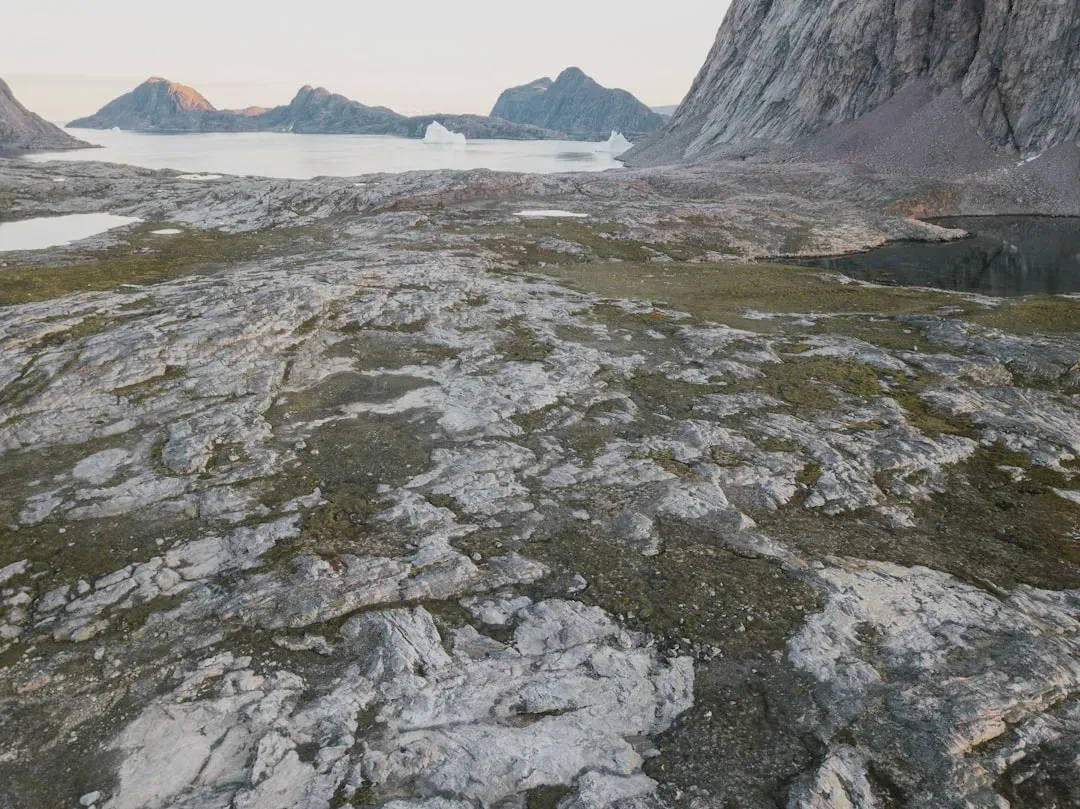
Greenland is suddenly one of the most geopolitically talked-about places on Earth, and it’s not by accident. Climate change is making Arctic resources more accessible. In Greenland, the retreat of the ice caps has exposed mineral deposits – including rare-earth metals – that can be extracted and used for technologies like cell phones and military guidance systems. In a world scrambling for supply-chain independence, this is enormous.
A global scramble to exploit the Arctic’s untapped resources appears to be kicking into overdrive. In a push to break China’s mineral dominance, countries around the world are increasingly turning to the thawing northern polar region, seeking to seize its raw materials and benefit from new commercial trade routes. Greenland, practically overnight, has become a strategic focal point for the world’s largest economies.
Studies confirmed excellent conditions for wind farms along Greenland’s western coast. While mineral discoveries attract global attention, fishing remains the foundation of Greenland’s economy. The surrounding Arctic waters are rich in shrimp, halibut, cod, and snow crab. In 2025, fishing made up more than four-fifths of Greenland’s export revenue, with seafood shipped primarily to the United States, Denmark, and Asia.
To unlock its resource potential, Greenland is upgrading its infrastructure. The Nuuk International Airport expansion, completed in 2025, now allows direct cargo and passenger flights from North America and Europe – a major step forward for trade and logistics. A place that was almost unreachable a decade ago is rapidly opening up to the world.
5. Scandinavia: Where Vineyards Are Replacing Snowfields
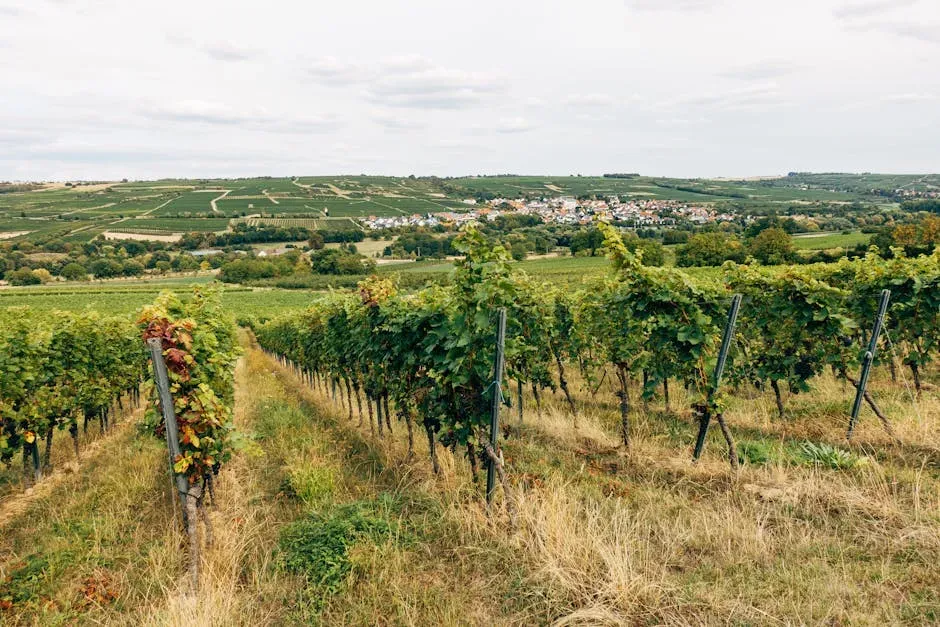
This one genuinely surprised me when I first came across it. Wine from Denmark and Sweden? It sounds like a joke, but it is very much not. The global wine map is being redrawn in ways that would have seemed impossible just a generation ago. While traditional Mediterranean powerhouses grapple with extreme heat and drought, unlikely newcomers are emerging from the world’s most unexpected corners – places where grapes were never meant to grow, now producing award-winning bottles.
Alongside longer and warmer summers that have extended the Nordic growing season into September, winters have been milder by almost 2°C, according to Sweden’s Rossby Centre for climate research. That might not sound dramatic, but in viticulture, two degrees is the difference between a failed crop and a flourishing one. It’s like moving the entire country slightly south on the map.
Today, Denmark has around 90 certified vineyards. Since 2018, it has even had its own appellation – an official stamp of quality. Sweden’s industry is still considerably smaller, with around 50 commercial vineyards. Yet experts think that this is just the beginning of a Nordic wine revolution, projected to become a billion-euro industry within a few years.
Scandinavian winters are getting warmer, lengthening the growing seasons and allowing for more experimentation with viticulture. Humidity-resistant cold-hardy hybrid grapes like Solaris and Rondo have been the most popular plantings, followed by Rieslings in Norway. Regions like Skane in Sweden are now mini wine hot spots. It’s a whole new industry blooming in places that most people still associate with darkness and cold.
6. Northern Russia: Unlocking New Arctic Trade Routes
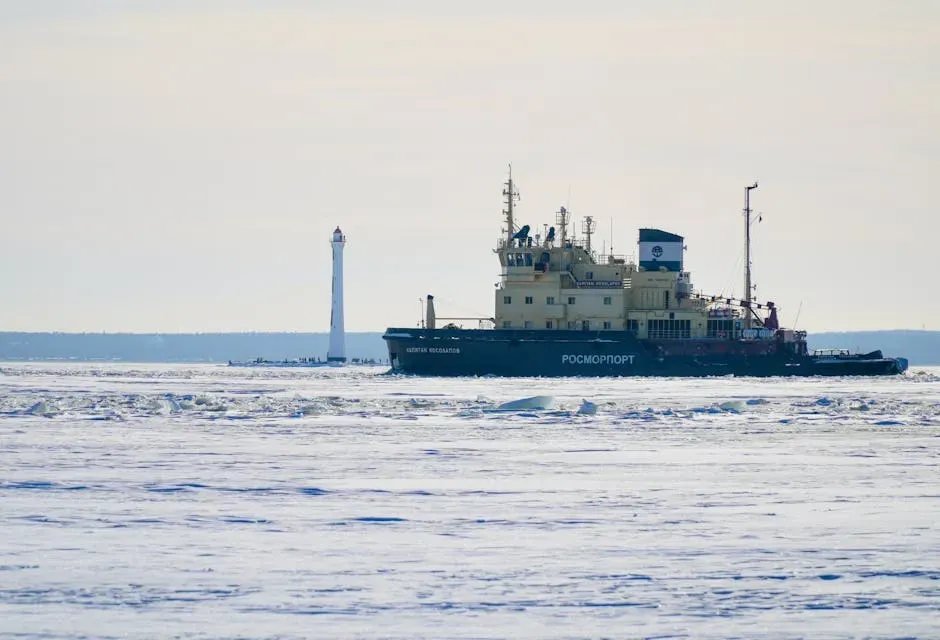
Russia’s interest in climate change benefits is barely a secret anymore. Among the “possible positive effects of the expected changes” identified in Russia’s national action plan are easier transportation of goods in the Arctic and the opening up of new land for agriculture. It’s one of the few governments in the world that has officially published plans to capitalize on warming temperatures.
In October 2025, the Chinese container ship Istanbul Bridge completed its maiden voyage via the Northern Sea Route, reducing the typical Asia-Europe transit from 40 to 50 days via the Suez Canal to approximately 20 days. This reduction represents not only faster delivery times but also lower fuel consumption and reduced carbon emissions for shipping companies. Russia controls much of this route – and knows it.
According to Roshydromet, the Russian environmental agency, Siberia is warming about two and a half times faster than the global average. That accelerated warming brings both opportunities and risks simultaneously. It’s a double-edged sword that Russia is trying – controversially – to navigate on its own terms.
7. Alaska: Agriculture, Minerals, and a Warming Frontier
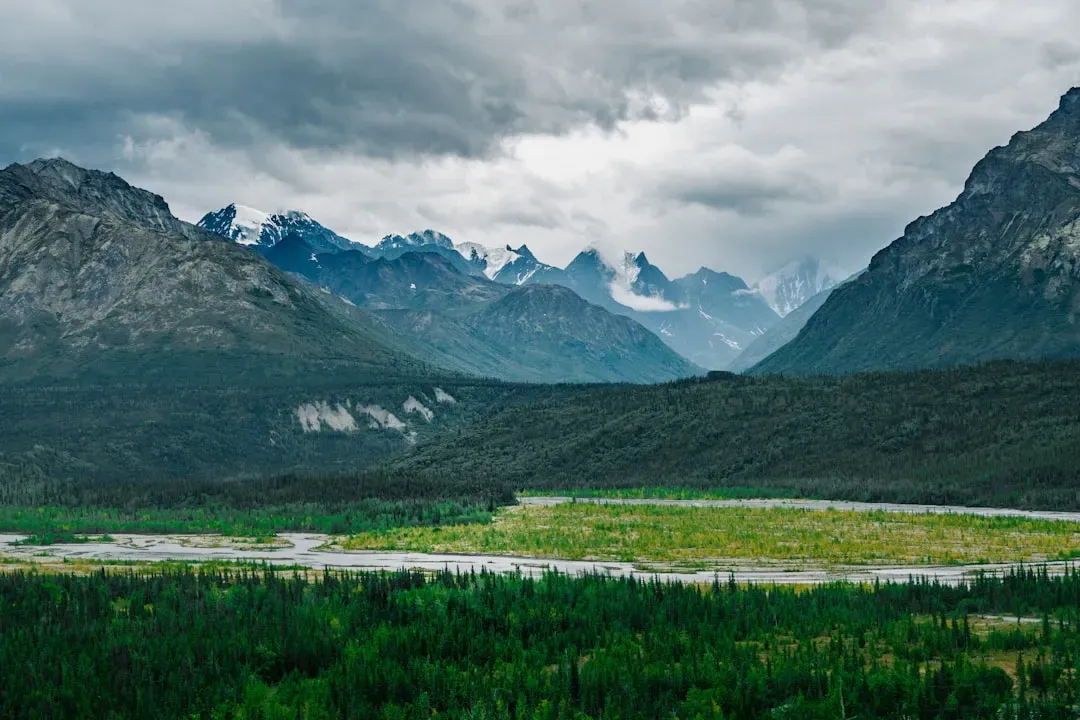
Alaska has always been America’s final frontier, but climate change is quietly rewriting that definition. The shifting environmental climate may make Alaska more amenable to industries like field-scale agriculture and climate adaptation technologies, and geologists are paying increasingly close attention to its resource potential. A land once defined primarily by its raw, untameable nature is slowly showing a new face.
Arctic agriculture has historically been viewed as low yield and generally inadequate to satisfy local community needs. However, developments in geothermal greenhouse technology, global warming, and an increasing interest in traditional Arctic production methods may drive both the demand and supply for Arctic-grown foods. Iceland has been doing this since 1924. Alaska is starting to catch up.
The U.S. Geological Survey estimates that undiscovered oil and gas reserves in the Arctic amount to roughly a fifth of the world’s total, or about 412 billion barrels of oil. Alaska sits right in the middle of this picture. As the ice retreats and access improves, those figures represent an enormous economic opportunity – one that is simultaneously deeply controversial.
8. The Nordic Countries: GDP Gains From a Warming Planet
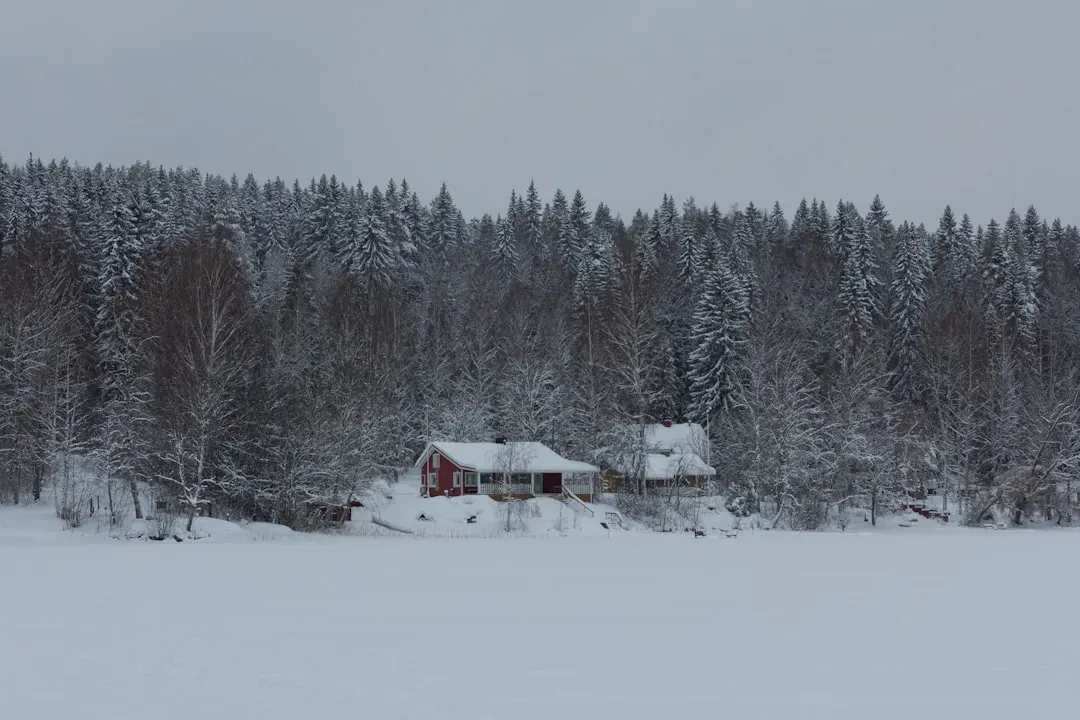
It sounds counterintuitive, but the data from long-term economic research consistently shows that cold-climate nations have been quietly gaining from warming temperatures. One analysis argued that “nearly all the added land-value benefits of a warming world might accrue to Alaska, Canada, Greenland, Russia, and Scandinavia.” That’s a sweeping claim, but the historical GDP data tends to support it.
Such prospects help explain why a significant share of Russia’s population told opinion pollsters that they expected climate change to be “rather positive” for their country, and why governments in the northern latitudes are planning for upsides as well as downsides. Public perception in these regions is genuinely different from the global narrative most of us consume daily.
Think of it like this: if you live in a city that’s spent the past century buried under six months of winter, a milder climate isn’t terrifying. It’s genuinely appealing. Shorter heating seasons, longer growing windows, and new tourism possibilities all stack up into real economic value. The moral complexity of that reality doesn’t make it less real.
9. Denmark: Europe’s Northernmost Wine Appellation and Emerging Economy

Denmark deserves its own spotlight beyond just the wine story, because the broader economic transformation happening there reflects something wider. In 2018, the EU awarded the DONS wine region an appellation, making Skærsøgaard Europe’s northernmost official wine region. This Danish milestone represents more than bureaucratic recognition – it signals a fundamental shift in what constitutes viable wine country.
In 2024, Danish vineyards reported a fruitful harvest, citing great weather in May and a mild summer. After a particularly difficult 2023, the 2024 season provided a tangible example of what warmer, more consistent conditions can do for a young and still-developing industry. Denmark is essentially building a new agricultural identity from scratch.
For the Scandinavian wine industry overall, climate change has been more of a psychological and emotional driver: wine entrepreneurs are skeptical about planting in Southern Europe and are comforted by the fact that temperatures in Denmark and Sweden will gradually become more and more favorable to grape cultivation. It’s an unusual kind of optimism, and honestly, it’s kind of refreshing to find it somewhere.
10. The Northern Sea Route and Arctic Ocean: A Geopolitical Awakening
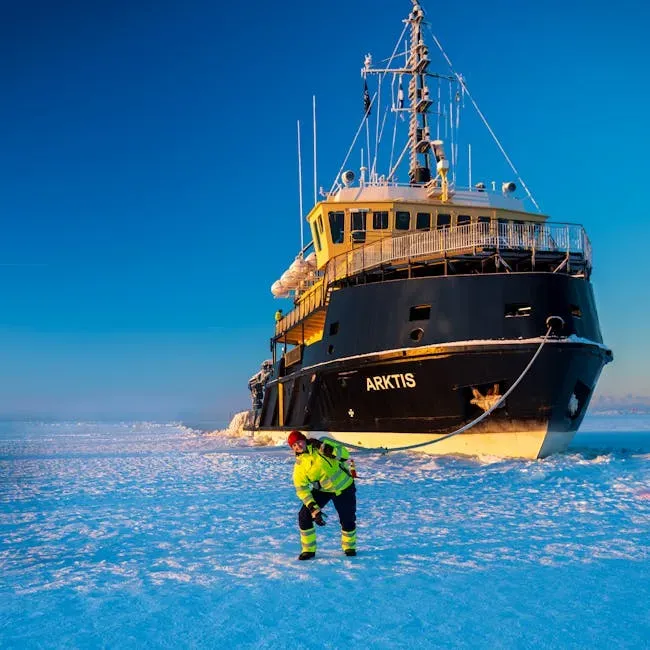
Perhaps no place on earth is changing more rapidly, or more consequentially, than the Arctic Ocean and the shipping corridors that ring it. The Arctic is warming at a rate approximately four times faster than the global average, a phenomenon known as “Arctic amplification.” The effects of this aren’t just environmental – they’re deeply strategic and economic.
In September 2024, Arctic sea ice averaged just 3.9 million square kilometers, the lowest extent recorded since satellite measurements began in 1979. Every square kilometer of ice that disappears is, in a certain sense, a square kilometer of new economic possibility – whether for shipping, resource extraction, or tourism. It’s a brutal trade-off, but it’s a real one.
Another industry to benefit from ice-free summers in the Arctic is tourism. More and more Arctic cruises are being offered with the chance to see wildlife, watch the Aurora Borealis, and sail through icy seas. Tourism is having a positive economic effect on countries such as Greenland, bringing income and jobs. This is still an emerging trend, but it’s growing fast.
The scramble for the Arctic’s minerals includes the northernmost areas of Sweden. State-owned mining firm LKAB is currently racing to develop one of Europe’s largest known deposits of rare earths. The discovery of the so-called Per Geijer deposit, announced in 2023, sits in close proximity to the firm’s massive iron ore mine in the Arctic city of Kiruna. The Arctic, in short, is not just melting. It’s being opened for business – in ways no generation before us has ever seen.
Conclusion: A Complex Truth Worth Acknowledging
None of what’s described above should be taken as a reason to celebrate climate change. The global risks remain catastrophic, and the communities most vulnerable are often those who contributed least to the problem. But the story of our warming planet is not a single story. It’s many stories, unfolding simultaneously in very different directions.
The cold northern latitudes – Siberia, Canada, Greenland, Scandinavia, Alaska – are sitting at the intersection of enormous risk and unexpected opportunity. Research from institutions ranging from the Russian Academy of Sciences to Nature Climate Change and the Belfer Center confirms that these regions face a genuinely different outlook than the rest of the world.
Understanding that complexity doesn’t weaken the case for climate action. If anything, it sharpens it. Because the real question isn’t just who might gain – it’s whether we’re willing to have an honest conversation about all of it. What do you think about it? Tell us in the comments.

- 10 Surprising Places That Could Benefit from Climate Change - March 30, 2026
- 9 Environmental Changes Experts Say Are Pushing Ecosystems to the Edge - March 30, 2026
- Scientists Reveal the Top 10 Climate Innovations to Watch in 2026 - March 30, 2026
