
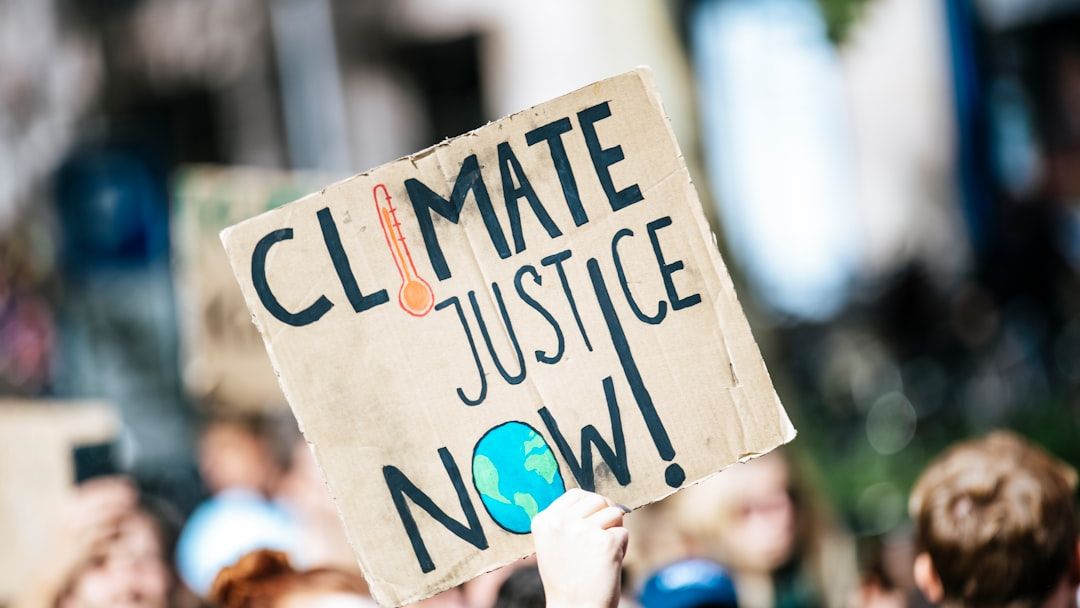
Words matter. Especially when they spread at the speed of a social media share and reach millions of people before a single scientist can issue a correction. Climate misinformation has never been more sophisticated, more viral, or frankly more dangerous than it is right now. Some of it sounds like common sense. Some of it is dressed up in half-truths. Some of it echoes from the highest offices in the world.
So how do you spot it fast? Scientists have gotten pretty good at recognizing the telltale phrases that signal someone is straying from the evidence into the territory of denial, delay, or outright fiction. Here are twelve of them, explained, debunked, and put in the context of where we actually stand in 2026. Let’s dive in.
1. “Climate Change Is a Hoax”
Of all the phrases on this list, this one is the most blunt and the most telling. The notion of the “climate hoax” has acquired prominence in populist and far-right rhetoric, characterizing climate science as a politically driven ruse devised by elites, environmentalists, and global organizations aiming to dominate national economies and personal liberties. It is a phrase built entirely on ideology, not evidence.
Studies indicate that climate skepticism frequently stems not from authentic scientific analysis but rather from ideological, economic, and psychological factors. When a politician or commentator uses the word “hoax,” scientists hear a dead giveaway. The climate has shifted dramatically: 2024 was the hottest year in recorded history, with record-breaking temperatures in the atmosphere and warmer oceans ushering in what scientists have described as a dangerous new era of wildfires and floods amplified by climate change.
2. “There’s No Scientific Consensus”

Here’s the thing: this one has been carefully engineered to mislead. The phrase “There is no consensus” has been one of the most popular climate myths and can be traced back to a memo from around 2001 by a Republican political strategist, who wrote: “Voters believe that there is no consensus about global warming within the scientific community. Should the public come to believe that the scientific issues are settled, their views about global warming will change accordingly.” It was a deliberate strategy, not a scientific observation.
Scientific consensus identifying humans as primarily responsible for climate change is not new and was already forming in the 1980s. Today, roughly 97 to 99.9 percent of climate scientists agree that climate change is happening and that human activity is the primary cause. When someone says there is no consensus, scientists know instantly that they are either misinformed or actively pushing a known disinformation narrative.
3. “It’s Just a Natural Cycle”
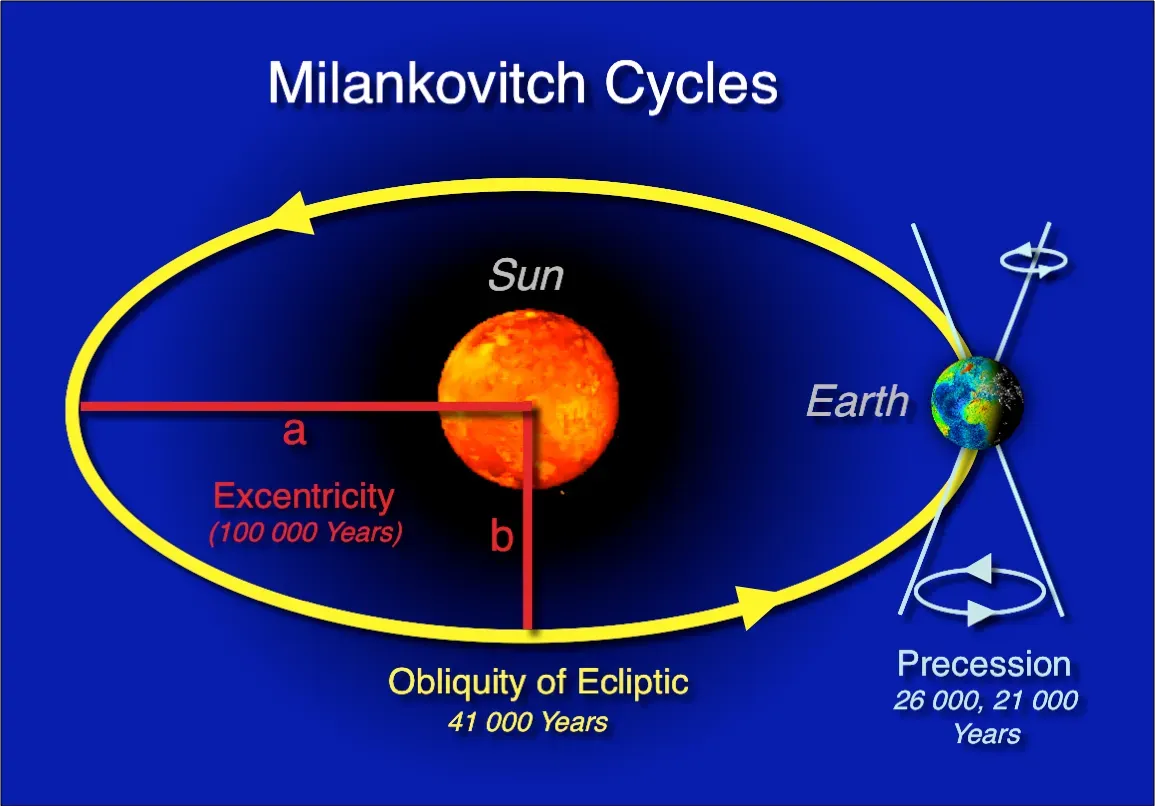
This phrase sounds almost reasonable on the surface. After all, the Earth has had ice ages, warm periods, and everything in between. Natural orbital cycles called Milankovitch cycles occur between 23,000 and 110,000 years apart. They do not account for the rapid warming in the last century, and scientists observed that these cycles have not changed the amount of solar energy absorbed by Earth over this period. In fact, scientists believe Earth’s current position within the Milankovitch cycles predicts our planet should be cooling, not warming.
Claims that climate change in recent decades is solely a result of natural variations in weather and “climate cycles” are incorrect. Scientists agree that while various natural effects can impact the climate, the current warming is a direct result of greenhouse gases put into the atmosphere through human activity. Think of it like this: your house gets warmer in summer naturally, but that does not explain why your oven being left on is also heating the kitchen. You have to account for all the forcing factors, and right now, humanity is the oven.
4. “CO2 Is Just a Trace Gas, It Can’t Do That Much”
![4. "CO2 Is Just a Trace Gas, It Can't Do That Much" ([1]
doi:10.19080/IJESNR.2019.19.556010, CC BY-SA 4.0)](https://nvmwebsites-budwg5g9avh3epea.z03.azurefd.net/climatecompass247/bf5ce87e4898565bf131c1788295bc0c.webp)
doi:10.19080/IJESNR.2019.19.556010, CC BY-SA 4.0)
This phrase sounds like scientific reasoning, but it collapses under even minimal scrutiny. Some politicians and climate change denial groups say that because CO2 is only a trace gas in the atmosphere, it cannot cause climate change. Scientists have known for over a century that even this small proportion has a significant warming effect, and doubling the proportion leads to a large temperature increase.
Think of anesthesia. A tiny fraction of a gas mixture can put a person completely under. Concentration alone does not determine impact. Some groups allege that water vapor is a more significant greenhouse gas and is left out of many climate models. While water vapor is indeed a greenhouse gas, its very short atmospheric lifetime of about ten days compared to CO2’s hundreds of years means that CO2 is the primary driver of increasing temperatures. Water vapor acts as a feedback, not a forcing, mechanism. That distinction is everything.
5. “Climate Scientists Have a Political Agenda”

This is one of the most corrosive phrases in the disinformation playbook. A rise in online abuse against climate scientists shows that coordinated campaigns on social media platforms target researchers with harassment and false accusations to discredit their work. These attacks often exploit existing echo chambers, amplifying divisive narratives that portray climate science as a hoax or conspiracy.
Climate change deniers attacked the work of climate scientist Michael E. Mann for years. On 8 February 2024, Mann won a $1 million judgment for punitive damages in a defamation lawsuit filed in 2012 against bloggers who attacked his hockey stick graph of the Northern Hemisphere temperature rise. One of the bloggers had called Mann’s work “fraudulent,” contrary to numerous investigations that had already cleared Mann of any misconduct and supported the validity of his research. Accusing scientists of political motives is a classic tactic, one borrowed straight from the tobacco industry’s old playbook.
6. “Volcanoes Emit More CO2 Than Humans”
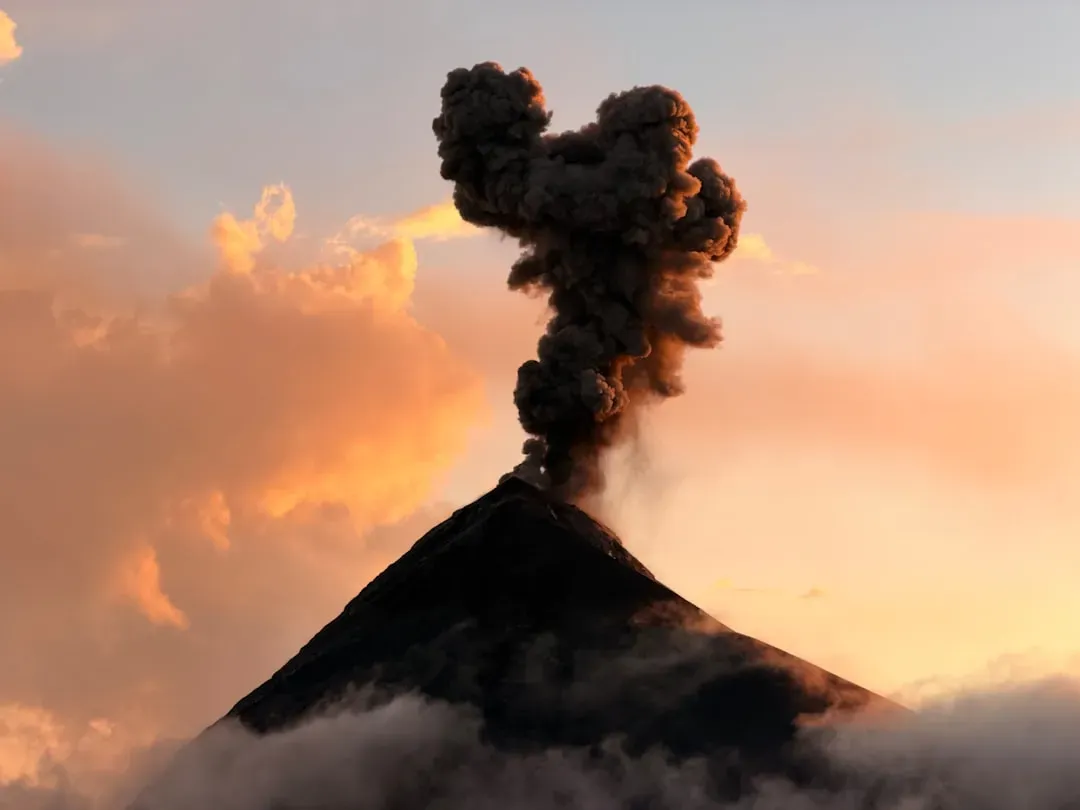
This one keeps popping up online, especially after dramatic eruptions. Volcano activity is regularly cited as a cause of climate change due to the CO2 released during eruptions. However, the CO2 released during eruptions is much smaller than the amount of carbon humans release into the atmosphere every year. According to NASA, human activity emits the same amount of CO2 as the eruption of Mount St. Helens every two and a half hours. Scientists believe that major eruptions can actually cause short periods of cooling in temperature.
The 2022 Tonga eruption became a fresh focal point for this misinformation. Claims about the Tonga eruption spiked in late summer 2024, more than two years after the event, with some social media figures pointing to it as “proof” that water vapor is the Earth’s main greenhouse gas, not CO2. That is not the case. Scientists found that the Tonga explosion actually resulted in a slight cooling effect in the southern hemisphere through 2022 and 2023. So the very example used to discredit scientists actually proves the opposite point.
7. “Global Warming Stopped in 1998”
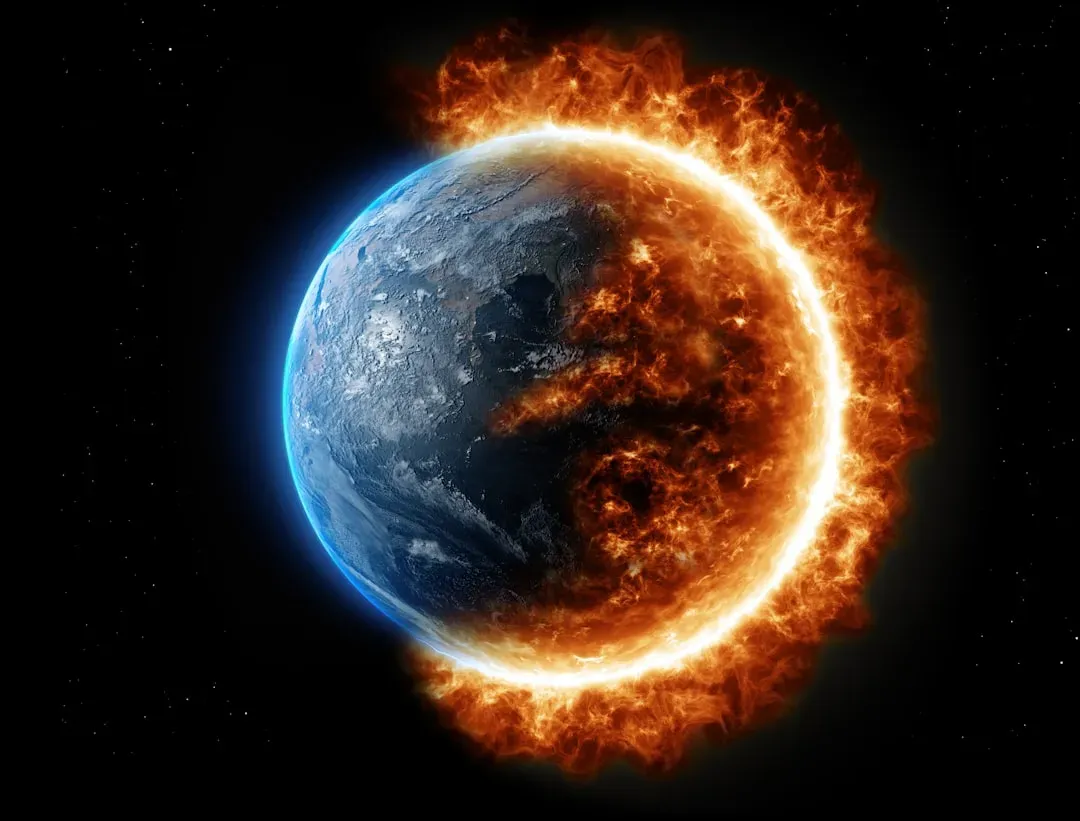
Honestly, this phrase was questionable even when it was first circulated. Today it is simply embarrassing. Social media posts have claimed that “the planet is cooling,” questioning the existence of climate change. However, experts labeled these claims false and “nonsense.” Scientists point out there is a strong scientific consensus that Earth is warming, and while there can be temporary cooling due to natural factors like El Niño, official data confirms global temperatures continue to rise steadily.
The year 1998 saw an unusually powerful El Niño spike, which cherry-pickers used as a convenient starting point to “show” a plateau. In reality, 2024 was the hottest year in recorded history, with record-breaking temperatures in the atmosphere and warmer oceans ushering in what scientists have described as a dangerous new era of wildfires and floods amplified by climate change. Using 1998 as a baseline is like stepping on a scale right after Thanksgiving and claiming you lost weight by February, because January was a worse weigh-in day.
8. “Climate Solutions Are Too Expensive”

This phrase has migrated from outright denial into what researchers call “delay denial,” and it is arguably more dangerous now than blunt skepticism. The idea that climate change is too expensive to fix is a subtle form of climate denial. Economists suggest we could address climate change by spending roughly one percent of world GDP. The cost savings from improved human health and expansion of the global green economy could reduce that further. If we do not act now, by 2050 it could cost over twenty percent of world GDP.
Increasingly, those who corrupt the conversation on climate use “distract and delay” tactics. These are subtler narratives, but no less damaging: they do not deny the existence of climate warming, but instead attack measures to combat the crisis, question the integrity of climate scientists, and argue that environmentalists are alarmist. The “too expensive” argument is often the most effective one politically, because it exploits genuine concerns about economic security. Scientists see it for what it is.
9. “Wind Turbines Kill Whales / Cause Cancer”
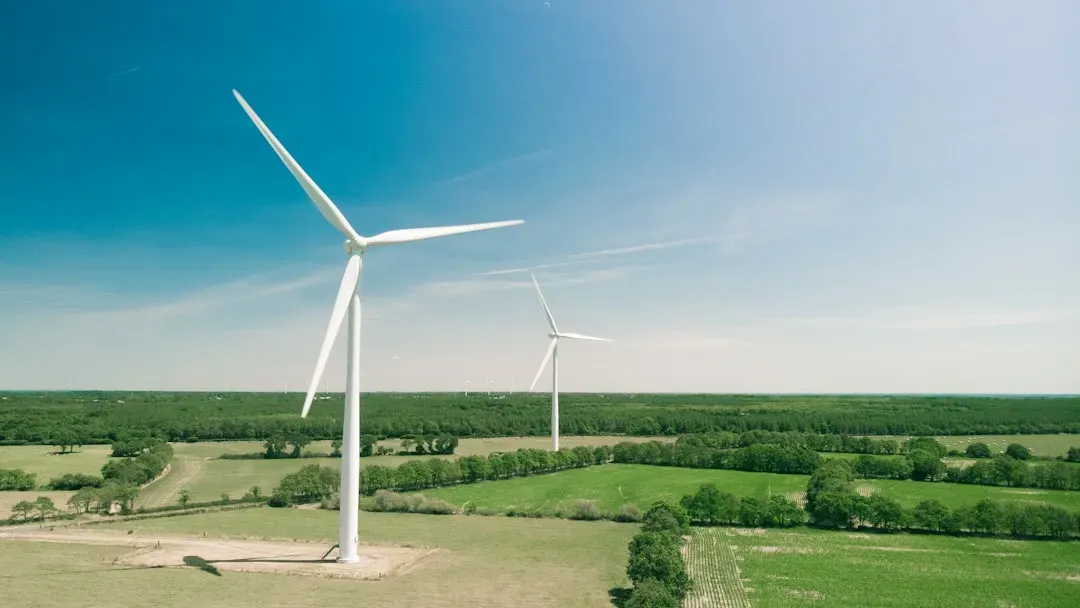
This might sound too absurd to take seriously, yet it has been repeated from some of the most powerful platforms on the planet. Claims without credible evidence have circulated that climate change is “a hoax” alongside attacks on renewable energy. In July 2025, wind turbines were falsely called “the biggest hoax of them all” with claims that “they’re killing our birds.” Although wind turbine collisions do kill some birds, the number pales in comparison to annual bird deaths from collisions with windows, buildings, and other human-made structures. Other claims, such as that wind turbine noise causes cancer or that wind energy pollutes more than oil, have no scientific backing and have been refuted by federal agencies and independent research centers.
Yet when repeated from positions of power, such statements sow confusion, erode public trust in science, and delay action. Scientists who hear these kinds of phrases know immediately that the speaker has crossed from policy debate into the realm of manufactured fear. It is the same rhetorical move used to cast doubt on fluoride, vaccines, and seat belts in earlier decades.
10. “The Science Is Unsettled / Scientists Don’t Really Know”

This is arguably the most seductive phrase on the list, because science is always open to revision. That intellectual honesty is being weaponized. After analyzing thousands of hours of social media content, researchers found that roughly seven in ten denial videos on YouTube focused either on attacking climate solutions as unworkable, or on attacking the integrity of climate scientists and their research. As one expert put it: “People who want to stop action on climate change have changed their strategy from denying that climate change is real or man-made, to saying that it is real but there is no hope, that the solutions don’t work or the scientists themselves don’t really understand it.”
A study published in PLOS One in 2024 found that even a single repetition of a claim was sufficient to increase the perceived truth of both climate science-aligned claims and climate change skeptic or denial claims, “highlighting the insidious effect of repetition.” This effect was found even among climate science endorsers. In other words, repeating the phrase “scientists don’t really know” enough times makes people start believing it, regardless of the actual evidence. The reality is that 99 percent of the peer-reviewed scientific literature substantiates human-caused climate change.
Conclusion
Twelve phrases. Ten chapters. Each one a small red flag that trained scientists recognize almost instantly, the same way a doctor might recognize the symptoms of a familiar disease. The frustrating reality is that these phrases work. The Global Risks Report 2024 ranked misinformation and disinformation as the biggest short-term risk to human society, while false information is significantly more likely to be reshared than the truth on social media platforms.
These misrepresentations have consequences. Research shows that climate disinformation is a primary contributor to public polarization over the climate crisis, and that it shapes public attitudes toward climate science. Individuals who are exposed to this kind of disinformation are less likely to support mitigation policies, hindering the ability of policymakers to act.
The good news? Awareness is itself a form of protection. Unlike debunking, which reacts to misinformation after it circulates, pre-bunking empowers the public with tools to identify misleading information before it gains traction. Governments and organizations can develop pre-bunking campaigns to educate users about misinformation tactics. Now that you know the phrases, you are a little harder to fool. What phrase have you heard the most often in your own conversations? Share your thoughts in the comments.

