

There is something quietly unsettling about how unprepared most of us are. We scroll through wildfire alerts, follow hurricane updates in real time, and still have nothing packed, no plan written down, no meeting point agreed upon. It’s a strange kind of collective amnesia.
The families who actually come through disasters without total chaos are not the ones with bunkers or extreme survival gear. They are ordinary people who quietly built a handful of habits over time, long before any alarm went off. What those habits look like, and the hard data behind why they work, is exactly what this article is about. Let’s dive in.
1. They Build a Real Emergency Kit – Not Just a Symbolic One
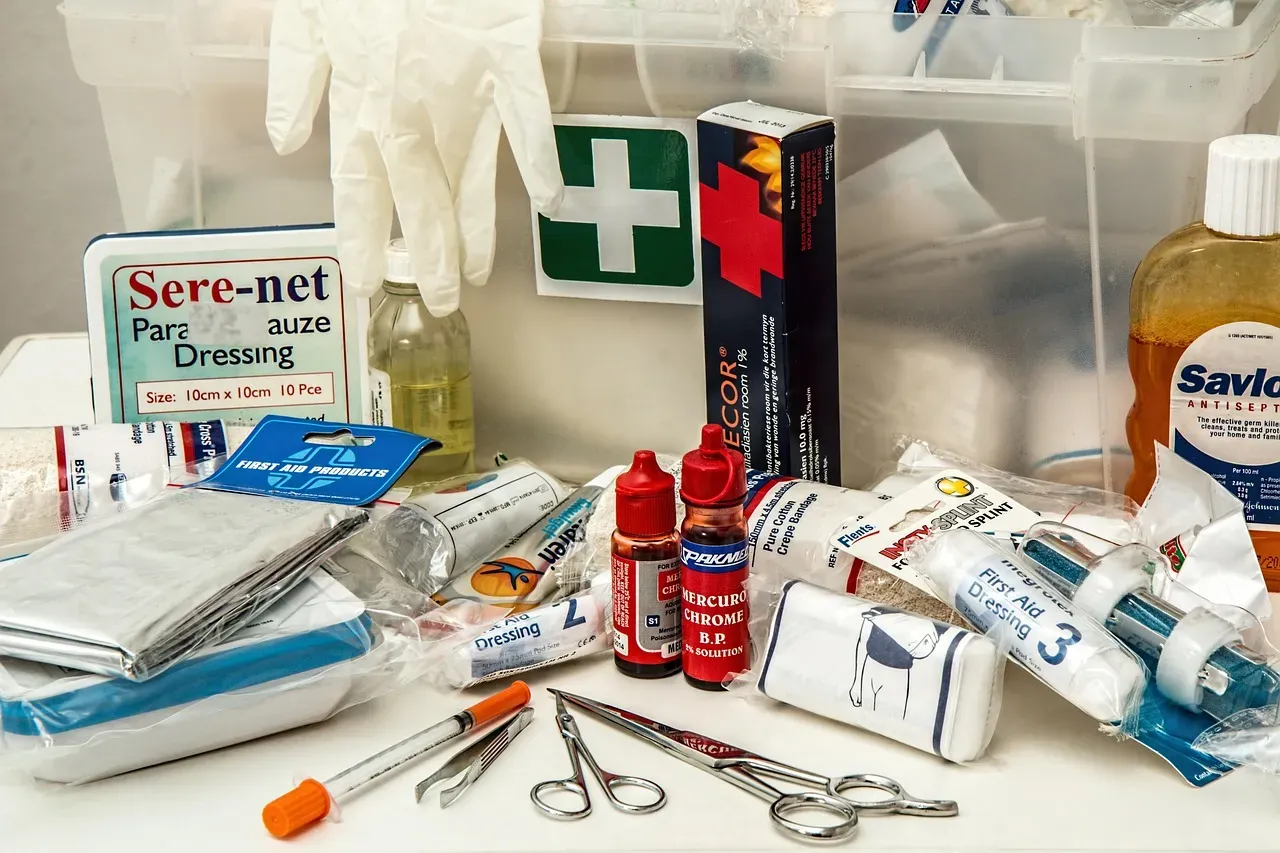
Here is the first and probably most uncomfortable truth: most people who think they have an emergency kit actually don’t. About two thirds of U.S. households had assembled emergency supplies in 2024 – but of those, only roughly a third said their kit would last more than two weeks. That means the vast majority of so-called prepared families would run dry in days.
A solid basic emergency supply kit should include at minimum one gallon of water per person per day for several days, along with a several-day supply of non-perishable food, and a battery-powered or hand-crank NOAA Weather Radio. That’s the floor, not the ceiling. Prepared families treat it as a starting point, not a finish line.
An emergency water supply is considered the most critical preparation, since survival on limited food is possible for weeks, but humans cannot go without water for more than a few days. Experts recommend storing between one and one and a half gallons of clean water per person per day, with extra amounts for children, sick individuals, and nursing mothers.
Non-perishable food in any emergency kit should require no refrigeration, minimal preparation, and little to no water. If heating food is necessary, a camping cookstove and fuel should also be packed. Think of the kit less like a cabinet and more like an insurance policy you actually use.
2. They Write Down a Family Communication Plan – and Practice It
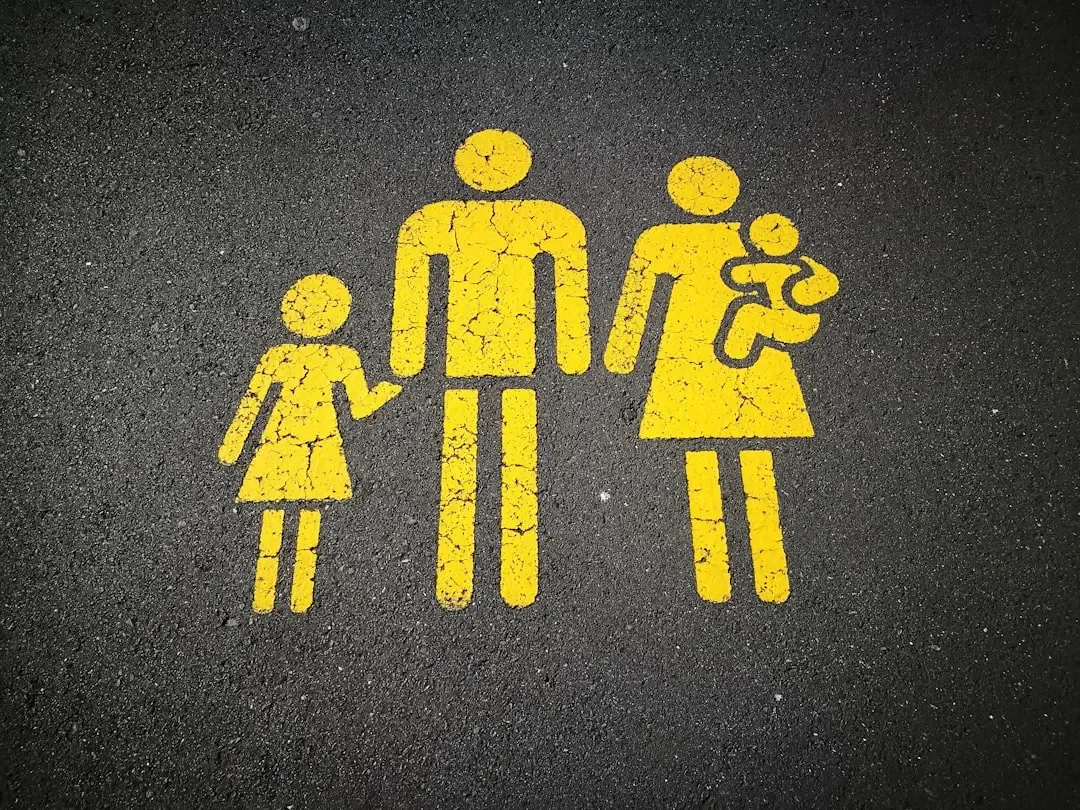
Here’s the thing most people never consider until it’s too late: during a real disaster, your family members probably won’t be in the same place. Your family may not be together when disaster strikes, which makes it critical to know how you will contact one another, how you will reconnect if separated, and where your established family meeting place is.
Choosing an out-of-area emergency contact is a smart move because it may be far easier to reach someone long distance when local phone lines are overloaded or down. Everyone in the household should carry emergency contact information both in writing and saved on their phones, and schools or daycares should also have these numbers on file.
In a 2024 survey of nearly 3,000 U.S. adults, only about 55 percent reported having a personal or family evacuation plan, while roughly 60 percent had an emergency kit. It’s genuinely surprising how that gap exists. Supplies without a plan are like a spare tire with no jack.
The American Red Cross recommends practicing home evacuation at least twice a year. Grab your emergency kit, drive your planned evacuation route, and map alternate routes in case roads become impassable. It sounds tedious. It works.
3. They Know Their Local Risks Before an Emergency Happens
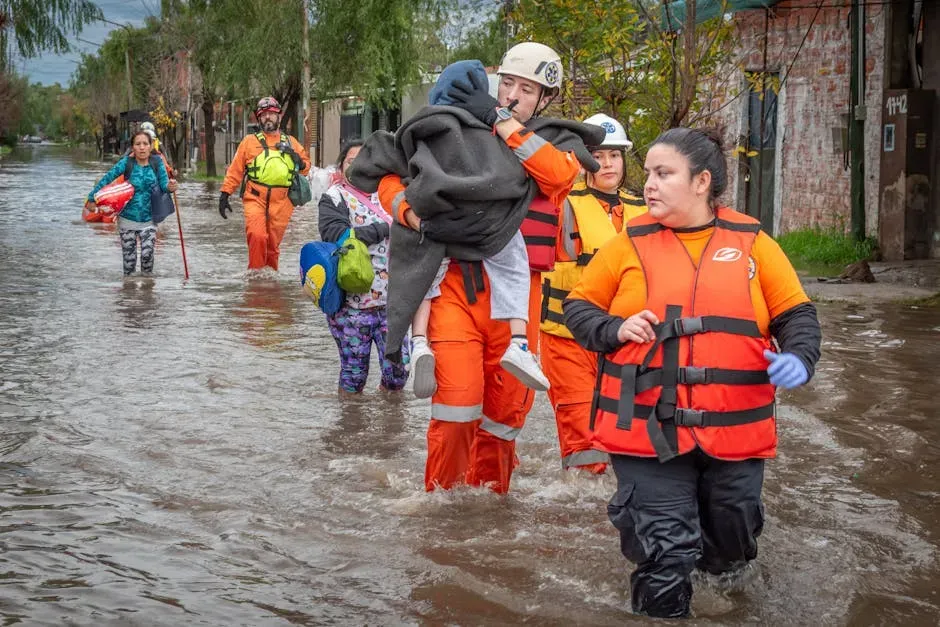
Prepared families are not preparing for everything. They are preparing for the most likely things. That distinction sounds small, but it changes everything about how they organize their time, money, and supplies.
Identifying what types of disasters are most likely in your specific area, and learning how to prepare for each, is a foundational step. Equally important is knowing your community’s warning system, whether it uses sirens, text messages, or alerts – and even considering a National Oceanic and Atmospheric Administration weather radio that broadcasts official warnings and forecasts around the clock.
Research consistently shows a strong connection between awareness and action. Nearly nine in ten people who had read or heard information about how to prepare for disasters in the past year took at least some preparedness steps. People who received preparedness information were five times more likely to take at least three concrete preparedness actions compared to those who had not.
Preparedness experts recommend being familiar with natural disaster risks in your specific community, thinking through how you will respond to emergencies that can happen anywhere like house fires and floods, and also planning for hazards that are unique to your region, such as volcanoes, tornadoes, or tsunamis. Knowing your risks is not anxiety. It’s strategy.
4. They Stockpile Supplies Gradually – Not All at Once
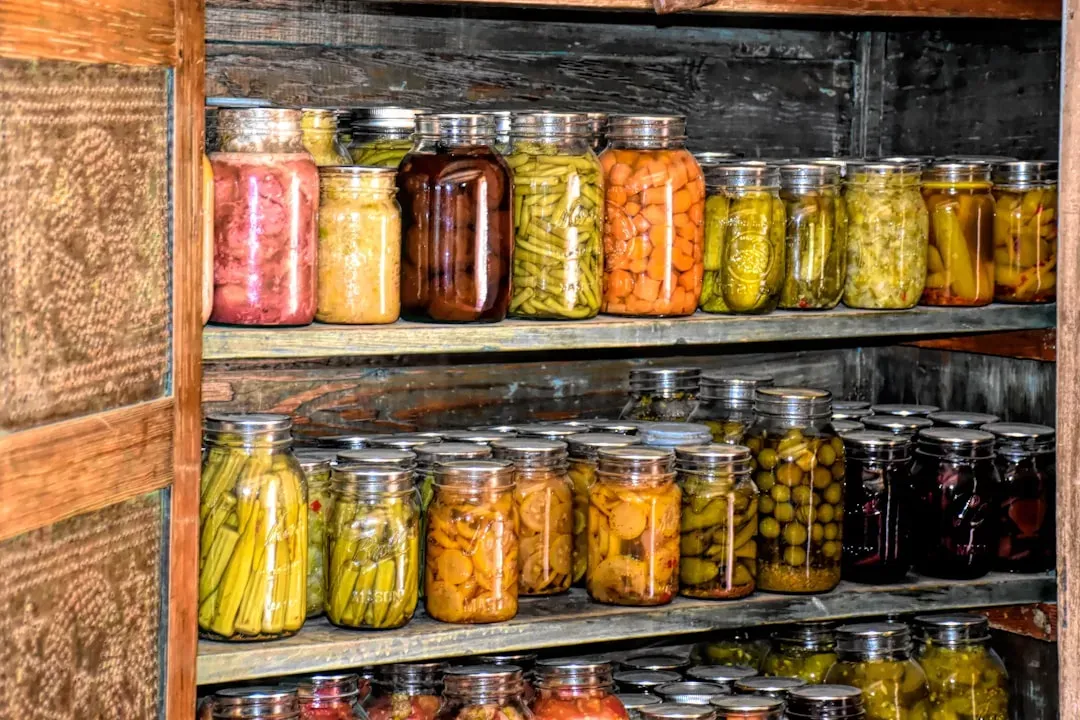
One of the biggest myths about prepared families is that they ran out one day and bought everything at once. Honestly, that’s not how it works. The families who hold up well in crises typically built their reserves slowly, adding a little extra each time they visited a store, rotating supplies, and adjusting over months.
Even though it is unlikely a disaster would cut off food access for two full weeks, experts still recommend preparing a supply that lasts that long. The simplest approach is to gradually increase the amount of basic foods you already keep on your shelves.
Focusing on shelf-stable items like dried beans, grains, dehydrated vegetables, salt, and honey is smart – these can last anywhere from months to years without refrigeration or special handling. No fancy equipment required. Rotating your food supply once or twice a year keeps things fresh. Stocking foods that account for your family’s individual tastes and caloric needs means people will actually eat what’s stored instead of refusing it in a high-stress moment.
Cost is a real and documented barrier to preparedness – it was cited by roughly a quarter of respondents in the FEMA 2024 National Household Survey as their primary obstacle. The gradual approach sidesteps that wall entirely. A few extra cans a week adds up to months of security before you’ve even noticed the expense.
5. They Have a Written Evacuation Route – Including Backup Options
The United States experienced 27 separate billion-dollar weather and climate disasters in 2024, with an estimated $182.7 billion in total damages – the second-highest number on record. That is not a scare statistic. That is the reality families are actually navigating, often with no route plan and a nearly empty gas tank.
Prepared families think about evacuation the same way pilots think about emergency checklists – before the flight, not during turbulence. It matters to understand your community’s warning system and how evacuation information will be distributed, to choose a meeting location outside your neighborhood, to select several potential destinations in different directions so options remain open, and to identify alternative evacuation routes in case your main path is blocked.
Keeping at least a half tank of gas in your car at all times is a practical habit that prepared families maintain consistently. If an evacuation becomes likely, filling up completely before official orders are issued can be the difference between leaving smoothly and sitting in gridlock at a gas station.
Research from a 2024 national survey found that people who had previously experienced a natural disaster were more than twice as likely to have an evacuation plan compared to those with no prior disaster experience. You don’t want to learn this the hard way.
6. They Review and Update Their Plan Regularly – Not Just Once
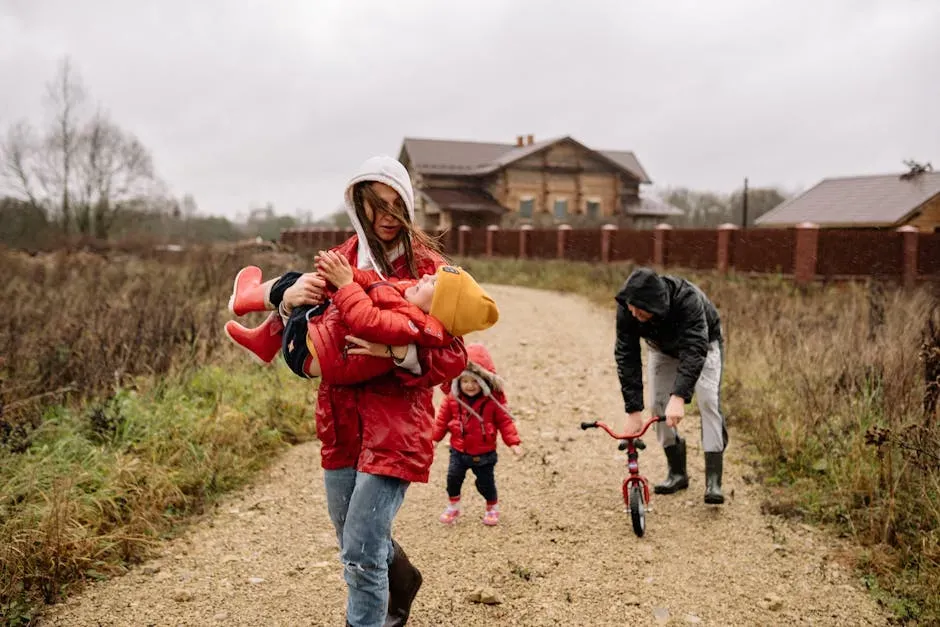
This is the habit that separates families who are truly prepared from those who were prepared five years ago and have quietly drifted back to square one. A plan that was written when your kids were toddlers, when you lived in a different city, when your medical needs were different, is not really a plan anymore. It’s a document.
Individuals and households are increasingly taking disaster preparedness seriously and improving their risk literacy. FEMA’s 2023 National Household Survey found that just over half of U.S. adults believed they were prepared for a disaster, a significant jump from roughly four in ten adults in 2017, and the survey also reported a broader trend of more adults actively taking preparedness steps.
With weather-related emergencies increasing in frequency and severity, and with emergency response times often stretching beyond 72 hours, having a well-thought-out family disaster plan is no longer optional. Effective preparation is an ongoing process, not a one-time event. Think of it like a smoke detector battery. You don’t install it once and forget it.
Fewer than four in ten households have recently reassessed their insurance and coverage status, and barely a quarter of adults reviewed their disaster coverage in the past year – with only a fraction choosing to actually increase or expand their policies. Reviewing your plan also means reviewing your financial safety net. Prepared families treat both as living documents. They revisit them. They update them. They make sure everyone in the household still knows what to do.
The Quiet Confidence of the Prepared Family

What struck me most, tracking the patterns behind truly prepared households, is how un-dramatic their habits actually are. No panic. No extreme spending. No warehouse shelves in the basement. Just consistent, intentional action taken before the storm arrives.
Only about a third of surveyed Americans in 2024 reported high confidence in their own preparedness – and nearly half said they or their family had already experienced a disaster directly. The gap between lived experience and actual readiness is still startling. People know risk is real. They just haven’t yet made the leap from knowing to doing.
According to FEMA’s assessments, every dollar spent on disaster preparedness saves an estimated six dollars in recovery costs. That ratio alone should motivate anyone still on the fence. The six habits outlined here are not about fear. They are about giving your family the best possible chance when – not if – something goes wrong.
What would your family do in the next 24 hours if the power went out, the roads closed, and no help was coming? Tell us your thoughts in the comments – and seriously consider what your honest answer reveals.

- If You Ignore These 10 Climate Signals, You Could Be Unprepared For What’s Coming - March 31, 2026
- I Tracked the Habits of “Prepared” Families – They All Do These 6 Things Before Disaster Strikes - March 31, 2026
- Know Before You Relocate: 7 Once-Stable Climate Zones That Are Now At Risk - March 31, 2026
