
Most people assume winter is over the moment the calendar flips to March. That assumption, honestly, is a little too convenient. The reality is far more complicated, and if you’ve ever wondered why some cities feel locked in a deep freeze long after others are already blooming, the answer lies in something most weather apps don’t bother to tell you.
The coldest stretch of winter doesn’t follow a neat schedule. It shifts, lingers, and fades at different rates depending on where you live. Let’s dive in.
Why Winter Doesn’t End at the Same Time Everywhere
Here’s the thing – winter is not a one-size-fits-all experience in the United States. Although many people treat March 1st like some kind of magical reset button, the coldest temperatures of the year don’t suddenly vanish just because the month changed. Some cities warm up quickly while others stay stubbornly frozen well into early spring.
This uneven transition often makes winter feel disproportionately long in certain regions. Think of it like a concert that ends at different times depending on which seat you’re in. Everyone’s attending the same show, but some people are out the door way sooner than others.
Meteorological Winter vs. Real Cold
Meteorologists define winter as a clean three-month block running from December 1st through February 28th, or the 29th in a leap year. It’s a tidy definition, designed mostly for record-keeping and climate analysis rather than reflecting how temperatures actually behave on the ground.
The problem is that the coldest stretch of the year doesn’t always obey those official boundaries. Real cold doesn’t care about institutional definitions. In many cities, temperatures hit their annual floor well after meteorological winter has technically ended.
The True Coldest 91 Days Vary by City
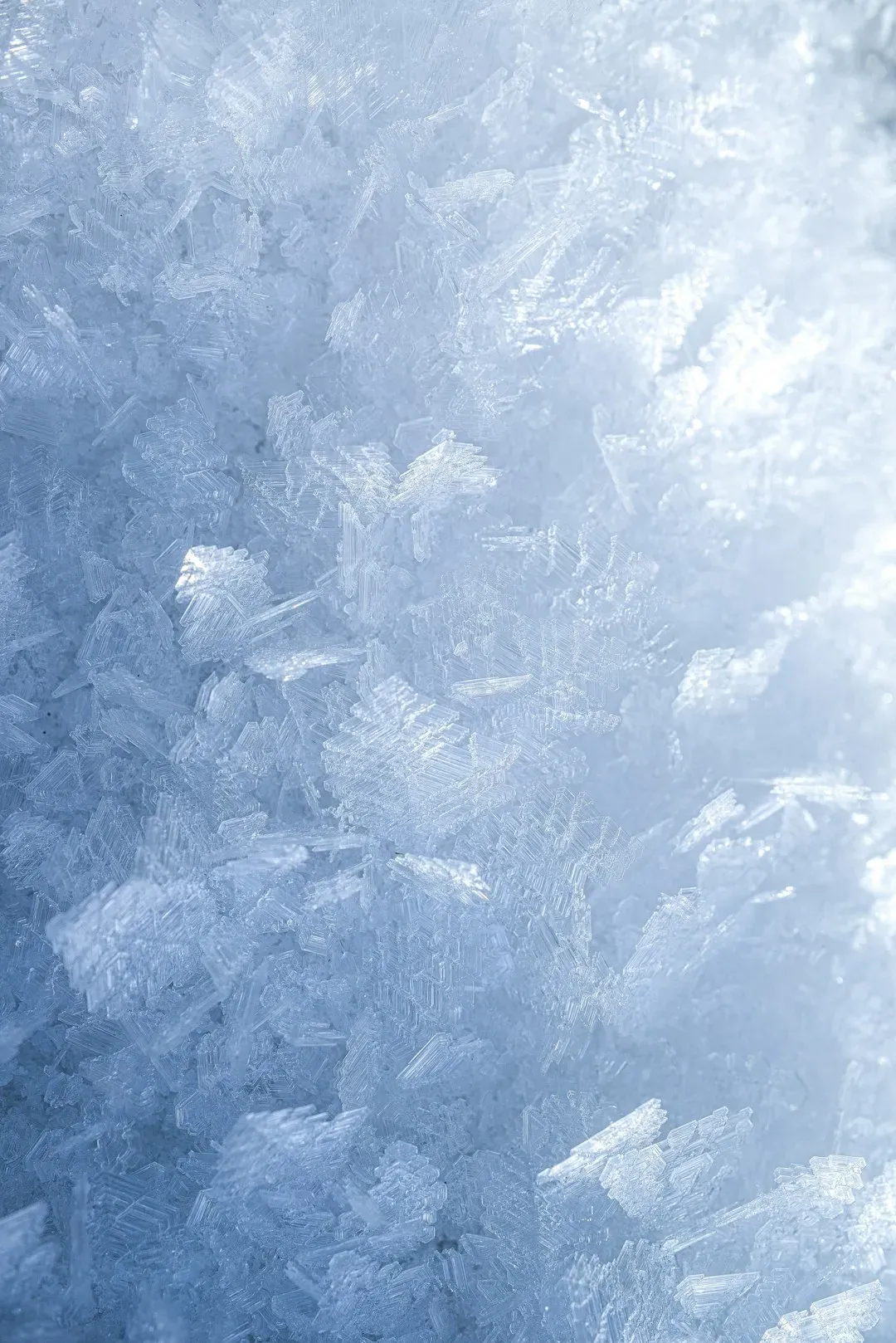
Instead of anchoring to the standard meteorological definition, researchers look at the actual coldest 91-day window, which shifts considerably depending on local climate patterns. Geography plays a massive role. So does proximity to ocean currents, regional weather systems, and even urban heat effects.
A coastal city in the Pacific Northwest behaves completely differently from a landlocked northeastern metro. The result is that winter’s harshest phase may begin earlier in some places and fade far later in others. It’s less a uniform season and more a rolling wave of cold that crosses the country at its own pace.
A Look at 30 Years of Weather Data

AccuWeather meteorologists dug into three decades of temperature records to figure out when winter’s coldest stretch actually ends in major American cities. The study covered 49 large metropolitan areas, making it one of the more comprehensive looks at this question. The findings are surprisingly revealing.
While meteorological winter officially wraps up in late February, the data shows that the coldest 91-day period extends into early March in a notable number of cities. I think that surprises most people, especially those who already mentally check out of winter the moment February ends. The gap between the official end of winter and the real end of winter can be meaningful, especially if you’re trying to plan ahead.
Cities Where Winter Ends the Earliest
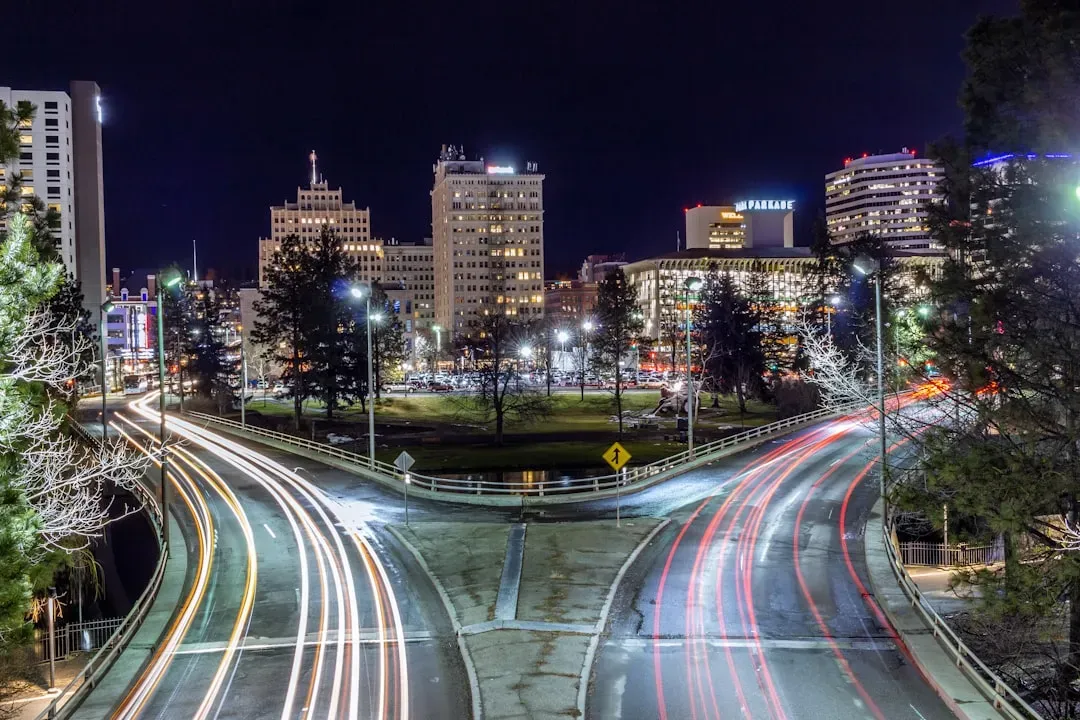
Spokane, Washington, takes the prize for the earliest farewell to its coldest stretch. According to the long-term averages, the harshest winter temperatures in Spokane typically conclude around February 19th. From that point, temperatures generally begin a steady climb toward spring conditions.
It’s worth noting that the Pacific Northwest’s climate benefits from moderating ocean influence, which softens winter considerably compared to inland or northeastern cities. Spokane represents one end of a wide spectrum.
Places Where Cold Lingers Longer
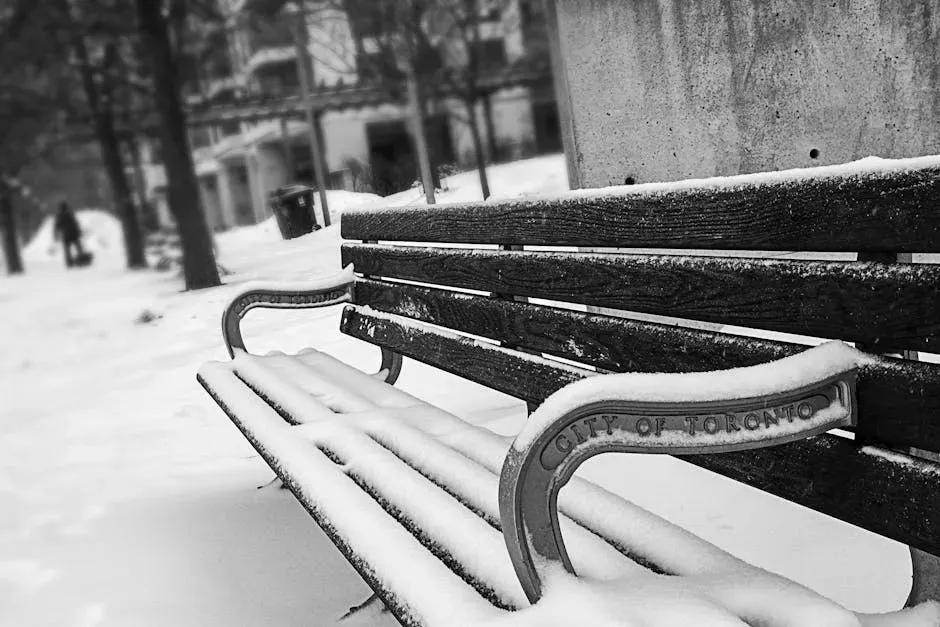
On the opposite end of that spectrum sits Boston. The city historically records the latest end to its coldest stretch, somewhere around March 8th. That’s more than two weeks longer than Spokane, which might not sound dramatic on paper but feels enormous when you’re the one still bundling up.
The Northeast as a whole tends to hold onto cold air far longer than other regions. Cities like Boston remain locked in their coldest seasonal window well into early March, even as people in the Southeast are already dusting off their patio furniture. It’s a stark contrast that highlights just how geographically diverse the American winter experience truly is.
How This Winter Compared Across the Country
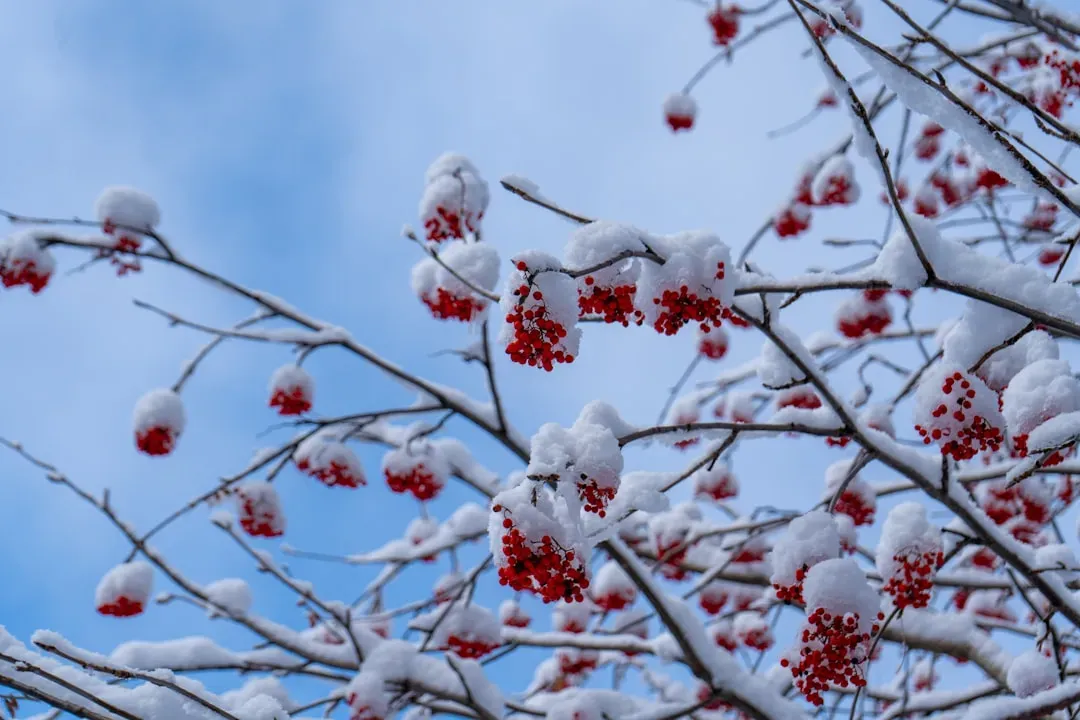
This particular season brought some notable regional contrasts. Much of the western United States experienced a relatively mild winter, with limited snowfall across several areas. That might sound like welcome news for people who hate shoveling, but it comes with a real downside.
Reduced snowpack in the Rocky Mountains has raised legitimate concerns about water supply, since snowmelt is a critical source of freshwater for communities throughout the region. A warm winter isn’t always a good winter. Sometimes the absence of snow creates problems that arrive quietly and hit hard months later.
Spring Arrives Slowly in the Northeast
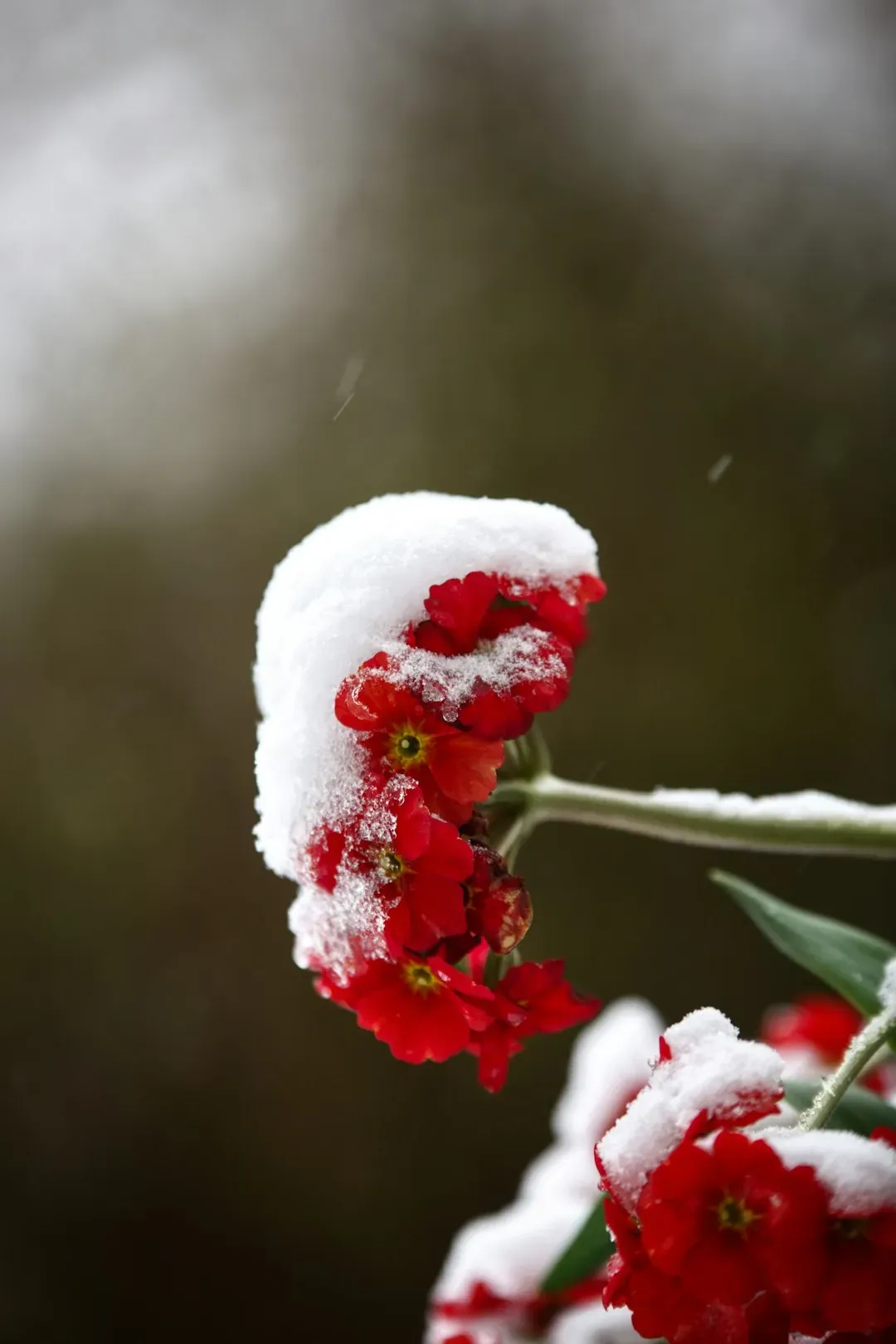
Warmer weather has already returned to much of the Southeast, but colder air has been stubbornly slow to leave the Northeast this season. Meteorologists point out that this kind of gradual shift is entirely typical for the region. The Northeast simply takes longer to shake off winter’s grip compared to the rest of the country.
Compared to other regions, cities in the Northeast consistently remain within their coldest seasonal window well into the first week of March. That lag isn’t a fluke or a weather anomaly. It’s a reliable pattern baked into decades of historical data.
