

Winter has a way of catching people off guard, even those who’ve lived through dozens of cold seasons. The same patterns tend to show up every year: underprepared cars, ignored weather alerts, and a false confidence that “it won’t be that bad this time.” The reality is that many winter injuries, accidents, and even deaths are entirely preventable.
Whether it’s exposure to the cold, vehicle accidents caused by slick roads, or fires resulting from the improper use of heaters, hundreds of people are injured or killed each year as a direct result of winter weather. Most of those incidents trace back to a handful of recurring mistakes. Here are ten of them.
1. Ignoring Tire Pressure and Tread Before the Cold Hits
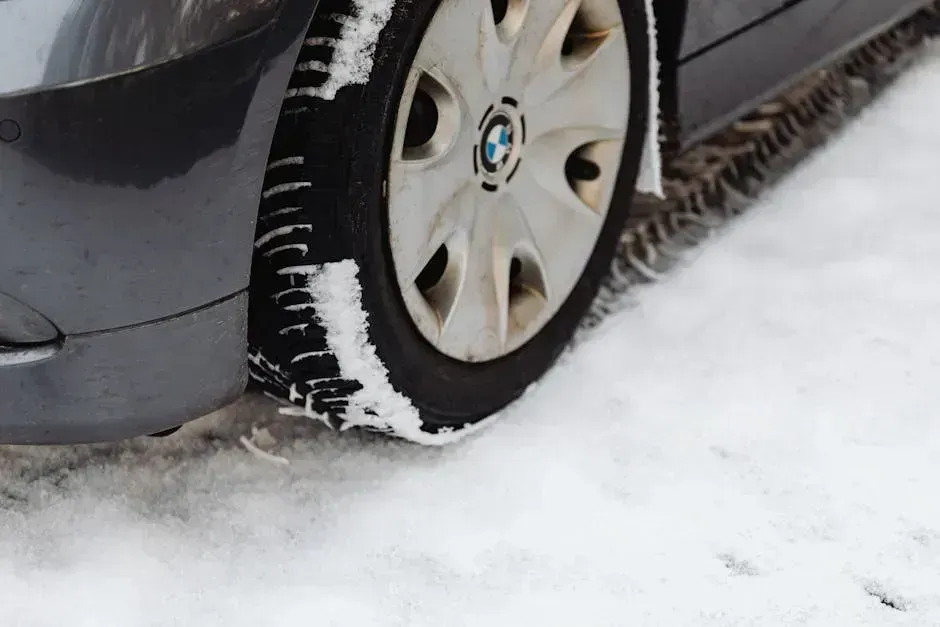
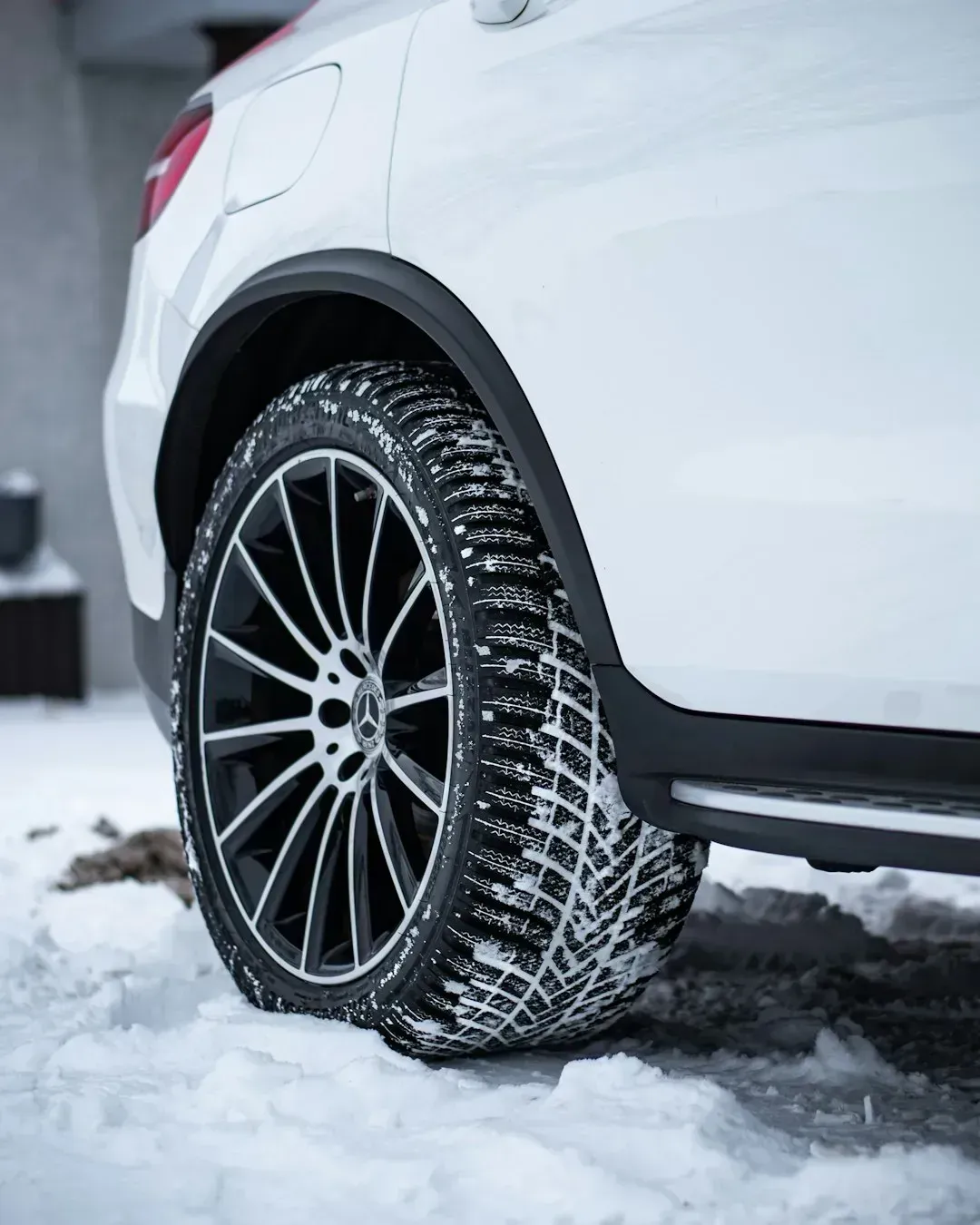
Tires are the one thing standing between your car and a frozen road, yet they’re often the last thing people check. As the outside temperature drops, so does tire inflation pressure. Each tire needs to be filled to the vehicle manufacturer’s recommended inflation pressure, which can be found in your owner’s manual and on a label on the driver’s side door frame. Many drivers skip this entirely, not realizing that underinflated tires reduce traction precisely when they need it most.
Tire tread depth and pressure require immediate consideration before winter sets in. The traction of the vehicle will be even worse on icy roads if the tires are too worn down. Cold weather naturally lowers pressure, which in turn reduces traction at the very moment you need it most. Replacing all-season tires with winter tires offers improved traction control, braking, and overall performance in cold conditions.
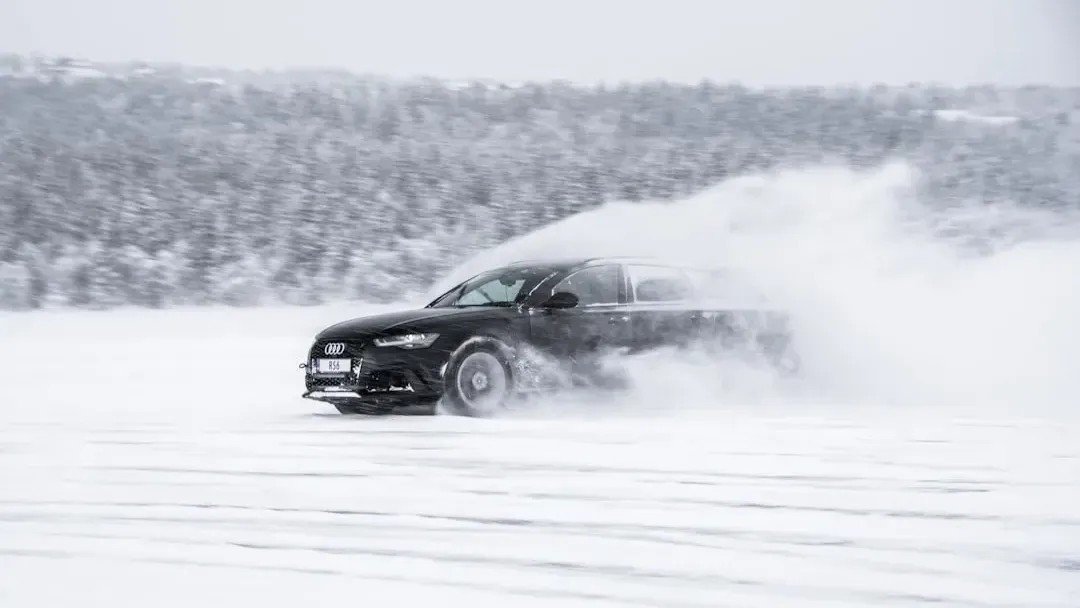
2. Treating a 4WD Vehicle as Invincible on Ice
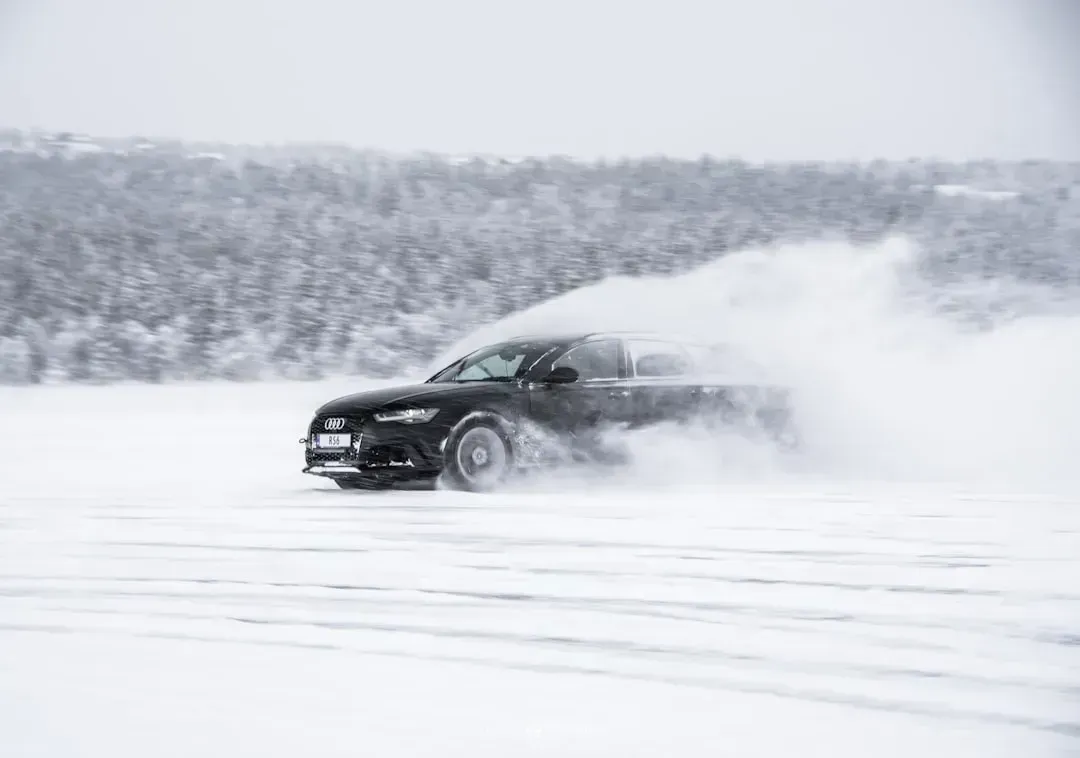
Four-wheel drive gives drivers confidence. Sometimes too much of it. Thinking you’re invincible just because you drive a truck or a big SUV is a mistake. While four-wheel drive vehicles are great for driving in heavy snow, they offer no advantage on black ice. Four-wheel drive vehicles have no advantage over regular cars when it comes to driving on black ice.
Don’t be overconfident about traction just because you have a four-wheel or all-wheel drive. These vehicles don’t stop or steer better on ice than regular two-wheel drives. The ability to accelerate through snow is not the same as the ability to stop on it. That distinction gets people into trouble every single winter.
3. Not Clearing Snow from the Entire Vehicle
Most people clear their windshield and call it done. Snow left on the roof, hood, and rear window is a hazard not just for you, but for other drivers. Don’t just clear a “peephole” on your windshield. Clear all snow and ice from windows, mirrors, headlights, taillights, and any vehicle sensors. Reduced visibility and obscured lights are major hazards.
Clean snow and ice off your car completely, including the top of the vehicle, and be sure all windows, mirrors, and lights are clear. Snow sliding off the roof of a moving car can blind the driver behind you in an instant. It’s a simple step that gets skipped constantly.
4. Underestimating Black Ice
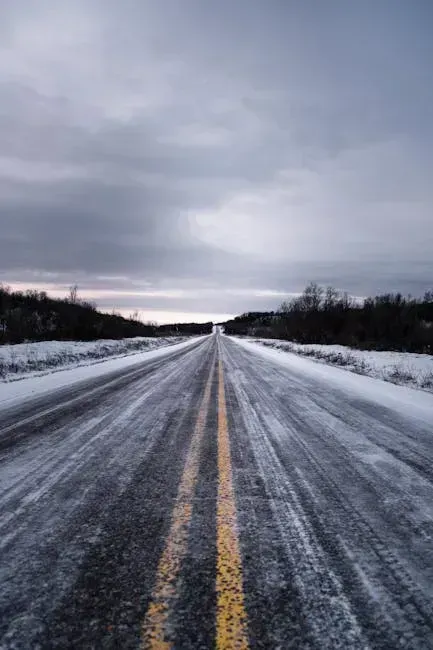
Black ice looks like nothing at all. That’s what makes it so dangerous. Black ice is a thin layer that is almost transparent and forms directly on road surfaces. Despite its name, it is not actually black, but due to its clarity, it assumes the dark color of the asphalt. It is this transparency that makes black ice particularly dangerous, since it often appears as a wet road yet offers practically no grip.
Above-ground surfaces like bridges and overpasses are frequent spots for black ice to develop, as the cold air that circulates underneath them reduces the temperature more quickly. This is why you will see warning signs about icy conditions near these areas. However, black ice can be found on rural roads, shade-covered streets, driveways, and sidewalks, meaning even pedestrians must be cautious.
5. Slamming the Brakes on Slippery Roads
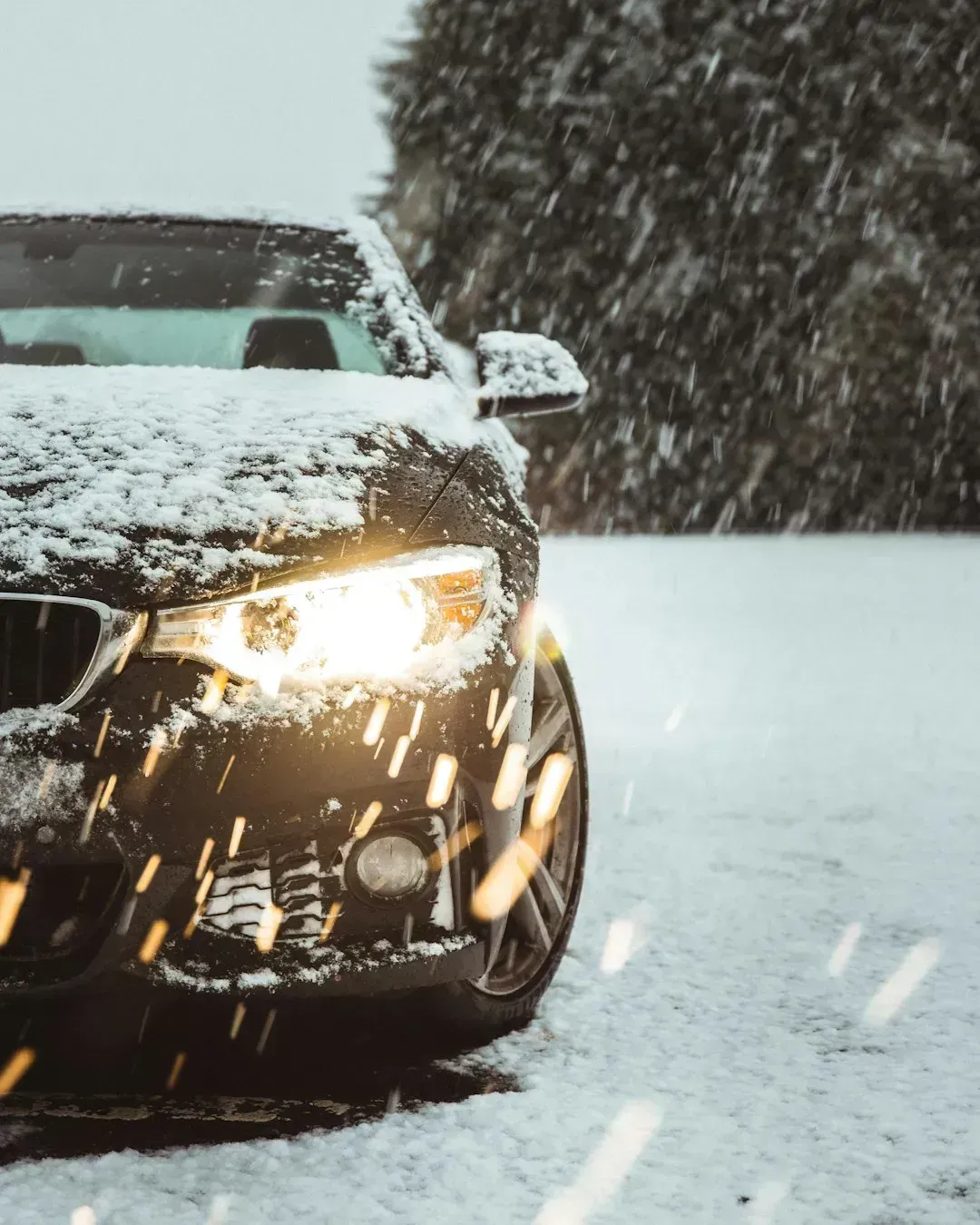
It’s instinct. The car starts to slide and the foot goes straight to the brake pedal as hard as possible. That instinct is wrong. Don’t slam the brakes. While it may be a natural instinct, this will only cause your car to lose control and slide even more. Tap the brake pedal lightly instead of pushing down hard on it.
Once you are on the road in winter conditions, smooth and deliberate actions are your best defense against snow and ice. Avoiding sudden movements, such as slamming on the brakes or oversteering, should help you maintain control even when conditions are challenging. Winter driving is fundamentally about reducing inputs, not increasing them.
6. Shoveling Snow Without Thinking About Heart Health
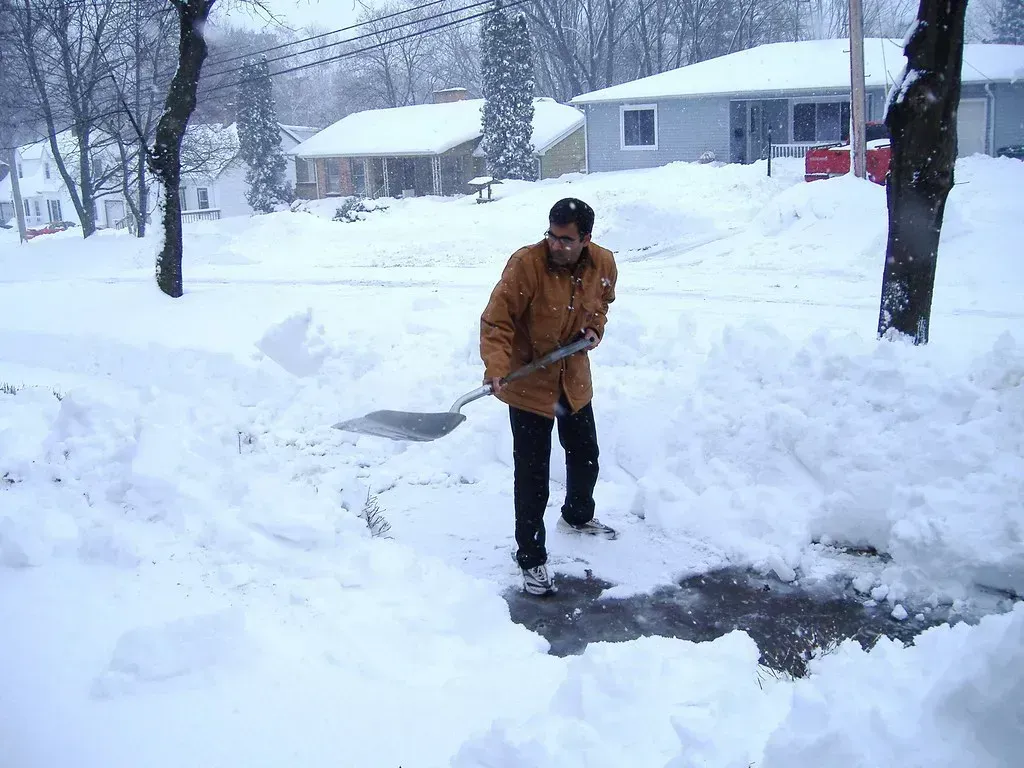
Snow shoveling looks harmless. It isn’t. The American Heart Association warns that the combination of exertion required to shovel snow, combined with cold temperatures, can increase the risk of heart attack or cardiac arrest. The American Heart Association reports more heart attack deaths in the winter than any other time of year, as cold-induced constriction of blood vessels and exposure to heat loss put extra strain on the heart.
In regions where snowfall doesn’t happen frequently, people’s bodies may not be used to the physical demands of shoveling. Older adults, people who don’t exercise regularly, and people with certain health conditions, including heart disease or history of heart attack or stroke, diabetes, high cholesterol, or high blood pressure, should get someone else to take care of snow removal. Taking breaks, staying hydrated, and not rushing through the job can genuinely save lives.
7. Running a Generator or Car Indoors to Stay Warm
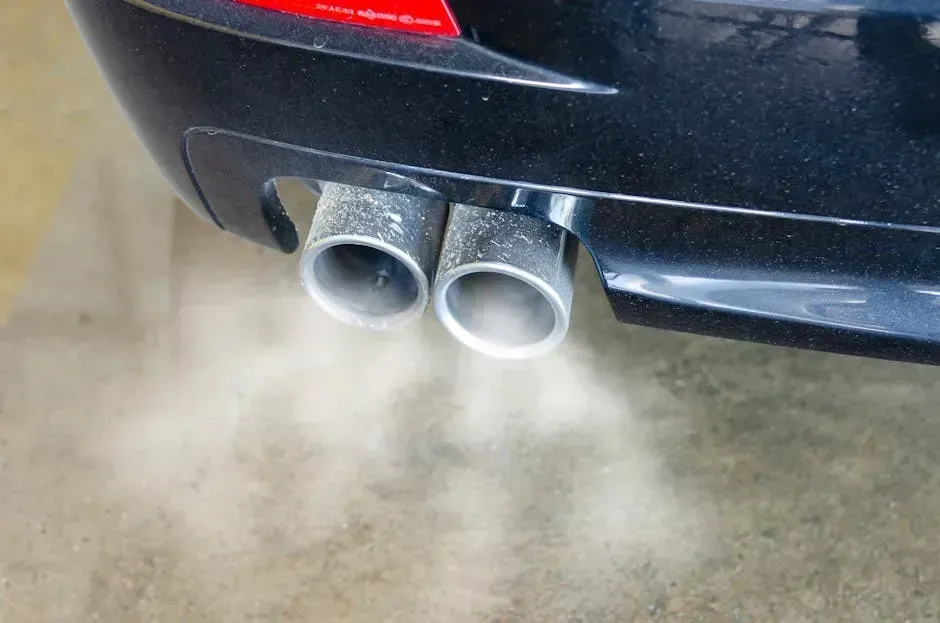
When the power goes out during a winter storm, many people turn to generators or let their car idle in the garage to generate heat. Both can be lethal. CO poisoning from gasoline-powered portable generators can kill in minutes. CO is called the invisible killer because it is colorless, odorless, and deadly. CO poisoning from portable generators can happen so quickly that exposed persons may become unconscious before recognizing symptoms such as nausea, dizziness, or weakness.
Every year, more than 50,000 people visit emergency rooms because of accidental CO poisoning, and about 430 of these visits will be fatal. Check that vents for dryers, furnaces, stoves, and fireplaces are not blocked by snow or debris. Use generators in well-ventilated areas outdoors, away from windows, doors, and vents. Never use gas or charcoal grills indoors, as they can produce dangerous levels of CO.
8. Dressing in Cotton Layers Instead of Proper Cold-Weather Fabrics
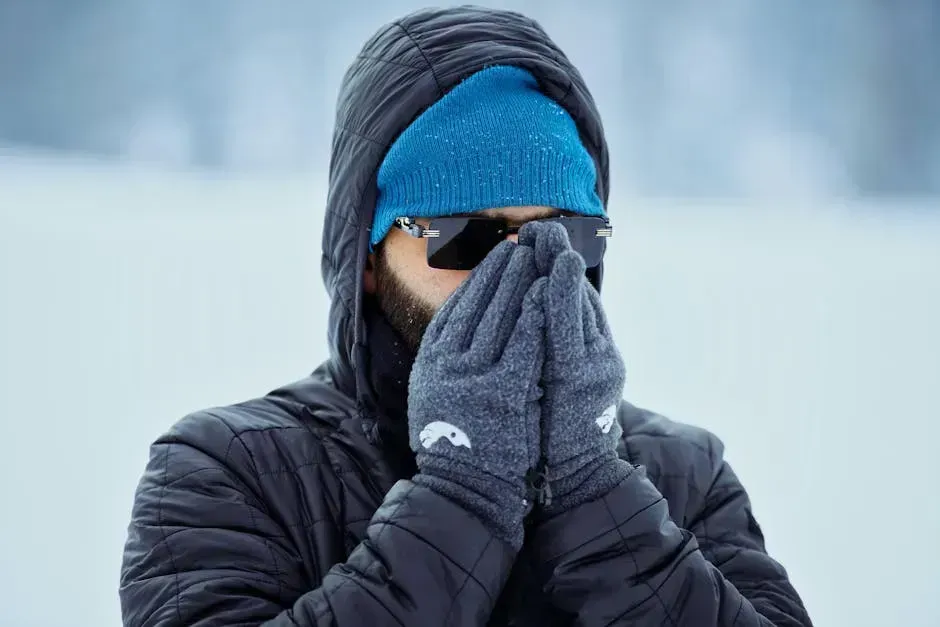
Cotton is everywhere in most wardrobes, which makes it the default choice when people layer up for the cold. The problem is that cotton holds moisture rather than wicking it away. Wool, silk, or polypropylene inner layers hold more body heat than cotton. Staying dry is essential because wet clothing chills the body rapidly. Excess perspiration will increase heat loss, so remove extra layers of clothing whenever you feel too warm.
An inner layer of wool, silk, or synthetic material such as polypropylene keeps moisture away from the body. Thermal wear of wool, silk, or polypropylene holds more body heat than cotton. A middle layer of wool or synthetic provides insulation even when wet. An outer wind and rain protection layer should allow some ventilation to prevent overheating. Most people skip the middle layer entirely and wonder why they’re cold.
9. Letting Pipes Freeze by Not Taking Basic Precautions
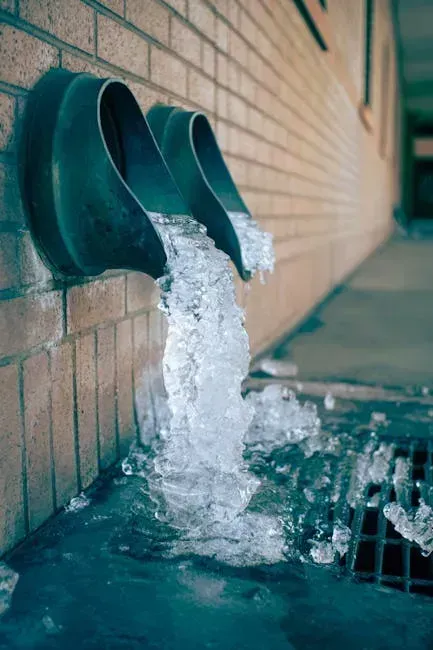
Frozen pipes can rupture and cause thousands of dollars in water damage within hours. The fix is simple and costs almost nothing. Extreme cold can cause water pipes in your home to freeze and sometimes rupture or break. When you are expecting very cold or freezing temperatures, leave all water taps slightly open so they drip continuously. Keep the temperature inside your home warm. Allow heated air to reach pipes by opening cabinet doors beneath kitchen and bathroom sinks.
If your pipes do freeze, do not thaw them with a torch. Thaw the pipes slowly with warm air from an electric hair dryer. Using an open flame is a mistake that people still make, turning a plumbing problem into a fire risk on top of everything else.
10. Skipping the Emergency Kit in the Car
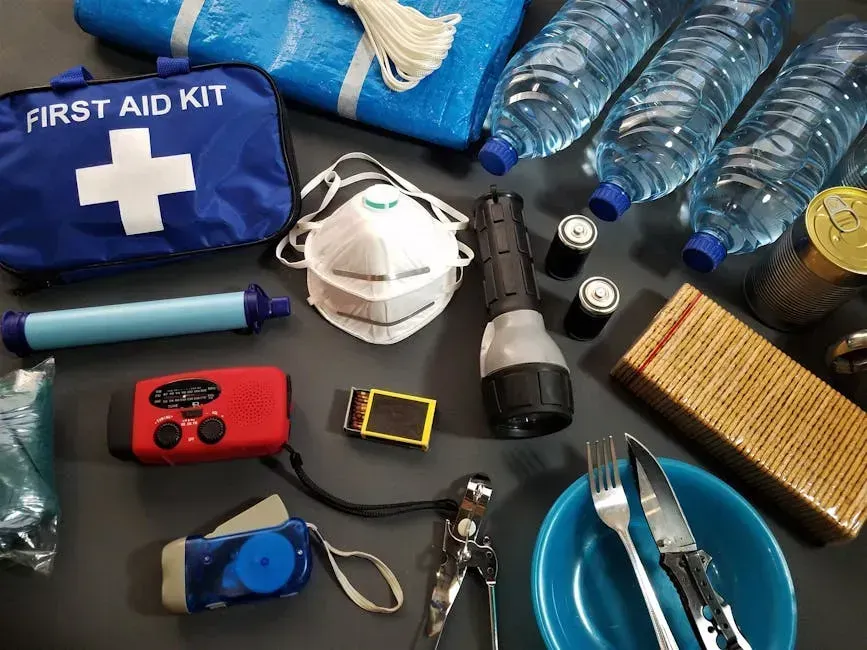
Most people drive through winter without any emergency supplies in the car at all. Being stranded in freezing temperatures without a blanket, water, or a charged phone is a genuinely dangerous situation. Create an emergency supply kit for your car. Include jumper cables, sand, a flashlight, warm clothes, blankets, bottled water, and non-perishable snacks. Keep a full tank of gas.
Keep your supplies organized and easily accessible in your vehicle in case of a severe weather event that leaves you stranded. Everyone will have different needs, but antifreeze helps regulate your car’s temperature and blankets are essential if your car’s heating system fails. The consequences of being unprepared for extreme weather can be long lasting, leaving many homeowners and drivers to deal with the financial fallout into spring and beyond.
Winter doesn’t change. The cold comes, the ice forms, and the same hazards reappear year after year. What does change is whether people take a few hours beforehand to prepare properly. The mistakes on this list aren’t obscure or hard to avoid. They’re just easy to postpone, until they aren’t.
