

The Research That Changed How Buyers Think

For much of the past decade, climate risk barely registered as a concern in most home purchase decisions. Buyers thought about school districts, commute times, and interest rates. That calculus has shifted noticeably. According to a November 2024 report from Redfin, homes with low natural disaster risks were rising in value faster than homes with high risk for the first time in more than ten years.
First Street’s climate migration projections predict that more than 55 million Americans will voluntarily relocate within the U.S. to areas less vulnerable to climate risks by 2055, starting with 5.2 million in 2025. That’s not a distant abstraction. The early moves are already happening, and they’re showing up in local housing data across the Midwest, the Mid-Atlantic, and parts of the Northeast.
The Great Lakes Region: Fresh Water as a Long-Term Asset

Michigan and Wisconsin sit next to roughly one fifth of the world’s fresh surface water. Drought is almost nonexistent in this region, and summer heat remains manageable without massive air conditioning bills. In a world where water scarcity increasingly shapes land values in the South and Southwest, that kind of natural abundance carries real weight.
Cities like Madison, Wisconsin, and Grand Rapids, Michigan, are actively investing in climate infrastructure, making them smart plays for long-term growth. Property values there are steady, avoiding the boom-and-bust cycles of coastal markets. That steadiness turns out to be exactly what a new class of climate-aware buyers is looking for.
Madison, Wisconsin: The Climate Haven With a Competitive Market
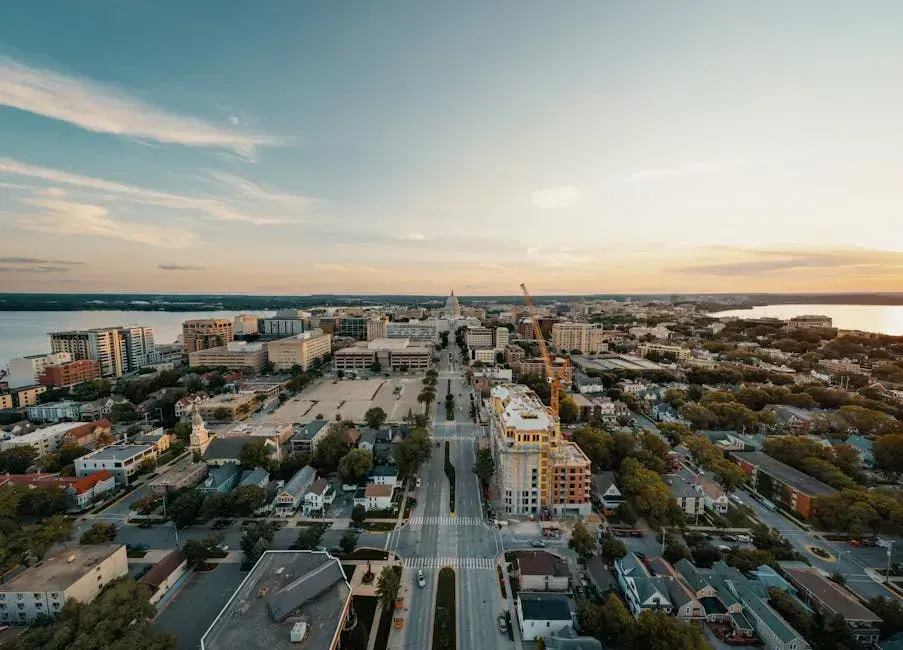
Madison, along with other cities in the Great Lakes region such as Minneapolis and St. Louis, is increasingly being recognized as a “climate haven,” an area considered relatively safe from wildfires, floods, and other climate-related events. That reputation has attracted steady demand from buyers relocating from higher-risk states. The city’s economy, anchored by the University of Wisconsin, state government, and a growing tech sector, gives it additional staying power.
As of October 2024, the median sale price of a home in Madison reached $412,000, representing an 8.4% year-over-year increase. Despite some slight slowdown in sales volume, homes were still commanding a premium in the Madison market. A 2025 analysis of housing markets in 100 of the nation’s biggest cities revealed that less than one percent of homes in Madison were affordable for people making the median household income, which tells its own story about the intensity of demand there.
Grand Rapids, Michigan: Speed Tells the Story
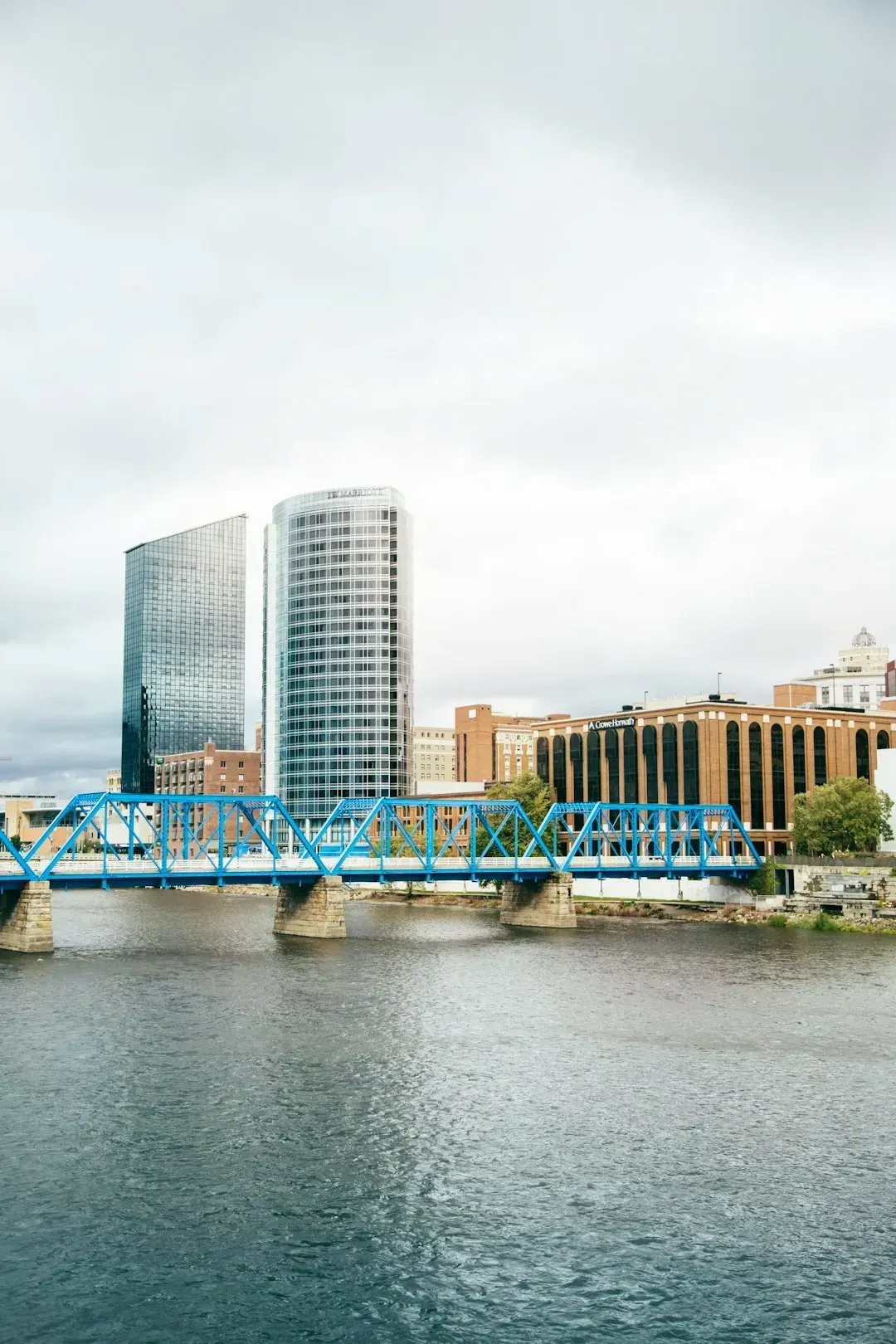
Data from late summer and early fall 2025 shows that Grand Rapids is deeply entrenched in a seller’s market. The number that stands out most is the speed at which homes move: the average Grand Rapids home goes to pending in around eight days. In most American cities, that kind of velocity points to a severe supply-demand imbalance where buyers have little room to hesitate.
While that pace of appreciation might not sound dramatic compared to the double-digit jumps of a couple of years ago, in the current economic climate it signals healthy stability. Demand is consistent enough to keep values moving upward without the market overheating. That combination, persistent demand plus measured price growth, is precisely what long-term investors tend to prize.
The Insurance Factor Is Repricing Risk in Real Time

Between 2020 and 2024, property insurance rates nationwide climbed by roughly forty percent. In high-risk states like California and Florida, some major insurers like State Farm and Allstate have paused new policies entirely. When a buyer can’t insure a home, they often can’t get a mortgage either. That’s not a market inconvenience. It’s a structural barrier that effectively shrinks the pool of eligible buyers in entire regions.
As climate change intensifies, physical risk is increasingly reflected in real estate valuations, with insurance premiums serving as a leading indicator of underlying exposure alongside coverage availability and capital market expectations. Resilience is therefore becoming a decisive driver of long-term asset value. Towns that have kept insurance markets stable are quietly gaining a competitive edge that shows up in price trajectories.
Climate-Resilient Neighborhoods Stand to Gain Hundreds of Billions
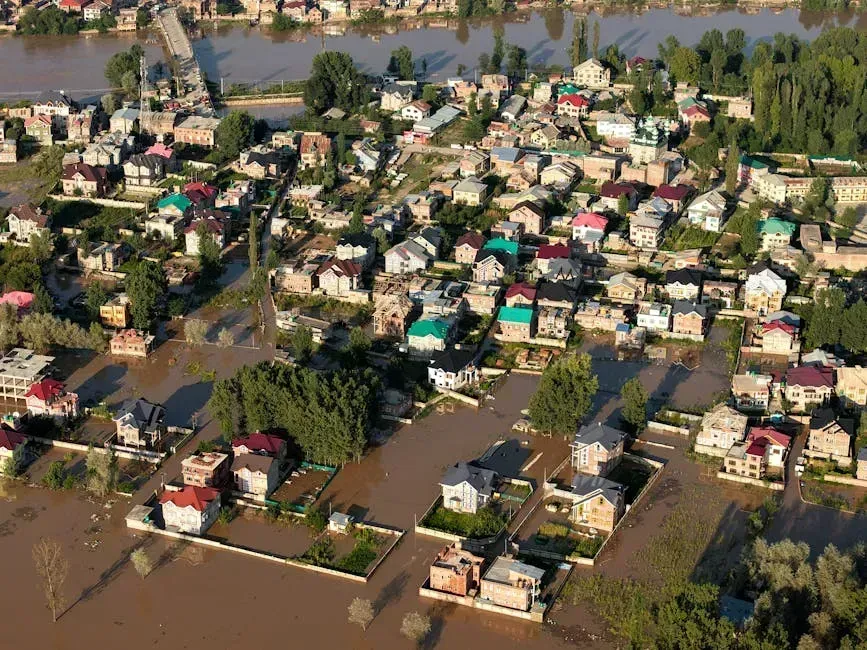
In climate-resilient areas, concentrated in the Midwest and part of the Eastern U.S., property values are expected to increase by roughly ten percent, totaling $244 billion, over the next three decades. That’s not an evenly distributed gain. It flows toward specific neighborhoods that score well on criteria like flood risk, wildfire exposure, heat stress, and insurance stability.
Research underscores a growing divergence in property values: high-risk areas are likely to experience significant devaluation, while regions perceived as climate-resilient are poised to benefit from increased demand. This reallocation of economic activity will have profound implications for local government revenues, with at-risk areas facing reductions in property tax income while more resilient areas stand to gain. Over decades, that fiscal gap can reshape the quality of local schools, roads, and public services, making the divergence self-reinforcing.
Vermont and the Northeast: Quiet Stability in Higher Elevations
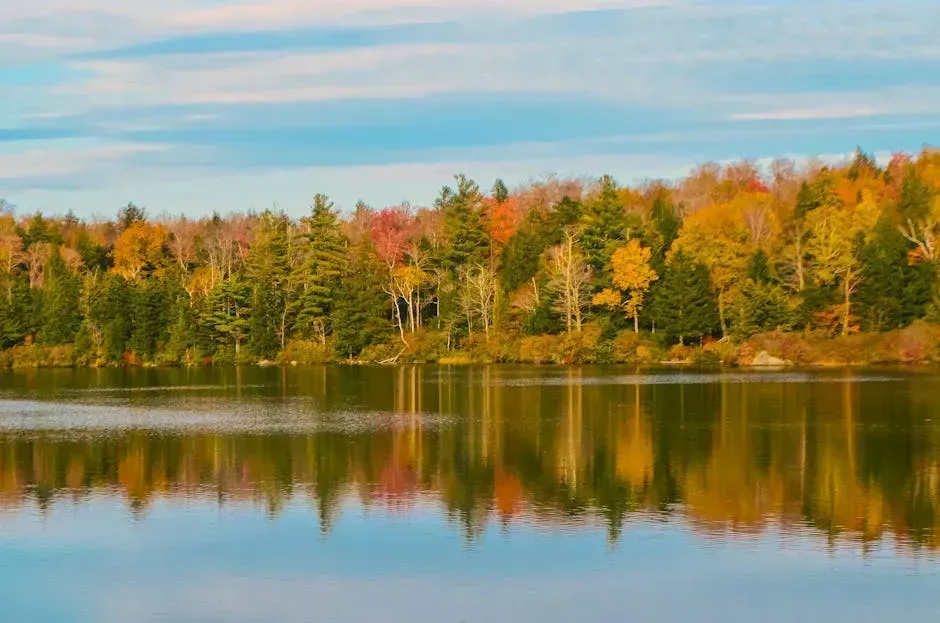
Vermont stays cooler than most of the country and has abundant water. While the state saw flooding in 2023, higher-elevation land remains some of the safest real estate in the nation. The soil is fertile and the risk of wildfire is significantly lower than in the West. That combination of clean water, temperate summers, and low fire exposure places much of rural Vermont in a category that climate risk modelers consider genuinely resilient.
Insurance markets in Vermont are relatively stable. The state has not seen the massive carrier exits happening in Florida. For buyers and investors trying to project long-term ownership costs, that stability matters as much as the listing price itself. A home with reliable, affordable insurance is a fundamentally different financial proposition than one where coverage might be withdrawn or repriced within a few years.
Cities That Invest in Resilience Infrastructure Attract Capital

Property developers are beginning to assess whether cities take climate adaptation seriously. This includes flood defenses, heat mitigation plans, and water security measures, among other criteria. Cities that invest in such infrastructure remain more attractive for long-term capital. Investors are no longer just evaluating a building. They’re evaluating the city around it and whether local government has built the systems needed to maintain livability as conditions change.
Beyond climate and health benefits, resilience initiatives also drive asset appreciation directly. Properties adjacent to nature-based resilience installations have commanded roughly ten percent higher sale prices, according to one analysis of several thousand property transactions. Their approaches show how investing in climate resilience can deliver returns across multiple dimensions, reducing health risks, cutting economic losses, and protecting asset values, all while shielding communities from worsening climate shocks.
The Pattern Emerging Across Midwest and Mid-Atlantic Markets
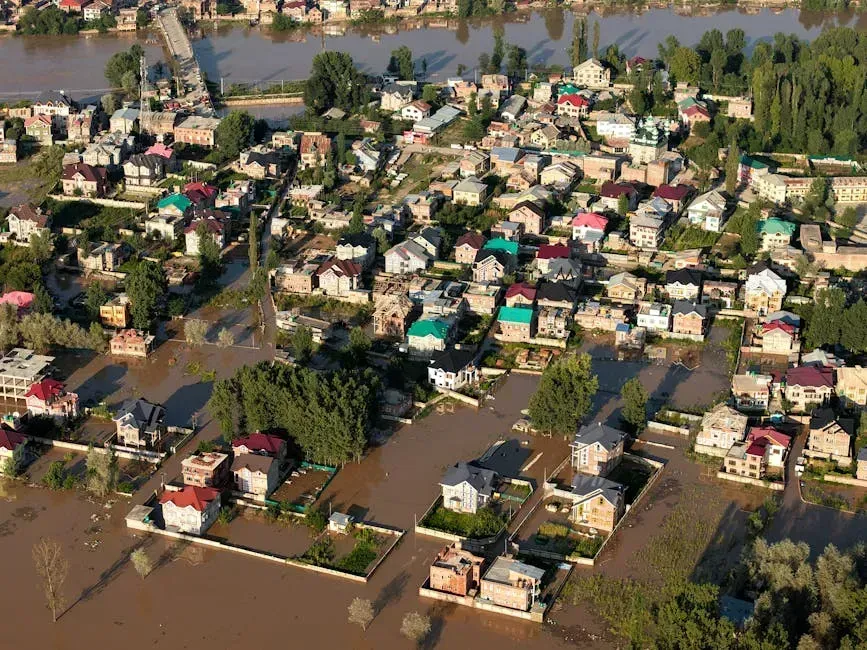
Across recent price data, the Midwest, Mid-Atlantic, and Northeast are showing overwhelmingly higher prices, while the rest of the country trends flat or lower. The pattern isn’t perfect, but it’s clearly there. Market analysts studying inventory changes from 2019 through 2025 have found the same signal: demand is concentrating in precisely the regions that score highest on climate resilience metrics.
As climate awareness grows, some buyers are moving away from high-risk regions toward areas perceived as more climate-resilient. This shift in demand can reduce values in vulnerable locations while driving appreciation in safer inland or higher-elevation markets. Over time, these migration patterns may significantly reshape regional real estate trends. Whether or not every buyer consciously frames their decision in climate terms, the aggregate data keeps pointing in the same direction.
What Buyers Are Now Factoring Into Their Search

Home values are set by how much the buyer thinks a property is worth today and how much they think the next buyer will pay for it. That math pulls risk forward by decades, because Americans stay in their homes for an average of twelve years. A home buyer in 2026 doesn’t face only the climate conditions of 2038 when they try to sell, but the next buyer’s expectations of the home’s value around 2050. That long view is changing what people consider a sound purchase.
In short, the best land investments of the past were based on growth. The best ones now and in the future will be based on sustainability. Climate risk affects real estate values and the cost of ownership and occupancy, with more resilient buildings performing better against existing regulations, commanding higher rents, and achieving higher value at sale. The towns that understood this shift earliest are now reaping the rewards quietly, one sale at a time.
