

Most people choose a city to live in based on job opportunities, cost of living, or family ties. Climate risk rarely tops the checklist. That’s beginning to change. As the data from recent years makes the stakes harder to ignore, researchers and urban planners are increasingly vocal about which cities carry compounding threats that money and preparation may not fully offset.
The worst impacts of the climate crisis are unfolding decades earlier than scientists predicted. The year 2024 was the warmest on record and marked the first calendar year to surpass the Paris Agreement’s 1.5°C target above pre-industrial levels, concluding a decade in which all ten of the hottest years ever recorded occurred. The ten cities below represent a cross-section of that accelerating risk, drawn from research, peer-reviewed projections, and recent climate assessments.
Miami, Florida: Drowning in Real Time
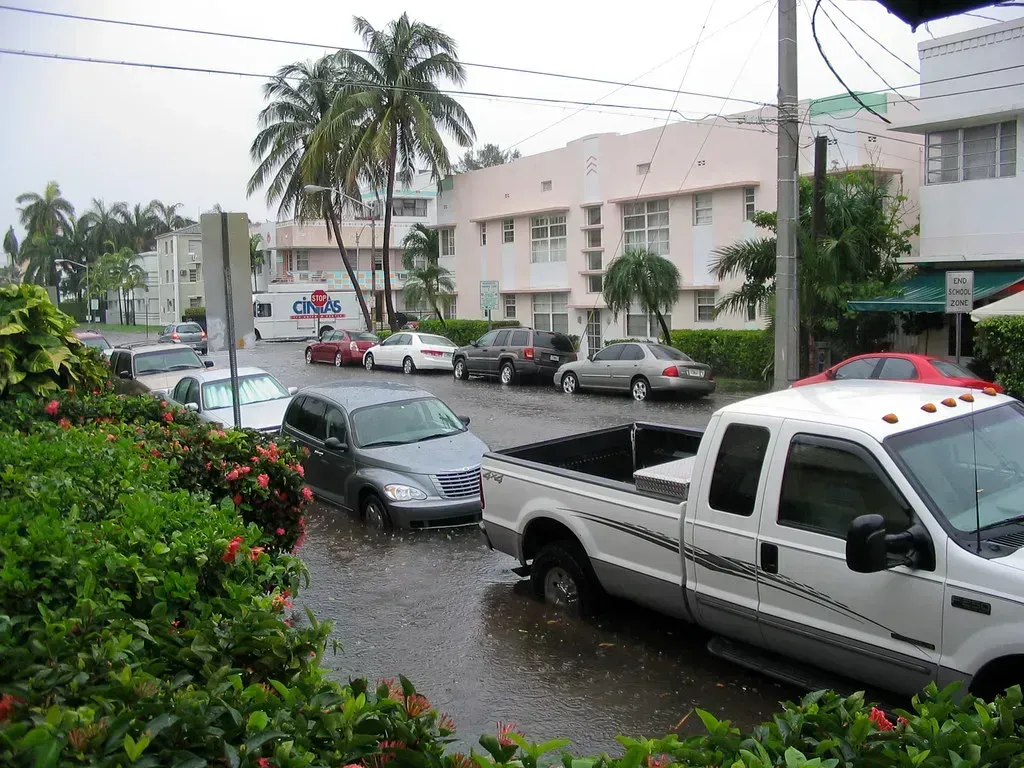
Low-lying Miami is already experiencing frequent “sunny day flooding,” when high tides spill onto streets or bubble up from storm drains, and these events will only become more common and more damaging as sea level rise continues. Over the past forty years, the annual average temperature in Miami-Dade County has risen by 2.2 degrees Fahrenheit.
In Miami, the typical single-family homeowner with a standard policy now pays annual premiums equal to nearly four percent of the home’s market value, the highest ratio among the nation’s hundred largest metros. Every single home in Miami is exposed to severe or extreme hurricane wind risk, and these wind risks often overlap with flooding, leaving homeowners in coastal regions vulnerable to compounding disasters.
Jakarta, Indonesia: A City Already Sinking
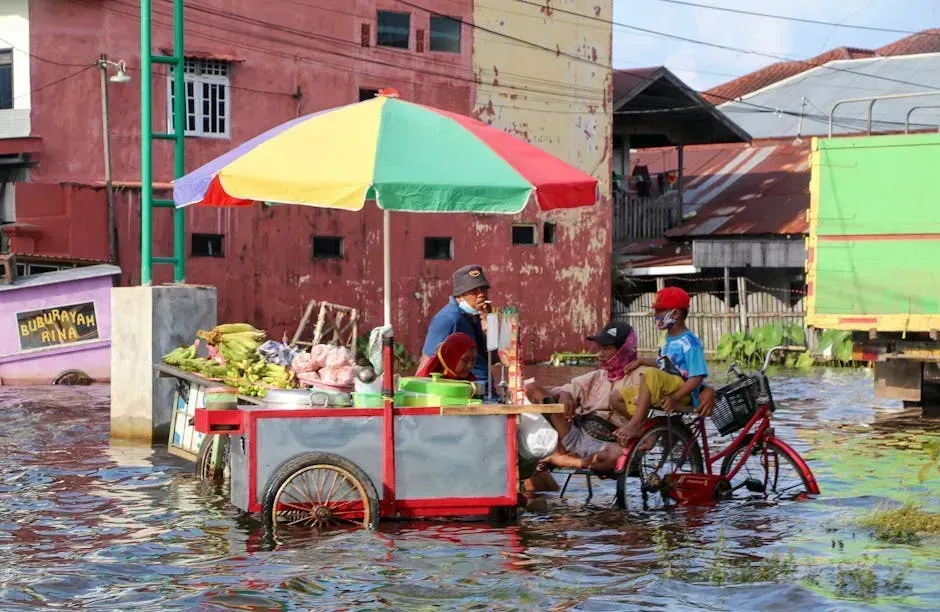
In northern Jakarta, close to ninety percent of the metropolitan region already lies below sea level, and more than sixty percent of the city’s residents, particularly those living in poor, informal, high-density settlements, are vulnerable to flooding. Jakarta is especially susceptible to sea level rise since it is also experiencing one of the fastest land subsidence rates in the world, with land sinking by up to twenty-five centimeters a year in some parts of North Jakarta.
Subsidence, which is land sinking due to groundwater extraction or soil compaction, can worsen the effects of sea level rise, as seen in Bangkok and Jakarta. The Indonesian government has been developing a new capital city, Nusantara, in part due to the severity of Jakarta’s long-term outlook, though the megacity remains home to tens of millions of people.
New Orleans, Louisiana: Engineering on the Edge
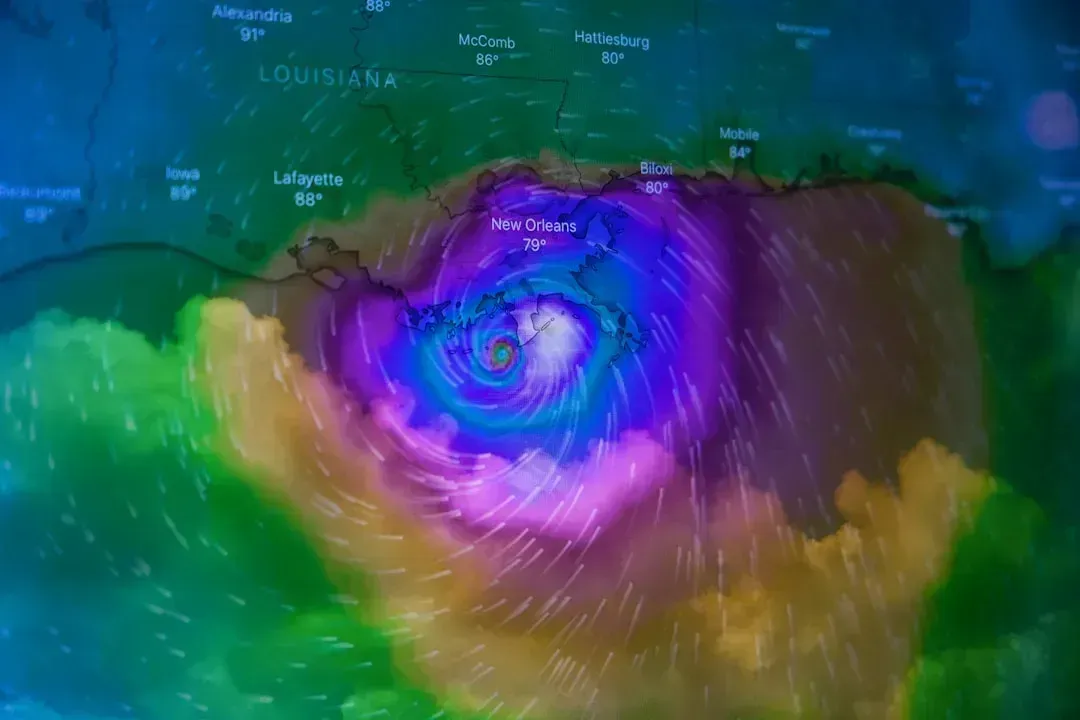
The devastating impacts of extreme weather events on the low-lying coastal city were clearly demonstrated when Hurricane Katrina triggered deadly floods in 2005, when half of New Orleans dropped below sea level, resulting in over 1,800 fatalities and USD 150 billion in damage. Louisiana is particularly vulnerable as climate change-driven sea level rise meets fast-sinking land, with the state having one of the highest rates of land loss in the world and some areas experiencing relative sea level rise nearly four times the global rate.
A recent study suggests that engineered defenses used to protect some of Louisiana’s most vulnerable cities may not be enough, as rising seas, shrinking land, and stronger storms could cause communities to relocate sooner than expected. Under a more extreme scenario, sea level rise could see nearly all of the population in New Orleans ultimately displaced.
Bangkok, Thailand: The World’s Most Vulnerable Capital
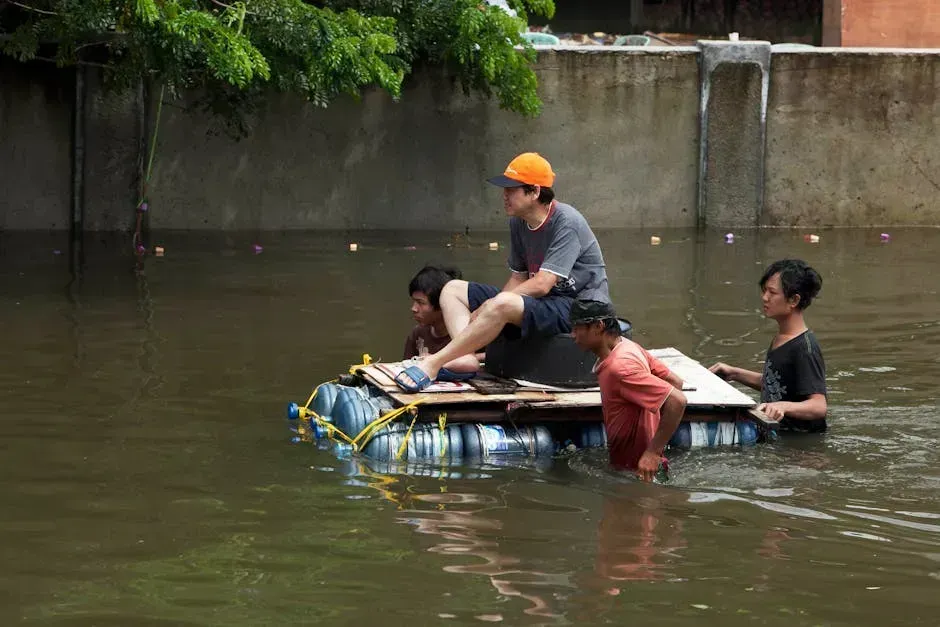
Sea level rise projections put Thailand’s capital as the world’s most vulnerable city. The low-lying city has an average elevation of only 1.5 metres above sea level, and following the deadly floods of 2011, which cost hundreds of lives, a fifth of the city was reportedly underwater. Bangkok also faces relentless land subsidence driven by decades of excessive groundwater extraction beneath one of Asia’s most populated metro areas.
More than four fifths of cities globally reported facing significant climate hazards, and around two thirds of reporting cities expect those hazards to be more intense and more frequent in future. Bangkok sits at the severe end of that spectrum, where overlapping risks of flooding, heat, and infrastructure strain create a cycle that is increasingly hard to interrupt with short-term fixes.
Phoenix, Arizona: Heat Without a Ceiling

Arizona experienced more than 140 days over 100 degrees Fahrenheit in 2024, making it among the most vulnerable states to extreme heat in the entire country. Extreme heat is the leading cause of weather-related deaths in the United States, and between 2000 and 2025, heat deaths in the country increased by more than half.
A study led by the University of Miami and co-authored by Phoenix, published in May 2025, argues that heat should be understood as a chronic crisis rather than a series of acute spikes, as current policies often fail to protect people living in constantly hot conditions. Extreme heat is the deadliest climate risk of our time, claiming nearly half a million deaths annually, more than floods, hurricanes, earthquakes, and wildfires combined.
Houston, Texas: A Perfect Storm of Compounding Hazards

Researchers from Princeton University studied Houston’s future hurricane-heat wave risk and found that the odds of residents experiencing a prolonged post-hurricane heat wave without power in any twenty-year period would increase by over a factor of six from historical conditions to the mid-century timeframe. Land subsidence exacerbated the flooding experienced in Houston during Hurricane Harvey in 2017.
Since 2017, there have been four U.S. hurricane landfalls where multiple heat-related deaths occurred during a heat wave that followed massive post-storm power outages, including Hurricane Beryl of 2024, which caused fourteen deaths in Houston. Climate change is likely to make extreme weather events like flash flooding occur more intensely and more frequently.
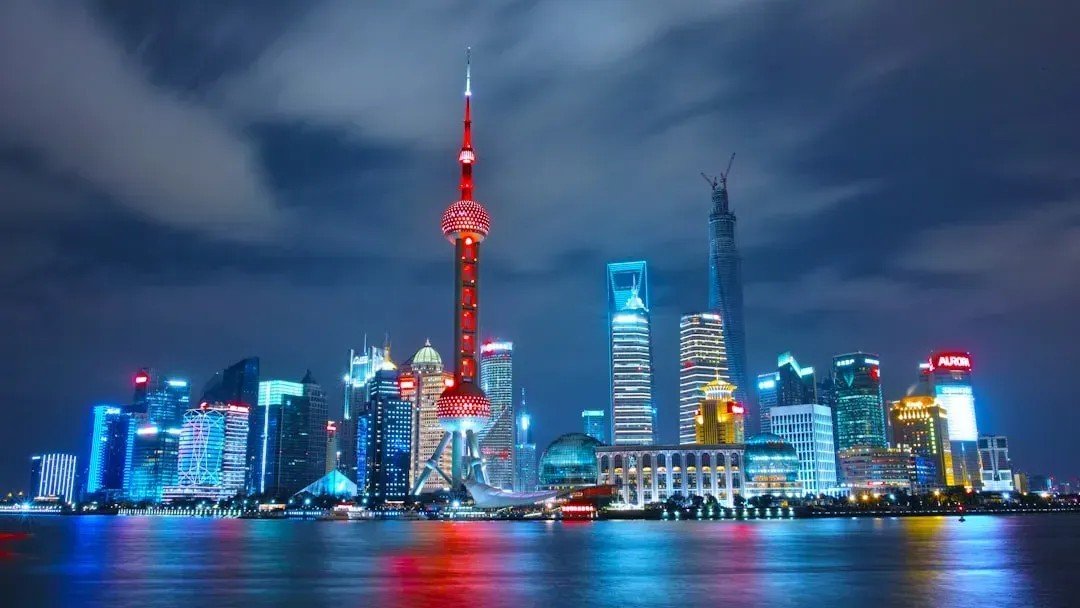
Shanghai, China: A Financial Hub Facing the Flood
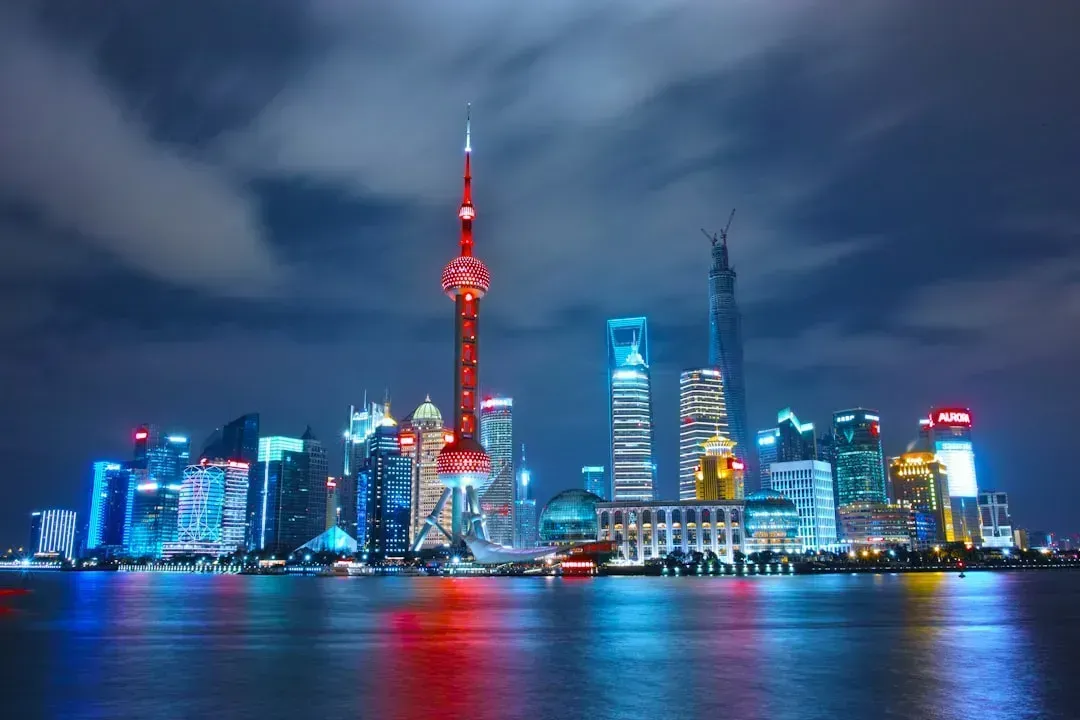
Home to twenty-six million people, Shanghai is China’s biggest single urban agglomeration, the world’s busiest container port, and mainland China’s top financial center. The city is projected to be particularly vulnerable to ocean flooding in the absence of coastal defenses.
Cities along China’s Yellow River Delta are experiencing sea level rise of more than twenty-two centimeters per year in some areas. Research using improved elevation data reveals that rising sea levels could within three decades push chronic floods higher than land currently home to hundreds of millions of people in coastal Asia. Shanghai’s economic weight makes its vulnerability a concern far beyond its borders.
Los Angeles, California: Wildfire and the New Normal

In January 2025, Los Angeles was devastated by wildfires that caused 31 deaths, destroyed over 16,000 homes and businesses, and became the country’s costliest wildfire event on record, exceeding sixty billion dollars. A rapid analysis found that human-caused warming made fire weather conditions at the time roughly six percent more intense and about a third more likely.
More frequent hot, dry, and windy fire weather conditions are boosting wildfire risks across the U.S. Heat can worsen drought conditions, and hot, dry weather can in turn increase wildfire risk, while buildings, roads, and infrastructure absorb heat, leading to temperatures that can be up to seven degrees Fahrenheit hotter in urban areas than in surrounding regions.
Manila, Philippines: Sinking Into the Sea
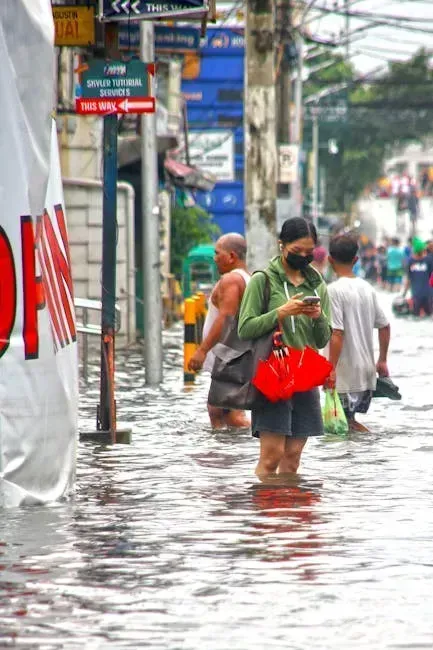
Sea level rise projections indicate that climate change will amplify the threats of material damage and population displacement that Manila’s floods already present. A recent study shows that the capital city is already sinking at an alarming rate of 0.2 metres per year, seven times faster than the global rate of sea level rise, and if this trend continues, almost the entire population of Manila could be displaced by the end of this century.
Among the hardest hit places globally will be tropical and sub-tropical river deltas, broad fans of sediment and waterways where rivers meet the sea, and because such deltas are often the sites of port cities, large human populations will be exposed to significantly higher risk. Manila sits squarely in that geography, facing typhoon intensification on top of the already severe subsidence problem.
Venice, Italy: A Race Between Culture and the Sea
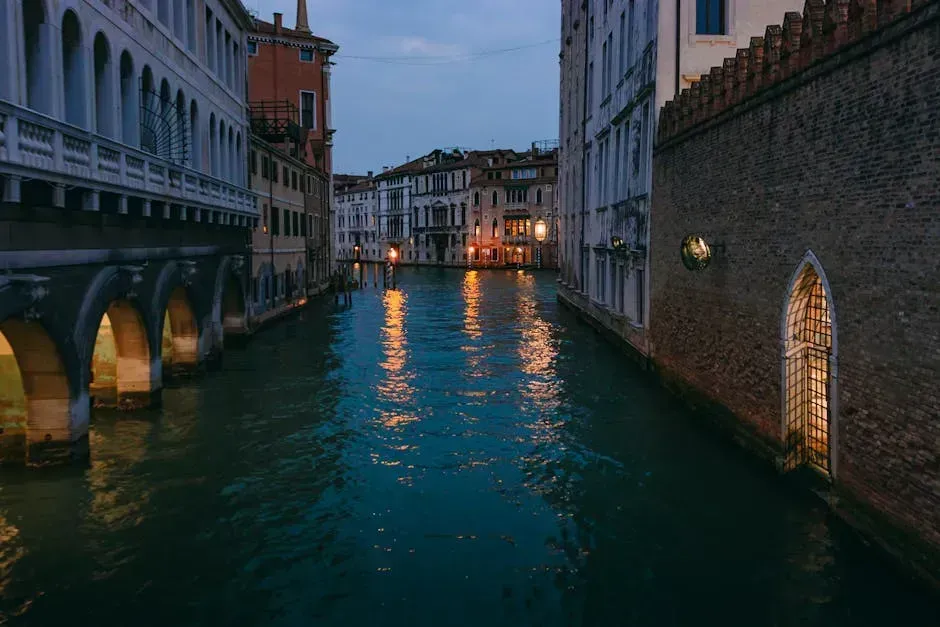
Venice has battled rising tides for decades, but sea level rise is intensifying the threat, and even with protective barriers like the MOSE system, more frequent high-water events continue to challenge the city’s resilience. The rate of annual sea level rise has more than doubled over the past thirty years, resulting in the global sea level increasing four inches since 1993.
Scientists have a reasonable idea of how much average sea level will rise by 2050, around six inches globally and as much as ten to twelve inches in parts of the U.S. coast. For Venice, where the margin between livable city and flooded lagoon is already thin, those projections carry an urgency that no engineering project can fully resolve. The MOSE barriers buy time, but the trajectory of sea level rise over the coming decades will determine whether that time is enough.
