


- I Asked Claude Which U.S. Cities Will Flood First as Sea Levels Rise – Here’s What It Said - September 4, 2026
- Honolulu vs. San Juan: Which Island City Faces the Bigger Climate Test? - September 4, 2026
- 6 Warning Signs Your State Could Be Next for a Drinking Water Shortage - September 3, 2026
Water shortages used to feel like a problem for somewhere else, maybe a drought-stricken corner of the Southwest or a farming town out on the plains. That’s changed. In 2026, the signals are showing up in far more places than most people expect, often quietly, long before anyone declares an official crisis.
The tricky part is that these warning signs rarely announce themselves with a single dramatic headline. They build slowly, through falling water tables, stalled construction permits, and utility notices that most residents skim past. Here are six signs worth paying attention to, wherever you live.
1. Groundwater levels keep dropping and never fully recover
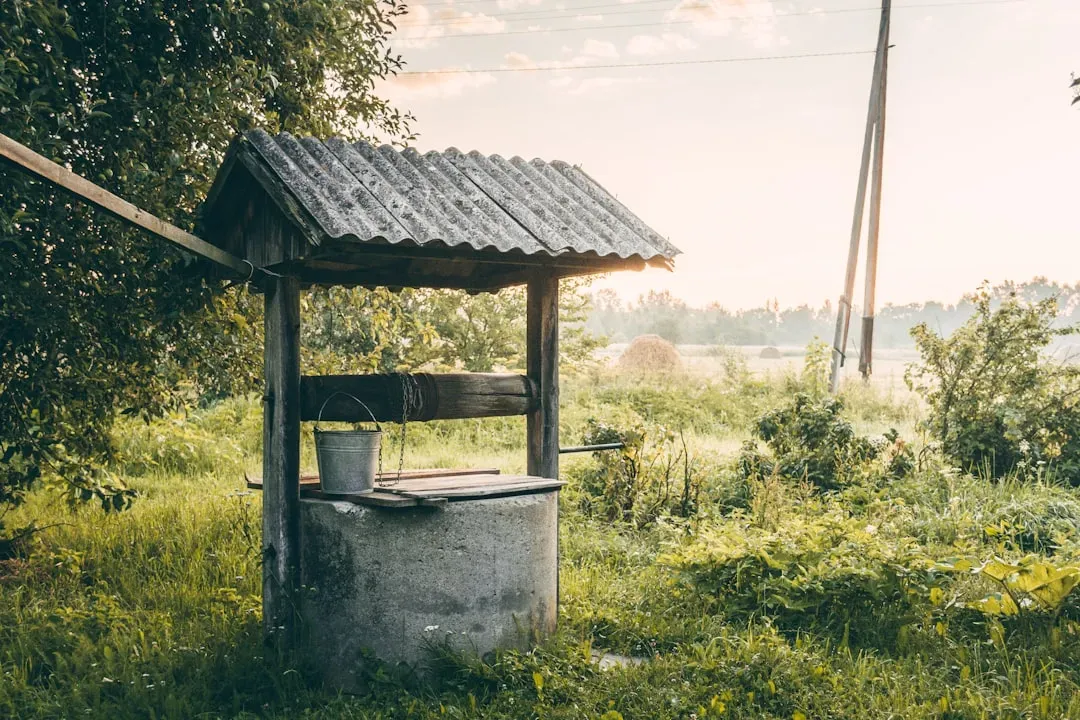
One of the clearest red flags is a state where groundwater levels have been declining for years without bouncing back after wet seasons. This is exactly what’s happening across parts of the Ogallala Aquifer region, where some areas have fallen more than 300 feet over the last 50 to 60 years, while roughly 95% of the water pumped from the aquifer supports irrigation. In Oklahoma’s Panhandle, a 2026 USGS report found an average water-level decline of 20.28 feet and a storage loss of about 6.1 million acre-feet from predevelopment through 2019, while annual withdrawals from 1998 to 2022 averaged 422,054 acre-feet against recharge of only 175,068 acre-feet.
Utah offers another version of the same pattern. The state depends on groundwater for roughly 60 percent of its water needs, with 80 percent of that consumed by agriculture, and under pressure from growing cities and irrigation demand, 82 percent of Utah’s aquifers are now in decline, with 11 of them dropping at twice the rate seen last century. When a state’s own hydrologists are describing decline rates that have doubled, it’s a sign worth taking seriously rather than dismissing as normal seasonal fluctuation.
2. Reservoirs and rivers are sitting at historic lows
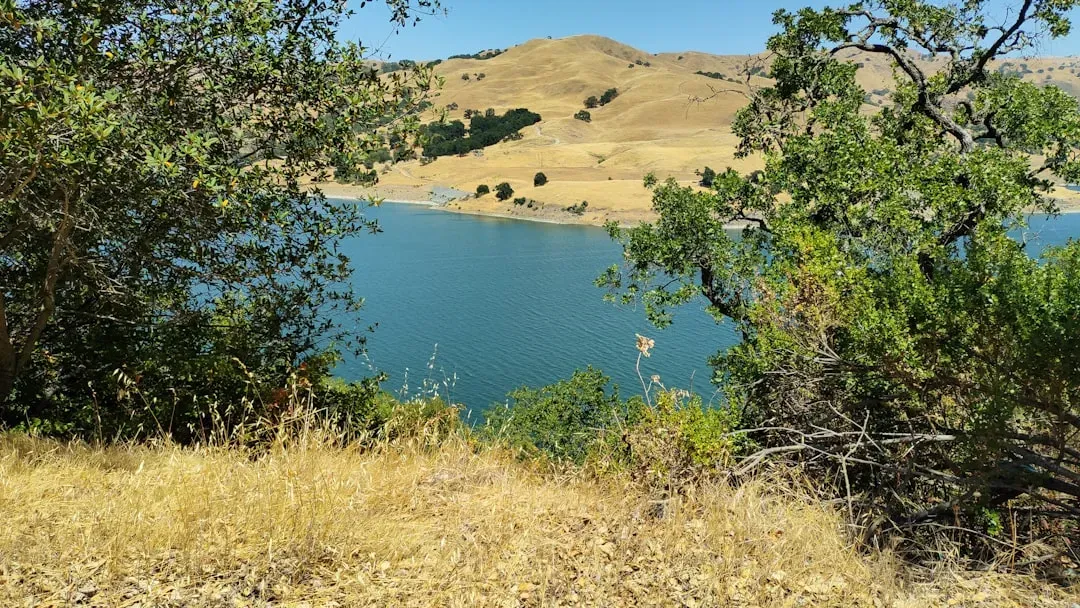
Surface water tells its own story, and it’s often easier to see than groundwater. The Colorado River system is the textbook example, since its flows have declined by 20% over the last 100 years, according to The Nature Conservancy, and Lake Mead’s elevation has declined by 160 feet since 2000, leaving parts of it dry. That basin supplies drinking water to millions of people across seven states, so a shrinking reservoir there ripples outward fast.
The pressure hasn’t eased much. Decades of drought and chronic overuse have sent water levels at Lake Mead and Lake Powell to historic lows, and the basin plans meant to manage those shortages expire at the end of 2026, with climate scientists predicting more dry years ahead. Smaller communities feel this acutely too. In Mathis, Texas, residents face a threat where their only water source is drying up, since the small town depends on Lake Corpus Christi for drinking water, but prolonged drought has pushed the reservoir to critically low levels.
3. Local governments start blocking new housing over water supply
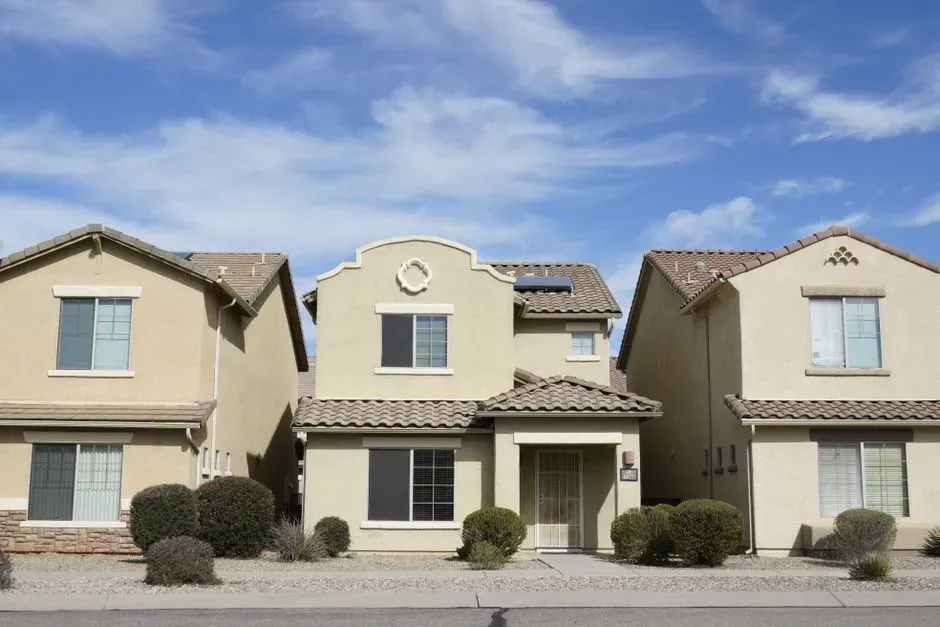
When a state’s water problem becomes serious enough to freeze construction, that’s not a subtle sign anymore. Arizona has already crossed that line. Mandatory cutbacks are already in effect there, and parts of Phoenix have halted new housing developments because they cannot prove a 100-year water supply. That kind of policy doesn’t happen over a single dry summer. It reflects years of over-allocation catching up with a fast-growing region.
Watch for similar moves elsewhere as supplies tighten. Nevada has taken a different but related approach, passing aggressive conservation laws, including a ban on irrigating “nonfunctional grass” starting in 2027. Any state debating building moratoriums, turf bans, or strict new-supply requirements for developers is quietly telling residents that its water math no longer adds up.
4. Farmland is being retired because there isn’t enough water to irrigate it
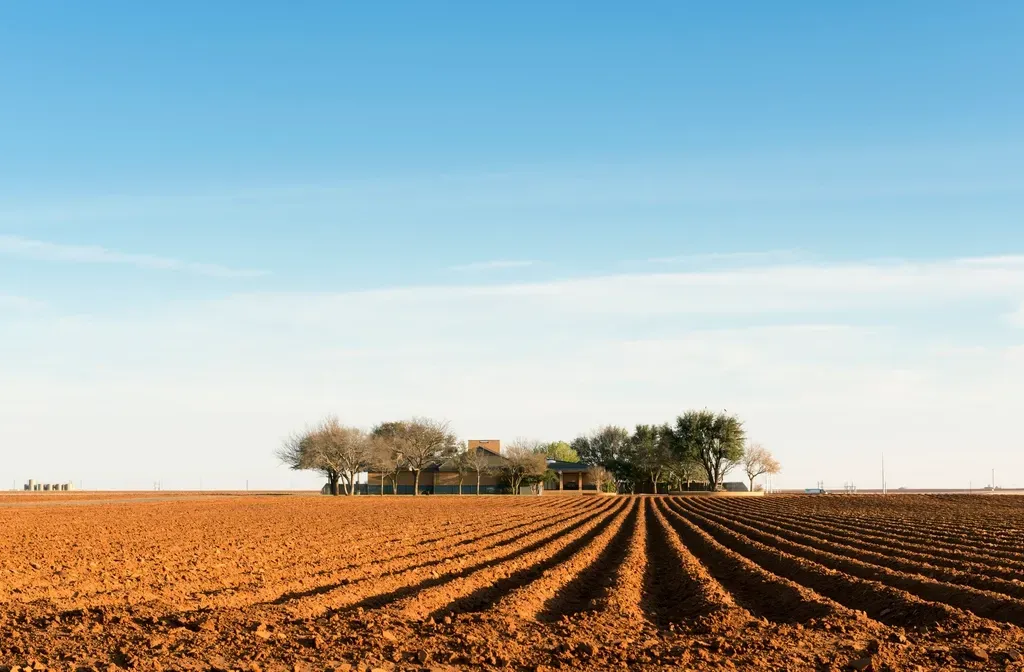
Agriculture is usually the first sector to feel a water shortage, and when farmers start giving up irrigated land, it’s a strong indicator that a broader shortage is coming. In Colorado, growers had retired 10,000 irrigated acres by early 2025, with a compact target of 25,000 acres by 2029. That’s not a minor adjustment. It reshapes entire rural economies built around irrigated fields.
The ripple effects extend well past the farm gate. As one water researcher put it, a pivot circle can look like a green coin from the road, bright against a dry plain, and when it goes out of production, the change reaches past one farm, touching equipment dealers, schools, diners, and the small towns that grew around irrigated fields. Texas is facing a similar reckoning statewide, since the 2026 draft State Water Plan projects a 19% drop in existing groundwater supplies from 2030 to 2080.
5. Saltwater is creeping into coastal aquifers
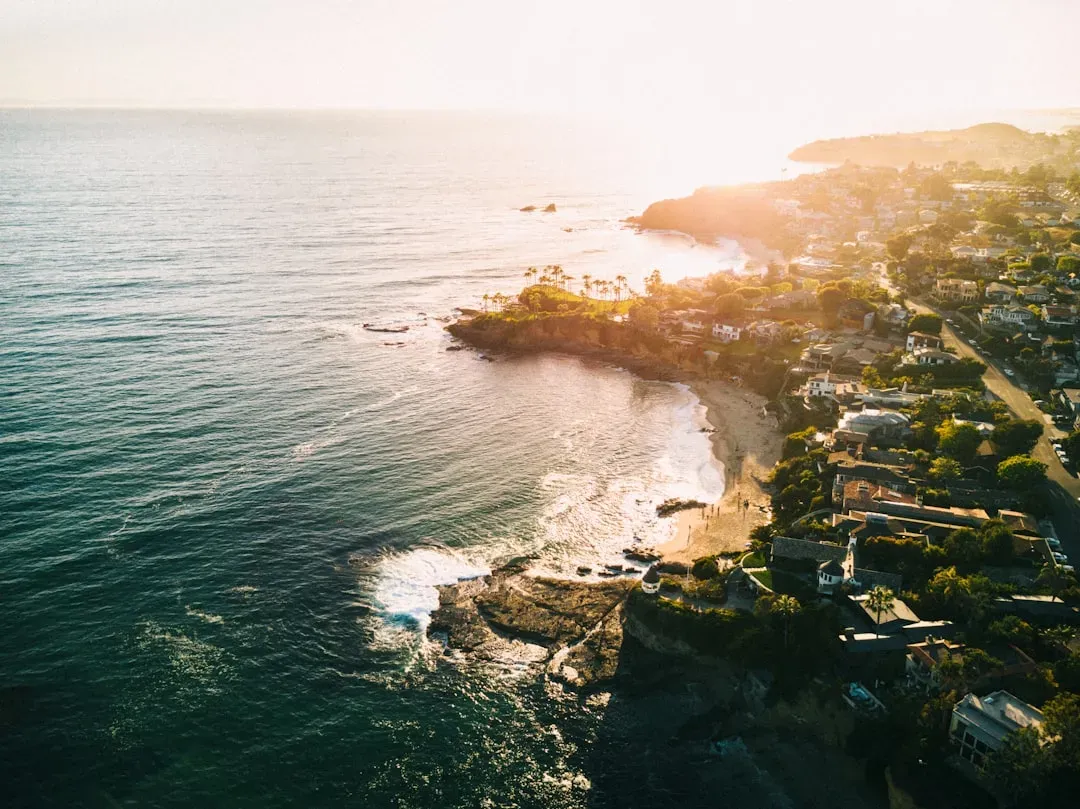
Coastal states face a distinct version of this problem, one that has nothing to do with drought and everything to do with rising seas pushing into freshwater systems. Florida is the clearest case, where groundwater is the primary source of drinking water for roughly 90 percent of the state’s 23 million inhabitants, making any contamination risk especially consequential. Sea levels in the state’s coastal regions have already risen dramatically in recent decades, pushing saltwater into the groundwater and creating a brackish mixture that is costly to treat.
The projections aren’t reassuring. A report from the Florida Office of Demographic Research found the state may experience a water supply shortage as soon as the mid-2020s, with central Florida facing a projected groundwater shortfall of 96 million gallons per day by 2045 without the projects outlined in the state’s 2025 regional plan. Once saltwater intrusion takes hold in an aquifer, reversing it is far harder and far more expensive than preventing it in the first place.
6. Water utilities start rationing supply or issuing repeated boil-water notices
The most immediate and visible sign is when a water utility itself starts struggling to deliver clean water on a normal schedule. This isn’t limited to slow-moving aquifer decline. It shows up as rationing, pressure drops, or contamination notices that repeat rather than resolve. Officials in one Texas town have warned that a lake’s intake valve could soon be drawing sludge instead of clean water, which would affect not only the quality of the supply but could also damage the treatment plant.
These local breakdowns often connect to larger regional stress. The U.S. water crisis reached a critical tipping point in 2026, with record-breaking spring droughts leaving over 62% of the Lower 48 states in moderate to exceptional drought conditions as of April. When a utility starts issuing conservation notices more often than in past years, or when a city that never used to ration water suddenly does, that’s usually a symptom of the deeper structural signs described above, not an isolated hiccup.
None of these six signs guarantee a full-blown crisis on their own. Groundwater naturally fluctuates, reservoirs rise and fall with the seasons, and a single dry year doesn’t define a state’s future. But when several of these signs appear together, declining aquifers, shrinking reservoirs, building restrictions, retired farmland, saltwater intrusion, and utility strain, it stops looking like normal variability and starts looking like a pattern. Researchers studying groundwater recovery worldwide have found reason for cautious optimism, since a 2026 review led by University of California, Santa Barbara researcher Scott Jasechko examined 67 cases of groundwater recovery worldwide, and in 81% of those cases, communities added an alternative water supply, with about two-thirds using more than one fix. The takeaway isn’t that a shortage is unavoidable. It’s that the earlier these signs are recognized, the more options a state, and the people living in it, still have.
