

- What Stargazers Should Know as Light Pollution Increases Nationwide - September 15, 2026
- 8 Glaciers Melting Faster Than Scientists Predicted This Decade - September 15, 2026
- The 9 Most Remote Mountain Peaks Ranked by Climbers Who Know Them Best - September 15, 2026
Ice doesn’t lie. That’s become something of a mantra among glaciologists over the past few years, as satellite data and field measurements keep telling the same uncomfortable story: the world’s glaciers are shrinking faster than climate models expected, sometimes by a wide margin. What makes this decade different isn’t just the volume of ice disappearing, but how consistently the actual numbers are outrunning the forecasts.
From Antarctica’s most notorious ice sheet to quiet corners of the Canadian Rockies, researchers have documented a pattern of glaciers behaving worse than their own models suggested. Here are eight of the most striking examples, based on peer-reviewed studies and international research published between 2024 and 2026.
1. Thwaites Glacier, Antarctica
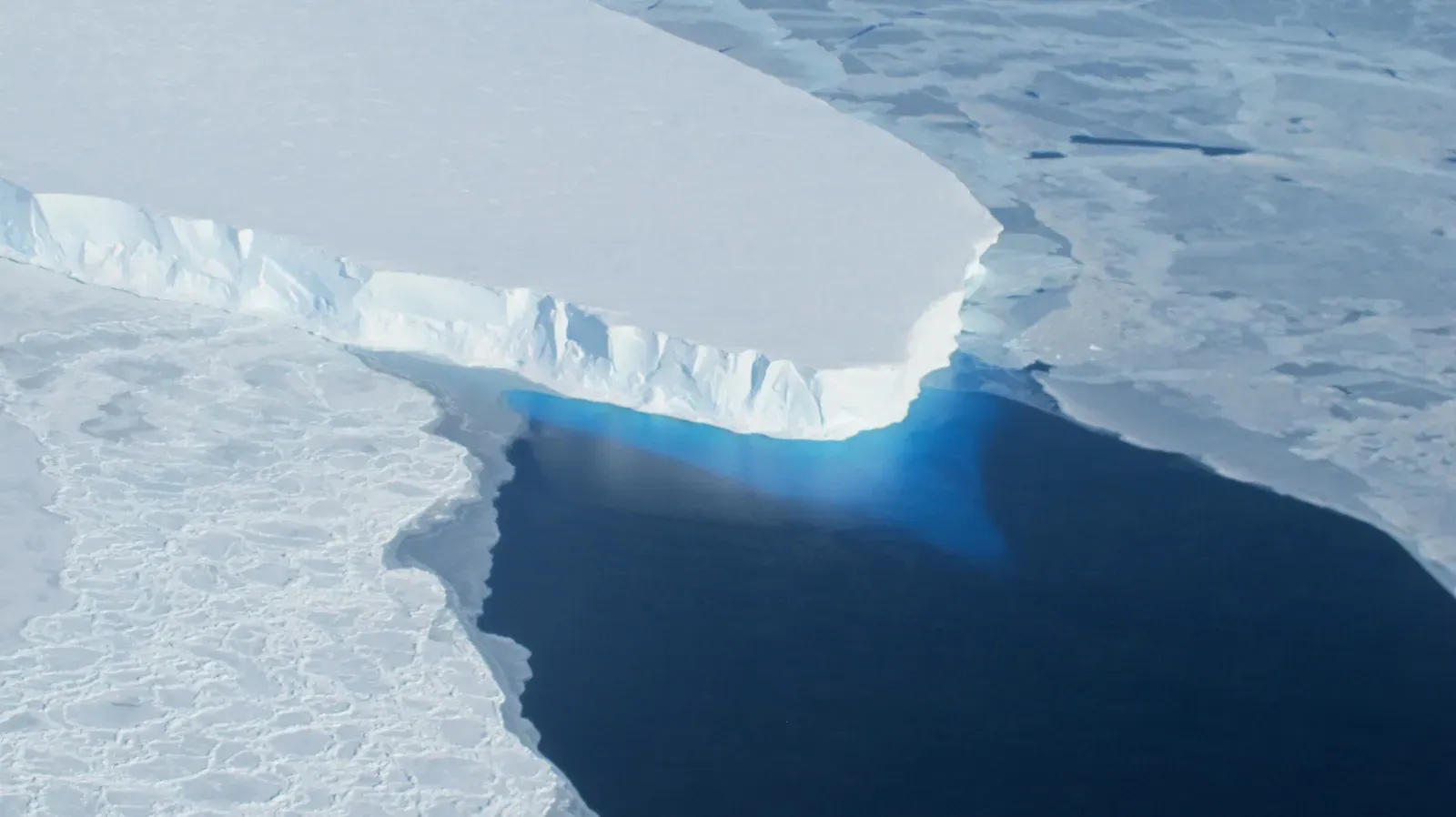
Thwaites has earned its nickname, the Doomsday Glacier, for good reason. Covering a vast 192,000 square kilometers, making it comparable in size to Great Britain, the glacier is melting at an unprecedented rate due to human fueled climate change, and already four per cent of the world’s annual sea level rise is due to Thwaites’ current ice loss. Researchers using satellite imagery and hydraulic modeling found that warming tidal currents are permeating the massive block of ice at depths as great as 3.7 miles, causing vigorous melting.
The scale of the risk if things go wrong is staggering. If it were to collapse completely, sea levels could increase by a staggering 65cm, and for every centimetre of sea level rise, around six million people on the planet are exposed to coastal flooding. British Antarctic Survey scientists have also noted that it has been speeding up and losing ice extremely rapidly in recent years, with the rate of loss actually doubling in the last 30 years.
2. Pine Island Glacier, Antarctica
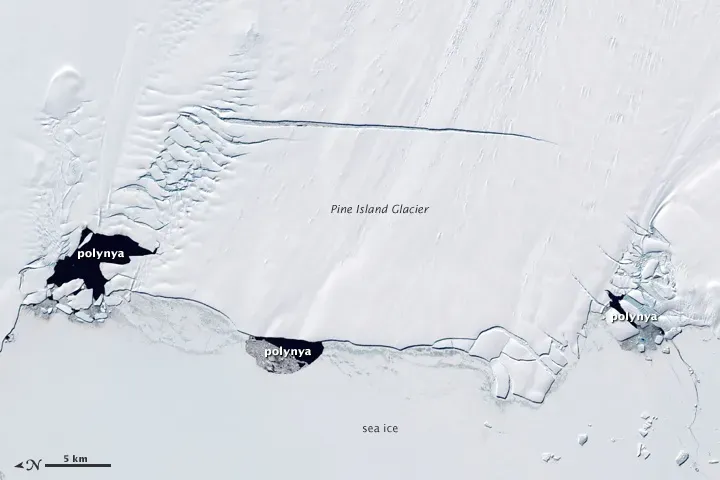
Sitting next to Thwaites in the Amundsen Sea sector, Pine Island Glacier has a grim distinction of its own. Pine Island Glacier has lost more mass than any other Antarctic glacier, following rapid thinning and acceleration. A 2025 study using CryoSat 2 satellite data found that over the observing period, PIG’s ice shelf has thinned by an average of 5 meters per year, its calving front has retreated by 19 kilometers, and a central pinning point ungrounded, advecting thick ice downstream.
Ocean warming appears to be the main driver behind that acceleration. Newer modeling published in 2026 found that ocean variability drives roughly four fifths of the change in melt at Pine Island, underscoring how sensitive this glacier is to shifts in the surrounding Southern Ocean rather than to internal ice dynamics alone. Scientists continue to treat it as one of the clearest indicators that West Antarctica’s mass loss is not slowing down.
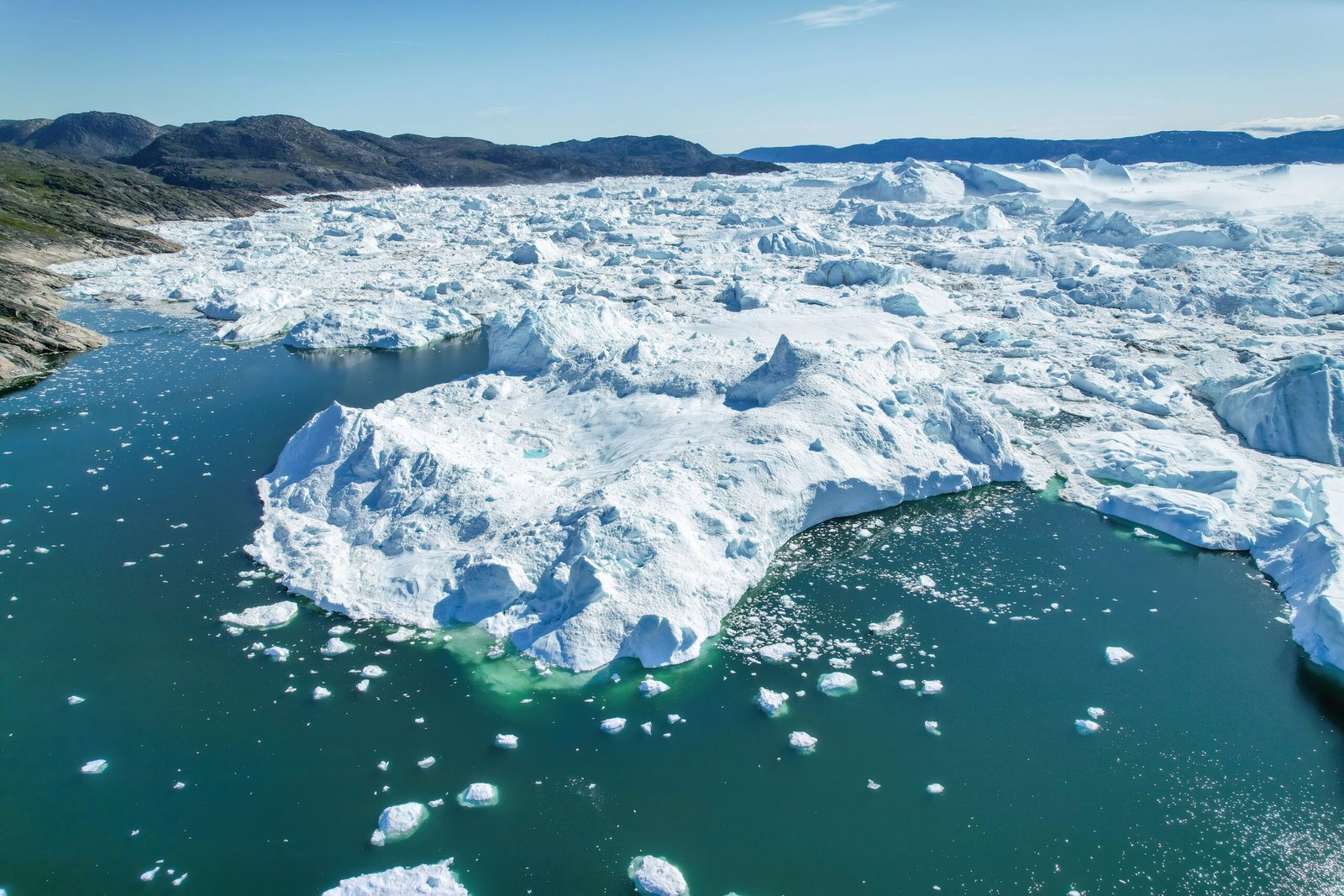
3. Jakobshavn Glacier, Greenland
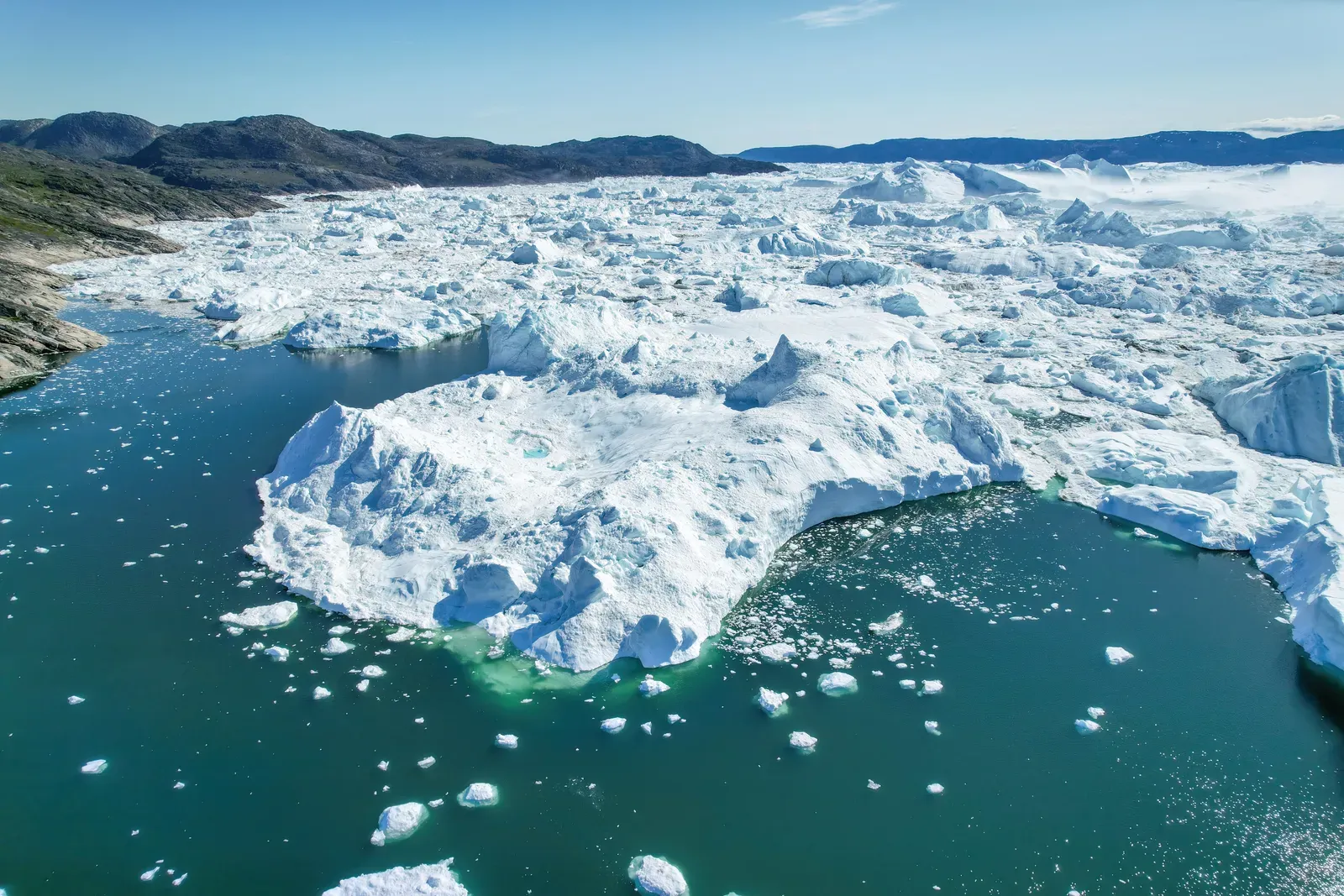
Greenland’s largest and fastest outlet glacier has shown just how quickly conditions can shift. Jakobshavn Isbrae has exhibited some of the fastest flow rates ever recorded for an outlet glacier, with peak velocities exceeding 17 kilometers per year during acceleration phases. That speed comes down to warm ocean water working on the glacier from below.
Researchers explain that this rapid pace is thanks to warming Atlantic waters melting its underside, which makes the glacier less stable and sends more ice into the ocean, and Jakobshavn is extra sensitive to ocean temperature changes because its base sits below sea level, letting warm water sneak underneath and speed up melting. A 2026 study went further, warning that meltwater runoff from the surrounding ice sheet is accelerating in ways not seen in over a century, based on a century long reconstruction of freshwater discharge into Disko Bay.
4. Helheim Glacier, Greenland
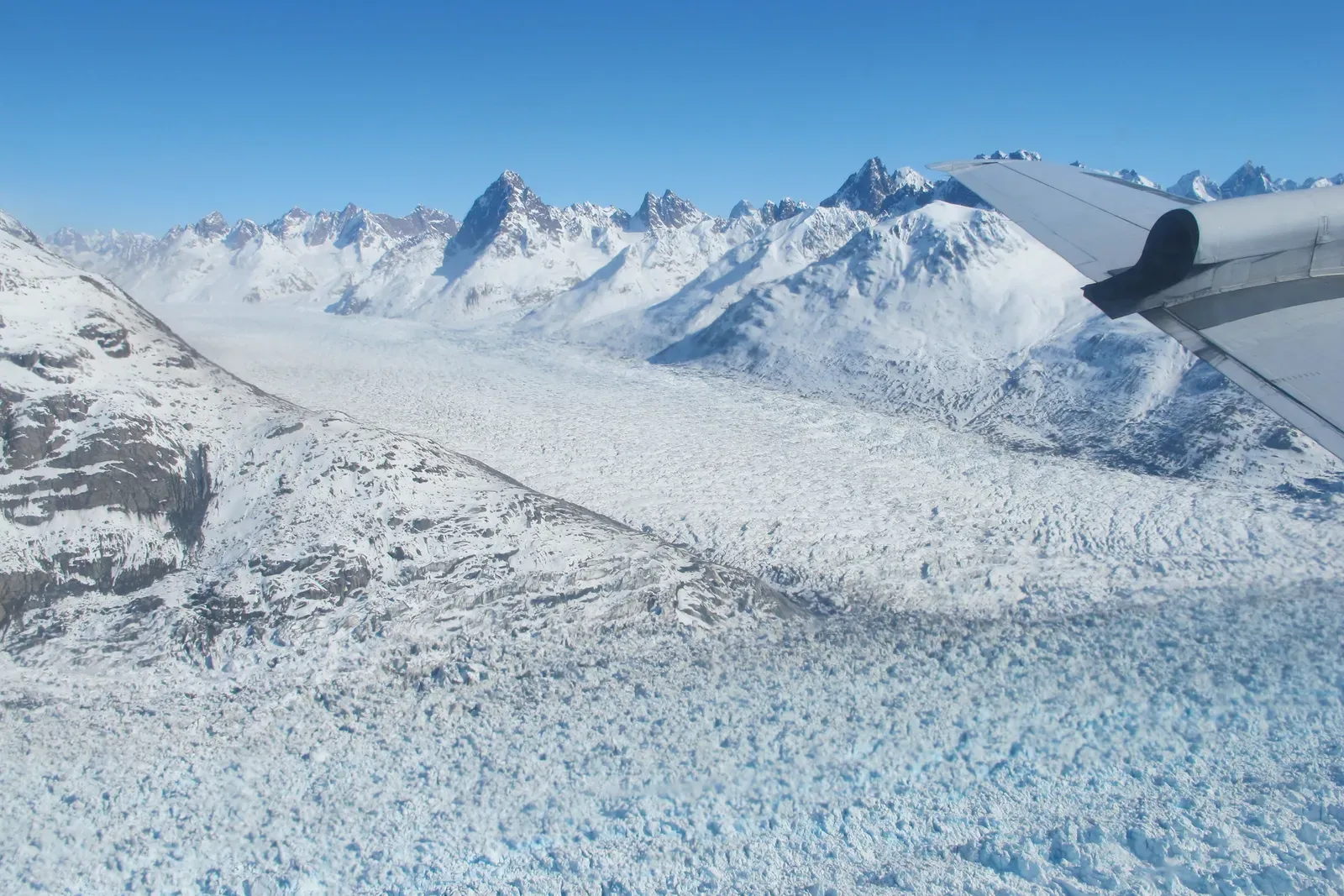
On Greenland’s southeastern coast, Helheim Glacier tells a messier but no less concerning story. It is a large, fast-moving, marine terminating glacier currently retreating, with a complex dynamic behaviour of periods of fast retreat followed by readvances. That stop-start pattern makes Helheim tricky for modelers, since brief slowdowns can mask a longer-term trend of loss.
What worries glaciologists is that Helheim sits in the same warming Atlantic water pathway that has destabilized Jakobshavn. Even with intermittent readvances, the broader trajectory for Greenland’s marine-terminating glaciers has been one of net retreat and thinning, particularly as subsurface ocean temperatures around the island’s coast continue to climb. Helheim is often used as a bellwether for how Greenland’s eastern glaciers will respond in the years ahead.
5. Hindu Kush Himalaya glaciers
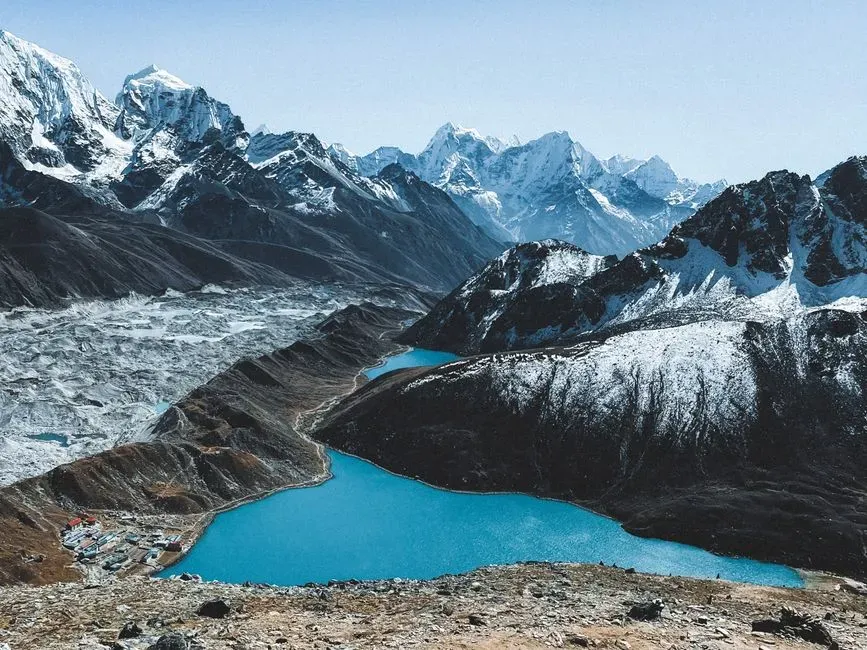
Few glacier systems support as many people as those in the Hindu Kush Himalaya, and few have surprised scientists as much with their pace of loss. Glaciers in the Hindu Kush region of the Himalaya mountains are melting at the fastest rate ever and could shed as much as 80% of their ice by the end of this century if global warming continues unchecked. A landmark report found that Himalayan glaciers lost ice at a rate 65% faster between 2010 and 2019 than over the previous decade.
The stakes are enormous given how many people depend on this water. As one lead researcher put it, “As it gets warmer, ice will melt, that was expected, but what is unexpected and very worrying is the speed.” These glaciers feed 10 of the world’s most important river systems, including the Ganges, Indus, Yellow, Mekong and Irrawaddy.
6. Alaska’s glaciers
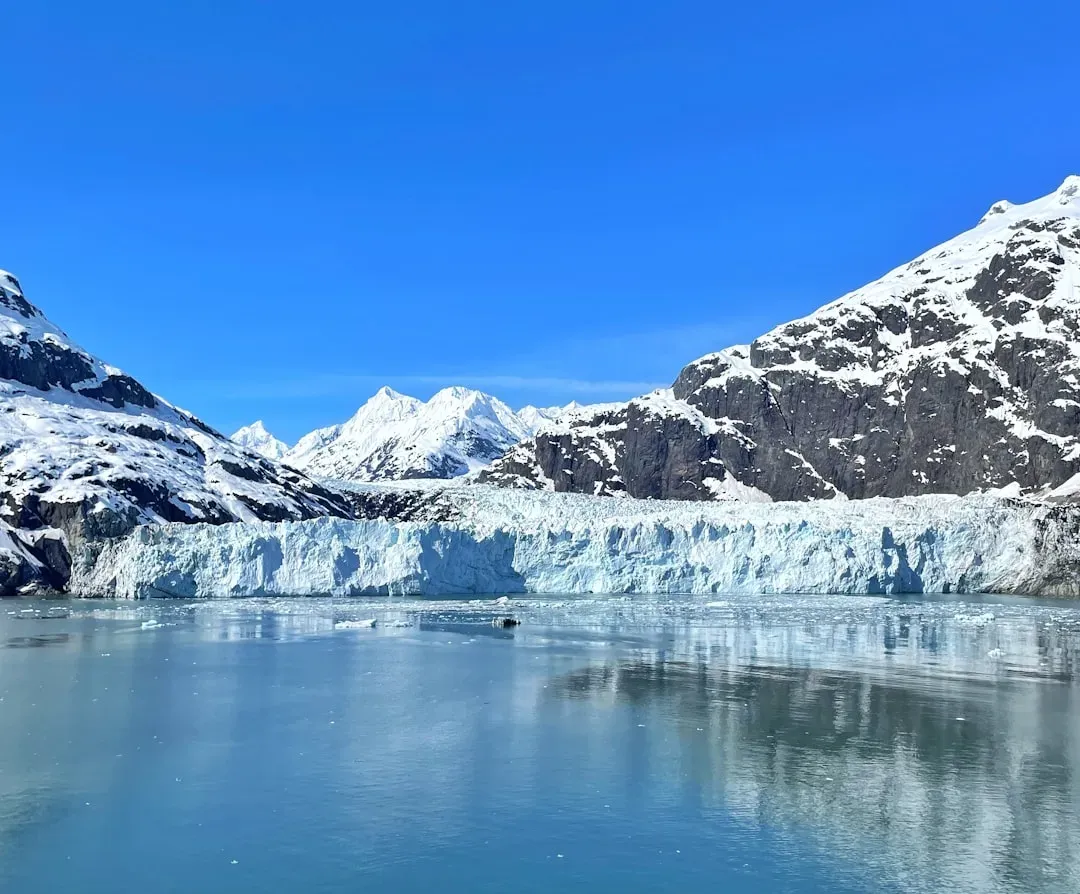
Alaska doesn’t get the same headlines as Antarctica or Greenland, but its glaciers are vanishing at a pace that has startled researchers. A comprehensive 2025 Nature study found that the world’s glaciers have lost about 5% of their ice since 2000, and they’re melting faster than ever, but Alaska takes the cake, with the state’s glaciers shrinking by more than 8% over the same time period, the fastest of any region. That single state accounts for a disproportionate share of the planet’s total glacier loss.
As one of the study’s co-authors summarized, “Alaska is ahead of the curve in terms of losing its glaciers.” Overall, Alaska alone accounts for the largest chunk, or nearly a quarter, of global glacier loss, a figure that has surprised even scientists who expected the region to be a major contributor.
7. Haig Glacier and the western Canada-US-Switzerland glaciers
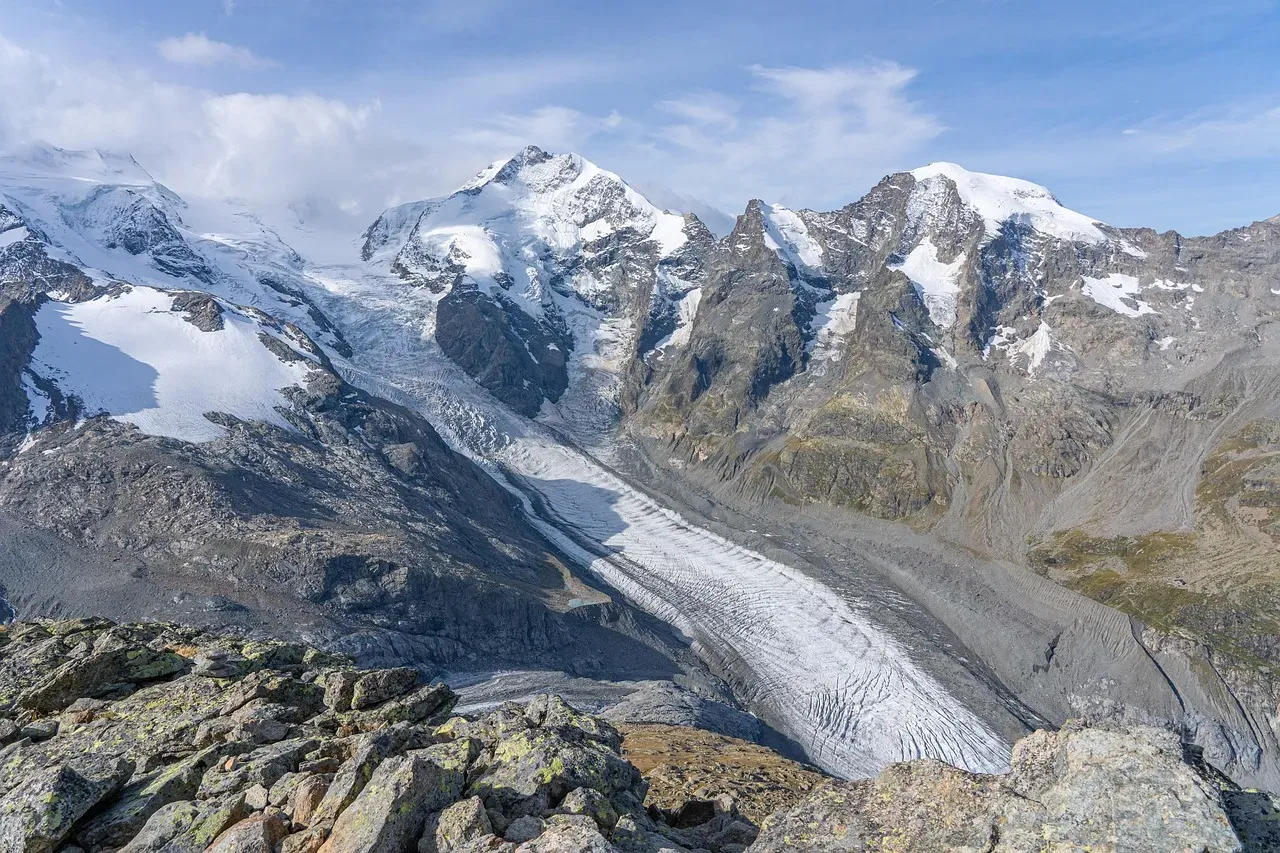
A 2025 study in Geophysical Research Letters focused on a stretch of mountain glaciers running from western Canada through the U.S. Pacific Northwest into Switzerland, and the results were blunt. Glaciers across these regions lost a staggering 12% of their ice between 2001 and 2024, and the pace is accelerating. The lead author, a glaciologist at the University of Northern British Columbia, described the trend starkly: “Glacial melt is just falling off a cliff.”
Part of the surprise came from an unexpected culprit, dust and soot darkening the ice and making it absorb more heat. On Haig Glacier in the Canadian Rockies specifically, researchers found that glacial darkening was responsible for nearly 40% of the ice loss between 2022 and 2023 alone. Separate analysis of the same broader region found that from 2021 through 2024, the monitored glaciers shed as much ice as they had during the entire previous ten years.
8. Hektoria Glacier, Antarctica
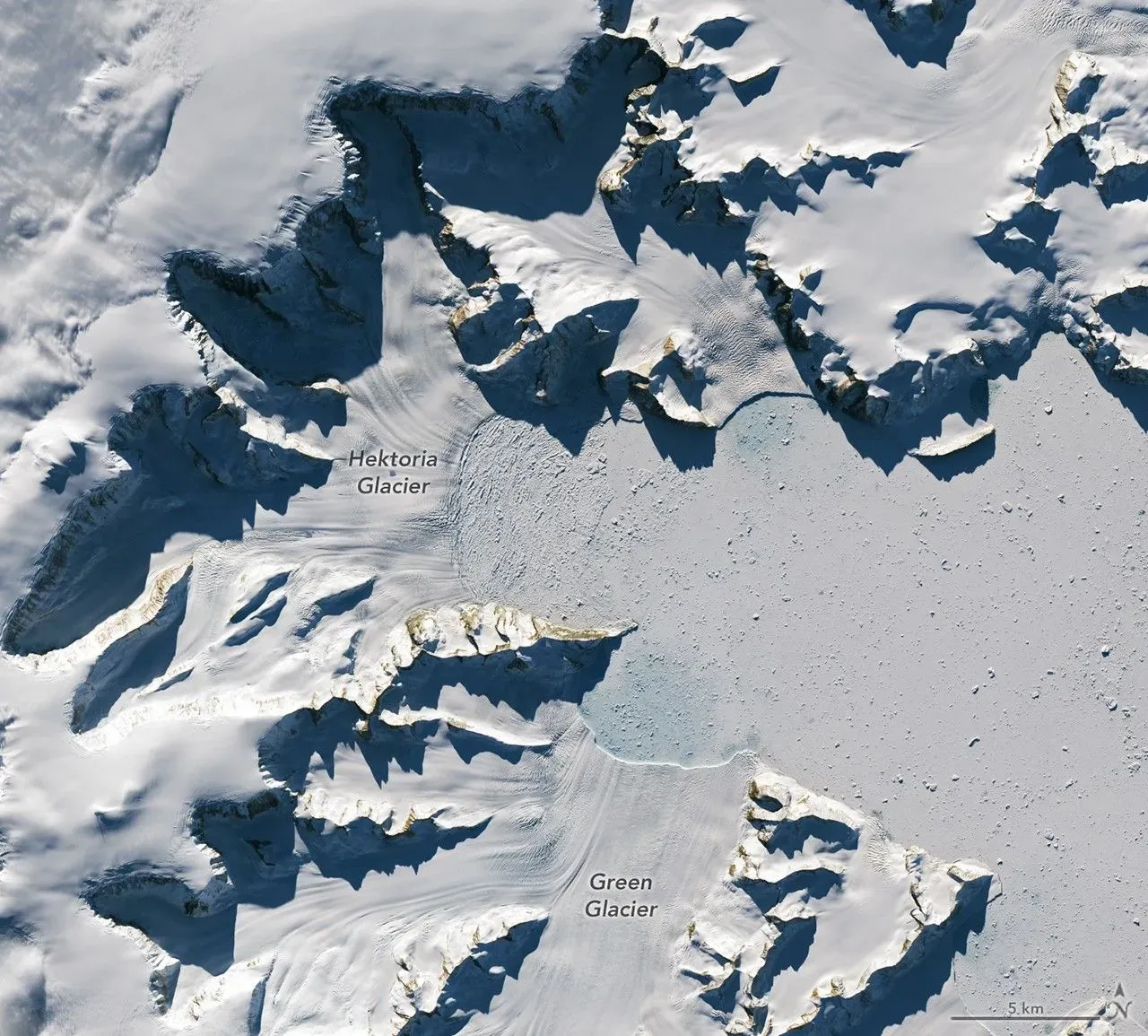
If any single glacier captures how quickly predictions can be overtaken by reality, it’s Hektoria. In late 2025, researchers documented that Hektoria Glacier’s sudden eight-kilometer collapse stunned scientists, marking the fastest modern ice retreat ever recorded in Antarctica. The glacier’s unusual geometry played a major role in how fast things unraveled.
Scientists noted that its flat, below-sea-level ice plain allowed huge slabs of ice to break away in ways that traditional models hadn’t anticipated. Hektoria’s collapse has since become a case study in how quickly a seemingly stable glacier can shift into rapid retreat once the right structural and oceanic conditions line up, a warning that similar geometry elsewhere in Antarctica could produce comparable surprises.
Taken together, these eight cases point to a consistent theme running through recent glaciology: models built on past behavior keep underestimating how fast ice responds once ocean warming, surface darkening, or structural instability tip a glacier past a certain threshold. Global figures back this up. Glaciers worldwide lost an estimated 408 gigatonnes of ice in 2025, the sixth most negative year since records began in 1975, and the past decade has seen annual losses run nearly four times higher than those recorded in the late twentieth century. Nearly 80 percent of all glacier ice lost since 1975 has melted since the year 2000, and all 19 major glacier regions tracked by researchers have now posted net losses for four consecutive years. Whatever comes next for these ice bodies, the trend so far suggests that predictions built on yesterday’s data will keep falling short of tomorrow’s numbers.
