
- What Stargazers Should Know as Light Pollution Increases Nationwide - September 15, 2026
- 8 Glaciers Melting Faster Than Scientists Predicted This Decade - September 15, 2026
- The 9 Most Remote Mountain Peaks Ranked by Climbers Who Know Them Best - September 15, 2026
The sky is brightening faster than scientists expected
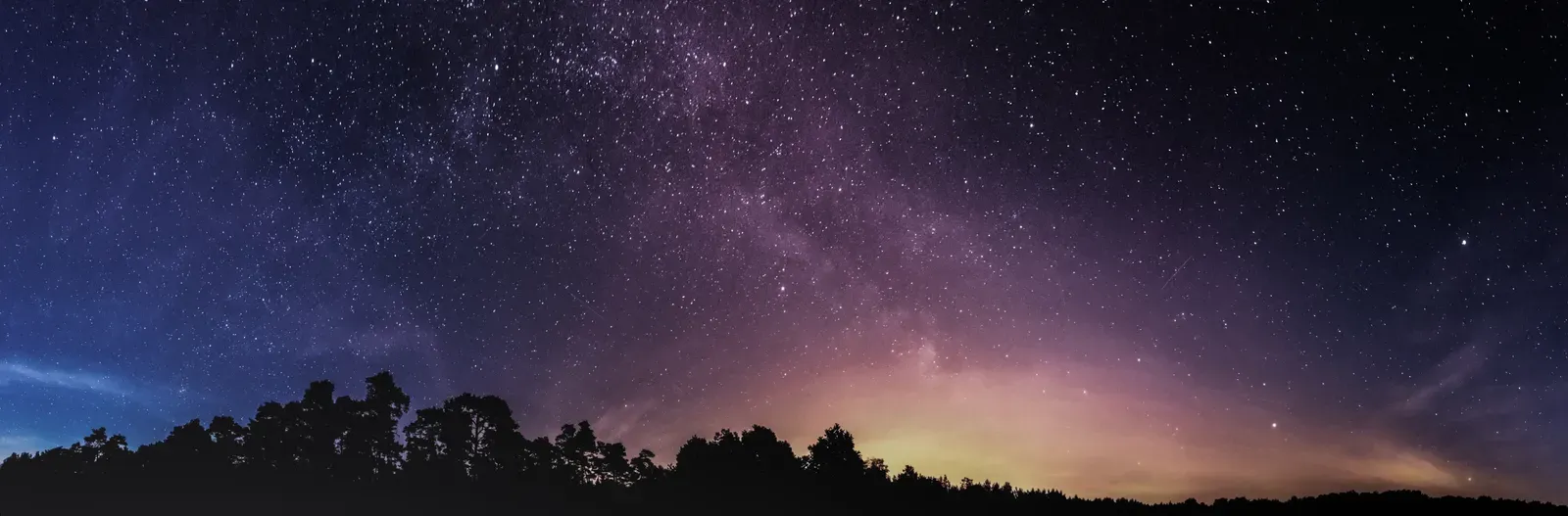
A landmark study published in Science analyzed observations from tens of thousands of citizen scientists and found that between 2011 and 2022, global sky brightness increased by an estimated 9.6% per year. That figure stunned researchers because it was roughly five times higher than what satellite measurements had previously suggested.
The gap exists because this growth is difficult to discern with satellites now in operation because their detectors are blind to the blue light emitted by light-emitting diodes (LEDs), which are progressively replacing older lamps. In other words, the tools scientists relied on for decades were essentially missing a huge part of the problem hiding in plain sight.
A simple number that puts the trend in perspective
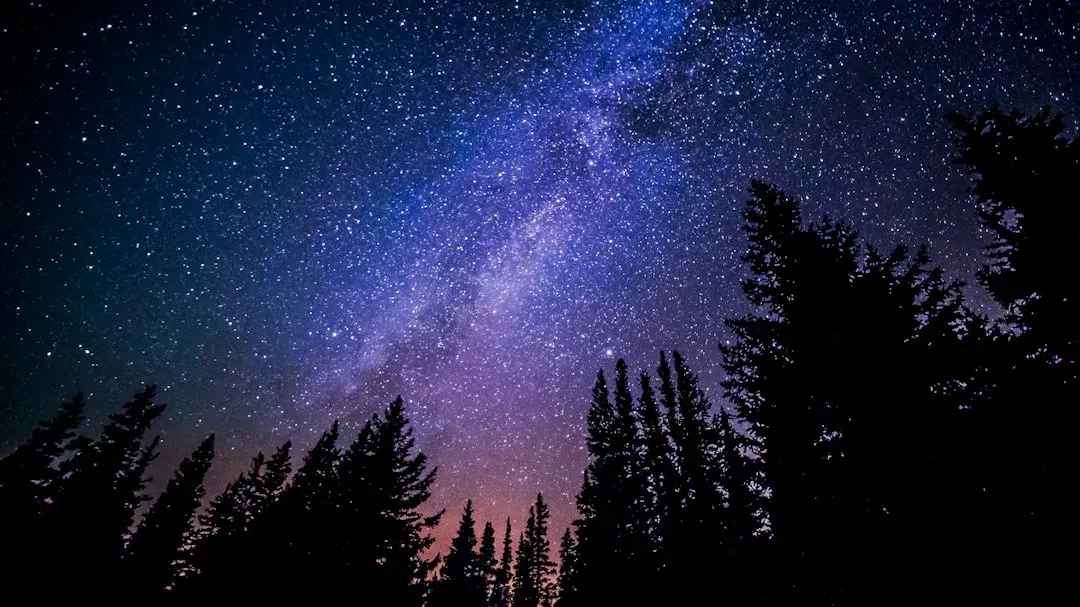
Researchers illustrated the scale of the change with an example that sticks with you. If there are 250 visible stars in the sky when someone is born, by the time they’re 18 they’ll see only 100, and over that same period the sky will have increased in brightness by more than a factor of four.
That is not a hypothetical scenario decades away. It describes a single human childhood, meaning today’s teenagers have already lived through a measurable loss of stars compared to what their parents saw at the same age growing up in the same neighborhoods.
Why LEDs are a bigger factor than most people think
The switch to LED streetlights was sold largely as an energy and cost-saving upgrade, and in many ways it has delivered on that promise. But since the early 2010s, many outdoor lights have switched from high-pressure sodium lightbulbs to LEDs, which are more energy efficient, but LEDs also emit more short-wavelength blue light, which scatters off particles in the atmosphere more than sodium bulbs’ orange light, creating more sky glow.
There is also an ironic twist to the efficiency story. Because LEDs use much less energy than earlier light sources did, regions tend to install more, and brighter, fixtures, which may negate the cost savings. Cheaper light, it turns out, often just means more of it.
Satellite data alone won’t tell you the real story
For years, the go-to source for light pollution trends was satellite imagery, and those measurements suggested a modest yearly increase. In the past few years, studies have estimated that light pollution was growing by approximately two percent per year, using data from earth observation satellites that measure the light escaping the atmosphere.
Ground-based citizen observations tell a very different story because they capture what satellites cannot. The observations of the night sky from the ground also include light emitted horizontally, such as lit building facades, digital billboards, and light escaping windows, and the human eye also sees the light across a broader spectrum. If you’re trying to gauge how bad conditions are near you, an app relying purely on satellite data may be underselling the problem.
Regional differences matter more than a national average
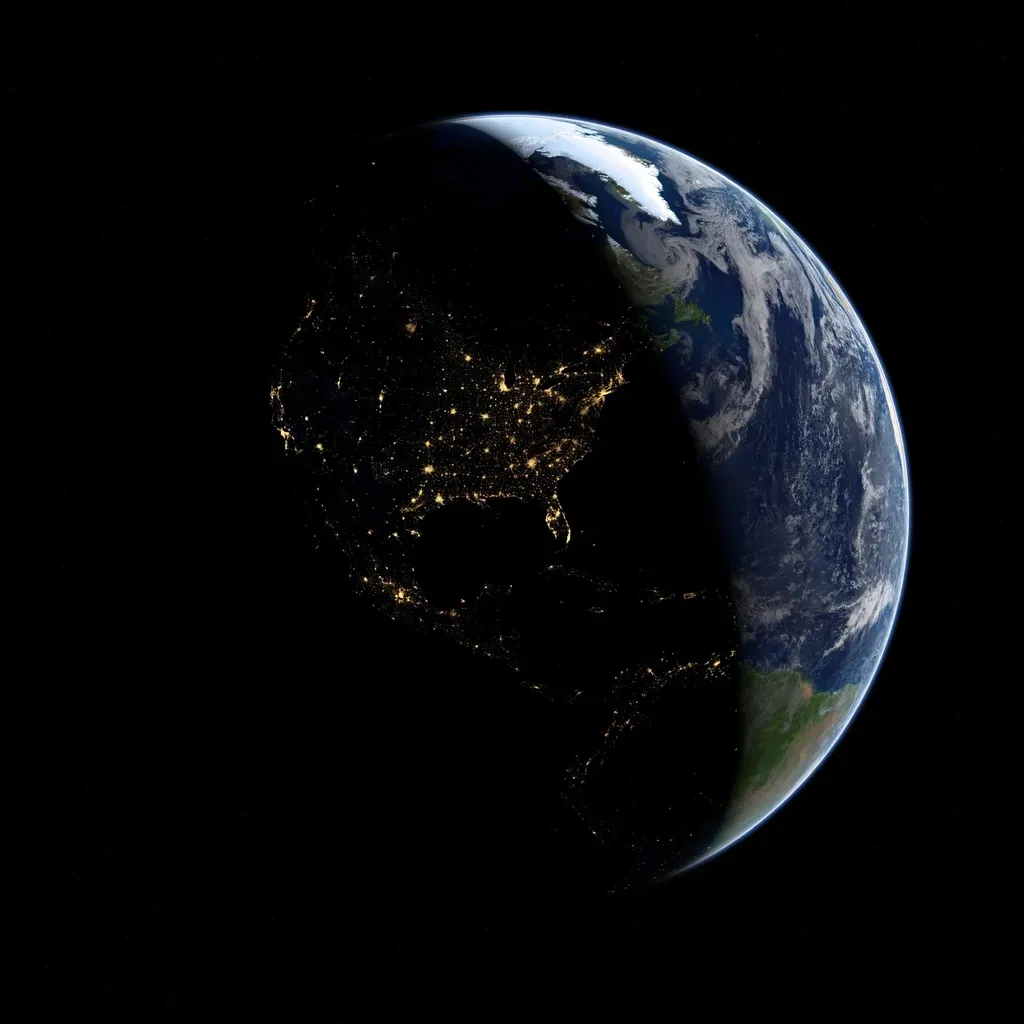
Not every part of the country is experiencing the same rate of change, and that nuance is easy to miss in headline statistics. Satellite data suggests that light pollution over North America and Europe has remained constant or has slightly decreased over the last decade, while increasing in other parts of the world, such as Africa, Asia and South America.
That said, “constant” is a relative term when the baseline is already elevated in most populated corridors of the United States. Rural and exurban areas near fast-growing metro regions are often where stargazers notice the sharpest, most recent declines, simply because development is pushing outward faster than lighting ordinances can keep pace.
The Bortle scale still matters, but conditions shift quickly
The Bortle scale, which rates sky darkness from class 1 (pristine) to class 9 (inner-city), remains the standard reference for stargazers scouting locations. A study of one European region found the change could happen within a matter of years, not decades: the surface brightness of the night sky increased from class VI in 2015 to class IX in 2021 in one city, with a similar trend in neighboring towns rising from class IV to class VIII over the same period.
That kind of shift means a spot that was reliably dark five years ago might not be dark today. Stargazers who rely on old bookmarks or outdated star party locations should treat those choices as provisional rather than permanent.
Certified dark sky places are growing, but so is the need for them
Certified dark sky places are expanding across the country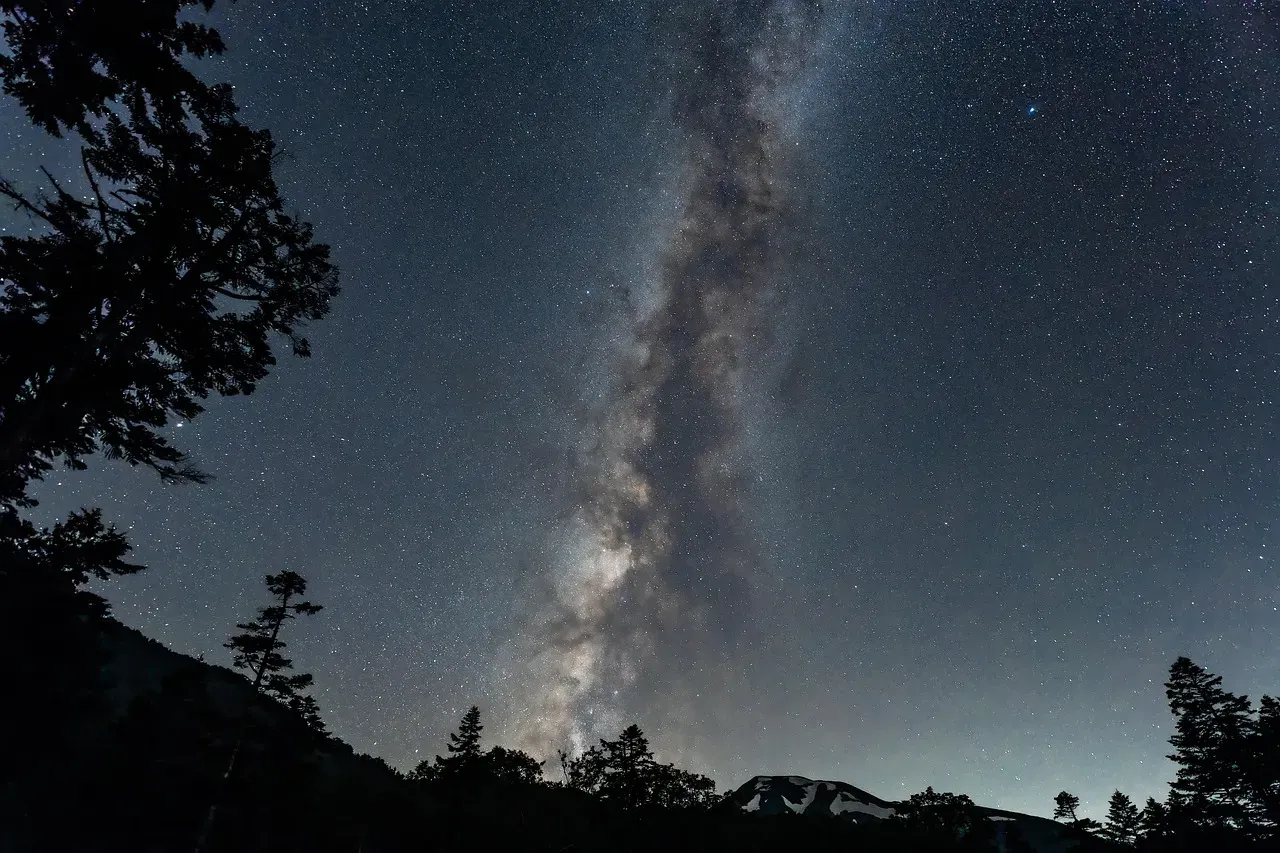
The good news is that dedicated dark sky locations are multiplying. 2025 was another year of tremendous growth for the IDSP program, with the addition of 22 newly certified Places, and new U.S. sites, including Badlands National Park and Organ Pipe Cactus National Monument, have joined the list in 2026 alone.
The overall program has grown remarkably since its early days. The idea has caught on fast: the program has grown from a single certified site in 2001 to more than 250 places worldwide by late 2025. For stargazers willing to travel, these certified parks and reserves remain the most reliable way to guarantee a genuinely dark sky experience.
Skyglow isn’t just an astronomy problem, it affects ecosystems too
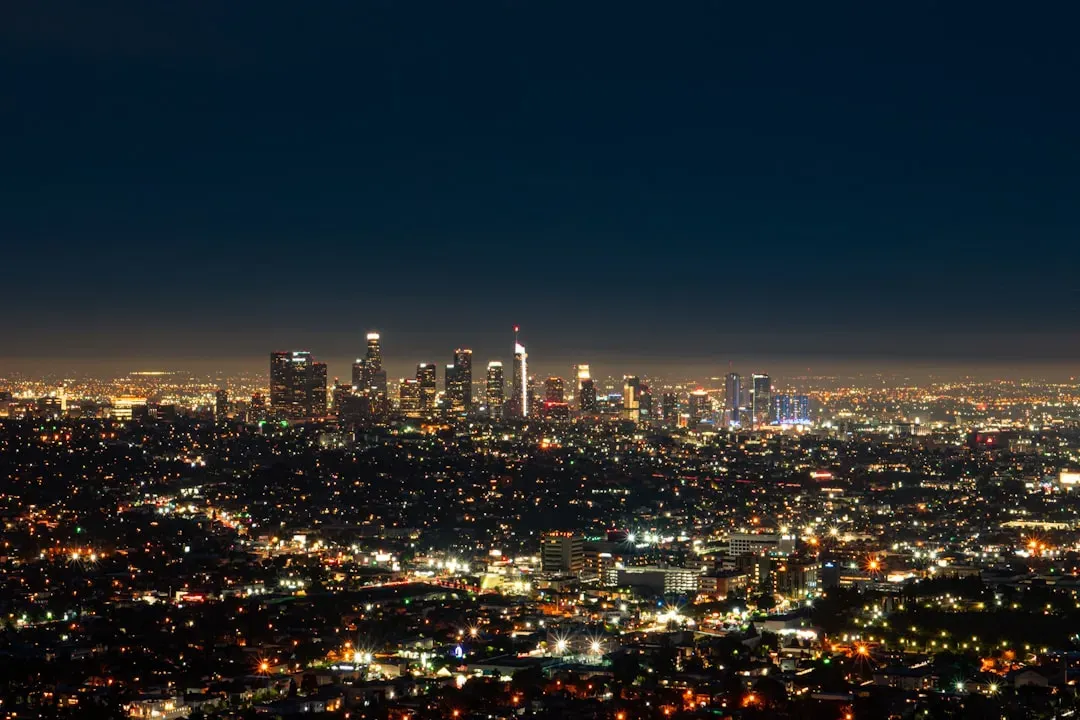
Stargazers often think about light pollution purely in terms of visibility, but the consequences run much deeper. Light pollution also interferes with the daily cycle of light and dark that plants and animals use to regulate sleep, nourishment and reproduction, and two-thirds of the world’s key biodiversity areas are affected by light pollution.
This matters for anyone scouting a stargazing spot near wetlands, migratory bird corridors, or nocturnal wildlife habitat. The same artificial glow that washes out the Milky Way is also quietly disrupting the animals that depend on natural darkness to function normally.
Small local actions can produce measurable results
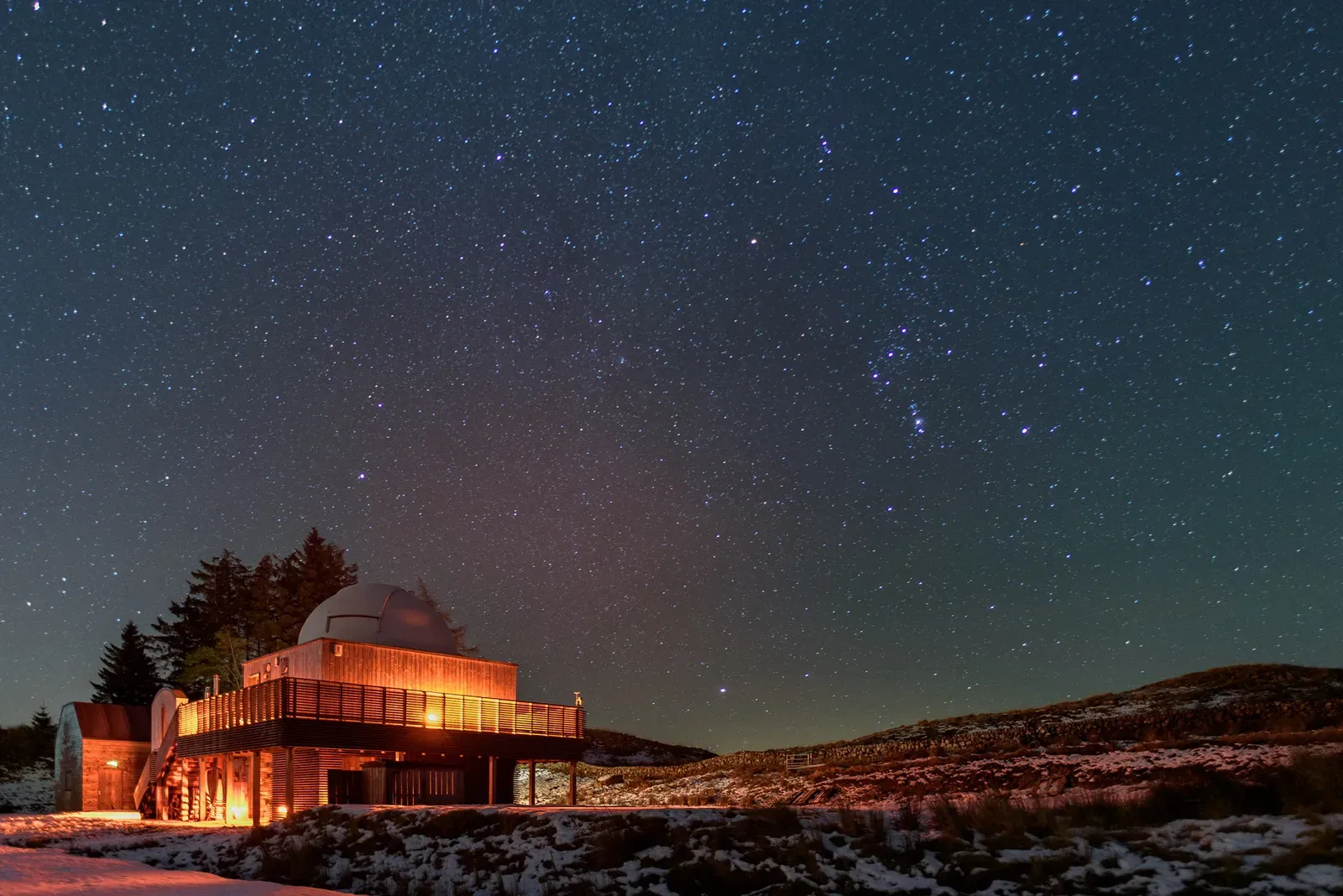
It’s not all bad news on the ground. Research from a French observatory found that targeted local lighting changes made a real difference during a single test event. During a “Day of the night” event where a light extinction was implemented by some municipalities, a decrease in night sky brightness by 0.15 magnitude was observed, corresponding to a relative change of negative 15%.
That kind of result shows the trend is not irreversible on a local scale. Simple steps like shielding fixtures, dimming unnecessary lights after midnight, and choosing warmer color temperatures can noticeably improve conditions for a backyard telescope session.
What individual stargazers can actually do about it
Beyond advocating for better municipal lighting policy, there are practical steps any stargazer can take right now. Checking updated light pollution maps before a trip, rather than relying on memory or older guides, helps avoid wasted drives to spots that have brightened in recent years.
Supporting citizen science efforts like Globe at Night also contributes real data to researchers tracking these changes, since the researchers used stellar observations from 2011 to 2022 submitted by more than 51,000 “citizen scientists” around the world. Every star count submitted adds to a growing dataset that shapes how policymakers and scientists understand the problem.
The bottom line for anyone who loves looking up