

- 7 U.S. Cities Where Extreme Heat Could Make Summers Nearly Unbearable by 2050 - September 13, 2026
- Scientists Identify 9 Exoplanets With Conditions Similar to Earth - September 13, 2026
- NASA Issues Updated Advisory Following a Sudden Solar Flare Event - September 13, 2026
1. Lilacs
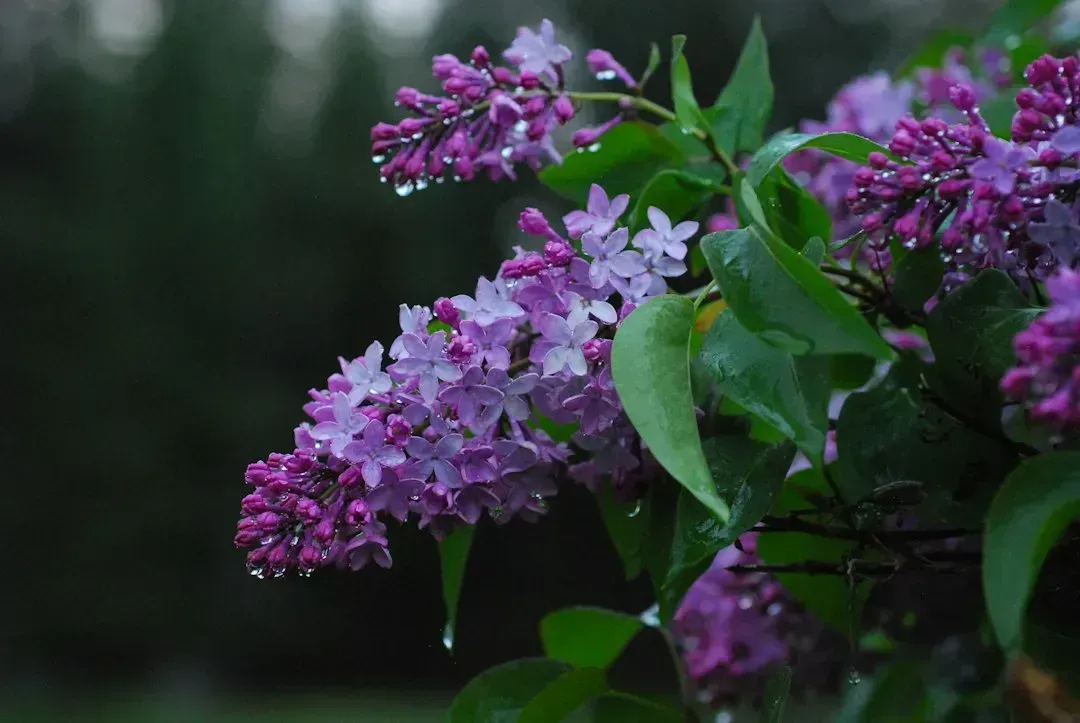
Few shrubs are as tied to spring nostalgia as the common lilac, but that nostalgia comes with a strict biological requirement. Common lilac needs somewhere north of 800 hours of temperatures between 32°F and 45°F each winter before it will set flower buds. In zones that used to reliably deliver that cold stretch, warmer winters are now falling short.
The result is a shrub that looks perfectly healthy but never flowers. These flowering shrubs just can’t bloom in USDA growing zones 7 and up, with the exception of a few that can still bloom decently in zone 8, because lilacs can’t bloom in hot climates due to the lack of chill hours available. Breeders have released lower chill varieties, but the classic heirloom lilac many gardeners grew up with is becoming a tough sell south of the Mason Dixon line.
2. Peonies
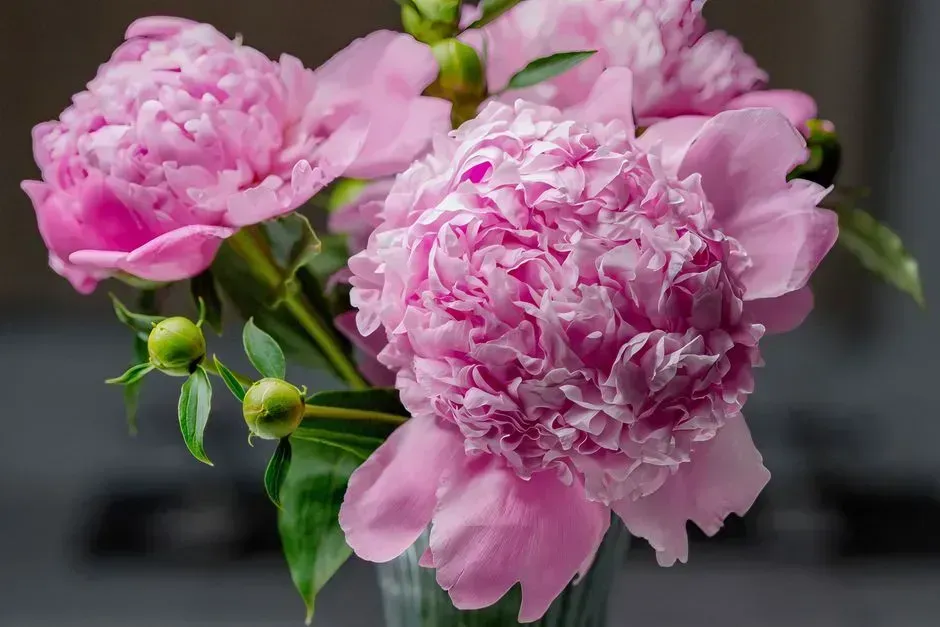
Peonies have a similar cold dependency, and it is becoming a bigger problem as zones creep warmer. Peonies require a certain number of chill hours, typically 500 to 1,000 hours below 7°C (45°F), to break dormancy and trigger bud formation in spring. Without that stretch of cold, the plant can still leaf out, but it often will not flower.
In warmer regions, like USDA Zone 9, winter temperatures may not be cold enough for long enough, and without sufficient cold exposure, the plant may leaf out but fail to bloom, even if all other growing conditions are ideal. This is frustrating for gardeners who inherited peonies from a grandparent’s garden up north, only to find they simply sulk in a warmer yard. Heat tolerant cultivars exist, but the classic garden peony is not built for a mild winter.
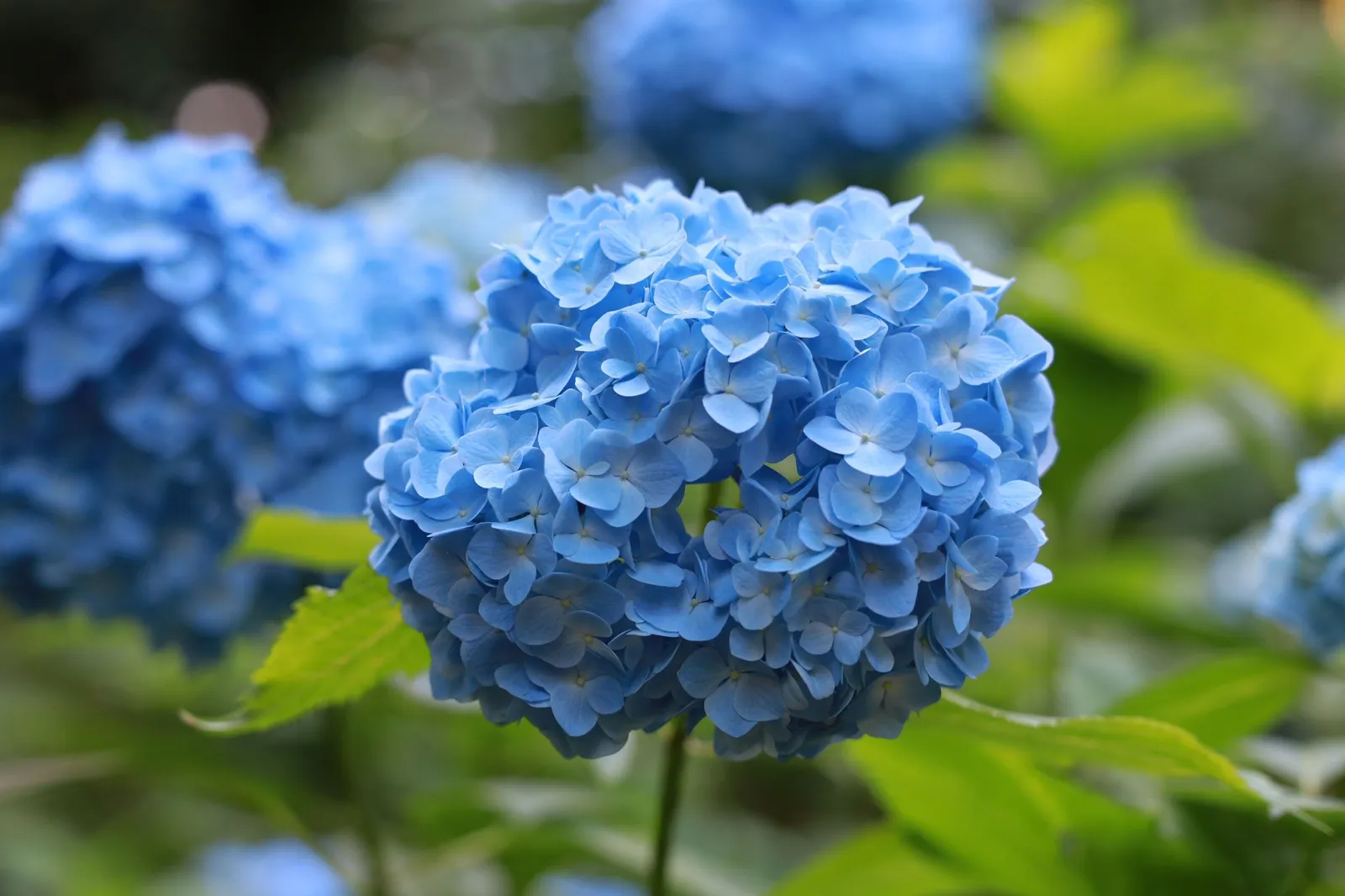
3. Bigleaf hydrangeas
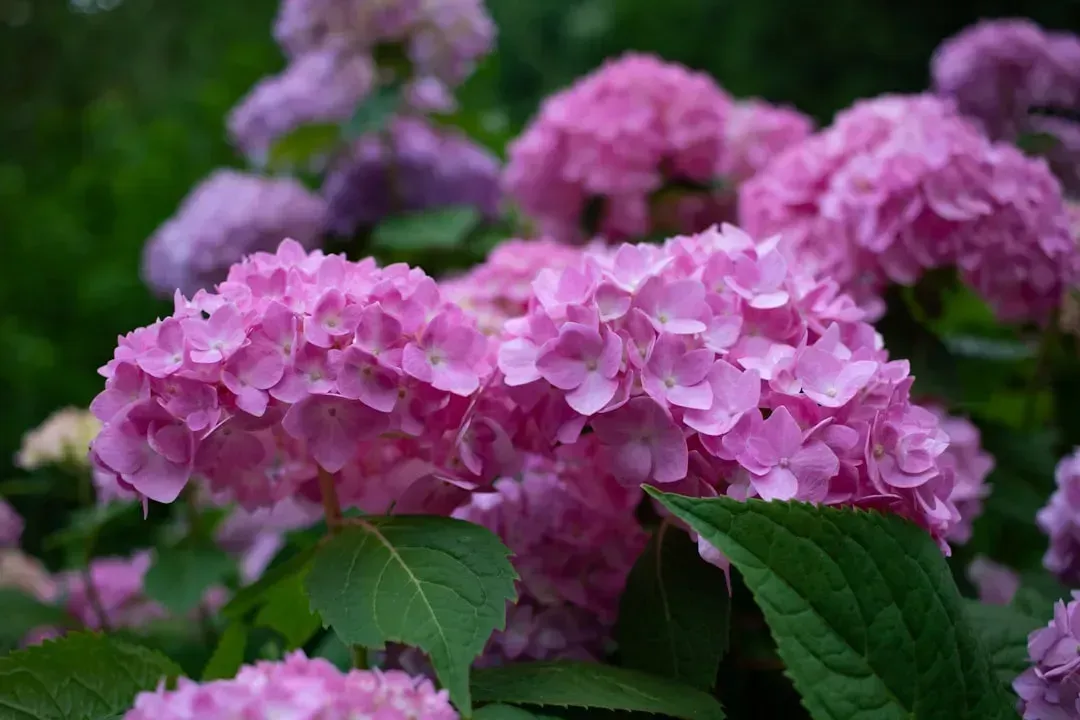
Hydrangeas as a group are fairly adaptable, but bigleaf types are the ones running into trouble as summers intensify. Hydrangea is the most adaptable of the common flowering shrubs, though panicle hydrangeas tolerate extreme cold while bigleaf types need some winter protection in colder areas. The bigger issue in warmer regions is not winter cold but summer heat stress combined with unpredictable spring temperature swings that damage buds before they open.
Most hydrangea species handle heat reasonably well if given afternoon shade and consistent moisture, but bigleaf varieties in particular tend to wilt hard on scorching afternoons and drop flower quality when watering cannot keep pace. Many Southern gardeners are shifting toward oakleaf hydrangeas instead, since they hold up better under sustained heat and humidity.
4. Tulips
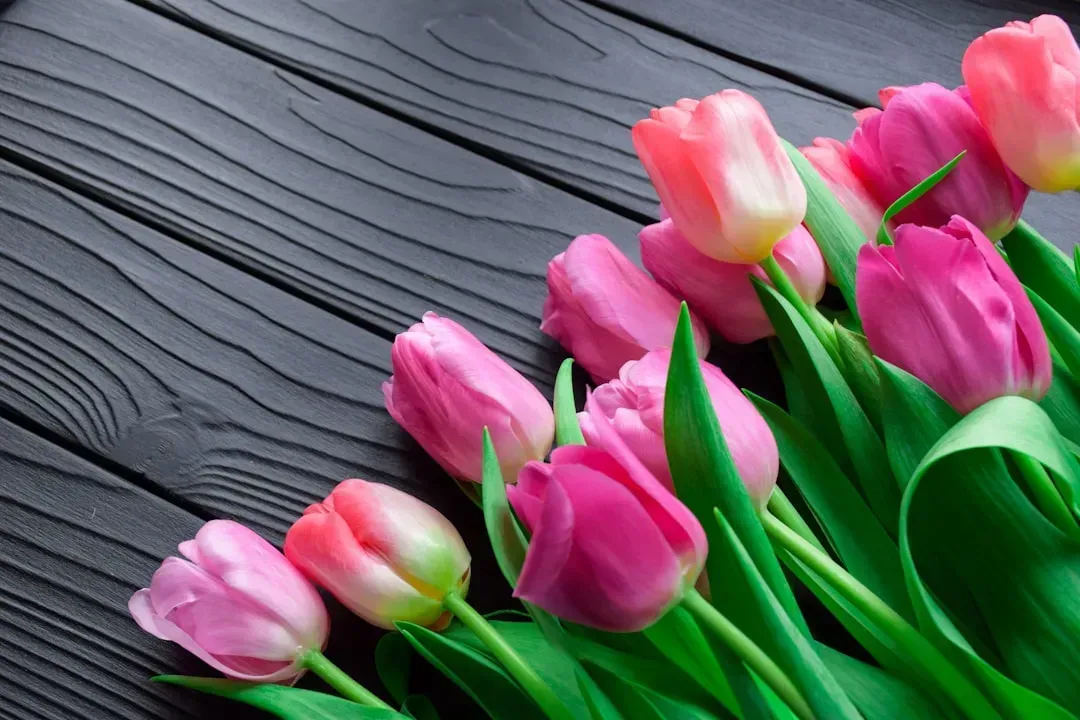
Tulips are perhaps the clearest example of a plant that simply cannot fake its way through a mild winter. Tulips are native to regions with cold winters and short, bright springs, and to bloom correctly, the bulb must undergo a physiological change that only happens when it is exposed to consistent cold, which in warmer zones the winters are often too mild or too short to provide naturally. Gardeners in the South and much of the West Coast now have to manufacture that cold artificially.
The workaround is a chore many gardeners simply skip. Most spring-blooming bulbs, including tulips, daffodils and crocus, come from climates with cold winters, so if you live where winters are mild and frosts are rare, in zones 8 to 11, you will need to pre-chill these bulbs so they bloom properly. Even with pre-chilling, tulips in warm zones are usually treated as one-season annuals rather than the reliable perennial bulb northern gardeners expect.
5. Northern highbush blueberries
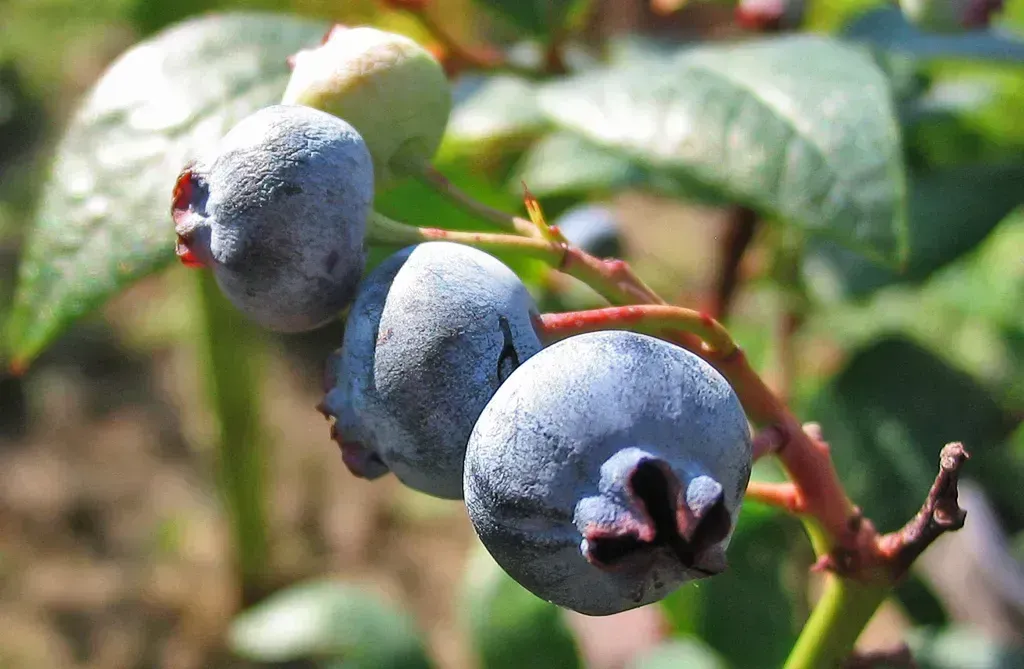
Blueberry bushes are a garden staple, but not every variety is holding up as winters soften. Blueberries have specific chill hour requirements, periods of cold necessary for them to set fruit, and in areas that previously provided the perfect chill conditions for varieties like the Northern Highbush, growers are now facing challenges because warmer winters mean fewer chill hours, leading to disappointing yields. That is a real problem for home gardeners who planted a Northern Highbush variety years ago expecting it to keep performing the way it always had.
The fix usually involves swapping to southern highbush or rabbiteye varieties bred specifically for lower chill requirements. It is a reminder that even productive, well established plantings can quietly lose vigor as regional averages shift, sometimes without an obvious cause until yields drop for a second or third year running.
6. Rhododendrons and azaleas
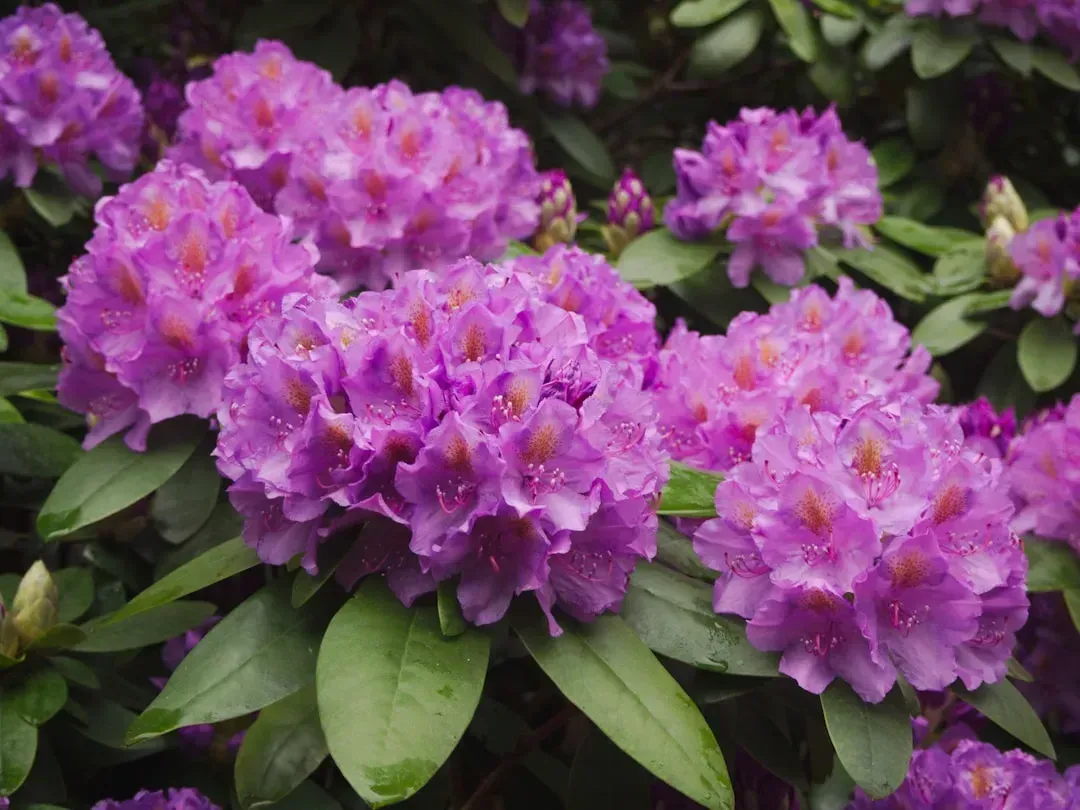
These woodland shrubs prefer a fairly narrow band of conditions: cool roots, consistent moisture, and moderate summer temperatures. As zones warm, especially in the mid-Atlantic and parts of the Southeast that used to sit comfortably in cooler categories, rhododendrons in particular are showing more leaf scorch, root stress, and reduced flowering during hot, dry stretches.
Azaleas tend to be somewhat more forgiving, but both plants struggle when high heat arrives paired with drought, a combination that is becoming more common across large stretches of the eastern U.S. Gardeners in newly warmer zones are increasingly siting these shrubs in deeper shade and adding extra mulch just to keep root zones from overheating during long summer runs.
7. Boxwood
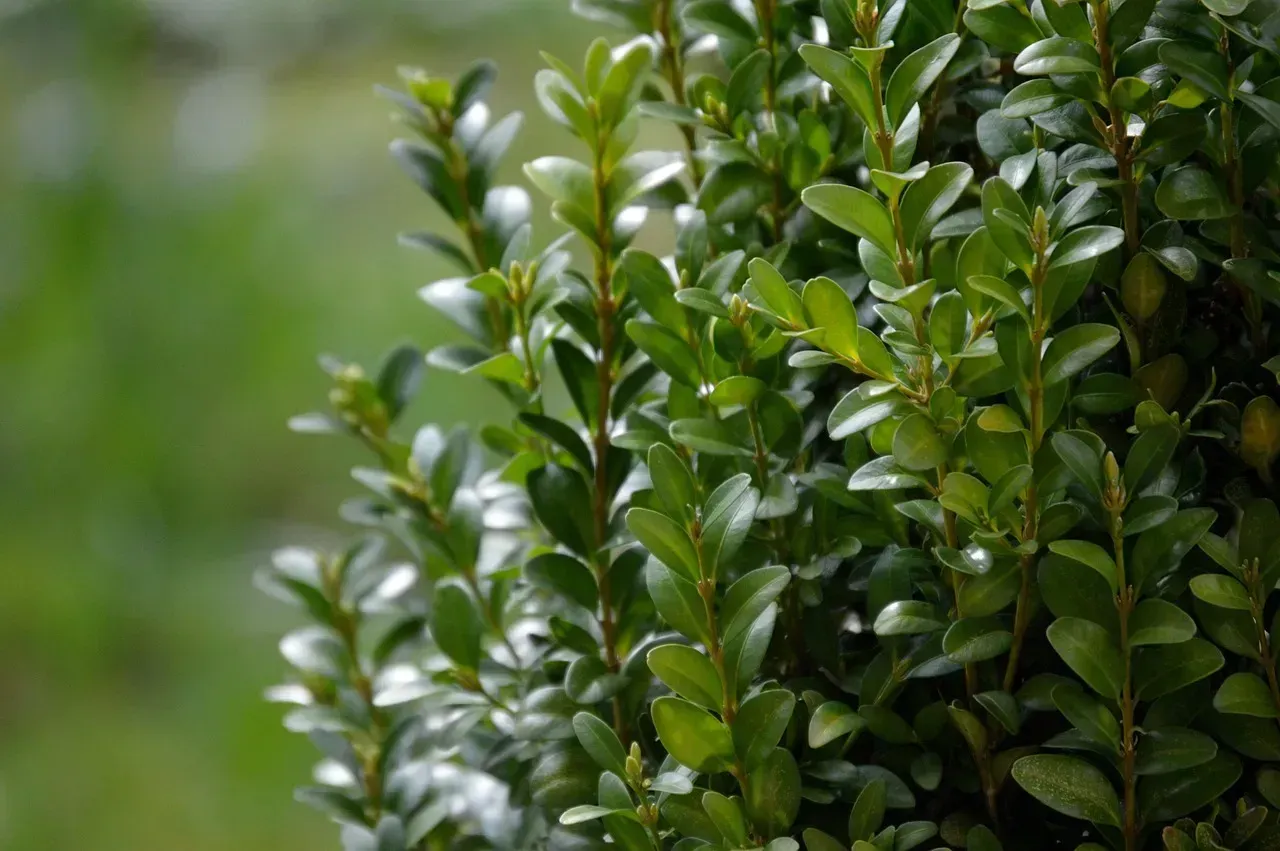
Boxwood hedges are a landscaping classic, but warmer, wetter conditions are creating a disease problem rather than a simple heat tolerance issue. Generally, it should be very humid or raining and at moderately warm temperatures, 60 to 85°F, for a couple days for boxwood blight infection risk to be high. That temperature and humidity combination is showing up more often and for longer stretches in regions that used to have drier, cooler summers.
High humidity levels in certain states can increase the risk of boxwood blight, a fungal disease that thrives in damp conditions, and that risk is expanding as more regions trend warmer and wetter simultaneously. Some growers are switching to blight resistant cultivars or spacing plants farther apart to improve airflow, but classic English boxwood hedges are becoming harder to maintain disease free in several parts of the country.
8. Sugar maples
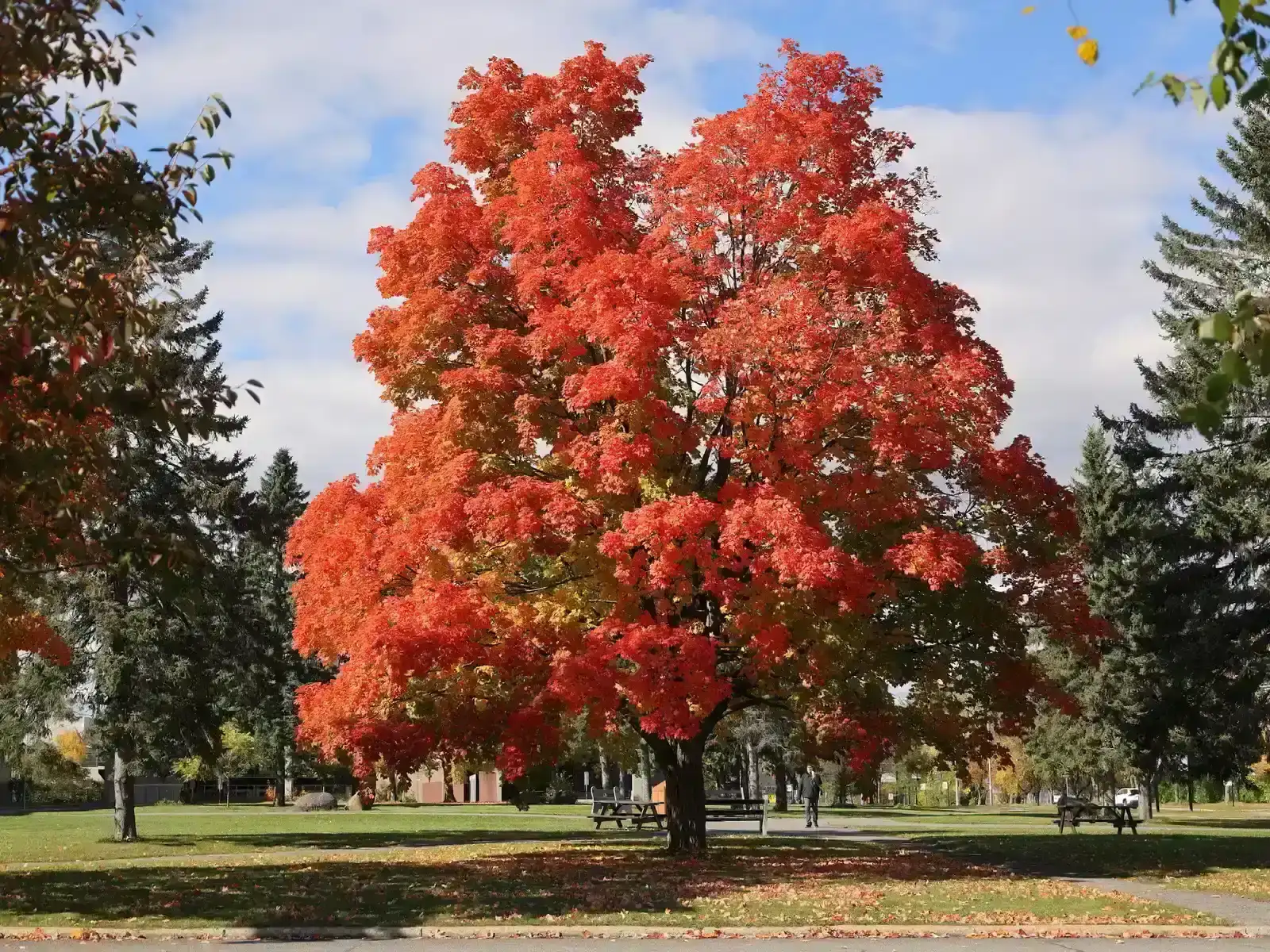
Sugar maples are grown as much for shade and fall color as anything else, and they are showing real strain in the warmer end of their range. In the cold northern temperate forests of the US, predictive models show that sugar maple growth has remained constant, whereas tree growth has declined due to temperature stress in the warmer southern regions. That is a meaningful signal for anyone gardening or landscaping near the southern edge of where this tree traditionally grows.
Beyond growth decline, warming winters are changing the tree’s most famous seasonal behavior. The maple syrup season depends on temperatures rising above freezing during the day and falling below freezing at night, which is what causes the sap to flow, and with winters that are warmer and shorter, the season often starts and ends earlier. For home gardeners, the more visible issue is thinning canopies and stressed root systems, especially in properties near the southern limit of the tree’s traditional range.
Not every garden in a warming zone will see all eight of these problems at once, and microclimates, soil conditions, and watering habits still make a real difference. Still, the pattern is consistent enough that it is worth checking a current hardiness zone map before replacing a plant that failed for what seemed like no reason. In many cases, the plant was never the problem. The winter simply stopped showing up the way it used to.