
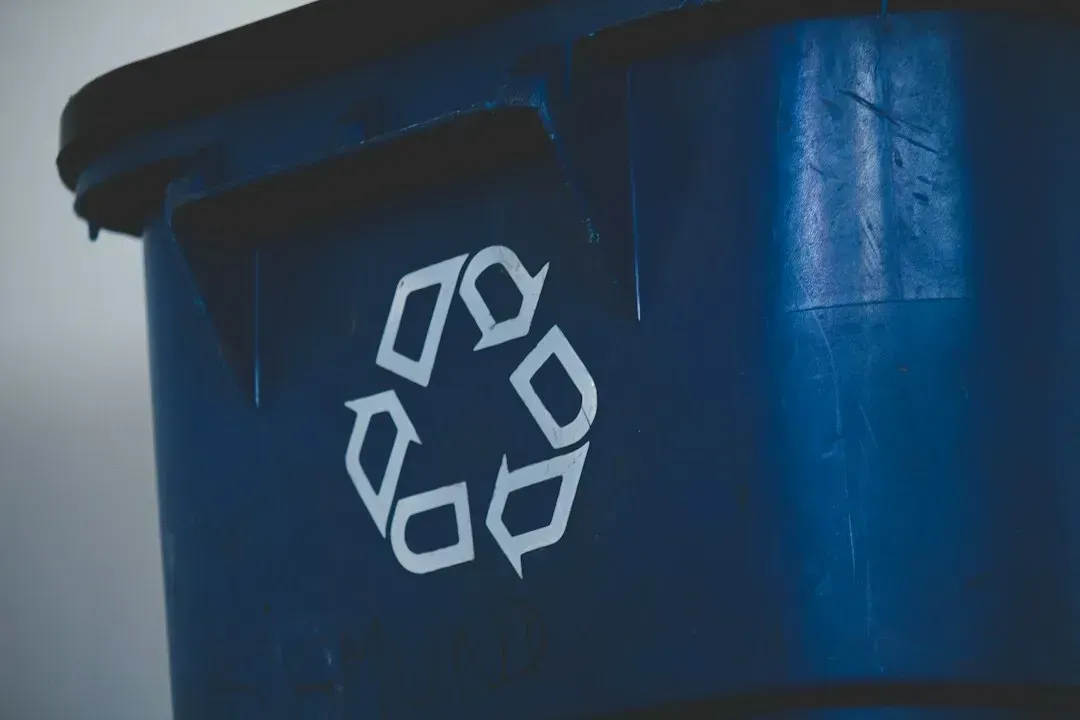
Flip over almost any plastic container in your kitchen and you’ll find a small triangle of arrows. It looks like a promise. For plenty of packages, though, it’s closer to a classification code than a guarantee.
The gap between what a label suggests and what actually happens at a sorting facility is wide. Regulators in the United States have been reviewing the rules for years, and several states have started writing their own. Here are seven common packaging tricks, and what’s really going on behind each one.
The Chasing Arrows That Aren’t a Recycling Promise
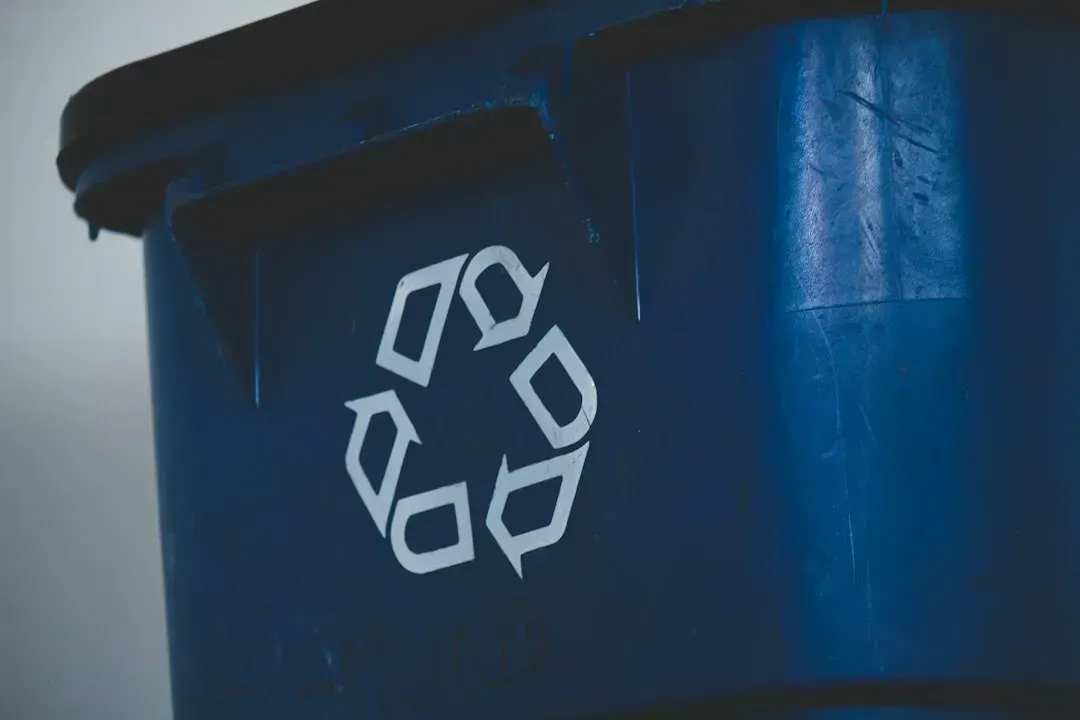
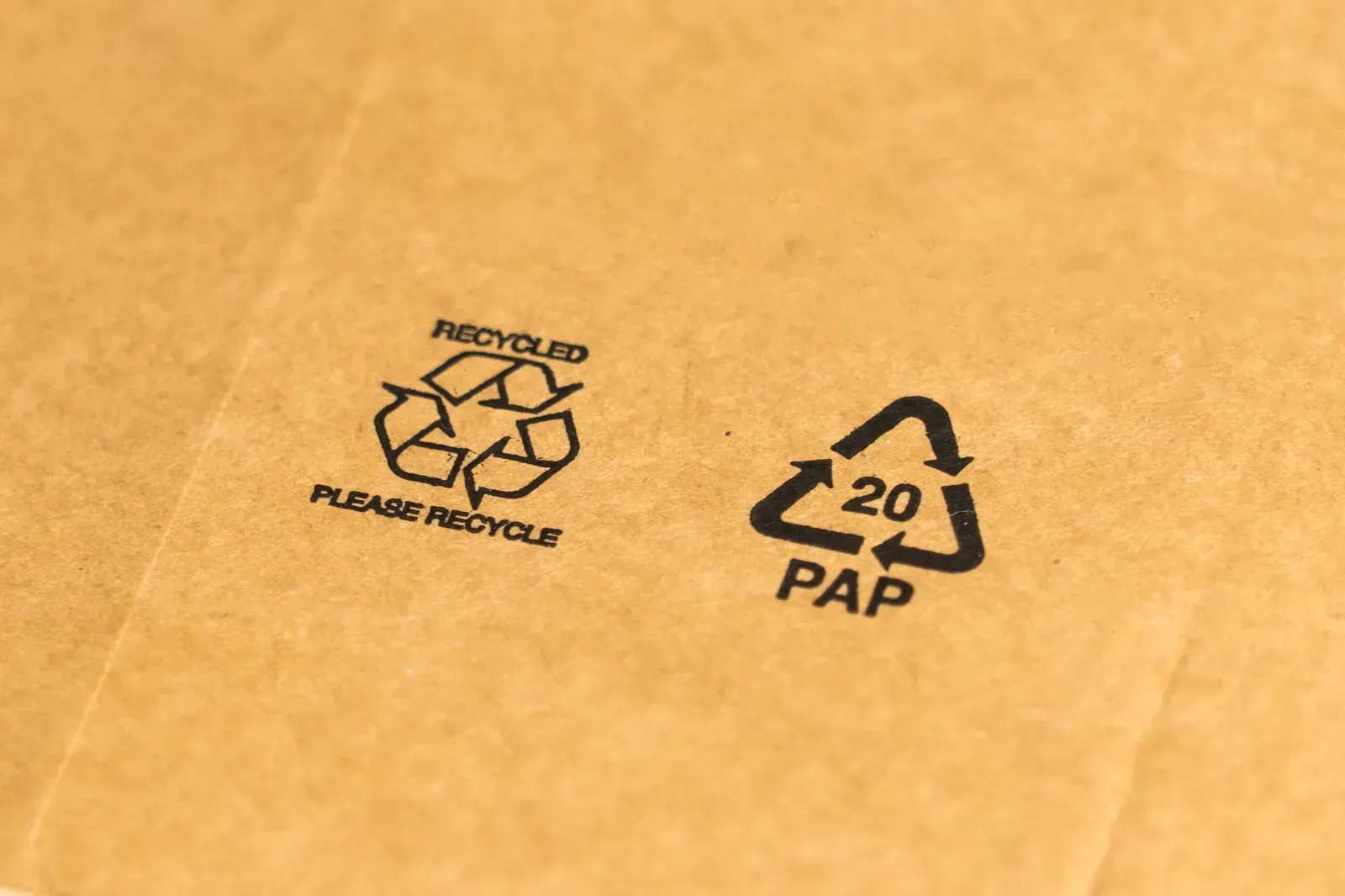
The triangle of arrows with a number inside is the resin identification code. It only identifies the type of plastic and was never meant to certify recyclability. Many shoppers read it the other way around, which is understandable given that the same arrows have long stood for recycling in general.
The FTC’s Green Guides address this confusion directly. Using the symbol on packaging that isn’t genuinely recyclable under the substantial majority standard is treated as an implied, misleading recyclability claim. So the number alone tells you the plastic’s chemistry, not its fate.
The Number Inside the Triangle
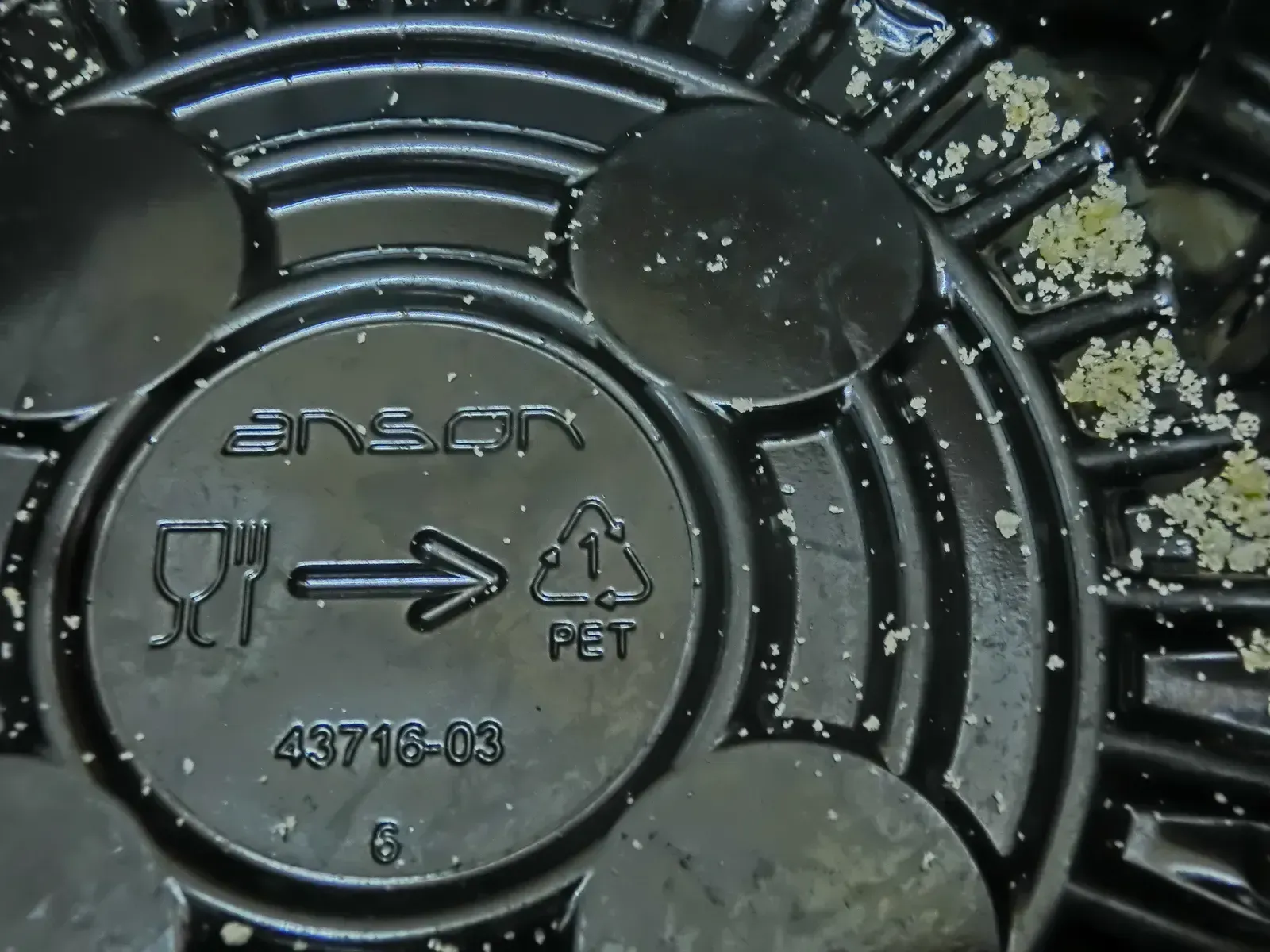
Resin codes run from one to seven, and they sit on the bottom of rigid plastic items. They often appear inside a chasing arrows symbol. That design choice is a big reason people assume every number is accepted at the curb.
Some plastics are widely collected, while others rarely are. Polystyrene is a well-known example. One industry publication described it as theoretically and technically recyclable, but not practically or economically so. A code, in other words, doesn’t tell you whether your local program wants the item.
Recyclable Where Facilities Exist
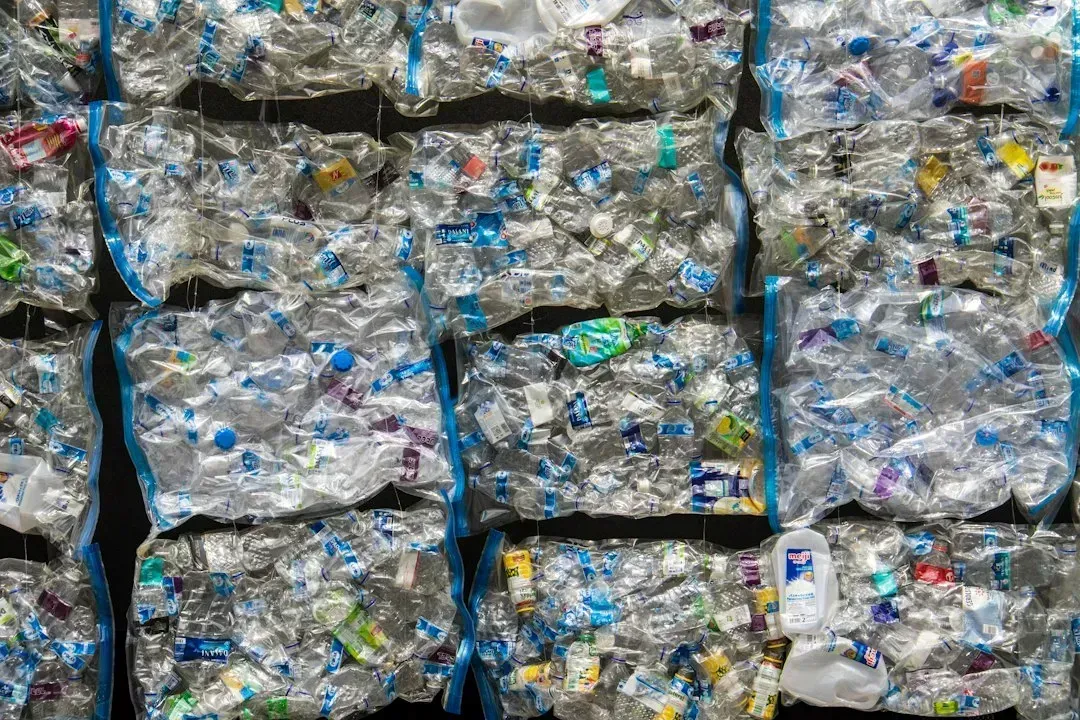
You’ll sometimes see fine print saying an item is recyclable only where facilities are available. It sounds careful, and legally it can be. In practice, it leaves the work of checking to you.
The Green Guides set a benchmark here. Marketers should qualify recyclable claims when facilities aren’t available to at least 60 percent of consumers or communities where the product is sold. Critics argue that access isn’t the same as actual recycling, and one advocacy group points out that just because a product can be collected for recycling doesn’t mean it will be.
Flexible Pouches and Film Wrappers
Stand-up pouches, snack bags and mailers often carry large recycling symbols. Soft plastics tend to jam sorting machinery, which is why many curbside programs ask residents to keep them out of the bin. Some stores run drop-off collection instead, and those are separate from home pickup.
Advocates have pointed to examples like plastic mailing pouches with a prominent chasing arrows mark. Their comments to the FTC argued that the symbol’s presence leads consumers to assume recyclability. If the label doesn’t specify a drop-off option, assume curbside won’t take it.
Advanced Recycling and Circular Claims
Newer wording like advanced recycling or circular packaging adds another layer. These terms often refer to chemical processes rather than the mechanical recycling most people picture. Chemical pyrolysis, which turns plastic waste into oil for fuel, is considered recycling by some.
Others disagree, and the debate was part of the FTC’s review. A central question was whether such processes warrant a chasing arrows symbol at all. Until that’s settled, treat these phrases as marketing language rather than proof that your wrapper will become a new one.
Vague Green Language and Leaf Imagery
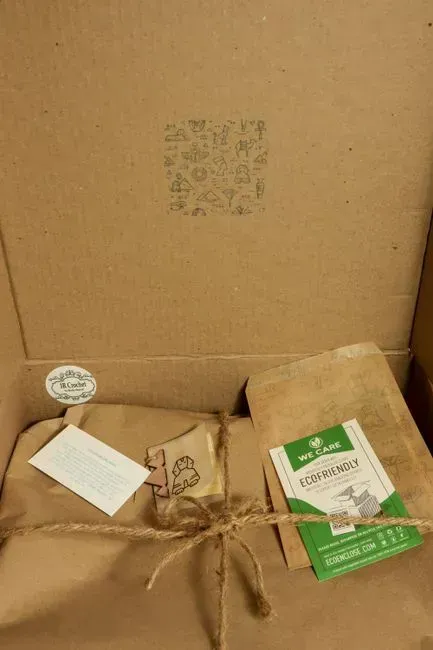
Words like eco-friendly, planet-friendly and green are slippery. The FTC’s own consumer research, cited in its proposed revisions, found that some consumers believe a general green claim means a product is recyclable. That means a vague phrase can carry a recycling implication nobody actually stated.
Visuals do similar work. Compliance guidance for packaging makers advises avoiding vague graphics or green leaves that imply recyclability or compostability without a clear explanation. If a claim can’t be tied to a specific action you can take, it’s worth being skeptical.
State Laws Are Closing the Gap
While federal updates have dragged on, states have moved. California’s SB 343 is the best known. It restricts the chasing arrows symbol and the word recyclable on packages not accepted by recycling programs serving at least 60 percent of residents.
The federal side remains slow. The long-awaited Green Guides update was still on hold as of September 2025. Meanwhile, a growing number of states are writing the same logic into law, limiting the symbol to packaging that’s actually recyclable.
What to Do at the Bin
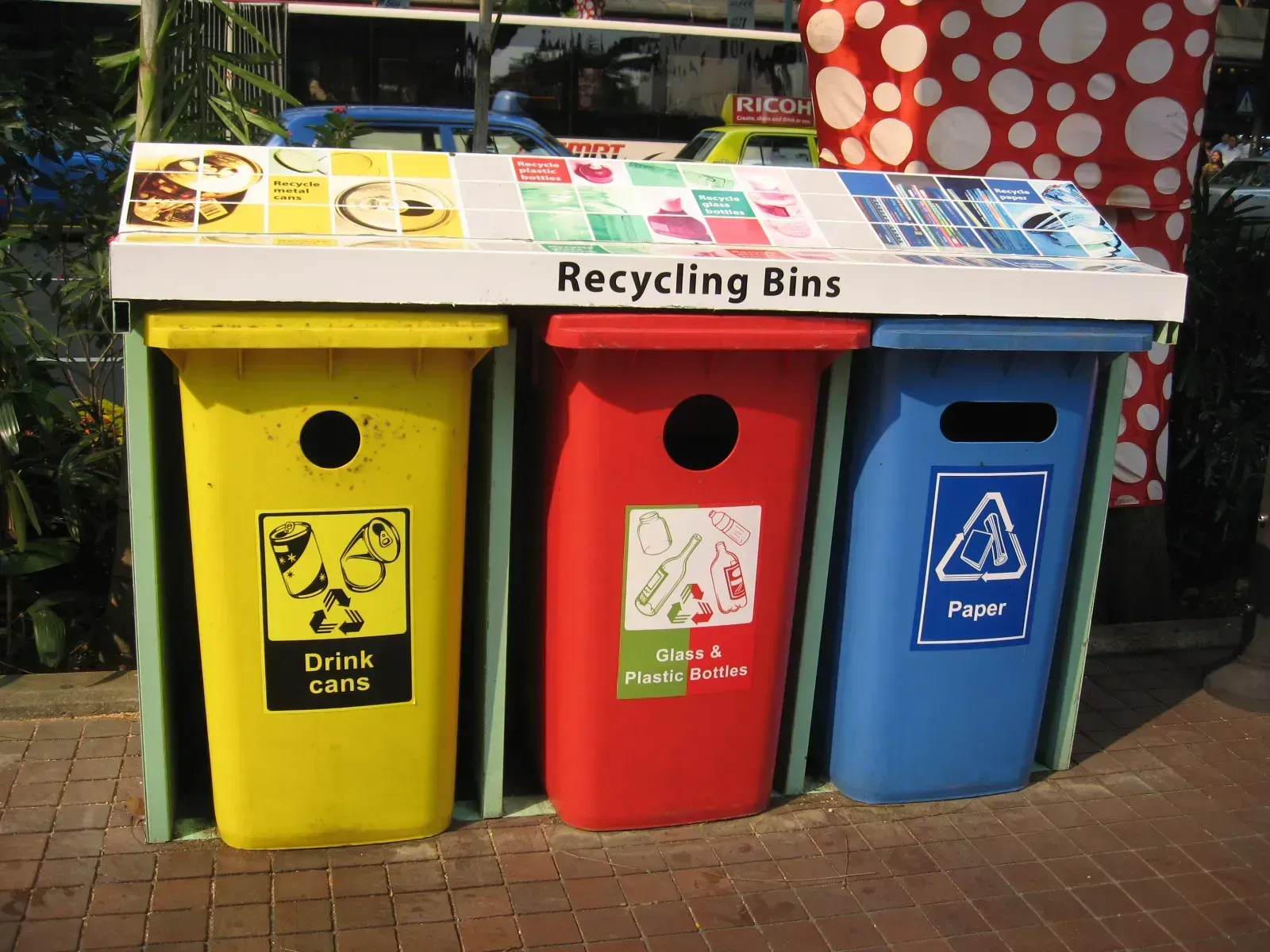
Your local program’s accepted materials list beats any logo. Check your city or waste hauler’s website, which usually names the shapes and materials they take, such as bottles, jars, cans and cartons. When in doubt, leaving an item out is better than tossing it in, since contamination can spoil a load.
The scale of the problem is large. One advocacy group puts the U.S. plastic recycling rate at roughly five to six percent. That figure comes from an advocacy source rather than a regulator, yet it fits the broader point that a symbol on the package says little about what happens next.

- 9 Space Discoveries Our Grandparents Never Imagined Would Happen - November 16, 2026
- Scientists Warn: This Cosmic Radiation Risk Could Limit How Far Humans Can Travel - November 16, 2026
- Recyclable Labels That Mean Landfill-Bound – 7 Packaging Tricks Decoded - November 16, 2026
