
What Exactly Is Galactic Cosmic Radiation
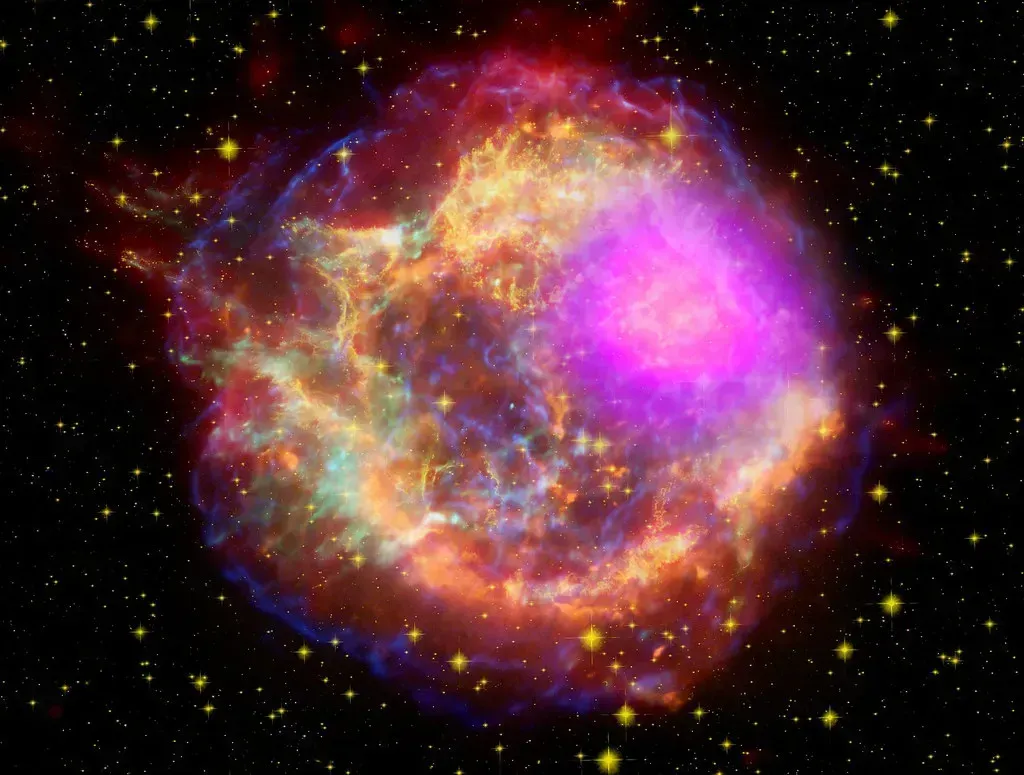
Galactic cosmic rays are not the kind of radiation most people picture when they hear the word. They are born in supernova blasts and other violent astrophysical events, moving at near light speed and capable of tearing through the body’s tissues, shredding strands of DNA and creating free radical ions that cause biochemical chaos. Unlike a dental X-ray or a sunburn, this radiation is made of individual atomic nuclei traveling at extraordinary speeds.
Scientists describe these particles as protons, helium ions, and heavier nuclei, some of which carry energies up to and exceeding 100 GeV per nucleon. That is an almost absurd amount of energy packed into a single particle, which is exactly why it behaves so differently from radiation sources we deal with on Earth. It slips through conventional shielding materials with ease, which is part of what makes it such a persistent headache for mission planners.
Earth’s Invisible Umbrella and What Happens Without It
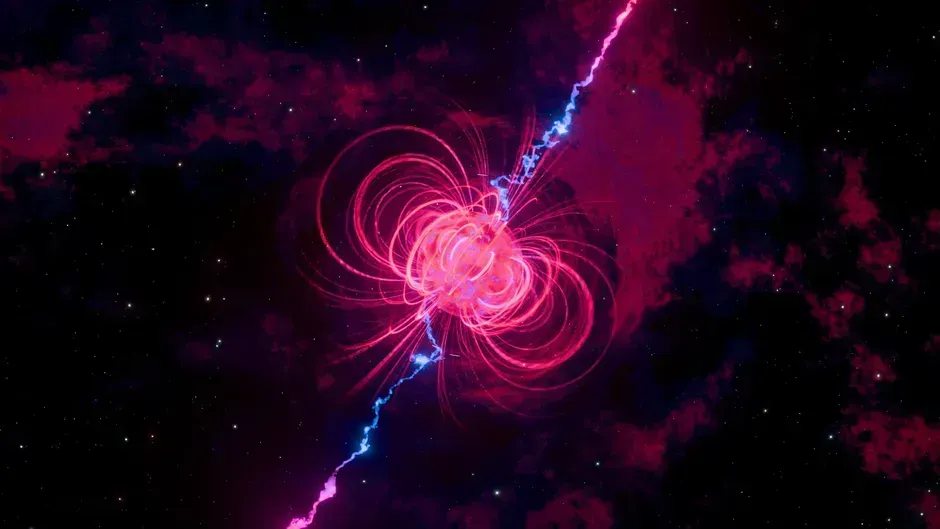
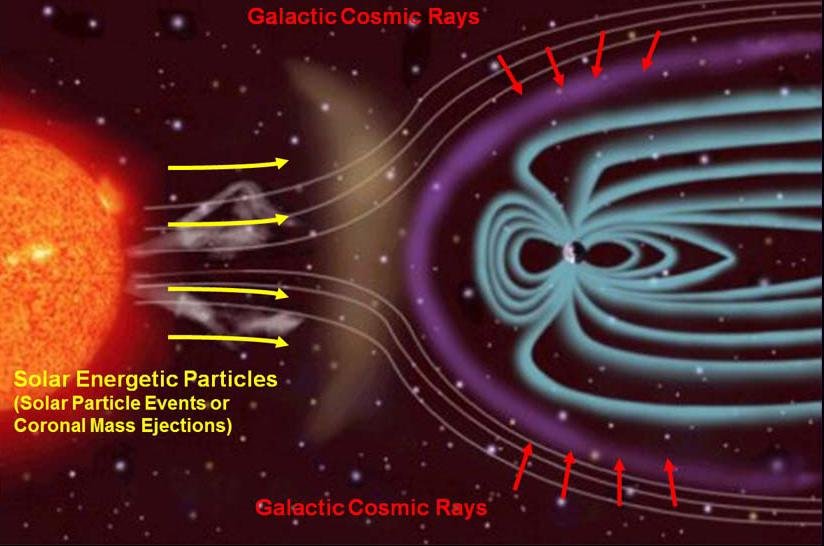
Most people never think about the fact that our planet comes with built in radiation protection. Earth’s magnetic field and atmosphere protect us from the constant bombardment of galactic cosmic rays, energetic particles that travel at close to the speed of light and penetrate the human body. Astronauts aboard the International Space Station still benefit from a good chunk of that protection because they orbit within the magnetosphere.
The moment a spacecraft leaves that shielded zone, the exposure changes dramatically. GCR exposure rate increases about three times as spacecraft venture out of Earth orbit into deep space where protection of the Earth’s magnetosphere and solid body are lost. One European researcher who studies the subject put the comparison in stark terms, noting that one day in space is equivalent to the radiation received on Earth for a whole year. That single line does a lot to explain why deep space travel is treated as a fundamentally different problem than orbiting close to home.
The Cancer Risk That Keeps Coming Up
Cancer sits at the top of almost every list of space radiation concerns, and for good reason. Previous studies have shown the health risks from galactic cosmic ray exposure to astronauts include cancer, central nervous system effects, cataracts, circulatory diseases and acute radiation syndromes. NASA has set a hard boundary around this risk rather than leaving it open ended.
The agency’s own standard states that NASA’s radiation standard limits astronaut exposures to a 3% risk of exposure induced death at the upper 95% confidence interval of the risk estimate. A team at Colorado State University tested that model directly and found the numbers were not comfortable. Their analysis showed astronauts will have more than a three percent risk of dying of cancer from the radiation exposures they will receive on a Mars mission, which by NASA’s own definition exceeds what is considered acceptable.
A Newer Model Suggests the Numbers Could Be Worse
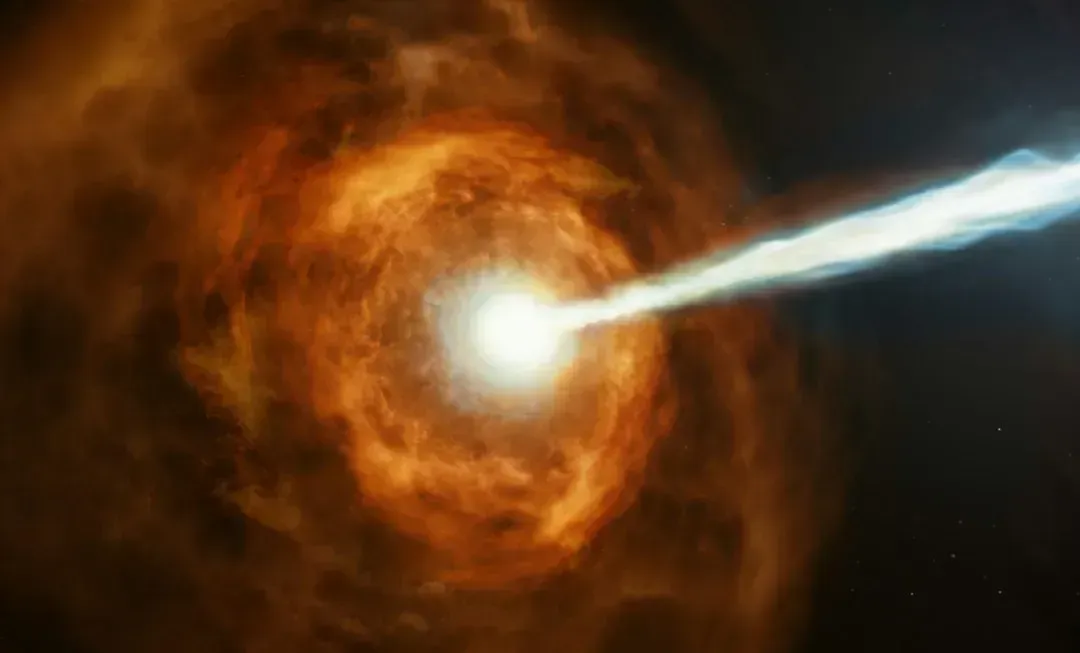
Just when scientists thought they had a reasonably solid handle on cancer risk estimates, research out of UNLV complicated the picture. Physicist Francis Cucinotta led a study proposing that damaged cells send distress signals to healthy neighboring cells, essentially recruiting them into the disease process. According to Cucinotta, galactic cosmic ray exposure can devastate a cell’s nucleus and cause mutations that can result in cancers, and damaged cells send signals to the surrounding, unaffected cells and likely modify the tissues’ microenvironments, inspiring healthy cells to mutate.
That non targeted effect model produced a striking conclusion. The findings pointed to a two-fold or more increase in cancer risk compared to the conventional risk models currently used by agencies like NASA. Cucinotta was blunt about what this means for mission planning, stating plainly that exploring Mars will require missions of 900 days or longer and includes more than one year in deep space where exposures to all energies of galactic cosmic ray heavy ions are unavoidable, and current levels of radiation shielding would, at best, modestly decrease the exposure risks.
It Is Not Just About Cancer
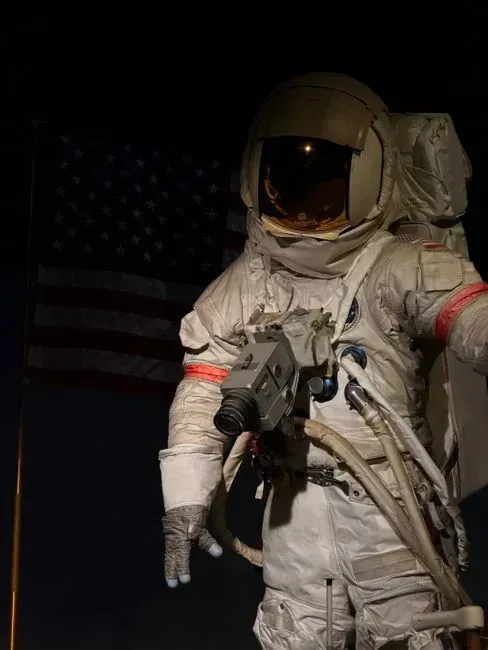
Focusing solely on cancer risk misses a lot of what researchers are now tracking. Damage extends well beyond the cells most prone to tumor formation. As the European Space Agency has noted, damage to the human body extends to the brain, heart and the central nervous system and sets the stage for degenerative diseases, while a higher percentage of early-onset cataracts have been reported in astronauts.
Cardiovascular health is a growing concern in its own right. Researchers have found that radiation exposure can lead to long-term health effects such as cancer and cataracts as well as have an adverse effect on the central nervous and cardiovascular systems. Circulatory disease risk has become significant enough that scientists now fold it directly into mortality predictions alongside cancer, rather than treating it as a footnote.
What Cosmic Rays Might Do to the Brain
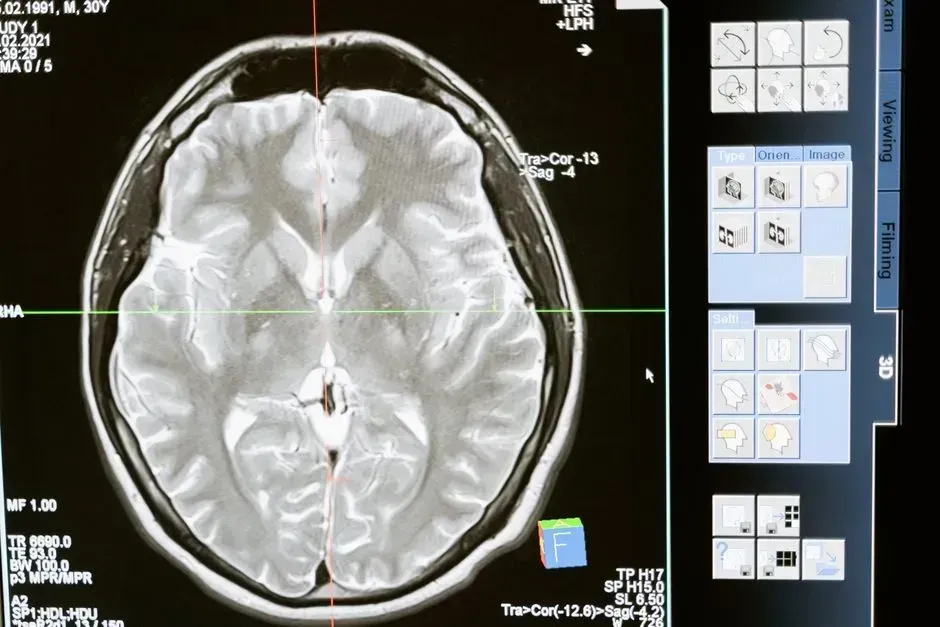
Perhaps the most unsettling frontier in this research involves cognition itself. A 2025 review in Nature Reviews Neuroscience examined this question directly and reached a sobering conclusion, noting that animal experiments suggest that the brain could be much more sensitive to this stressor than may be expected from experiences on Earth. That is not a small claim coming from a peer reviewed neuroscience journal.
Laboratory studies back this up with specifics. One mouse study simulating the radiation environment of a Mars mission found that acute or chronic GCR exposure did not modify reward sensitivity but did adversely affect attentional processes and increased reaction times. Researchers estimate that during an actual Mars mission, nearly every neural cell will be transversed once every three days by various combinations of protons and or HZE nuclei, a statistic that helps explain why brain health has become its own dedicated research category rather than an afterthought.
Solar Storms Add a Second, Faster Danger
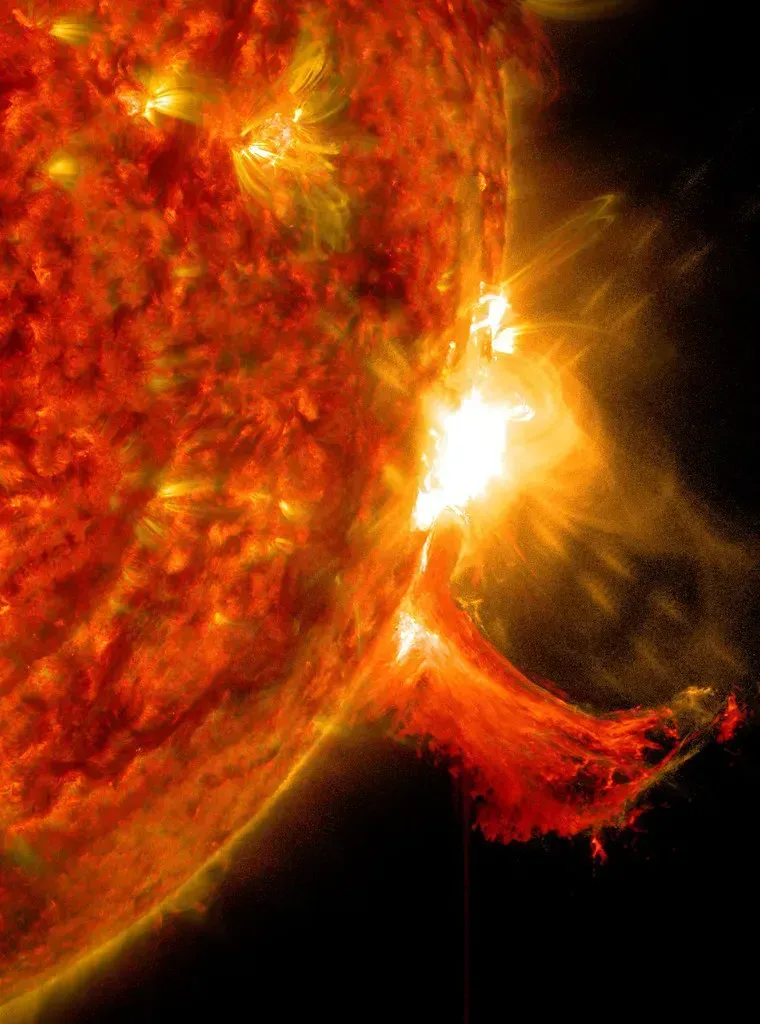
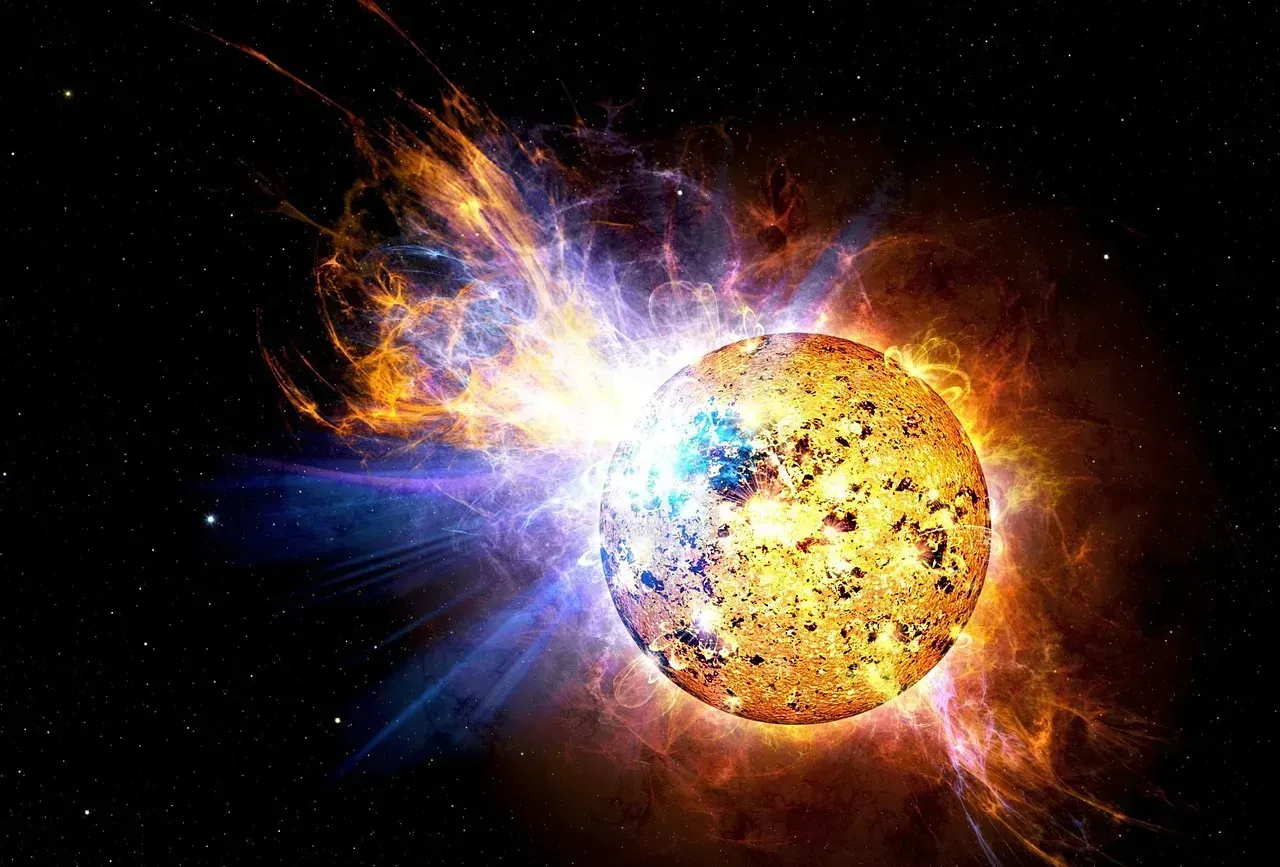
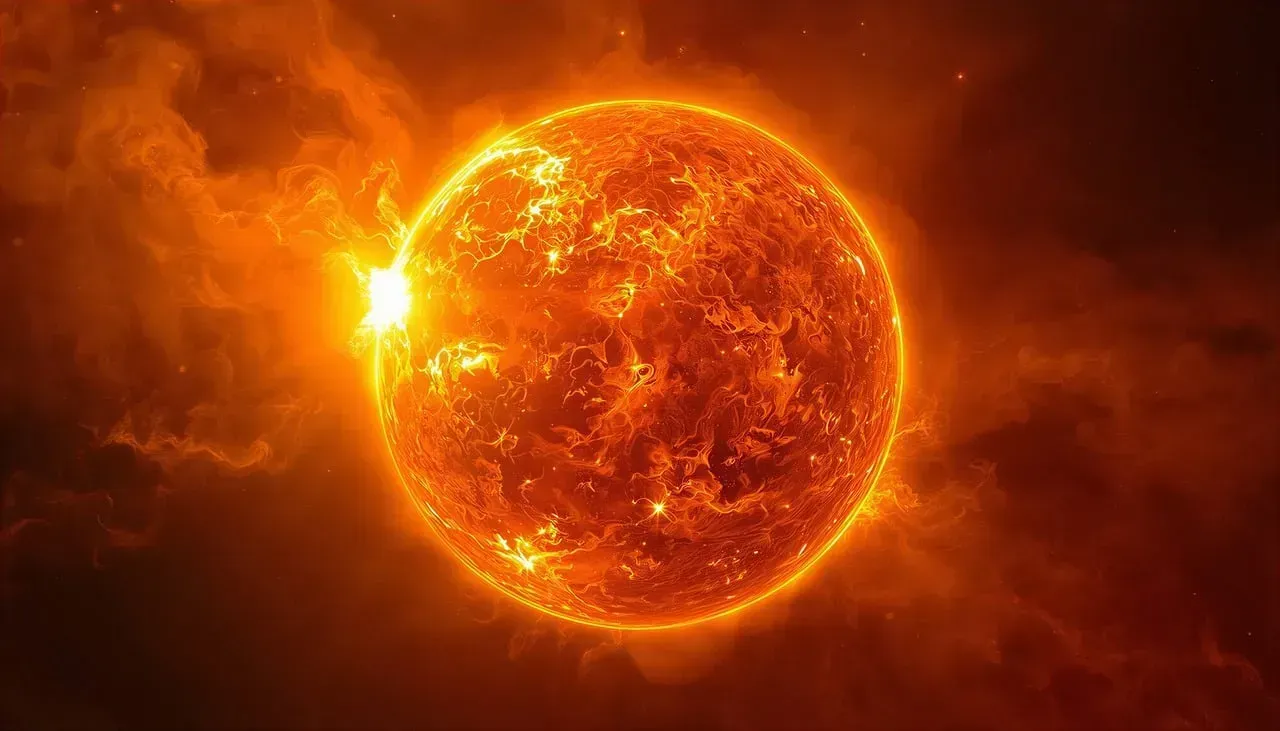
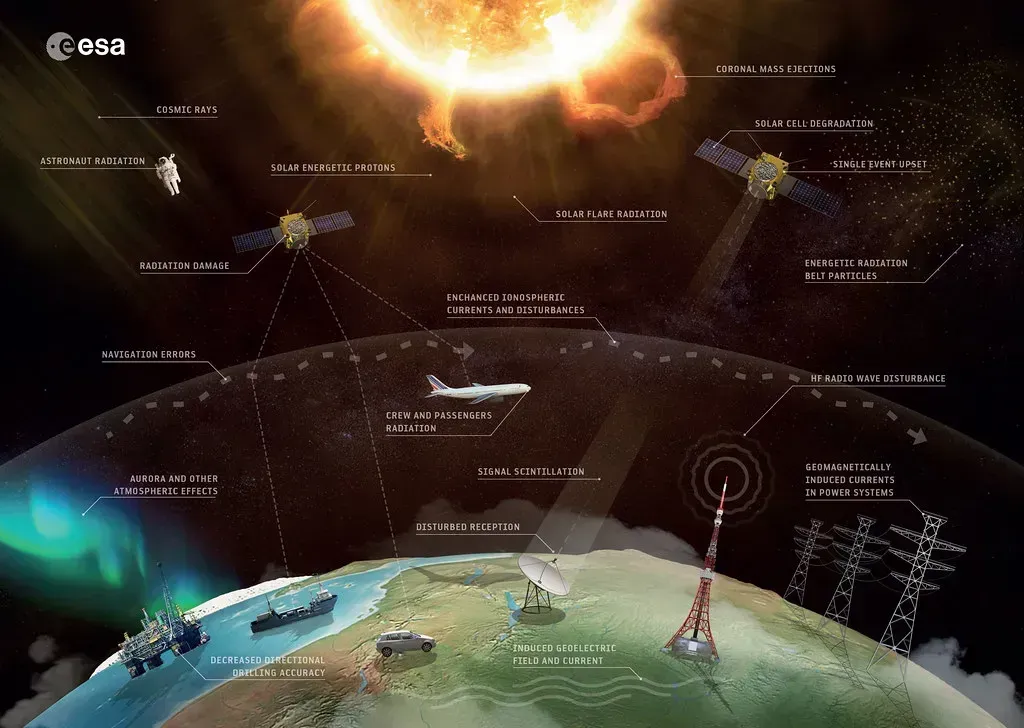
Galactic cosmic rays are a slow, grinding problem, but they are not the only radiation threat astronauts face. Solar particle events represent a completely different kind of danger, one that arrives suddenly rather than accumulating over months. During NASA’s Artemis II mission planning, officials noted the added risk since the mission launched during one of the most active solar periods in recent history, at the height of the Sun’s 11-year cycle, making CMEs and flares more frequent.
The good news is that this particular threat is more manageable than GCRs. Unlike the constant background of galactic rays, solar particle events are also a concern however are readily mitigated by passive shielding, while shielding of GCR is difficult due to their high energies. That distinction matters enormously for engineers, since it means spacecraft can realistically protect crews from solar storms with a well designed shelter, even if the deeper cosmic ray problem remains largely unsolved.
How Artemis Is Gathering Real World Data
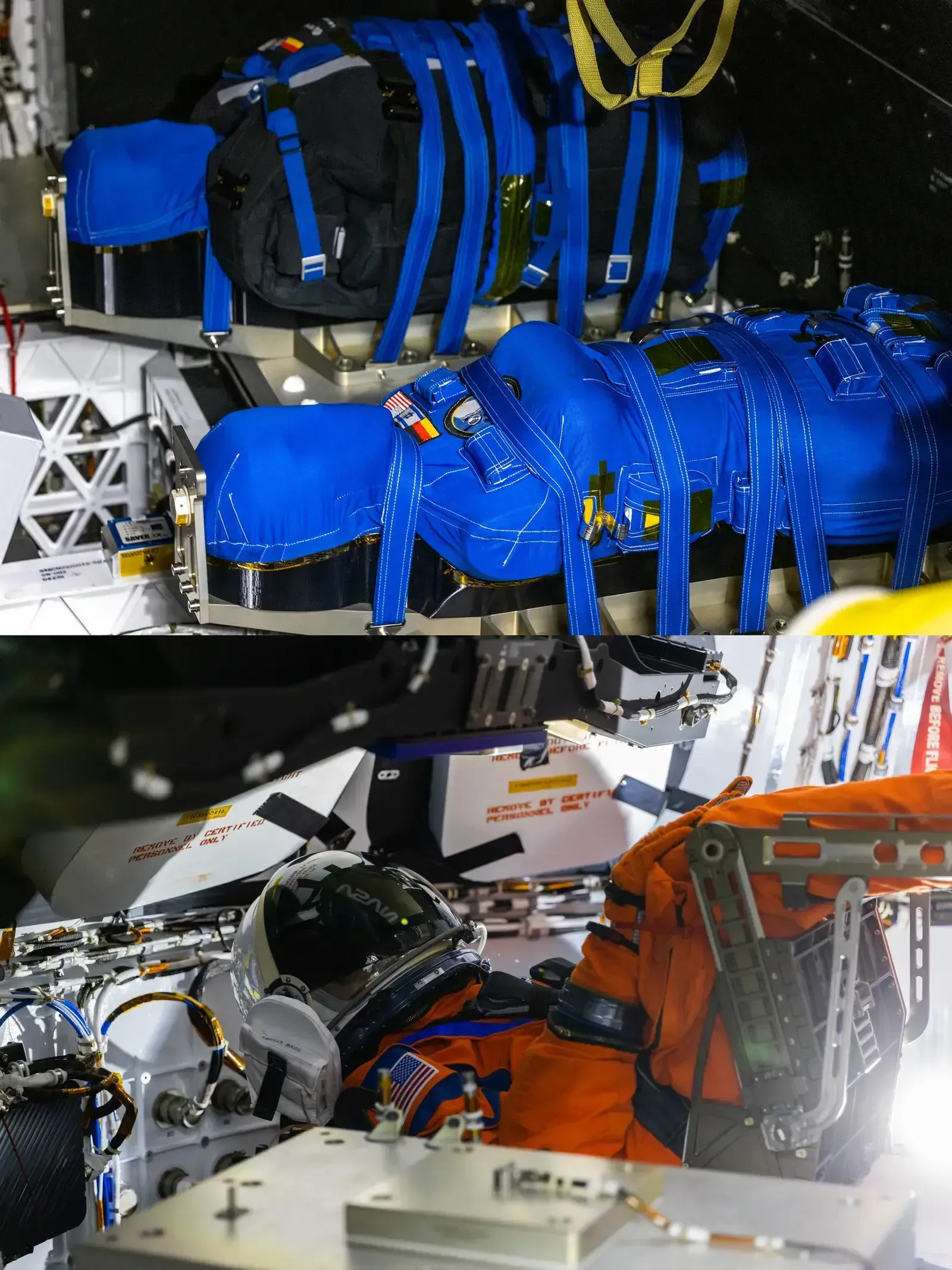
Much of what scientists now understand about deep space radiation comes from actual measurements rather than theoretical models alone. During the uncrewed Artemis I mission, engineers deployed six Radiation Area Monitor passive detectors about the size of a matchbox that recorded the total radiation dose during the mission, along with dosimeters carried by test dummies standing in for future crew members. A 2025 study published in npj Microgravity confirmed the value of this approach, reporting that the models are shown to accurately characterize the absorbed dose-rate in highly complex and diverse shielding configurations in locations from Earth to Mars.
This validation work matters because it lets scientists trust their predictive tools before ever putting a human crew in harm’s way. For Artemis II, NASA has gone a step further by pairing this data collection with predictive technology, reserving 3,000 processing units on their supercomputer for us during the mission so the model can run as quickly as possible whenever there is an eruption, according to one of the researchers involved. It represents a shift from reactive monitoring toward genuine forecasting of radiation danger in real time.
Why Shielding Is So Hard to Get Right
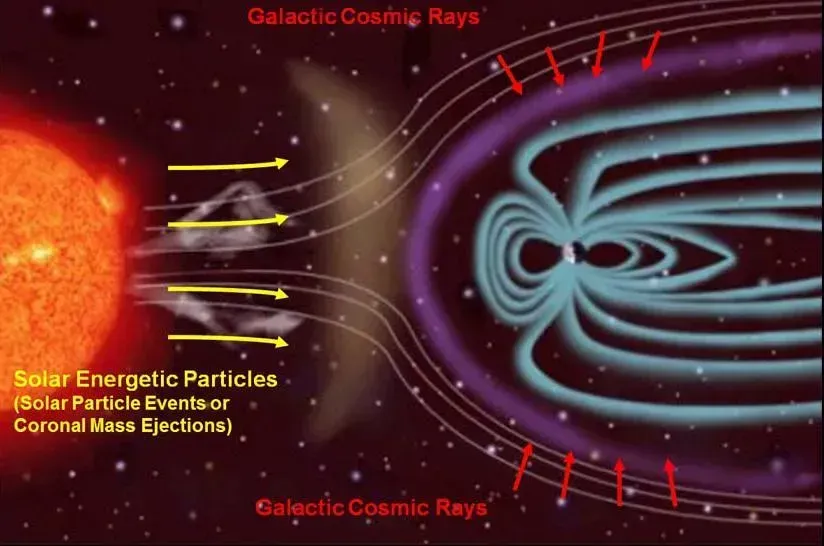
If the solution were simply thicker walls, this problem would have been solved decades ago. The physics involved makes that approach counterproductive in many cases, since particles from galactic cosmic rays are so energetic they can pass through metals, plastic, water and cellular material, generating additional secondary particles along the way. Adding the wrong kind of mass can actually make things worse by creating showers of secondary radiation inside the very walls meant to offer protection.
Engineers have found a smarter workaround by relying on materials already on board for other purposes. Orion’s shielding strategy uses materials rich in hydrogen, including plastics and food and water, chosen specifically because hydrogen atoms are effective at breaking up incoming particles without triggering as much secondary radiation. Researchers are also exploring more exotic options such as magnetic and electrostatic shielding, though these remain mostly theoretical for anything beyond a stationary Mars habitat rather than a moving spacecraft.
Why Some Scientists Call This a Potential Showstopper
The phrase “showstopper” does not get thrown around casually in aerospace research, yet it appears repeatedly in the radiation literature. One peer reviewed paper stated the concern in the plainest possible terms, warning that ionizing radiation in deep space can be a single limiting factor to human space exploration. Another study framed cancer risk from cosmic radiation specifically as a potential showstopper for a manned mission to Mars.
This does not mean Mars missions are impossible, but it does mean the timeline and mission architecture have to bend around this constraint rather than the other way around. A three year round trip, the realistic duration for a crewed Mars mission with current propulsion technology, pushes cumulative exposure well past what any current shielding solution can fully manage. Scientists studying this problem generally agree that faster transit times, better forecasting, and smarter mission windows around solar activity will matter just as much as any breakthrough in shielding materials.
The Search for Medical Countermeasures
Since physical shielding alone cannot solve this problem, researchers have started looking at the body’s own biology for answers. Space agencies are now developing what one review called extensive personalised medical examination programmes to determine an astronaut’s vulnerability to radiation using biomarkers, essentially trying to identify which individuals are naturally more resistant before they ever launch. This kind of personalized risk profiling did not exist as a serious research category even a decade ago.
Pharmacological approaches are also being tested, though progress has been slow and cautious. One recent study explored inducing hibernation like states in the body as a potential protective measure, but researchers involved were careful to temper expectations, with one scientist noting we’re a long way away from putting people into medically induced comas and hibernating them like you would see in an Alien movie. Any drug based solution faces a high bar, since researchers emphasized the need to make sure we’re not exposing astronauts to greater risk by asking them to take a drug that has side effects. For now, the field remains a genuine open question rather than one with a satisfying answer.

- 9 Space Discoveries Our Grandparents Never Imagined Would Happen - November 16, 2026
- Scientists Warn: This Cosmic Radiation Risk Could Limit How Far Humans Can Travel - November 16, 2026
- Recyclable Labels That Mean Landfill-Bound – 7 Packaging Tricks Decoded - November 16, 2026
