

- 10 Climate Solutions Everyone Talks About but Few Fully Understand – Are You One of Them? - March 22, 2026
- Meteorologists Warn: These 7 DIY Weather Modifications Are Illegal, Yet Some People Still Try Them - March 22, 2026
- I Asked ChatGPT Which U.S. Cities Could Face the Worst Heat Waves by 2050 – Here’s What It Said - March 22, 2026
Climate change has become the defining conversation of our era. Politicians promise it. Companies brand themselves around it. Activists march for it. Yet when you peel back the slogans and the press releases, a surprising truth emerges: most people – including well-meaning, educated ones – have only a surface-level grasp of how the solutions actually work.
Honestly, that’s not a criticism. It’s just how complex science gets translated into public debate. A two-word phrase like “carbon capture” or “green hydrogen” gets repeated so many times it starts to feel self-explanatory. It isn’t. So let’s slow down, get specific, and look at what’s really going on under the hood of the climate solutions that everyone keeps talking about. Be surprised by what you’ll discover.
1. Solar Energy: The Fastest-Growing Power Source in History – But Still Playing Catch-Up
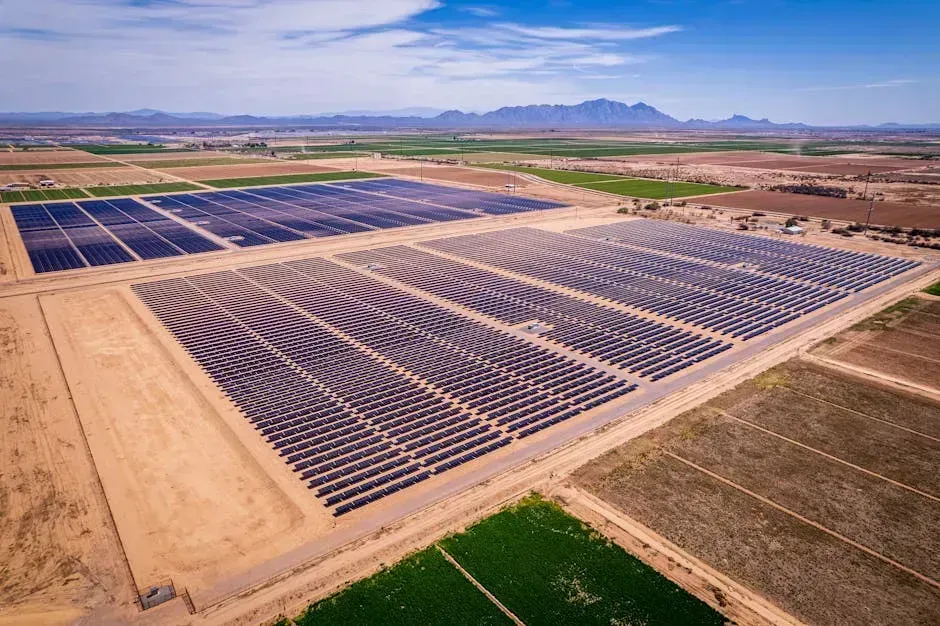
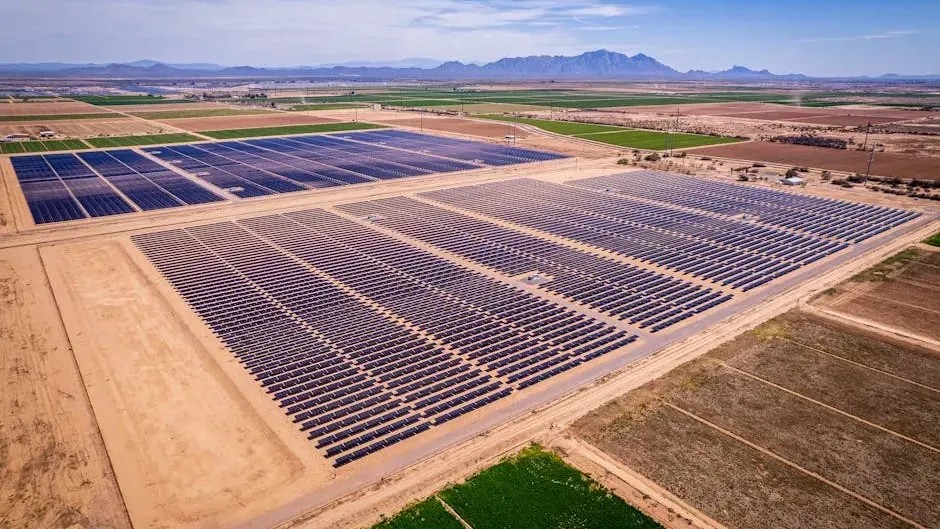
Solar panels are practically a symbol of climate optimism at this point. Stick a few on your roof and you’ve “gone green,” right? The reality is far bigger and far more complicated than a row of panels on a suburban home. Global renewables capacity grew by a record 585 GW in 2024, with solar accounting for 452 GW of that total. That’s not a small number. That’s civilization-scale engineering happening in real time.
Solar power is the fastest-growing source of electricity in history, repeatedly exceeding projections. Today, solar around the world generates roughly 2,100 terawatt-hours each year – roughly eight times more than in 2015 and 66 times more than in 2010. To put that in human terms: in 2024 alone, countries collectively added enough solar power to the grid to meet the equivalent of France’s entire electricity demand that year.
The IEA reported that global investment in solar power for 2024 was greater than the investment in all other electricity generation technologies combined. Yet despite all this momentum, despite record renewable additions in 2024, current growth rates indicate the world is not on track to triple installed renewable power capacity to 11 terawatts by 2030 or meet Paris Agreement targets. Solar is extraordinary. It’s just not yet extraordinary enough.
2. Carbon Capture and Storage: Science Fiction or Critical Infrastructure?
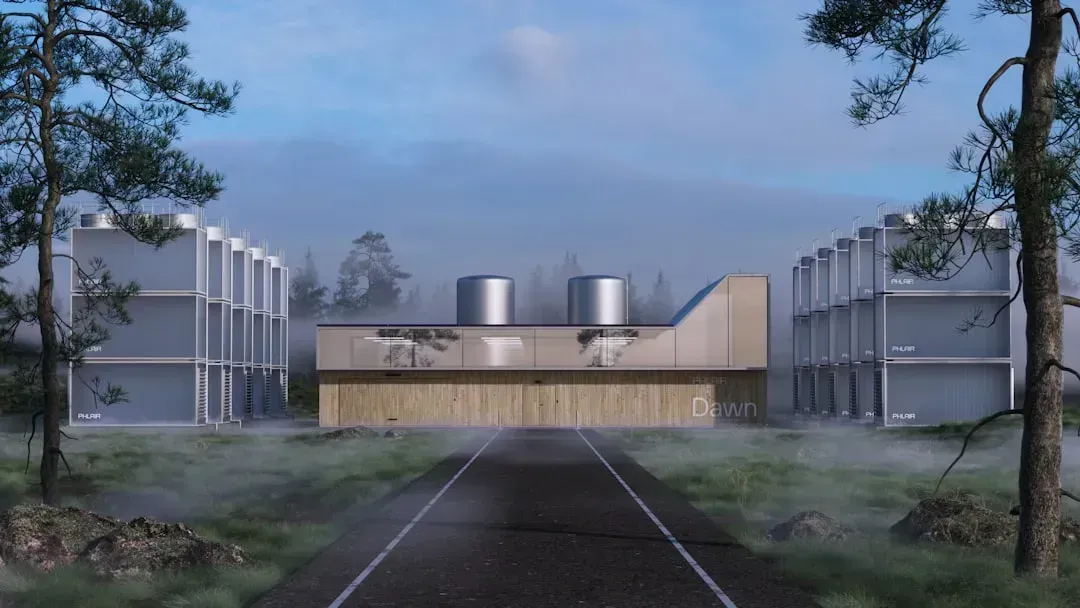
Ask someone on the street about carbon capture and storage, or CCS, and you’ll get a vague nod. It sounds like something from a sci-fi movie – sucking CO2 out of the air and burying it underground. That’s actually not far off. CCS refers to a collection of technologies that can help address climate change by reducing CO2 emissions. The idea is to capture the climate-warming CO2 generated by burning fossil fuels before it is released to the atmosphere.
Today, CCS projects are storing over 50 million tons of CO2 every year – about the amount emitted by a small country like Greece or Peru. That sounds significant, until you realise the full scale of the problem. The global CCS landscape has expanded dramatically, with operational capacity reaching just over 50 million tonnes of CO2 annually by early 2025. This represents significant growth, yet remains far below the 1,300 million tonnes required for net-zero pathways.
As of 2024, 628 projects are in the pipeline across the value chain of CCS with a 15% year-on-year increase, with investments in it tripling since 2022 to reach $6.4 billion. Progress is real. But the gap between what exists and what’s needed is still staggering. CCS is often the most feasible decarbonization technology for industries such as cement, steel and chemical production. New research expects CCS to grow four-fold to 2030. That trajectory is promising – but it starts from a very small base.
3. Green Hydrogen: The Ultimate Clean Fuel or a Very Expensive Dream?
Green hydrogen is one of those climate solutions that gets massive hype at every energy conference. And the hype isn’t entirely unjustified. Green hydrogen is produced by applying renewable electricity such as wind energy to power an electrolyzer that splits the hydrogen from the water molecules, resulting in zero emissions. The only waste product is water vapor. That sounds almost too clean to be true.
Here’s the thing though – actually making it at scale is a different story. There are two big reasons why green hydrogen, despite its impressively low emissions, is so rare today. First, the electrolyzers that split hydrogen from water are costly. And second, solar and wind can only run during certain times of day, which means those electrolyzers are not being used to their full capacity. That’s the technical catch nobody talks about in the brochures.
ArcelorMittal’s decision to halt its €1.3 billion hydrogen-based steel plant conversions in Germany sent a cautionary signal. The company cited high energy prices and market uncertainty, implying that without cheaper electricity or carbon pricing that favors green steel, such projects struggle financially. This underscores that green hydrogen is still more expensive than fossil alternatives in many cases. Still, the most climate-effective hydrogen applications include steel-making, biofuels and ammonia – and those are areas where we have very few other options.
4. Electric Vehicles: Cleaner, Yes – But Not Automatically Carbon-Free
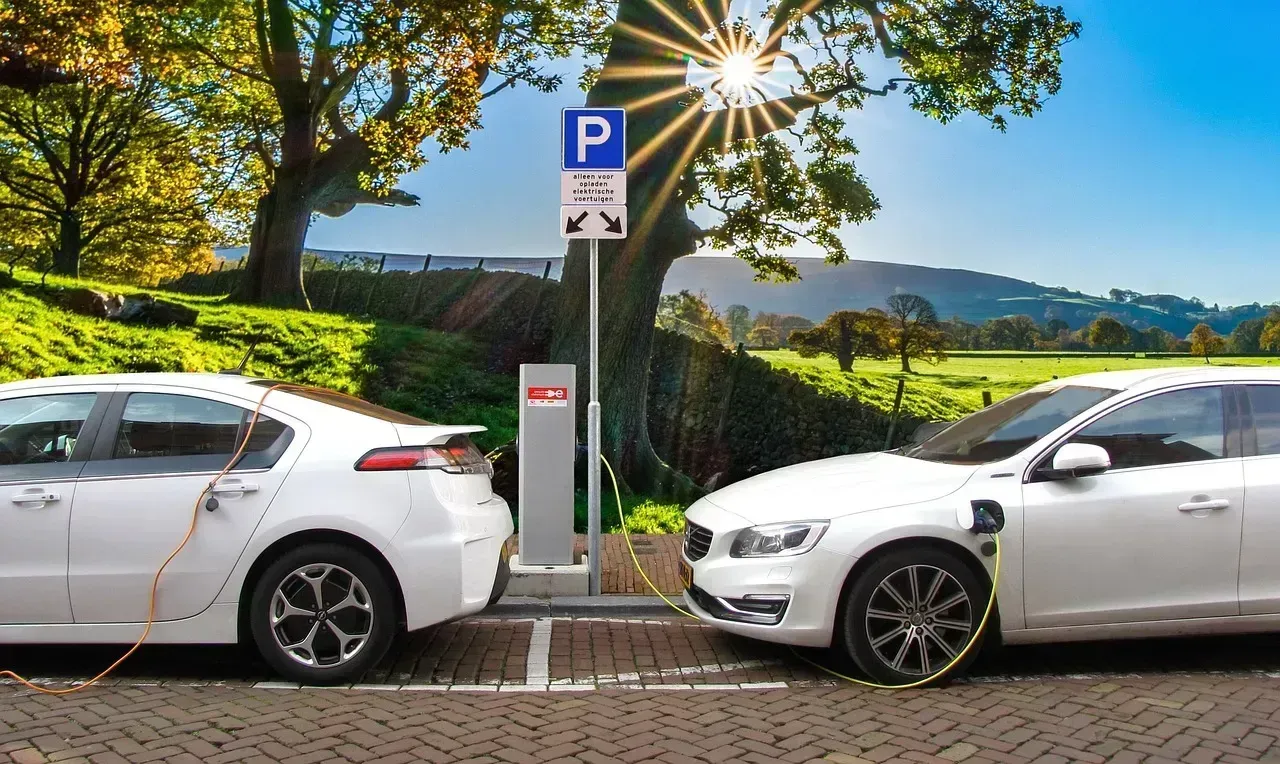
Electric vehicles get a lot of praise, and a lot of pushback. Supporters say they’re the future of clean transport. Critics say they just move the emissions from the exhaust pipe to the power plant. Who’s right? Let’s be real – it’s complicated, but the data leans clearly in one direction. Across 5,000 comparative cases, battery electric vehicles consistently have the lowest carbon footprints compared to hybrid, plug-in hybrid, and fuel-cell vehicles. Battery electric vehicles show an average 32 to 47% lower footprint than hybrid combustion vehicles in climate-compatible futures.
Driving the average EV in the US produces carbon dioxide emissions equivalent to a hypothetical 100 miles-per-gallon gasoline car. That’s an incredible figure. And things are improving. Now, 97 percent of the country lives where the average EV is better than the most efficient gasoline vehicle available. For everyone in the US, driving the most efficient EV produces less global warming emissions than any gasoline-only vehicle available.
Some studies have shown that making a typical EV can create more carbon pollution than making a gasoline car, because of the additional energy required to manufacture an EV’s battery. Still, over the lifetime of the vehicle, total greenhouse gas emissions associated with manufacturing, charging, and driving an EV are typically lower than those associated with a gasoline car. The key word there is “lifetime.” By May 2025, global EV sales reached 7.2 million, up 28% year over year.
5. Reforestation and Nature-Based Solutions: The Old-School Fix That Still Has Limits

Plant more trees. It’s the most intuitive climate solution imaginable. Forests absorb carbon. Trees are good. Simple. Except it really isn’t. The concept of “reforestation” gets thrown around in corporate sustainability reports with the sort of confidence that can mask a more complicated scientific reality. Trees are not permanent carbon vaults. They burn, they die, they release their stored carbon back into the atmosphere. I think that’s something people genuinely overlook.
The scale of nature-based solutions does have real potential. Cuts to emissions alone won’t get us to net zero by 2050, warns the IPCC – carbon capture and storage technologies, including nature-based approaches, are essential. Forests, wetlands, and healthy soils all play a role in absorbing carbon. The problem is treating them as a substitute for cutting emissions rather than a complement to it.
A plantation of fast-growing trees in a monoculture doesn’t do the same ecological work as an ancient rainforest. The carbon accounting for nature-based solutions is also notoriously tricky. If a forest planted as a carbon offset later burns down due to wildfires – increasingly likely in a warming climate – those credits evaporate too. Nature-based solutions matter enormously, but they need to be paired with real emission reductions, not used as a hall pass to keep polluting.
6. Wind Energy: Powerful, Scalable, and Still Misunderstood
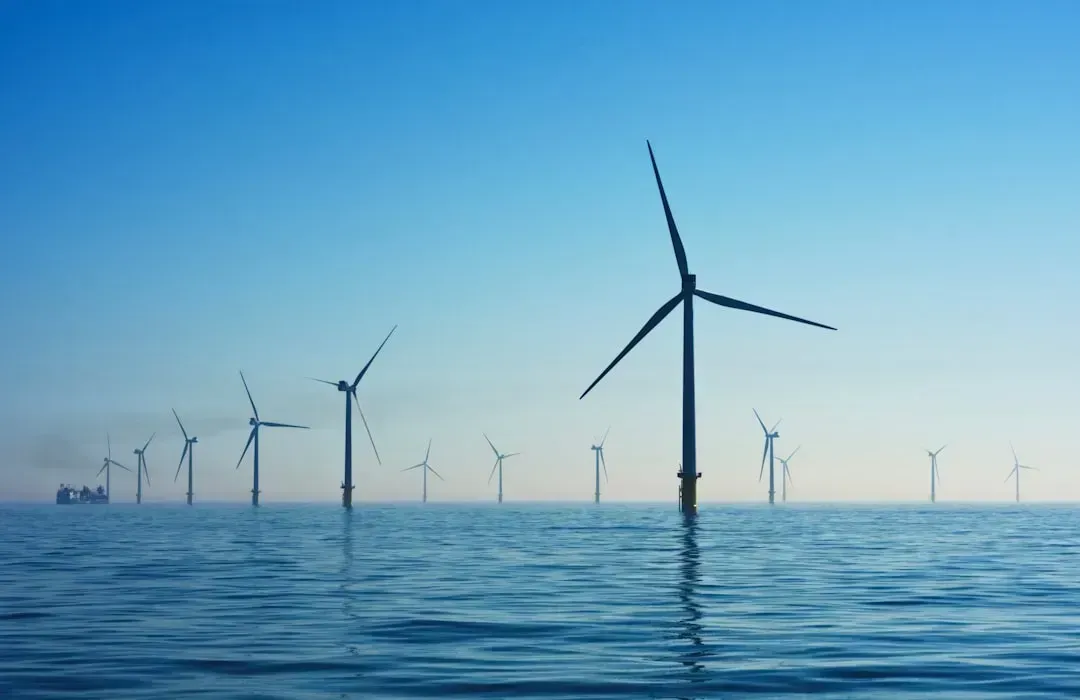
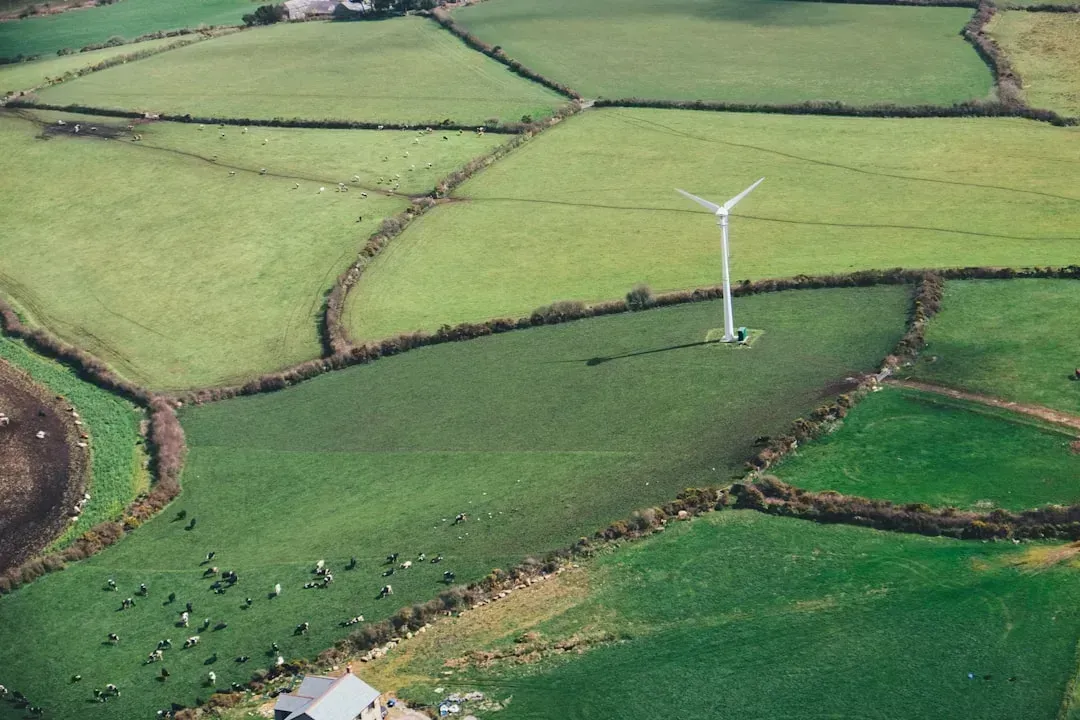
Wind energy is one of the workhorses of the clean energy transition. It doesn’t get quite as much cultural attention as solar, but it’s doing remarkable things. According to the latest EIA data, wind power, the leading source of US renewable electricity, may have supplied 7% more generation in 2024 than in 2023, and accounted for almost 11% of the country’s total electricity. That’s a meaningful contribution to a grid that’s still heavily fossil-fuel-dependent.
A common misconception is that wind turbines are hopelessly inefficient or that they ruin landscapes without delivering enough power. The numbers tell a different story. In 2024, for the first time ever, solar and wind combined to generate more than coal, which was the largest source of US generation as recently as 2015. That shift happened within roughly a decade. It’s genuinely astonishing if you stop to think about it.
Offshore wind is particularly promising because ocean winds are stronger and more consistent than land-based ones. 2024 saw the first commercial-scale offshore wind project come online in the US, serving New York from the waters east of Long Island. The intermittency challenge – the fact that the wind doesn’t always blow – remains a real engineering puzzle. But paired with growing battery storage capacity, wind is becoming a far more reliable contributor to grids around the world.
7. Nuclear Energy: The Climate Solution Nobody Can Agree On
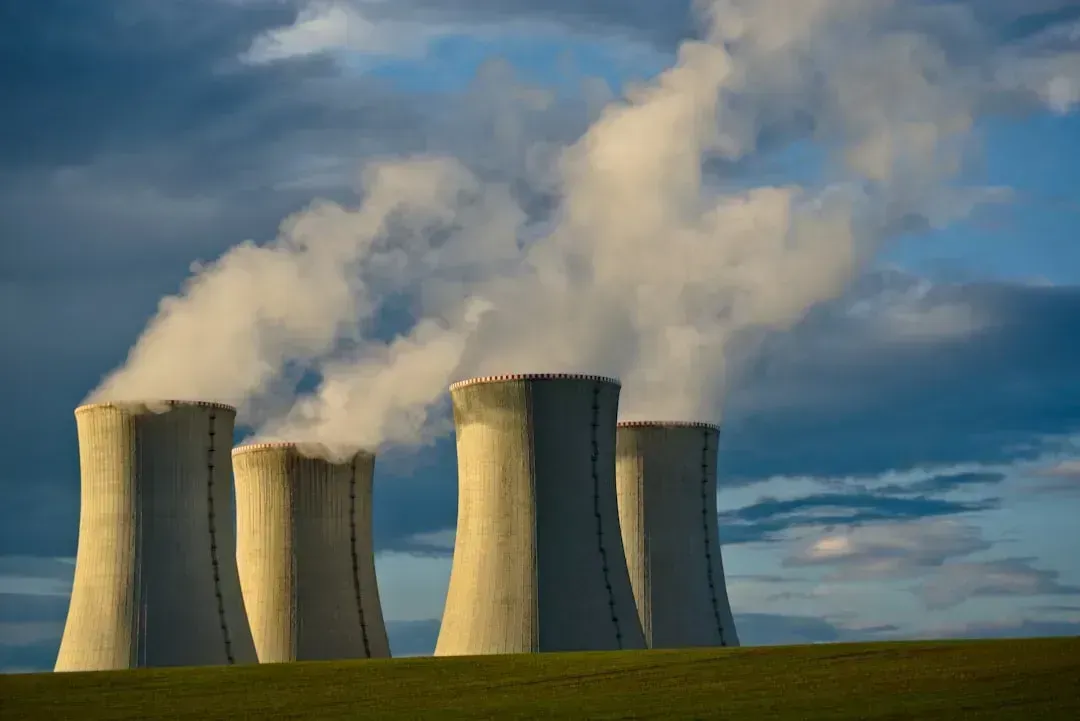
Few topics in climate circles spark as much disagreement as nuclear power. Some environmentalists love it. Others consider it anathema. The debate often generates more heat than light – which is ironic, given that nuclear power literally generates enormous amounts of low-carbon electricity. Here’s a grounding fact: nuclear energy, which does not have direct greenhouse gas emissions, has remained at approximately 18 to 20% of total annual US electricity generation since 1990. That’s a huge, stable, carbon-free contribution that often gets lost in the conversation.
The Trump Administration issued an executive order in May 2025 announcing a plan to expand US nuclear energy capacity, stating a policy to facilitate the expansion of American nuclear energy capacity from approximately 100 GW in 2024 to 400 GW by 2050. Whether that ambition translates into reality depends on regulatory timelines, costs, and public acceptance – none of which are simple.
Although nuclear energy could support climate mitigation, nuclear energy also entails specific risks not associated with other forms of energy production, including weapons proliferation, safety with respect to radiological release, and other nuclear-specific incidents. The waste storage problem, in particular, remains genuinely unsolved. Developing central storage and disposal sites for highly radioactive spent fuel from nuclear power plants has proven difficult in the United States and globally. Nuclear is powerful. It’s just not clean in every sense of the word.
8. Energy Storage and Batteries: The Invisible Backbone of the Clean Energy Transition

You can build as many solar panels and wind turbines as you like. Without storage, you still have a problem. The sun sets. The wind stops. Energy doesn’t. This is one of the least-discussed but most critical pieces of the climate puzzle. Battery storage is what turns intermittent renewable energy into a reliable power source. Think of it like a massive, grid-scale version of charging your phone – except the phone is a city.
Progress here has been extraordinary. The 23.6 gigawatts of battery capacity in the US as of October 2024 was 23 times more than the US had installed by the beginning of 2020. Storage represented 20% of the new US electrical capacity installed in the first three quarters of 2024, up from 14% in 2023. That’s a remarkable acceleration.
Solar accounted for 54% of all new electricity-generating capacity added to the US grid in 2025, and combined solar and storage made up 79% of new capacity. The pairing of solar and storage is becoming the dominant model for new power generation. Battery costs have also collapsed dramatically. The cost of solar battery storage has fallen by 72% since 2015. That’s the kind of price curve that changes entire industries.
9. Carbon Pricing and Carbon Markets: The Economic Tool Nobody Fully Trusts
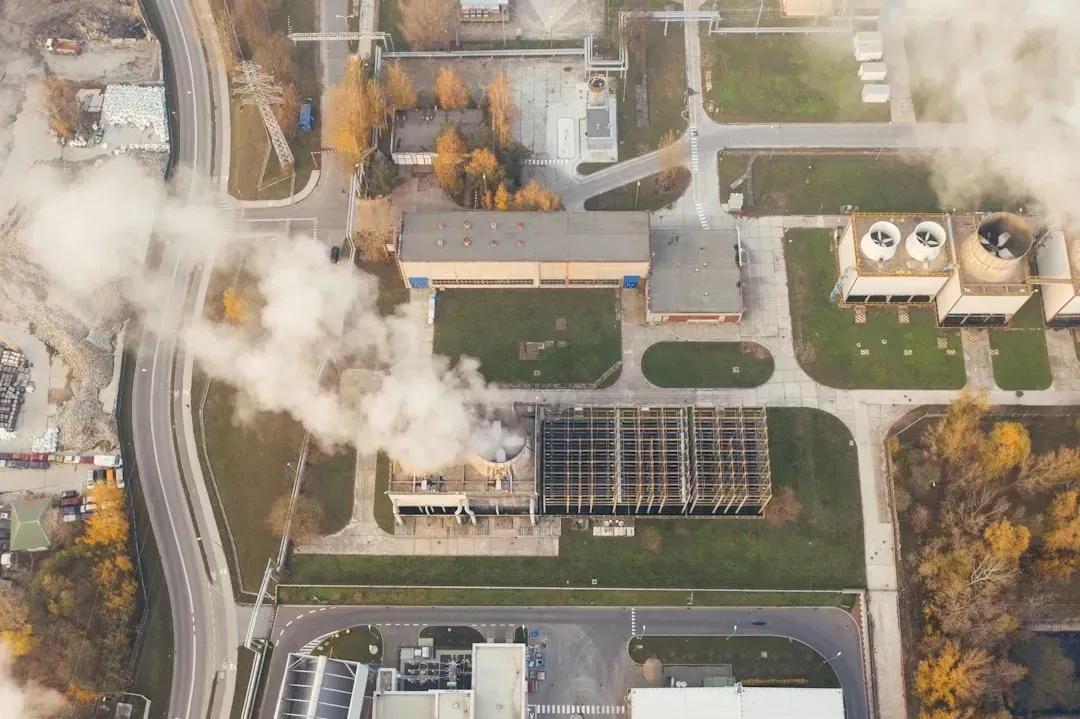
Carbon pricing is an economist’s dream solution and a politician’s nightmare. The idea is elegant: put a price on carbon emissions and let the market figure out the cheapest ways to reduce them. Companies that cut emissions faster than required can sell their surplus credits to those who struggle. Simple in theory. Chaotic in practice.
The scale of investment flowing through climate-related financial mechanisms is enormous. Between 2022 and 2023, climate finance from the private sector rose from roughly $870 billion to a record high of $1.3 trillion, and early estimates for 2024 suggest continued momentum. Individual consumers, businesses and institutional investors, particularly in China and western Europe, drove much of these recent gains. Although still off track to reach at least $3.1 trillion by 2030, this jump invites optimism.
Carbon markets, however, have been plagued by credibility crises. Reports of over-reported offsets, junk credits, and projects that don’t deliver real reductions have damaged trust. Perhaps most concerning are revelations about Norway’s pioneering Sleipner carbon project. Long considered a CCS success story, investigations revealed the facility had been over-reporting captured CO2 by 28% due to defective monitoring equipment. Carbon pricing works – but only when the accounting is honest and the enforcement is real.
10. Changing Diets and Food Systems: The Climate Solution People Take Most Personally

Tell someone to give up their car and they might grumble. Tell them to give up their steak and you’ve started a fight. Yet the food system is one of the largest contributors to global greenhouse gas emissions – and changing what we eat is one of the most impactful individual actions available. It’s also one of the most politically and culturally charged. That’s probably why it’s simultaneously over-discussed and under-acted upon.
The livestock sector alone contributes significantly to global methane and nitrous oxide emissions, gases that are far more potent than CO2 over shorter timescales. Reducing meat consumption – especially beef – cuts not just direct emissions but also land use and deforestation pressures. Global efforts to reduce greenhouse gas emissions and enhance carbon removals are failing to materialize at the pace and scale needed to keep the Paris Agreement’s temperature goal within reach. Food system transformation is one of the areas lagging most behind.
The encouraging part? Since 2015, solar and wind’s share of electricity generation has more than tripled. The ratio of clean energy finance to fossil fuel finance has more than doubled, with investments in clean energy supply surpassing those in fossil fuels for the second consecutive year in 2024. That same transformative momentum needs to reach food systems. Technologies that were no more than ideas or small-scale pilot projects when countries adopted the Paris Agreement, such as green hydrogen and direct air capture, are now being deployed around the world. Plant-based proteins and alternative food systems are following a similar trajectory – slowly, then all at once.
Conclusion: Understanding the Solutions Is the First Step to Demanding Them

Climate solutions are not simple. They rarely work exactly the way the headline says. CCS is promising but still tiny relative to what’s needed. EVs are genuinely cleaner, but only as clean as the grid that charges them. Green hydrogen could transform heavy industry, but costs still need to fall dramatically. Solar is booming and still not fast enough.
That nuance isn’t a reason for despair. It’s a reason for clear thinking. When we understand how these solutions actually work – their strengths, their limits, their costs, and their timelines – we’re far better equipped to demand real progress rather than settle for reassuring language. The tools exist. The knowledge is available. What’s needed now is the clarity to use them wisely.
So ask yourself honestly: before reading this, which of these ten did you truly understand? And now – which one surprised you most?
