

There’s a particular kind of muscle memory that comes from growing up in a house without central air. You learn to read a room’s temperature the way sailors read the sky, adjusting before you even realize you’re doing it. Decades later, long after central air became standard in most American homes, those old habits still show up in strange little ways.
Some of these behaviors look eccentric to younger generations who’ve never known a summer without a thermostat set to 72. But to the people who lived through it, they’re just common sense, quiet survival skills passed down without a single lesson ever being taught.
1. Closing the blinds before the sun even gets high
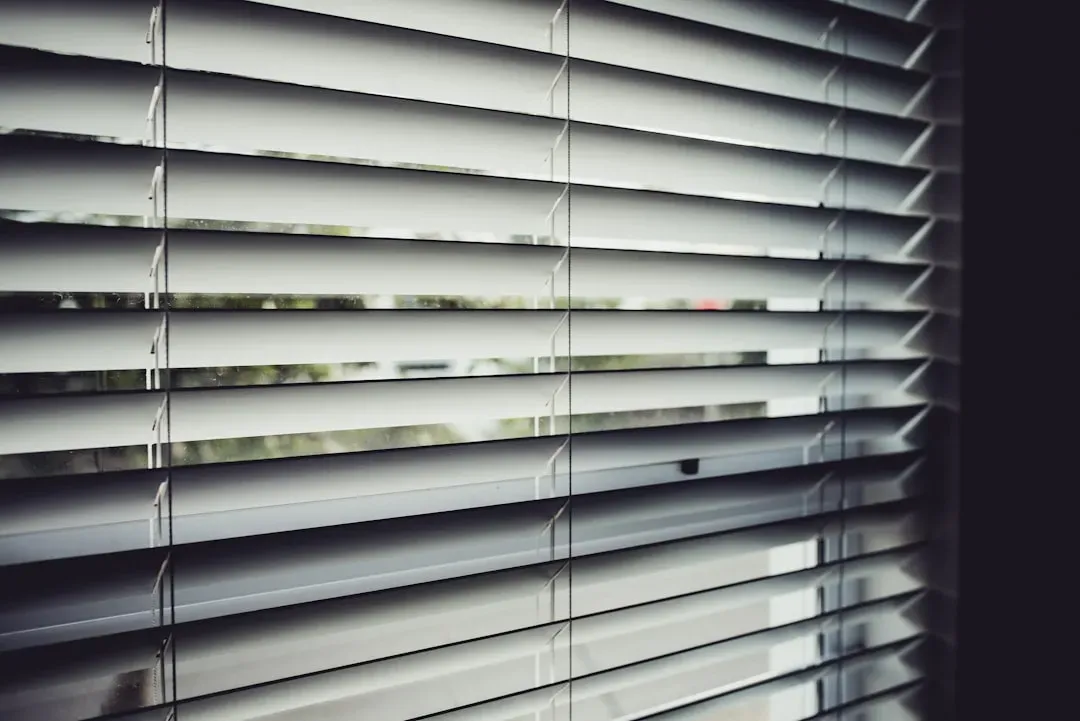
Anyone who grew up without AC learned early that sunlight streaming through a window in July is basically a slow-cooking method for a living room. Closing curtains or blinds first thing in the morning, before the heat builds, becomes an automatic reflex rather than a conscious decision. It’s a habit rooted in basic physics: blocking direct sunlight can noticeably reduce indoor heat gain, which is part of why the Department of Energy still recommends window coverings as a simple way to manage indoor temperature.
Even in homes with modern climate control, that same person will instinctively shut the blinds on a bright afternoon. It doesn’t matter that the thermostat is doing the real work now. The habit was baked in long before the technology caught up, and it never really goes away.
2. Sleeping with a fan even when it’s not hot
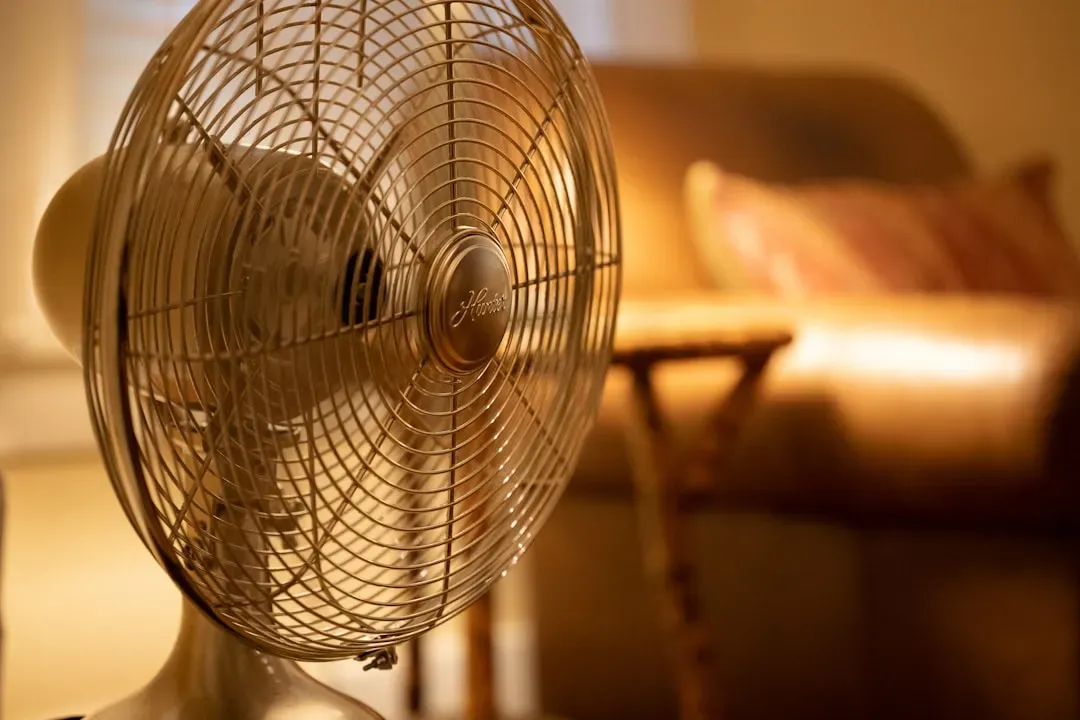
For a lot of people who grew up sweating through summer nights, a fan wasn’t just about temperature. It was about the white noise, the movement of air, the feeling that something was actively working against the stillness of a hot room. That association runs deep enough that many still sleep with a fan running in winter, in air-conditioned homes, in hotel rooms with perfectly regulated temperatures.
It’s less about need now and more about comfort tied to memory. The hum becomes a signal to the brain that it’s time to wind down, regardless of what the thermometer says. Sleep researchers have noted that consistent background noise can help some people fall asleep faster, which may explain why the habit stuck around long after the practical reason faded.
3. Knowing exactly which rooms stay cooler without checking

Growing up without AC turns a house into a personal map of temperature zones. North-facing rooms, rooms with fewer windows, rooms near tile floors instead of carpet, these become known quantities without anyone needing to explain why. That knowledge doesn’t disappear once central air arrives; it just becomes trivia nobody asked for.
This tracks with basic building science, since orientation, insulation, and flooring materials all affect how a room retains or sheds heat. People who lived through un-air-conditioned summers often still gravitate toward the “cool room” in any new house, even when it’s genuinely unnecessary. It’s less a strategy and more of an old reflex that never got retired.
4. Timing errands and chores around the heat of the day

There’s a very specific window many people learned to respect: get things done early, or wait until evening, because midday is when the heat becomes unbearable. Mowing the lawn, walking to the store, hanging laundry outside, these all got scheduled around the sun’s position rather than a calendar. That scheduling instinct doesn’t vanish just because a car has air conditioning now.
Public health guidance still backs up the wisdom in this habit. The CDC continues to recommend limiting outdoor activity during peak afternoon heat as part of basic heat-safety advice, especially as heat-related illnesses have been trending upward in recent summers. People who grew up without AC were essentially practicing this advice decades before it became official guidance.
5. Drinking water constantly, almost as a reflex

When there’s no mechanical way to cool a house down, staying hydrated becomes the default coping mechanism. Many people who grew up this way developed a habit of keeping water nearby at all times, sipping frequently without really thinking about it. That behavior often continues well into adulthood, even in perfectly climate-controlled offices.
It’s a habit that happens to align with modern health advice, since adequate hydration supports temperature regulation and general well-being regardless of the season. The instinct to reach for water isn’t really about being thirsty anymore. It’s closer to a comfort ritual formed under very different circumstances.
6. Instinctively knowing how to cross-ventilate a room
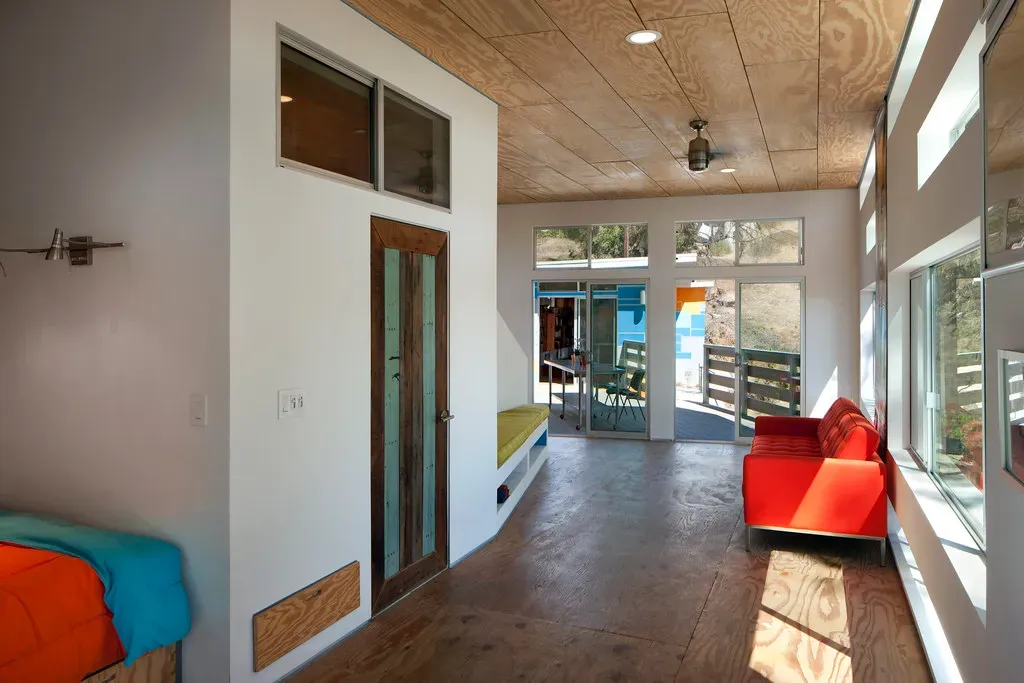
Opening one window isn’t enough, and everyone who grew up without AC knows it. The real trick is opening windows on opposite sides of a house or room to create airflow, sometimes with a fan positioned just right to pull cooler air through. This kind of passive cooling knowledge tends to stick permanently, resurfacing automatically the moment a room feels stuffy.
Even now, with central air readily available, plenty of these same people will still crack windows on a mild evening rather than reach for the thermostat. It’s partly habit, partly a genuine preference for real airflow over recycled air. Either way, the instinct to think in terms of “where does the breeze go” rarely disappears.
7. Feeling guilty about running the AC too much
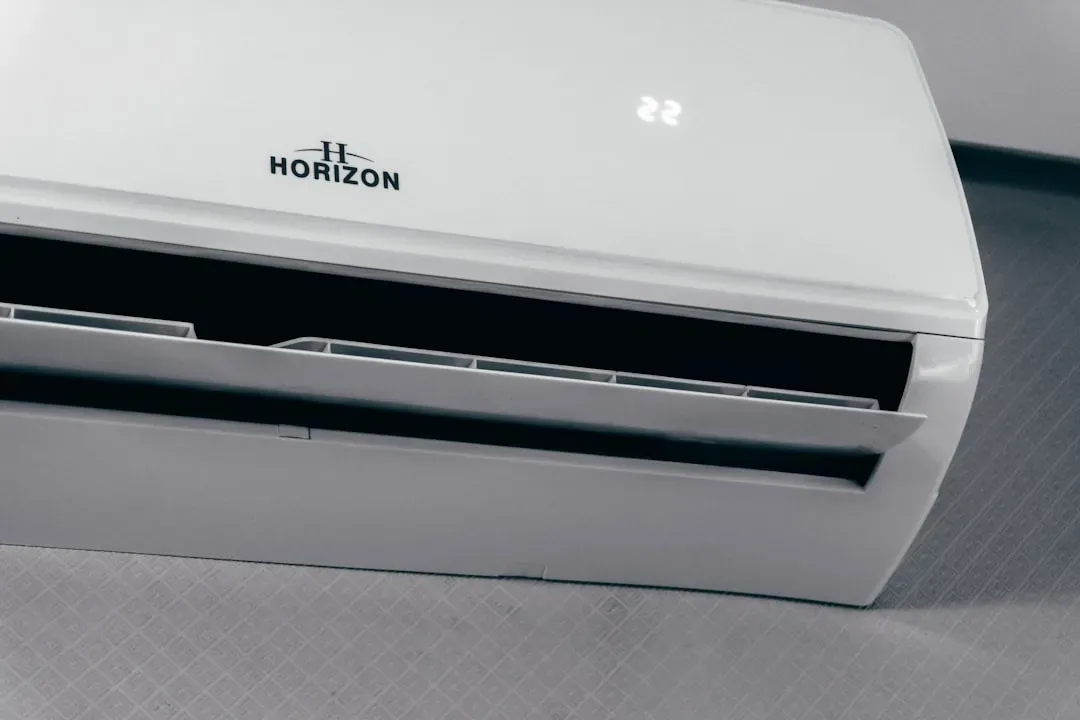
For people raised in homes without air conditioning, or in homes where it was used sparingly to save money, there’s often a lingering discomfort around leaving it running for long stretches. Turning it off “just to save a little” becomes second nature, even when the household budget no longer requires that kind of caution. This isn’t really about current finances; it’s leftover conditioning from a childhood where electricity bills were treated with real seriousness during heat waves.
Energy costs have remained a genuine concern for many households, and average residential electricity prices have continued climbing across recent years according to U.S. Energy Information Administration data. Still, for people with this background, the guilt shows up regardless of income level. It’s less a financial calculation now and more an old emotional reflex tied to growing up watching adults worry about the meter.
8. Taking cool showers to reset instead of relying on AC

Long before central air was common, a cool shower was often the fastest, cheapest way to bring body temperature down on an unbearable day. That habit tends to outlive the circumstances that created it. Many people still take a quick cool rinse in the middle of a hot afternoon purely out of habit, even with a perfectly functional air conditioner humming in the next room.
There’s actual physiological reasoning behind why this works so well, since cooling the skin’s surface can lower perceived body temperature relatively quickly. It’s a simple, low-effort trick that doesn’t require flipping a switch or adjusting a thermostat. For people raised without AC, it often still feels like the more “real” solution.
9. Sleeping on top of the sheets instead of under them

In houses without air conditioning, summer nights often meant ditching blankets altogether and sleeping directly on top of the sheets, sometimes even on bare mattresses covered by just a thin cotton sheet. This became such an ingrained pattern that many people still do it automatically once temperatures rise, regardless of how cool their bedroom actually is. The body seems to remember the habit even after the environment that created it disappears.
It’s a small, almost invisible behavior, but incredibly common among people with this background. Bedding companies have even leaned into this preference in recent years, marketing lighter, more breathable summer sheet sets specifically for people who still gravitate toward minimal bedding regardless of climate control. The habit outlived the necessity, but the comfort stuck around.
10. Judging outdoor heat by humidity, not just temperature

People who grew up without AC often developed a very intuitive sense of the difference between “hot” and “humid hot,” long before ever hearing the term heat index. They learned to read the air itself, the stickiness, the way sweat refused to evaporate, as its own separate warning system apart from whatever the thermometer said. That instinct doesn’t fade, even decades later in climate-controlled comfort.
This lived experience actually aligns with how meteorologists communicate heat risk today. The National Weather Service continues to emphasize heat index values, which combine temperature and humidity, precisely because humidity affects how heat actually feels and impacts the body. People with this background were essentially calculating a rough heat index in their heads long before it became standard weather reporting.
11. Seeking out basements, cellars, or tile floors instinctively

Without mechanical cooling, people learned to use a house’s natural architecture to their advantage. Basements, cellars, and rooms with tile or stone flooring stay noticeably cooler because of their materials and lower position relative to rising heat, and people who grew up without AC gravitated toward these spaces automatically during the hottest parts of the day. It wasn’t taught so much as absorbed through repeated experience.
That same instinct often persists well into adulthood, showing up as an unexplained preference for finished basements, cool tile kitchens, or below-grade home offices. It’s a subtle nod to old survival habits, even when the rest of the house is perfectly climate controlled. The body remembers what the mind has mostly forgotten it ever needed.
These small, almost unconscious behaviors reveal just how deeply early environments shape lifelong habits. Long after air conditioning became the norm, the instincts formed in its absence remain quietly present, showing up in unexpected corners of everyday life.

- Should You Rinse Recyclables Before Binning Them? What Recycling Programs Advise - October 16, 2026
- The Largest Camera Ever Built for Astronomy: How Rubin Observatory Will Map the Sky - October 16, 2026
- How Much Energy a Hurricane Releases Compared With Global Electricity Use - October 16, 2026
