

1. Upgrade to a FORTIFIED or impact-rated roof
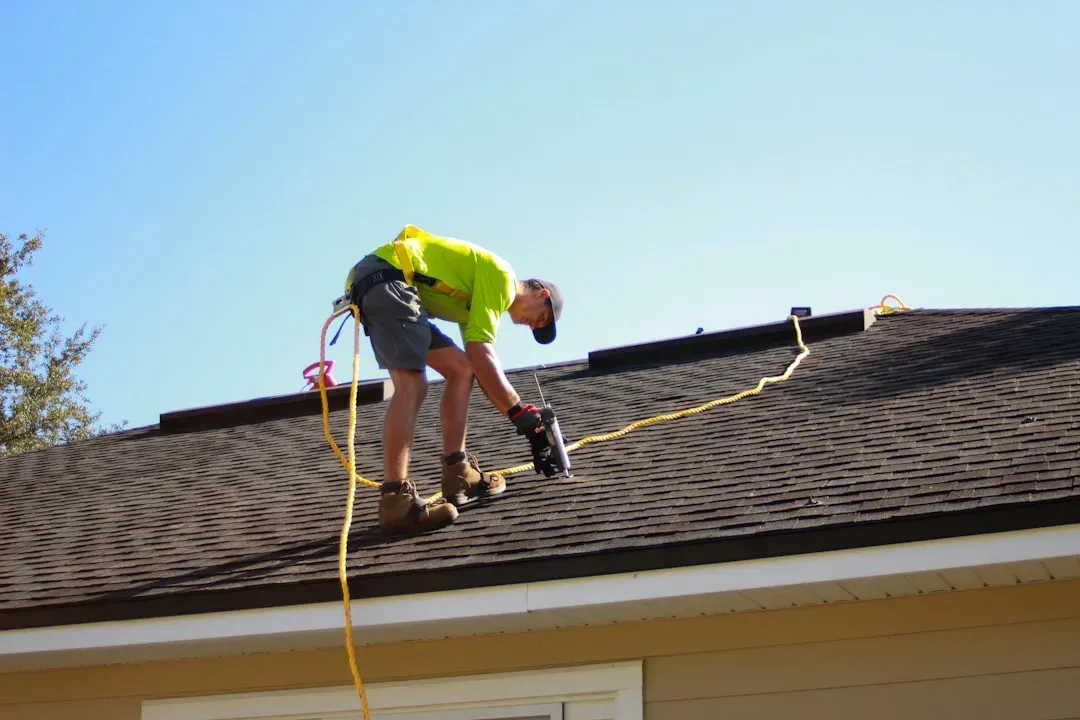
The roof is usually the first thing to fail in a bad storm, which is why states have started building entire grant programs around it. Several states now offer homeowners grants of up to grants of up to $10,000 to upgrade their roofs to IBHS standards to better withstand wind and hail damage through programs modeled on the FORTIFIED construction standard. Minnesota’s version projects that upgrading to the FORTIFIED Roof standard can reduce wind and hail damage by up to 60% and qualify homeowners for insurance premium discounts, which is a meaningful number when hail season keeps getting more expensive.
The FORTIFIED system itself comes in tiers, and the top level asks for more than shingles. According to the National Association of Home Builders, the FORTIFIED program offers three levels, Roof, Silver, and Gold, the latter requiring an engineered, continuous load path from the roof to the walls to the foundation, as well as story-to-story connections, pressure-rated fenestration, and stronger exterior sheathing. For homeowners not ready for a full rebuild, impact-rated shingles alone still make a difference, and pricing has become more transparent as demand has grown.
2. Install impact-resistant windows or storm shutters

Windows are a weak point in almost every storm scenario, letting wind and water inside once they fail. Researchers studying Florida’s insurer of last resort actually built a long-term dataset around this exact issue, tracking roof-to-wall attachments, roof covering materials, roof deck attachments, secondary water resistance, and opening protection such as hurricane shutters or impact windows across millions of policies. That kind of scale gives real weight to the idea that hardened openings matter just as much as a hardened roof.
Shutters remain the cheaper option, while impact glass adds a layer of everyday security and noise reduction on top of storm protection. Either choice reduces the odds of a blown-out window turning a manageable storm into a full interior disaster. In coastal and hurricane-prone regions, this upgrade has increasingly become less optional and more of an expectation from insurers themselves.
3. Harden the home against wildfire with fire-resistant materials

Wildfire hardening looks different from wind hardening, but it follows the same basic logic: remove the weak points before disaster tests them. A recent cost analysis found that building a fire-resistant, wildfire-hardened house adds about 3 to 10 percent to a standard build in 2026, roughly $12,000 to $40,000 on a $400,000 home, with most of that spending going toward swapping out combustible materials. Retrofitting an existing home follows a similar pattern, with typical costs landing around $15,000 depending on the scope of work.
The priority areas are consistent across studies: the roof, exterior walls, vents, and the ground immediately surrounding the structure. One detailed breakdown put approximately $5,860 for roof modifications and around $12,190 for exterior wall upgrades, with landscaping changes adding a smaller but still important cost on top. In wildland-urban interface zones, these upgrades are increasingly not optional at all, since in designated Wildland-Urban Interface zones much of this is already mandated, for example California Chapter 7A.
4. Create defensible space and clear flammable debris
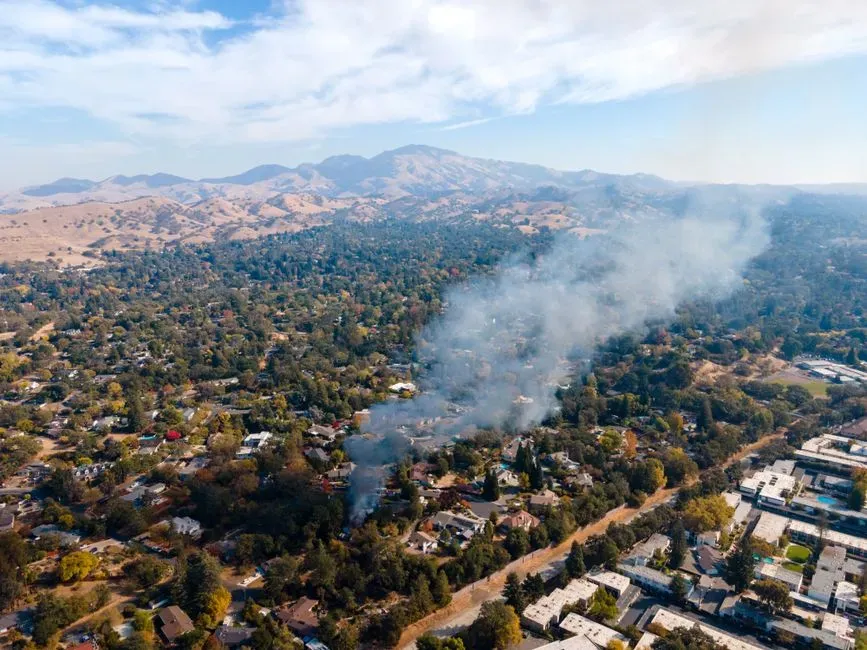
Not every wildfire upgrade involves construction. Clearing brush, trimming trees, and keeping gutters free of dry leaves costs little but can change how a fire behaves near a structure. As one fire-protection cost breakdown notes, creating a noncombustible zone of at least 5 feet around homes through landscaping modifications costs around $2,570, yet is essential for lowering fire risk.
This kind of maintenance also overlaps with general storm readiness, since clean gutters and trimmed trees reduce water damage risk too. Homeowner resilience surveys have picked up on this pattern directly, noting that simple efforts like sealing gaps, maintaining gutters and trimming trees also reduce damage risk and may qualify for insurance discounts. It is one of the rare upgrades that is nearly free and still shows up in underwriting conversations.
5. Add flood mitigation features for water-prone properties
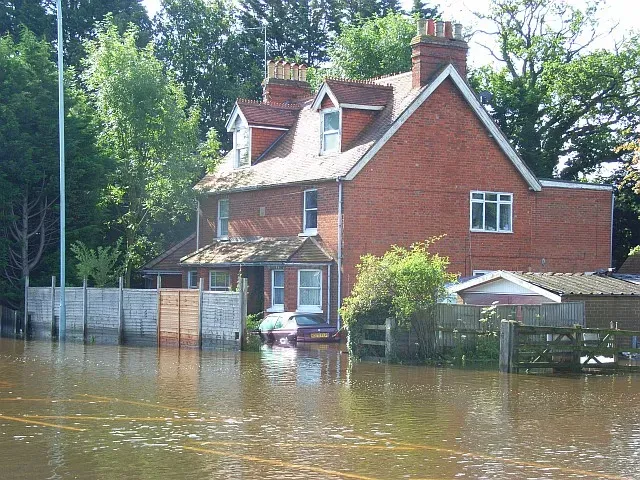
Flooding remains one of the most common and costly forms of property damage in the country, and mitigation options have expanded alongside the risk. Federal flood insurance guidance points homeowners toward specific structural changes, and program materials confirm that home flood protection measures have been associated with eligibility for adjustments in certain programs. The catch is that outcomes vary quite a bit by property and insurer.
That variability is worth taking seriously rather than glossing over. As one detailed review of flood-related savings put it, eligibility and the scale of any changes vary by insurer, property details, and specific improvements completed. Elevating utilities, adding sump pumps, or regrading a yard to redirect water away from the foundation are common starting points, but a homeowner’s specific flood zone and claims history will shape how much any of it actually helps on the insurance side.
6. Reinforce roof-to-wall connections and overall structural attachment
6. Reinforce roof-to-wall connections and overall structural attachment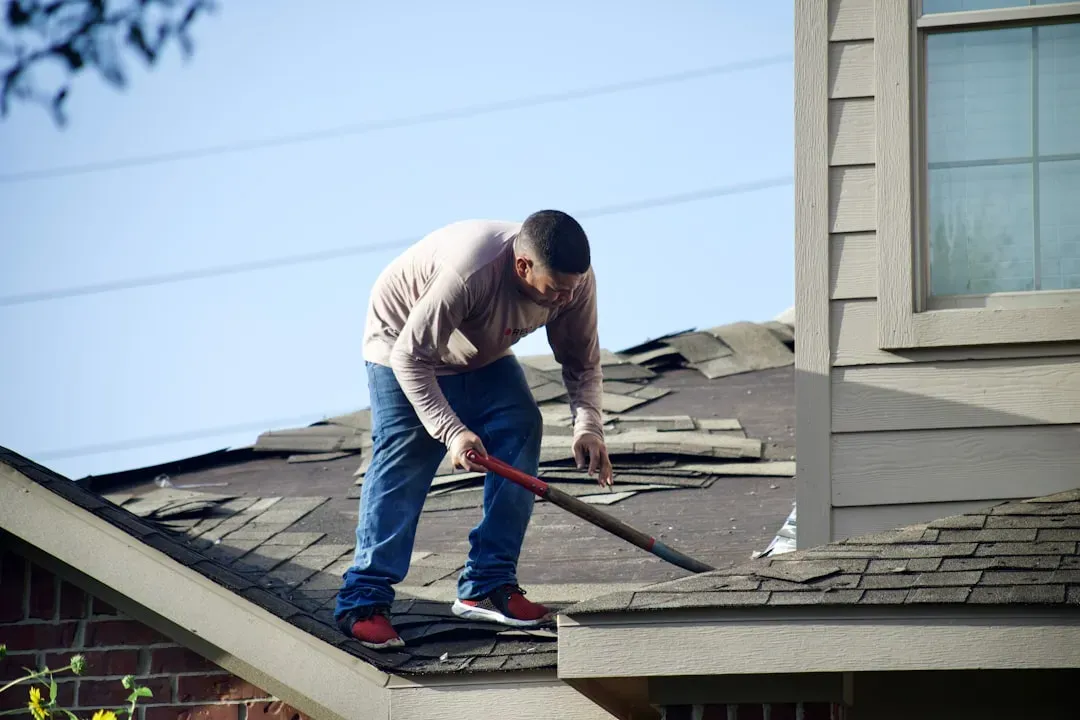
Beyond the roof surface itself, the way a roof is physically attached to the walls, and the walls to the foundation, determines whether a home survives extreme wind intact. This is the least visible upgrade on this list, since it happens inside the structure rather than on its surface, but researchers treat it as one of the most consequential. The Florida-based study mentioned earlier tracked this category specifically, since roof-to-wall attachments are one of the five resilience categories shown to meaningfully affect storm outcomes.
This kind of retrofit usually happens during a larger renovation or reroofing project, since accessing the connection points without one is difficult and costly. Programs built around the FORTIFIED Gold standard require it as a baseline, not an add-on, precisely because a strong roof surface does little good if the whole assembly can still separate from the frame in high wind. It is a less glamorous upgrade than new windows or a new roof, but it is often the difference between a damaged home and a destroyed one.
Taken together, these upgrades reflect a broader shift in how homeowners and insurers are thinking about risk. Grants, discounts, and state-backed programs have made some of this work more affordable than it used to be, though availability still depends heavily on location and program funding. None of these changes eliminate risk entirely, but each one shifts the odds a little further in the homeowner’s favor.
- Should You Rinse Recyclables Before Binning Them? What Recycling Programs Advise - October 16, 2026
- The Largest Camera Ever Built for Astronomy: How Rubin Observatory Will Map the Sky - October 16, 2026
- How Much Energy a Hurricane Releases Compared With Global Electricity Use - October 16, 2026
