

1. Louisiana

Louisiana sits at the top of nearly every flood risk ranking in the country, and the numbers back that up. Louisiana has the highest projected increase in average annual losses, at 147% by 2050 from 2020 levels. That trajectory, paired with chronic coastal erosion, makes the state a focal point for climate-driven devaluation.
Insurance costs are already reflecting that risk. Homeowners in Louisiana should brace for an increase of 27% in premiums, according to one 2025 industry study, a steeper jump than almost anywhere else in the nation. Compounding matters, fewer than 23% of homeowners carry flood insurance in the state, leaving a large share of property owners financially exposed when the next major storm hits.
2. Florida
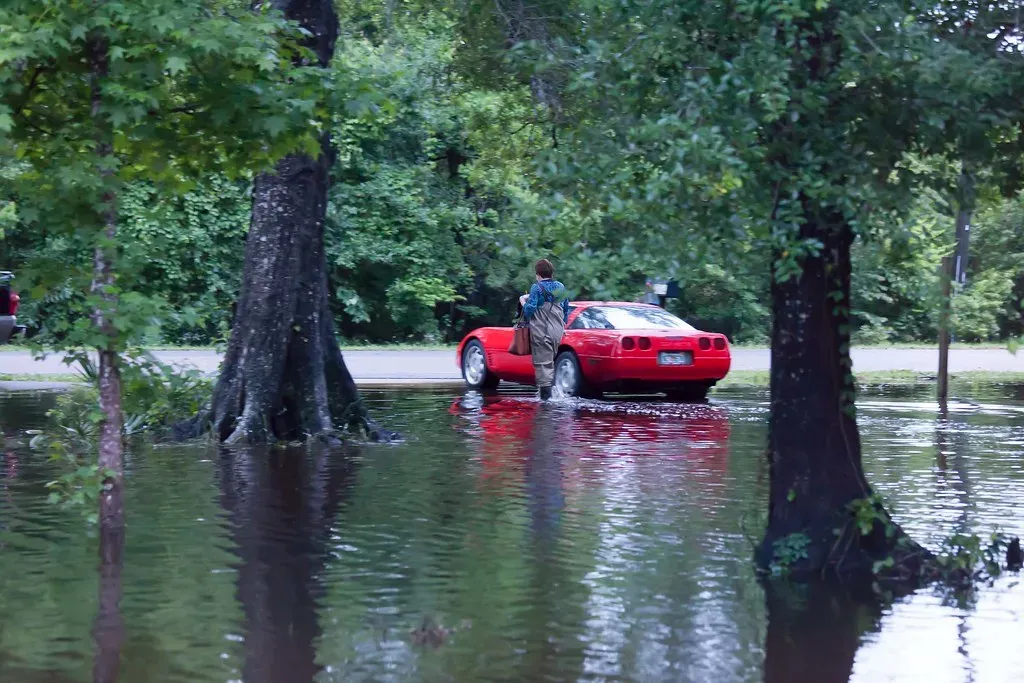
Florida’s problem is geography. Nearly the entire state sits at low elevation, and a low-lying peninsula in a high-risk hurricane area, most of Florida is at risk of floods. The financial exposure is already staggering, with the state’s flood claim history running into the billions.
Insurance economics are making the risk visible in ways homeowners cannot ignore. Florida’s average annual losses in 2020 were the highest in the nation at $4.3 billion, which is expected to increase to $7.5 billion by 2050. Meanwhile Florida has the biggest flood insurance protection gap and the highest flood insurance claim cost in the U.S., even with less than 15% of homes carrying NFIP flood policies, a combination that leaves both individual owners and the broader market vulnerable to sudden price corrections after major storms.
3. Texas
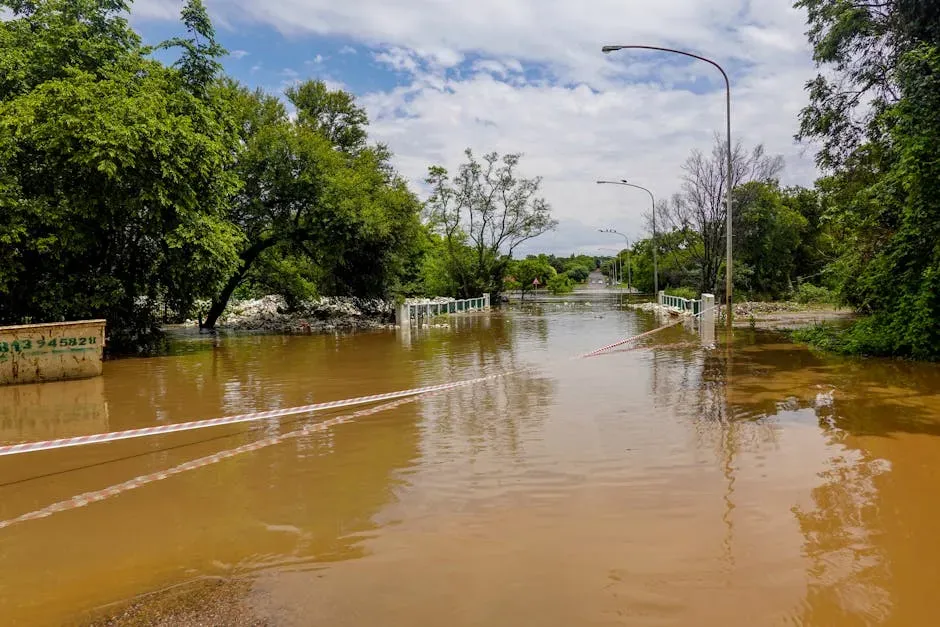
Texas combines two distinct threats: hurricane-driven flooding along the Gulf Coast and inland flash flooding that often catches homeowners without adequate coverage. Texas faces a projected average annual loss increase of 46.6% and had the highest rate of flood losses outside Special Flood Hazard Areas in 2020, with 56% of flood losses occurring in areas not officially designated high-risk. That last detail matters enormously, since it means many Texas homeowners assume they are safe when they are not.
The insurance gap compounds the problem. Only 6% of single-family homes in Texas had flood insurance in 2026, per FEMA data, an alarmingly thin safety net for a state this large and this exposed. First Street’s national modeling separately flagged Texas as one of the states projected to experience the steepest increases in insurance premiums by 2055, a trend that tends to precede softer home values in the areas most affected.
4. California
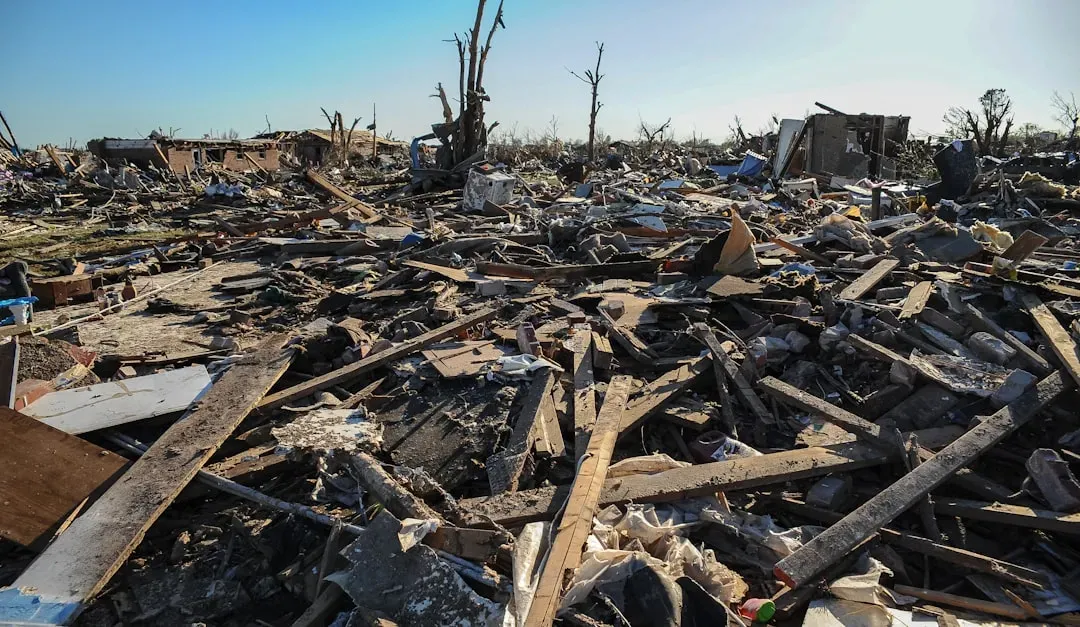
Wildfire has become California’s defining property risk, and the financial exposure is enormous. In California, $628 billion worth of homes are facing high fire risk, according to Redfin data, a figure that dwarfs comparable exposure in most other states. The effect on prices is measurable rather than theoretical.
Research has already quantified the drag on values. In California, Oregon and Washington state, wildfire risk has lopped 3.9 percent off home prices, based on peer-reviewed analysis cited by the Washington Post. Insurance market instability adds another layer of pressure, since several major carriers have scaled back or exited high-risk areas of the state entirely, a pattern researchers have pointed to as a warning sign of deeper structural problems ahead.
5. North Carolina
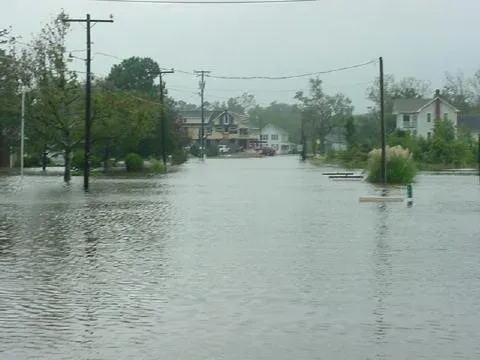
North Carolina’s exposure is broader than many homeowners realize, stretching well beyond the immediate coastline. A national study projects that more than two-thirds of counties in the state could see home values drop in the coming decades due to rising insurance costs and increased exposure to flooding, storms and wildfires. That is a striking figure for a state not always associated with severe climate risk in the public imagination.
The pattern lines up with national trends in flood claims. North Carolina ranks among the states where the NFIP paid the most in flood insurance claims from 2020 to 2025. As premiums climb alongside that claims history, buyers in the state’s flood-prone river basins and coastal counties are increasingly factoring long-term affordability into their purchase decisions, a shift that tends to soften price growth over time.
6. South Carolina
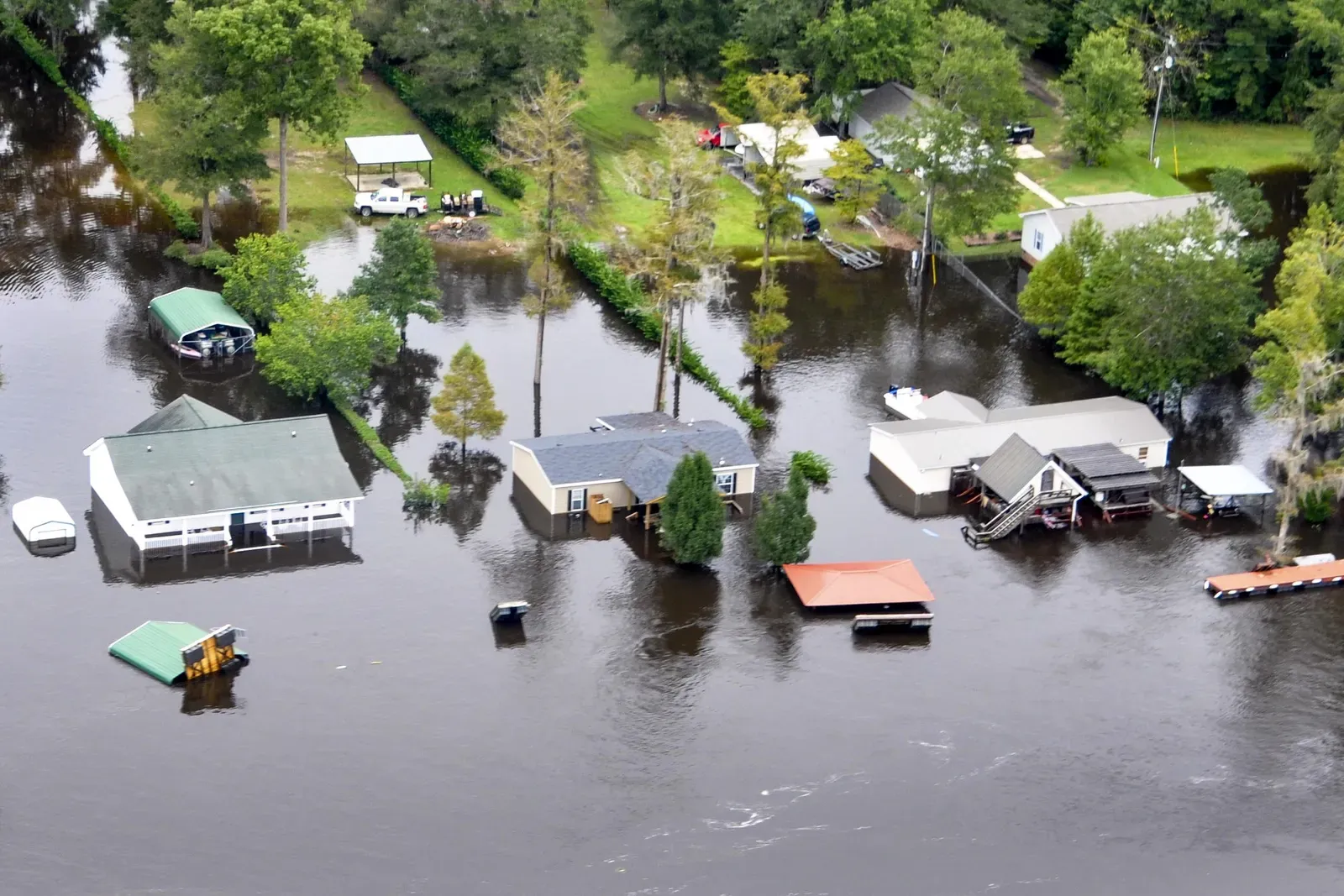
South Carolina’s coastline faces some of the fastest-rising flood costs in the country, trailing only Louisiana in projected growth. South Carolina’s projected average annual loss increase stands at 58.4%, a figure that places it firmly among the states facing the steepest cost trajectories through 2050. Low-lying barrier islands and marsh-adjacent development leave much of the coastal real estate market particularly sensitive to these shifts.
Insurance uptake has not kept pace with the rising danger. In South Carolina, fewer than 7% of homes have flood insurance, according to FEMA data. That gap between real risk and actual coverage means many owners are financially unprepared, a dynamic that historically precedes sharper price corrections once claims start piling up after a major storm season.
7. New Jersey

New Jersey rounds out the list largely because of its dense coastal development combined with rising sea levels and increasingly intense nor’easters. New Jersey ranks among the states most at risk for flooding, based on NFIP claims paid between 2020 and 2025. Unlike sparsely populated coastal stretches elsewhere, New Jersey’s shore towns carry extremely high property values per square mile, meaning even modest percentage declines translate into substantial dollar losses.
The state’s older housing stock adds another wrinkle, since many homes were built before modern flood elevation standards existed. As insurers reassess risk street by street rather than by broad zone, some New Jersey coastal neighborhoods are already seeing wider gaps between listing prices and final sale prices, a quiet signal that the market is beginning to price in long-term climate exposure rather than just short-term storm memory. None of this means these seven states are destined for a housing collapse. Markets in Miami, Houston, and coastal California have shown they can keep growing even amid mounting climate pressure, partly because demand for sunshine and lifestyle often outweighs risk calculations in the short run. What the research consistently shows, though, is a slow divergence: properties in the highest-risk pockets of these states are increasingly likely to appreciate more slowly, or even lose value outright, while safer inland and elevated areas within the same states continue to gain. For homeowners and buyers alike, the practical takeaway is straightforward. Checking a property’s flood zone, fire risk score, and insurance history is no longer an optional step in a real estate transaction. It is becoming as routine as checking the roof or the foundation, because by 2045, weather exposure may matter just as much to a home’s value as its square footage.

- Flood and Cyclone Warnings: What Makes an Early Warning System Effective - October 14, 2026
- Saharan Dust Over Europe: What It Means for Air Quality and Sunsets - October 14, 2026
- Climate Normals: The 30-Year Averages Behind Every “Above Average” Forecast - October 14, 2026
