
Something unsettling is happening across the United States. People are quietly packing up their homes, leaving behind neighborhoods they have lived in for decades, not because of economic downturns or political shifts, but because the ground beneath them is flooding, the air is scorching, or the fire season never really ends anymore.
Roughly 3.2 million Americans have already migrated out of flood zones, and researchers now estimate that tens of millions more may ultimately move away from extreme heat, drought, storms, and wildfires. The term “climate ghost city” sounds dramatic. Honestly, it is. Let’s dive in.
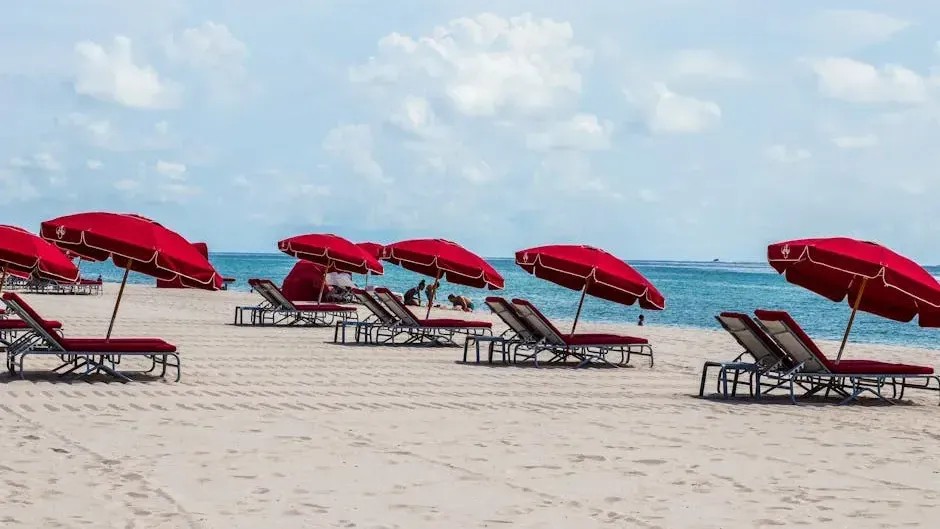
Miami, Florida: Where Paradise Meets Rising Seas

Miami-Dade County, where over one third of all homes face high flood risk, saw a staggering 67,418 more people move out than move in during the most recent tracking period, making it the largest net outflow among the 310 high-flood-risk counties analyzed by Redfin. That is not a rounding error. That is a mass departure hiding behind a postcard.
As a result of its low elevation and extensive coastline, Miami is highly vulnerable to sea-level rise, hurricanes, and coastal erosion. The city has responded by appointing a Chief Heat Officer, but the deeper structural problem remains. Repeated economic blows to coastal regions could push entire communities to the brink of collapse. Miami may still be growing in raw population numbers thanks to international arrivals, but the domestic exodus tells a far bleaker story.
New Orleans, Louisiana: The City That Keeps Sinking
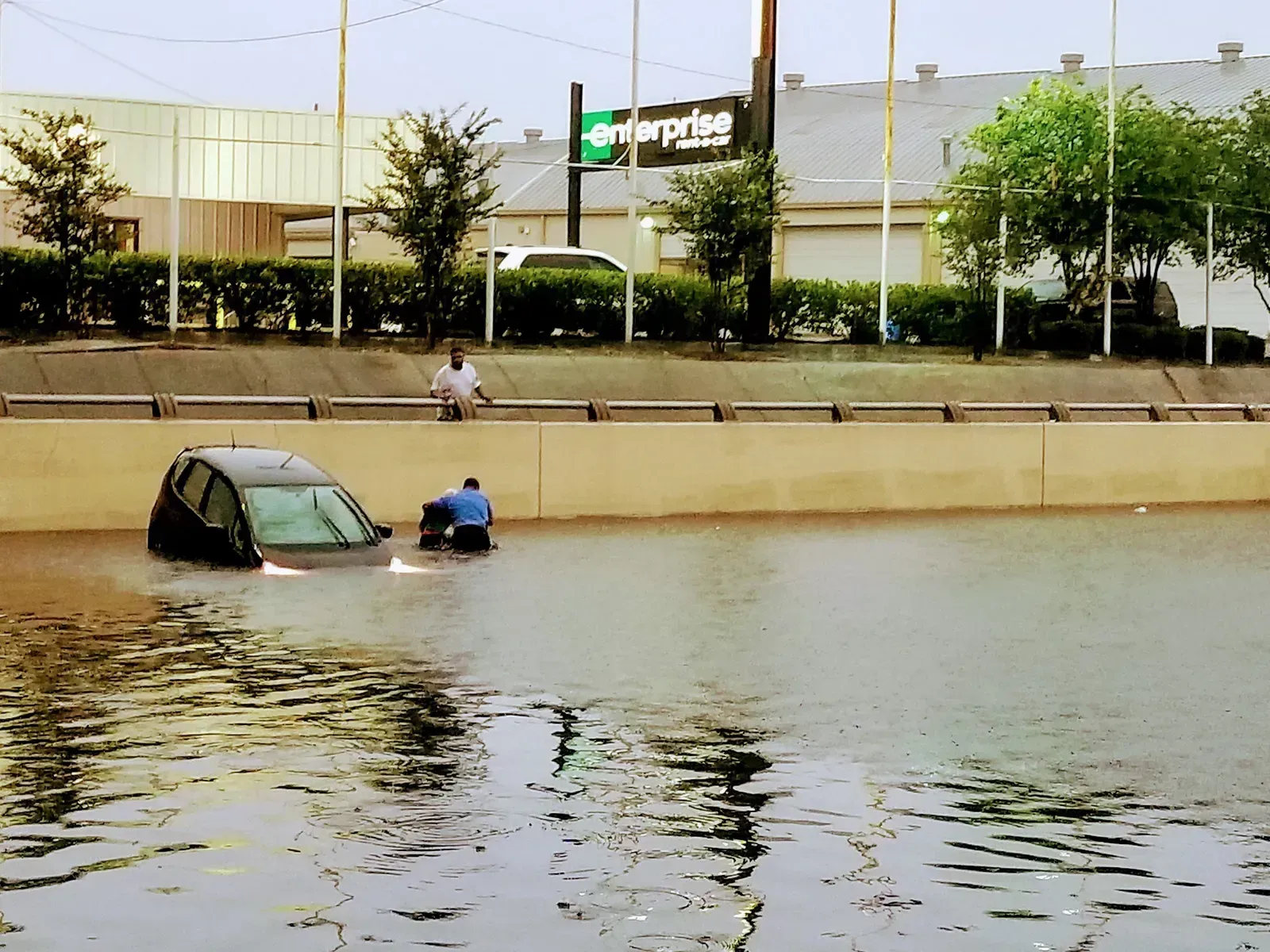
New Orleans is heavily impacted by climate change because of its water-related vulnerabilities such as sea level rise, tornadoes, and flooding, with a key factor being the city’s very low elevation levels. Here is the part that makes your stomach drop: the city now rests an average of six feet below sea level.
A report from First Street, which compared economic resilience with climate-related threats across 426 cities globally, found that New Orleans ranked last among all cities, citing a dwindling population, high insurance costs, and risks from floods, heat, and hurricanes. Last. Out of 426 cities on the entire planet. In Orleans Parish, which is home to New Orleans, a jaw-dropping 99.1% of homes face high flood risk, the highest share in the nation. The writing on the wall could not be clearer.
Houston, Texas: Floods, Heat, and a Breaking Point
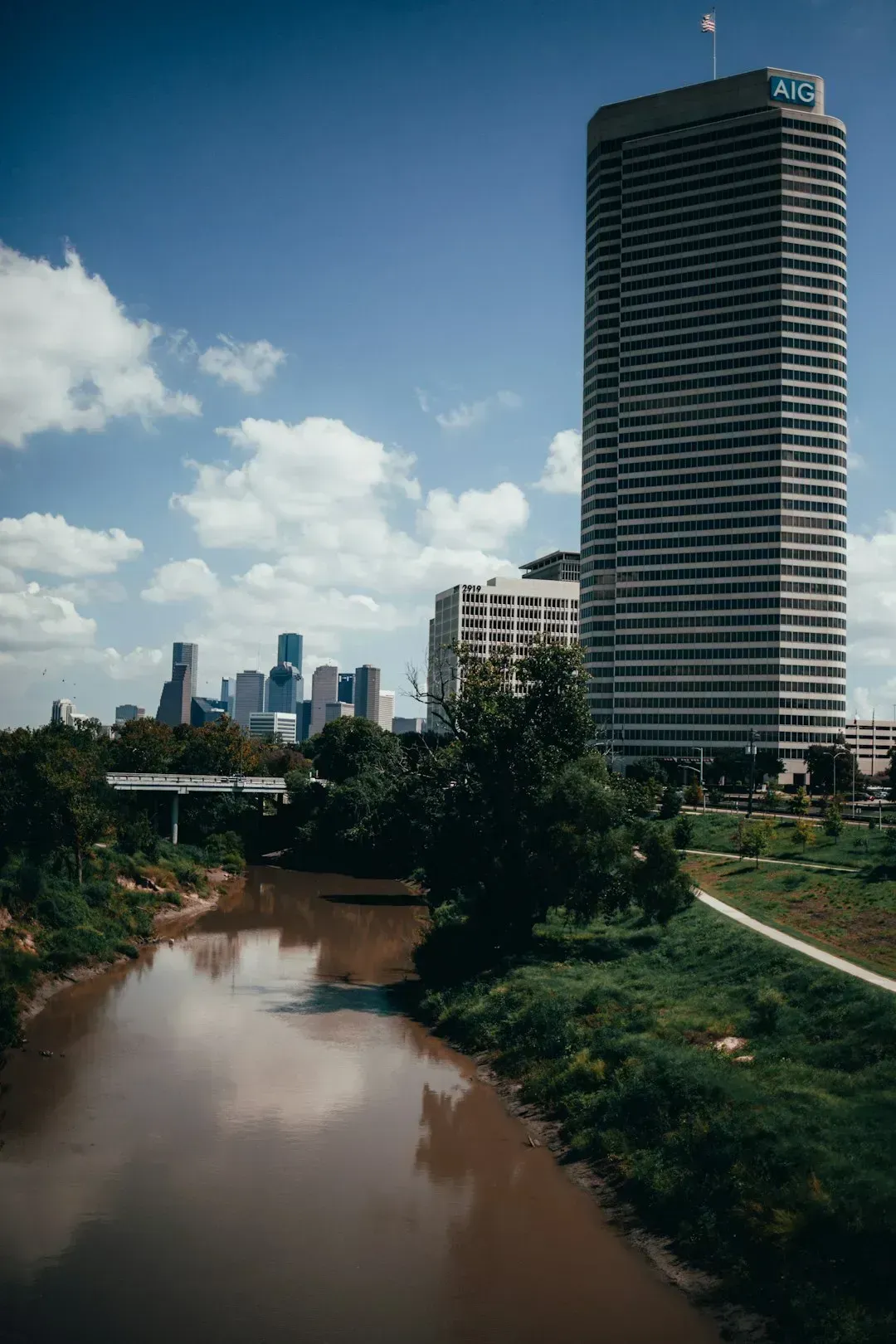
FEMA scores Houston’s community resilience as low, with expected annual losses per capita running high. Insurance costs in the area average around $5,500 per year, which is double the U.S. norm. It is the kind of financial pressure that quietly erodes a city’s population year after year.
Harris County, which is home to Houston, saw its net outflow widen to 31,165 people in 2024 from 22,035 in 2023. Nearly one in three homes face high flood risk in Harris County, and every single home in the county faces high heat risk. Climate Central’s projections make the future even grimmer. Houston is projected to warm by 6.4 degrees Fahrenheit by 2100, with summers eventually feeling more like present-day Lahore, Pakistan. That is not a metaphor. That is a forecast.
Phoenix, Arizona: The Desert That Got Too Hot
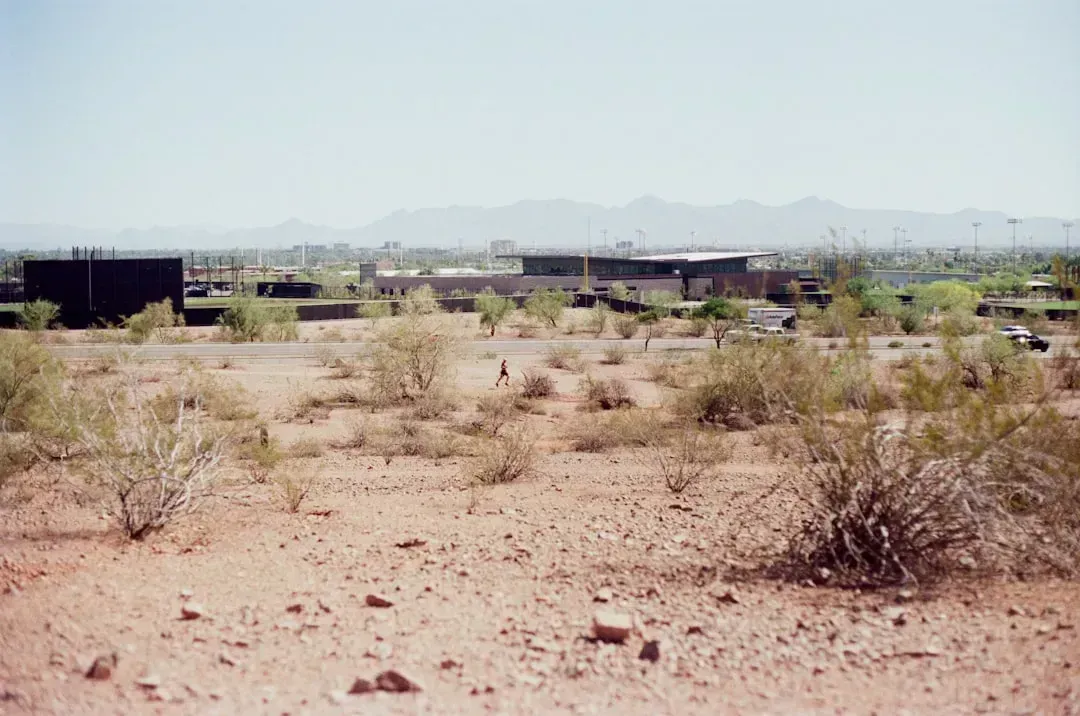
Think about a city that already sits inside a desert. Then imagine it getting dramatically hotter. That is exactly what is happening to Phoenix, and the numbers are genuinely alarming.
In 2024, the maximum temperature in Phoenix sat at or above 100 degrees Fahrenheit for approximately 30% of the entire year. Last year, Phoenix experienced 113 consecutive days of 100-degree heat or hotter, the longest run ever recorded in the city’s history. The previous record, by comparison, was just 76 days set back in 1993. In 2023, there were 645 heat-related deaths in Maricopa County, the highest ever recorded, and there were 450 deaths in the summer of 2024 alone. Those are not statistics. Those are people.
Global temperatures have risen by approximately 2 degrees Fahrenheit since 1880, but in Phoenix you can add another 5 degrees on top of that due to the urban heat island effect. The Colorado River, which supplies water to a huge portion of Arizona’s population, is also under severe strain from the ongoing megadrought. It is a city racing toward an uninhabitable edge.
Los Angeles, California: Wildfires Rewriting the Insurance Map
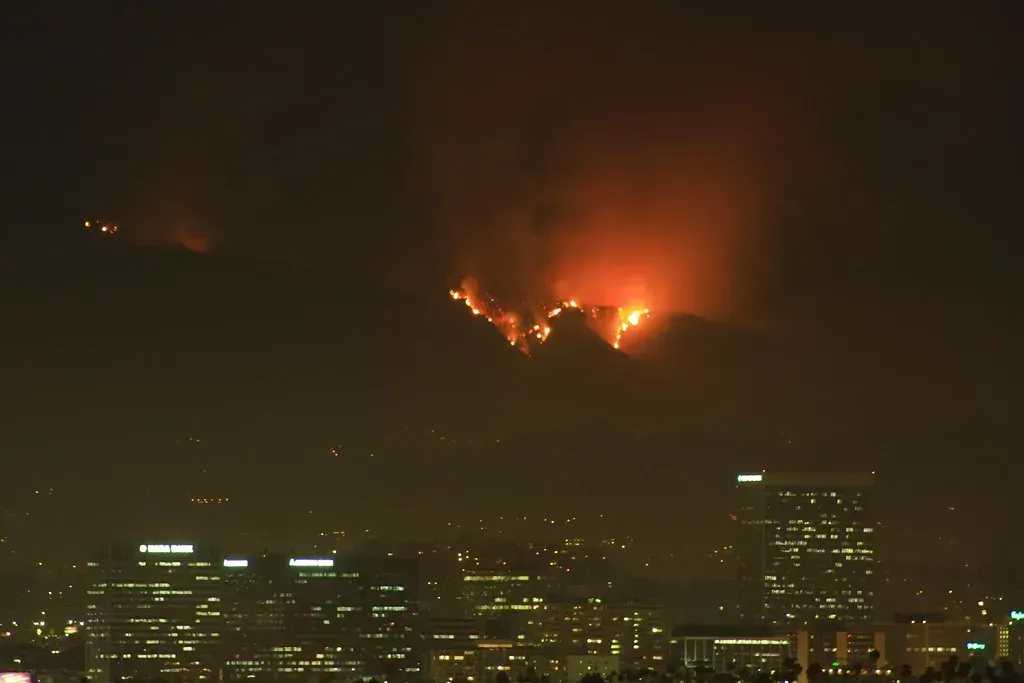
The January 2025 Los Angeles wildfires were not just a natural disaster. They were a reckoning. The January 2025 Los Angeles wildfires were the costliest event of that year as well as the costliest wildfire on record, with $61.2 billion in damages, roughly twice as costly as the previous record wildfire.
The escalating exodus of private insurers has left California’s state-backed insurer of last resort in a precarious position. Even as State Farm, California’s biggest insurer, cut nearly 70% of its policies in a ZIP code central to Pacific Palisades, the state-backed FAIR Plan grew by 85% in that same area. When the private market runs, residents cannot. As housing spreads into the fire line, exposure is rising sharply, compounding loss potential and challenging long-term insurability. People who cannot get insurance, cannot sell their homes. Trapped is not too strong a word.
Tampa Bay, Florida: One Direct Hit Away from Catastrophe
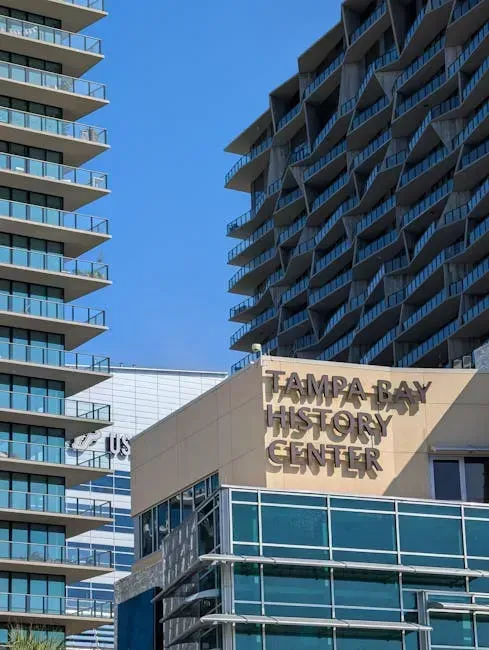
Tampa Bay has been called one of the most vulnerable major metro areas in the entire country when it comes to storm surge. Honestly, it is hard to argue with that assessment.
Category 3 Hurricane Milton made landfall near Tampa in October 2024, causing widespread power outages, flooding, and tornadoes across the state, with an estimated total cost of $34.3 billion. That was just Milton. Helene arrived days earlier. After back-to-back Hurricanes Helene and Milton, some coastal residents of the southeast were reportedly ready to pack up and move. The region’s combination of low elevation, aging infrastructure, and intensifying hurricane seasons is a formula that planners are struggling to counter. Parts of low-lying coastal Florida are already seeing population declines as residents respond to rising risk.
Jackson, Mississippi: Flooding Meets Failing Infrastructure
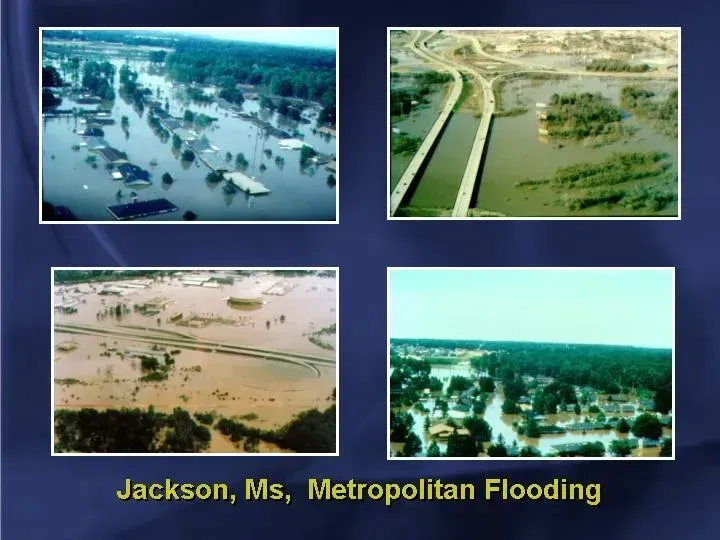
Jackson is a different kind of story. It does not grab national headlines the way Miami or Los Angeles does. Yet what is happening there is arguably just as troubling, because the environmental collapse is compounded by poverty and a broken civic system.
From 2020 to 2023, Jackson saw its population drop by more than 5%, with projections showing continued decline. Unlike cities where cost of living drives residents away, Jackson’s challenges stem from limited job growth, aging infrastructure, and flood risks. Heavy rainfall events regularly overwhelm the city’s drainage systems, and the water infrastructure crisis of 2022 exposed just how fragile the whole system is. This process of coastal and inland community breakdown has already begun in places like rural Louisiana and coastal regions where low-income and Black and Indigenous communities face environmental change on top of poor health and extreme poverty. Jackson sits squarely in that painful reality.
New York City: The Surprise Entry on This List
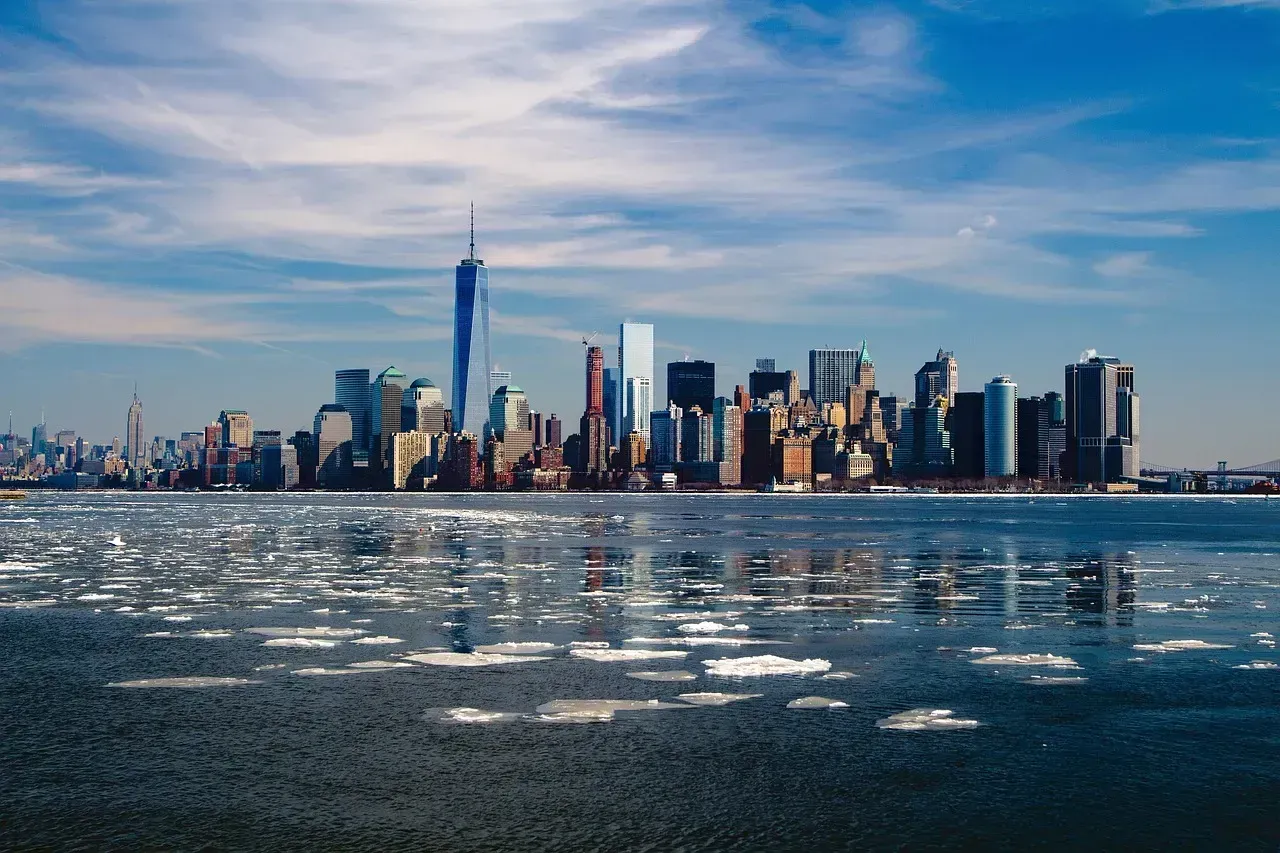
Wait, New York? The city is still enormous. Still economically dominant. Still globally relevant. So why does it belong on a list about climate ghost cities in the making?
New York City is projected to warm by 7.6 degrees Fahrenheit by 2100, with summers eventually feeling more like present-day Columbia, South Carolina. That is a seismic shift for a city whose identity is tied to its four seasons. Kings County, which is home to Brooklyn, saw a net outflow of 28,158 residents in a single recent tracking year, making it third on the nationwide list of high-flood-risk counties losing the most people. High-resolution datasets combined with sea-level rise projections for 32 major U.S. coastal cities show that a considerable amount of land area, population, and properties are already threatened by relative sea-level rise by 2050. New York is firmly among them. The sheer scale of the city masks the retreat, but the retreat is real.
The pattern across all eight of these metros tells a consistent story. The average time between billion-dollar disasters in the U.S. has fallen from 82 days during the 1980s to just 16 days over the last decade. Cities are not adapting fast enough to keep pace with that acceleration. In a recent national survey, nearly one in three Americans cited climate change as a motivation to move. That is no longer a niche concern. It is a mainstream calculation.
The concept of a “climate ghost city” is not science fiction. It is a slow-motion process already visible in migration data, insurance markets, and real estate trends. Some cities will adapt. Others will hollow out, neighborhood by neighborhood, until the empty lots outnumber the occupied ones. The question is not whether this will happen. The question is how many people will be left behind when it does. What would you do if your own city made this list?

