


- 10 Widely Believed Facts About Space That Scientists Say Are Wrong - October 8, 2026
- Death Valley and 4 Other Places That Hold Earth’s Heat Records - October 8, 2026
- 9 Places Many People Don’t Realize Are Technically Deserts, Including Antarctica - October 8, 2026
1. McHenry, Maryland
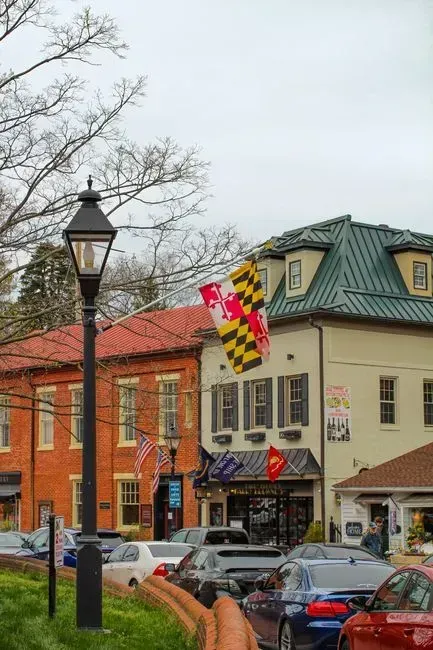
McHenry sits beside Deep Creek Lake and depends heavily on Wisp Resort, a modest mountain by national standards with a base elevation under three thousand feet. That low elevation puts it squarely in the danger zone researchers describe, since a warming of 1°C decreases April snow water equivalent in similar mid-elevation ranges by about 22 percent, with the biggest impact at elevations between 1000 and 1500 meters.
Wisp already leans almost entirely on manufactured snow to open on schedule, and that snowmaking window keeps arriving later each winter. As regional studies of the Mid Atlantic and Appalachian ski belt have noted, ski areas in New England and the upper Midwest are among the most vulnerable, and Maryland’s lone significant resort shares the same low elevation, warm winter exposure that puts those areas at risk.
2. Snowshoe, West Virginia
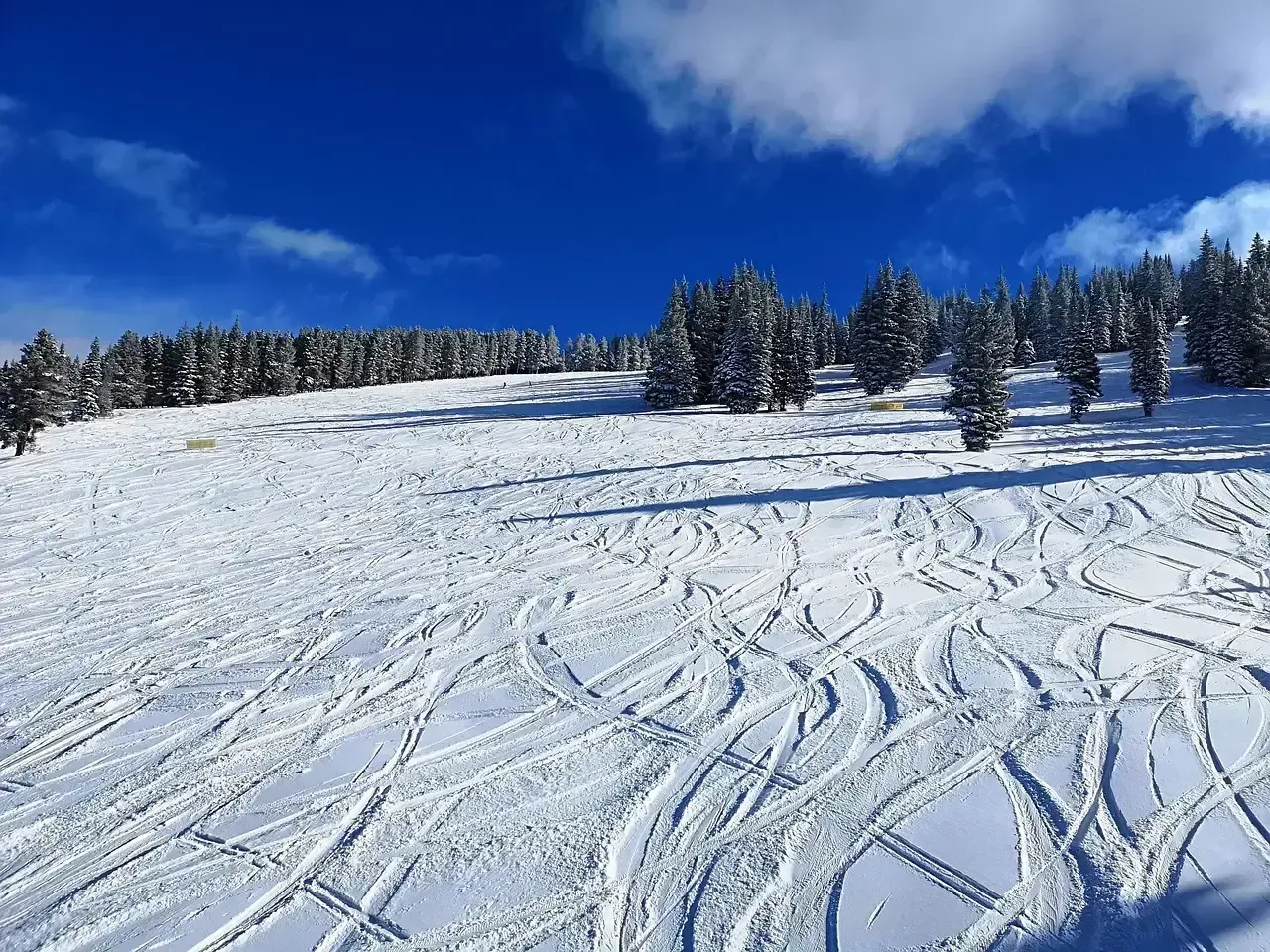
Snowshoe carries a certain mystique as the highest ski town in the Mid Atlantic, and its base sits above three thousand feet with a summit near forty eight hundred. That height has bought it more time than nearby competitors, but it still sits well below the elevations that climate researchers consider durable long term.
The resort’s reliance on nearly complete snowmaking coverage tells its own story about how thin the natural snow margin already is. As warming accelerates through the 2030s and 2040s, the number of nights cold enough to run snow guns efficiently keeps narrowing, and Snowshoe’s economy, built almost entirely around winter visitors from Washington and Pittsburgh, has little else to fall back on if that window closes further.
3. Boyne Falls, Michigan
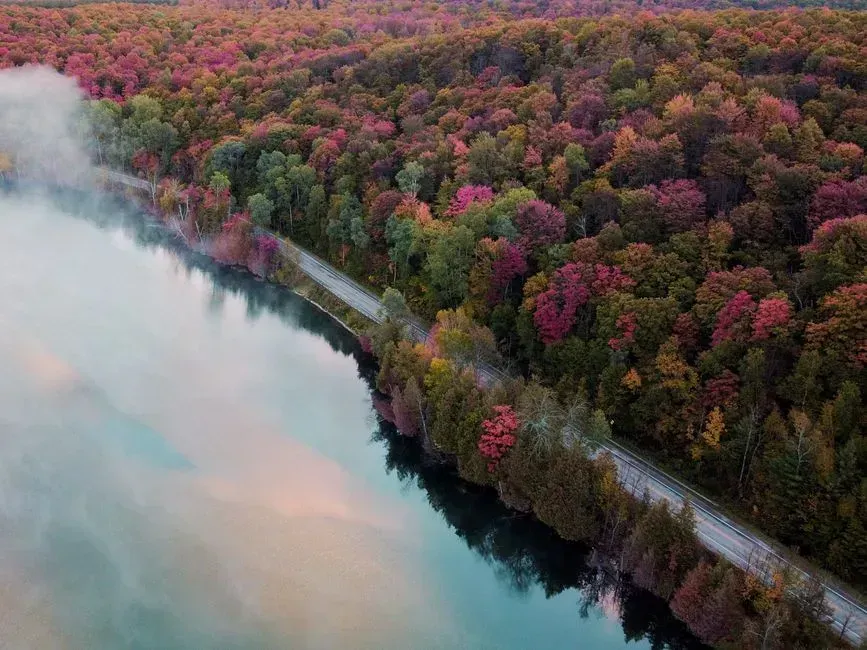
Boyne Falls anchors two of the Midwest’s better known hills, Boyne Mountain and nearby Boyne Highlands, both of which rely on lake effect snow patterns that are becoming less reliable as Great Lakes ice cover shrinks. Warmer lake surfaces in early winter delay the very snow bands that used to give this corner of northern Michigan a head start on the season.
Regional climate assessments have repeatedly flagged the upper Midwest as one of the two zones facing the steepest projected declines in ski season length. In general, the most significant reductions in season length occur in the upper Midwest and the Northeast, and the smallest reductions occur at locations in the central Rockies and Sierras. Boyne Falls sits right in that first category, and a town whose restaurants, lodges, and shops are timed to a winter calendar has few obvious substitutes if that calendar keeps shrinking.
4. Lutsen, Minnesota
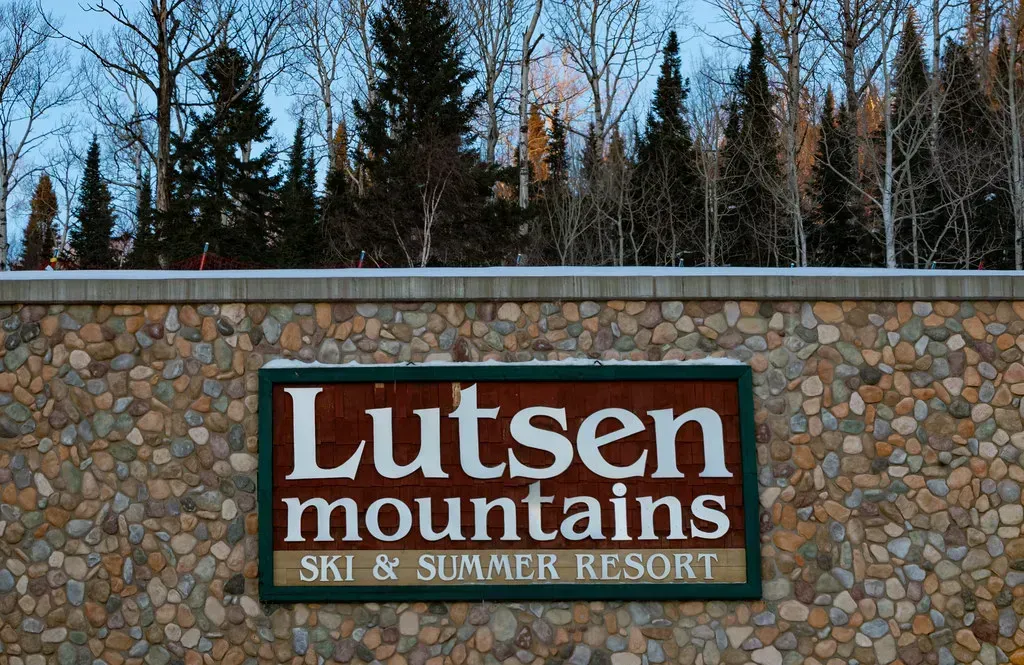
Lutsen, tucked along Lake Superior’s North Shore, hosts the Midwest’s largest ski area by vertical drop, which has helped it outlast smaller regional hills. Even so, its exposure to the same upper Midwest warming trend that threatens Boyne Falls means the advantage in terrain doesn’t fully offset the disadvantage in climate.
Snowmobiling and cross country skiing, which support much of the surrounding tourism economy beyond the downhill runs, are especially sensitive to the kind of warming Lutsen faces. Average annual changes in cross-country skiing and snowmobiling season lengths range from small increases in some locations to declines of more than 80 percent under moderate emissions scenarios by 2050, with the most significant reductions occurring in the upper Midwest and the Northeast. A town this dependent on snow based recreation across multiple categories has more to lose than resorts offering downhill skiing alone.
5. North Conway, New Hampshire
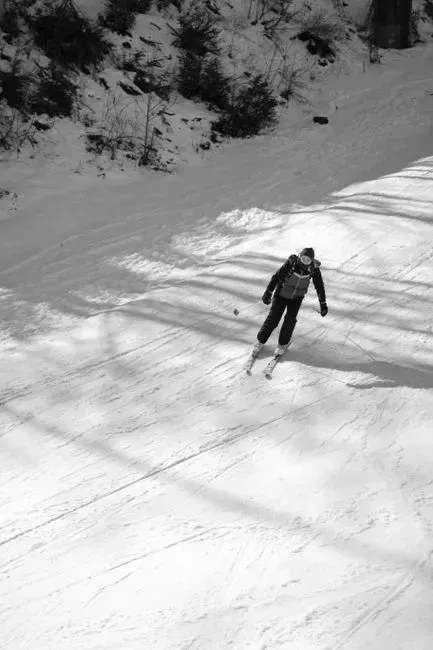
North Conway serves as the gateway to several smaller White Mountain ski areas, none of which rank among the largest resorts in the East but all of which anchor a local economy built around winter weekenders from Boston. Within a 90-minute drive of one another sit six reasonably sized New Hampshire ski resorts, though not a single one spans more than 500 acres, making them smaller than their neighbors to the east and west.
That modest scale leaves little cushion when warm spells hit mid-season, a pattern that has already grown more frequent across the Northeast. Nowhere is the squeeze on winter more visible than in the Northeastern United States, a region with many small ski hills at modest elevations. North Conway’s tourism identity is tied closely to those hills, and a town built around covered bridges and outlet shopping alongside skiing may need to lean harder on the former as winters shorten.
6. Wilmington and West Dover, Vermont
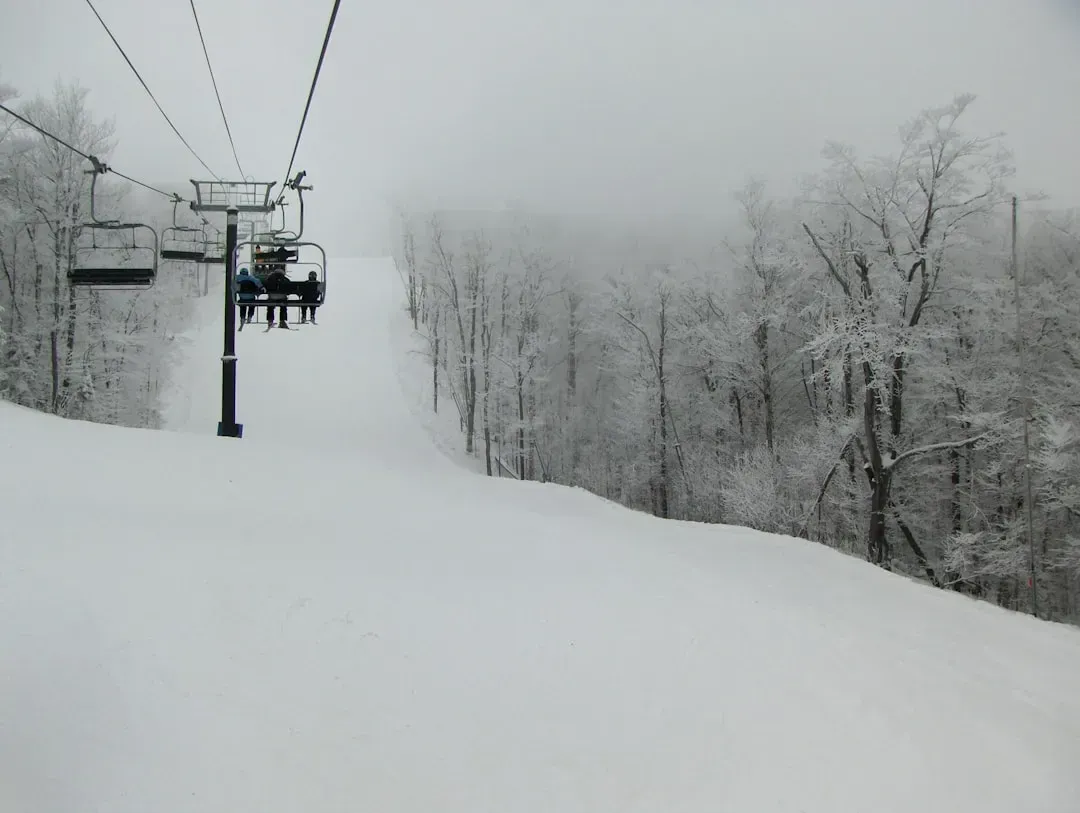
These two towns share the base of Mount Snow, one of southern Vermont’s lower elevation resorts and geographically the closest major Vermont ski area to the warmer air masses moving up from the mid Atlantic. Unlike Stowe or Jay Peak farther north, Mount Snow sits at an elevation and latitude that give it less natural insulation against warming winters.
Vermont overall still ranks as the strongest ski state east of the Mississippi, with some of the largest and best-known ski areas east of the Mississippi River, including headliners like Stowe, Smugglers Notch, and Jay Peak offering snow totals that aren’t far off many western areas. Southern Vermont resorts like Mount Snow don’t share that same buffer, and towns built entirely around one mountain’s snow reliability face a narrower path forward than the state’s northern tier.
7. Boone and Blowing Rock, North Carolina
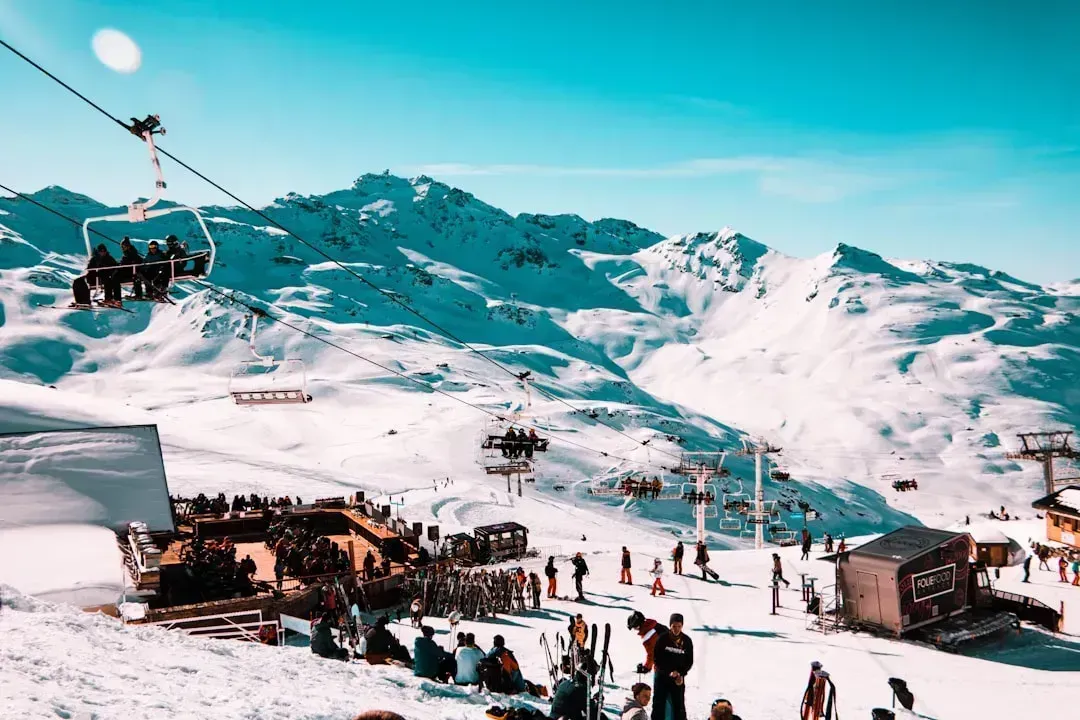
These twin Appalachian towns host some of the southernmost, lowest elevation commercial ski operations in the country, running entirely on manufactured snow through short seasons that already depend on narrow cold windows in December and January. Unlike Rocky Mountain resorts that can bank on natural snowpack lasting into spring, these Blue Ridge operations exist almost entirely because of snowmaking infrastructure built to compensate for marginal natural conditions.
Studies of regional vulnerability consistently place low elevation, more southerly locations at the top of the risk list. The vulnerability to climate change varies by region, but generally, lower-elevation and more southerly ski areas face the most significant risks, while those in colder, higher locales have a bit more cushion. Boone and Blowing Rock check both boxes, low elevation and southern latitude, which places their winter tourism economy among the most exposed in the eastern United States.
8. Big Bear Lake, California
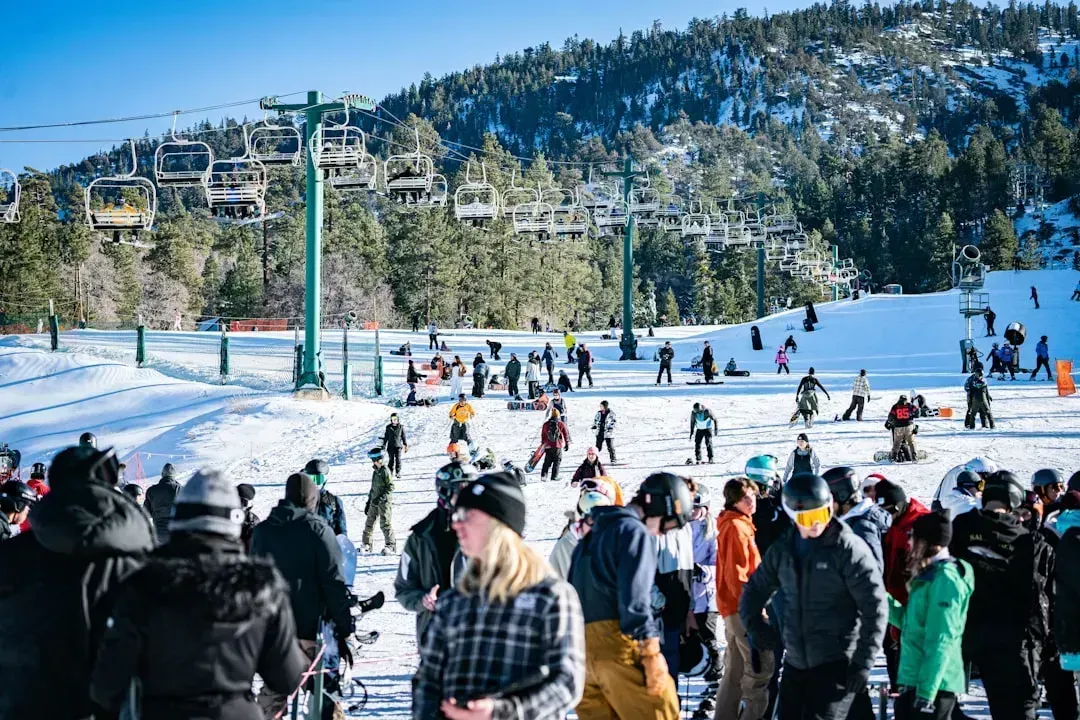
Big Bear Lake sits in Southern California’s San Bernardino Mountains, a genuinely unusual spot for skiing given its proximity to Los Angeles and the desert climate surrounding it. The town’s two ski areas draw heavily on day trip visitors from a metro area of millions, which has made Big Bear one of the busiest small ski destinations in the country by visitor volume even though its snowfall has always been thinner than resorts farther north.
Southern California’s ski areas already run on some of the heaviest snowmaking dependence in the country, and the warming trend across the American West only tightens that dependence further. Water availability compounds the risk, since as natural snowpack declines, ski areas depend on artificial snow, which depends on ample water supply, a supply that Southern California’s drought prone reservoirs can’t always guarantee. A town whose winter identity rests almost entirely on man-made snow in a state prone to extended dry spells faces a narrower path to 2050 than its steady visitor numbers might suggest today.
Not every town on this list will lose skiing entirely by mid-century, and emissions trajectories over the next two decades will do more than any single resort’s snowmaking budget to decide the outcome. Still, the pattern researchers keep finding is consistent: low elevation, southerly latitude, and heavy dependence on a narrow window of natural cold are the three ingredients that put a ski town’s winter economy at genuine risk, and each of these eight towns carries at least two of them.