
Most people picture climate change as a distant threat, something that affects far-off coastlines or wildfire-ravaged hillsides. But the truth is reshaping the American map right now. Climate-driven natural disasters like wildfires, hurricanes, and floods now force two to three million Americans from their homes annually, and Census Bureau surveys indicate that many displaced people are choosing to permanently relocate out of harm’s way.
Recent studies show that climate change is driving roughly a third of Americans to consider relocating. The result? A quiet but growing migration toward corners of the country that most Americans haven’t given a second thought. Some of these places are chilly, rust-belted, or just plain overlooked. Let’s find out which ones are quietly becoming the most future-proof addresses in the nation.
1. Duluth, Minnesota – The “Air-Conditioned City”
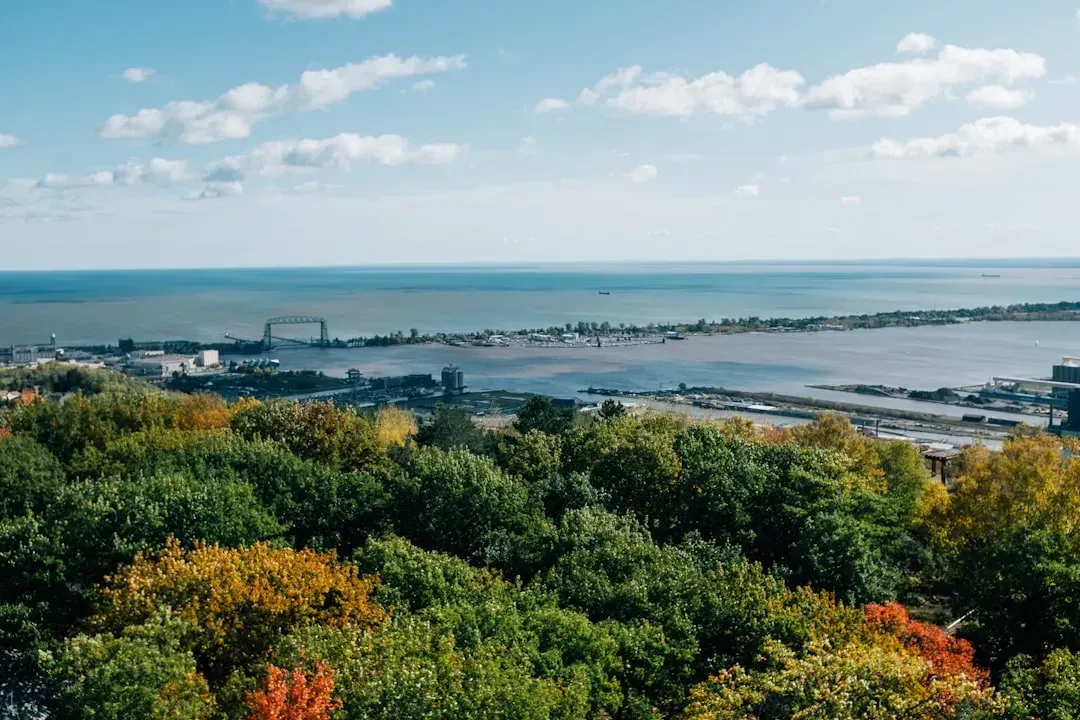
Let’s be real: when most people think of Duluth, Minnesota, they picture blizzards and frost. But that reputation is exactly what’s turning it into a magnet for climate migrants. Duluth, known to some as “the air-conditioned city,” is considered a climate refuge because of its mild climate, access to abundant freshwater, and ability to absorb far more residents than its current population. It’s the kind of place that used to be a punchline, and is now looking like a punchline that gets the last laugh.
Duluth sits on the shores of Lake Superior, the largest freshwater lake in the world. That single fact carries enormous weight when you consider the growing scarcity of clean water across the American Southwest and Southeast. Climate analysis done by Buffalo State University found no evidence to anticipate increasing weather disasters which are facing much of the rest of the United States, and Duluth shares similar protective geographic advantages. Under high warming scenarios, by 2080 Duluth’s climate would probably look like that of present-day Toledo, Ohio, which enjoys a summer heat maxing out in the mid-80 degrees Fahrenheit – still pretty comfortable by national standards.
2. Buffalo, New York – The Lake Erie Fortress
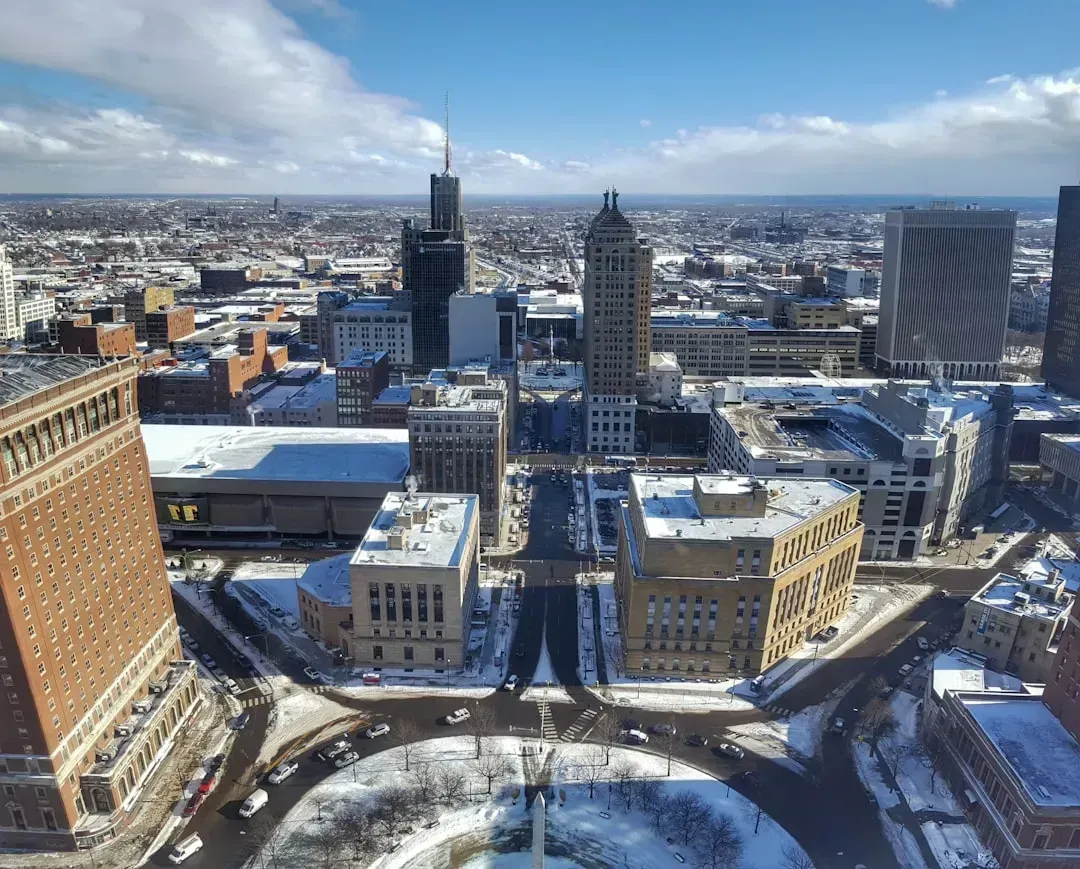
Buffalo is one of those cities people love to tease about snowfall. Honestly, the jokes never really stop. But something changed in 2019 when Mayor Byron Brown called Buffalo a “climate refuge” in his State of the City address. After that, the idea exploded beyond city limits, attracting the attention of researchers, economic planners, and climate-weary families looking for somewhere more stable to plant roots.
The BBC says that the region is positioned to do better than many others, thanks to access to ample water reserves in Lake Erie, which can help them avoid a drought. The city has also seen tangible demographic results. About 3,000 people came to the city from Puerto Rico after Hurricane Maria hit the island in 2017, joining an already large Puerto Rican community. Some later returned to the island, but many stayed, and this influx contributed to Buffalo’s first population growth in 70 years, as recorded in the 2020 census. That is not a coincidence.
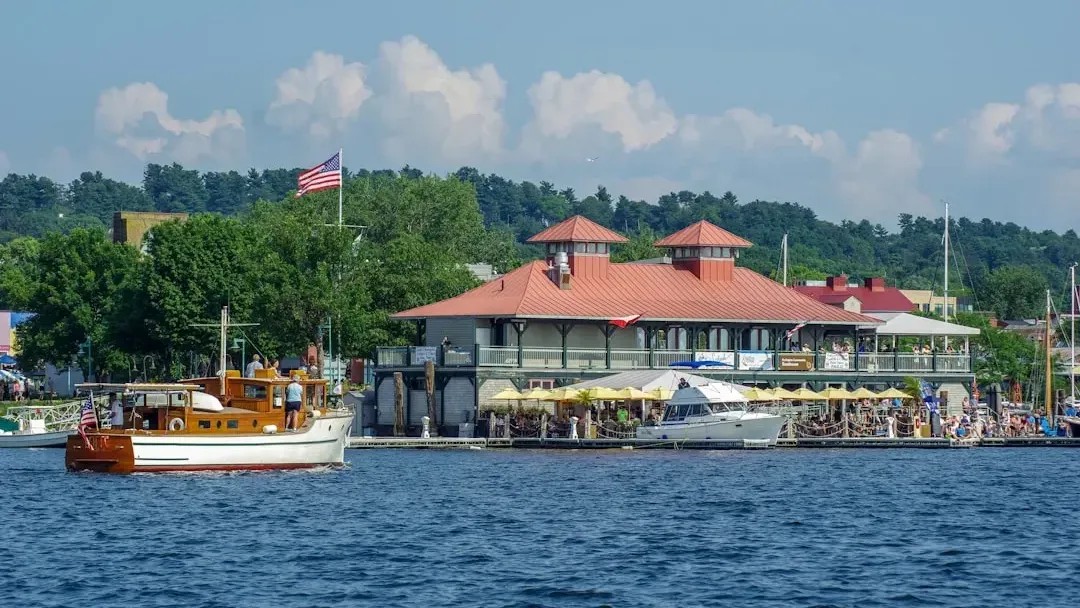
3. Burlington, Vermont – Small City, Big Climate Resilience
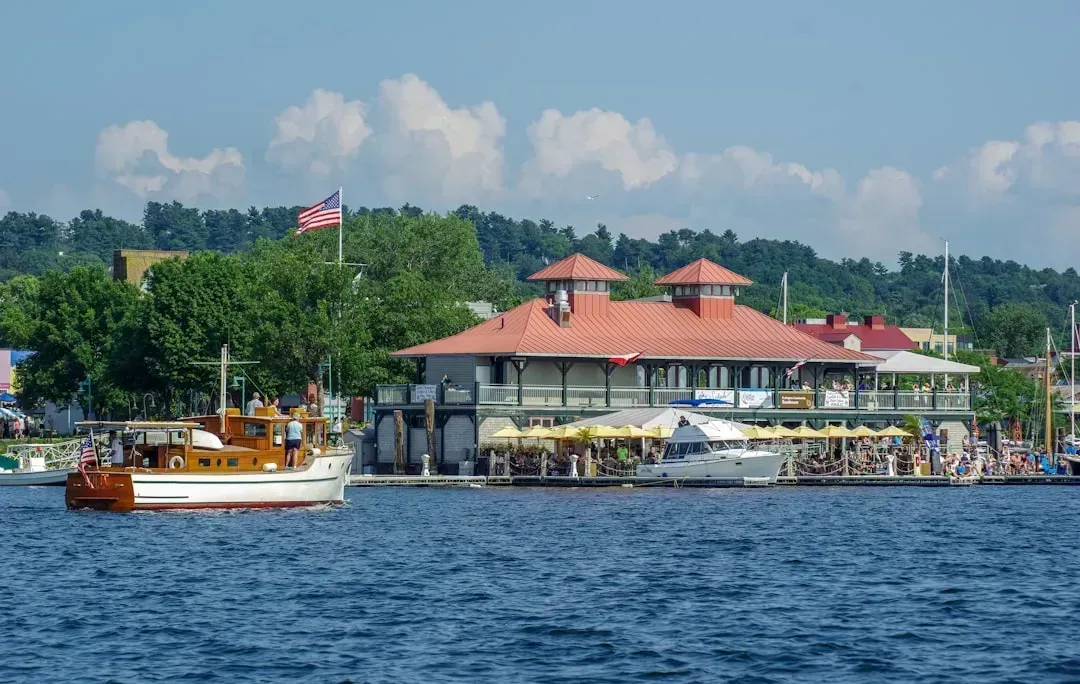
Vermont might be the most quietly compelling climate story in the entire country. Vermont stands out as a haven, free from wildfires, extreme heat, and hurricanes. The state’s appeal is so strong that one-third of its new residents moved there specifically to escape the impacts of climate change. That statistic alone should stop you in your tracks. People are already voting with their feet.
Burlington runs entirely on renewable electricity and sits along Lake Champlain, ensuring reliable water access and a moderate climate. The city’s strong civic culture, energy efficiency programs, and focus on local food resilience make it one of America’s most sustainable small cities. It is worth noting, though, that no place is risk-free. A powerful storm system in 2023 flooded communities across Vermont and left large parts of the capital, Montpelier, underwater. Burlington’s status as a haven is real but still evolving.
4. Madison, Wisconsin – Where the Lakes Work for You
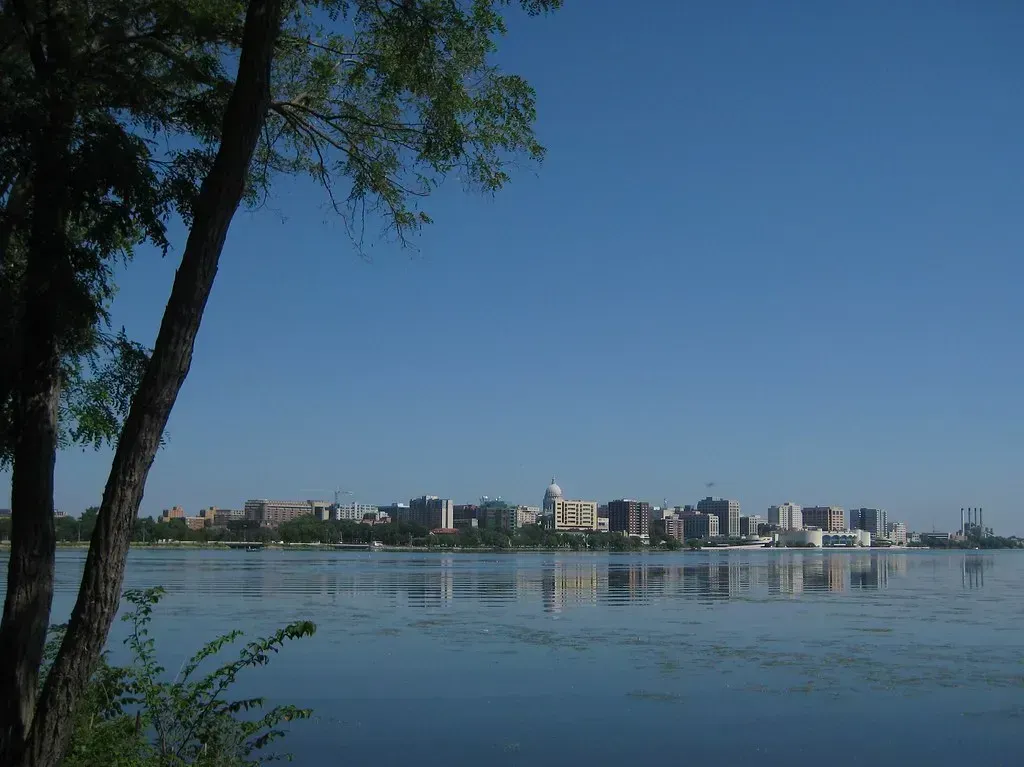
Madison is a college town with a surprisingly powerful hand of geographic cards. The Great Lakes are at the center of Madison’s claim to fame as a climate haven. The massive waterways help keep temperatures down while also providing the region with plenty of moisture, which can prevent wildfires. Think of it like a natural thermostat that the rest of the Sunbelt simply doesn’t have access to.
Madison’s city council voted unanimously to adopt its 2024 Sustainability Plan. The plan aims to cut climate pollution and improve residents’ well-being, with 24 goals across eight areas including quality housing, resilient infrastructure, renewable energy, sustainable transportation, clean water, zero waste, healthy ecosystems, and a green economy. Community-wide greenhouse gas emissions dropped by 8.1% from 2018 to 2022, suggesting the city’s planning is already paying off in measurable ways.
5. Ann Arbor, Michigan – The University Town Thinking Ahead
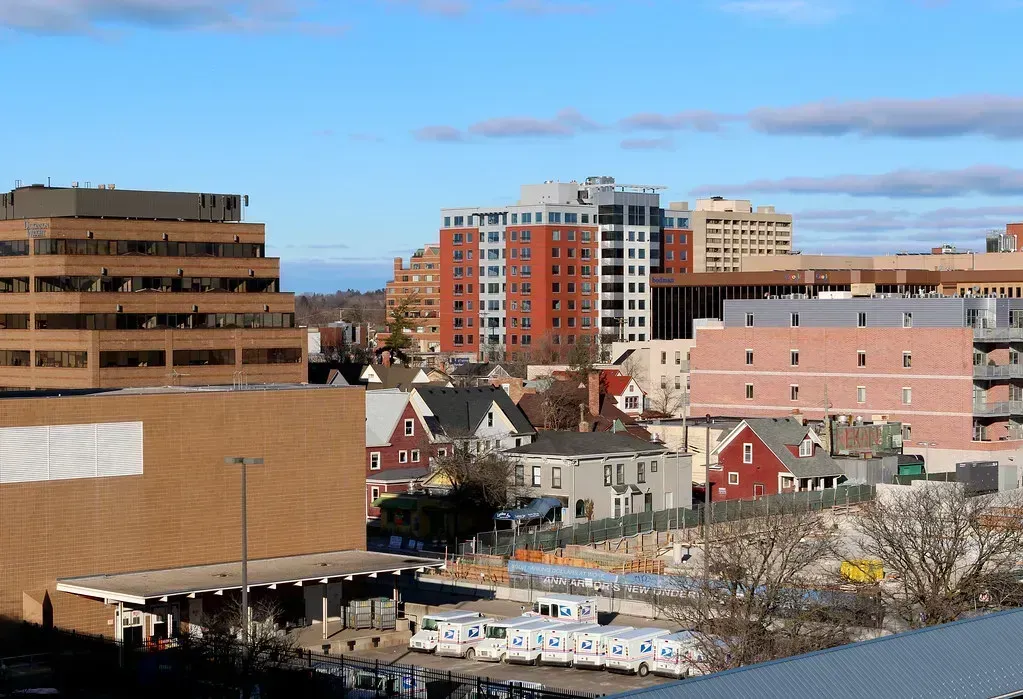
Ann Arbor has a reputation for being cerebral, and in this case that’s not a bad thing at all. Ann Arbor and other cities across the Midwest and Northeast have been referred to by climate specialists as “climate havens,” natural areas of refuge that are relatively safe from extreme weather events such as intense heat and tropical storms. Its university backbone gives it something most cities lack: a built-in culture of long-term thinking and research-driven action.
Ann Arbor’s A2Zero plan targets carbon neutrality by 2030. The city’s proximity to the Great Lakes and deep academic innovation ecosystem make it one of the most forward-thinking climate havens in the U.S. Many of these cities are already welcoming climate migrants, due to their relatively affordable housing and other infrastructure left over from the industrial boom in the mid-20th century. It is like finding a house that was overbuilt for a previous era, and now it fits perfectly for the next one.
6. Rochester, New York – Shielded by Lake Ontario
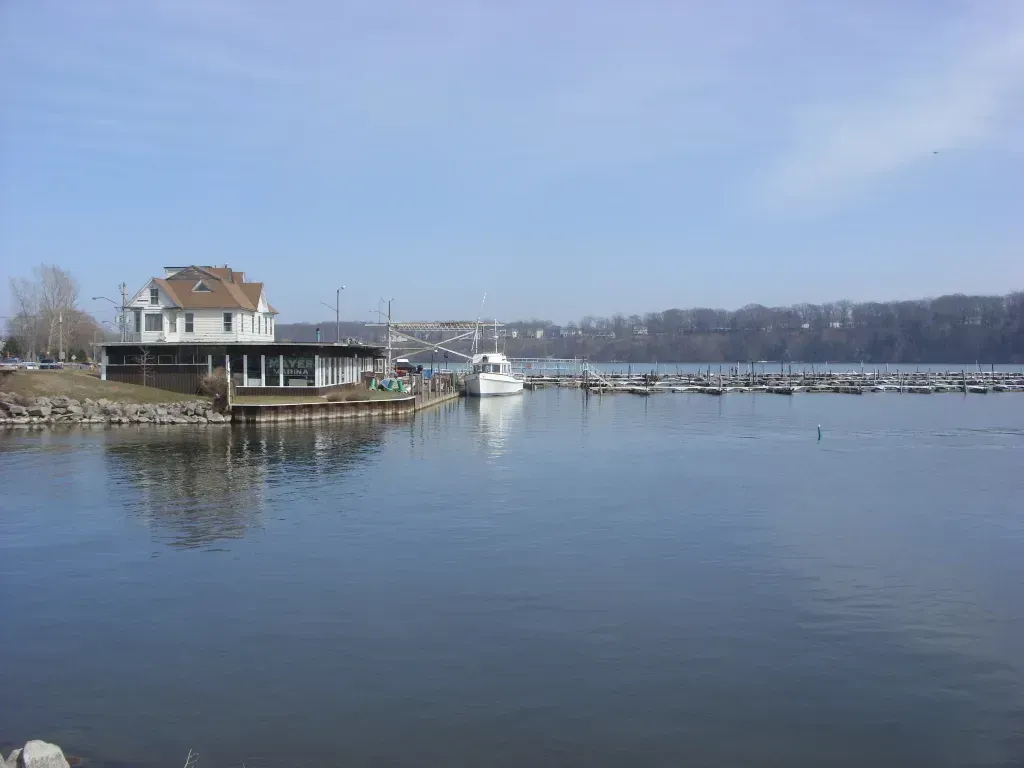
Rochester rarely makes headlines. That might be one of its best features right now. Rochester stands out as a climate-safe haven in the Great Lakes region. Lake Ontario helps shield the city from extreme weather, making it one of the best places to live amid climate change. The lake acts like a buffer, softening temperature swings in both summer and winter in ways that coastal cities simply cannot replicate.
The city aims to cut greenhouse gas emissions by 40% from 2010 levels by 2030 through its Climate Action Plan. Rochester also has something genuinely underrated going for it: space and affordability. Like many Great Lakes cities, it lost population during the mid-20th century industrial decline, which means there is now room to grow without the housing pressure crushing other metros. Steps cities like this can take include passing housing policies to guard against gentrification, planning for climate impacts that will still occur, and reducing emissions through promoting renewable energy, public transit, and denser housing.
7. Portland, Maine – Northern Coastal Resilience Done Right
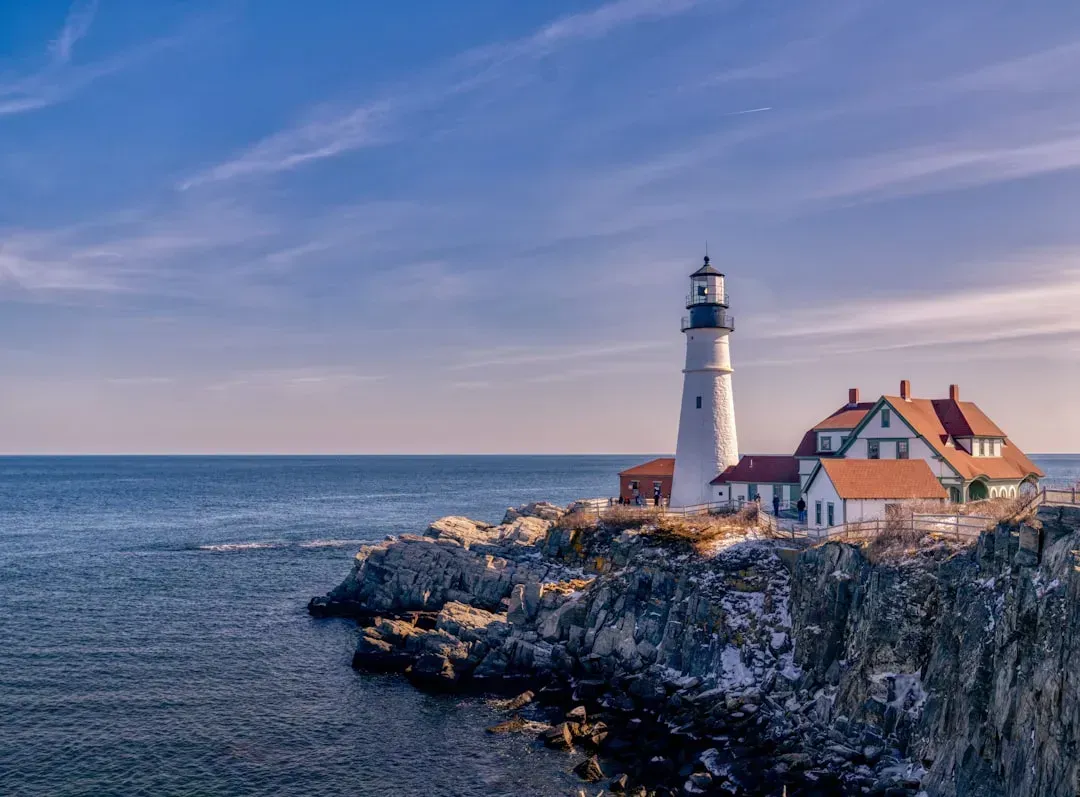
Most coastal cities are in serious trouble. Portland, Maine is a notable exception to that rule, and here is why. Portland, Maine, is coastal but far north, with minimal tropical cyclone impact. The city sits at a latitude where hurricane-strength storms rarely arrive intact, and its New England infrastructure was built to handle serious winters, not just sprinkles of inconvenience.
Portland enjoys a northern coastal position with minimal hurricane exposure. The city’s focus on renewable energy, fisheries protection, and clean transportation has positioned it as a model of coastal resilience. It is admittedly a place where winters demand respect, but for those fleeing repeated flooding in Florida or persistent wildfire smoke in the West, swapping sun for security is becoming an increasingly rational trade. The Northeast offers better long-term prospects, particularly Vermont and New Hampshire, which rank as the two safest states from climate change.
8. Des Moines, Iowa – The Heartland’s Hidden Climate Ace
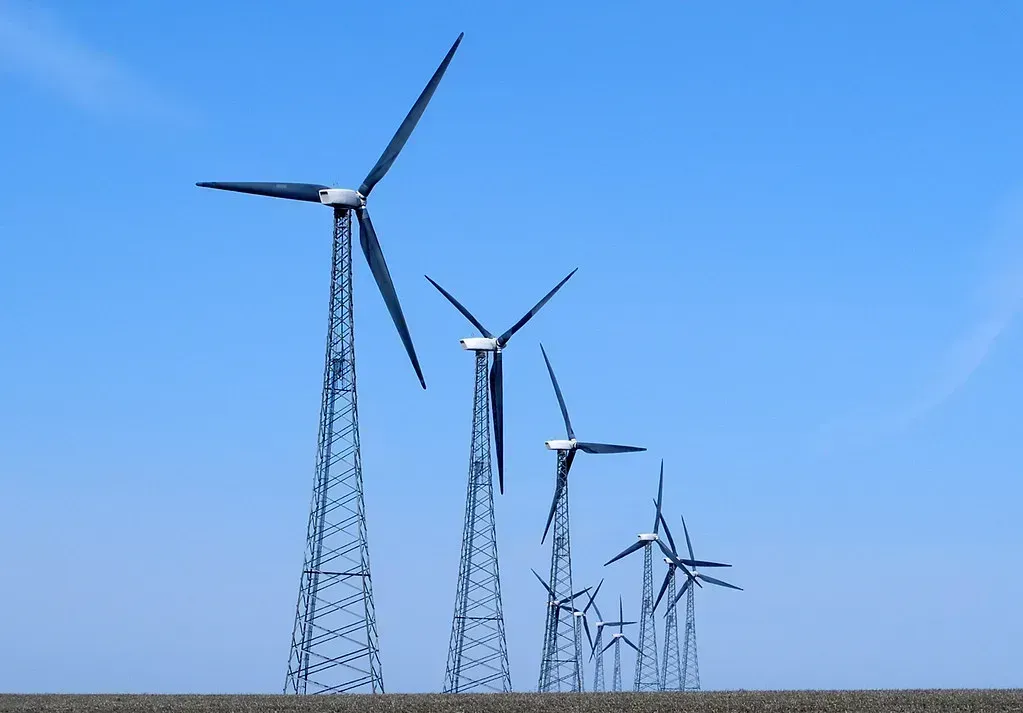
Iowa is not exactly the first place people daydream about relocating to. But when you follow the data instead of the assumptions, Des Moines has an surprisingly strong case as a climate-resilient city. Des Moines generates over half its electricity from wind power. Its stable economy and investments in water management make it a model for heartland resilience. The wind energy point matters more than it seems. Energy grid stability is something coastal cities increasingly struggle with during climate disasters.
Climate haven cities are mainly located in the Midwest and along the northern border of the United States. They are places where the climate is more continental with lower temperature summers. These cities are normally inland and thus won’t be impacted directly from rising sea-levels and hotter oceans. These cities also are located around reliable sources of water, which will prevent extreme drought. Des Moines checks nearly every one of those boxes. It is also worth noting that these central states are buffered from coastal and wildfire risks and are becoming prime regions for climate-adaptive living.
The Real Picture: Safe, But Not Invincible

Here is the thing about climate safe havens. None of them come with a guarantee. A climate haven city will not be immune from the impacts of the climate crisis. The whole planet is going to feel the effects of global warming. The idea is that a climate haven city will feel these impacts more moderately than others. That distinction is important, and worth holding onto.
These cities are already feeling the impacts of climate change. In 2023 alone, “haven” regions in Wisconsin, Vermont and Michigan suffered significant damage from powerful storms and flooding. Researchers at the University of Michigan have been especially direct about this. As researcher Julie Arbit put it, “just being more sheltered from certain dangers does not make you a haven.” The cities that truly earn that title will be the ones that invest in infrastructure, equity, and long-term planning alongside their natural advantages.
Climate change can be a rallying call for so-called haven cities. It’s a chance for them to capture population and economic growth, rethink their housing strategy, improve infrastructure, and ensure all residents have equal access to parks and other amenities. That is the opportunity sitting quietly inside the crisis. America’s map is being redrawn, not by policy alone but by the physics of a warming planet. The cities paying attention right now are the ones that will matter most in the decades ahead. What would you have guessed your climate-safe address would be?

