
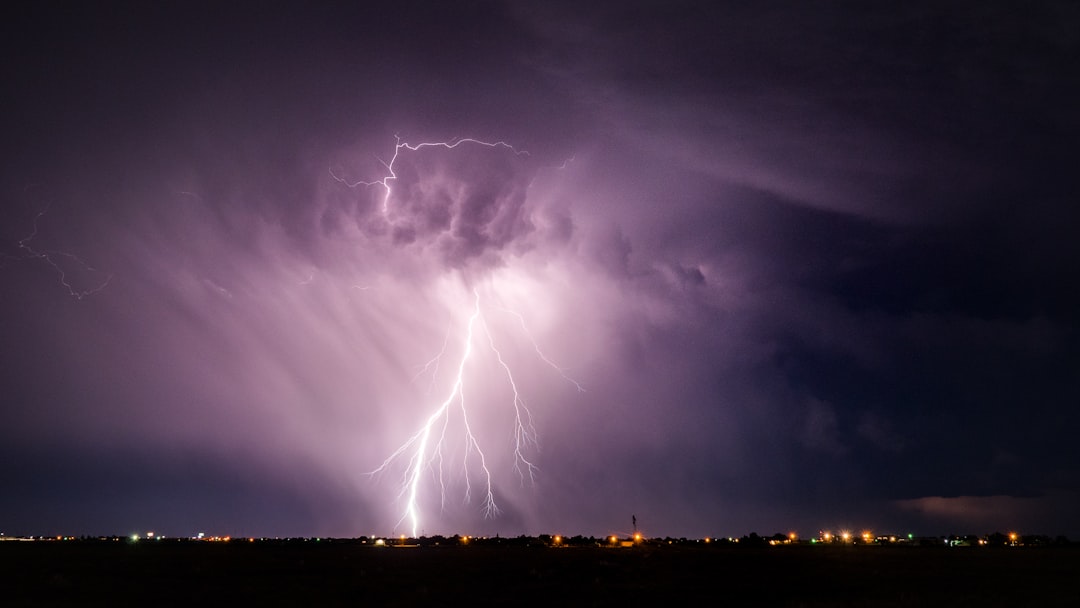
The sky doesn’t always give you plenty of notice. Sometimes a pleasant afternoon turns threatening in minutes, and the difference between safety and disaster is whether you knew what to look for. Weather has become more extreme, more unpredictable, and more deadly in recent years.
Extreme weather reached dangerous new heights in 2024, with record-breaking temperatures fueling unrelenting heatwaves, droughts, wildfires, storms, and floods that killed thousands of people and forced millions from their homes. Knowing how to read the local sky before conditions deteriorate is no longer a skill reserved for meteorologists. It’s survival knowledge. Let’s dive in.
1. A Sky That Turns Green or Dark Yellow
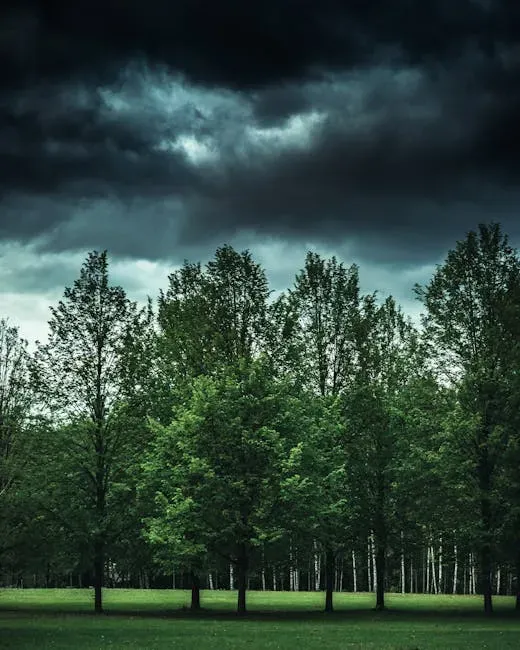
Most people don’t think twice about the color of the sky. They check if it’s sunny or cloudy, and that’s about it. But here’s the thing: a greenish or yellow sky is one of the most striking pre-storm signals nature throws at you, and it deserves your full attention.
A green sky doesn’t guarantee a tornado, but it almost always means severe weather is incoming. Tornadoes frequently follow large hailstorms, which tend to turn the sky a distinctly unsettling shade of green. Honestly, if you’re standing outside and the light looks like something out of a horror film, trust your gut. That’s not a normal sunset.
Severe thunderstorms can be life-threatening, and hazardous conditions range from tornadoes and large hailstorms to widespread straight-line winds, cloud-to-ground lightning, and flash flooding. A discolored sky overhead is your cue to stop filming it for social media and start moving indoors.
2. Sudden, Eerie Calm After Stormy Conditions

You’d think a sudden silence would feel like relief. Wind stops. Rain pauses. Even the birds disappear. But this kind of calm is one of the most deceptive and dangerous weather signs there is. It’s the weather equivalent of something holding its breath.
Right before a tornado, things can go eerily quiet. This sudden stillness is caused by the storm system’s updraft pulling air upwards, which can stop surface winds entirely. If your surroundings suddenly feel “off,” your instincts might be telling you something: this calm isn’t normal.
Even meteorologists agree that a “too calm” atmosphere, especially after wild weather, is one of the big storm signs to respect. Think of it like the pause between a wave pulling back and crashing onto shore. What follows that stillness can be catastrophic. Get inside immediately and monitor official alerts.
3. Rapidly Darkening Skies with Towering Cumulus Clouds

A cumulus cloud stacking upward like a skyscraper into the atmosphere isn’t just a pretty photo opportunity. It’s one of the earliest visual warnings that a powerful thunderstorm is building above you. Most people ignore it because it looks distant. Distance, however, is misleading.
Towering cumulus clouds may be one of the first indications of a developing thunderstorm. The mature thunderstorm contains both an updraft of rising warm air and a downdraft of sinking cool air, often accompanied by rain and sometimes hail.
When outdoors, you should monitor the weather and look for signs of a developing thunderstorm such as darkening skies, flashes of lightning, or increasing wind. If you hear thunder, even a distant rumble, immediately activate your lightning safety plan and move to a safe place. The sky, in this case, is your earliest and most reliable alarm system.
4. Thunder You Can Hear, Even from Far Away
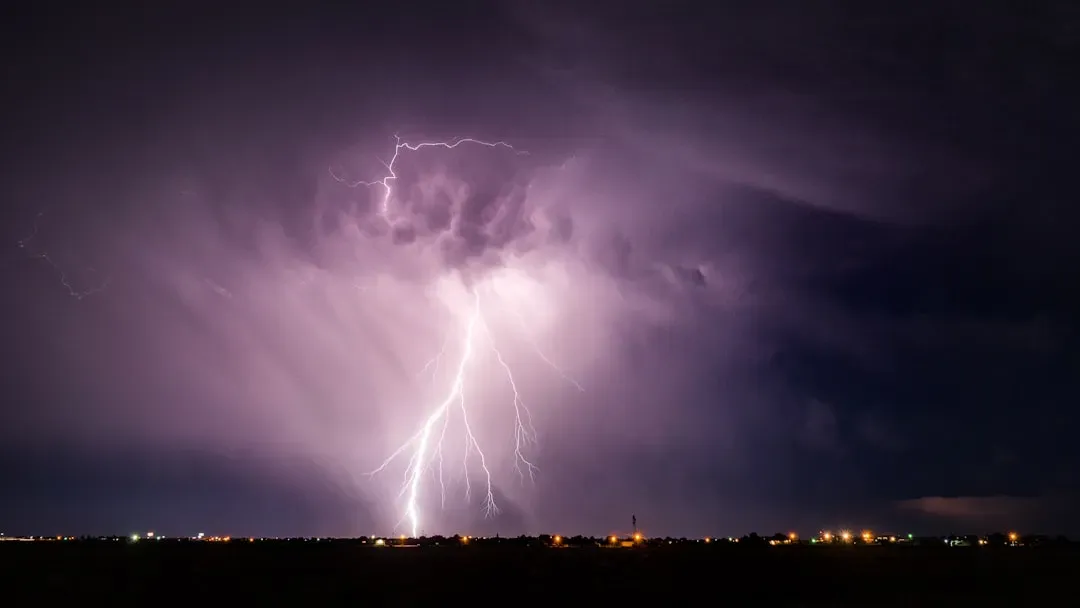
There’s a casual tendency people have to hear distant thunder and shrug it off. “It’s still sunny over here,” they say, as if distance is a guarantee of safety. It absolutely is not. Lightning doesn’t care where the rain is falling.
Lightning often strikes outside the area of heavy rain and may strike as far as ten miles from any rainfall. Many lightning deaths occur ahead of storms or after storms have seemingly passed. The simple fact to keep in mind is: if you can hear thunder, you are in danger.
Each year in the United States, more than 400 people are struck by lightning, and on average between 55 and 60 people are killed, while hundreds of others suffer permanent neurological disabilities. That’s a staggering number for something so preventable. Because electrical charges can linger in clouds after a thunderstorm has seemingly passed, experts agree that people should wait at least 30 minutes after the last thunder before resuming outdoor activities.
5. Large Hail Falling Suddenly
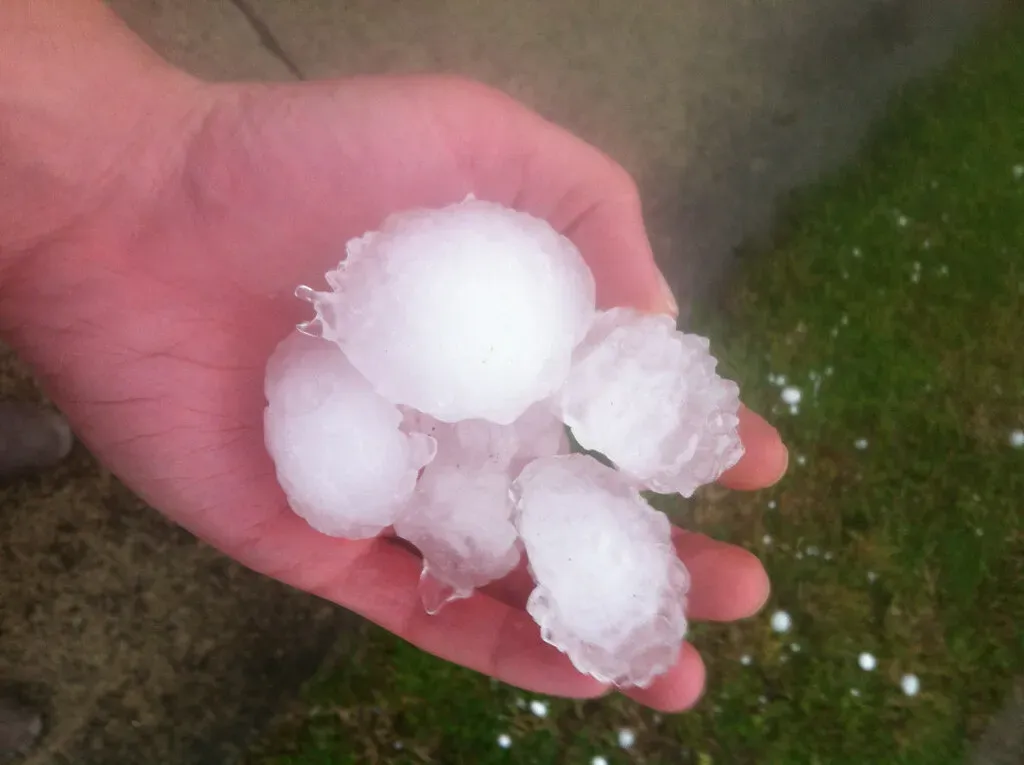
Hail sounds like a minor inconvenience. Dents on the car, maybe a broken window. But large hail is a serious pre-tornado signal that too many people treat as an isolated weather nuisance. I’ve spoken to people who stood on porches watching hail fall, completely unaware that a tornado was forming nearby.
Tornadoes and hailstorms go hand in hand. If you’re being pelted by golf-ball-sized ice and you notice the air feels cold, that’s no coincidence. As storms build, the air rising into them can cause sharp drops in temperature. Combine that with heavy hail, and you have a storm system unstable enough to brew a twister.
Hail is often associated with severe thunderstorms and can range in shape from pea-sized to grapefruit-sized. It can cause immense damage to property, injury, and even death depending on its size. When hail starts falling, take it as a compound threat signal, not a standalone event. Seek shelter in a sturdy interior room immediately.
6. Rapidly Rising Water Levels Near Streams or Roads
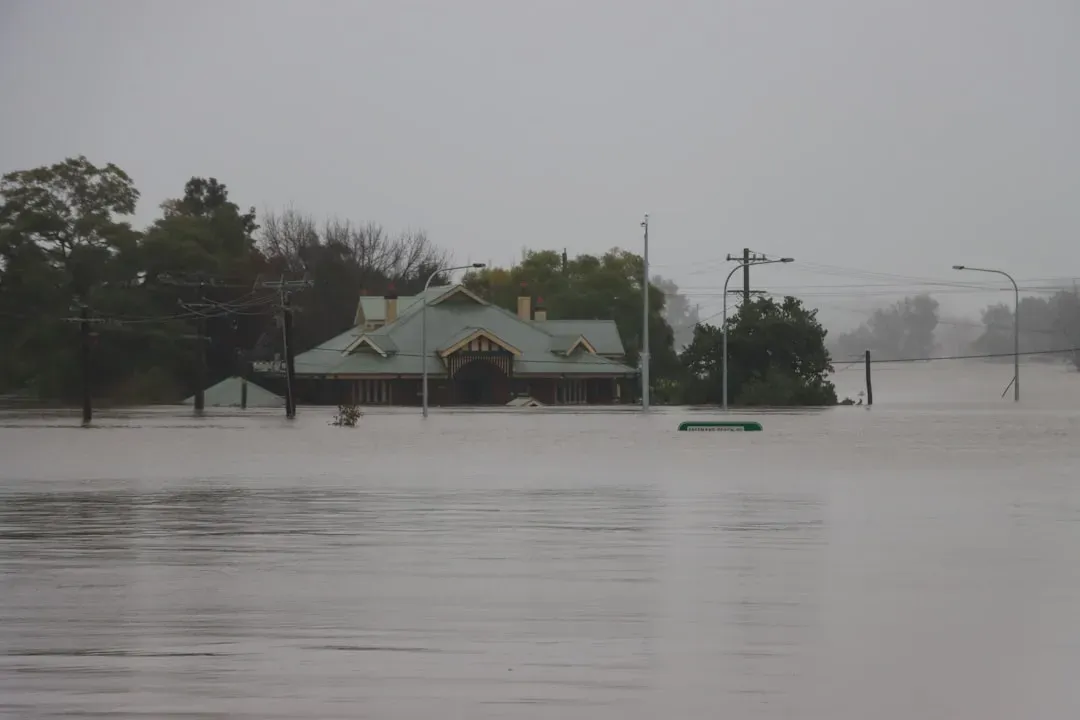
Flash floods are the kind of weather threat that catches people off guard precisely because they can begin miles away from where you’re standing. The sky above you might be perfectly blue. The water rushing toward you, however, came from a storm you never even saw.
Flash floods are the most dangerous kind of floods because they combine the destructive power of a flood with incredible speed. They occur when heavy rainfall exceeds the ability of the ground to absorb it, causing rapid rises of water in a short amount of time. They can happen within minutes of the causative rainfall, leaving very little time to warn the public.
A sudden rise in water levels near drainage ditches, creeks, or rivers is a clear warning sign. If you observe a normally calm waterway turning turbulent or rising rapidly, flooding may be close behind. Floodwaters can gain depth and speed within seconds, especially around underpasses or dips in terrain. A mere six inches of fast-moving flood water can knock over an adult, and it takes just twelve inches of rushing water to carry away most cars.
7. Extreme Heat with No Overnight Cooling
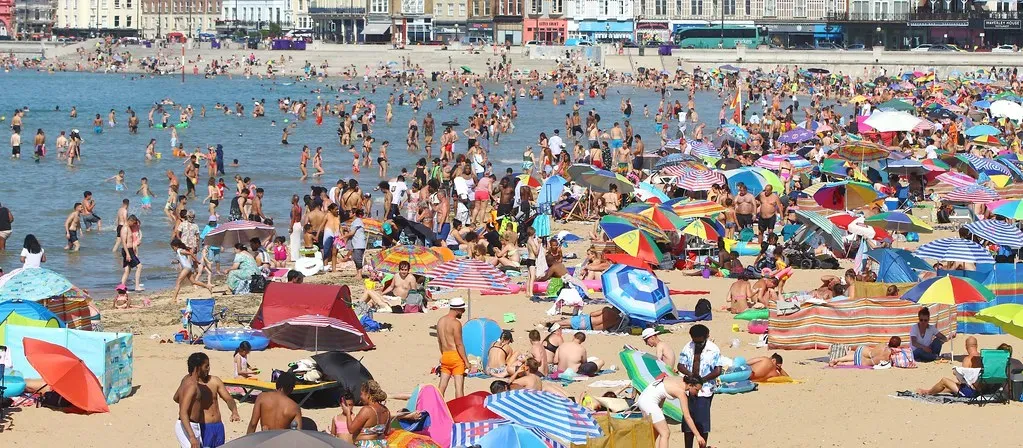
Heat is the silent one. It doesn’t howl, it doesn’t rattle windows, it doesn’t show up on a dramatic radar image. It just settles in, day after day, and quietly becomes one of the deadliest weather events on the planet. It’s hard to say for sure why people underestimate it, but the numbers are impossible to dismiss.
While cold weather continues to be a leading contributor to annual U.S. deaths, deaths linked to heat exposure have surged more than half over the past two decades, climbing from an annual average of roughly 2,670 between 2000 and 2009 to more than 4,000 between 2010 and 2020.
Despite its devastating impact, extreme heat is referred to as a ‘silent killer’ because it lacks the visibility of other extreme weather events. The United Nations Environment Programme’s Frontiers 2025 report reveals that heat-related deaths among adults aged 65 and above have surged by an estimated 85% since the 1990s. When nighttime temperatures refuse to drop and your neighborhood stays hot well past midnight, that’s when the real danger accumulates. Your body never gets the chance to recover.
8. Rapidly Shifting or Suddenly Dying Wind
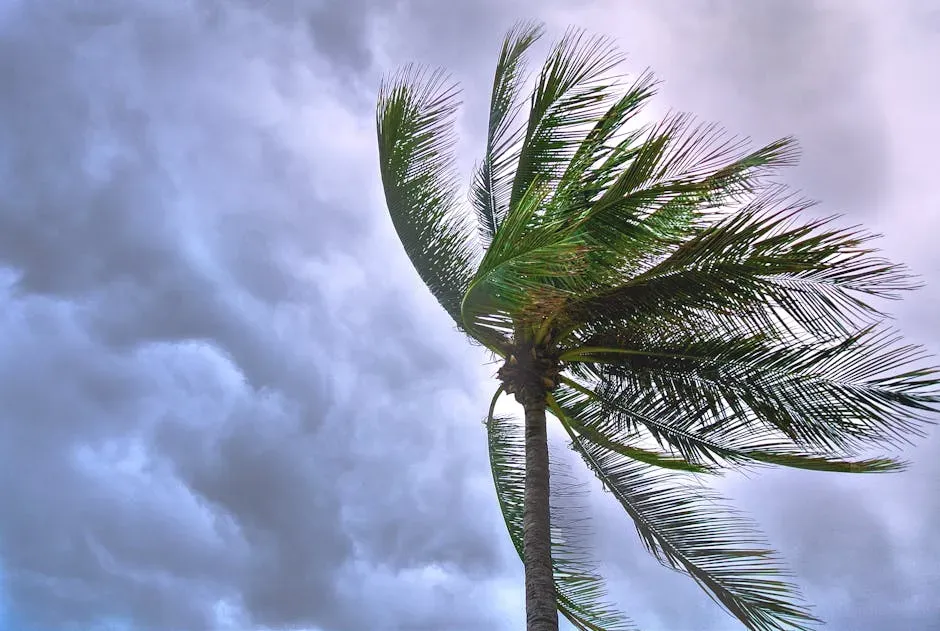
Wind behaving strangely is one of those signs that even experienced outdoors people sometimes miss. Most people notice when the wind picks up. Far fewer pay attention to when it abruptly shifts direction or stops altogether. Both behaviors are classic precursors to dangerous conditions.
When a thunderstorm enters its mature stage, precipitation begins to fall and creates a downdraft. When that downdraft and rain-cooled air spreads along the ground, it forms a gust front or a line of gusty winds. The mature stage is the most likely time for hail, heavy rain, frequent lightning, strong winds, and tornadoes.
Weather disasters repeatedly highlight the importance of early warning systems, which are among the cheapest and most effective ways to minimize fatalities. Warnings need to be targeted, given days ahead of a dangerous weather event, and outline clear instructions on what people need to do. A sudden wind shift or a dead calm before a storm is nature’s last hint. In 2024 alone, the U.S. sustained 27 individual weather and climate disasters with losses exceeding one billion dollars each, with total damages reaching approximately $182.7 billion. The cost of ignoring these signs, in every sense, is simply too high.
Stay Alert, Stay Alive
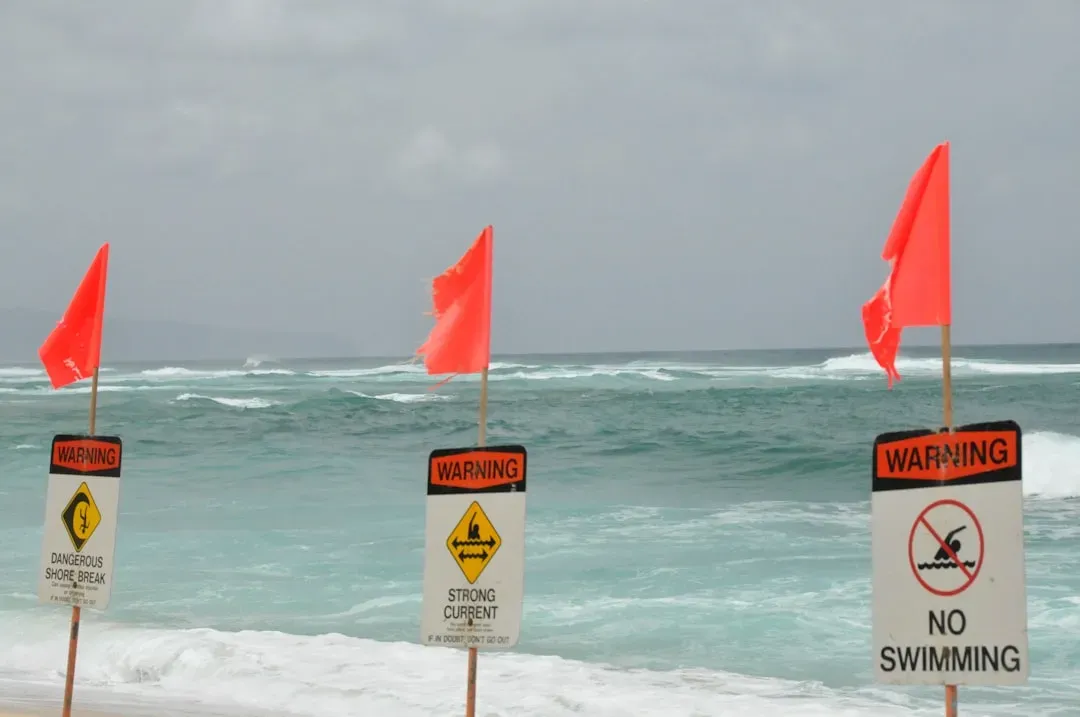
Weather doesn’t follow schedules. It doesn’t send calendar invites or politely wait until you’re prepared. Intense droughts, floods, storms, heatwaves, and other climate-driven disasters claimed more than 11,500 lives and affected at least 148 million people worldwide in 2024 alone. These are not distant statistics. They are neighborhoods, families, and ordinary afternoons that turned catastrophic.
The eight warning signs covered here are not rare or exotic. They happen in backyards, on highways, beside creeks, and during summer cookouts. The difference between a close call and a tragedy is often just awareness. Nature gives warnings. The question is whether you know how to read them.
Which of these warning signs surprised you most? Share your thoughts in the comments below.

- I Asked AI Which Coastal Cities Could Be Underwater by 2070 – The Results Are Chilling - March 24, 2026
- 8 Warning Signs in Local Weather Experts Say You Should Never Ignore - March 24, 2026
- I Asked ChatGPT Which American Regions Could Become Climate Safe Havens – The Results Surprised Me - March 23, 2026
