
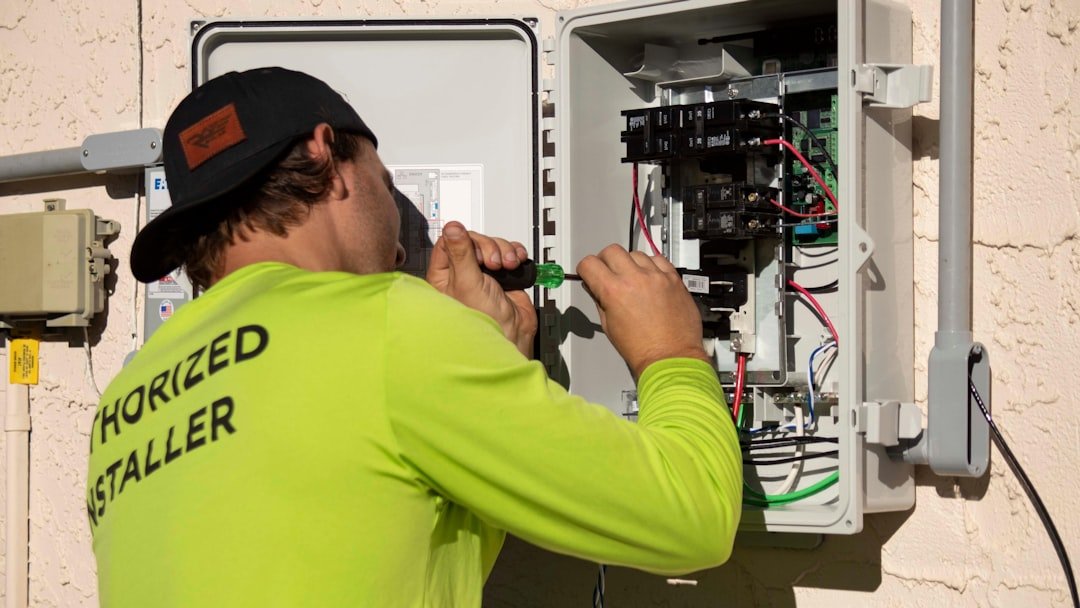

Most homeowners assume that owning a home means you can fix it however you like. The reality is more complicated. Across the U.S., a surprising number of repairs that seem perfectly ordinary – the kind of jobs you might knock out on a weekend – are actually illegal to do yourself in certain states, or flat-out require a licensed professional and a permit no matter who does the work.
The rules vary significantly depending on where you live. Every state has its own rules when it comes to what homeowners are allowed to do without a licensed professional. What’s a simple DIY project in one state could carry real fines, forced tear-downs, or insurance complications in another. Here are nine of the most commonly misunderstood repairs on that list.
1. Electrical Panel Upgrades and Rewiring
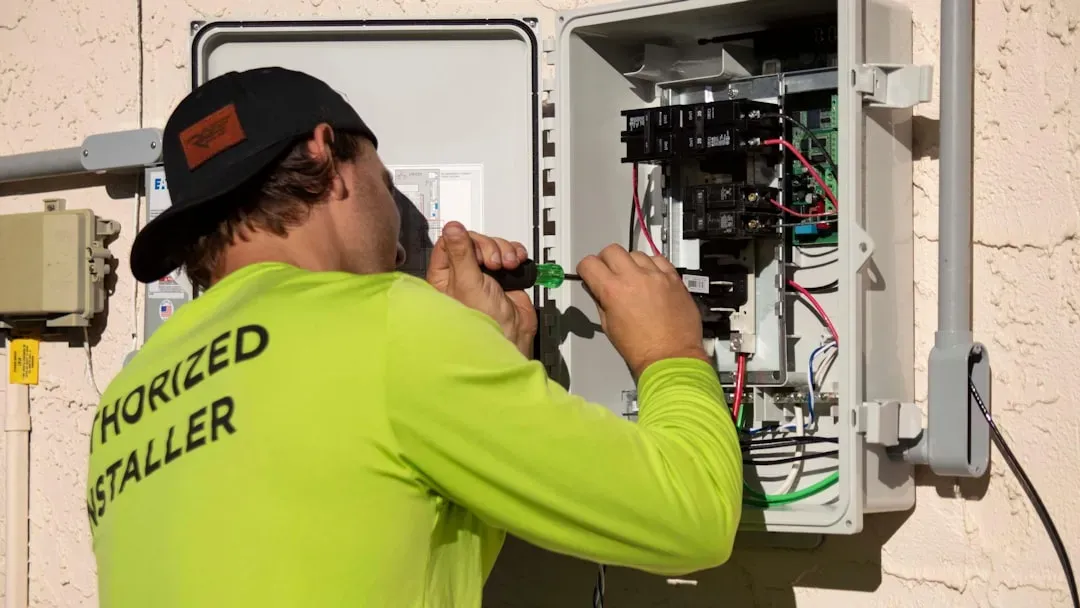
Working on your home’s electrical panel is a major no-go in many states without a licensed electrician. While it might seem like just another breaker swap or fuse fix, it’s considered high-risk work, and improper handling can lead to electrical fires, injury, or fatal electrocution. In states like Massachusetts and California, DIY panel upgrades are strictly prohibited.
In general, any electrical work behind the drywall requires a permit. What makes this particularly surprising is that even simple tasks like adding an outlet can land you in legal trouble without proper permits and licensing. According to the Electrical Safety Foundation International, electrical distribution systems are the third leading cause of home structure fires. The stakes here are genuinely high, not just bureaucratic.
2. Major Plumbing Changes
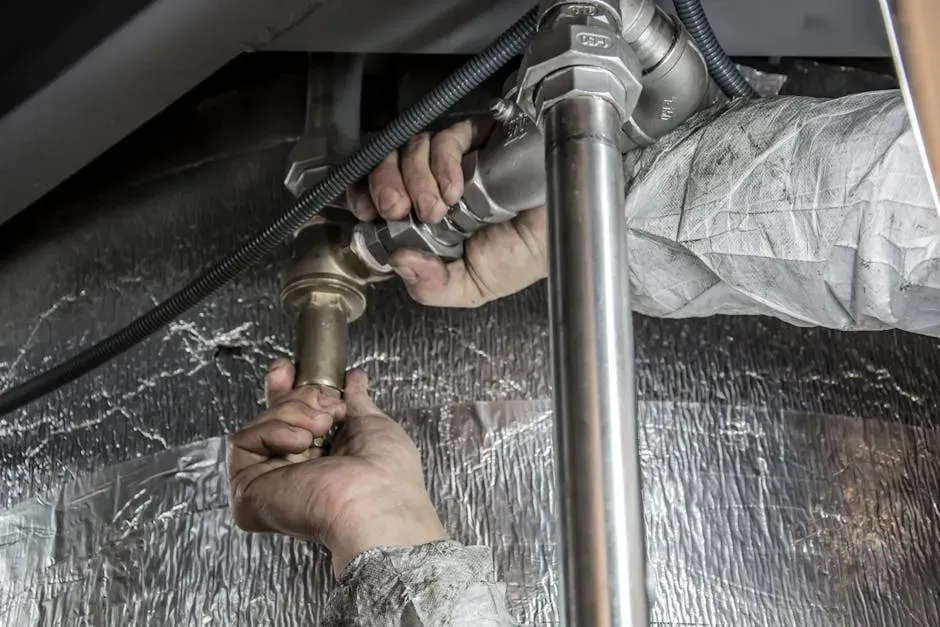
Many states, including Florida and Washington, prohibit homeowners from making major plumbing changes without a licensed plumber. These repairs often involve permits and must pass inspection to ensure public health standards are met. In Minnesota, it is illegal to perform any plumbing work without a license. Rerouting pipes, replacing sewer lines, or moving fixtures typically falls squarely into this restricted category.
Plumbing requires a deep understanding of water pressure, venting, and code compliance. Mistakes can result in leaks, flooding, or cross-contamination of drinking water. Many municipalities require a licensed plumber for large-scale modifications to ensure everything is safe and up to code. Violating these codes doesn’t just risk flooding – it can lead to fines or issues when selling your home.
3. Gas Line Work
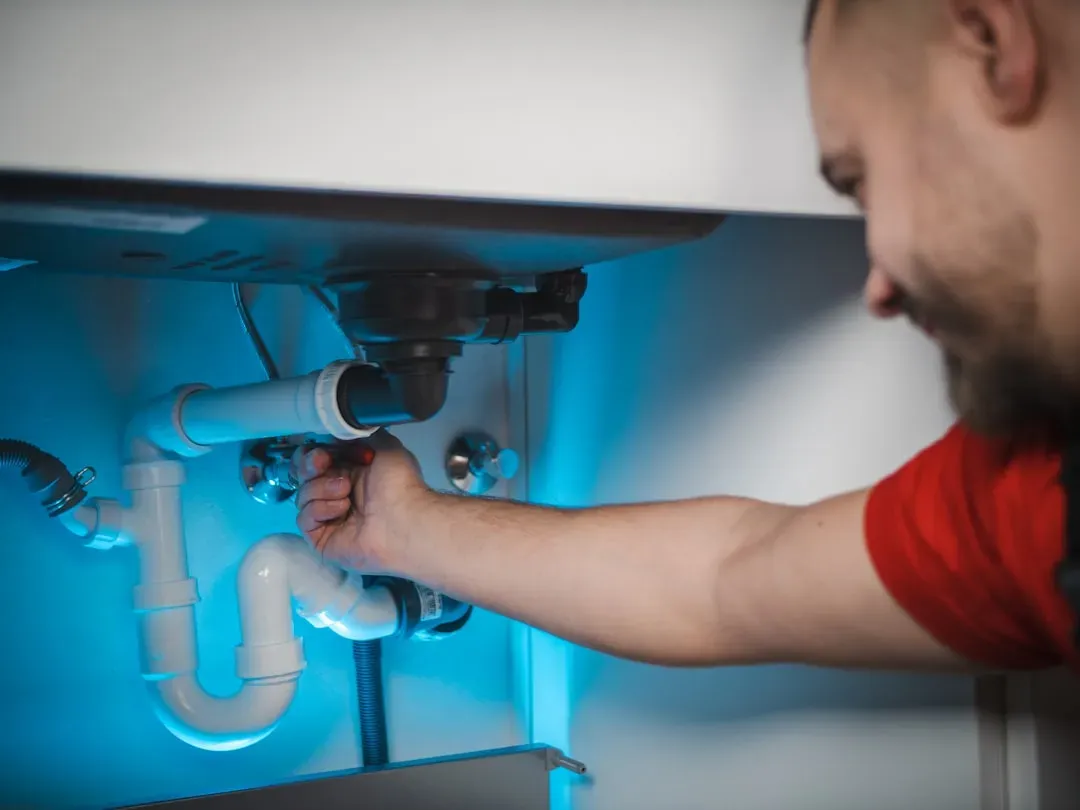
Whether you’re hooking up a gas stove, replacing a water heater, or extending a gas line, most states require a licensed contractor. A small mistake can result in gas leaks, explosions, or carbon monoxide poisoning. Places like New York and Illinois have particularly strict codes requiring permits and inspections.
Even a tiny leak can escalate into catastrophic explosions or silent carbon monoxide poisoning. Gas systems demand meticulous connections, rigorous pressure tests, and strict adherence to safety codes, which only licensed professionals are trained to manage. Most states enforce these regulations to protect homeowners, making DIY gas work not just risky but often illegal. According to the Centers for Disease Control and Prevention, around 400 people in the United States die from carbon monoxide poisoning each year.
4. Load-Bearing Wall Removal
Open-concept living is trendy, but knocking out a wall without a structural plan is both risky and often illegal. Many municipalities require architectural approval and permits before altering any load-bearing elements of a home. Removing these walls without reinforcement can compromise your home’s structural integrity, leading to collapse or costly future repairs. States like California and New Jersey have particularly strict enforcement of structural modifications.
These changes demand engineering calculations, permits, and inspections to ensure your home remains safe and sound. Without professional oversight, you risk not only collapse but also legal trouble and costly repairs to fix it all. The cost of the required structural engineering review is modest compared to the liability of getting it wrong.
5. Roof Replacement or Structural Roof Changes
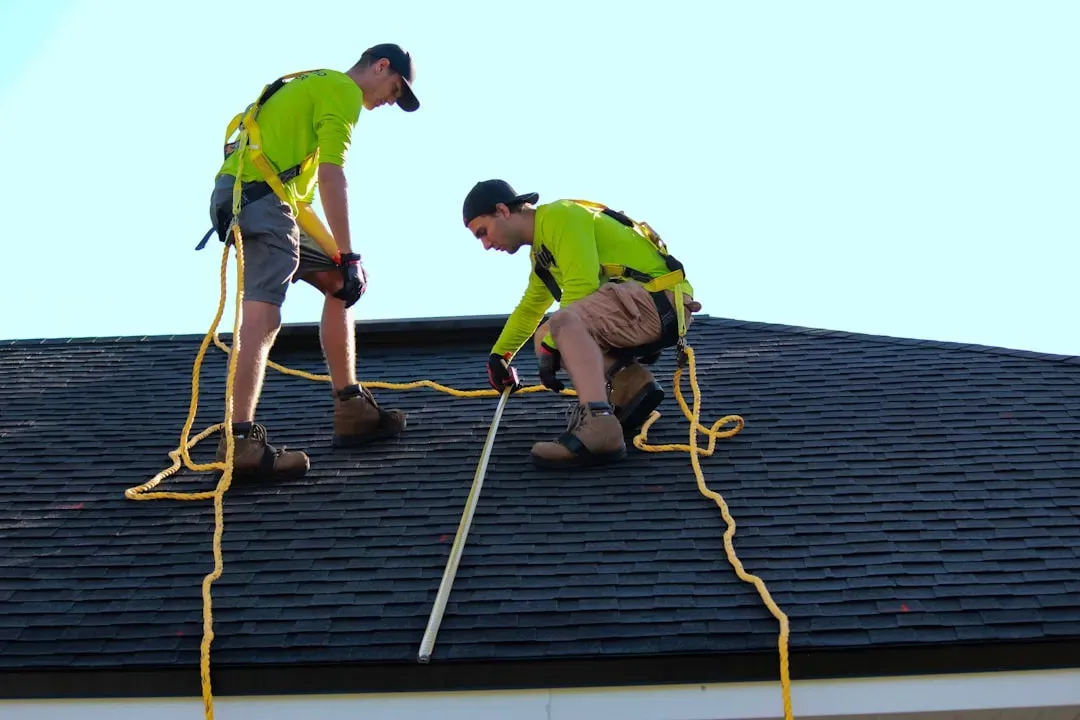
Replacing shingles might be fine, but replacing a whole roof or changing its structure is often regulated. States like Oregon and Michigan require a roofing license for full replacements or structural modifications. DIY roof work may violate local codes if it lacks proper permitting or fails to meet weatherproofing requirements.
Unlicensed work could void your homeowner’s insurance in the event of water or wind damage. Once you’re ready to make the permanent repair, you almost always have to go through the regular permit procedure. Many areas allow for expedited permits for emergency repairs, or even allow work to begin while the permit is still in process. That’s worth knowing before you climb up there with a staple gun.
6. HVAC Installation and Repair
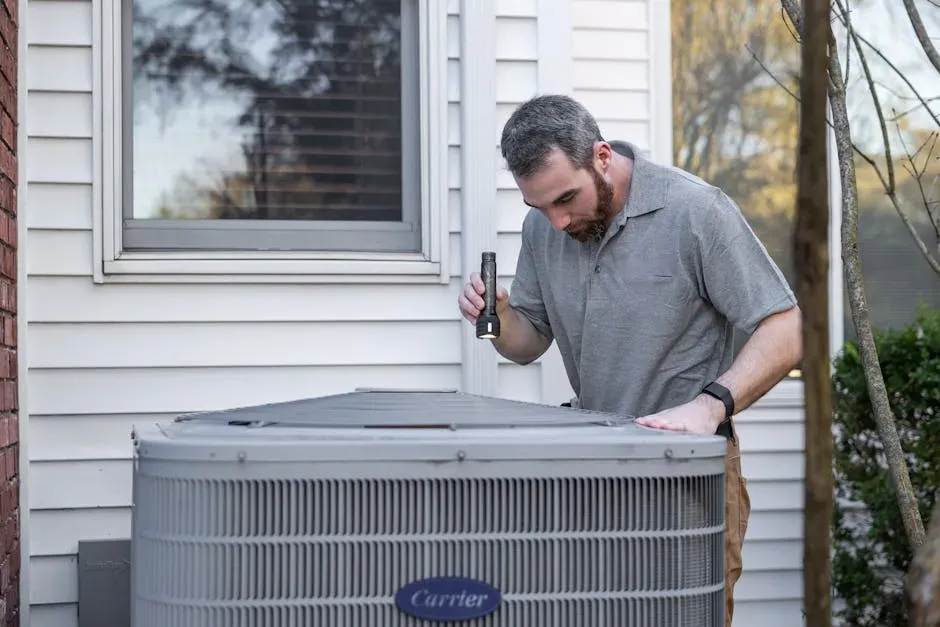
Heating, ventilation, and air conditioning systems require specialized training and legal certification in many states. Installing or repairing an HVAC system without proper licensing is illegal in places like Texas, where licensing boards strictly regulate who can handle refrigerants and ductwork. Incorrect installation can reduce efficiency, void warranties, or create carbon monoxide hazards.
HVAC systems involve complex electrical and mechanical components that require professional installation and maintenance. On a practical level, handling refrigerants is separately regulated under federal law regardless of state rules – the EPA restricts who can purchase and use certain refrigerants. This makes DIY HVAC work a two-layer legal problem in many situations.
7. Asbestos Disturbance or Removal
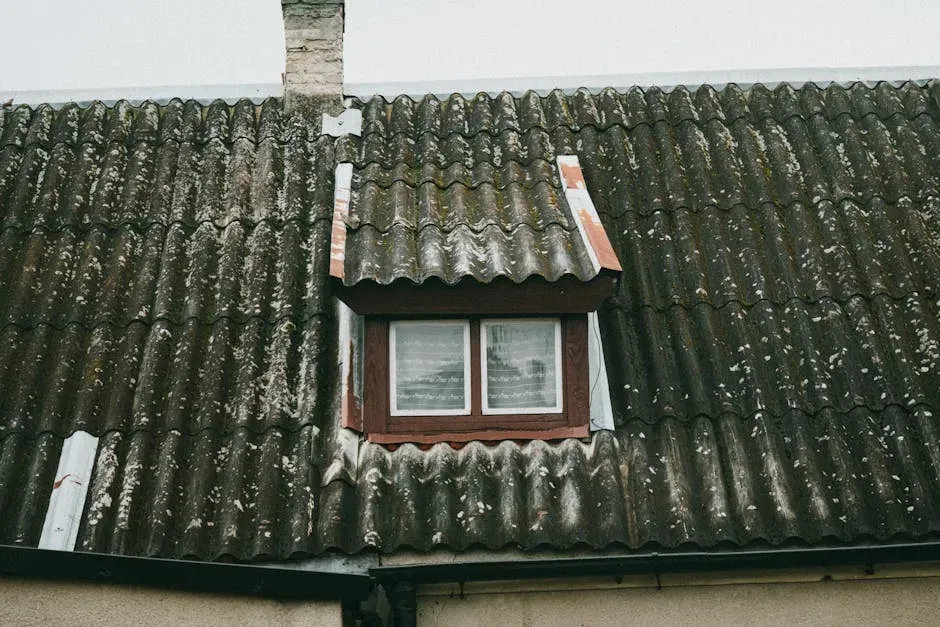
Asbestos is a highly hazardous material, and removing it improperly can release harmful fibers that increase the risk of severe health issues such as lung disease and cancer. Special certifications are required to handle and dispose of asbestos safely. California’s Division of Occupational Safety and Health regulates the certification of asbestos consultants and also regulates the training of workers who may be exposed to asbestos. Projects involving asbestos must be registered with the Division.
Although asbestos use has declined in the U.S., laws and regulations are still in place to manage legacy asbestos in older buildings. If you find asbestos in your home, even unintentional disturbance can lead to legal violations, fines, or forced project shutdowns. Knowing what the law requires helps you avoid costly setbacks and ensures that any work involving asbestos is handled properly and legally. Many homes built before 1980 still contain asbestos-containing materials in insulation, floor tiles, or ceiling texture.
8. Deck Construction Without a Permit
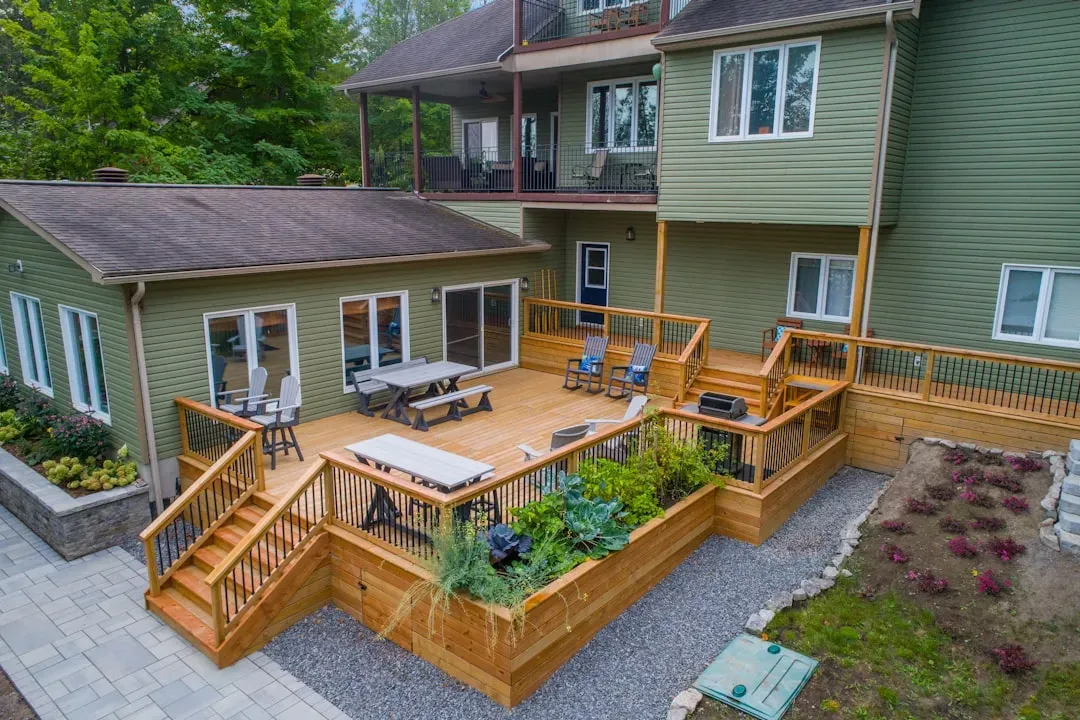
DIY decks are among the most frequent violations and also one of the most dangerous. Because of hurricanes, Florida’s codes are very strict. Decks must meet wind-load requirements, and permits are almost always required. Building without required permits is illegal in California and can result in fines up to $500 per day, forced removal of the structure, and problems selling your home.
If your deck is attached to your home, raised above the ground, or larger than a certain size, usually 200 square feet, you’ll need a building permit. Local building departments want to make sure your deck is structurally safe and up to code. If your deck is not built to code or not permitted and someone gets injured, you may be open to a lawsuit for having an unsafe and unpermitted structure. Such a lawsuit could come from the injured party themselves, or the building and planning department may find you liable.
9. Window and Door Opening Modifications
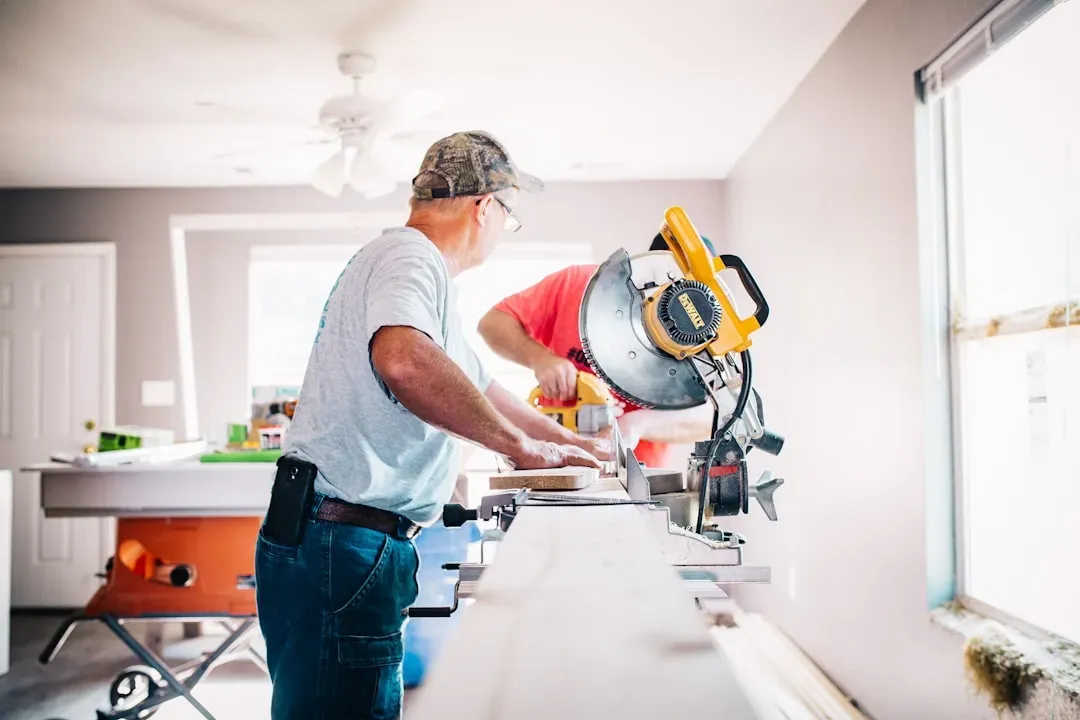
Adding a new residential window or exterior door where there wasn’t one before almost always requires a permit. Some municipalities also require a permit for a straight replacement. Many building departments simply require the replacement matches the dimensions of the existing door or window, while others insist on a specific look or material match.
Replacing a window with a door or enlarging an opening seems like a basic upgrade. If you’re cutting into your home’s structure, it likely requires permits, inspections, and code compliance. States like Colorado and Pennsylvania mandate that such modifications meet energy efficiency standards and structural codes. Installing the wrong size or skipping flashing details could lead to water damage or air leaks.
The common thread running through all nine of these repairs is that the consequences of skipping permits or licensing are rarely minor. Base fines can range between $500 and $5,000, depending on your location. Some cities even charge daily fines that add up until the issue is fixed. These costs jump dramatically for bigger projects or if you ignore city notices. Beyond the fines, illegal renovations could negate the homeowner’s insurance benefits you’re otherwise entitled to. Before picking up a tool on any of these projects, a quick call to your local building department is genuinely worth your time.
