

1. Plastic Bags and Film
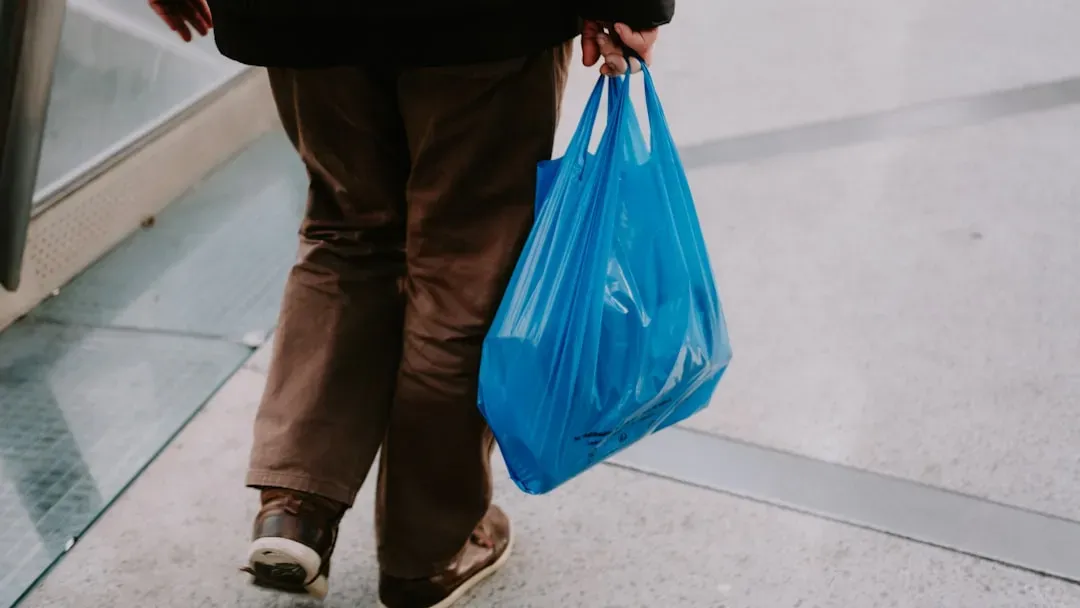
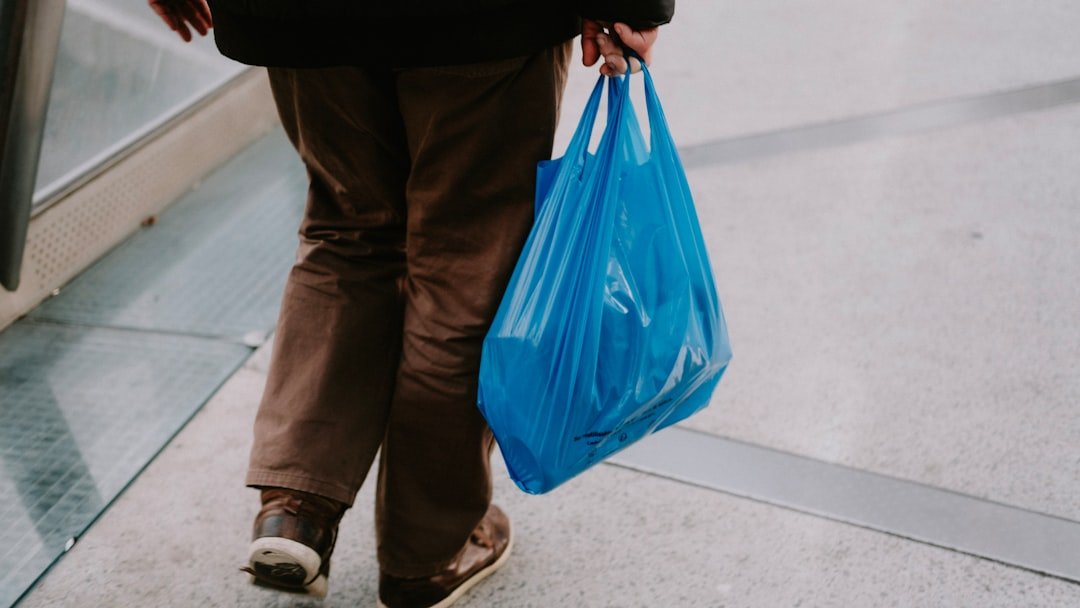
Plastic bags and wraps are one of the most common culprits in recycling contamination. Though many carry recycling symbols, standard curbside recycling facilities can’t process these items due to the type of plastic and their tendency to tangle in machinery. Plastic bags can cause jams in sorting equipment, leading to costly repairs and extended downtime.
The physical properties of plastic film make it incompatible with standard recycling streams. Unlike heavier plastic containers easily sorted by optical scanners, bags and films are too light and flimsy for proper separation. Processing thin materials requires specialized equipment that most municipal recycling programs lack. Many grocery stores and retail locations offer collection programs specifically for plastic bags and film, where these items are collected separately, kept clean and dry, and sent to specialized recyclers.
2. Disposable Coffee Cups

Paper coffee cups typically cannot be recycled because they are lined with a thin plastic film, usually polyethylene, that makes them waterproof and is not easily separated from the paper. That combination of materials is the crux of the problem. To the eye, a coffee cup looks like it’s mostly paper. In practice, it behaves like a hybrid product that most recycling equipment simply cannot untangle.
Many disposable coffee cups are lined with a thin layer of plastic to prevent leaks, rendering them unsuitable for standard recycling processes. This combination of materials complicates recycling efforts considerably. Unless your local program specifically confirms it accepts them, the bin for these cups is the regular trash, not the blue one.
3. Lithium-Ion Batteries
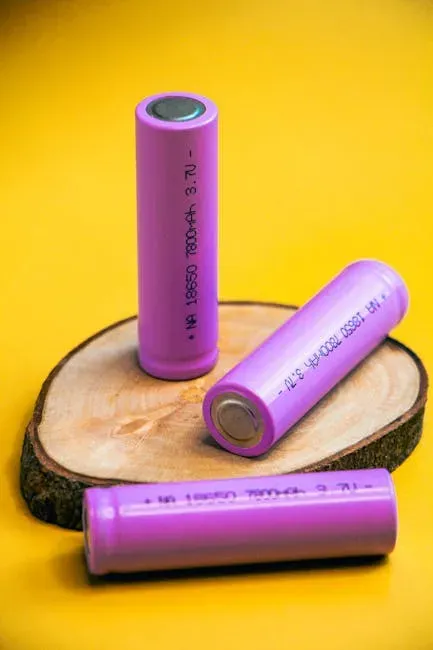
Batteries, especially the lithium-ion kind hiding inside old vape pens, wireless earbuds, and phone chargers, pose a serious threat. The National Waste and Recycling Association and Resource Recycling Systems estimate that more than 5,000 fires occur annually at recycling facilities across the United States, with lithium-ion batteries identified as a leading cause.
In 2025 alone, there were 448 publicly reported waste and recycling facility fires in the US and Canada, a new record and nearly a quarter above the annual average. Lithium-ion batteries are often improperly dropped in curbside recycling carts, and during transportation to the facility or on the tip floor itself, they can get jostled or punctured to the point that they go into “thermal runaway,” the industry term for residual energy inside the batteries causing heat and potential fire. These should always go to a dedicated battery drop-off point.
4. Greasy Pizza Boxes

Grease and oil are two of the worst contaminants in paper recycling, and greasy pizza boxes are one of the biggest culprits. During pulping, clean paper fibers separate and suspend in water, allowing contaminants to be filtered out. However, oil and grease don’t dissolve in water. They separate and float, dispersing throughout the pulp mixture.
Once in the slurry, the remaining oil floats to the top and becomes impossible to separate. Depending on what type of paper the mill was going to make and how much contamination is present, the entire batch may be ruined. A practical workaround is to cut off the clean top of the pizza box and send that to recycling while disposing of the greasy bottom in the trash.
5. Paper Towels, Tissues, and Napkins
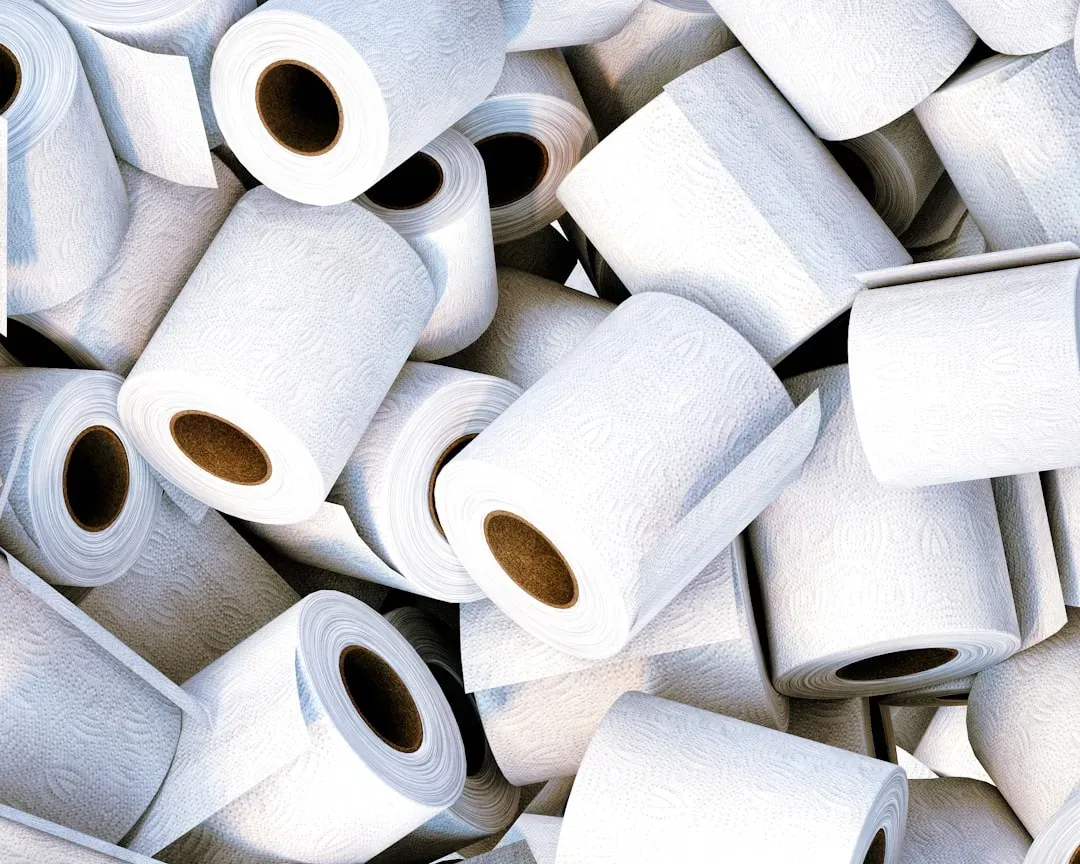
Used paper towels, napkins, and tissues cannot be recycled despite being made of paper. These products often have short paper fibers that have been recycled many times already, making them unsuitable for further processing. Additionally, they are usually contaminated with food residue, grease, or bodily fluids, which can spoil batches of recyclable paper.
Paper products such as paper towels, tissues, and paper plates cannot be recycled because they are contaminated with food, grease, and other liquids. Furthermore, since most tissue paper is made from recycled paper already, it can’t be recycled again as the paper fibres are too short, resulting in low-quality pulp. The best disposal option is to compost these items if they’re free from cleaning chemicals. Otherwise, they should be placed in the trash.
6. Shredded Paper
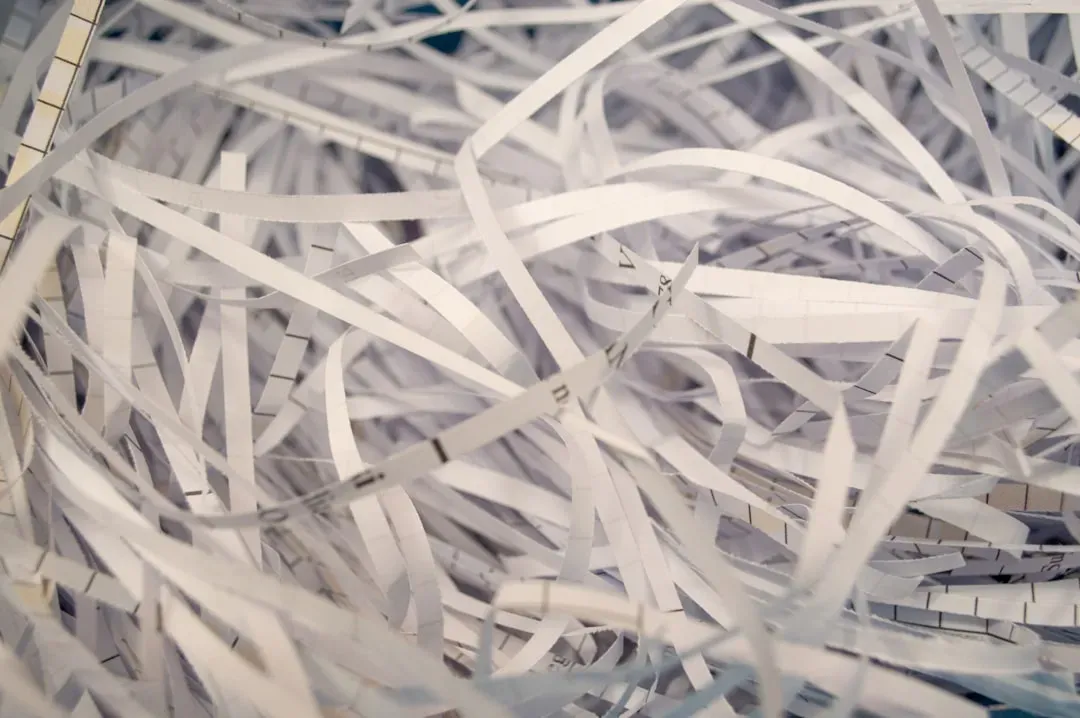
Shredded documents and small bits of paper are too small to be valuable to recyclers and can fall through the cracks or clog equipment. Shredded paper poses challenges because the small pieces can slip through sorting equipment and contaminate other materials. Additionally, shredding shortens fibers, decreasing their value for recycling.
Shredded paper’s reduced size poses real challenges for recycling facilities. The small fragments can clog machinery and are often too fine to be sorted effectively, leading to disposal in landfills. To recycle shredded paper, the better option is to collect it in a sealed paper bag labeled “shredded paper” before placing it in recycling, or check for local composting options instead.
7. Black Plastic Packaging

Most black plastic packaging cannot be identified by the optical sorting systems used in plastic recycling plants. This means it is usually sent to landfill or incinerated. The dark pigmentation absorbs the infrared light that sorting machines use to identify and separate plastic types. It’s not a processing quirk. It’s a fundamental incompatibility baked into the technology most facilities rely on.
Most black plastic packaging cannot be identified by optical sorting systems used in plastic recycling plants, meaning it is usually sent to landfill or incinerated. Black bin bags themselves also cannot be recycled, and if you put your recycling into a black bin bag, the bin crew might throw the entire bag into non-recyclable rubbish, even if you leave the bag open. Switching to clear or colored bags when putting out recycling avoids this problem entirely.
8. Thermal Paper Receipts
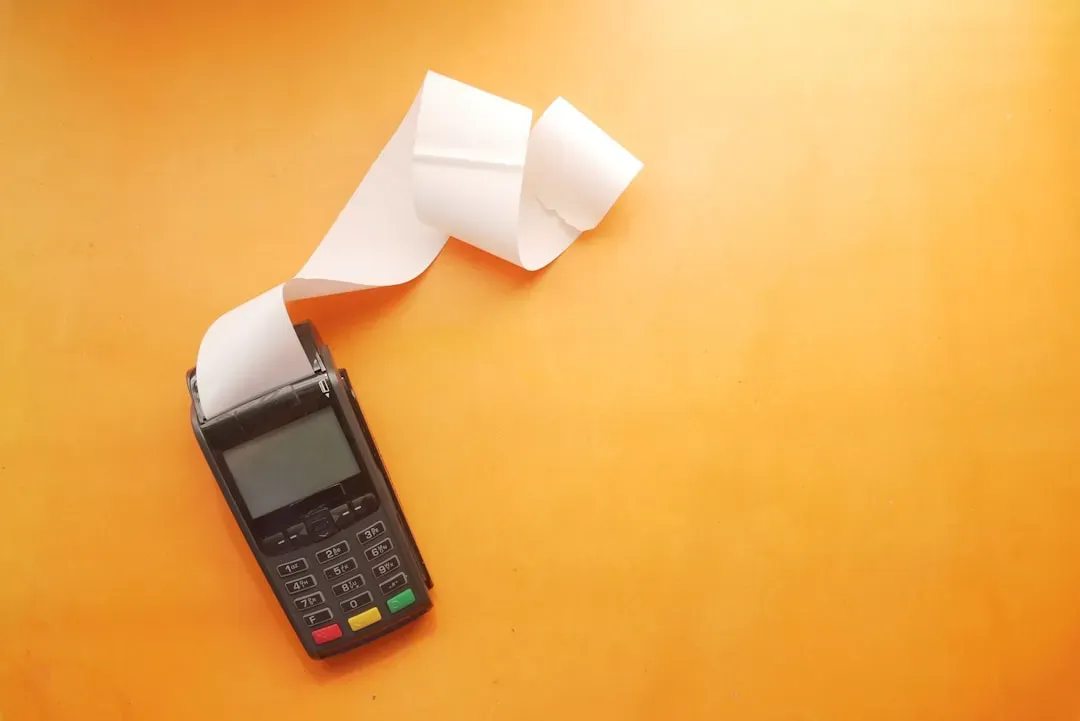
Most receipts are printed on thermal paper containing bisphenol-A, or BPA, or similar chemicals, making them impossible to recycle through standard processes. If these receipts enter recycling, they can contaminate entire batches of paper. They should be disposed of in regular trash.
While thermal cash register receipts are made from paper, they also contain bisphenol-A. When you recycle receipts, the BPA they contain gets processed with other paper pulp and contaminates the recycled paper products being produced. BPA also resists decomposition, making receipts unsuitable for composting. Opting for digital receipts wherever possible is a clean, practical alternative.
9. Broken Glass, Mirrors, and Specialty Glassware

Almost all glass jars are recyclable, including colored beer or wine bottles and non-food bottles. Items such as broken mirrors, vases, ceramics, glasses, or glass cookware are impractical to recycle, however, and can injure facility staff. Some items are also treated with chemicals to make them durable or heat-resistant, which can ruin recyclable material during the melting process.
Broken glass poses safety hazards to workers and can contaminate other materials. Items like light bulbs and drinking glasses are made from different types of glass that melt at different temperatures than bottle glass. These glass types are made with different chemical compositions and melting points, which can ruin entire batches of recycled glass. Broken glass should be wrapped carefully and placed in regular household waste, or taken to a designated household waste facility.
The broader pattern across all nine items is worth noting. A 2023 review found something counterintuitive: people with the strongest pro-environmental values were actually more likely to wishcycle. When they weren’t sure whether something belonged in the bin, they erred on the side of recycling it, assuming the system could sort out their mistakes. The system largely cannot. Knowing what to keep out of the bin is, in many cases, just as important as knowing what to put in.
